Exercise Induced Collapse in Labradors: Signs & Testing
Exercise-induced collapse can cause weakness and loss of coordination during intense activity in susceptible Labradors. Learn emergency actions, DNM1 test limits, diagnostic workup, activity management, and breeding context.

BVMS MRCVS
Medically reviewed by Dr. Pippa Elliott, BVMS MRCVS · Last reviewed

This article contains affiliate links. Webvet may earn a commission when you buy through them, at no extra cost to you.
Exercise induced collapse in Labradors is a genetic neuromuscular syndrome associated with variants in DNM1. In a susceptible dog, several minutes of intense, highly arousing activity can be followed by an abnormal gait, hind-limb weakness, loss of coordination, and sometimes collapse.
Many affected dogs remain conscious and recover after activity stops, but that pattern is not safe to diagnose at home. Heat illness, cardiac arrhythmia, low blood sugar, seizures, airway disease, toxins, and other neurologic or metabolic problems can also cause weakness or collapse. The first episode, an atypical episode, prolonged weakness, breathing difficulty, altered awareness, or overheating requires urgent or emergency veterinary assessment.
A genetic result identifies a risk-associated genotype; it does not prove that every collapse was EIC or rule out simultaneous disease. Management centers on identifying and avoiding each dog's triggers, stopping activity at the first abnormal sign, and building an individual return-to-activity plan with a veterinarian. Cooling is appropriate when a dog is actually overheated, but water, supplements, special gear, or routine cooling cannot prevent DNM1-associated collapse. No product belongs between an owner and emergency assessment.
 Sponsored
Have a health question about your dog?
Talk to a licensed vet at Dutch over video or message, including nights and weekends.
Use code Pets60
Plans start at $12/month · covers up to 5 pets
- Licensed vets in most states
- Rx for 150+ conditions
- 4.7 on Trustpilot
What exercise-induced collapse is
- 1Exercise induced collapse in Labradors is associated with DNM1 and typically follows intense, exciting activity, but the pattern is not a home diagnosis.
- 2Stop activity immediately at weakness or incoordination and get urgent veterinary assessment, treating collapse as an emergency until heat illness, heart disease, seizures, metabolic disease, and other causes are excluded.
- 3DNM1 results describe genotype and risk; they do not prove the cause of an individual event or guarantee that a genetically affected dog will collapse.
EIC is best understood as a problem of nerve signaling during strenuous activity in genetically susceptible dogs. DNM1 encodes dynamin 1, a protein involved in recycling synaptic vesicles so nerve cells can continue releasing neurotransmitters during sustained stimulation. The associated variant can impair that high-demand process. A dog may appear completely normal during ordinary life because normal walking and rest do not stress the system in the same way as intense retrieving, hunting, racing, or highly aroused play.

A typical episode begins during or shortly after strenuous activity rather than after a fixed number of minutes. The first visible change may be a rocking or loose gait, overreaching, a wide hind stance, scuffing, or weakness in the rear limbs. Some dogs continue trying to run despite poor control. Weakness may progress until the dog cannot support the hindquarters, and the front limbs can become involved in a more severe event. Consciousness may be retained, but descriptions vary and owner observation during a frightening episode is imperfect.
A dog may recover after rest, sometimes within minutes, but rapid recovery does not prove EIC. Cardiac syncope can also be brief. Seizures have a post-event recovery phase that varies. Heat illness may worsen after exercise stops. Give the veterinarian full context, including a reading from a flexible digital rectal thermometer if safely taken.
- Common reported triggers include intense retrieving, field work, sustained running, competitive activity, and highly arousing play.
- The University of Minnesota Canine Genetics Lab describes weakness typically starting after 5 to 20 minutes of strenuous exercise with extreme excitement, but no timer predicts an individual dog.
- Warm weather can increase overall risk during exercise, but EIC can occur without extreme environmental heat.
- Excitement appears important for some dogs, so a short frantic session may be riskier than a longer calm walk.
- A genetically susceptible dog may have inconsistent episodes rather than collapsing every time.
- Ordinary fatigue, reluctance, pain, and collapse are different observations and need different diagnostic consideration.
Labrador Retrievers are the breed most strongly associated with classic DNM1-related EIC, but related variants and clinical patterns have been reported in other breeds. Breed predisposition does not mean every exercising Labrador is affected. It also does not mean every affected dog will show the same age of onset, trigger, severity, or frequency. Many dogs are first recognized as young adults when training intensity increases, yet age cannot confirm or exclude the syndrome.
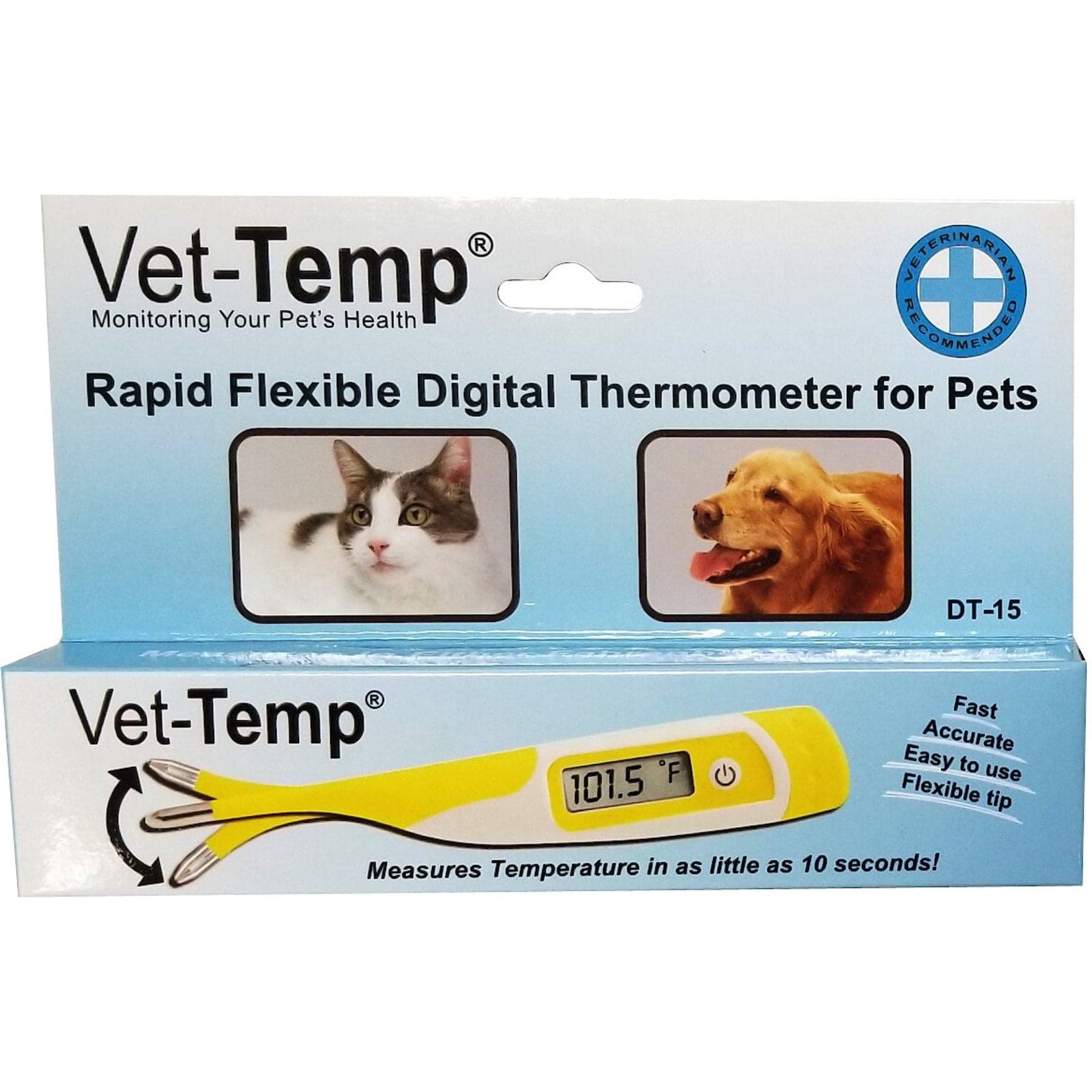
A flexible-tip digital thermometer makes it easier to take a quick rectal reading for your veterinarian and to track temperature while a dog cools. It records information; it does not diagnose or prevent a collapse.
Webvet may earn a commission when you click through to Chewy, at no extra cost to you.
How common is exercise-induced collapse in dogs? It is most common in Labrador Retrievers, and estimates depend on the country, working or pet lines, and who was tested. A genotype percentage is not the share of all Labradors that collapse, so ask what population a number describes.
- The University of Minnesota EIC resource reports that 30% to 40% of Labradors are carriers with one copy of the DNM1 variant.
- The same source reports that 3% to 13% are affected with two copies, and notes that the figure varies with the population tested.
- More than 80% of affected Labradors in that source had at least one collapse episode, while a few never showed signs.
- Signs usually begin between 5 months and 3 years of age, with an average near 14 months, per the same resource.
EIC is not a collapsed trachea. Tracheal collapse is an airway disorder more often associated with a honking cough, respiratory noise, or breathing distress. EIC is not congestive heart failure, although heart disease can cause exercise intolerance, breathing difficulty, weakness, or collapse. It is not simply poor conditioning, and it is not a behavior problem. These distinctions matter because an owner who assumes EIC may miss a time-sensitive cardiac, respiratory, heat, or metabolic emergency.
- Record the activity, duration, intensity, excitement, temperature, humidity, and access to shade before an event.
- Note gait changes, awareness, gum color, breathing, body temperature if safely measured, urination, limb stiffness or paddling, and recovery.
- Ask witnesses for independent descriptions because details can be lost in the rush to help.
- Save a video only if someone can record without delaying first aid or transport.
- Do not deliberately recreate the episode for a veterinarian, trainer, breeder, test provider, or camera.
The most important thing an owner can do is stop before a collapse is complete. If a dog begins to rock, drag, widen the hind stance, lose coordination, or ignore familiar movement cues during intense activity, end the session immediately and move the dog to a safe quiet area. Do not encourage one more retrieve to confirm the pattern. Early stopping may limit the episode, but it does not replace a medical evaluation.
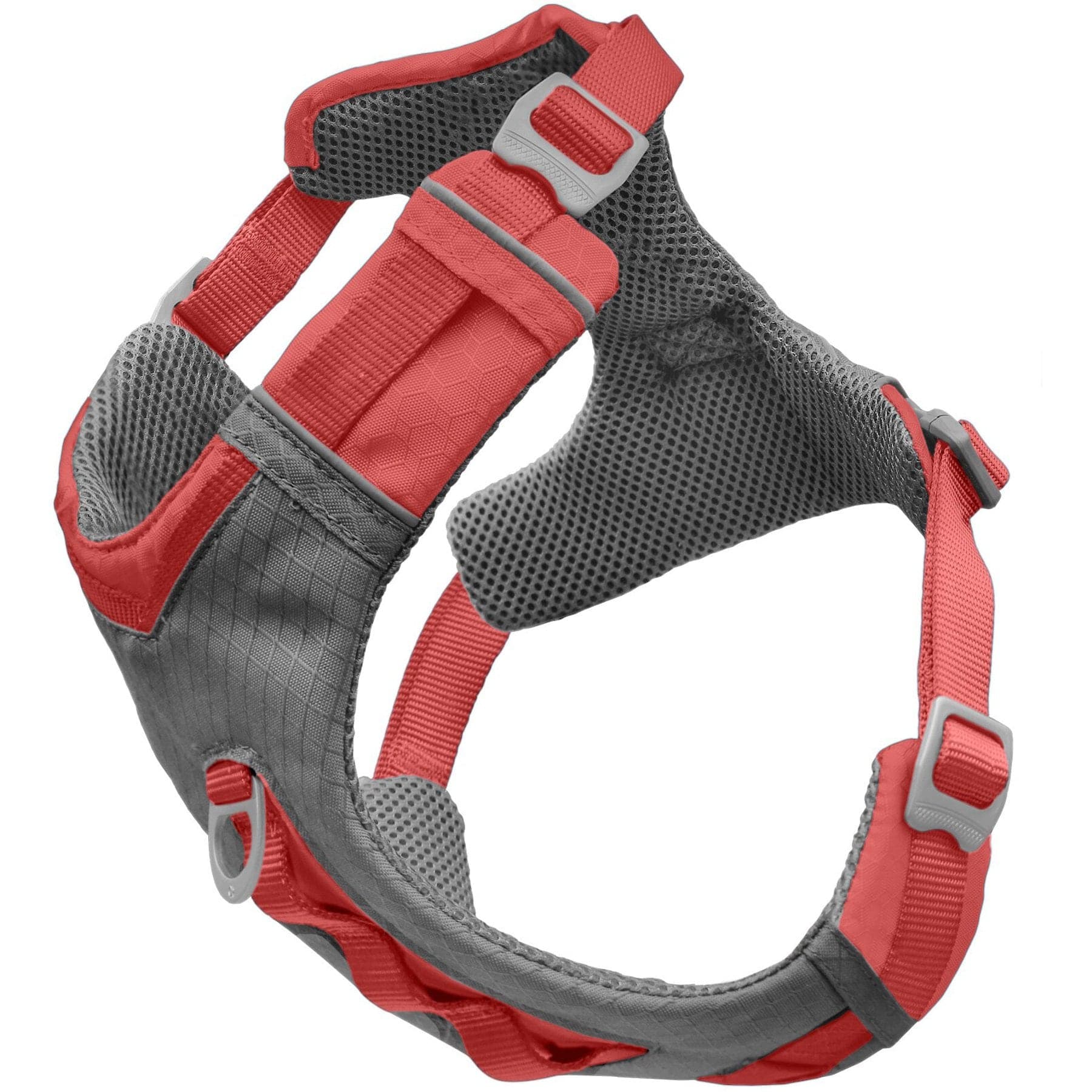
A no-pull harness helps keep a high-drive Lab on a calm, controlled leash walk instead of free retrieving. It supports the activity plan your veterinarian sets; it does not treat or prevent EIC.
Webvet may earn a commission when you click through to Chewy, at no extra cost to you.
A dog who merely slows during a routine walk may have pain, poor fitness, respiratory disease, or another problem. A dog with shaking rear legs may be cold, anxious, painful, weak, or neurologically abnormal. WebVet's guide to back-leg trembling in dogs organizes those observations, but any collapse belongs on a more urgent pathway. The term EIC should narrow questions only after safety comes first.
Trigger pattern and emergency collapse differentials
When a Labrador collapses, stop activity immediately. Keep the dog away from water, traffic, equipment, other dogs, and uneven ground. Do not make the dog stand or walk. Check responsiveness and breathing, note gum color, and call an emergency veterinary service for instructions. If the dog is unresponsive and not breathing normally, begin veterinary-directed resuscitation while arranging transport. A first collapse should not be watched at home simply because EIC is possible.
- Move the dog only as needed for immediate safety, using enough people to support the body.
- Remove restrictive equipment and provide airflow without placing ice directly on the skin.
- Offer no food, supplements, or large volume of water to a weak or poorly responsive dog.
- If overheating is suspected, start cooling immediately and cool first, transport second, as the Royal Veterinary College VetCompass heat-illness guidance advises: cold-water immersion for a conscious dog when it can be done safely, otherwise soak the coat with water and add moving air. Call the clinic on the way and stop active cooling at the temperature they advise.
- Bring the dog's medication list, genetic results, and a timeline of the event to the hospital.
- Expect the hospital to check hydration, clotting, kidney and liver values, gastrointestinal injury, glucose, electrolytes, and neurologic status.
| Observed collapse context | Collapse differential to consider | Emergency actions |
|---|---|---|
| Progressive rear weakness during intense exciting activity, dog often conscious | EIC is possible, but heat, cardiac, metabolic, neurologic, and orthopedic causes remain | Stop activity, keep the dog safe, and obtain urgent veterinary assessment |
| Very hot body, frantic panting, bright or dark gums, vomiting, diarrhea, confusion, or seizures | Exertional heat illness | Begin controlled cooling and transport to an emergency hospital immediately |
| Sudden limp faint with loss of consciousness and quick recovery | Cardiac syncope or another cause of reduced brain blood flow | Seek emergency assessment, including cardiac consideration |
| Stiffening, paddling, jaw movements, salivation, altered awareness, or prolonged confusion | Seizure or another neurologic event | Protect from injury, time the event, and seek emergency care |
| Affected DNM1 genotype but an atypical event | DNM1 results are not a diagnosis of this collapse | Investigate the event on its own merits, preventing a genetic result from becoming the explanation |
Exertional heat illness can resemble or coexist with EIC. A dog can overheat because exercise generates heat faster than the body can release it, especially in humidity, poor airflow, direct sun, or when acclimatization is inadequate. EIC is not prevented by hydration or cooling, but an overheated dog still needs cooling because heat injures organs. Cooling treats heat, not DNM1.
Share a rectal temperature with the emergency team only if you can take one quickly, without delaying cooling or forcing a thermometer into a struggling dog. Cool right away with cold or cool water plus airflow. Cold-water immersion is the most effective method for a conscious dog, and the older warning that cold water causes harmful vasoconstriction is not supported by current evidence. Soaking with moving air suits a weak or unresponsive dog. Keep cooling on the way to the hospital, because organ injury can continue after temperature falls.
Cardiac syncope is especially important because rhythm abnormalities may be intermittent. A dog can have a normal heart rate by the time of examination. Depending on history and breed, a clinician may recommend an electrocardiogram, echocardiogram, chest imaging, cardiac biomarkers, or ambulatory rhythm monitor. Fainting during exertion or excitement, pale gums, cough, reduced stamina, or a family history of sudden death increases the need to consider the heart. EIC and heart disease are not mutually exclusive.
- Heat illness is favored by hyperthermia plus systemic signs such as mental change, vomiting, diarrhea, or abnormal gums.
- Syncope often causes sudden loss of tone and consciousness with relatively quick recovery once blood flow returns.
- A seizure may include tonic stiffening, paddling, facial movements, salivation, urination, and a confused recovery period.
- Hypoglycemia can cause weakness, tremor, disorientation, seizures, or collapse and requires measured testing.
- Airway disease may produce cough, noisy breathing, distress, or blue gums rather than the classic progressive rear-limb EIC pattern.
Neurologic and neuromuscular differentials include seizure disorders, myasthenia gravis, centronuclear myopathy, spinal disease, peripheral neuropathy, and other inherited or acquired conditions. Orthopedic pain or cruciate injury may abruptly stop activity but usually produces a different examination. Metabolic causes include abnormal glucose, electrolytes, adrenal disease, anemia, and organ dysfunction. Toxic exposures can also produce weakness or seizures. A genetically affected Labrador still deserves this differential.
The airway question can be confusing because the word collapse is used in both EIC and collapsed trachea. A collapsed trachea does not reliably fix itself, and it is a separate disorder of airway structure. A honking cough, respiratory noise, or distress needs veterinary assessment. EIC describes an exercise-associated neuromuscular syndrome. The shared word should not lead an owner to transfer advice from one condition to the other.
Congestive heart failure is also separate. Advanced heart failure may cause rapid or labored breathing at rest, cough in some dogs, weakness, fainting, fluid accumulation, poor appetite, and distress. Those signs require urgent care. They are not final stages of EIC. If a Labrador has been diagnosed with EIC and later develops resting respiratory change or collapse outside the usual trigger pattern, the event must be investigated as new.
- Time the event from the first abnormal step to meaningful recovery, but do not let the clock determine whether care is needed.
- Describe whether the dog responded to name and touch throughout the episode.
- Report environmental heat and exercise intensity without assuming either explains the collapse.
- Save genetic test reports with the laboratory and exact genotype, not only a verbal positive or clear label.
- After any event, do not resume activity until the veterinarian has provided a plan.
A previous typical EIC diagnosis does not make every later episode routine. The dog may age, develop heart disease, take new medication, gain weight, or encounter more heat. An episode can also cause injury during a fall. Reassessment thresholds should be written in advance, and emergency care should remain the default for any event that is more severe, longer, occurs with less activity, involves altered consciousness, or looks different from the established pattern.
 Sponsored
Vet care that's always there
Unlimited video calls and messaging with licensed vets for less than a typical vet visit. One membership covers up to five pets.
Use code Pets60
Plans start at $12/month · covers up to 5 pets
- Licensed vets in most states
- Rx for 150+ conditions
- 4.7 on Trustpilot
DNM1 testing and diagnostic limits
DNM1 testing usually uses a cheek-swab or blood sample to identify the known EIC-associated variant. Results are commonly reported as clear, carrier, or affected, though exact notation varies by laboratory. The disorder is inherited in an autosomal recessive pattern. A carrier has one copy of the variant and generally is not expected to develop classic DNM1-associated EIC, while a dog with two copies is genetically affected and at risk of clinical episodes.

At risk is the essential phrase. Penetrance is incomplete, meaning not every dog with the affected genotype has an observed collapse. Trigger exposure, intensity, excitement, age, individual biology, and owner recognition may influence whether signs are seen. Conversely, a clear result does not guarantee that a dog will never collapse from another cause. The test answers a genetic question, not the entire clinical question.
The UC Davis Veterinary Genetics Laboratory EIC test information describes available DNA testing and inheritance. The University of Minnesota resource explains the underlying DNM1-associated syndrome in Labrador Retrievers. Use a reputable laboratory, verify the dog's identity, follow sample instructions, and retain the full report. A screenshot that says positive without genotype, laboratory, or dog identity is inadequate for medical or breeding decisions.
- Clear means the tested known variant was not detected; it does not clear the dog of every cause of collapse.
- Carrier means one copy was detected; carriers can pass the variant and need thoughtful breeding decisions.
- Affected genotype means two copies were detected and clinical EIC risk is increased; it does not prove the cause of every event.
- A laboratory result should be interpreted with history, examination, and any additional diagnostic findings.
- Unexpected family results may warrant identity verification, retesting, or genetic counseling rather than accusation.
A clinical workup begins with a detailed event history and a complete physical and neurologic examination. The veterinarian may recommend a complete blood count, chemistry profile, urinalysis, glucose, electrolytes, or other laboratory tests to assess metabolic and organ causes. Cardiac evaluation may include auscultation, electrocardiography, imaging, or rhythm monitoring. Neurologic tests depend on awareness, examination, and whether events resemble seizures or another disorder.
Video evidence can be helpful because the dog may look normal by the appointment, but it must be incidental, never provoked. A useful video shows the entire dog, begins as early as safely possible, and includes voice interaction that helps document awareness. It should not delay stopping activity, moving out of danger, cooling an overheated dog, or leaving for emergency care. The absence of video never lowers the seriousness of a collapse.

Ask the clinician to separate three conclusions: genotype, observed syndrome, and working diagnosis for the event. A dog can have an affected DNM1 genotype without a documented clinical episode. A dog can have a collapse pattern consistent with EIC while other differentials are still being excluded. A dog can have confirmed EIC and later experience a different cardiac, heat, metabolic, or neurologic event. Keeping these conclusions separate prevents a genetic result from becoming diagnostic tunnel vision.
- What parts of the event fit classic DNM1-associated EIC, and what parts do not?
- Which dangerous differentials have been reasonably excluded, and which remain?
- Does this dog need cardiac, neurologic, metabolic, or heat-injury testing now?
- How should an affected, carrier, or clear result change breeding decisions?
- What exact signs should trigger emergency care during a future event?
Testing an apparently healthy dog can be valuable before breeding, before intense field or sport training, or when relatives are affected. It should be paired with counseling. Removing every carrier from a breeding population at once can unnecessarily narrow genetic diversity. A carrier can be bred to a clear dog under a responsible program that tests offspring and avoids producing affected puppies. The breeding goal is to reduce disease risk while preserving the health of the population.
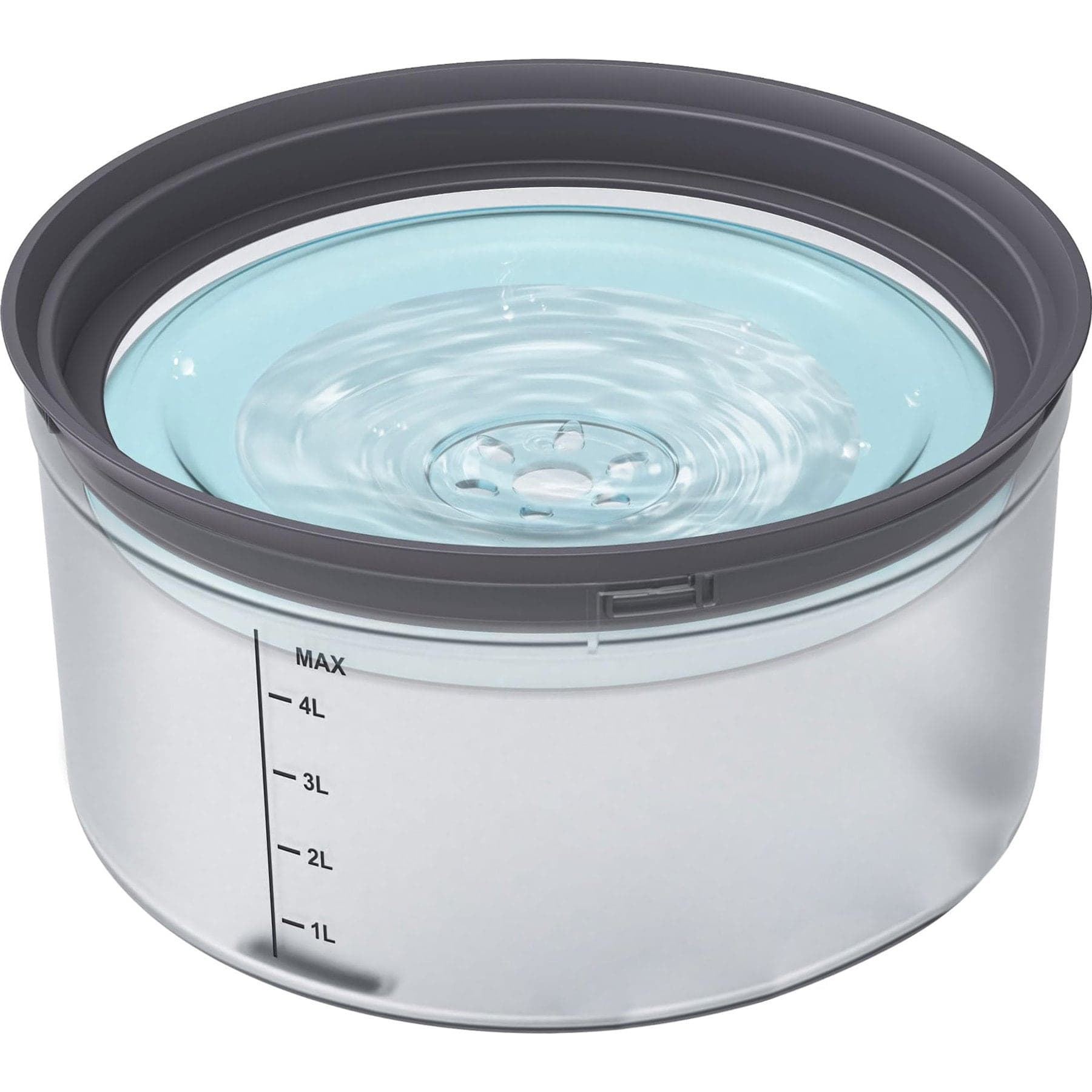
A wide no-spill bowl keeps fresh water available at the rest stop during and after a calm session. It supports general hydration and heat management around exercise; it does not prevent an EIC episode.
Webvet may earn a commission when you click through to Chewy, at no extra cost to you.
Affected dogs should not be bred in ordinary responsible practice because all offspring receive a variant copy and breeding can perpetuate clinical risk. The specific decision belongs with a veterinarian, genetics professional, and breed program that understands the full pedigree and health context. Working ability or a lack of observed episodes does not erase an affected genotype. Likewise, a carrier label does not mean the dog is sick.
The University of Saskatchewan Veterinary Medical Centre EIC service resource provides detailed clinical context, differential diagnosis, and management considerations. Such specialty resources are more useful than a short test-company result page because they connect genotype with observed episodes and medical workup. Even so, no reference can examine your dog or determine whether a collapse needs emergency treatment.
Activity management, prognosis, and breeding context
There is no drug or product proven to cure DNM1-associated EIC. Management centers on avoiding the combination of intensity, duration, excitement, and environmental conditions that has triggered episodes in the individual dog. The dog should stop activity at the first loss of coordination, rear weakness, or unusual gait. A plan may allow calm lower-intensity exercise while excluding frantic retrieving, prolonged field work, or competitive situations. The veterinarian should set boundaries after other causes are evaluated.

Return to activity is a controlled search for a safe routine below the known trigger threshold, not a test of whether the condition is gone. Start only after the veterinarian clears the dog and any injuries or concurrent disease have been addressed. Choose a cool, quiet setting, use a no-pull harness instead of free retrieving, keep a no-spill water bowl at the rest point, and stop while movement is normal. Never increase duration and intensity at the same time.
- Prefer calm leash walking, scent work, training that limits arousal, or other veterinarian-approved activities.
- Avoid repeated high-drive retrieves, forced running, and competitions that make early stopping difficult.
- Plan shade and normal access to water for general safety without claiming hydration prevents EIC.
- Exercise with a second person who knows the emergency plan when risk is uncertain.
- End the session immediately if gait, coordination, responsiveness, or breathing changes.
The popular five-minute rule for Labrador puppies suggests a set amount of exercise per month of age. It is not a validated medical formula for preventing EIC or orthopedic disease. Puppies differ in growth, health, terrain, play intensity, and self-directed rest. An age-based minute count cannot make frantic activity safe or calm exploration unsafe. Discuss appropriate exercise with the veterinarian and breeder, keep growth lean, avoid repetitive forced high-impact work, and let the puppy rest.

A printed pet first-aid guide gives every handler the same heat and collapse steps to read before they are needed. It is a reference for preparation, not a substitute for veterinary assessment.
Webvet may earn a commission when you click through to Chewy, at no extra cost to you.
The unrelated 7-7-7 or 3-3-3 style rules seen in dog advice usually describe adjustment periods, training, or socialization heuristics. They do not diagnose or manage EIC. Online rules are memorable because they are simple, but clinical risk is individual. Watch the dog in front of you and follow a veterinary plan rather than a universal timer.
A calm floor-level rest area can help any dog recover from routine activity or an evaluated event, but it has no effect on the DNM1 mechanism. No bed, cooling mat, water container, or supplement prevents an EIC episode.

- Keep a written trigger log with activity, excitement, weather, early signs, duration, and recovery.
- Review the log with the veterinarian rather than testing increasingly intense limits.
- Revisit the diagnosis if episodes change, occur at rest, involve altered consciousness, or require less exertion.
- Maintain a healthy body condition and general fitness because obesity and deconditioning add independent exercise risk.
- Give trainers, pet sitters, and family members a concise stop-activity and emergency-contact plan.
Prognosis for life can be good when owners reliably avoid triggers and the dog has no serious concurrent disease, but prognosis for unrestricted high-intensity work may be poor. Some affected dogs never have a recognized episode, some have occasional events, and others are difficult to protect because drive remains high. Severity can vary. The fact that a dog recovered before does not guarantee that every future event will be brief or uncomplicated.
Quality of life does not require maximal exercise. Many Labradors can enjoy calm walks, scent games, food puzzles, swimming only if specifically judged safe, low-arousal training, and social time. Swimming deserves special caution because weakness in water can be fatal before an owner reaches the dog. Do not use water exercise as a workaround unless the veterinarian has assessed the risk and direct close control is possible.
Medication reports in EIC are limited, and no medication should be started as a trial without veterinary direction. Drugs can affect temperature regulation, alertness, heart rhythm, glucose, or exercise tolerance and may complicate interpretation. Supplements marketed for energy, hydration, muscles, or nerves do not correct DNM1. Avoid claims that electrolytes, omega fatty acids, joint products, or cooling equipment prevent an episode.
- Ask whether the dog should wear a body harness and identification stating the collapse history.
- Confirm whether car travel, hunting, field trials, dock diving, running, or swimming should be restricted.
- Discuss normal conditioning separately from trigger exposure.
- Establish a temperature and cooling plan for heat risk without confusing it with EIC prevention.
- Schedule reassessment if age, weight, cardiac status, medication, or event pattern changes.
Breeding decisions should use verified genotype rather than a family rumor or exercise history alone. Clear dogs do not carry the tested variant. Carriers can pass it but typically are not clinically affected by classic recessive EIC. Affected dogs have two copies and are at risk, even if they have never collapsed. Mating plans should avoid producing affected offspring while maintaining broader genetic health. Breed clubs and veterinary genetics professionals can help interpret population strategy.
Owners of relatives should be informed respectfully so they can test and make safe activity and breeding choices. A result is not evidence of wrongdoing and does not define the dog's worth. Because the variant can move silently through carriers, transparent testing is more useful than blame. Registering verified results in an appropriate database may improve health decisions, subject to privacy and program rules.
Create an emergency plan even if episodes have been mild. Keep a printed pet first-aid guide with the plan so every handler reads the same steps before they are needed. Identify the nearest 24-hour hospital, know the route from training grounds, keep a charged phone, and ensure another handler can transport the dog. The plan should specify that any first, atypical, prolonged, overheated, unconscious, respiratory, or worsening event receives emergency care. Familiarity with EIC should improve preparedness, never lower vigilance.
Veterinary workup after a collapse
The first examination may be normal because an EIC episode can resolve before arrival. That does not make the visit unnecessary. The clinician uses the event history, video if safely obtained, physical and neurologic examination, body temperature, cardiovascular assessment, and targeted tests to estimate which causes are most urgent. Bring details about diet, fasting, medications, supplements, toxin access, travel, prior events, and relatives with collapse.
Baseline blood testing can identify anemia, glucose abnormalities, electrolyte disturbances, inflammation, organ dysfunction, and other contributors, but normal results do not prove EIC. Cardiac testing may be indicated when the event includes abrupt loss of consciousness, pale gums, cough, exercise intolerance, or a concerning rhythm. Neurologic evaluation becomes more important with altered awareness, seizure-like movements, persistent deficits, pain, or findings between episodes.
The workup should be proportional to the event and the dog's risk, not reduced to ordering every possible test. Ask which dangerous causes need exclusion now, which tests are most likely to change care, and what can be monitored. If a DNM1 test is ordered, clarify whether it is meant to support a clinical suspicion, inform breeding, or both. A positive result does not make cardiac or heat assessment redundant.
- 1Was the dog conscious and responsive throughout the event?
- 2Did weakness build progressively or did the dog suddenly go limp?
- 3Were gums normal, pale, blue, bright red, or unusually dark?
- 4Was body temperature measured, and when relative to stopping activity?
- 5Did the dog return fully to normal, and how long did each stage take?
- 6Has exercise tolerance changed outside discrete episodes?
Follow-up matters because patterns emerge over time. A trigger log may reveal that events occur only with a specific high-arousal activity, or it may show they are becoming easier to trigger. The latter change should prompt reassessment. Likewise, a new cough, fainting at rest, weight loss, increased thirst, weakness between episodes, or a changed neurologic examination can redirect the diagnosis. Do not allow an old EIC label to hide new disease.
Return-to-exercise advice should be written, shared, and conservative enough that every handler can follow it. Specify allowed activities, session duration, intensity, environmental limits, early stop signs, and emergency thresholds. A dog who becomes intensely excited by a particular game may need that game removed even when calmer activities are tolerated. Success means avoiding episodes while preserving safe enrichment, not proving how much activity the dog can survive.
Finally, ask the veterinarian to document diagnostic confidence. Terms such as confirmed genotype, syndrome consistent with EIC, and collapse of undetermined cause mean different things. Precise language helps emergency clinicians, breeders, trainers, and future veterinarians interpret the history correctly. It also protects the dog from two errors: dismissing a genuine EIC risk and assuming that every collapse is explained.
- For a first event, prioritize stabilization and exclusion of immediate threats before genetic interpretation.
- For repeated typical events in an affected-genotype dog, review whether triggers have changed and whether concurrent disease has emerged.
- For an atypical event, reopen cardiac, neurologic, metabolic, toxic, respiratory, heat, and orthopedic differentials.
- For a carrier or clear dog, investigate collapse normally because that result does not establish protection from other emergencies.
- For a symptom-free affected-genotype dog, plan activity and breeding counseling without trying to provoke an episode.
A useful discharge plan names the early sign that ends activity. For one Labrador it may be a subtle rocking of the pelvis; for another it may be delayed turns, toe scuffing, or a suddenly wide rear stance. General phrases such as watch for weakness are hard for handlers to apply consistently. Ask the clinician to review any safe video and identify the first abnormal frame. Then write a plain instruction that any handler can follow without interpretation. Stopping should happen at that early sign, not after the dog falls.
The plan should also distinguish normal exertion from concerning dysfunction. Faster breathing that resolves appropriately after a calm walk is different from loss of coordination, altered awareness, blue gums, or respiratory distress. A tired dog may choose to slow or lie down with normal control, while a dog entering an EIC episode can appear driven to continue despite failing rear-limb coordination. These distinctions are still imperfect outside a clinical context. When a handler is uncertain, stopping and seeking advice is safer than continuing to test the dog.
Conditioning does not cure EIC, but poor conditioning creates additional heat and cardiovascular strain. Once the workup is complete, the veterinarian may recommend gradual low-arousal conditioning below the trigger threshold. Progress can be measured through calm duration, recovery breathing, and normal gait rather than speed or retrieve count. If the dog becomes difficult to control as intensity rises, the activity may be unsuitable even at a short duration. A trained rehabilitation professional or sports-medicine veterinarian can help design alternatives that preserve muscle and enrichment without rehearsing collapse.
- Increase only one variable at a time, such as duration, terrain, or environmental distraction.
- Choose cool conditions for general exertional safety but do not interpret cool weather as protection from EIC.
- Keep the dog on land and within physical control until the veterinarian has addressed water safety.
- Schedule rest before arousal escalates rather than waiting for visible incoordination.
- Return to the prior safe level and contact the clinic if any abnormal gait or recovery occurs.
Dogs adopted without breeding records can still be tested, but the result should not overshadow the workup. An affected genotype may explain why EIC is on the list, while the actual collapse still needs evaluation. A clear result makes classic DNM1-associated EIC less likely but does not diagnose the alternative. Mixed-breed dogs with Labrador ancestry also require the same clinical caution because appearance is an unreliable measure of genotype and because all dogs can experience heat illness, syncope, seizures, or metabolic collapse.
Owners sometimes ask whether neutering, a diet change, extra salt, sugar before exercise, or a higher-protein food will stop episodes. None is an established treatment for DNM1-associated EIC. Giving sugar without evidence of hypoglycemia can delay proper assessment, while unnecessary electrolyte or mineral supplementation can create other problems. Feed a complete balanced diet for life stage and activity, keep body condition lean, and use laboratory findings rather than guesswork to address metabolic disease.
An affected dog may need a change in job. Retiring from field trials, hunting, explosive retrieves, or high-arousal sport can be emotionally difficult for an owner who built a partnership around that work. The decision is not a failure of training. It is a medical accommodation that protects the dog. Redirect drive into controlled scent discrimination, stationary skills, calm obedience, or other low-arousal tasks approved by the veterinarian. Quality of life comes from safe engagement, social connection, comfort, and predictability, not from preserving one hazardous activity.
- Tell every handler that the dog may continue trying to work after coordination begins to fail.
- Use a visible written emergency plan at kennels, training vehicles, and travel lodging.
- Confirm that boarding and daycare settings can prevent high-arousal group exercise.
- Avoid off-leash areas where another dog or thrown object can trigger uncontrolled pursuit.
- Reassess the activity plan at least annually and after any collapse or new diagnosis.
Insurance and medical records benefit from precision as well. Provide the full genetic report and clinical notes rather than describing the dog simply as EIC positive. Ask the veterinarian to record whether clinical episodes are confirmed, suspected, or absent. This distinction can affect future triage and prevents an emergency clinician from anchoring on a genotype. It also gives breeders and relatives better information than either minimizing the result or presenting every weakness as proven EIC.
The plan comes down to three points: collapse gets urgent assessment, a DNM1 result gets contextual interpretation, and future activity stays below the dog's known trigger while the plan is reviewed. There is no home challenge test and no product workaround. If that conclusion feels restrictive, ask for referral to a veterinarian experienced in sports medicine, neurology, or medical genetics. A specialist may refine safe activity choices, but no responsible plan tries to reproduce a dangerous episode.
Questions about exercise induced collapse in labradors
These answers cover the questions owners ask most often after a first episode or a DNM1 result. Your own veterinarian should still guide decisions for your dog.
Frequently Asked Questions
What does exercise-induced collapse look like in dogs?
Exercise-induced collapse in Labradors usually starts as a rocking or wobbly gait and rear-leg weakness during or just after intense, exciting activity. Weakness can spread until the dog cannot hold up the hindquarters, and many dogs stay conscious.
Whatever the pattern, stop activity at the first gait change and have a veterinarian examine the dog, because heatstroke, cardiac syncope, seizures, and low blood sugar can look similar.
What is the 5 minute rule for labradors?
The five-minute rule is an informal puppy guideline of about five minutes of structured exercise per month of age. It is not a validated medical rule, and it does not predict or prevent exercise-induced collapse in Labradors.
Intensity and excitement matter more than minutes for a susceptible dog. Ask your veterinarian for an age-appropriate plan, keep puppies lean, allow free rest, and stop immediately for weakness or poor coordination.
How to treat exercise-induced collapse in dogs?
There is no proven cure for exercise-induced collapse in Labradors. Management means avoiding the individual dog's high-intensity, high-excitement triggers, stopping at the first gait change, and keeping a written emergency plan.
Any first, atypical, prolonged, unconscious, overheated, or breathing-related event needs emergency care. Return to activity should follow a plan your veterinarian has written for that dog. Hydration, cooling products, supplements, and gear do not prevent the genetic syndrome.
Can a collapsed trachea in a dog fix itself?
No. A collapsed trachea is a structural weakness of the windpipe's cartilage rings, and it does not reliably resolve on its own. Signs such as a honking cough can often be managed with weight control, a harness instead of a collar, and veterinary treatment.
It is a different disorder from exercise-induced collapse, which is neuromuscular. Breathing distress, blue gums, or collapse during a coughing fit is an emergency.
How common is exercise-induced collapse in dogs?
It is most common in Labrador Retrievers. The University of Minnesota Canine Genetics Lab reports that 30% to 40% of Labradors are carriers and 3% to 13% are affected with two copies, depending on the population tested.
More than 80% of affected Labradors in that source had at least one episode. The variant has also been reported in other breeds, so a DNA test is more reliable than appearance or breed label.
What are the final stages of CHF in dogs?
End-stage congestive heart failure typically brings fast or labored breathing even at rest, coughing, fainting, weakness, poor appetite, weight loss, and sometimes a fluid-swollen belly. Many dogs struggle to settle or sleep comfortably.
These signs need urgent veterinary care. They are not a late stage of exercise-induced collapse, so a Labrador with EIC who develops resting breathing changes needs a new workup.
Can you over exercise a Labrador puppy?
Yes. Repetitive forced running, long jogs, and high-impact jumping may strain growing joints, and frantic play can push a susceptible puppy toward an EIC episode. The University of Minnesota EIC resource reports that signs usually begin between 5 months and 3 years of age.
Favor short, self-paced play with free rest, and stop at any wobbling, lagging, or unusual fatigue. Your veterinarian can set limits for a puppy with a known DNM1 result.
What is the 7 7 7 rule for dogs?
The 7-7-7 rule is an informal piece of dog advice, most often a puppy socialization checklist of new surfaces, people, sounds, and places. Versions vary, and it is not veterinary guidance.
It has nothing to do with exercise-induced collapse and cannot set a safe exercise amount. For a Labrador with EIC risk, the plan comes from observed triggers and veterinary advice, not a number.
Sources
- University of Minnesota Canine Genetics Lab: Dynamin 1-associated exercise-induced collapse
- UC Davis Veterinary Genetics Laboratory: Exercise-Induced Collapse test
- University of Saskatchewan Veterinary Medical Centre: Exercise-induced collapse
- Royal Veterinary College VetCompass: Cool first, transport second for dogs with heat-related illness

Editor
The Webvet Editorial Team is the in-house group of pet-care editors and writers behind Webvet, operated by Smart Pet Collective. The team researches, writes, and maintains Webvet's pet health, behavior, and medication content. Every article follows a defined editorial process: research from reputable veterinary and scientific sources, careful drafting, mandatory review of medical content by a credentialed veterinarian, and dated publication. Health and medication articles are medically reviewed by a licensed veterinary professional before they go live and are kept current over time.
Veterinarian · BVMS MRCVS
Dr. Pippa Elliott, BVMS, MRCVS, is a veterinarian with nearly 30 years of experience in companion animal practice. Dr. Elliott earned her Bachelor of Veterinary Medicine and Surgery from the University of Glasgow. She was also designated a Member of the Royal College of Veterinary Surgeons. Married with 2 grown-up kids, Dr. Elliott has a naughty Puggle named Poggle, 3 cats and a bearded dragon.


