Cat Cold: Symptoms, How Long It Lasts, and When to See a Vet
Sneezing, runny eyes, and a stuffy nose usually mean a cat cold, an upper respiratory infection most cats recover from. Learn how long it lasts, safe home care, and when to call the vet.

BVMS MRCVS
Medically reviewed by Dr. Pippa Elliott, BVMS MRCVS · Last reviewed

This article contains affiliate links. Webvet may earn a commission when you buy through them, at no extra cost to you.
A cat cold is the everyday name for a feline upper respiratory infection, usually caused by viruses that spread easily between cats. Most cats recover with good supportive care at home, but some signs mean your cat needs a veterinarian quickly.
This guide covers how to recognize a cat cold, how long it usually lasts, what you can safely do at home, which human medicines are dangerous, and exactly when to watch at home, call the vet, or see a vet today.
What is a cat cold?
Cats do get colds, but not the same ones people get. A cat common cold, or cat head cold, is an upper respiratory infection of the nose, throat, and eyes. The Merck Veterinary Manual says most cases are caused by feline herpesvirus type 1, with feline calicivirus more common in some populations. Cats can carry both at once.
- 1A cat cold is an upper respiratory infection, most often from feline herpesvirus or feline calicivirus.
- 2The common causes of cat colds are these two viruses, plus bacteria such as Chlamydia felis, Mycoplasma felis, and Bordetella.
- 3On how long symptoms last: milder cases improve in about 5 to 10 days, while severe cases can take up to 6 weeks.
- 4Breathing trouble, not eating, or a cat that is getting worse needs a vet.
Bacteria are the other common causes of cat colds. Merck names Chlamydia felis and Mycoplasma felis, and the Cornell Feline Health Center adds Bordetella bronchiseptica. A 2023 paper in Veterinary Sciences, citing earlier research, puts the two viruses behind 80 to 90 percent of cases. So "cat cold or flu" questions point to this same infection group.
Fever is one of the first signs Merck lists, so knowing your cat's temperature gives your vet useful information when you phone.
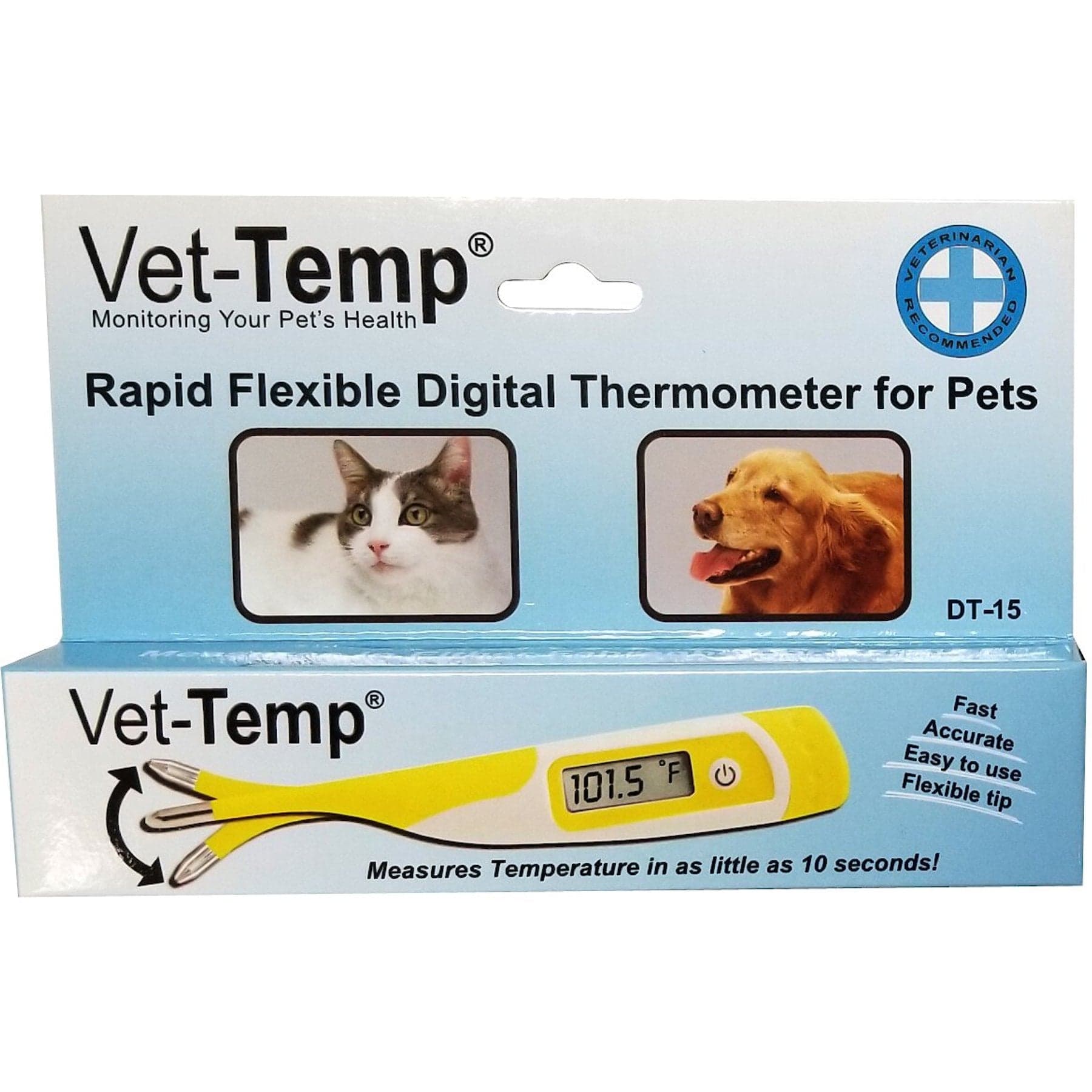
A flexible pet thermometer helps you check for fever before you call the vet.
Webvet may earn a commission when you click through to Chewy, at no extra cost to you.
Wondering how your indoor cat got a cold? These germs travel on hands, bowls, and bedding, not only through direct cat contact. Cornell also notes that up to 80 percent of cats exposed to herpesvirus stay infected for life, and many shed it again when stressed. So a cold can surface in a cat that never goes outside.
Cat cold symptoms
How do you tell if your cat has a cold? Signs usually start 2 to 6 days after exposure, according to Merck. Signs a cat has a cold include:
- Frequent sneezing
- Clear, cloudy, or colored discharge from the nose or eyes
- Red, swollen eyes (conjunctivitis), the classic cold in cats' eyes
- Coughing
- Drooling or mouth ulcers
- Fever, tiredness, and a poor appetite
Cornell lists coughing, mouth ulcers, lethargy, and anorexia alongside the nose and eye signs. Our guides to cat sneezing with a runny nose and cat sneezing and watery eyes go deeper on those single signs.
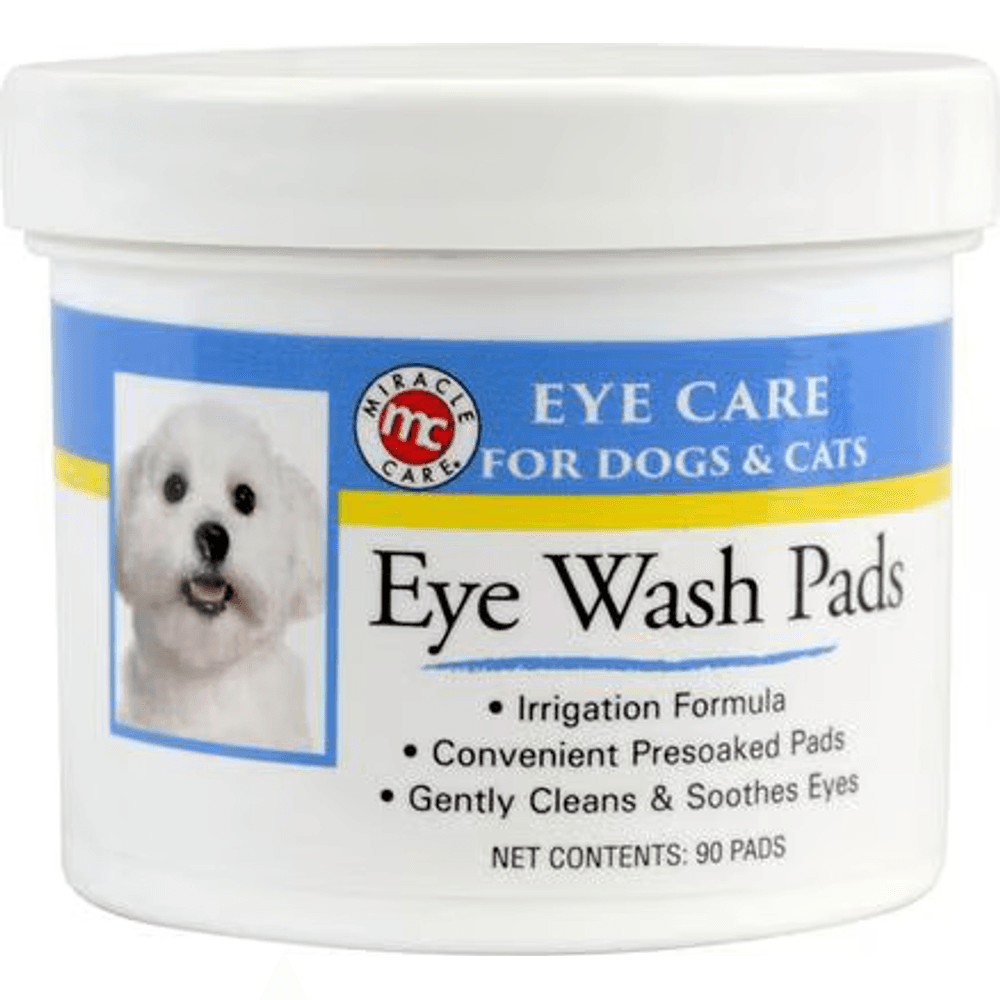
Soft sterile pads make it easier to wipe crusty eye discharge gently and often.
Webvet may earn a commission when you click through to Chewy, at no extra cost to you.
A bloody nose is not on the typical sign lists from Merck or Cornell. If your cat sneezes blood, read our guide on cat sneezing blood and call your vet rather than treating it as a simple cold.
What does a cat cold sound like?
A cat cold sounds like repeated sneezing, sometimes in bursts, plus snuffly, congested breathing through a blocked nose. Some cats also cough. Congestion should not turn into struggling for air, though. Open-mouth breathing or panting in a cat is an emergency, per VCA Animal Hospitals, so get help right away if you see it.
How long does a cat cold last?
Signs usually appear within 2 to 6 days of exposure, and most milder colds settle within about 5 to 14 days. Sources differ slightly on how long symptoms last:
- Merck: 5 to 10 days in milder cases, up to 6 weeks in severe cases
- ABCD guidelines (European Advisory Board on Cat Diseases): acute herpesvirus disease usually resolves within 10 to 14 days, though eye problems can last longer
Cats can stay contagious after they look better. The Cornell Baker Institute says most cats shed calicivirus for 2 to 3 weeks after infection, and some carry it on and off for months.
Do cat colds go away on their own?
Many mild cat colds do go away on their own within about 5 to 14 days as the acute infection clears. Your job is supportive care: keep your cat eating, drinking, and breathing comfortably. A cold that worsens instead of improving, or a cat that stops eating, needs a vet rather than more waiting.
 $65 · no membership
Have a health question about your cat?
A licensed vet can assess your cat over video and prescribe online when it's appropriate.
 Talk to a vet
- Licensed vets
- All 50 states
- same-day Rx
Webvet may earn a commission if you book.
Is a cat cold contagious?
Yes, a cat cold is very contagious to other cats. Merck says herpesvirus and calicivirus spread through sneeze droplets and contaminated objects, including a person's hands. VCA adds that a cat can infect other cats before it shows any signs.
Can cats catch a cold from humans, or can you get a cold from your cat? Not the usual kind. Merck describes the feline viruses as host-specific with no known human risk, and PetMD says cats do not catch human colds. So cats and humans do not share colds, even though the signs look alike. One rare exception: human eye infections from feline Chlamydia have been reported.
Can cats catch colds from dogs? Cornell says dogs can pass Bordetella bronchiseptica to cats, and very rarely it reaches people. Our dog cold guide covers the canine side. Indoor cats can still catch colds from a new cat, a boarding stay, or germs carried in on your hands.
How to treat a cat cold at home
Most cat cold treatment at home is about comfort, food, and fluids, because no home remedy kills the viruses. Cornell stresses that good nutrition and hydration are very important to recovery, and clean eyes and a clear nose make a congested cat far more comfortable.
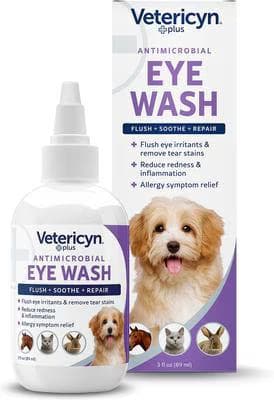
A gentle pet eye wash can help rinse away crusted discharge between vet checks.
Webvet may earn a commission when you click through to Chewy, at no extra cost to you.
Safe home care steps include:
- Wipe discharge often. Merck advises removing nose and eye discharge frequently for comfort. Use a soft cloth or pad with warm water.
- Use steam. VCA suggests a steamy bathroom for 10 to 15 minutes several times a day. A humidifier near your cat's bed is another way to add moist air.
- Warm the food. Congestion dulls smell, and the ABCD guidelines suggest blending and warming food so it smells stronger.
- Keep water close and offer wet food for extra fluid.
- Let your cat rest somewhere quiet and warm, away from other cats.

For a cold in your cat's eyes, the safest home remedy is gentle cleaning with sterile pads or a rinse such as Vetericyn Plus Antimicrobial Eye Wash. Herpesvirus can cause corneal ulcers, which VCA says need aggressive treatment, so read our feline herpes eye guide if an eye is squinting or cloudy.
How do you treat a cat with a cold?
You treat a cat with a cold by supporting its body while the infection runs its course. Keep the eyes and nose clean, add steam to loosen congestion, offer warmed, strong-smelling food, and make sure your cat drinks. Check appetite and breathing daily. Natural remedies beyond this have no proven benefit, and anything stronger comes from your vet.
How do I decongest my cat?
To decongest your cat, use moist air. Sit with your cat in a steamy bathroom for 10 to 15 minutes several times a day, as VCA suggests, or run a humidifier nearby. Merck notes vets may recommend saline nose drops or nebulization to loosen secretions. Never use human decongestant sprays or tablets.
Cat cold medicine: what vets use and what never to give
There is no over-the-counter cat cold medicine that cures the infection. Merck says treatment is directed at the signs, and broad-spectrum cat cold antibiotics are used when a secondary bacterial infection is involved. Antibiotics do not kill the viruses themselves, and they need a vet exam and prescription first.
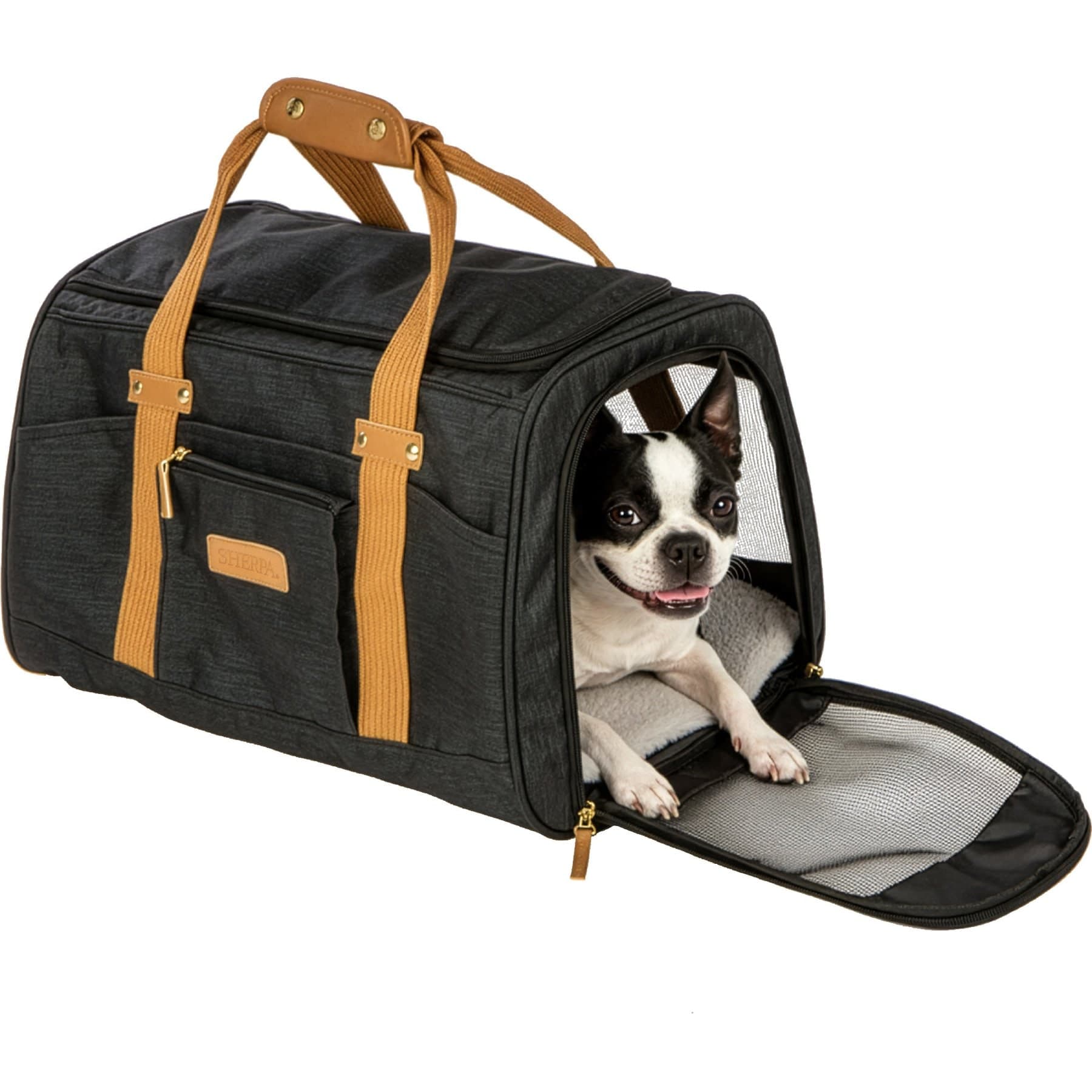
A sturdy, well-ventilated carrier keeps a sick cat secure on the way to the vet.
Webvet may earn a commission when you click through to Chewy, at no extra cost to you.
For herpesvirus eye disease, the ABCD guidelines name famciclovir (by mouth) and trifluridine (eye drops) as preferred antivirals. A small 2020 trial in Animals found fewer shelter cats worsened on famciclovir than on placebo, but the authors call the evidence mixed. These prescription medicine names are your vet's decision.
What about L-lysine? A 2015 systematic review in BMC Veterinary Research concluded lysine is not effective for preventing or treating feline herpesvirus and recommended stopping it. Cornell adds it may worsen symptoms. Merck still describes a possible effect, but the review is the stronger evidence.
The ASPCA Animal Poison Control team warns that combination allergy and cold products can hide decongestants, so a "simple" human cough and cold medicine for cats is never simple.
Homemade medicine for cat cold and sneezing, or for cough, has no support in the veterinary sources, and none name a strongest natural antibiotic for cats. Steam, cleaning, and food are the safe home tools; any medication should come from your vet.
Kittens, senior cats, and multi-cat homes
Do kittens get colds? Yes, and they are hit hardest. Merck says the outlook is generally good except for young kittens and older cats. Kitten cold treatment at home follows the same gentle care: clean the eyes and nose, add steam, and offer warm food. There is no safe over-the-counter kitten medicine for colds, so any kitty cold treatment beyond that comes from your vet. Vaccination is the best protection for a new kitten. The FVRCP vaccine covers both herpesvirus and calicivirus. Cornell notes that current vaccines do not prevent infection in every case, but they significantly decrease the severity of disease and the shedding of virus.
Appetite matters most. Cornell warns that a kitten under six weeks old that avoids food for just 12 hours faces a lethal threat. No home remedy for a kitten cold replaces a same-day vet visit for a young kitten that will not eat.
In multi-cat homes, assume the others have been exposed. Three steps limit the spread:
- Keep the sick cat in its own room with separate bowls and a separate litter box.
- Wash your hands between handling cats.
- Watch the healthy cats for sneezing or watery eyes over the next week.
Senior cats deserve the same caution as kittens, especially if they have other health problems or start refusing food.
When to take a cat with a cold to the vet
PetMD advises contacting the vet for difficulty breathing, refusing to eat, yellow-green nose or eye discharge, or signs that worsen instead of improving. Cornell adds that not eating for as little as 24 hours can seriously harm an adult cat. Use this guide to match each sign with an action. These are the red flags that need a vet rather than another day of watching at home.
| Sign | Action |
|---|---|
| Sneezing and clear discharge, still eating and alert | Watch at home |
| Mild congestion that is improving | Watch at home |
| Yellow or green nose or eye discharge | Call the vet |
| Signs getting worse instead of better | Call the vet |
| Squinting, cloudy, or painful eye | See a vet today |
| Adult cat not eating for 24 hours | See a vet today |
| Kitten or senior cat not eating | See a vet today |
| Open-mouth breathing, panting, or labored breathing | Emergency vet now |

Loss of appetite is the sign owners most often underrate. If your cat has a cold and is not eating, our cat not eating guide explains why it turns serious fast. The ABCD guidelines say a cat with herpesvirus that has not eaten for three days needs tube feeding.
What are four signs your cat is suffering?
Four signs a cat with a cold is suffering are difficulty breathing (especially open-mouth breathing), refusing food, thick yellow or green discharge, and lethargy or signs that keep getting worse. Any one of these means you should see a vet today rather than watch at home.
Cat cold questions
Frequently Asked Questions
Do cats cuddle when they are sick?
Some do. A cat with a cold may seek warmth and stay close to you, while another shows hiding behavior and wants to be left alone. Either can happen, but lethargy and poor appetite are listed signs of infection, so a cat that withdraws and stops eating should be checked by a vet.
Can a cat catch a cold from cold weather?
Cold weather itself is not a cause named by the veterinary sources; viruses and bacteria are. Virus spread happens through sneeze droplets and shared objects. Cornell notes that stress can make herpesvirus carriers shed again, so a cat sneezing a lot in cold weather may be having a flare rather than a new infection.
Is it a cat cold or allergies?
The veterinary sources used here do not offer a home test to separate allergies in cats from a cold. A seasonal pattern may make owners suspect allergies, but fever, colored discharge, mouth ulcers, poor appetite, or other cats getting sick point toward infection. If you cannot tell whether it is cat sneezing from allergies or a cold, your vet can.
$65 · no membershipHave a health question about your cat?
A licensed vet can assess your cat over video and prescribe online when it's appropriate.
Talk to a vet- Licensed vets
- All 50 states
- same-day Rx
Webvet may earn a commission if you book.
Veterinarian · BVMS MRCVS
Dr. Pippa Elliott, BVMS, MRCVS, is a veterinarian with nearly 30 years of experience in companion animal practice. Dr. Elliott earned her Bachelor of Veterinary Medicine and Surgery from the University of Glasgow. She was also designated a Member of the Royal College of Veterinary Surgeons. Married with 2 grown-up kids, Dr. Elliott has a naughty Puggle named Poggle, 3 cats and a bearded dragon.
Related reading

In Home Pet Euthanasia: Cost, What Happens, and How to Choose a Provider

Dog Dementia: Signs, Stages, Treatment, and When to Say Goodbye

Dog Cold Symptoms: Treatment and How to Tell It From Kennel Cough
