Upper Respiratory Infection in Cats: Symptoms, Causes, and Treatment
An upper respiratory infection in cats is the feline version of a cold, most often caused by herpesvirus or calicivirus. Here are the symptoms, how vets treat it, what helps at home, how long it lasts, and the signs a cat needs a vet the same day.

BVMS MRCVS
Medically reviewed by Dr. Pippa Elliott, BVMS MRCVS · Last reviewed

This article contains affiliate links. Webvet may earn a commission when you buy through them, at no extra cost to you.
An upper respiratory infection in cats is an infection of the nose, throat, and sinuses, usually viral, and it is the feline version of a cold. Most cats recover with supportive care, but kittens and any cat that stops eating need a vet.
Herpesvirus and calicivirus cause about 90% of cases, according to VCA Animal Hospitals. An uncomplicated upper respiratory infection in cats typically lasts 7 to 14 days, and a cat that has difficulty breathing needs a vet right away.
- 1A cat URI is an infection of the nose, throat, and sinuses, the feline version of a cold.
- 2Sneezing, eye and nasal discharge, congestion, fever, and mouth ulcers are the classic signs.
- 3Feline herpesvirus and feline calicivirus cause about 90% of upper respiratory infections in cats.
- 4Uncomplicated cases usually last 7 to 14 days, and some cats show signs for up to 21 days.
- 5Difficulty breathing needs a vet immediately; a cat that is not eating, is lethargic, or is a young kitten needs a vet visit the same day.
 Sponsored
Have a health question about your cat?
Talk to a licensed vet at Dutch over video or message, including nights and weekends.
Use code Pets60
Plans start at $12/month · covers up to 5 pets
- Licensed vets in most states
- Rx for 150+ conditions
- 4.7 on Trustpilot
What Is an Upper Respiratory Infection in Cats?
An upper respiratory infection in cats is a contagious respiratory disease which affects cats through the nasal passages, sinuses, mouth, and throat. Cornell Feline Health Center defines the upper tract as the nasal passages, sinuses, oral cavity, pharynx, and larynx, which is why a cat has upper respiratory infection signs in the eyes, nose, and mouth at once. Most cases are viral, an uncomplicated case typically lasts 7 to 14 days, and most cats recover with supportive care, while kittens and cats that stop eating need a vet.
Vets often call it a URI, and the formal respiratory infection name is feline respiratory disease complex. The MSD Veterinary Manual describes it as a set of respiratory illnesses caused by a group of organisms. Our cat cold symptom checker is the quick look; this page covers the full condition.
Supportive care at home is the core of recovery for most cats. That means wiping discharge from the face and eyes, offering tempting canned food, and watching the cat closely while the vet treats any bacterial infection.
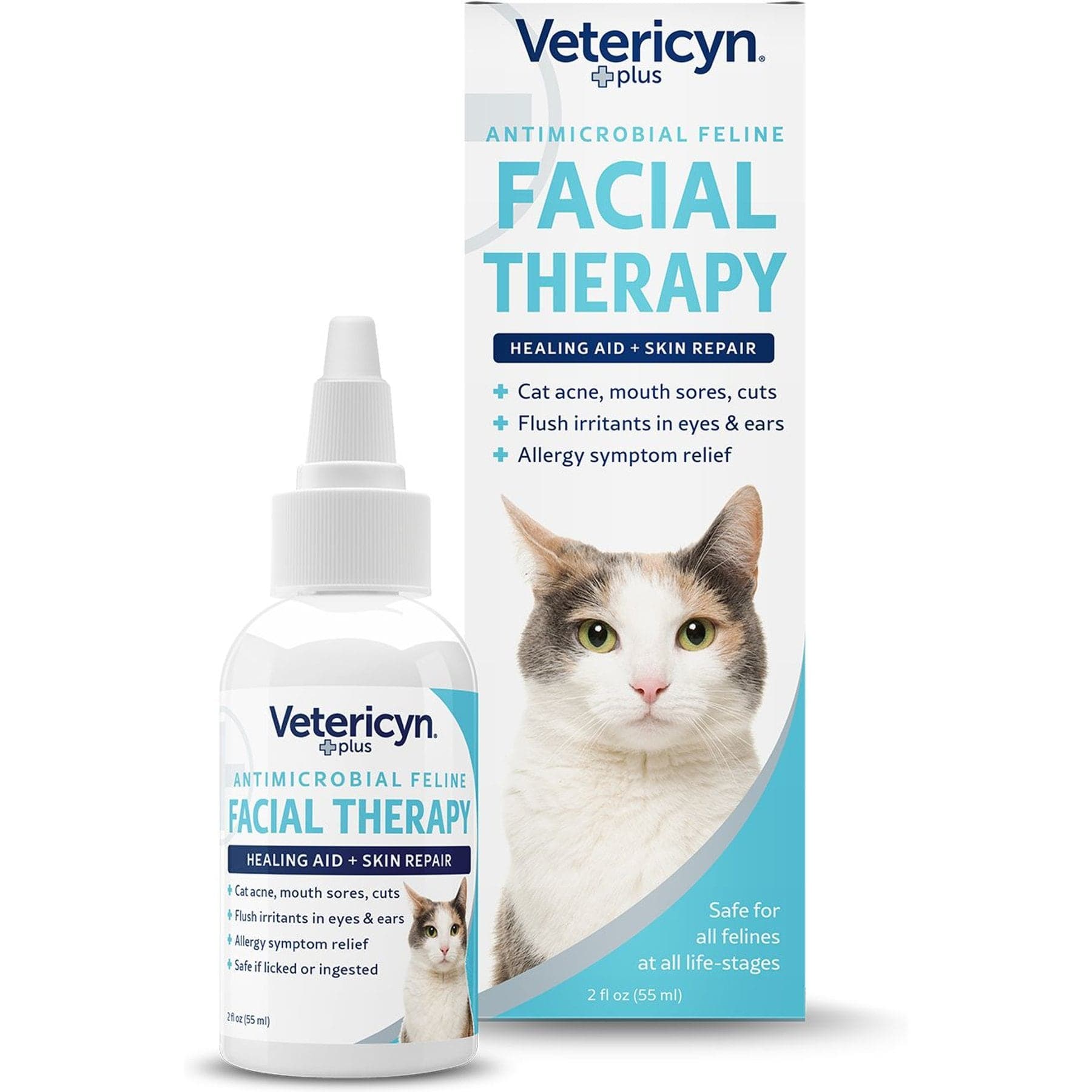
Vetericyn Plus Antimicrobial Feline Facial Therapy is an antimicrobial spray for cat acne, eye, and ear areas, in a 2-fl oz bottle.
Webvet may earn a commission when you click through to Chewy, at no extra cost to you.
What the Infection Looks and Sounds Like
A typical upper respiratory infection involves the nose and throat, causing sneezing, nasal congestion, conjunctivitis, and discharge from the nose or eyes, according to VCA. The congestion gives many cats a snuffly breathing sound while they sleep, and less specific signs such as loss of appetite, lethargy, and fever often come with it.
Severe upper respiratory infection in cats can cause difficulty breathing, VCA notes. A cat that is lethargic or will not eat needs a vet, not home care alone.
Signs outside the classic picture, such as vomiting or diarrhea, need a vet exam to find out what else is going on.
Who Gets It and How Serious It Is
Unvaccinated, young, or chronically ill cats are more susceptible, according to VCA. Any of these cats deserves an earlier vet check.
Most cats recover, but the infection can become serious when it reaches the lungs, and Cornell notes serious signs often occur in young cats with lower respiratory infection.
Some cats keep sneezing long after the first episode. Herpesvirus stays latent in up to 80% of exposed cats and can flare under stress, according to Cornell, so a URI that keeps coming back or is not going away often reflects that latent virus. A cat whose signs are not getting better still deserves a recheck so your vet can look for the cause.
Remedies, Medicines, and Prevention
Home remedies such as essential oils or herbal products are not part of veterinary URI treatment.
Your vet chooses the antibiotic and the dose; Merck lists tetracyclines and fluoroquinolones as the antibiotic classes most effective against Chlamydia felis and Mycoplasma felis, and describes treatment as largely supportive.
To prevent upper respiratory infection in cats:
- Keep vaccines current
- Limit contact with sick cats
- Wash your hands after handling other cats
Vaccines against herpesvirus and calicivirus are available, according to MSD, so ask your vet whether the feline respiratory vaccine is necessary for your cat's lifestyle and age.
Cost varies widely. A simple cat URI treated with an exam and medicine is a very different bill from a cat that needs hospitalization, oxygen, and fluids, so ask your vet for an estimate at the first visit.
Feeding matters as much as medicine during recovery. Give a sick cat quiet recovery time, away from household parties, visitors, and other cats, because stress can trigger herpesvirus shedding, according to Cornell, and offer soft, highly palatable canned food, which VCA says may improve appetite.
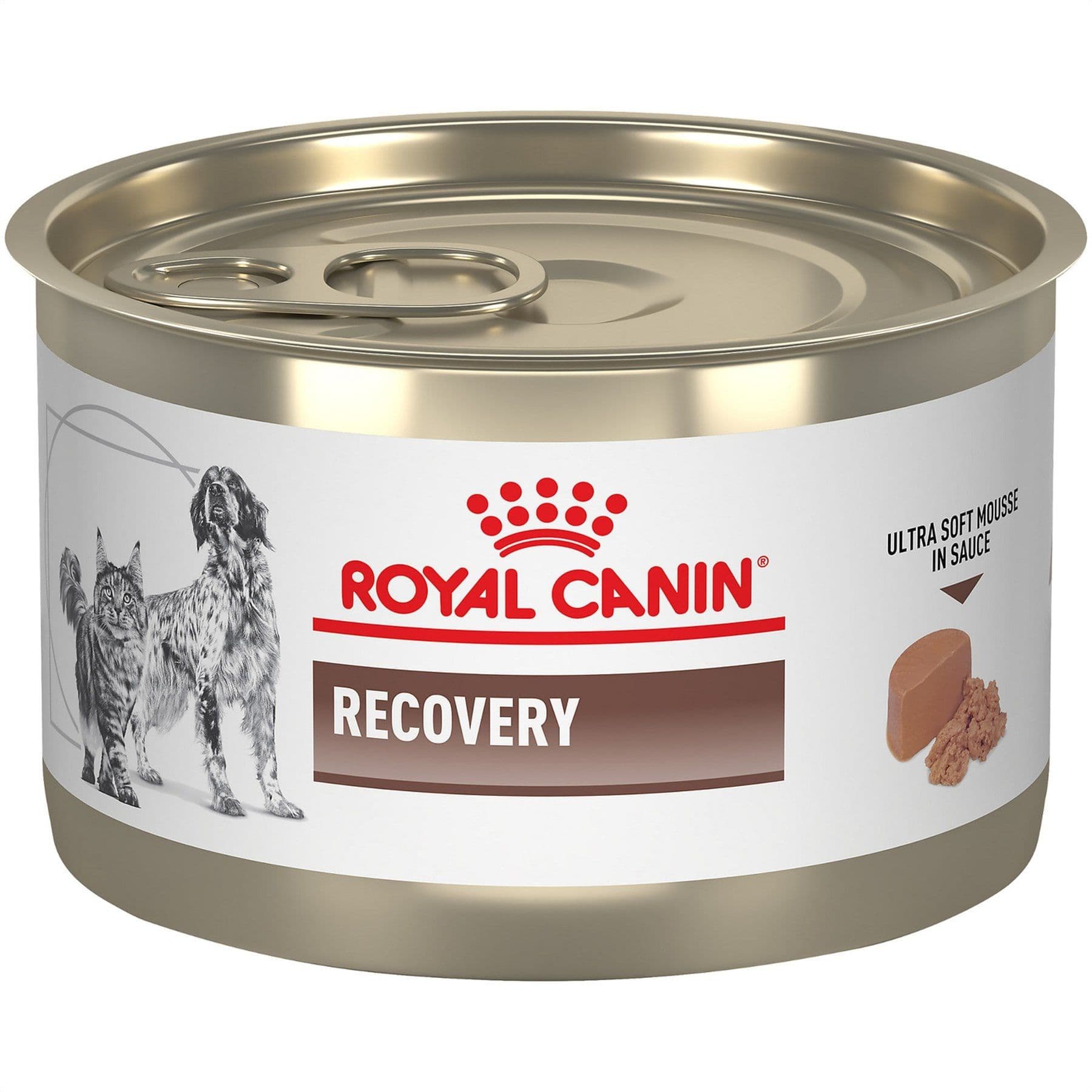
Royal Canin Veterinary Diet Recovery is an ultra soft mousse wet food for dogs and cats, sold by the case.
Webvet may earn a commission when you click through to Chewy, at no extra cost to you.
Symptoms of Upper Respiratory Infection in Cats
The main symptoms of upper respiratory infection in cats are sneezing, congestion, eye and nasal discharge, and fever. Mouth ulcers point toward herpesvirus or calicivirus, according to VCA. For the sneeze-and-drip pattern alone, see cat sneezing runny nose.
Common signs of upper respiratory infection in cats include:
- Sneezing, sometimes frequent; cat respiratory infection sneezing with blood in the discharge needs a vet check
- Clear or colored eye or nose discharge, according to Cornell
- Red, swollen eyes from conjunctivitis, including a swollen eye on one side
- Nasal congestion and noisy breathing
- Fever, loss of appetite, and lethargy
- Mouth ulcers
- Coughing, which Cornell lists as an upper tract sign

Herpesvirus onset is marked by fever, frequent sneezing, and inflamed eyes, according to the MSD Veterinary Manual. The membranes of the eyes and nose turn red, swollen, and covered with discharge. Watery eyes with sneezing are covered in our guide to cat sneezing and watery eyes.
Cat upper respiratory infection eye discharge is often the most visible sign. If the eyes stay red or squinting, read our cat eye infection and cat conjunctivitis pink eye guides, and have the vet check the eyes.
Wiping away discharge is one of the simplest comfort steps:
- Remove nasal and eye discharge frequently, as Merck advises
- Use a moist tissue for the face and eyes, as VCA suggests
A cat upper respiratory infection with no discharge can still be a URI, since mouth ulcers and fever can lead before the nose runs. A cat that is not eating or is lethargic needs a vet visit; VCA lists both as URI signs.
Respiratory distress in cats shows as labored or rapid breathing. Cornell notes that spread to the lungs can cause labored or rapid breathing and that a resting rate should not exceed 35 breaths per minute. Those cat respiratory problems symptoms move a URI from home care into veterinary care.
What are the worst days of an upper respiratory infection?
There is no set day-by-day pattern for the worst days of a cat URI. Signs appear 2 to 6 days after exposure, according to Merck, and an uncomplicated case typically lasts 7 to 14 days, per VCA. If your cat stops eating at any point, book a prompt vet visit rather than waiting it out.
What Causes Upper Respiratory Infections in Cats?
Viruses cause most cat respiratory infections, with herpesvirus plus calicivirus as the main viral causes with bacterial secondaries. VCA names feline herpesvirus type-1 and feline calicivirus as the most common viruses, causing about 90% of cases, and names Bordetella bronchiseptica and Chlamydia felis (also called Chlamydophila felis) as the main bacterial causes. A secondary bacterial infection often follows the virus.
The main agents named by VCA, Cornell, and Merck are:
- Feline herpesvirus type-1
- Feline calicivirus
- Chlamydia felis
- Bordetella bronchiseptica
- Mycoplasma felis
The Merck Veterinary Manual adds Mycoplasma felis as a main agent. Mycoplasma felis characteristically produces severe swelling of the eye membranes with milder nasal signs, while conjunctivitis is the hallmark of Chlamydia felis. Learn more in our feline herpesvirus and feline calicivirus guides.
URI causes are infectious agents, and chronic illness makes cats more susceptible, according to VCA, which is why cats with immune problems such as FIV in cats deserve a vet check at the first sneeze.
The URI causes table below sorts cause, typical signs, usual course, and antibiotics, separating herpesvirus, calicivirus, Chlamydia, and Bordetella by the signs each produces, how long it lasts, and whether antibiotics help.
| Cause | Typical signs | Usual course | Antibiotics |
|---|---|---|---|
| Feline herpesvirus | Fever, frequent sneezing, red swollen eyes, discharge, mouth ulcers | Episode clears; virus stays latent in up to 80% and can flare under stress | Do not kill the virus; used for secondary bacteria; famciclovir is an antiviral option |
| Feline calicivirus | Mouth ulcers, sneezing, discharge; some strains cause pneumonia | Typical URI course, 7 to 14 days | Do not kill the virus; antivirals are largely ineffective |
| Chlamydia felis | Conjunctivitis is the hallmark sign | Varies; treated with antibiotics | Yes; doxycycline is usually the mainstay |
| Bordetella bronchiseptica | Sneezing, discharge, coughing | Uncomplicated cases recover within 10 days of starting antibiotics | Yes; doxycycline is the usual choice |
| Mycoplasma felis | Severe eye membrane swelling, milder nasal signs | Varies with severity | Yes; tetracyclines are among the most effective |
Calicivirus and herpesvirus both cause mouth ulcers, which is why vets look in the mouth of a sneezing cat.
SponsoredVet care that's always there
Unlimited video calls and messaging with licensed vets for less than a typical vet visit. One membership covers up to five pets.
Use code Pets60
Plans start at $12/month · covers up to 5 pets
- Licensed vets in most states
- Rx for 150+ conditions
- 4.7 on Trustpilot
How Cats Catch a URI
Cats catch a URI from infected saliva and eye or nose secretions. The infection is spread by direct contact, sneeze droplets, plus shared bowls and bedding, since VCA says the agents are highly contagious, and Merck lists aerosol droplets and fomites (contaminated objects such as bowls, bedding, and hands) as the routes.
Calicivirus can survive up to 10 days on surfaces, while herpesvirus survives under 18 hours outside the cat, VCA estimates. People who handle a sick cat can carry the agents to another cat, and recovering cats may shed for months, according to Merck. Chlamydia felis cannot survive outside its host and needs close contact, Cornell notes.
At home, give a sick cat its own room, bowls, and bedding, and keep wiping its eyes and nose with a moist tissue, as VCA suggests. Wash your hands after each cleaning so you do not carry the agents to other cats.

Vetericyn Plus Antimicrobial Eye Wash is an eye rinse for dogs, cats, and small pets, in a 3-fl oz bottle.
Webvet may earn a commission when you click through to Chewy, at no extra cost to you.
How did my indoor cat catch an upper respiratory infection?
Indoor cats can get upper respiratory infections without meeting a sick cat. Up to 97% of cats are exposed to herpesvirus, infection is lifelong in up to 80% of those, and up to 45% shed it periodically, usually when stressed, according to Cornell. A stressful change can trigger a flare in an indoor cat with an old infection.
An indoor cat upper respiratory infection can also come from a new cat in the home or from germs carried in on a person's hands. Respiratory distress in cats is an emergency at any point and needs a vet immediately.
How Is a Cat URI Diagnosed?
Most cat URIs are diagnosed by exam and history. VCA says diagnosis is mainly by clinical signs, and identifying the agent is recommended for breeding cats or cats that respond poorly, so diagnosis by exam with testing reserved for severe or recurrent cases is the standard approach. A definitive diagnosis rests on identifying the agent, according to Merck.
Tests a vet may use when a cat has chronic respiratory problems include:
- A feline upper respiratory panel, which uses PCR on eye, nose, or throat secretions (Merck)
- PCR for herpesvirus, which identifies viral DNA
- RT-PCR to confirm calicivirus
- PCR on eye swabs, the preferred way to confirm Chlamydia felis
A lower respiratory infection in a cat is more serious than a URI. Cornell notes that serious signs often occur in young cats with lower respiratory infection. In healthy adults it is usually not dangerous, but it can become serious in kittens and young cats.
Chronic respiratory disease in cats, where signs last for months or keep returning, calls for testing to find the cause. Chronic respiratory cats often carry latent herpesvirus, according to Cornell.
How to tell if an upper respiratory infection is viral or bacterial?
You cannot tell viral from bacterial by looking at the discharge, since Cornell notes it can be clear or colored. Mouth ulcers point toward a virus and conjunctivitis is the hallmark of Chlamydia, but only PCR testing on swabs identifies the agent. Most URIs are viral, with bacterial secondaries.
Treatment for Upper Respiratory Infection in Cats
Treatment for upper respiratory infection in cats is supportive care, antibiotics only for bacterial infection, and antivirals for herpes. Merck describes treatment as largely symptomatic and supportive, with broad-spectrum antimicrobials for secondary bacterial infection. A cat upper respiratory infection vet visit sets which of these your cat needs.

How do I treat my cat's upper respiratory infection?
Treat a cat URI with your vet's plan plus home care. Keep the face and eyes clean, use a steamy bathroom to ease congestion, offer highly palatable canned food, and give any prescribed antibiotic or antiviral exactly as directed.
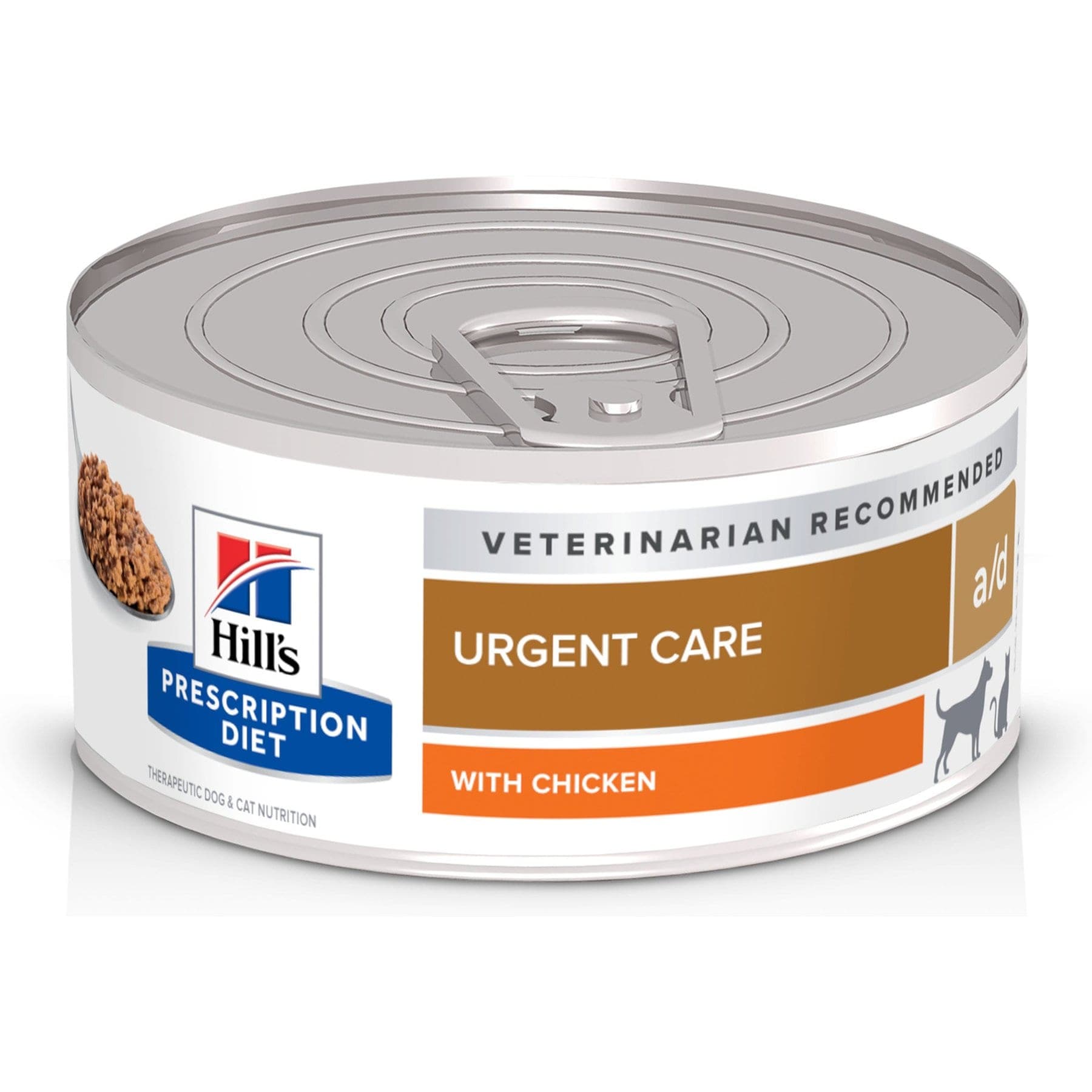
Hill's Prescription Diet a/d Urgent Care is a soft wet food for dogs and cats, sold by the case.
Webvet may earn a commission when you click through to Chewy, at no extra cost to you.
How do vets treat upper respiratory infection in cats? The best treatment for upper respiratory infection in cats depends on the cause:
- Supportive care for every cat: cleaning discharge, nutrition, and fluids when needed
- Antibiotics for upper respiratory infection in cats only when bacteria are involved
- Antivirals such as famciclovir, which VCA says is sometimes prescribed
- Saline drops or nebulization for congestion, per Merck
- Oxygen, fluids, and assisted feeding for severe cases, per Merck
What is the best antibiotic for feline upper respiratory infection? Cornell says doxycycline is usually the mainstay for Chlamydia felis and the usual antibiotic for Bordetella, so doxycycline for upper respiratory infection in cats is the common choice when bacteria are involved. Merck lists tetracyclines and fluoroquinolones as the most effective against Chlamydia felis and Mycoplasma felis.
Cornell also lists amoxicillin/clavulanic acid as generally effective for chlamydiosis, and your vet chooses any antibiotic for a secondary bacterial infection. No antibiotic treats the virus itself, and antivirals are largely ineffective for calicivirus, according to Cornell. How to treat a viral upper respiratory infection in cats is mostly supportive care.
Untreated upper respiratory infection in cats that worsens can need more intensive care:
- Hospitalization for sicker cats, according to VCA
- Injected fluids for dehydrated cats, per Merck
- Emergency treatment for acute respiratory distress
Without a vet prescription, stay limited to comfort care. Treatment cost depends on whether the cat needs an exam and medicine or hospital care, so ask your vet for an estimate.
Home Care for a Cat With a URI
Home care for a cat with a URI is steam, a clean face, and tempting canned food to keep the cat eating. VCA recommends a steamy bathroom for 10 to 15 minutes several times a day and highly palatable canned food.

Home treatment for upper respiratory infection in cats focuses on comfort:
- Steam: sit with your cat in a bathroom while a hot shower runs for 10 to 15 minutes
- A humidifier for congestion, if your vet agrees
- Wiping the face and eyes with a moist tissue, per VCA
- Highly palatable canned food, offered often
- Fresh water and a quiet resting spot away from other cats
A cat that does not want food needs extra support. Our guide to a cat not eating explains why appetite matters, and a prompt vet visit is the next step if your cat still refuses food.
Soft canned food is the usual appetite support. Your vet may suggest a prescription diet such as Hill's Prescription Diet a/d Urgent Care, a soft wet food for dogs and cats, offered in small portions through the day.
What is the best remedy for upper respiratory infection?
The best remedy for a cat upper respiratory infection is supportive care alongside your vet's treatment: steam, a clean face, tempting canned food, and rest. Ask your vet before trying any natural remedy.
Do not give a cat human cold medicine or an over-the-counter respiratory product without asking your vet.
A cat struggling to breathe needs a vet immediately; home care is not an option.
How Long Does a Cat URI Last?
An uncomplicated cat URI lasts 7 to 14 days, and some cats have signs for up to 21 days, according to VCA. That typical course of one to three weeks fits Merck, which gives 5 to 10 days for milder cases and up to 6 weeks for severe cases. Cat upper respiratory infection recovery time depends on the cause and the cat's age and health.
Will a cat's upper respiratory infection go away on its own?
Many mild cat URIs go away with supportive care, because most are viral. A vet still needs to see a cat that stops eating, a kitten, or a cat that is not improving, since bacterial infections need antibiotics and severe cases need fluids or oxygen.
How long does a cat's upper respiratory infection typically last?
A cat's upper respiratory infection typically lasts 7 to 14 days, per VCA, with signs up to 21 days in some cases. Severe cases can last up to 6 weeks, according to Merck. Uncomplicated Bordetella cases recover within 10 days of starting antibiotics, Cornell notes.
Most cats recover fully. The episode clears, but herpesvirus stays latent in up to 80% of exposed cats, so signs can return. A cat whose signs last beyond the 21 days VCA describes needs a recheck.
If your cat's upper respiratory infection won't go away, your vet may test for the agent, as VCA recommends for cats responding poorly. A cat that sneezes but eats well and stays active is covered in cat keeps sneezing but seems fine.
Upper Respiratory Infections in Kittens
Kittens are at higher risk of severe URI. The reasons why kittens are at higher risk are age and immunity: signs occur most often in 8- to 12-week-old kittens, according to MSD, young cats are the most susceptible to herpesvirus, per Cornell, and serious signs often occur in young cats with lower respiratory infection.

Kitten upper respiratory infection eyes often show conjunctivitis and discharge, the same eye signs VCA describes in adult cats. A kitten that stops eating, struggles to breathe, or turns lethargic needs a vet, the same day for appetite or energy changes and immediately for breathing trouble.
How long does a kitten upper respiratory infection last? Kittens follow the same 7 to 14 day course for uncomplicated cases, and severe cases can run up to 6 weeks. Vaccines against herpesvirus and calicivirus are available; see the kitten vaccine schedule for timing.
Can Humans Catch a Cat URI?
No, the main cat URI viruses do not infect people. VCA says herpesvirus and calicivirus are species-specific and not a risk to people.
Can humans catch feline upper respiratory infections?
Humans cannot catch feline herpesvirus or calicivirus, because VCA says they are species-specific. Two bacterial causes carry rare exceptions: Cornell says Bordetella bronchiseptica may very rarely spread to people, and VCA notes isolated household cases of conjunctivitis linked to Chlamydia felis. VCA advises seeing a physician if a household member develops eye or respiratory symptoms.
Bordetella can cause illness in people with an immune system disease, according to VCA, and VCA calls these zoonotic infections extremely rare. Washing your hands after handling a sick cat is a simple precaution.
Upper respiratory infection in cats is contagious to other cats. How contagious is upper respiratory infection in cats? Highly contagious, says VCA, and convalescent cats may shed for months, per Merck, so a cat respiratory infection stays contagious to other cats well after signs fade. To limit spread:
- Keep the sick cat in a separate room
- Use separate bowls and bedding
- Wash your hands after handling the sick cat
Can a cat give a dog upper respiratory infection? Herpesvirus and calicivirus are species-specific, so the main viruses do not spread to dogs. Ask your vet if your dog develops a cough or runny nose after contact with a sick cat.
When to See a Vet
Go to a vet immediately if your cat has difficulty breathing, and see a vet the same day if your cat is not eating, is lethargic, or is a young kitten. Not eating and lethargy are the main same-day red flags, and breathing trouble is the most urgent, since VCA says severe cases may involve difficulty breathing and Merck says great difficulty breathing may need an oxygen tent.
Other reasons to book a vet visit include:
- Fever or sneezing blood
- Red, swollen, or squinting eyes that do not improve
- Mouth ulcers in a cat that stops eating or drinking
- Signs that last beyond the 21 days VCA describes or keep coming back
- Any URI in an unvaccinated, young, or chronically ill cat
Do not wait for a set number of hours. A cat that refuses food needs a prompt vet visit.
Upper Respiratory Infection in Cats FAQs
Frequently Asked Questions
Is upper respiratory in cats curable?
Yes, most URI episodes clear up with supportive care in one to three weeks. Herpesvirus stays latent for life in up to 80% of exposed cats, according to Cornell, so signs can return during stress.
What antibiotics are used for upper respiratory infection in cats?
Doxycycline is the usual antibiotic for bacterial URI causes such as Chlamydia felis and Bordetella, according to Cornell. Antibiotics treat a secondary bacterial infection or a bacterial cause; they do not kill the viruses.
Can I treat my cat's upper respiratory infection at home?
You can give comfort care at home with steam, a humidifier if your vet agrees, face wiping, and tempting food. A vet should still examine a cat that stops eating, a kitten, or any cat with breathing trouble.
Does steam help a congested cat?
Yes, VCA says a steamy bathroom can ease congestion. Run a hot shower and sit with your cat in the bathroom for 10 to 15 minutes, several times a day.
What can I give my cat over the counter for a respiratory infection?
Do not give your cat any human cold medicine or over-the-counter product without your vet's approval. Ask your vet whether a product could be toxic to cats before giving it; URI antivirals for cats are prescribed by a vet.
Is an upper respiratory infection in cats deadly?
Rarely in healthy adults, but it can be serious for kittens. Some calicivirus strains cause pneumonia, and severe cases can last up to 6 weeks, according to Merck.
How is a cat URI different from a cat cold?
They are the same illness. A cat cold is the everyday name for an upper respiratory infection, and VCA describes URI as the common term for these infections.

Editor
The Webvet Editorial Team is the in-house group of pet-care editors and writers behind Webvet, operated by Smart Pet Collective. The team researches, writes, and maintains Webvet's pet health, behavior, and medication content. Every article follows a defined editorial process: research from reputable veterinary and scientific sources, careful drafting, mandatory review of medical content by a credentialed veterinarian, and dated publication. Health and medication articles are medically reviewed by a licensed veterinary professional before they go live and are kept current over time.
Veterinarian · BVMS MRCVS
Dr. Pippa Elliott, BVMS, MRCVS, is a veterinarian with nearly 30 years of experience in companion animal practice. Dr. Elliott earned her Bachelor of Veterinary Medicine and Surgery from the University of Glasgow. She was also designated a Member of the Royal College of Veterinary Surgeons. Married with 2 grown-up kids, Dr. Elliott has a naughty Puggle named Poggle, 3 cats and a bearded dragon.
Related reading

Feline Herpesvirus (FHV-1): Symptoms, Treatment, and Flare-Ups

FIV in Cats: Symptoms, Transmission, Testing, and Life Expectancy

Feline Leukemia Virus (FeLV): Symptoms, Transmission, Testing, and Prognosis
