Kitten Vaccine Schedule: Vet-Reviewed Chart by Age
Use this vet-reviewed kitten vaccine schedule to plan FVRCP, FeLV, and rabies visits from the first series through the 6-month and first-year follow-ups.

BVMS MRCVS
Medically reviewed by Dr. Pippa Elliott, BVMS MRCVS · Last reviewed

This article contains affiliate links. Webvet may earn a commission when you buy through them, at no extra cost to you.
A typical kitten vaccine schedule starts around 6 to 8 weeks of age. FVRCP is repeated every 3 to 4 weeks until the kitten is 16 to 20 weeks old. FeLV usually begins at 8 weeks or older with a second dose 3 to 4 weeks later. Rabies is given at the age allowed by the vaccine label and local law, commonly from 12 weeks. Your veterinarian should set the exact dates for your kitten.
This schedule is a planning guide, not a prescription. Product labels, health, previous records, exposure risk, maternal antibodies, and rabies law can change the plan. The AAHA/AAFP feline vaccination guidelines call for an individual risk assessment rather than one universal calendar.
 Sponsored
Have a health question about your cat?
Talk to a licensed vet at Dutch over video or message, including nights and weekends.
Use code Pets60
Plans start at $12/month · covers up to 5 pets
- Licensed vets in most states
- Rx for 150+ conditions
- 4.7 on Trustpilot
Kitten vaccine schedule by age
- 1Most kittens begin FVRCP at 6 to 8 weeks and receive another dose every 3 to 4 weeks through 16 to 20 weeks.
- 2FeLV is considered core for kittens through 1 year of age, with testing before vaccination and a two-dose initial series.
- 3Rabies timing follows the product label and state or local law.
- 4A 6-month FVRCP follow-up is an option discussed in feline guidelines to reduce a possible window of susceptibility.
- 5A late start does not mean starting over automatically. Bring every record and let the veterinarian build a catch-up plan.
Webvet may earn a commission when you click through to Chewy, at no extra cost to you.
| Age or visit | FVRCP | FeLV | Rabies | What the owner should do next |
|---|---|---|---|---|
| 6 to 8 weeks | First dose may be given | Discuss testing and exposure risk; first dose generally starts at 8 weeks or older | Usually not yet | Book the next visit in 3 to 4 weeks and keep the kitten away from unknown cats |
| 9 to 12 weeks | Next dose, 3 to 4 weeks after the prior dose | First or second dose, depending on start date | Give only when allowed by product label and local law | Confirm which vaccines were given and keep the certificate |
| 13 to 16 weeks | Continue every 3 to 4 weeks | Complete the two-dose initial series | Give if due under the veterinarian's plan and law | Schedule another FVRCP dose if the final dose would occur before 16 weeks |
| 16 to 20 weeks | Final kitten-series dose in this window | Series should be complete if started on time | Give if not already completed and legally due | Ask when the next FVRCP, FeLV, and rabies follow-up is due |
| Around 6 months | Veterinarian may recommend an FVRCP follow-up | Reassess exposure, household cats, and escape risk | Follow the certificate due date | Use the visit to review records, lifestyle, and parasite prevention |
| Within 1 year after the initial series | Follow the veterinarian's product-specific plan | Booster is generally due 12 months after the initial series | First booster is generally due 1 year after the first rabies dose | Begin an adult plan based on law, label, and annual risk assessment |
The age bands overlap because kittens arrive with different histories and vaccine products have different labels. The AAHA/AAFP schedule table is the clinical basis for the timing above. A veterinarian may shift a date to avoid giving a dose too early, accommodate illness, or comply with local rabies rules.
Maternal antibodies are one reason the FVRCP series continues rather than ending after one early shot. Antibodies received from the mother can protect a young kitten, but they can also interfere with a vaccine response. Their decline is not predictable from appearance or age alone. Repeating doses through 16 to 20 weeks improves the chance that at least one dose is given after that interference has waned.
Webvet may earn a commission when you click through to Chewy, at no extra cost to you.
What if a kitten starts late or has no records?
It is not too late to vaccinate a healthy older kitten or adult cat. Do not guess which doses count, and do not automatically repeat a full kitten series at home. Bring adoption papers, shelter records, vaccine labels, and rabies certificates to the clinic. A veterinarian can determine whether the cat needs an initial series, a continuation, or only a booster.
If the kitten received one documented FVRCP or FeLV dose and the next visit was delayed, the response depends on the vaccine, age, interval, and product. The AAHA/AAFP guidelines provide overdue-vaccination principles, but the treating veterinarian must apply them to the individual cat.
Which vaccines do kittens need?
Do kittens need shots? Yes. The usual kitten vaccine list includes FVRCP, FeLV, and rabies, but “core” does not mean every dose is identical for every cat. It means the disease risk and public-health importance support broad vaccination, while the schedule still depends on age, health, label instructions, exposure, and law.
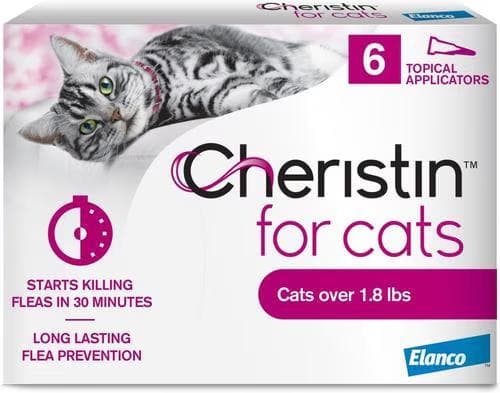
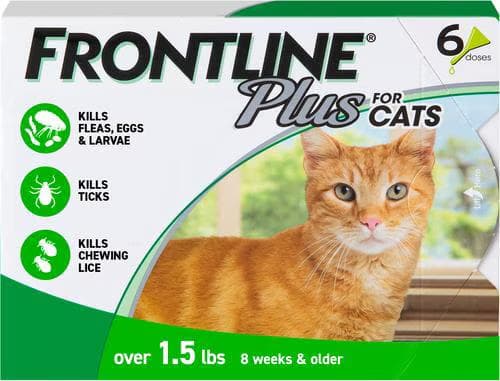
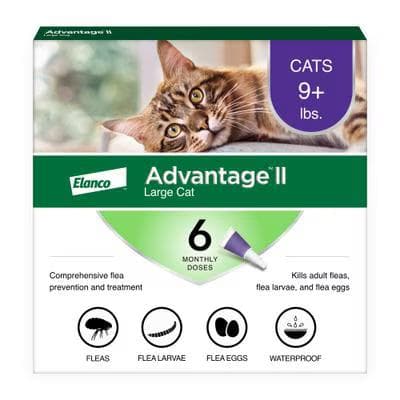
A kitten vaccine appointment is also a useful time to review parasite prevention and deworming, which are separate from vaccination. After reviewing the kitten's age, weight, health, and parasite risk, a veterinarian may recommend a cat-specific flea product such as Cheristin or Frontline Plus, or prescribe Drontal Tablets for Cats & Kittens for appropriate deworming. Follow the veterinarian's directions and product label; Petful's kitten flea treatment guide explains why very young kittens need especially careful product selection. Parasite products do not replace FVRCP, FeLV, or a legally required vaccine.

FVRCP
FVRCP combines protection against feline viral rhinotracheitis caused by feline herpesvirus 1, feline calicivirus, and feline panleukopenia. It is a core vaccine for kittens and adult cats. For the complete component and booster explanation, see our FVRCP vaccine guide.
FVRCP does not include rabies, feline leukemia virus, or feline immunodeficiency virus. The combination name can sound comprehensive, so the distinction belongs on the appointment checklist.
Feline leukemia virus
The feline leukemia vaccine, or FeLV vaccine, is considered core for kittens and young cats through 1 year because their susceptibility and future lifestyle may not yet be clear. The initial course is two doses 3 to 4 weeks apart, starting no earlier than the product permits, commonly at 8 weeks or older. Cats should be tested for FeLV before vaccination because the vaccine is preventive, not treatment for an existing infection.
After the first-year booster, continued FeLV vaccination becomes a lifestyle risk decision. Outdoor access, contact with cats of unknown status, new cats entering the home, fostering, and escape risk all matter. Read the full feline leukemia vaccine decision guide before discussing the adult plan with your veterinarian.
The age chart includes the legally required dose so it can be coordinated with the FVRCP and FeLV visits. Product, certificate, and future due-date details belong in our cat rabies vaccination guide and the veterinarian's documented plan.
Webvet may earn a commission when you click through to Chewy, at no extra cost to you.
How kitten vaccines build protection
A vaccine introduces antigens that train the immune system to recognize a pathogen without relying on natural infection. That response takes time. Protection is not immediate on injection day, and an early dose may not produce a complete response if maternal antibodies are still circulating.
This explains why a kitten should not be treated as fully protected after one shot. It also explains why a vaccinated kitten can still become ill. The Merck Veterinary Manual notes that vaccine failure can involve maternal antibodies, improper handling, incorrect administration, health status, or an incomplete immune response. Vaccination reduces risk but does not replace sanitation, controlled introductions, or veterinary care for illness signs.
Until the veterinarian says the series is complete and immunity has had time to develop, avoid contact with cats of unknown vaccine or infection status. That does not require isolating a kitten from all safe social experience. Ask the veterinarian how to balance disease prevention with gentle handling, household routine, and appropriate socialization.
SponsoredVet care that's always there
Unlimited video calls and messaging with licensed vets for less than a typical vet visit. One membership covers up to five pets.
Use code Pets60
Plans start at $12/month · covers up to 5 pets
- Licensed vets in most states
- Rx for 150+ conditions
- 4.7 on Trustpilot
What is the 6-month kitten booster?
Traditional schedules often describe the first FVRCP booster as due 1 year after the kitten series. The 2020 AAHA/AAFP guidance discusses considering revaccination at about 6 months of age to reduce a possible susceptibility gap in kittens whose maternal antibodies blocked the last series dose. It is an option for the veterinarian to apply, not a universal extra dose owners should schedule independently.
The same visit can be used to verify that the FeLV series is complete, check the rabies certificate, and reassess exposure risk. It can also catch a missing record before boarding, travel, or an emergency makes proof urgent.
Kitten vaccine side effects: normal vs urgent
Mild, short-lived effects can include tiredness, reduced appetite, a low fever, or tenderness at the injection site. The Merck Veterinary Manual describes these as expected consequences of immune stimulation in some animals. Keep the kitten quiet, offer normal food and water, and call the clinic if a reaction is persistent, worsening, or concerning.
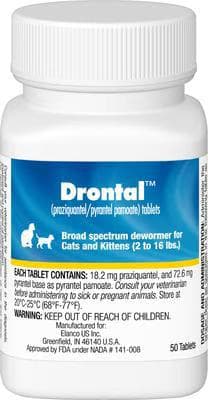
Broad-spectrum cat dewormer (praziquantel and pyrantel) that clears tapeworms, roundworms, and hookworms. For cats and kittens 2 to 16 lbs. Prescription required.
Webvet may earn a commission when you click through to Chewy, at no extra cost to you.
Cats also need injection-site monitoring. Check the area gently without repeatedly squeezing it. Contact the veterinarian about a lump that is growing, painful, draining, or otherwise concerning. The AAHA/AAFP feline vaccination guidelines summarize the “3-2-1” evaluation rule used in feline medicine: investigate a mass that remains for 3 months, is larger than 2 centimeters, or is still increasing 1 month after vaccination. Earlier assessment is appropriate whenever the clinic advises it.
If the kitten is already unwell, tell the clinic before the appointment. Fever, vomiting, diarrhea, breathing trouble, or major lethargy needs a veterinary assessment rather than an owner deciding to vaccinate or delay without guidance.
What happens if a kitten is not vaccinated?
An unvaccinated kitten remains vulnerable to preventable infections, and some exposures can occur without direct outdoor roaming. Panleukopenia virus can persist in the environment, respiratory pathogens can spread between cats, FeLV can spread through close contact, and rabies exposures have public-health and legal consequences. Risk is not identical in every home, but “indoors” is not the same as “zero exposure.”
Our panleukopenia in cats guide explains the warning signs, urgent treatment needs and infection-control questions to discuss with your veterinarian.
Vaccines do not guarantee that a cat never becomes ill. Their purpose is to reduce the likelihood or severity of disease and help protect the broader animal and human community where relevant. Ask the veterinarian to document any medical reason to postpone or avoid a particular vaccine.
How much do kitten vaccines cost?

Kitten vaccination cost is usually a series of charges rather than one price. A provider may list a vaccine-only fee, while a full-service clinic may also require an examination. Testing, a health certificate, deworming, microchipping, and parasite preventives are separate services unless a package explicitly includes them.
When comparing provider-labeled kitten vaccine cost examples, write down the same fields for each clinic:
- FVRCP price per dose and the number of expected doses
- FeLV test price, FeLV vaccine price per dose, and whether two doses are included
- Rabies vaccine price and whether a certificate or tag is included
- Required exam, technician, disposal, or appointment fees
- What happens if the kitten is sick and vaccination must be postponed
Low-cost clinics can make vaccination more accessible, but advertised “free kitten vaccinations” may depend on residency, an event date, income qualification, or purchase of another service. Confirm eligibility and the full appointment total directly with the provider. For a broader budgeting method, see our veterinary visit cost guide, then use your cat clinic's current vaccine prices rather than copying another provider's fees.
For a provider-labeled example captured August 29, 2026, The Pet Advocate listed FVRCP at $30, FeLV vaccine at $35, and an FeLV/FIV test at $40 on its feline leukemia vaccine service page. Its cat rabies vaccine page listed rabies vaccination at $25 with no exam fee during the stated walk-in hours. These are one provider's local advertised prices, not national averages. Confirm current price, eligibility, hours, exam requirements, and how many series visits are included before booking.
Preparing for each vaccine visit
Use a secure carrier, bring records, and tell the clinic about previous reactions, current medications, pregnancy possibility, recent illness, and contact with unfamiliar cats. Do not hide a reaction because you fear the kitten will be denied care. The information helps the veterinarian choose products, timing, and observation precautions.
After the visit, confirm which vaccines were actually administered and when the next dose is due. “Come back in a month” is less useful than a written date range tied to the vaccine name. Ask which signs require an urgent call and which mild changes can be monitored at home.
Kitten vaccine schedule FAQs
Frequently Asked Questions
What shots do kittens need and at what age?
The shots kittens need and the age for each dose follow an age-based veterinary schedule. Most kittens begin the FVRCP vaccine series around 6 to 8 weeks and repeat it every 3 to 4 weeks through 16 to 20 weeks. The FeLV vaccine for kittens generally starts at 8 weeks or older as two doses 3 to 4 weeks apart. Rabies is given at the age permitted by the product label and local law, commonly from 12 weeks. A veterinarian should set the exact dates and document the first-year or 6-month follow-up plan.
Can I vaccinate my kitten myself?
If you are asking whether I can vaccinate my kitten myself, the safe answer is no. Do not vaccinate a kitten yourself or create a DIY schedule. Professional vaccine administration matters because storage, handling, route, product choice, health screening, and emergency-reaction readiness all affect safety and reliability. An owner-administered rabies dose generally does not create the veterinarian-issued rabies certificate required by law. A veterinarian or properly supervised clinic can examine the kitten, choose the correct product, respond to a reaction, and create records that another clinic or authority can use.
What age is too late to vaccinate a cat?
There is no universal age at which a healthy cat becomes too late for vaccination. Late kitten vaccines or missing records call for a veterinarian-designed catch-up schedule, not for abandoning protection. The plan depends on age, health, previous documentation, product labels, exposure, and local rabies law. Bring every record you have, including shelter or breeder paperwork, so the clinic can decide which doses count and write the next due dates clearly.
How expensive are kitten vaccines?
How expensive kitten vaccines are depends on the complete series and included services. Kitten vaccine cost depends on the clinic, region, number of FVRCP visits, the two-dose FeLV series, rabies requirements, testing, and examination or service fees. A low advertised price may cover one dose rather than the complete series. Ask for an itemized estimate that lists each visit, vaccine, test, certificate, and follow-up dose. Compare providers only when the included services match, and confirm current prices when booking because published packages can change.
Should an indoor kitten still be vaccinated?
An indoor kitten should still be vaccinated according to a veterinarian-directed plan. Yes, an indoor kitten still generally needs core kitten vaccines, with the exact dates set by a veterinarian. Indoor living lowers some exposures but does not eliminate escape, bat encounters, boarding, clinic visits, disaster housing, or the arrival of another cat. FVRCP and rabies follow core and legal guidance, while FeLV shifts toward risk-based protection after the kitten and young-cat period. Review the home, travel, and future-contact plan rather than using the word indoor as the only decision.

Editor
The Webvet Editorial Team is the in-house group of pet-care editors and writers behind Webvet, operated by Smart Pet Collective. The team researches, writes, and maintains Webvet's pet health, behavior, and medication content. Every article follows a defined editorial process: research from reputable veterinary and scientific sources, careful drafting, mandatory review of medical content by a credentialed veterinarian, and dated publication. Health and medication articles are medically reviewed by a licensed veterinary professional before they go live and are kept current over time.
Veterinarian · BVMS MRCVS
Dr. Pippa Elliott, BVMS, MRCVS, is a veterinarian with nearly 30 years of experience in companion animal practice. Dr. Elliott earned her Bachelor of Veterinary Medicine and Surgery from the University of Glasgow. She was also designated a Member of the Royal College of Veterinary Surgeons. Married with 2 grown-up kids, Dr. Elliott has a naughty Puggle named Poggle, 3 cats and a bearded dragon.
Related reading

Dog Muscle Spasms and Twitching: Causes, Symptoms, and When to Worry

Anemia in Dogs: Symptoms, Causes, Diagnosis, and Treatment

Seizures in Dogs: Types, Causes, What to Do, and Treatment
