Feline Leukemia Vaccine: Does Your Cat Need It?
Decide whether your kitten or adult cat needs the feline leukemia vaccine, then review the two-dose schedule, testing, limits, side effects, and cost.

BVMS MRCVS
Medically reviewed by Dr. Pippa Elliott, BVMS MRCVS · Last reviewed

This article contains affiliate links. Webvet may earn a commission when you buy through them, at no extra cost to you.
The feline leukemia vaccine is considered core for kittens and young cats through 1 year of age, then risk-based for older cats under the [AAHA/AAFP feline vaccination guidelines](https://www.aaha.org/resources/2020-aahaaafp-feline-vaccination-guidelines/). A typical initial FeLV vaccine series is two doses 3 to 4 weeks apart, starting at 8 weeks or older when the product permits. Cats should be tested for feline leukemia virus before vaccination because the vaccine prevents future infection risk but does not treat an existing infection.
For an adult, outdoor access is not the only question. Contact with cats of unknown FeLV status, fostering, new household cats, escape risk, and shared food or grooming can change the recommendation. A veterinarian should reassess exposure at least annually and set booster timing from the product, records, health, and current lifestyle.
 Sponsored
Have a health question about your cat?
Talk to a licensed vet at Dutch over video or message, including nights and weekends.
Use code Pets60
Plans start at $12/month · covers up to 5 pets
- Licensed vets in most states
- Rx for 150+ conditions
- 4.7 on Trustpilot
Does your cat need the feline leukemia vaccine?
- 1FeLV vaccination is considered core for kittens and young cats through 1 year of age.
- 2For older cats, ongoing vaccination depends mainly on exposure risk.
- 3Test for FeLV before vaccination and after a relevant exposure on the veterinarian's timetable.
- 4The initial series is two doses 3 to 4 weeks apart, followed by a booster about 12 months later.
- 5The vaccine is not treatment and cannot replace separating an uninfected cat from known infected cats.
- 6Reassess lifestyle each year because an indoor cat's household and escape risk can change.
Webvet may earn a commission when you click through to Chewy, at no extra cost to you.
| Cat or exposure situation | FeLV vaccination framework | Testing or prevention need | Owner's next action |
|---|---|---|---|
| Kitten or young cat through 1 year | Considered core under AAHA/AAFP feline guidance | Test before vaccination | Start or complete the two-dose initial series and document the first-year booster |
| Adult with outdoor access | Usually risk-based and commonly recommended while exposure continues | Confirm current negative status and discuss retesting after possible exposure | Review booster interval with the veterinarian each year |
| Adult living with an FeLV-positive cat | High-consequence ongoing exposure decision | Testing, household separation, and veterinary management remain essential | Do not rely on vaccination alone; make a household plan with the veterinarian |
| Indoor adult with no contact with unknown-status cats | Lower exposure may support stopping routine boosters after the young-cat period | Keep testing and vaccination questions open if the household changes | Reassess before adding a cat, fostering, boarding, or allowing outdoor access |
| Cat with an escape or bite exposure | Vaccination does not rule out infection | Testing may need to occur now and again later because early infection can be missed | Call the veterinarian promptly and follow the testing timeline |
| Cat already FeLV-positive | Vaccine does not treat infection | Confirmatory testing and clinical care are needed | Do not vaccinate as treatment; follow the veterinarian's management plan |
This decision structure follows the AAHA/AAFP feline vaccination guidelines, which separate the broad young-cat recommendation from later lifestyle-based revaccination. It prevents two common errors: treating every indoor adult as zero risk and treating every adult as if boosters must continue without reassessment.
Why kittens are treated differently
Kittens are more susceptible to progressive FeLV infection than mature cats, and their eventual lifestyle is not always known at adoption. A kitten may begin as indoor-only, then escape, join a multi-cat home, or move to a household that fosters cats. Completing the initial series provides protection during that uncertain period.
The young-cat recommendation does not mean vaccination is automatic without testing and a health assessment. A veterinarian still confirms that the kitten is an appropriate candidate, selects the product, and documents the series. See our complete kitten vaccine schedule to coordinate FeLV with FVRCP and rabies visits.
Adult FeLV risk questions
For an adult cat, use specific exposure questions rather than the label “indoor” or “outdoor” alone:
- Does the cat go outside, even in a supervised yard or occasionally after escaping?
- Does the cat have close contact with cats whose FeLV status is unknown?
- Will a new cat, foster cat, or frequent visiting cat enter the home?
- Does the cat live with an FeLV-positive cat? Petful's guide to living with a leukemia-positive cat explains the household-management questions behind that exposure.
- Is there fighting, biting, shared grooming, or prolonged close contact?
- Is a move, boarding stay, evacuation, or travel likely to change contact?
If all exposure routes are reliably absent, an adult may be a lower-risk candidate after the initial young-cat period. The decision should still be revisited at wellness visits because a household can change faster than a booster reminder system.
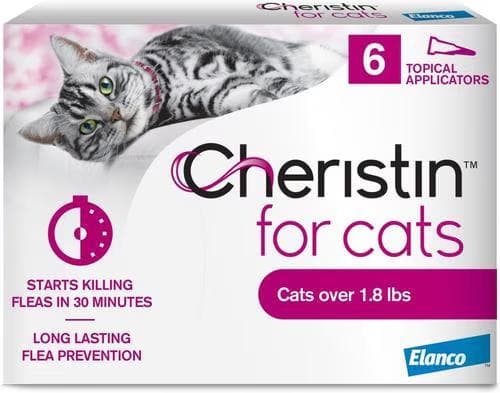
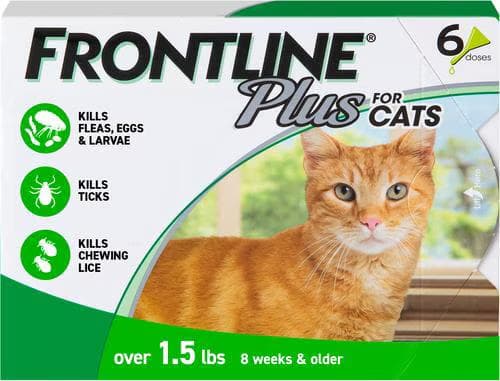
Outdoor access also changes parasite exposure, which is a separate decision from FeLV vaccination. Depending on the cat's risks, a veterinarian may recommend Cheristin or Frontline Plus for cat-specific flea control. Those listings can confirm package directions and current price. Parasite prevention does not prevent feline leukemia virus and cannot replace vaccination or exposure control.
Webvet may earn a commission when you click through to Chewy, at no extra cost to you.
How the FeLV vaccine protects cats
Feline leukemia virus can spread through prolonged close contact involving saliva and other body fluids, including mutual grooming and shared resources, and through bites. The vaccine trains the immune system to respond to future exposure. It does not contain a treatment for infection already present.
Vaccination lowers risk but is not perfectly protective. This is why exposure prevention remains part of the plan. Keeping uninfected cats away from known infected cats, testing new arrivals, preventing roaming and fights, and controlling introductions all add protection that a vaccine alone cannot provide.
The FelineVMA resource for the AAHA/AAFP guidelines emphasizes individual risk factors and life-stage review. The recommendation is not a permanent identity assigned to the cat. It is a decision updated as risk changes.
What the FeLV vaccine does not cover
FeLV vaccine does not protect against feline immunodeficiency virus, rabies, or the respiratory and panleukopenia viruses covered by FVRCP. Those decisions need separate records. Read our FVRCP vaccine guide and rabies vaccine for cats guide for their schedules.
It also does not prevent every possible FeLV infection or make testing unnecessary. A vaccinated cat with a relevant exposure still needs veterinary advice and an appropriate testing timeline.
SponsoredVet care that's always there
Unlimited video calls and messaging with licensed vets for less than a typical vet visit. One membership covers up to five pets.
Use code Pets60
Plans start at $12/month · covers up to 5 pets
- Licensed vets in most states
- Rx for 150+ conditions
- 4.7 on Trustpilot
Feline leukemia vaccine schedule
The initial FeLV series consists of two doses 3 to 4 weeks apart. It can start at 8 weeks of age or older when the selected product permits. The AAHA/AAFP feline vaccine table then calls for revaccination about 12 months after the second initial dose.

After that first-year booster, the interval depends on sustained risk and the vaccine used. Cats with ongoing exposure risk commonly continue boosters on the label-supported schedule, often annually. Lower-risk adults may not need continued routine FeLV vaccination. A veterinarian should document both the decision and the next review date.
A practical timeline
| Stage | Typical action | Important condition |
|---|---|---|
| Before first dose | FeLV test and veterinary health assessment | Vaccination is preventive and should not be used as treatment for an infected cat |
| 8 weeks or older | First FeLV dose when product permits | Age, health, and exposure guide the start |
| 3 to 4 weeks later | Second initial dose | Do not shorten the interval or assume one dose completes the series |
| About 12 months after the initial series | Booster | Review current exposure before and at this visit |
| Later adulthood | Continue or stop boosters based on risk and product | Reassess at least annually even if no vaccine is due |
The exact dates may move because of illness, an overdue visit, a product change, or incomplete records. A late second dose does not give owners enough information to restart or add doses independently. Bring the record to the veterinarian for a catch-up plan.
Webvet may earn a commission when you click through to Chewy, at no extra cost to you.
How long does a feline leukemia vaccine last?
There is no single duration that applies to every product and cat. The initial two-dose series establishes the starting response, a booster is generally given about 12 months later, and future intervals follow exposure risk and the product label. “Lasts one year” is too simple if it ignores whether the cat remains at risk and which vaccine was used.
Duration also should not be confused with perfect protection until an expiration date. Immune responses vary. Prevention combines current vaccination when indicated with reduced contact with infected or unknown-status cats.
What if the cat is late?
Do not assume that a late adult is too old to benefit or that the full kitten series must always restart. The veterinarian will consider the documented number of previous doses, interval, product, current health, and expected exposure. Missing records may lead to a different plan from a clearly documented series.
If exposure is about to begin, tell the clinic rather than simply booking “a booster.” The cat may need testing, an initial series, and time for the immune response to develop before contact.
Testing, effectiveness, and limits of FeLV vaccination
Testing before vaccination answers a different question from vaccination. The test looks for evidence of infection. The vaccine aims to reduce future infection risk. One cannot substitute for the other.

Testing before the first FeLV vaccine
A cat should be tested before FeLV vaccination. If a screening result is positive or unclear, the veterinarian may recommend confirmatory testing and a separate clinical plan. Vaccinating an infected cat does not clear the virus and may create false reassurance for the household.
Testing is also important before introducing a new cat to FeLV-negative residents. Keep cats separated until the veterinarian interprets the results and advises on introductions. A single test may not settle a very recent exposure because infection markers can take time to become detectable.
Testing after possible exposure
Call the veterinarian after an escape, bite, fight, or close contact with an FeLV-positive or unknown-status cat. The clinic may test immediately to establish a baseline and schedule a later test to account for the detection window. Do not choose the retest date from a generic article because test type and exposure timing matter.
Vaccination history belongs in the interpretation. Tell the clinic which product was used and when, and provide the record. Do not assume a vaccinated cat can skip follow-up after a meaningful exposure.
How effective is the FeLV vaccine?
The vaccine reduces risk but does not provide complete protection in every cat or against every exposure. Comparing effectiveness percentages across websites can be misleading when studies use different products, challenge methods, populations, and endpoints. The practical owner conclusion is stable: vaccinate when risk supports it, but also reduce exposure.
The Merck Veterinary Manual explains broader reasons vaccines may not create the expected protection, including immune factors, handling, administration, and health status. A valid vaccine record is not a reason to ignore illness or exposure.
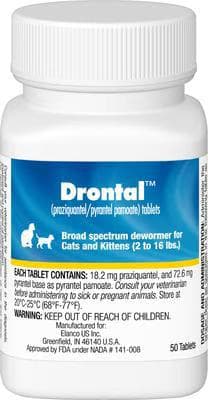
Broad-spectrum cat dewormer (praziquantel and pyrantel) that clears tapeworms, roundworms, and hookworms. For cats and kittens 2 to 16 lbs. Prescription required.
Webvet may earn a commission when you click through to Chewy, at no extra cost to you.
Vaccination is not treatment
An FeLV-positive cat needs veterinary management, routine health monitoring, prompt attention to illness, and a household plan that limits transmission. The FeLV vaccine is not an antiviral drug and should not be presented as a way to reverse a positive result.
This article deliberately does not predict lifespan or diagnose FeLV disease. Test interpretation, prognosis, and treatment depend on the cat's clinical status and confirmatory results. Those questions belong with the veterinarian.
Feline leukemia vaccine safety and side effects
Mild reactions can include temporary tiredness, reduced appetite, low fever, or soreness at the injection site. Keep the cat comfortable, offer normal food and water, and follow the clinic's discharge instructions. Call if signs are persistent, worsening, or more severe than expected.

Urgent allergic-reaction signs include difficulty breathing, facial swelling, collapse, repeated vomiting or diarrhea, widespread hives, or sudden severe weakness. Contact the clinic or an emergency hospital immediately. Do not give human medication unless a veterinarian directs the exact product and dose.
Injection-site monitoring
Note the vaccination site so you can monitor it without repeatedly pressing it. Contact the veterinarian about a lump that is painful, draining, growing, or otherwise concerning. The AAHA/AAFP feline vaccination guidelines summarize the feline “3-2-1” evaluation rule: investigate a mass present for 3 months, larger than 2 centimeters, or still increasing 1 month after vaccination.
Those thresholds are not instructions to ignore a worrying lump until a deadline. The veterinarian may advise earlier evaluation based on appearance, growth, pain, or the cat's history.
Should a 12-year-old cat get an FeLV vaccine?
Age alone does not answer the question. A 12-year-old indoor cat with no contact with unknown-status cats may have low exposure risk. A senior cat that goes outdoors or lives with an FeLV-positive cat may still have meaningful risk. Health and previous reaction history also affect the benefit-risk decision.
Do not skip a yearly wellness assessment because the cat may not need a yearly FeLV injection. The annual review is where the veterinarian updates lifestyle risk and decides whether vaccination is due.
How much does the feline leukemia vaccine cost?
Feline leukemia vaccine cost varies by provider, location, exam policy, testing, and whether the listed price covers one dose or the two-dose initial series. The FeLV test is usually a separate line item unless a package explicitly includes it. A first-time owner should budget for testing, two initial vaccine visits, and the later booster rather than one advertised shot.
Compare provider-labeled FeLV price examples using these fields:
| Provider label | What to verify |
|---|---|
| FeLV vaccine | Is the price for one dose, and is an exam required? |
| Kitten vaccine package | Does it include both FeLV doses, FVRCP, rabies, testing, and follow-up visits? |
| FeLV test | Which test is included and what happens if the result is positive or unclear? |
| Low-cost clinic price | Are there eligibility, date, record, or added service requirements? |
| Adult booster | Is the vaccine currently recommended for this cat's exposure risk? |
Ask the provider for an itemized current quote. A cheap FeLV shot can become a different total after an exam and test are added, while a higher package price may include multiple visits. Neither is automatically better until the included services are clear.
For a provider-labeled example captured August 29, 2026, The Pet Advocate listed the FeLV vaccine at $35 and its FeLV/FIV test at $40. It also listed FVRCP separately at $30. These are one local provider's advertised prices, not national averages, and the FeLV initial series requires more than one vaccine dose. Confirm current prices, exam rules, testing, and the complete series total directly with the clinic.
Cost should not be used to skip the pre-vaccine test or compress the 3-to-4-week initial interval. Ask about community clinics, rescue-supported programs, and staged payment when access is a concern.
Feline leukemia vaccine FAQs
Frequently Asked Questions
Do cats really need a feline leukemia vaccine?
Whether cats really need a feline leukemia vaccine depends on life stage and exposure risk. The FeLV vaccine for kittens and young cats through one year is broadly recommended in feline guidance. For older cats, the decision depends on adult exposure risk. Outdoor access, contact with unknown-status cats, fostering, new household cats, and escape risk support continued discussion. An indoor label alone is not enough. Ask the veterinarian to consider testing, health, realistic contact, and whether the cat's lifestyle could change during the next booster interval.
How long does a feline leukemia vaccine last?
How long a feline leukemia vaccine will last depends on completing the series, the product, and continuing risk. Duration depends on completing the two-dose FeLV series, the product, and whether exposure risk continues. The initial doses are generally given 3 to 4 weeks apart, followed by a booster about 12 months later. Later risk-based booster intervals depend on the product and the cat's lifestyle. Ask the veterinarian to write the next review and due date. Do not treat one incomplete dose or a remembered date without records as durable FeLV protection.
How much does a FeLV shot for cats cost?
How much a FeLV shot will cost for cats depends on the provider, dose count, testing, and included services. FeLV vaccine cost varies by provider, region, and included services. An advertised amount may cover only one injection even though an unvaccinated cat generally needs two initial doses 3 to 4 weeks apart. Ask whether the quote includes an examination, FeLV test, both starting doses, and the later booster. Use a current itemized estimate rather than a universal average, and compare providers only when the same testing, products, visits, and fees are included.
What age is too late to vaccinate a cat?
There is no universal age that is too late for FeLV vaccination. Older cat FeLV vaccination may still be reasonable when current exposure risk is meaningful, but it is not automatic. A veterinarian should consider health, prior records, FeLV testing, product directions, outdoor access, contact with unknown-status cats, and likely lifestyle changes. Bring any old records and describe actual contact risks so the clinic can decide whether an initial, catch-up, or no-routine-booster plan fits.
Can I skip my cat's yearly vaccine?
You should not skip your cat's yearly vaccine review without reassessing current FeLV exposure. Some lower-risk adult cats may not need a yearly FeLV injection, while cats with continuing exposure often benefit from ongoing boosters. Do not skip based only on indoor status or a calendar. Use an annual FeLV risk review to discuss outdoor access, new cats, fostering, escape, testing, health, product directions, and prior reactions. Ask the veterinarian to document whether a dose is due now and when the next lifestyle review should occur.
Does the FeLV vaccine cause feline leukemia?
Licensed FeLV vaccines do not cause FeLV infection. Mild tiredness, soreness, or reduced appetite can occur after vaccination, but those short-lived effects are not feline leukemia. Follow the clinic's injection-site monitoring instructions and report a lump that persists, grows, or changes, as well as any severe or worsening reaction. The vaccine also is not treatment for an already infected cat, which is why testing and exposure prevention remain part of the decision.
Does an indoor adult cat need FeLV boosters forever?
Not necessarily. A reliably indoor adult cat with no contact with unknown-status cats may become low risk after the young-cat period, so routine FeLV boosters may not continue forever. The decision should be revisited when changing FeLV exposure is possible, such as adding a cat, fostering, escape, outdoor access, boarding, or moving. Ask the veterinarian to document the current risk category and the trigger that should prompt testing or vaccination review.

Editor
The Webvet Editorial Team is the in-house group of pet-care editors and writers behind Webvet, operated by Smart Pet Collective. The team researches, writes, and maintains Webvet's pet health, behavior, and medication content. Every article follows a defined editorial process: research from reputable veterinary and scientific sources, careful drafting, mandatory review of medical content by a credentialed veterinarian, and dated publication. Health and medication articles are medically reviewed by a licensed veterinary professional before they go live and are kept current over time.
Veterinarian · BVMS MRCVS
Dr. Pippa Elliott, BVMS, MRCVS, is a veterinarian with nearly 30 years of experience in companion animal practice. Dr. Elliott earned her Bachelor of Veterinary Medicine and Surgery from the University of Glasgow. She was also designated a Member of the Royal College of Veterinary Surgeons. Married with 2 grown-up kids, Dr. Elliott has a naughty Puggle named Poggle, 3 cats and a bearded dragon.
Related reading

Dog Muscle Spasms and Twitching: Causes, Symptoms, and When to Worry

Anemia in Dogs: Symptoms, Causes, Diagnosis, and Treatment

Seizures in Dogs: Types, Causes, What to Do, and Treatment
