Rabies Vaccine for Cats and Kittens: Schedule and Safety
Understand the rabies vaccine schedule for cats and kittens, including first and later boosters, indoor-cat risk, certificates, side effects, and costs.

BVMS MRCVS
Medically reviewed by Dr. Pippa Elliott, BVMS MRCVS · Last reviewed

This article contains affiliate links. Webvet may earn a commission when you buy through them, at no extra cost to you.
The rabies vaccine for cats and kittens follows a schedule set by the vaccine label, a veterinarian, and local law. The first dose is commonly given at 12 weeks of age or older when the selected product permits it. A first booster is generally due 1 year later. Future boosters may be due every 1 or 3 years, but only when the product and jurisdiction recognize that interval, as outlined in the AAHA/AAFP feline vaccination guidelines.
Indoor cats are not automatically exempt. A bat in the home, an escape, a bite, travel, or a legal requirement can make vaccination critically important. The veterinarian must issue and maintain the record that shows when the cat is legally current.

 Sponsored
Have a health question about your cat?
Talk to a licensed vet at Dutch over video or message, including nights and weekends.
Use code Pets60
Plans start at $12/month · covers up to 5 pets
- Licensed vets in most states
- Rx for 150+ conditions
- 4.7 on Trustpilot
Rabies vaccine schedule for cats and kittens
- 1First-dose age must match the vaccine label and local rabies law, commonly 12 weeks or older.
- 2The first booster is generally required 1 year after the initial dose.
- 3Later boosters may be valid for 1 or 3 years depending on the product, certificate, and jurisdiction.
- 4A late dose does not have one national remedy. Call the veterinarian before assuming the cat remains legally current.
- 5Keep the signed rabies certificate, not just a receipt or reminder email.
- 6Suspected rabies exposure is an urgent public-health matter, not a routine vaccine question.
| Cat's situation | Timing principle | What the record should show | Owner's next action |
|---|---|---|---|
| Kitten with no prior rabies vaccine | Give at the age allowed by the selected label and local law, commonly 12 weeks or older | Product, lot, administration date, veterinarian, and legal due date | Confirm the exact appointment date and keep the certificate |
| One year after first dose | First booster is generally due 1 year after the initial dose | New certificate and next legally recognized due date | Schedule before the current certificate expires |
| Adult on a 1-year product or local schedule | Revaccinate at the documented 1-year interval | One-year due date | Do not stretch it to 3 years without veterinary and legal confirmation |
| Adult eligible for a 3-year interval | Use a 3-year-labeled product when the jurisdiction recognizes it and prerequisites are met | Certificate explicitly showing the 3-year due date | Keep proof available for travel, housing, boarding, and exposure questions |
| Overdue cat | Legal status and catch-up rules vary | Previous valid certificate plus new veterinary documentation | Call the veterinarian promptly; do not calculate legal validity yourself |
| Cat with possible wildlife or bite exposure | Exposure rules depend on vaccine status, species involved, and public-health authority | Current and prior certificates | Avoid handling the animal involved and call a veterinarian and local public-health or animal-control authority now |
The table is a planning framework, not a substitute for the certificate. The AAHA/AAFP feline vaccination guidelines classify rabies vaccination according to legal requirements and exposure risk. The NASPHV animal rabies prevention and control resources provide national public-health guidance, while the clinic and owner must still follow the selected product label and applicable jurisdiction.
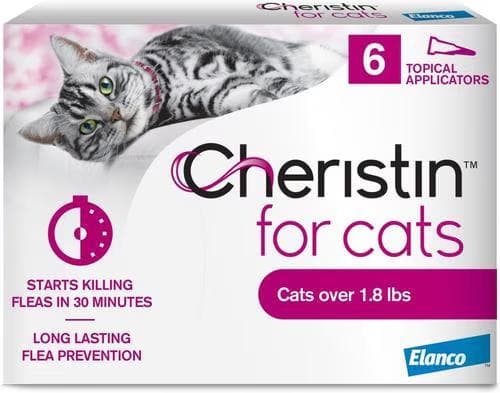
Webvet may earn a commission when you click through to Chewy, at no extra cost to you.
When do kittens get rabies shots?
The answer is not one birthday for every kitten. Many rabies vaccines are labeled for cats 12 weeks or older, but the veterinarian must use a product appropriate for the kitten and comply with state, county, or municipal rules. A shelter, rescue, or travel destination may add its own documentation requirement.
A kitten should be healthy enough for vaccination based on the veterinarian's assessment. If the kitten has fever, vomiting, diarrhea, breathing difficulty, or marked lethargy, tell the clinic before the visit. Do not administer a product at home to avoid rescheduling.
For the full sequence, use our kitten vaccine schedule. Its linked FVRCP vaccine guide and feline leukemia vaccine guide explain those separate products in depth. The rabies date belongs in the combined schedule, but its legal status makes the certificate especially important.
The first booster and later intervals
After a cat's first rabies vaccination, the first booster is generally due 1 year later. That remains true even when a 3-year product might be used later. After the first booster, a veterinarian may issue a 1-year or 3-year certificate when the label and law allow it.
The words “one-year” and “three-year” describe how long a particular vaccination is recognized under the product and legal framework. They do not mean one vaccine is three times as strong. They also do not give an owner permission to extend the date written on an existing certificate.
Use the certificate's next-due date as the working deadline. Schedule early enough to resolve a medical question, product availability problem, or record discrepancy before it expires. If a clinic sends a reminder that conflicts with the certificate, ask the veterinarian to reconcile them.
What if the rabies vaccine is overdue?
Call the veterinarian as soon as you notice the lapse. Do not assume a grace period, and do not assume the entire series restarts. Jurisdictions differ in how they treat a previously vaccinated animal, what proof they require, and when the new dose becomes legally current.
Bring every available certificate. A prior signed certificate can matter more than an owner statement or an undated tag. The veterinarian may also need records from another clinic before issuing the next documentation.
There is no age at which a cat is automatically too old or “too late” to receive a rabies vaccine. Senior cats still have exposure and legal considerations. Health can influence timing and precautions, but only a veterinarian and, where applicable, the public-health authority can determine an exemption or alternative.
Does an indoor cat need a rabies vaccine?
An indoor cat often still needs rabies vaccination because legal requirements and exposure risk are separate questions. A law may apply regardless of lifestyle. Even where the owner is choosing based on risk, indoor living reduces exposure but does not make it impossible.
An indoor wellness visit may also include a separate parasite-risk review. Depending on the cat's age, weight, health, and exposure, a veterinarian may recommend a cat-specific flea product such as Cheristin or Advantage II. Confirm the exact product and directions before use. Parasite control does not protect against rabies or replace a required certificate or official exposure response. For broader vaccine risk-and-benefit context, see Petful's veterinarian-reviewed pet vaccination guide.

Indoor exposure pathways owners overlook
Rabies virus is transmitted through saliva and nervous tissue from an infected mammal, most often through a bite. A cat does not need to roam routinely to face a credible exposure. Consider these scenarios:
- a bat enters the house and is found near the cat
- the cat slips through a door or damaged screen
- an injured wild mammal is brought indoors by another pet
- the cat is bitten during an evacuation, boarding stay, or veterinary visit
- the family moves to a jurisdiction with different legal requirements
- the cat travels across a state or national border
Vaccination does not make a possible exposure something to manage at home. If a bat is found in a room with a cat, keep people and pets away, avoid releasing or destroying the bat when it can be safely contained by professionals, and contact a veterinarian and public-health or animal-control authority for instructions. The CDC guidance for veterinarians explains why animal rabies exposures require coordinated veterinary and public-health management.
Why the legal question matters
Rabies is a fatal zoonotic infection, so a suspected exposure requires urgent veterinary and public-health management. The NASPHV animal rabies prevention and control resources explain how documented vaccination status informs the official response, while the exact observation, quarantine, or other action depends on local law and the responsible authority.
An owner-administered injection may not be legally recognized, even if the product was sold without a prescription. Legal recognition generally depends on administration and documentation by an authorized veterinarian under the jurisdiction's rules. Storage, handling, medical screening, and adverse-reaction readiness also make home administration unsafe.
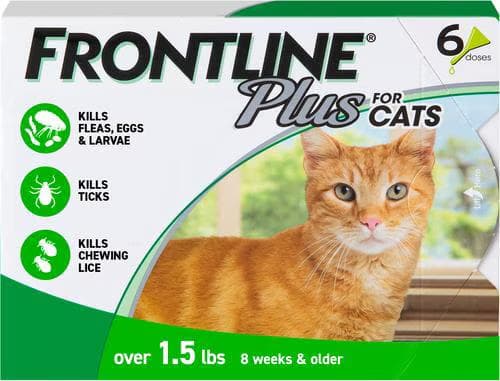
Webvet may earn a commission when you click through to Chewy, at no extra cost to you.
Indoor status still changes the risk conversation
Saying indoor cats need a rabies plan does not mean every cat has the same exposure probability. A high-rise cat in a secure building may have fewer opportunities than a cat in a ground-level home with frequent bat activity. The veterinarian should consider geography, housing, travel, household pets, escape history, and the ability to avoid wildlife contact.
The legal minimum is not always the whole medical discussion, and medical risk does not erase the legal minimum. Ask two separate questions at the appointment:
- What does the law require for this address and cat?
- What does the veterinarian recommend based on exposure and health?

When law and medical judgment are not the same question
A veterinarian may recommend rabies vaccination because an exposure is plausible even where the legal rule is less strict. The reverse can also occur: the law may require a current certificate even when a cat has very limited exposure. Owners need both answers because one is a medical risk assessment and the other is a public-health obligation.
Do not rely on a social-media post, an old county handout, or the rule from a previous address. Rabies requirements can change and may differ across state, county, city, tribal, military, or territorial jurisdictions. Contact the clinic or the named local authority for the current rule that applies to the cat's residence and travel.
If a landlord, groomer, rescue, or boarding facility has a stricter policy than the legal minimum, ask for the written requirement. A valid legal certificate does not force a private facility to accept the cat, and a facility's reminder does not change the legal due date.
Medical exemptions require formal documentation
Some jurisdictions allow a veterinarian to request or issue a medical exemption when vaccination would seriously endanger an individual cat's health. Other jurisdictions do not, or they impose a specific form, time limit, and approval process. An owner cannot create an exemption by deciding the cat is old, indoor-only, or previously tired after a vaccine.
An exemption also may not provide the same protection from quarantine or other official action after an exposure. It may not be accepted for travel, boarding, housing, or another jurisdiction. Ask the veterinarian and local authority what the document does and does not accomplish.
If a previous reaction is the concern, give the veterinarian the original record and treatment details. The medical decision may involve product selection, timing, monitoring, or an exemption process. It should never be handled by omitting history or buying a vaccine elsewhere.
SponsoredVet care that's always there
Unlimited video calls and messaging with licensed vets for less than a typical vet visit. One membership covers up to five pets.
Use code Pets60
Plans start at $12/month · covers up to 5 pets
- Licensed vets in most states
- Rx for 150+ conditions
- 4.7 on Trustpilot
How rabies vaccination protects cats and people
Rabies vaccines expose the immune system to antigens that help it respond if the cat later encounters rabies virus. Protection takes time to develop and depends on proper administration, handling, and the animal's immune response. No vaccine should be described as a guarantee.
Vaccinating pets creates a barrier between wildlife rabies and people. It also gives public-health officials documented information when they assess a bite or exposure. This is why a tag alone is not enough. Tags can be lost or reused, while the certificate connects the product, date, cat, and veterinarian.
The Merck Veterinary Manual explains that vaccine failure can occur because of immune factors, incorrect storage or administration, and other limitations. Preventing wildlife contact and reporting possible exposure remain essential after vaccination.
What vaccination cannot do
Rabies vaccination cannot eliminate the need for official exposure management or prove that an unexplained wound was harmless. If a cat may have contacted a bat or another potentially rabid mammal, keep people and pets away, do not handle the animal involved, and call a veterinarian and the appropriate public-health or animal-control authority immediately, even when the certificate is current.
Do not use the cat's appearance or behavior to decide that a possible exposure is safe. Follow professional and public-health directions instead of attempting an at-home assessment.

Webvet may earn a commission when you click through to Chewy, at no extra cost to you.
Why the certificate matters
A complete rabies certificate typically identifies the cat, owner, vaccine product, manufacturer, lot number, administration date, veterinarian, and next due date. The NASPHV animal rabies prevention and control resources are a national public-health reference for vaccination documentation, but exact requirements vary by jurisdiction, so the veterinarian's form and signature matter. Keep the original and a digital copy.
Use the record for:
- proving current status after a bite or possible wildlife exposure
- meeting licensing or housing rules
- boarding, grooming, or travel requirements
- transferring records to a new veterinarian
- reconciling a reminder when clinics change systems
One-year and three-year records are not interchangeable
A cat vaccinated with a product that can support a 3-year interval is not automatically legally current for 3 years. The cat's prior status, timing of the first booster, the administering veterinarian's certificate, and local recognition all matter. The due date written on the certificate is the usable answer.
Likewise, a cat with a one-year certificate should not wait 3 years because an owner later learns that another product exists. Schedule the next visit by the current document. The veterinarian can determine eligibility and issue a different interval after the appropriate vaccination.
When transferring clinics, ask the former practice to send the full certificate rather than only a vaccine-history summary. A line reading “rabies given” may omit the product, lot, veterinarian, or legal due date the new clinic needs.
What if a cat bites a person?
Wash a wound promptly with soap and running water and seek human medical guidance. Identify and safely confine the cat only if that can be done without another bite. Then contact the appropriate animal-control or public-health authority and provide the veterinarian-issued certificate.
Do not conceal a bite because the cat is vaccinated or indoor-only. Authorities use the circumstances and documented status to determine the response. Vaccination lowers rabies risk but does not replace wound care, reporting rules, or professional evaluation.
Rabies vaccine side effects in cats
Most cats do not have a serious reaction. Mild effects can include temporary tiredness, reduced appetite, low fever, or tenderness at the injection site. Monitor the cat according to the clinic's discharge instructions and call if the response persists, worsens, or worries you.

Injection-site monitoring
Cats can develop a small, temporary lump after an injection. It should not be ignored indefinitely, and it should not be squeezed daily. Note the location and approximate size, then follow the clinic's monitoring instructions.
The AAHA/AAFP feline vaccination guidelines describe the feline “3-2-1” rule used to decide when a post-injection mass needs investigation: a mass remains for 3 months, measures more than 2 centimeters, or continues increasing 1 month after vaccination. A painful, ulcerated, draining, or rapidly changing area warrants earlier contact.

Planning after a previous reaction
Tell the veterinarian exactly what happened, how soon it began, how long it lasted, and what treatment was needed. Bring the previous certificate so the product and lot can be identified if possible. The veterinarian can evaluate the benefit-risk balance, select precautions, and document any reportable event.
A previous mild response is not a reason to skip a legally required vaccine without a medical evaluation. A previous severe response is also not something to dismiss. Exemption procedures, when they exist, are defined by law and require veterinary documentation. An exemption may not be recognized by every jurisdiction or destination.
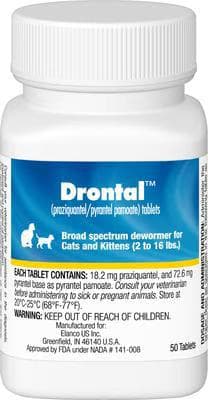
Broad-spectrum cat dewormer (praziquantel and pyrantel) that clears tapeworms, roundworms, and hookworms. For cats and kittens 2 to 16 lbs. Prescription required.
Webvet may earn a commission when you click through to Chewy, at no extra cost to you.
Can a cat get rabies from the vaccine?
Licensed rabies vaccines used in cats do not cause rabies infection. The vaccine is designed to stimulate immunity without exposing the cat to infectious rabies virus capable of causing the disease. Mild post-vaccine effects reflect immune stimulation or local inflammation, not rabies.
If neurologic or other severe signs occur after vaccination, seek veterinary care rather than assuming the cause. Timing alone does not prove causation, and serious illness needs assessment.
Can rabies, FVRCP, and FeLV vaccines be given together?
Veterinarians may administer more than one vaccine during a visit when each is indicated, but that decision depends on age, health, product labels, previous reactions, and the need to complete a series on time. The AAHA/AAFP feline guidelines encourage tailoring the plan to the patient instead of treating every annual visit as the same bundle.
Giving vaccines at the same appointment can reduce travel stress and missed follow-ups. Separating them can sometimes help a veterinarian manage an individual cat's reaction history or clinical priorities. Neither approach should be chosen from a generic rule online.
Clinics record feline injections at specific sites so a later reaction or mass can be associated with the correct product. Ask for the complete record when multiple vaccines are given, including which product was placed at which site. Do not assume a lump belongs to the rabies vaccine merely because that is the vaccine you remember.
Should a cat have a blood test before a rabies vaccine?
Routine blood testing is not a universal prerequisite for rabies vaccination. A veterinarian may recommend an examination or tests because of the cat's age, illness, medication, or anesthetic needs unrelated to the vaccine itself. Those tests evaluate health; they do not replace a legally recognized rabies dose.
Rabies antibody titers also do not automatically substitute for vaccination under ordinary local law. Some international travel programs use approved laboratory testing after vaccination, but that is a destination-specific process. Start travel planning early and follow the official requirements for the destination.
How much does a rabies vaccine for cats cost?
Rabies vaccine cost varies by clinic, region, vaccine duration, and required services. A low-cost event may advertise a vaccine-only price. A full-service clinic may quote the vaccine plus an examination. A 3-year product may have a different price from a 1-year product, but eligibility and legal recognition matter more than the number on the sign.
Compare provider-labeled cat rabies vaccine examples using the same checklist:
| Price label to compare | What to confirm before booking |
|---|---|
| Rabies vaccine only | Is an exam, technician, certificate, tag, or disposal fee added? |
| One-year rabies | Is this the required first booster or a product selected for another reason? |
| Three-year rabies | Is the cat eligible, is the product labeled for cats, and does local law recognize the interval? |
| Low-cost clinic event | Are there residency, appointment, payment, age, or record requirements? |
| Full vaccine package | Which exact vaccines and follow-up doses are included, and which are not? |
Ask for the total appointment estimate in writing. A quoted “rabies shot price” may not include the examination, license, certificate replacement, or other services. Conversely, a package may include items the cat does not need that day.
WebVet's veterinary visit cost guide explains how examinations, diagnostics, and clinic fees can change the full appointment total. Use the cat clinic's current itemized quote for the actual vaccine price and legal paperwork.
For a provider-labeled example captured August 29, 2026, The Pet Advocate advertised a cat rabies vaccine for $25 with no examination fee during its stated walk-in vaccination hours. That is one California provider's advertised price, not a national average. Verify the current amount, hours, eligibility, product interval, certificate, and any added service before relying on it.
What about free or cheap rabies vaccine clinics?
Community programs can improve access and may be a sound option when vaccination is administered by authorized veterinary professionals, stored and handled correctly, and documented with a valid certificate. Confirm who administers the vaccine and what records you receive before relying on an advertisement.
“Free” may mean grant-funded for residents, available only on a particular date, or included with another paid service. “Low cost” may be vaccine-only. Check eligibility, total fees, wait or appointment rules, and whether the clinic can safely handle a cat with a prior reaction.
Does a 3-year shot save money?
It can reduce the number of rabies-only vaccination visits for an eligible cat, but the comparison is not simply price divided by three. Annual wellness examinations may still be appropriate, and other vaccines follow their own schedules. A jurisdiction or destination may also impose specific requirements.
Use the veterinarian-issued due date rather than buying the longest-sounding product. If a 3-year vaccination is valid for the cat and locality, the certificate should clearly show that next due date.
Preparing for a rabies vaccine visit
Bring the cat in a secure carrier and include all prior certificates. Tell the clinic about current illness, medication, immunosuppressive treatment, pregnancy possibility, previous vaccine reactions, and recent wildlife contact. Possible exposure changes the urgency and may change the authority the clinic needs to contact.
Before leaving, verify:
- the cat's name and description are correct
- the administration date is correct
- the product and lot are recorded
- the veterinarian signed or authenticated the certificate as required
- the next due date is explicit
- you know which mild signs to watch and which signs are urgent
Do not wait until a landlord, airline, boarding facility, or bite report exposes an error. Ask the clinic to correct a certificate discrepancy while the visit and product record are easy to locate.
Rabies exposure: what cat owners should do
A potential exposure includes a bite, saliva contact with a wound or mucous membrane, or certain bat encounters. The precise definition and response depend on public-health guidance. Keep the cat away from people and other animals without putting yourself at risk.
Then:
- Contact a veterinarian immediately.
- Contact local animal control or public health as directed.
- Locate current and prior rabies certificates.
- Do not handle, release, or dispose of the wild animal unless authorities instruct you.
- Follow official quarantine, booster, observation, or testing directions.
A current vaccination record does not make the call unnecessary. It gives the professionals better evidence for determining the next step.
Rabies vaccine for cats FAQs
Frequently Asked Questions
How often does a cat need a rabies shot?
How often a cat needs a rabies shot depends on the certificate, product, history, and law. A cat's first legally eligible rabies vaccine is followed by a one-year rabies booster. Later shots may be due every one or three years, depending on the product label, documented vaccination history, and local law. Use the next-due date on the veterinarian-issued official certificate. If the record is missing or the cat is overdue, call the clinic before assuming which interval applies, because legal recognition depends on documentation as well as the injection itself.
Do cats actually need rabies shots?
Cats actually need rabies shots when veterinary guidance and local law call for them. Cats need current rabies vaccination when local rabies law requires it, and veterinary guidance broadly recommends protection because rabies is fatal and can spread to people. Indoor cat rabies risk is lower than uncontrolled outdoor exposure, but it is not zero because of bats, escape, travel, clinic visits, or emergency housing. Ask a veterinarian what applies at your address, follow the certificate due date, and keep the signed official record.
What age do kittens get a rabies vaccine?
Kittens commonly receive a first rabies vaccine at 12 weeks of age or older, but the minimum vaccine age is controlled by the selected product label and local law. A veterinarian should confirm the exact timing, examine the kitten, administer the approved product, and issue the official certificate. Do not move the date earlier based on a generic calendar, and do not assume that a breeder, shelter, or owner-administered record automatically satisfies the jurisdiction's requirements.
Can I vaccinate my own cat for rabies?
Do not vaccinate your own cat for rabies. Authorized veterinary administration provides health screening, correct product storage and handling, proper delivery, emergency-reaction readiness, and complete product documentation. An owner-administered dose generally does not create the legally recognized certificate required for licensing or an exposure investigation. Use a veterinarian or another professional specifically authorized by your jurisdiction, then keep both the signed certificate and a secure digital copy.
How much does a 3 year rabies shot cost for cats?
How much a three-year rabies shot will cost for cats depends on the provider and included services. Three-year rabies vaccine cost for cats varies by provider, region, and included services. The total may include an examination, certificate, tag, license, or service fee in addition to the vaccine. Ask for an itemized current quote and confirm that the cat's records make it eligible for the three-year interval and that local law recognizes the product. A lower advertised dose price is not necessarily the final amount and does not override certificate requirements.
Does an indoor-only cat need a rabies booster?
An indoor-only cat generally still needs a rabies booster when the rabies certificate due date arrives, especially where vaccination is required by law. Indoor cats can encounter bats, escape, travel, move to a different jurisdiction, or enter emergency housing. A veterinarian should apply the cat's health history and any legally available exemption process. Do not simply let the record lapse because exposure seems unlikely; check the local rule and the written due date first.
Can a vaccinated cat still get rabies?
A vaccinated cat can still get rabies in a rare breakthrough, so every possible exposure needs immediate guidance. No vaccine offers a perfect guarantee, but proper rabies vaccination reduces risk substantially and is central to public-health prevention. A possible rabies exposure still requires immediate veterinary and local public-health guidance, even when the cat is current. Do not wait for symptoms, try to assess the animal at home, or assume an indoor cat could not have encountered a bat. Bring the official certificate because the response may depend on documented vaccination status and local rules.
Is a rabies tag the same as a certificate?
No. A rabies tag is a visible identifier, while the signed rabies certificate is the complete record authorities and clinics may need. The certificate identifies the cat, vaccine product, administration date, veterinarian or authorized provider, and next due date. Keep the original and a secure digital copy. If it is lost, contact the administering clinic for a replacement rather than trying to reconstruct the record from the tag, receipt, or reminder email alone.

Editor
The Webvet Editorial Team is the in-house group of pet-care editors and writers behind Webvet, operated by Smart Pet Collective. The team researches, writes, and maintains Webvet's pet health, behavior, and medication content. Every article follows a defined editorial process: research from reputable veterinary and scientific sources, careful drafting, mandatory review of medical content by a credentialed veterinarian, and dated publication. Health and medication articles are medically reviewed by a licensed veterinary professional before they go live and are kept current over time.
Veterinarian · BVMS MRCVS
Dr. Pippa Elliott, BVMS, MRCVS, is a veterinarian with nearly 30 years of experience in companion animal practice. Dr. Elliott earned her Bachelor of Veterinary Medicine and Surgery from the University of Glasgow. She was also designated a Member of the Royal College of Veterinary Surgeons. Married with 2 grown-up kids, Dr. Elliott has a naughty Puggle named Poggle, 3 cats and a bearded dragon.
Related reading

Dog Muscle Spasms and Twitching: Causes, Symptoms, and When to Worry

Anemia in Dogs: Symptoms, Causes, Diagnosis, and Treatment

Seizures in Dogs: Types, Causes, What to Do, and Treatment
