Panleukopenia in Cats: Symptoms, Treatment, and Household Precautions
Panleukopenia can make kittens seriously ill and persist in the environment. Learn what treatment, testing, isolation, effective cleaning and vaccination each contribute.

BVMS MRCVS
Medically reviewed by Dr. Pippa Elliott, BVMS MRCVS · Last reviewed

This article contains affiliate links. Webvet may earn a commission when you buy through them, at no extra cost to you.
Panleukopenia in cats is a highly contagious infection caused by feline parvovirus (FPV). It can damage the intestinal lining and reduce white blood cells, leaving a sick cat vulnerable to dehydration and serious complications. Kittens are particularly vulnerable, but unprotected adult cats can also become ill.
A kitten that suddenly stops eating, vomits, becomes very quiet or seems weak needs urgent veterinary advice. Call before arriving so the clinic can arrange infection-control precautions. Treatment and household protection must begin without waiting for a characteristic photograph, a positive home test or bloody diarrhea.
 Sponsored
Have a health question about your cat?
Talk to a licensed vet at Dutch over video or message, including nights and weekends.
Use code Pets30
Plans start at $11/month · covers up to 5 pets
- Licensed vets in most states
- Rx for 150+ conditions
- 4.7 on Trustpilot
What feline panleukopenia is
Feline parvovirus can cause a rapidly serious illness. Urgent veterinary care supports the sick cat; isolation, effective cleaning and vaccination protect other cats. Looking better does not automatically mean the cat has stopped shedding virus.
Feline panleukopenia is also called feline infectious enteritis or feline distemper. The distemper name is confusing because canine distemper is a different viral disease. A cat's vaccination record may use the feline distemper name even though the relevant component protects against panleukopenia.
Cats acquire the virus through exposure to infected cats, their secretions or feces, or contaminated objects and environments. It can be carried on equipment and clothing. Because it survives well outside the body, direct face-to-face contact with a visibly ill cat is not required.
Which cats are most vulnerable?
Young kittens without effective vaccine protection are at particular risk. Unvaccinated adult cats, older cats and cats with impaired immune protection also need consideration. Feral or free-roaming cats may encounter contaminated environments, but being indoors does not make a cat immune.
For contained transport, the Frisco Travel Safety Dog and Cat Carrier, Medium is an option only if its dimensions suit the cat. Call the clinic before travel, line the carrier as instructed and keep it separate from other animals. Secure the door before moving it; do not carry a potentially infectious kitten loose through a waiting room.

A transport option for a cat that fits the carrier's dimensions; call the clinic first.
Webvet may earn a commission when you click through to Chewy, at no extra cost to you.
Prevalence differs greatly between well-vaccinated household populations and vulnerable groups such as unprotected kittens in crowded settings. A shelter outbreak percentage cannot be applied to every pet cat. Vaccination history, age and exposure are more useful for a particular household than a general claim that the disease is common or rare.
Infection around birth can affect the developing cerebellum and cause cerebellar hypoplasia, a condition associated with incoordination and tremors. That is a developmental consequence, not a predictable next stage of acute illness in an older cat. A wobbly kitten needs veterinary assessment, but wobbliness alone does not establish active panleukopenia or current contagiousness.
Early signs and urgent veterinary care
The first signs of panleukopenia may be loss of appetite, fever, marked quietness, hiding or weakness. Vomiting can follow, and diarrhea may occur, but diarrhea is not present in every case. A kitten can deteriorate before an owner notices a complete list of symptoms.

These published clinical images are from Awad, Khalil and Attallah (2018), Figure 1, reproduced under CC BY 4.0. They show cats assessed in a panleukopenia study. The pictured cats and test device cannot diagnose another cat or establish a universal sequence of disease stages.
Changes to report immediately
- A kitten refusing food or becoming unusually withdrawn.
- Vomiting, diarrhea or repeated retching.
- Weakness, collapse, a painful posture or difficulty standing.
- Reduced drinking, inability to retain water or signs of dehydration.
- Rapid deterioration, even if stool still looks normal.
After arranging veterinary care and an isolation plan, assign dedicated litter equipment to the affected cat. A Frisco Cat Metal Litter Scoop can help keep one tray's equipment separate. The scoop still needs an appropriate cleaning protocol; a metal tool does not inactivate the virus simply because it is washable.
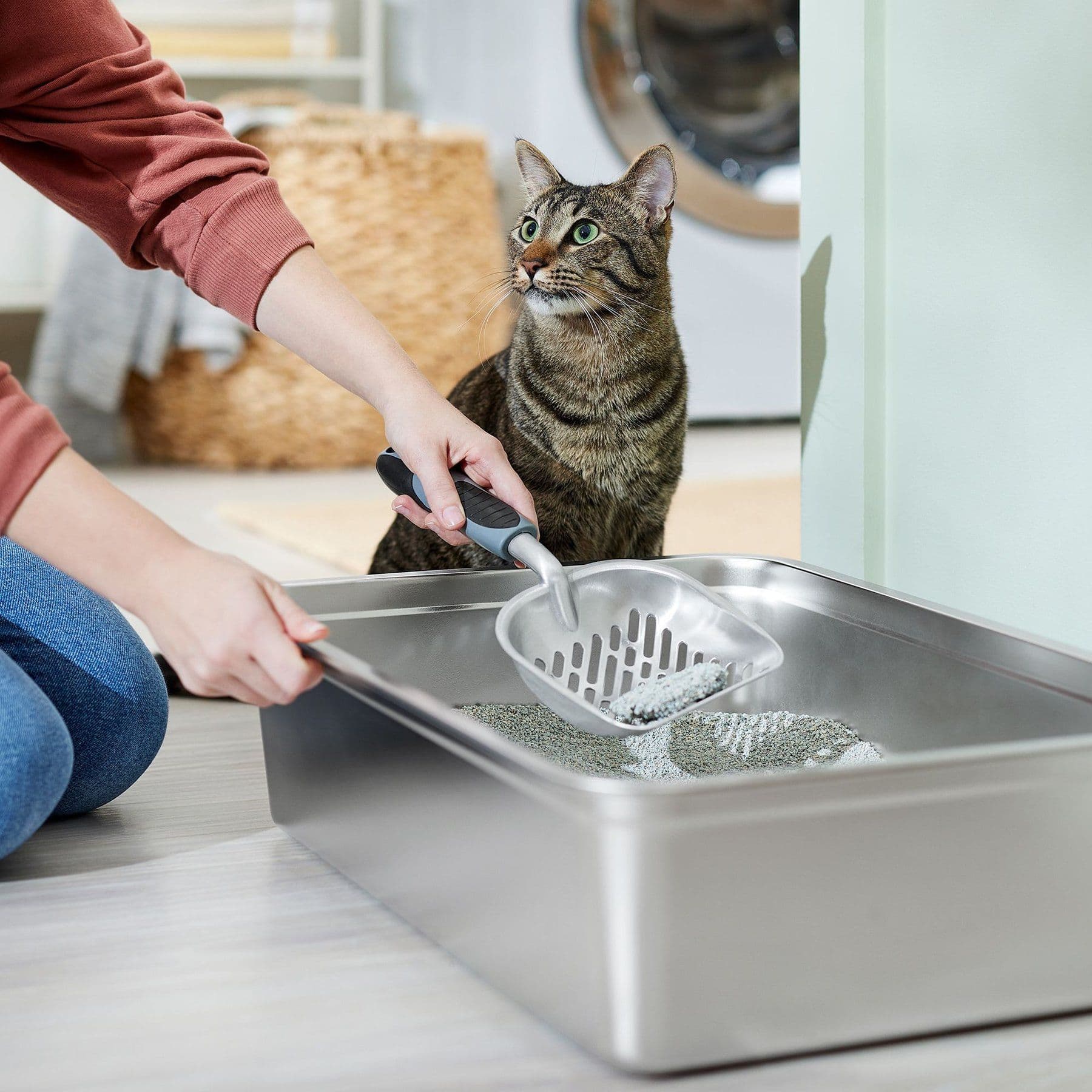
A dedicated metal scoop for one isolation area's litter equipment.
Webvet may earn a commission when you click through to Chewy, at no extra cost to you.
Why pictures and day-by-day stages are insufficient
Pictures of feline distemper symptoms can show a sick cat, but lethargy, dehydration and oral changes are nonspecific. A video of a cat with distemper cannot tell you whether your cat has the same infection. If the clinic requests a video, record a short natural observation of breathing or movement without delaying care or forcing activity.
There is no reliable day-by-day panleukopenia timeline for home monitoring. The incubation period is usually a few days, and severe illness may progress quickly. Some kittens die with little warning. Others have a more recognizable sequence of reduced appetite, fever and vomiting. Do not use an expected stage to decide that a sick kitten is safe until tomorrow.
Record the actual first abnormal observation, vomiting episodes, food intake and known contact with other cats. If several kittens share a home, identify each one separately in the record. A littermate eating normally this morning may still require an exposure plan.
Complications and the need for clinical support
The effects of feline distemper can extend beyond vomiting: dehydration, electrolyte disturbances and secondary bacterial infection may become life-threatening. These disease complications are sometimes described as distemper side effects. They are different from a temporary reaction after a distemper-containing vaccine, discussed below.
Vomiting and diarrhea remove fluid, while poor intake prevents the cat replacing it. A kitten has little reserve, so dehydration can develop rapidly. Sitting beside a water bowl does not prove the kitten is drinking enough. A cat unable to swallow safely or retain water needs clinical help rather than syringe-fed water at home.
Other causes of diarrhea in cats can overlap with panleukopenia. The immediate priority is assessing severity and supporting the patient, not trying several home treatments to see which diagnosis fits. Never give human anti-diarrhea medicine, painkillers or disinfectants to the cat.
Testing and look-alike illnesses
A veterinarian combines the examination, exposure and vaccine history with laboratory testing. A low white blood cell count, or leukopenia, can support suspicion, but it is not a diagnosis by itself. Blood work also helps assess dehydration, electrolytes and other problems that affect treatment.
Fecal antigen tests, including some tests designed for canine parvovirus, can help detect feline panleukopenia virus. A negative rapid or SNAP test does not always exclude infection, particularly when sample timing or viral shedding limits detection. PCR may be useful in selected cases, and recent vaccination needs to be considered when interpreting results.
What a test kit can and cannot decide
A home photograph of a test strip cannot replace clinical interpretation. Ask what sample was tested, whether the result fits the cat's signs, and whether another test is needed. Do not remove isolation precautions based only on one negative test from a cat with a strongly suspicious illness.
Tell the clinician:
- When the cat last received a vaccine and which product was used.
- When signs began and whether other cats are ill.
- Whether the cat was recently adopted, boarded or fostered.
- Any medicine already given and whether vomiting followed it.
The ABCD panleukopenia guideline discusses diagnosis in the setting of the whole patient. Test results are evidence to interpret, not a reason to delay supportive care in a severely ill kitten.
Panleukopenia is not feline leukemia
Feline panleukopenia and feline leukemia virus are different infections with different tests and management. The word leukopenia describes low white blood cells; it does not mean the cat has leukemia. Likewise, feline and canine distemper are both viral diseases, but their names do not identify the same virus.
Feline panleukopenia virus is closely related to canine parvovirus, and some canine parvovirus variants can infect cats. That relationship does not make every canine distemper story relevant to a household cat. A veterinarian should interpret the actual organism and exposure rather than group all “parvo” and “distemper” names together.
The disease's pathogenesis helps explain its severity: the virus targets rapidly dividing cells, including intestinal and bone-marrow cells. Intestinal damage and reduced immune defenses can create complications beyond simple diarrhea. Other infections, including coccidia in cats, may produce overlapping gastrointestinal signs or occur alongside another problem.
SponsoredVet care that's always there
Unlimited video calls and messaging with licensed vets for less than a typical vet visit. One membership covers up to five pets.
Use code Pets30
Plans start at $11/month · covers up to 5 pets
- Licensed vets in most states
- Rx for 150+ conditions
- 4.7 on Trustpilot
Hospital treatment and survival uncertainty
An unvaccinated cat can survive panleukopenia, as can some very sick kittens. Survival is not guaranteed, and early intensive supportive care gives the treating team a chance to manage complications. A positive result is neither an automatic death sentence nor a reason to promise recovery.

Treatment commonly includes fluid and electrolyte support, control of vomiting and a nutrition plan. Antibiotics may be used to address the risk of bacterial infection when the intestinal barrier and white blood cells are compromised; they do not directly kill the parvovirus. The team tailors additional treatment to the cat's condition.
Once the clinic permits meals at home, a small dedicated OurPets Durapet Premium Stainless Steel Bowl, Small, 0.75 cups can help you measure what is offered and eaten. It is a feeding tool, not a substitute for assisted clinical nutrition when the kitten cannot meet its needs. Keep it separate from other cats' dishes.
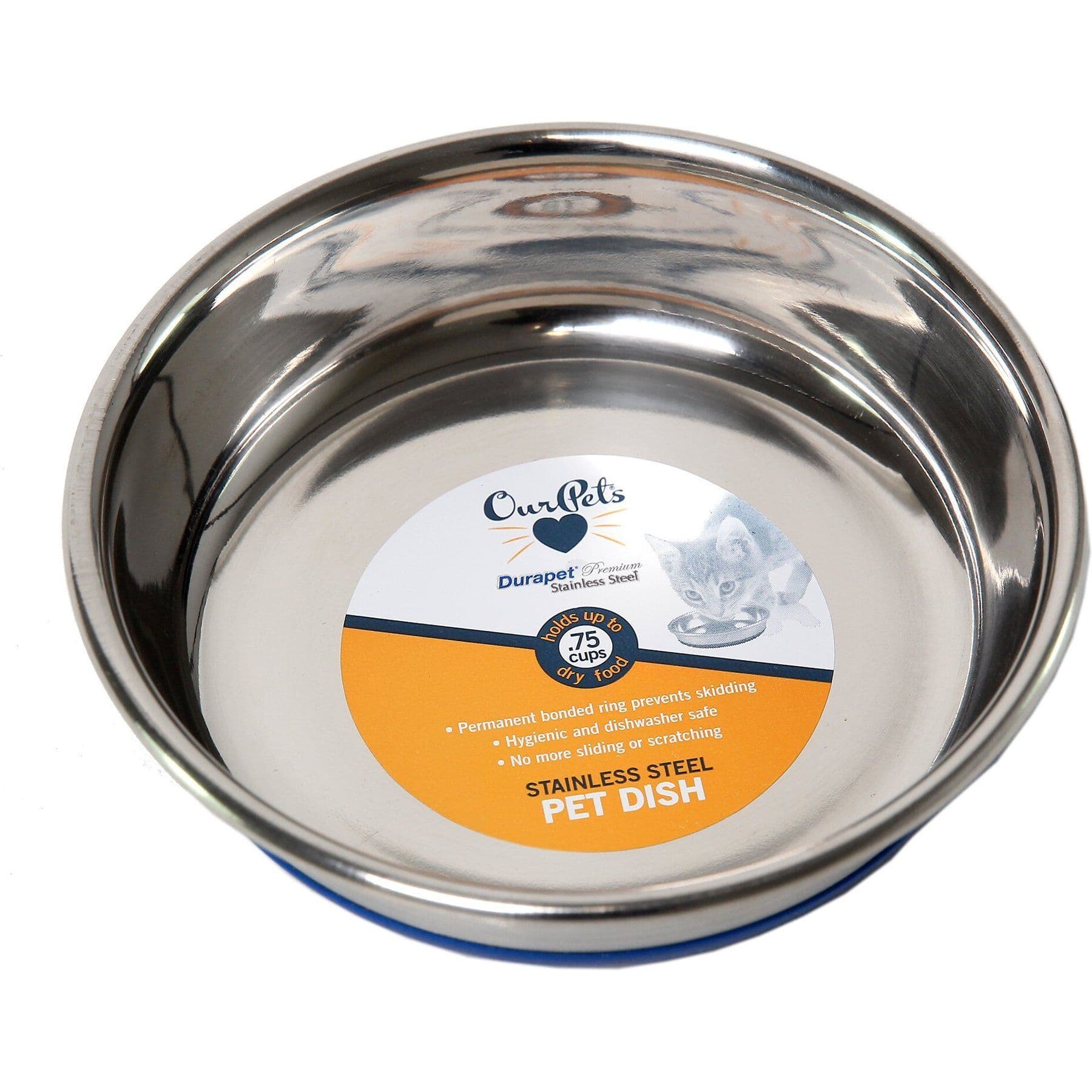
A small dedicated washable bowl for clinic-approved portions after discharge.
Webvet may earn a commission when you click through to Chewy, at no extra cost to you.
| Hospital update and decision it informs | A useful question for the team |
|---|---|
| Hydration support and ongoing losses | Is the cat retaining fluid, or do vomiting and diarrhea still require hospital treatment? |
| White blood cells and infection risk | Are the blood-cell trends and examination becoming more reassuring? |
| Nutrition plan | How will the cat receive enough calories if voluntary intake remains inadequate? |
| Comfort and alertness | Is pain controlled, and is the cat interacting more normally? |
| Discharge planning | Which observations, medicines and rechecks must continue at home? |
Feline distemper is treatable, and cats can recover, but there is no reliably curative medicine that simply removes the virus. Getting rid of the infection depends on the cat overcoming it while treatment supports essential functions and manages complications. Environmental disinfection protects other cats; it does not cure the patient.
Survival rates are not an individual prediction
Published survival rates vary with the population, age, severity at presentation and care available. A figure from a shelter outbreak cannot be assumed to describe a vaccinated adult treated early at a hospital. Kittens generally have fewer reserves, but age alone does not determine the outcome.
Ask the veterinarian what is most concerning in this patient's current condition and what would count as improvement over the next assessment period. Appetite, hydration, white blood cell trends and complications matter more than comparing one online percentage with another.
The Merck Veterinary Manual's owner guidance explains the need for hospital support in severe disease. How long a cat lives with panleukopenia depends first on surviving the acute illness. A cat that survives may recover well and live for years; there is no universal shortened lifespan assigned to every survivor. Lasting problems require their own assessment.
Recovery does not run on a fixed countdown
Panleukopenia illness often lasts about five to seven days, but severe complications and return to normal eating, weight and activity can extend that course. A more alert kitten is encouraging; it does not establish that the infection-control period has ended. The team may still need to monitor food intake, medicines and complications after discharge.
Useful recovery observations include:
- Whether the cat eats the prescribed amount voluntarily.
- Whether vomiting has stopped and stool is improving.
- Whether energy and interaction are returning toward baseline.
- Whether weight and hydration are stable at rechecks.
Keep recovery, contagious shedding, and a safe reintroduction date separate. Ask for the clinical recheck and the isolation endpoint as distinct instructions. One good meal cannot answer either question by itself.
Home treatment and natural-remedy claims
There is no proven natural remedy or essential oil that safely replaces treatment for feline panleukopenia. Essential oils may also be hazardous to cats. Do not attempt to “kill the virus” by giving a household disinfectant, concentrated supplement or human medicine.
Home care is appropriate only when the veterinarian has assessed the cat and supplied a feasible plan. A cat needing intravenous support should not be managed at home simply because an online post describes a kitten that survived that way. If cost limits care, discuss available options directly with the clinic rather than substituting unproven treatment.
For an isolation area the clinic considers suitable, the Paw Inspired Washable Pee Pad, 48 by 60 inches can act as a large floor barrier. Confirm that its material can be managed under the chosen cleaning protocol, change it after soiling and keep it dedicated to that room. A washable pad is not a virus-killing product.
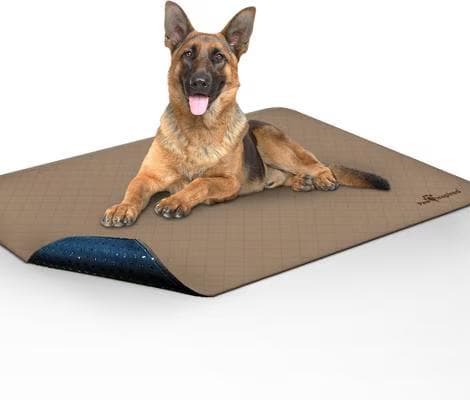
A large washable barrier, used only with an appropriate isolation cleaning protocol.
Webvet may earn a commission when you click through to Chewy, at no extra cost to you.
Isolation and household cleaning
Panleukopenia spreads efficiently between susceptible cats through infected material and contaminated objects, called fomites. An indoor cat can be exposed when the virus is carried inside on footwear, hands, carriers or equipment, or when a new cat enters the household. Indoor living reduces some encounters but cannot replace vaccination.
Separate the sick cat from unexposed cats and ask the clinic how to manage already exposed animals. Use dedicated dishes, bedding and litter equipment. Care for healthy animals before entering the isolation area, then follow the clinic's handwashing and clothing instructions before returning to them.
A group of clean supplies gathered in one place is not a finished isolation layout. Food and water should be positioned well away from the litter tray, and equipment should not move between cat groups. Choose a room with surfaces that can be cleaned safely rather than allowing a sick kitten to roam throughout the home.
Cleaning and disinfection are separate steps
Environmental persistence is a major challenge: feline parvovirus can remain infectious for a long time, potentially more than a year in suitable conditions. Ordinary tidying, fragrance sprays or a product labeled only antibacterial cannot be assumed to inactivate it. Remove organic material before applying a disinfectant with appropriate activity against parvovirus.
The ABCD disinfection guidance explains why product choice, dilution and contact time matter. Suitable chlorine-based or other specifically effective products may be used on compatible surfaces. Obtain the exact protocol for the product available to you rather than mixing chemicals from memory.

A practical sequence is:
- Keep cats away from the area being cleaned.
- Remove feces, vomit, litter and other visible material safely.
- Clean the surface so organic matter does not undermine disinfection.
- Apply the selected product at its correct concentration and wet contact time.
- Rinse, dry and ventilate as the label and clinic direct before reuse.
Some porous objects cannot be disinfected reliably and may need to be discarded. Ask before moving contaminated cat trees, bedding or carriers into another room. Do not mix bleach with other cleaning products or apply environmental disinfectants to a cat's skin.
How long should isolation continue?
A recovering cat can continue shedding virus after appearing well. Shedding has been reported for up to six weeks after recovery, although many cats stop earlier. The veterinarian should set the isolation and reintroduction plan using the patient's course, exposed cats' protection and the environment; one universal quarantine date is not appropriate for every household.
A cat recovering from confirmed infection usually develops strong lasting immunity, so a second true episode is uncommon. However, returning vomiting or diarrhea still needs investigation. Do not label every later illness “panleukopenia again” or assume that a survivor cannot carry contaminated material to another susceptible cat.
People, dogs and wildlife
Humans do not develop feline panleukopenia from an infected cat, but they can carry the virus between cats on hands or objects. Canine distemper in raccoons or skunks is a different infection from feline panleukopenia. Wildlife contact still warrants veterinary advice because other infections and injuries may be involved.
A cat with feline panleukopenia is not giving a dog canine distemper. The related parvovirus family and species differences require precise diagnosis; tell the veterinarian about dogs and other animals sharing the property. The household plan should protect each species appropriately rather than assume one cat vaccine or cleaner answers every exposure.
Vaccination and protecting other cats
Panleukopenia vaccination is a core part of feline preventive care. It is commonly included in FVRCP, together with protection against feline herpesvirus-associated rhinotracheitis and calicivirus. Our FVRCP vaccine guide explains the components, while feline calicivirus has a different illness and shedding pattern.
Kittens, adults and booster intervals
Kittens need a series of doses because maternal antibodies can interfere with early vaccination. The number is determined by the starting age and the age at the final kitten dose, not simply by reaching a fixed total. The veterinarian then plans the later booster and adult interval using the product, risk and guidance.
The AAHA/AAFP vaccination guidelines recommend the routine kitten combination series at intervals of three to four weeks, beginning no earlier than six weeks and continuing until at least 16–20 weeks. They also recommend revaccination at six months to reduce the window of susceptibility in kittens whose maternal antibodies interfered with earlier doses. Your clinic should set actual dates for the chosen product and circumstances.
Some adult panleukopenia vaccine protocols use a three-year interval after the appropriate initial series and booster. That does not mean a kitten needs only one injection or that every product and patient follows the same schedule. Older and indoor cats still need an individualized protection review rather than an automatic exemption.
Checking an incomplete vaccine record
Bring the actual vaccination history, including rescue or breeder records. A vague statement that a kitten has had “its shots” may not establish which doses were given or whether the series was completed. If records are uncertain, ask the veterinarian for a catch-up plan.
Breakthrough infection and safe administration
Fully vaccinated cats have strong protection, but no vaccine is an absolute guarantee. Incomplete kitten series, interference from maternal antibodies, immune problems or overwhelming exposure can complicate protection. A vaccinated cat with compatible illness still deserves assessment and appropriate isolation.
Have a veterinary professional select and administer the correct product and route. A product name such as Nobivac does not identify every detail of its formulation or instructions. An injectable vaccine must not be used by another route, and buying a vial online does not establish that storage or handling was correct.
Modified-live vaccines require particular care in pregnant cats, very young kittens or some immunocompromised patients. The clinician decides which formulation is appropriate. Proper vaccination is not intended to give a healthy eligible cat clinical distemper, but a sick cat after vaccination should be evaluated rather than dismissed.
Tiredness, reactions and what vaccination does not do
Temporary sleepiness, mild soreness or reduced appetite can occur after a distemper-containing vaccine. It is not a calming treatment and should not be used to change behavior. Ask the clinic what changes are expected and when persistent tiredness or vomiting needs a call.
Facial swelling, breathing difficulty, collapse or rapidly worsening illness requires urgent care. If rabies and FVRCP were given at the same visit, report every product and the timing of the reaction rather than guessing which caused it. Keep the record for future vaccination decisions.
Preventing panleukopenia combines vaccination, careful introduction of new cats and effective infection control. Before bringing another kitten into a previously contaminated home, ask the veterinarian about its vaccination status and the environmental plan. A room that looks clean is not enough evidence that it is safe for an unprotected kitten.
Panleukopenia questions
Frequently Asked Questions
How long does it take for a cat to recover from panleukopenia?
Individual recovery varies with severity and complications. Improvement may occur over several days with treatment, but return to normal appetite, weight and activity can take longer. Follow the recheck plan and keep the isolation decision separate, because apparent recovery does not prove that viral shedding has stopped.
Can you save a kitten with panleukopenia?
Some kittens survive with prompt supportive care, but the outcome is uncertain, especially in very young or severely ill patients. Seek veterinary treatment immediately rather than wait for home remedies to work. The team can explain the kitten's current condition, available treatment and signs that would change the prognosis.
Can my vaccinated cat get panleukopenia?
Vaccine protection is strong but not absolute. The completeness and timing of the series, the cat's immune response and exposure all matter. A vaccinated cat with vomiting, marked lethargy or poor intake still needs assessment; its record helps the veterinarian interpret risk and testing.
Veterinarian · BVMS MRCVS
Dr. Pippa Elliott, BVMS, MRCVS, is a veterinarian with nearly 30 years of experience in companion animal practice. Dr. Elliott earned her Bachelor of Veterinary Medicine and Surgery from the University of Glasgow. She was also designated a Member of the Royal College of Veterinary Surgeons. Married with 2 grown-up kids, Dr. Elliott has a naughty Puggle named Poggle, 3 cats and a bearded dragon.
Related reading

FIP in Cats: Symptoms, Diagnosis, and Current Treatment Options

Feline Calicivirus: Symptoms, Treatment, and Managing Multiple Cats

Leptospirosis in Dogs: Symptoms, Testing, Treatment, and Prevention
