Cat Pregnancy Week by Week: Signs, Timeline, and What to Expect
Cat pregnancy lasts about nine weeks from mating to birth. Here is what happens week by week for the mother and the kittens, the first signs a cat is pregnant, how to feed and care for her, and the signs that labor is close.

BVMS MRCVS
Medically reviewed by Dr. Pippa Elliott, BVMS MRCVS · Last reviewed

This article contains affiliate links. Webvet may earn a commission when you buy through them, at no extra cost to you.
Cat pregnancy lasts about nine weeks, with gestation usually falling between 60 and 65 days according to the Merck Veterinary Manual. The first visible sign is usually "pinking up," when the nipples redden and enlarge at around three to four weeks.
During cat pregnancy, the two care decisions that matter most are switching the queen to kitten food and booking a vet check to confirm the pregnancy and plan for the birth. This guide walks through each week, the signs labor is close, and the problems that need a vet.
- 1The gestation length in days plus weeks: about 60 to 65 days, or roughly nine weeks, per the Merck Veterinary Manual.
- 2The first visible signs including pinking nipples: the teats redden and enlarge at around three to four weeks of pregnancy.
- 3A vet can confirm pregnancy from about day 21 to 30 by feeling the abdomen or with an ultrasound.
- 4Merck advises kitten food during pregnancy and nursing, with about 25 percent more food in the last three weeks.
- 5Cats Protection advises calling a vet if a queen strains for more than 30 minutes without producing a kitten.
 Sponsored
Have a health question about your cat?
Talk to a licensed vet at Dutch over video or message, including nights and weekends.
Use code Pets60
Plans start at $12/month · covers up to 5 pets
- Licensed vets in most states
- Rx for 150+ conditions
- 4.7 on Trustpilot
How Long Are Cats Pregnant?
A pregnant cat carries her kittens for about nine weeks, but the exact day count varies by source and by how the start date is measured. The breeding date is not always the conception date, so any due date from a calendar or cat pregnancy tracker app is an estimate with a window of several days on either side.
From the first suspicion onward, the food in the bowl matters. Merck says a vet will likely recommend feeding a pregnant cat kitten food through pregnancy and nursing, because the queen needs extra energy for the growing litter and then for milk.
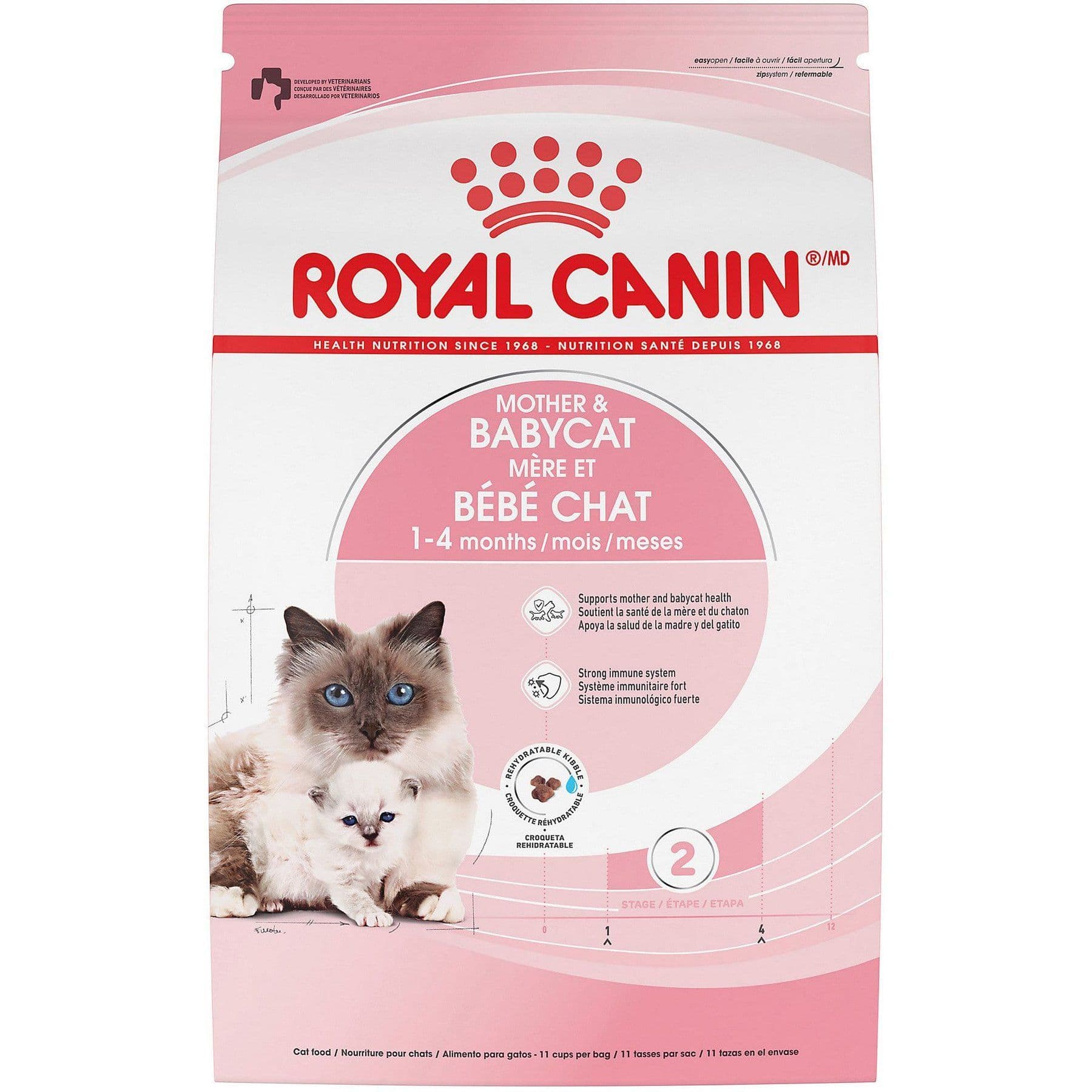
Royal Canin Mother & Babycat is a dry kitten-stage food sized for a pregnant or nursing queen and her weaning kittens.
Webvet may earn a commission when you click through to Chewy, at no extra cost to you.
If you are pregnant yourself and have questions about litter boxes, scratches, or toxoplasmosis, ask your own doctor; this guide is about the cat.
Here is how the main veterinary references state cat pregnancy time:
- Merck Veterinary Manual: pregnancy lasts 60 to 65 days, and delivery typically occurs 64 to 66 days after breeding.
- Niles Animal Hospital: true gestation from conception is 63 days, while normal gestation runs 58 to 68 days in one handout and breeding to delivery 58 to 70 days in another.
- Cats Protection: about 63 to 65 days, around nine weeks.
- A Theriogenology clinical review on PMC: a mean of 65.6 days, with a range of 52 to 74 days.
The same Theriogenology review links gestation under 60 days with decreased kitten viability, so a birth well before day 60 is worth a call to your vet. Discharge, or the water breaking, is not described as an early sign, so ask your vet about any vaginal discharge before the due date.
Only female cats, called queens, carry kittens, so a male cat cannot get pregnant. Female cats during pregnancy usually stop cycling, but Cats Protection notes heat cycles sometimes continue after a cat becomes pregnant.
Because heat can continue, a cat can get pregnant by more than one cat: Cats Protection notes that mating during pregnancy can produce kittens with different fathers in the same litter. Queens also accept any tom, including relatives, so an unspayed queen with outdoor access can mate with any tom she meets. How does a pregnant cat look early on? Usually no different until the nipples pink up.
When Can a Cat Get Pregnant?
A cat can get pregnant as young as four months old, when Cats Protection says queens can become sexually mature. That means a 6 month old cat can get pregnant before many owners expect it, and that young queen still needs kitten food herself while she carries a litter.
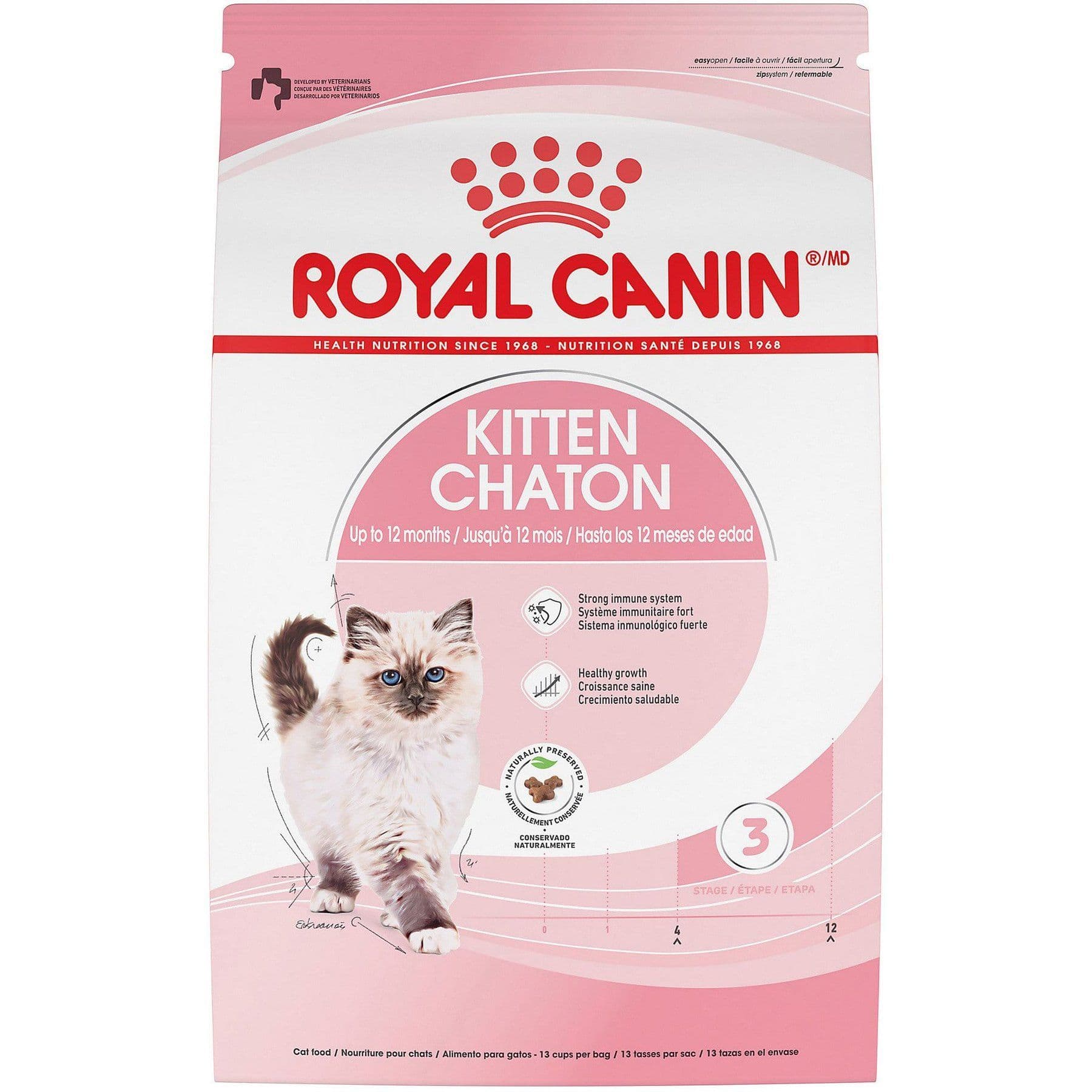
Royal Canin Kitten is a dry kitten food formula in a 7-lb bag.
Webvet may earn a commission when you click through to Chewy, at no extra cost to you.
Cats are usually in heat when they mate and conceive, and mating during heat is how most pregnancies start. Owners asking whether a cat can get pregnant when not in heat should know that heat cycles can continue in some pregnant cats, so a cat can be in heat and pregnant at the same time. During heat a queen often calls loudly, known as caterwauling; our cat in heat guide explains that behavior and how long each cycle lasts.
How often can a cat get pregnant? Many times. Cats Protection notes a queen can get pregnant again as early as one to two weeks after giving birth, so how soon cats can get pregnant again is measured in days, not months. There is no published limit on how many times a cat can get pregnant over her life.
Spaying is the only reliable way to stop repeat litters:
- Can you spay a pregnant cat? Ask your vet whether spaying during pregnancy is an option for your cat, since the decision depends on her health and stage.
- Spaying after the litter: Cats Protection advises getting the queen neutered promptly after the birth. See our cat spay neuter cost guide for typical prices.
- My spayed cat looks pregnant: a swollen belly in a spayed cat points to one of the look-alike conditions below, such as fluid or organ enlargement, and needs a vet exam.
- Neutered males: ask your vet how soon after surgery a neutered tom can safely live with an unspayed female.
First Signs a Cat Is Pregnant

The clearest early sign a cat is pregnant is pinking up, when the teats redden and enlarge at around three to four weeks. LifeLearn Animal Health says most cats pink up at about one month.
What are the first signs a cat is pregnant?
The first signs a cat is pregnant are pinking up of the nipples at around three to four weeks, heat cycles that stop after mating, and weight gain that typically starts after the fourth week. Later signs include a growing belly, nesting, and mothering behavior, according to Niles Animal Hospital.
How to tell if a cat is pregnant comes down to watching these female cat pregnancy symptoms over several weeks:
- Pinking up: reddened, enlarged nipples at around three to four weeks.
- Weight gain: typically after the fourth week of pregnancy.
- Abdominal enlargement: a rounded belly that grows through the second half.
- Cat behavior when pregnant: nesting and mothering behavior, and searching for a place to give birth in the last week.
- Milk: mammary glands may secrete milk or fluid, usually one to two days before delivery.
What does a pregnant cat look like at three weeks? Usually the same as before, apart from pink nipples. Pregnant cat belly size gives little information early on, and there is no published week when every cat starts to show. Pregnant cat pictures week by week can mislead, because litter size and body condition change how each cat looks.
To tell if a stray cat is pregnant, or to know if your young kitten is pregnant, look for the same nipple and belly changes, then have a vet examine her and judge how far along she is. Several conditions can be confused with pregnancy, according to Niles Animal Hospital:
- Mastitis, an inflammation of the mammary glands
- Mammary gland cancer
- Fluid build-up or organ enlargement in the abdomen
- Pyometra, a uterine infection
How a Vet Confirms Cat Pregnancy

A vet confirms cat pregnancy by feeling the abdomen, by ultrasound, or by X-ray later on. The Merck Veterinary Manual says pregnancy can be detected by day 21 to 30 when a veterinarian palpates the abdomen.
Is there a cat pregnancy test you can use at home? No. LifeLearn states there are no reliable blood tests that detect pregnancy in the cat, and a home cat pregnancy test kit made for people will not work on a cat. Pregnancy is confirmed with a vet exam.
The vet has three tools:
- Palpation: LifeLearn gives the earliest time to palpate as 20 to 30 days; Niles says kittens can seldom be felt until 26 to 35 days after breeding.
- Ultrasound pregnancy cat scans: Niles says abdominal ultrasound can diagnose pregnancy after 21 to 24 days post breeding, and Merck says it is best performed at 25 to 35 days, with false negatives possible before day 21.
- Pregnant cat X-ray: the kitten skeleton is visible after 45 days, per Niles, and Merck says X-rays more than 55 days after breeding help count kittens.
How can you tell how far along a cat is?
A vet can tell how far along a cat is by combining the breeding date, palpation, and imaging. Merck notes queens can be dated by ultrasound measurements of the fetus. Heartbeats show by days 28 to 30, and a skeleton on X-ray means she is past day 45.
A cat pregnancy due date calculator or tracker app only counts forward from a breeding date, so its answer carries the same 58 to 70 day spread the sources give. For the litter count, LifeLearn says counting skulls on X-ray is the usual method, and ultrasound is less accurate for counting kittens.
SponsoredVet care that's always there
Unlimited video calls and messaging with licensed vets for less than a typical vet visit. One membership covers up to five pets.
Use code Pets60
Plans start at $12/month · covers up to 5 pets
- Licensed vets in most states
- Rx for 150+ conditions
- 4.7 on Trustpilot
Cat Pregnancy Week by Week
Cat pregnancy stages run across about nine weeks, or just over two months, from mating to queening. How many days are cats pregnant? Niles Animal Hospital gives 63 days, while the Theriogenology review reports a mean of 65.6 days.
Plan the birth supplies early, before weeks seven and eight. Cats Protection advises keeping a specialist cat milk replacer on hand, never cow or goat milk, in case a kitten cannot feed from the mother.
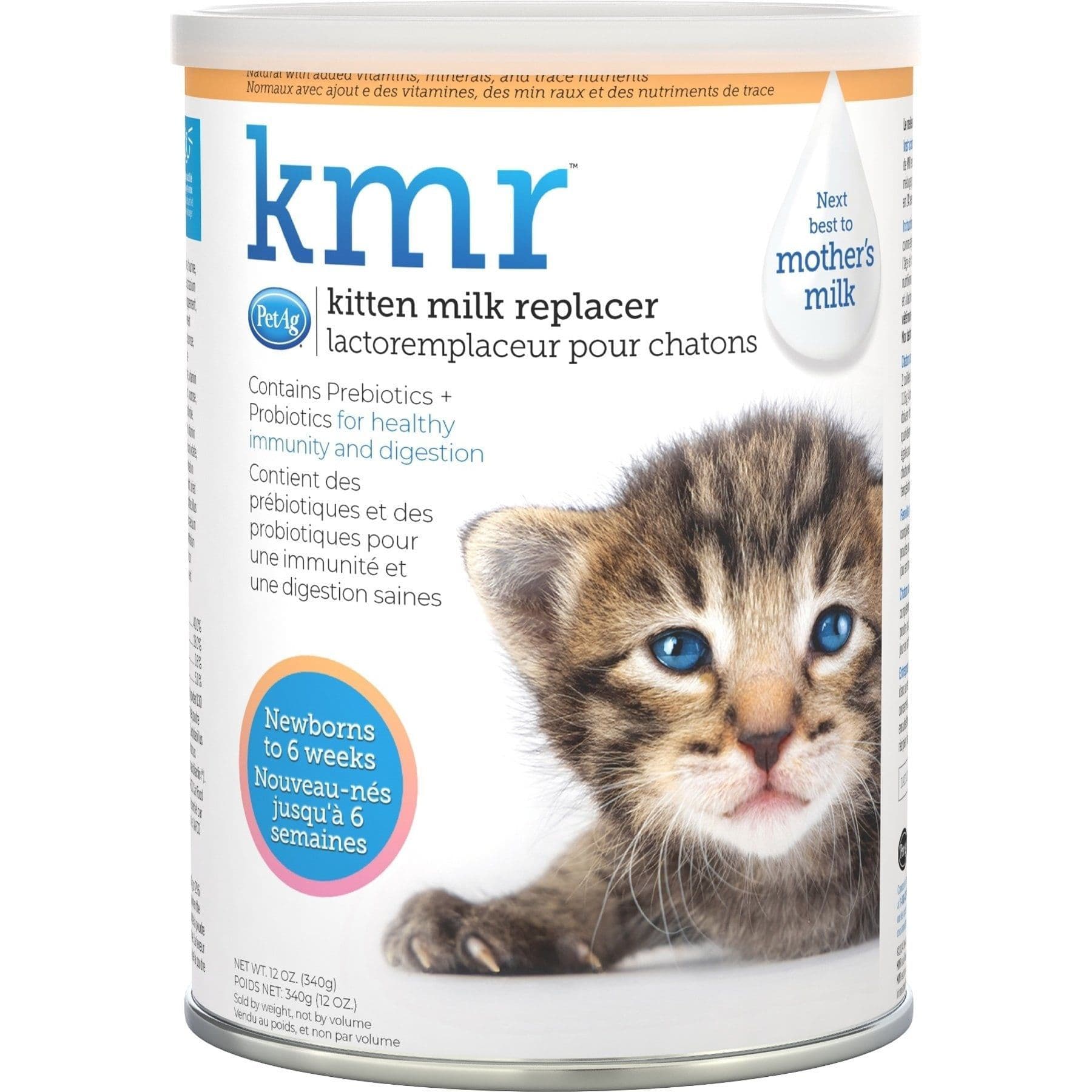
PetAg KMR is a powdered kitten milk replacer in a 12-oz can.
Webvet may earn a commission when you click through to Chewy, at no extra cost to you.
Pinking up arrives around week three or four, nesting shows near the end, and the vet milestones fall in between. The table below gives a week-by-week view with the mother's changes, the kittens' development, and the owner's task for each week, drawn from Merck, Niles, LifeLearn, and Cats Protection. Where the kittens column says no published milestone, veterinary references describe none for that week.
| Week | Mother | Kittens | Owner task |
|---|---|---|---|
| 1 to 2 | No visible change; heat cycles usually stop | Implantation at about day 14 (Merck) | Book a vet visit; keep normal routine and moderate exercise |
| 3 | Pinking may start (Cats Protection) | Uterine enlargement on X-ray from about day 17; fetuses often seen on ultrasound from about three weeks (LifeLearn) | Vet can begin confirming pregnancy from day 21 |
| 4 | Pinking up in most cats by about one month | Heartbeats visible on ultrasound by days 28 to 30 (LifeLearn) | Best ultrasound window is days 25 to 35 (Merck) |
| 5 | Weight gain typically begins after week 4 | No published milestone | Uterine torsion risk runs from week 5 to birth; report sudden pain |
| 6 | Belly enlarging | No published milestone | Switch to kitten food if not already done |
| 7 | Belly enlarging | Skeleton visible on X-ray after day 45 (Niles); fetal heads can usually be felt after about day 45 (LifeLearn) | Feed about 25 percent more; set up the nesting box at least two weeks before the due date |
| 8 | Searching for a birth place may begin | Whole skeleton visible on X-ray in the final two weeks | Vet recheck one week before due date; X-ray after day 55 to count kittens |
| 9 | Nesting; milk may appear one to two days before birth; temperature drops about 24 hours before labor | Delivery typically 64 to 66 days after breeding (Merck) | Take temperature twice daily from day 58; keep the queening area quiet and watch for labor signs |
How many weeks is a cat pregnant before she looks it? Niles Animal Hospital says weight gain typically occurs after the 4th week of pregnancy. A cat 2 weeks pregnant shows little outward change, while a 7 week or 8 week pregnant cat is in the final stretch before birth.
Some owners watch for a cat pregnancy mucus plug, as they would in people. Veterinary references for cats do not describe a mucus plug or its color as a labor sign; the sourced signs are the temperature drop, restlessness, and nesting covered below.
What to Feed a Pregnant Cat

Feed a pregnant cat a high-quality kitten food, which the Merck Veterinary Manual says a vet will likely recommend for the whole of pregnancy and nursing. Kitten food is the standard cat pregnancy food choice.
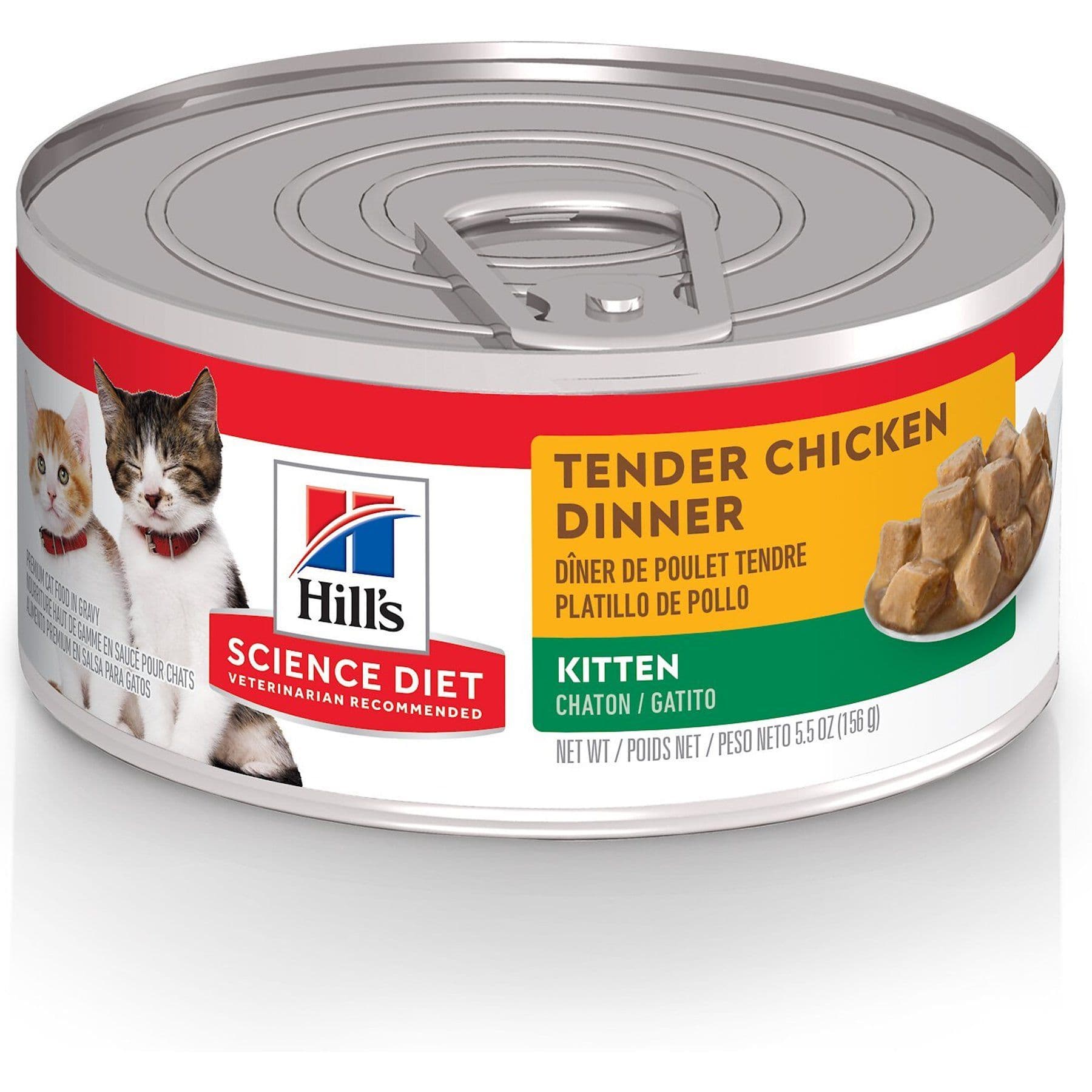
Hill's Science Diet Kitten Chicken is a canned kitten food sold in a 24-can case.
Webvet may earn a commission when you click through to Chewy, at no extra cost to you.
The amount rises toward the end. Feeding a pregnant cat kitten food in the last weeks matters most, because sources agree her needs climb steeply then, although their figures differ:
- Merck: about 25 percent more food during the last three weeks of pregnancy.
- Cats Protection: about 25 percent more food in the last three to four weeks, given as regular meals of kitten food.
- Niles Animal Hospital: nutritional needs may double or triple during the last five weeks.
- Nursing: Merck says a nursing queen needs two to three times more food than normal.
Offer Hill's Science Diet Kitten Chicken Canned Cat Food or a dry kitten food as regular meals, as Cats Protection advises. Fresh water must always be available, because pregnancy increases fluid needs, according to Niles.
Do not add supplements. Merck says not to give a pregnant cat any dietary supplements, such as calcium or vitamins, unless your vet directs it. The best cat food for pregnant cats is a complete kitten diet on its own.
If a pregnant cat stops eating before labor signs appear, ask your vet; our cat not eating guide covers the causes.
How to Care for a Pregnant Cat
Pregnant cat care centers on safe parasite control, avoiding medications, gentle handling, and a prepared nesting box. Safe care covers parasites, medications, handling, and a nesting box, each of which is easier to plan with your vet in the first weeks of pregnancy.
- Parasites: can you worm a pregnant cat? Cats Protection says to use flea and worm treatments that are safe during pregnancy and to check with your vet first. Our cat dewormer guide compares the main products, and a vet can tell you which dewormer you can give a pregnant cat.
- Medications and vaccines: Niles advises against vaccinating a cat during pregnancy. Give no medicine or supplement without your vet's approval.
- Handling and exercise: Niles recommends moderate exercise, with neither forced rest nor strenuous activity.
- Catnip: veterinary references do not address catnip in pregnancy; ask your vet before offering it.
- Vet recheck: Niles advises a recheck one week before the due date.
Plan ahead for the kittens too; see how to tell if a kitten has worms for the signs to watch after birth.
Set up the nesting box early. Cats Protection advises introducing a kittening area at least two weeks before the expected birth date, and Niles stresses that the queen must get used to the queening box before the birth.
Keep clean towels, a thermometer, the cat milk replacer, and your vet's phone number near the nesting box before the due date.
Signs Labor Is Close

The most reliable sign labor is close is a drop in rectal temperature about 24 hours before labor begins. Niles Animal Hospital advises taking the temperature twice daily from day 58, and says it drops nearly two degrees in most cats, to about 98 to 99 degrees F.
Watch for these signs of cat pregnancy and labor approaching:
- Temperature drop: about 24 hours before labor.
- Searching and nesting: in the last week, queens may search for a place to give birth, per Cats Protection.
- Milk: the mammary glands may secrete milk or fluid one to two days before delivery.
- Stage I behavior: panting, pacing, refusal of food, and sometimes vomiting, per Niles.
Niles lists refusal of food and maybe vomiting as stage I labor signs, so does a pregnant cat vomit near term? Sometimes, as labor starts.
What Happens During Birth
Birth happens in three stages: early labor, delivery of the kittens, and passing of the placentas. Normal birth is called queening, and the sources give different lengths for each stage.
Stage I, early labor, is where the references disagree most:
- Niles Animal Hospital: typically 6 to 12 hours.
- Merck Veterinary Manual: 12 to 24 hours.
- Cats Protection: up to 36 hours.
In stage II, the kittens arrive. Merck says kittens are usually delivered at intervals of less than one to two hours, though that can vary considerably, while Cats Protection gives 10 to 60 minutes between kittens. Cats Protection says the birth is usually complete within six hours of the start of stage II, but can last up to 12 hours.
Stage III is the passing of each placenta. Niles says there should be the same number of placentas as kittens. After a kitten, the queen may rest for about 30 minutes, and up to four hours, before the next one, according to Niles.
Stay nearby but quiet, and do not interfere unless something is wrong. Merck says oxytocin or prostaglandin should never be given without specific directions from your veterinarian.
After the Birth: Mother and Kittens

After the birth, the mother and kittens need warmth, quiet, early feeding, and daily weight checks. Mother and kitten care after birth starts with colostrum: Cats Protection says kittens can only absorb colostrum in their first 16 to 24 hours of life and should feed within two hours of birth.
Watch these markers in the first weeks:
- Birth weight: newborn kittens usually weigh 90 to 110 g each, per Cats Protection.
- Weight gain: Merck says newborn kittens should gain 10 percent of their body weight each day.
- Feeding: newborn kittens feed every two to three hours.
- Mother's discharge: a red-brown vaginal discharge for up to three weeks after the birth is normal.
How many kittens to expect varies, with Cats Protection giving one to nine kittens per litter. Once the kittens move on to solids, our weaning kittens guide covers the timing, and non-clumping litter for kittens explains the safer first litter.
How soon after having kittens can a cat get pregnant? As early as one to two weeks after giving birth, per Cats Protection. Cats can get pregnant while nursing, so a cat can get pregnant 2 weeks after giving birth if she meets a tom.
That is why Cats Protection advises spaying the cat after pregnancy promptly. See cat spay recovery for what to expect at home, and keep the litter on track with the kitten vaccine schedule.
When to Call the Vet
Call the vet when labor stalls, when the queen is in distress, or when bleeding, fever, or tremors appear. The thresholds below use the more conservative figure where sources differ.
Merck lists kittens born dead or near death and excessive maternal distress as signs of a difficult birth. These complications also need a vet:
- Retained placentas: if the placentas are not all passed within four to six hours, Cats Protection advises seeking veterinary advice.
- Metritis: a retained placenta can lead to uterine infection; Merck lists continued straining, vaginal discharge, fever, and depression as signs.
- Bleeding: excessive bleeding from the vagina after delivery is rare and requires veterinary care, per Merck.
- Low blood calcium: muscle tremors, spasms, twitching, and behavior changes in a nursing queen, per Merck.
- Uterine torsion: most frequent from the fifth week to birth, per the Theriogenology review.
- Early birth: gestation under 60 days is linked to lower kitten viability.
Ask your vet about any cat pregnancy bleeding before the due date. Veterinary pregnancy references do not describe false pregnancy symptoms in cats, also called pseudopregnancy or phantom pregnancy; if your cat shows pregnancy symptoms but no kittens appear on a scan, ask your vet. Whether a cat can miscarry and still be pregnant is a question only an ultrasound can answer.
Cat Pregnancy FAQs
Frequently Asked Questions
How many kittens do cats have?
The average litter is about four kittens, according to the Theriogenology review. Cats Protection gives a litter range of one to nine kittens, most commonly four to six, and Niles reports anywhere from one to more than 10.
Is a pregnant cat's belly hard or soft?
Veterinary references describe the belly enlarging in pregnancy but do not say how it should feel. Do not press on her belly to check; let your vet palpate it.
How long is a cat in labor?
Labor lasts several hours. Early labor runs 6 to 12 hours per Niles, 12 to 24 hours per Merck, or up to 36 hours per Cats Protection, and delivery usually ends within six hours, with 10 to 60 minutes between kittens.
What not to do when your cat is pregnant?
Do not give medications, vaccines, or supplements without your vet's approval, and do not lift her by the belly or handle her roughly. Avoid strenuous exercise, which Niles advises against.
Can a cat get pregnant while nursing?
Yes. A queen can come back into heat and get pregnant as early as one to two weeks after giving birth, even while nursing, per Cats Protection.
Can a cat get pregnant by more than one cat?
Yes. Cats Protection notes that a queen who mates again during pregnancy can have kittens with different fathers in the same litter.
When does a pregnant cat start showing?
There is no published week when every cat starts to show. Weight gain typically begins after the first four weeks, per Niles, and the belly then enlarges through the rest of the pregnancy.

Editor
The Webvet Editorial Team is the in-house group of pet-care editors and writers behind Webvet, operated by Smart Pet Collective. The team researches, writes, and maintains Webvet's pet health, behavior, and medication content. Every article follows a defined editorial process: research from reputable veterinary and scientific sources, careful drafting, mandatory review of medical content by a credentialed veterinarian, and dated publication. Health and medication articles are medically reviewed by a licensed veterinary professional before they go live and are kept current over time.
Veterinarian · BVMS MRCVS
Dr. Pippa Elliott, BVMS, MRCVS, is a veterinarian with nearly 30 years of experience in companion animal practice. Dr. Elliott earned her Bachelor of Veterinary Medicine and Surgery from the University of Glasgow. She was also designated a Member of the Royal College of Veterinary Surgeons. Married with 2 grown-up kids, Dr. Elliott has a naughty Puggle named Poggle, 3 cats and a bearded dragon.
Related reading

Mastitis in Dogs: Symptoms, Causes, Treatment, and Home Care

Cat in Heat: Signs, How Long It Lasts, and How Often It Happens

Pyometra in Dogs: Symptoms, Causes, Treatment, and Survival
