Non-Clumping Litter for Kittens: A Vet's Safety Guide
Getting a new kitten? Nothing beats the joy of seeing a young cat bouncing around. However, it also comes with numerous responsibilities, including one important task, selecting appropriate cat litter.


BVMS MRCVS
Medically reviewed by Dr. Pippa Elliott, BVMS MRCVS · Last reviewed

This article contains affiliate links. Webvet may earn a commission when you buy through them, at no extra cost to you.
Non-clumping litter is the safest choice for kittens under about four months old. Clumping clay litters can swell into a solid mass if a kitten swallows them while grooming or exploring, which risks a dangerous intestinal blockage in such a small body. This vet guide explains why clumping litter is risky for young kittens, exactly when it becomes safe to switch, and the best non-clumping options to use in the meantime.

Clumping litter, in particular, has gained substantial popularity due to its convenience. It allows for easy removal of wastes, leading to less frequent litter changes, and better control over odors. Its simplifying qualities make it a go-to choice for many cat owners.
However, despite these notable benefits, there have been various concerns raised questioning its safety. Is clumping litter safe or should you be getting non-clumping litter for kittens?
What Is Clumping Litter Made Of?
Even when cat litter is made from all-natural materials, it may still clump, so always check what the ingredients are. The most popular brands use a clay-based substrate.
Sodium Bentonite Clay and Quartz Silica in Clumping Litters
The primary ingredient in many clumping litters is sodium bentonite clay. It’s a super absorbent, natural clay that makes clumping litters what they are: convenient and effective.
When it comes in contact with liquid (like cat urine), it rapidly expands and forms solid clumps, making scooping and disposing super easy, no muss, no fuss.
Natural Ingredient Clumping Litters
With concerns about regular clumping litters, a rise in eco-consciousness, and growing demand for alternatives, the cat litter world has evolved. Today, there are natural ingredient clumping litters available made from biodegradable materials such as:
- Nut Hulls
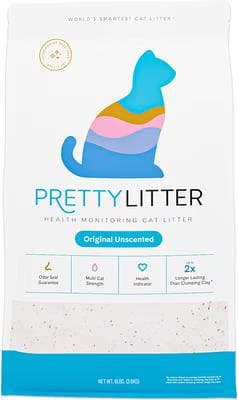
Crystal litter that changes color alongside some urinary changes, as a prompt to call your vet.
Webvet may earn a commission when you click through to Chewy, at no extra cost to you.
- Corn
- Wheat
Pet parents seeking gentler, more Earth-friendly options prefer these alternatives. However, these also come with their own set of pros and cons.
Unpacking the Safety Concerns With Clumping Litter
Is clumping litter bad for kittens? The debate around clumping litter safety lies primarily in its main selling point: clumping ability. While the convenience of this feature is unmatched, the very attribute that makes it popular has raised a cluster of health concerns.
The Risks of Ingestion and Internal Clumping
Fact: Kittens are curious. They explore their surroundings, and this includes the litter box. As a result, the risk of ingestion is higher in kittens than in adult cats, whether it’s accidental during grooming, or intentional due to curiosity.
Sodium bentonite clay, which enables the super clumping ability of the litter, clumps when it comes into contact with liquids.
If ingested, there’s a risk that it might absorb moisture and clump inside the kitten’s intestinal system. Over time, this could lead to serious digestive issues or severe blockages.
Comparison to Other Litter Types and Potential Digestive Problems
While non-clumping litters may not totally eliminate the risks associated with ingestion, they pose less risk of causing internal clumping. Some of the recommended ones are:
- Recycled Paper Pellets
- Crystal Cat Litter
- Wood Shavings
- Tofu Litter
Experts recommend using crystal litter, or other kinds of non-clumping substrates, for kittens four months or younger. These types of litter also have larger granules so they don’t stick to paws and fur as much, reducing the chances of accidental ingestion.
 $65 · no membership
Have a health question about your cat?
A licensed vet can assess your cat over video and prescribe online when it's appropriate.
 Talk to a vet
- Licensed vets
- All 50 states
- same-day Rx
Webvet may earn a commission if you book.
How Kittens May Ingest Clumping Litter

You might be wondering, “How on earth would my playful little furball end up eating cat litter?” Kittens can get into all sorts of unexpected situations. Here are how they can end up munching on litter:
1. Litter Sticks to Damp Paws
Whether after a bathroom break or a water dish adventure, wet paws can easily pick up small clumps of litter. Those litter particles can stick to the fur around your kitten’s feet like glue.
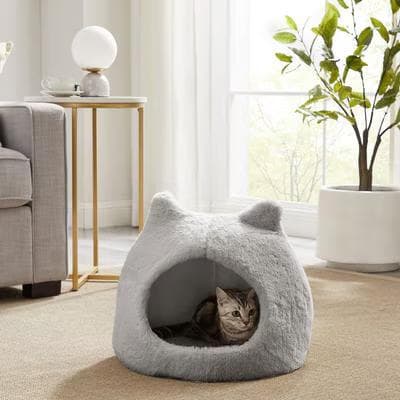
Covered, igloo-style cat bed in soft plush with a water-resistant bottom, giving cats a cozy enclosed spot to curl up. Grey.
Webvet may earn a commission when you click through to Chewy, at no extra cost to you.
Once cats go about their self-grooming routines, as they do quite frequently, they will unknowingly ingest those particles stuck to their feet.
2. Exploring Through Taste and Touch
Sometimes, a cat’s curiosity can lead them to take a bite out of things that aren’t meant to be snacked on. If you’ve spent any amount of time watching a kitten explore, you know they experience much of their world with their mouth.
It’s not unusual for them to take a nibble or two at those grainy little particles in their litter box. The litter smells like them, after all.
Now, it’s important to remember that most kittens will naturally outgrow this phase. However, with clumping litter’s potential to cause internal issues, it’s wise to keep an eye on your feline friends.
The Safe Age for Clumping Litter Use
Now it’s time to tackle the question that’s likely at the forefront of your mind: “When can my kitten start using clumping litter safely?” After all, you want to make sure you’re doing everything right for your newest family member!
Wait Until They’re Four Months Old
Most vets and cat experts agree that waiting until a kitten is around four months old before introducing them to clumping litter is a good rule of thumb.
Why four months, you ask? It’s around this age that kittens start outgrowing their need to explore the world through tasting and biting. In the meantime, it’s best to opt for non-clumping litter for kittens.
Recognizing Non-Food Items
You see, as young cats grow and gain more experience and understanding of their surroundings, they become more perceptive about what is food and what isn’t.
The weird-tasting, grainy stuff in their litter box? Not food. And they’re usually pretty good at sticking to this understanding once they’ve learned the lesson.
This means the risk of them inadvertently ingesting clumping litter and causing potential harm decreases significantly. This provides a balance of continuing the convenience of clumping litter for you, while also safeguarding the health of your kitten.
Remember, every kitty is unique and might mature at their own pace, so ensure you observe your kitten’s behavior closely before making the switch. When in doubt, don’t hesitate to consult with your vet. They’re your best partner in ensuring your kitten’s journey to adulthood is as safe and healthy as possible.
Opposing Views on Clumping Litter Risks
Like with many debates, there’s usually another side to the coin. Though safety concerns around clumping litter have been widely discussed, there are those who argue that the risks might have been blown out of proportion and overgeneralized.
Have the Risks Been Overblown?
Some critics assert that the issues around clumping litter’s potential digestive harm are exaggerated. They argue that while there is merit in being cautious, especially with young kittens, these concerns don’t always affect every cat out there.
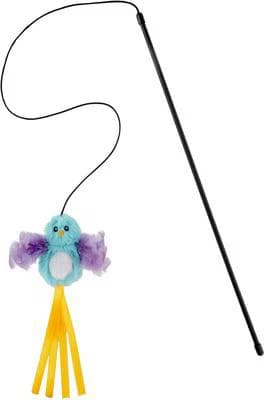
Teaser wand with a feathered bird charm and catnip to trigger your cat's chase-and-pounce instinct.
Webvet may earn a commission when you click through to Chewy, at no extra cost to you.
A large number of cat owners use clumping litters (both clay and natural) for their adult cats without ever experiencing any problems. As their cats have shown no signs of digestive issues or blockages related to litter ingestion, they feel that the benefits of clumping litter’s convenience far outweigh the potential risks.
Few Reported Issues Among Many Users
Critics emphasize that while isolated incidents do occur, it’s essential to maintain perspective. Remember that millions of cats across the world use clumping litter on a daily basis with no adverse effects.
Whenever an issue arises, it’s often the exception rather than the rule. They feel that the potential risks can be minimized with proper litter box management, care, and observation of their cats’ behavior.
Ultimately, it’s important for cat owners to consider both sides of the argument, to ensure the health and well-being of their feline friends. Consulting with a veterinarian for professional advice is always a good starting point, as well as closely monitoring your kitten’s behavior and habits.
Alternatives to Clumping Litter for Kittens

While it’s true that clumping litter has its conveniences, opting for non-clumping alternatives can reduce the chances of potential ingestion-related issues. Here are some options to consider for a more worry-free experience during your kitten’s early months:
1. Crystal Litter
A classic and popular choice, non-clumping crystal litter is made from absorbent minerals, and can be an excellent starter option for your kitten. It poses less risk, as the crystal particles are less likely to cause internal blockages in case of accidental ingestion.
2. Pelleted Litters
Pelleted litters have gained popularity for their eco-friendly nature and various formulations. Some common pellets include:
- Recycled Paper Pellets: Made from recycled paper, these pellets are soft, highly absorbent, and low dust. Not only do they benefit the environment, but they also reduce the risk of clumping if accidentally ingested.
- Wood Pellets: Manufactured from sawdust or wood chips, wood pellets are another natural alternative. They are also biodegradable, have low dust, and offer good odor control. The pellets break down into smaller pieces when wet, so any ingestion-related concerns are minimized.
- Tofu Litter: As a plant-based alternative, tofu litter is gaining popularity. It offers excellent odor control, is dust free, and is highly absorbent. More importantly, because tofu litter is made from natural ingredients; it’s ingestible and dissolvable, meaning ingestion won’t pose a blockage risk for your kitten.
Remember, when making a decision, take into account your personal preferences, your kitten’s needs, and your environmental impact. By opting for a safer alternative during their formative months, you’ll minimize potential risks while allowing your little one to grow big, strong, and safe.
Additional Resources on Kitty Litter and More
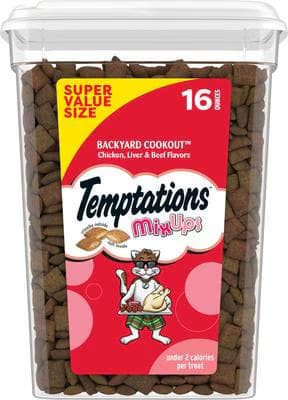
Soft and crunchy cat treats in chicken, liver, and beef flavors. Under 2 calories per treat, in a 16-oz value tub.
Webvet may earn a commission when you click through to Chewy, at no extra cost to you.
Choosing the best non-clumping litter for kittens can seem daunting amid conflicting viewpoints. While critics argue that the dangers might not be true for many cats, when it comes to your kitten’s health and safety, it’s often better to take the safer route and err on the side of caution.
For additional information, here are a few resources that can give you more insight into various aspects of cat care:
- The Humane Society’s Guide to Cat Care
- ASPCA’s Comprehensive Cat Care
- Cornell University’s Feline Health Center
Ensuring your adorable kittens grow into healthy, content adult cats is a rewarding and fulfilling journey. Every decision you make toward their safety, no matter how small, contributes to their overall well-being. Trust your instincts, stay informed, and enjoy the joyful companionship your kittens bring!
Feature Photo by: Arina Krasnikova/Pexels
FAQs
When should my kitten start using clumping litter?
Most experts recommend waiting until your kitten is around four months old before introducing them to clumping litter. This is primarily because, by this age, kittens generally learn not to consume non-food items.
Are all clumping litters unsafe for kittens?
Clumping litters are not necessarily unsafe. It largely depends on the individual kitten’s behavior and the specific composition of the litter. However, until your kitten is older and less likely to ingest litter, it might be safer to use non-clumping or non-swelling options.
My adult cat is already using clumping litter. Is that okay?
Yes, many adult cats are able to use clumping litter without issue. The main concern relates to potential ingestion which is typically a larger problem with kittens.
How do I transition my kitten to a different type of litter?
Introduce the new litter gradually. Start by mixing in a small amount of the new litter with the old in their litter box. Over one to two weeks, slowly increase the ratio of the new litter until it fully replaces the old. This slow transition helps prevent rejection of the new litter.
Can I use pellet-type litter in a self-cleaning litter box?
Whether you can use pellet litters with a self-cleaning litter box or not depends on the model of the litter box. Always consult the operating manual or contact the manufacturer to confirm the types of litter it can accommodate.
Frequently Asked Questions
Is any non-clumping litter safe for kittens?
Yes. The safest non-clumping options for kittens under four months are unscented and low-dust: recycled paper pellets, plain pine or wood pellets, dissolvable tofu litter, and unscented non-clumping clay or crystal. These do not expand into a solid mass inside the gut if a curious kitten swallows a little while grooming or exploring. Avoid scented formulas, which can irritate young respiratory tracts and discourage box use.
Why is clumping litter not good for kittens?
Clumping litters are usually made with sodium bentonite clay, which absorbs many times its weight in liquid and binds into a firm clump. Kittens taste and mouth almost everything and often swallow litter that sticks to their paws or fur. If enough clumping clay reaches the stomach or intestines, it can swell and harden into a blockage that may require emergency veterinary care. Waiting until your kitten is about four months old, when this taste-everything phase has passed, lowers that risk.
Why do shelters want non-clumping cat litter?
Shelters and rescues handle large numbers of very young, unweaned, and bottle-fed kittens that are most likely to nibble litter. Non-clumping litter removes the ingestion and blockage risk across the whole nursery at once, so staff and foster volunteers do not have to track each kitten's exact age before refilling boxes. It is the simplest way to keep every litter safe by default.
What cat litter should you avoid for kittens?
For kittens under four months, avoid clumping clay litter, heavily scented or deodorized litters, and very fine, dusty products that can be inhaled. Skip litters with added fragrance crystals or deodorizing beads. Stick with plain, unscented, low-dust non-clumping options until your kitten is older and no longer mouths the litter.
What is the 3-3-3 rule for kittens?
The 3-3-3 rule is a rough guide to how a new cat or kitten settles in: about 3 days to feel less overwhelmed, 3 weeks to learn your routine and start relaxing, and 3 months to feel fully at home. During those first weeks, keep the litter box setup simple and consistent. A safe, unscented non-clumping litter in an easy-to-reach box helps a nervous kitten build reliable bathroom habits while it adjusts.
Related reading
Once your kitten outgrows non-clumping litter, the litter box itself can still raise questions. If your cat starts peeing outside the litter box or you notice it pooping outside the litter box, our guides walk through the behavioral and medical causes. For grown cats, see how to choose the best cat litter for odor control, and learn when changes in litter box habits signal a medical problem worth a vet visit. For adult cats, compare our clumping cat litter picks and natural cat litter options before switching.
$65 · no membershipHave a health question about your cat?
A licensed vet can assess your cat over video and prescribe online when it's appropriate.
Talk to a vet- Licensed vets
- All 50 states
- same-day Rx
Webvet may earn a commission if you book.

Wendy Toth is an entrepreneurial writer, editor, and mom of two humans, two dogs and one cat. She’s currently Content Director here at PetFul. For the last 15 years she has held positions at Parents Magazine, NBC, PetSmart, and GreatPetCare, where she was co-founder. Her writing has appeared in many national outlets including Pet Lab Co., Retail Me Not, Ask Men, Wild Society Nutrition, and The New York Times. Because she loves her work so much, she’s obsessed with helping others find career fulfillment, and covers it regularly at PowerSuiting.
Veterinarian · BVMS MRCVS
Dr. Pippa Elliott, BVMS, MRCVS, is a veterinarian with nearly 30 years of experience in companion animal practice. Dr. Elliott earned her Bachelor of Veterinary Medicine and Surgery from the University of Glasgow. She was also designated a Member of the Royal College of Veterinary Surgeons. Married with 2 grown-up kids, Dr. Elliott has a naughty Puggle named Poggle, 3 cats and a bearded dragon.


