Feline Herpes Eye Flare-Ups: Signs & Chronic Care
A vet-reviewed guide to feline herpes eye flare-ups: the signs, why FHV recurs, home care and treatment costs, and the red flags that mean your cat needs a vet now.

BVMS MRCVS
Medically reviewed by Dr. Pippa Elliott, BVMS MRCVS · Last reviewed

This article contains affiliate links. Webvet may earn a commission when you buy through them, at no extra cost to you.
WebVet may earn a commission from qualifying purchases made through links on this page, at no additional cost to you.
If your cat keeps getting a red, weepy eye that clears up and then returns weeks later, the cause is often feline herpes eye disease. Feline herpesvirus type 1 (FHV-1) is the most common infectious cause of eye problems in cats, and once a cat carries the virus, it stays for life.
The good news: most cats live long, comfortable lives with the right management. This vet-reviewed guide covers the signs, why flare-ups recur, home care, treatment costs, and the red flags that mean your cat needs a vet now.
- 1FHV-1 (feline herpes virus) is lifelong and incurable, but the eye disease it causes is very manageable.
- 2A cat eye herpes flare-up looks like redness, squinting, and watery or gummy discharge, often in one eye.
- 3Flare-ups are stress-triggered reactivations of a virus your cat already carries, not brand-new infections.
- 4Most flare-ups settle in 2 to 3 weeks, though roughly half of carrier cats have repeat episodes.
- 5FHV-1 is species-specific, so feline eye herpes is not contagious to humans or dogs.
- 6A held-shut, cloudy, or worsening eye is an emergency: corneal ulcers can threaten vision.
 Sponsored
Have a health question about your cat?
Talk to a licensed vet at Dutch over video or message, including nights and weekends.
Use code Pets60
Plans start at $12/month · covers up to 5 pets
- Licensed vets in most states
- Rx for 150+ conditions
- 4.7 on Trustpilot
What Is Feline Herpes Eye Disease (FHV-1)?
Feline herpes eye disease is inflammation and infection of the eye caused by feline herpesvirus type 1. It is a cat-specific virus, unrelated to human herpes, and it targets the conjunctiva (the pink tissue lining the eyelids) and the cornea (the clear front surface of the eye).
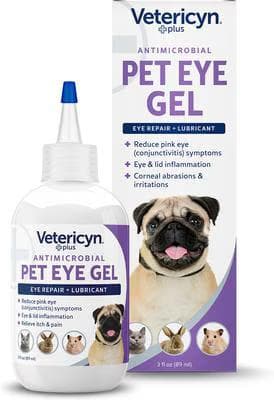
A lubricating antimicrobial gel that clings to the eye surface longer than a rinse, easing conjunctivitis symptoms, lid inflammation, and irritation from minor corneal abrasions. For dogs, cats, and small pets.
Webvet may earn a commission when you click through to Chewy, at no extra cost to you.
FHV-1 is extremely common. Veterinary sources estimate the majority of cats are exposed early in life, and most carry the virus permanently afterward. It is a leading cause of feline conjunctivitis and upper respiratory disease, which is why herpes sits at the center of any cat eye infection workup.
- 1FHV-1 is lifelong and incurable but manageable.
- 2Flare-ups are reactivations of a virus your cat already carries, triggered by stress, not fresh exposure.
Feline herpesvirus type 1 is lifelong and incurable, which sounds worse than it usually plays out. After the first illness the virus retreats into a dormant state called latency, and later flare-ups are reactivations of that same virus rather than a fresh infection.
Stress-triggered reactivations are the usual pattern. If the cornea itself is involved, vets look for a branching dendritic ulcer, which shows up only after a fluorescein stain is applied to the eye.
Signs of a Feline Herpes Eye Flare-Up
What does cat eye herpes look like? A flare-up usually starts in one eye and can spread to both. The hallmark is red, irritated eyes paired with sneezing or a runny nose, the combined respiratory-plus-ocular pattern that separates herpes from a bacteria-only problem.
Common signs of a feline herpes eye flare-up include:
- Redness and swelling of the conjunctiva (pink, puffy eyelid lining)
- Watery, clear, or yellow-green feline herpes eye discharge that may crust at the corner
- Squinting, blinking, or holding the eye partly closed from discomfort
- Rubbing or pawing at the eye
- A visible third eyelid, which can signal ocular pain (see third eyelid showing)
- Sneezing, nasal discharge, or congestion alongside the eye signs

As soon as you notice discharge, gently clean the area with a sterile veterinary eye wash such as Vetericyn Plus Antimicrobial Eye Wash to clear debris before it dries and irritates the surface further. If the discharge is thick and green, or the eye is painful, that points toward a secondary infection needing vet care. Herpes is also one cause of feline conjunctivitis or pink eye, so a vet exam confirms which is in play.
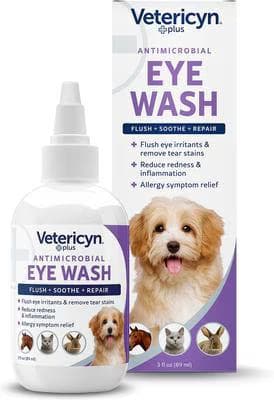
A sterile antimicrobial rinse that flushes irritants, pollen, and discharge out of the eye and helps lift tear stains. A sensible at-home first step for mild irritation, though it does not replace a vet exam for a painful eye.
Webvet may earn a commission when you click through to Chewy, at no extra cost to you.
How Cats Get Feline Herpes Eye Infections
How did my cat get herpes in the eye? FHV-1 spreads through direct contact with an infected cat's eye, nose, or mouth secretions, and through shared bowls, bedding, or human hands. Most kittens catch it from their mother or littermates in the first weeks of life, long before they go to a new home.
How did my indoor cat get feline herpes? This surprises many owners, but an indoor-only cat almost always acquired FHV-1 as a kitten and has carried it silently ever since. The virus does not need re-exposure to cause disease. A stressful event simply reactivates what was already dormant, so a strictly indoor cat can have its first visible flare-up years later.
Because respiratory and eye signs travel together, herpes often shows up as sneezing and watery eyes before the eye looks obviously infected.
Is Cat Herpes Contagious to Other Cats?
Yes. FHV-1 spreads readily between cats, and it spreads most during an active flare, when your cat is shedding virus in eye, nose, and mouth secretions. Housemates who share bowls, bedding, and mutual grooming are the likeliest to pick it up.
So can a cat with herpes be around other cats? Usually yes, over the long run. In most multi-cat homes the others are already carriers, so permanent separation gains little. During an active flare-up, a few practical steps still lower what they are exposed to.
- Give the flaring cat its own food and water bowls, and wash them daily.
- Wash your hands after cleaning the eye and before handling another cat.
- Launder shared bedding and wipe down the surfaces your cat rests on.
- Keep a newly adopted, unvaccinated, or very young cat in a separate room until the flare settles.
- Watch housemates for sneezing or watery eyes, and tell your vet about any new signs.
Why Flare-Ups Keep Recurring: Latency & Stress Triggers
After the first infection, FHV-1 hides in nerve tissue in a dormant state called latency. It sits quietly until something lowers the immune system's guard, at which point it reactivates and travels back to the eye. This is why the disease recurs rather than resolving for good.
A feline herpes eye stress trigger is anything that spikes your cat's cortisol. Common ones include:

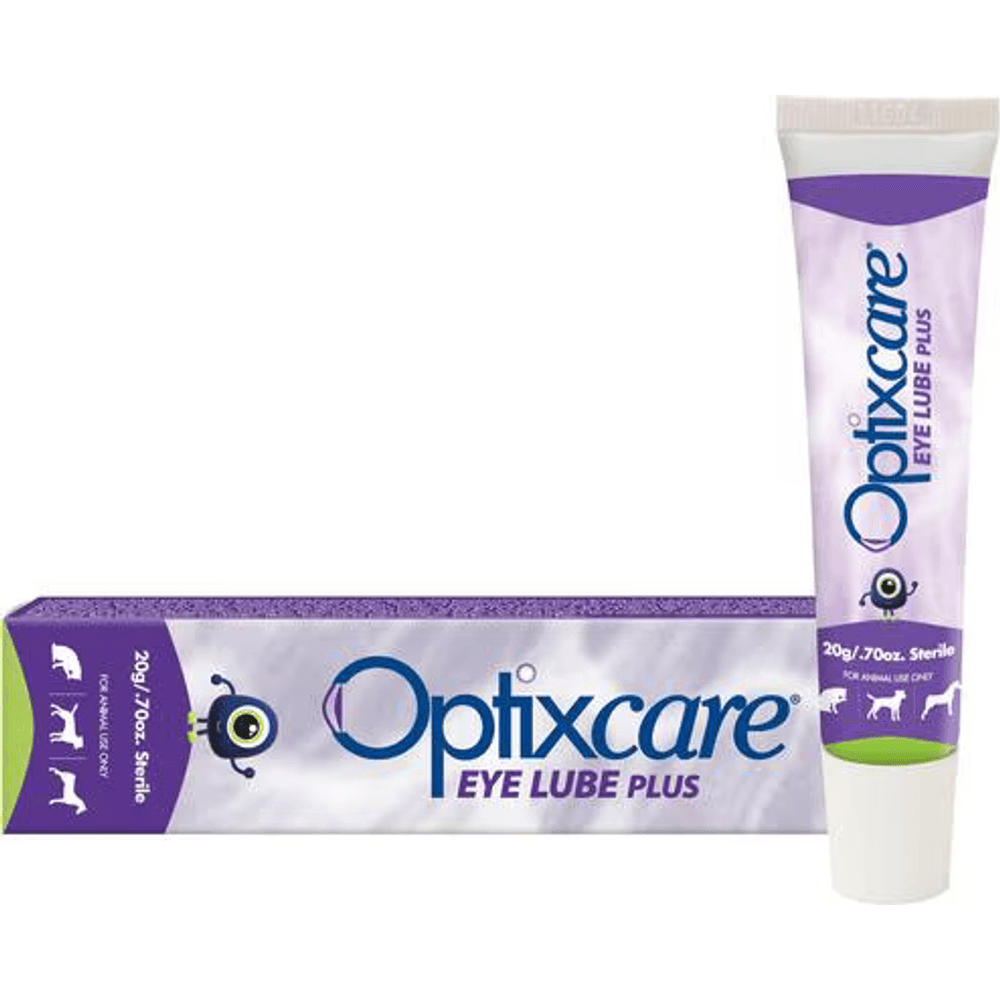
A sterile lubricating gel that soothes and moisturizes dry, irritated eyes and helps support the tear film in dogs and cats prone to dryness. A gentle, vet-shelf staple for everyday eye comfort.
Webvet may earn a commission when you click through to Chewy, at no extra cost to you.
Recognized triggers include boarding or travel, a new pet or baby, moving house, surgery, other illness, and changes in the household routine. Kittens and cats with weaker immune systems flare more often and more severely.
SponsoredVet care that's always there
Unlimited video calls and messaging with licensed vets for less than a typical vet visit. One membership covers up to five pets.
Use code Pets60
Plans start at $12/month · covers up to 5 pets
- Licensed vets in most states
- Rx for 150+ conditions
- 4.7 on Trustpilot
How Long Flare-Ups Last & What to Expect
How long does a feline herpes eye flare-up last? A typical uncomplicated flare-up runs about 2 to 3 weeks, with the worst of the redness and discharge usually easing within 7 to 10 days once treatment starts. Mild cases sometimes settle on their own, but treatment shortens them and lowers the risk of corneal damage.
Severity varies a lot from cat to cat:
- Mild flare-up: watery eye, slight squint, mild sneezing, resolves in 1 to 2 weeks.
- Moderate flare-up: obvious discharge, swelling, and discomfort lasting 2 to 3 weeks.
- Severe flare-up: corneal involvement, ulceration, or a young kitten badly affected, which can run longer and needs urgent care.
While you monitor an active episode, a gentle daily product such as Nutri-Vet Cat Eye Rinse helps keep discharge from crusting. Roughly half of carrier cats experience repeat flare-ups over their lifetime, so expect management to be ongoing rather than a one-time fix.
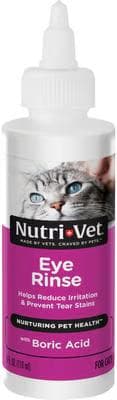
The cat formulation of Nutri-Vet's boric acid rinse, made for gently clearing everyday debris and limiting tear stains around a cat's eyes. Not a substitute for vet care if the eye looks painful.
Webvet may earn a commission when you click through to Chewy, at no extra cost to you.
So how long does it take for FHV to go away? The honest answer is that the flare-up clears but the virus does not. Most eye flare-ups settle in about one to three weeks with treatment, while the virus itself stays with your cat for life.
Diagnosing Feline Herpes Eye Disease
Vets usually diagnose herpes from the classic pattern: recurrent conjunctivitis with respiratory signs in a cat with a known stressor. Confirming it and ruling out other causes takes a hands-on eye exam plus a few targeted tests.

If the picture is unclear, a PCR swab can detect FHV-1 DNA directly. When ulcers are deep or vision is at risk, a vet may refer you to an ophthalmologist, and readers dealing with a corneal ulcer specifically should follow that dedicated guide.
Treating a Flare-Up: Home Care & Vet Options
Knowing how to treat feline herpes eye infection means combining supportive home care with vet-prescribed medication. There is no cure, so the goal is to shorten the flare-up, ease pain, and prevent the cornea from being damaged.

Typical treatment layers include:
- Antivirals: oral famciclovir is the most common vet-prescribed option; topical antivirals (like cidofovir or idoxuridine) are used for corneal cases.
- L-lysine: many vets suggest l-lysine for cats eye herpes management as a low-cost supplement, though evidence is mixed and it is supportive, not curative.
- Cleaning: warm compresses and a sterile eye wash to remove discharge.
- Secondary-infection cover: an antibiotic ointment such as Terramycin Ophthalmic Ointment when bacteria complicate the flare.
- Lubrication: gels to protect a compromised tear film.
Owners often ask about the best eye drops for cat herpes. There is no single "best" drop; the right choice depends on whether the cornea is ulcerated, so let your vet direct antiviral and antibiotic drops. For comparing gentle maintenance rinses and lubricants, see our roundup of the best cat eye drops. Never use a leftover steroid drop, which can worsen a herpes ulcer badly.
| Care item | Typical cost range | Notes |
|---|---|---|
| Vet exam (eye-focused) | $50 to $120 | First step for any painful or worsening eye |
| Fluorescein stain test | $20 to $50 | Often bundled into the exam |
| Oral antiviral course | $30 to $90 | Famciclovir, typical 1 to 3 week course |
| L-lysine supplement | $10 to $25 per month | Supportive, ongoing |
| Specialist referral | $250 to $500+ | For deep ulcers or vision-threatening cases |
Long-Term Management for Carrier Cats
How long can a cat live with FHV? A full, normal lifespan. Herpes is a quality-of-life condition, not a life-shortening one, and most carrier cats have only occasional mild flare-ups when their stress is well controlled.
Long-term management for a carrier cat focuses on prevention:
- Keep routines, feeding times, and the home environment as stable as possible.
- Use a pheromone diffuser during predictable stressors like travel or visitors.
- Support the immune system with good nutrition and, if your vet advises, daily l-lysine.
- Reduce crowding in multi-cat homes and provide separate resources.
- Keep up core vaccines, which reduce flare-up severity even though they do not eliminate the virus.
- Treat early: start home care at the first sign of a cat herpes eye flare rather than waiting.
Does the Feline Herpesvirus Vaccine Prevent Eye Flare-Ups?
Not directly. The feline herpesvirus vaccine, given as part of the core FVRCP combination, cannot reach virus already sitting in nerve tissue in the dormant state called latency. A cat that is already a carrier can still have eye flare-ups on a perfectly current vaccine schedule.

What the feline herpes vaccine does do still matters. It primes the immune system to reduce flare-up severity and shorten episodes, and it cuts how much virus a cat sheds to housemates. Keep up core vaccines even for a lifelong carrier, and to protect kittens not yet exposed.
- Reduces flare-up severity and shortens episodes in cats already carrying FHV-1.
- Lowers viral shedding, which protects the other cats in the household.
- Protects kittens and newly adopted cats at their first exposure to FHV-1.
- Does not eliminate the virus or reverse latency, so it is not a cure and not a treatment.
Feline Herpesvirus Life Expectancy: What Actually Affects Prognosis
Owners searching feline herpesvirus life expectancy are usually bracing for bad news. Here is the honest answer: FHV-1 is lifelong, but for the large majority of otherwise healthy cats it is not a life-shortening disease. Carrier cats generally reach the same age their virus-free housemates do.
What shifts the outlook is rarely the virus by itself. It is the damage a flare leaves behind and the other conditions travelling alongside it. Prognosis in a herpes cat is shaped mostly by these factors:
- Severity of ocular damage: deep or repeated corneal ulcers, scarring, and chronic dry eye affect comfort and vision rather than lifespan, but the worst cases can end in surgery or sight loss.
- Secondary bacterial infections: left untreated, these drag flare-ups out and cause much of the lasting corneal harm attributed to herpes.
- Coinfections such as FIV or FeLV: these are the conditions that genuinely shorten life, and they also make herpes flare-ups more frequent and more severe.
- Kitten-age severity: cats infected in the first weeks of life can be left with permanent scarring, blocked tear ducts, or dry eye needing lifelong care.
- How early each flare-up is treated: prompt care is the single lever you control that most changes the long-term picture.
A normal life with a carrier cat looks unremarkable most of the time. Expect long stretches with no signs at all, an occasional mild flare-up during a stressful stretch, a lubricant and eye wash kept in the cupboard, and routine vet visits like any other cat.
- 1FHV-1 is lifelong but is not a life-shortening disease for most otherwise healthy cats.
- 2Prognosis tracks corneal damage, secondary infections, and coinfections like FIV or FeLV far more than the virus itself.
- 3Cats infected as very young kittens carry the highest risk of permanent eye changes.
- 4Treating each flare-up early is the strongest thing an owner can do for long-term eye health.
When to See a Vet Immediately
Most flare-ups are manageable, but some eye signs are emergencies because a herpes ulcer can perforate the cornea and cost your cat its sight. Always keep a vet in the loop for any painful eye, and see one the same day if you notice red flags.
When in doubt, call your veterinarian. Eye problems move fast, and a quick exam is far cheaper than treating a ruptured cornea later.
FAQ
What does cat eye herpes look like?
A: It usually appears as a red, watery, or squinting eye, often in one eye first, with clear-to-yellow discharge that can crust at the corner. Sneezing or a runny nose alongside the eye signs is the classic feline herpes eye pattern.
How did my cat get herpes in the eye?
A: Through contact with an infected cat's eye, nose, or mouth secretions, or shared bowls and bedding. Most cats catch FHV-1 as kittens from their mother or littermates and carry it for life.
How did my indoor cat get feline herpes?
A: Your indoor cat almost certainly caught FHV-1 as a kitten and has carried it silently ever since. The virus does not need re-exposure; a stress trigger simply reactivates the dormant infection, so the first visible flare-up can appear years later.
How long does feline herpes eye flare-up last?
A: Most uncomplicated flare-ups resolve in about 2 to 3 weeks, with visible improvement in the first 7 to 10 days of treatment. Severe or corneal cases can last longer and need veterinary care.
How long can a cat live with FHV?
A: A normal, full lifespan. FHV-1 is a manageable, quality-of-life condition, not a fatal one. Well-managed carrier cats typically have only occasional mild flare-ups.
Is feline herpes eye contagious to humans?
A: No. FHV-1 is species-specific, so feline herpes eye disease is not contagious to humans or to dogs. It spreads only between cats. Wash your hands after treating the eye to avoid moving the virus to another cat.
Does the feline herpesvirus vaccine prevent eye flare-ups?
No. The FVRCP vaccine cannot clear FHV-1 from the nerve tissue where it lies dormant, so a carrier cat can still flare. It does reduce flare-up severity and viral shedding and protects unexposed kittens, which is why it stays on the schedule your vet sets.
Can a cat with herpes be around other cats?
Usually yes, since most cats in a household are already carriers. During an active flare, separate bowls and bedding, wash your hands between cats, and keep kittens or newly adopted cats apart until the eye settles. Ask your vet before introducing a new cat mid-flare.
What is the feline herpesvirus life expectancy for a carrier cat?
Normal. FHV-1 is lifelong but not life-shortening for most otherwise healthy cats. What worsens the outlook is corneal damage from severe or repeated ulcers, untreated secondary infections, infection as a very young kitten, and coinfections such as FIV or FeLV. Ask your vet about testing if flare-ups are frequent or severe.
Sources

Editor
The Webvet Editorial Team is the in-house group of pet-care editors and writers behind Webvet, operated by Smart Pet Collective. The team researches, writes, and maintains Webvet's pet health, behavior, and medication content. Every article follows a defined editorial process: research from reputable veterinary and scientific sources, careful drafting, mandatory review of medical content by a credentialed veterinarian, and dated publication. Health and medication articles are medically reviewed by a licensed veterinary professional before they go live and are kept current over time.
Veterinarian · BVMS MRCVS
Dr. Pippa Elliott, BVMS, MRCVS, is a veterinarian with nearly 30 years of experience in companion animal practice. Dr. Elliott earned her Bachelor of Veterinary Medicine and Surgery from the University of Glasgow. She was also designated a Member of the Royal College of Veterinary Surgeons. Married with 2 grown-up kids, Dr. Elliott has a naughty Puggle named Poggle, 3 cats and a bearded dragon.
Related reading

World's Best Cat Litter Review: Clumping, Tracking, Flushing, and Which Cats It Suits

Litter Genie Review: Does It Really Work, What Refills Cost, and the Best Alternatives

Best Litter Box Enclosures and Litter Furniture: What Vets Say About Enclosed Boxes
