Cat Third Eyelid Showing: Causes & What to Do
A cat's third eyelid showing can be harmless or a warning sign. Here is how to tell normal from abnormal, when it's an emergency, what treatment costs, and how each cause is fixed.

BVMS MRCVS
Medically reviewed by Dr. Pippa Elliott, BVMS MRCVS · Last reviewed

This article contains affiliate links. Webvet may earn a commission when you buy through them, at no extra cost to you.
WebVet may earn a commission from qualifying purchases made through links on this page, at no additional cost to you.
If you have noticed a pale, filmy curtain sliding across the inner corner of your cat's eye, you are looking at the third eyelid. A cat third eyelid showing for a second or two while your cat wakes, yawns, or drifts off to sleep is completely normal.
The picture changes when that membrane stays up. When it covers part of the eye for hours, appears in one eye out of nowhere, or shows up alongside squinting, discharge, or low energy, it is a signal that something needs attention. This guide walks through what is normal, what is not, when to call your vet, what a visit typically costs, and how each cause is treated.
- 1A flash of the third eyelid while your cat blinks, yawns, or wakes up is normal; there is a simple 3-second rule below to tell normal from abnormal.
- 2The membrane covering part of the eye for more than a few seconds, or staying up for hours, is not normal and warrants a vet check.
- 3One eye affected usually points to a local problem (injury, foreign body, corneal ulcer, cherry eye); both eyes usually points to a body-wide cause (Haw's syndrome, illness, worms, sedation).
- 4A visible third eyelid plus lethargy, a closed eye, colored discharge, or an off appetite is a same-day vet visit, not a wait-and-see.
- 5Most cases resolve once the underlying cause is treated, but the timeline ranges from a few days to several weeks depending on the cause.
 Sponsored
Have a health question about your cat?
Talk to a licensed vet at Dutch over video or message, including nights and weekends.
Use code Pets60
Plans start at $12/month · covers up to 5 pets
- Licensed vets in most states
- Rx for 150+ conditions
- 4.7 on Trustpilot
What Is a Cat's Third Eyelid (and Why It's Showing)
Every cat has a third eyelid in each eye. The nictitating membrane, as this structure is called on any cat, is a thin fold of tissue that sits tucked in the inner corner of the eye near the nose. It sweeps sideways across the eye rather than up and down like the top and bottom lids you can see.
It is not a defect or a curiosity. The third eyelid does real work:
- It spreads tear film across the cornea to keep the surface moist.
- It clears dust, pollen, and debris off the eye like a windshield wiper.
- It carries a tear gland that produces a meaningful share of the eye's moisture.
- It shields the cornea when your cat hunts, fights, or pushes through brush.
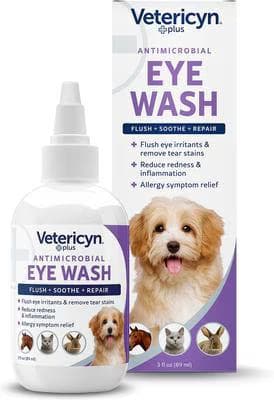
A sterile antimicrobial rinse that flushes irritants, pollen, and discharge out of the eye and helps lift tear stains. A sensible at-home first step for mild irritation, though it does not replace a vet exam for a painful eye.
Webvet may earn a commission when you click through to Chewy, at no extra cost to you.
In a healthy, awake cat you should barely see it. It flicks across and retracts so fast that most owners never notice it. You may catch a glimpse as your cat wakes from a nap or in the middle of a big yawn, and that is fine.
The 3-second rule
Use timing as your first filter. If the membrane appears and slides back out of view within about three seconds during a blink, yawn, or stretch, that is normal function. If it stays parked across the eye, keeps drifting back up, or is visible while your cat is bright and alert, treat that as abnormal and worth investigating.
The moments to expect it are predictable. A cat third eyelid showing when sleeping, drifting up while your cat is deeply relaxed, is normal function, and so is a cat third eyelid showing when tired or sleepy in the first minute after waking. Neither needs any action from you.
One Eye or Both? Why It's the First Diagnostic Clue
Before you fall down a rabbit hole of possible causes, look at how many eyes are involved. This single observation is the most useful clue you can hand your vet, and it splits the causes into two broad groups.
A cat third eyelid showing in one eye only usually means a local problem in that specific eye. Something is irritating, injuring, or inflaming that eye and triggering the membrane to come up in protest. Common culprits include a scratch, a grass seed or bit of debris behind the lid, a corneal ulcer, or a prolapsed tear gland (cherry eye).
When both third eyelids are up at once, the cause is more often body-wide rather than eye-specific. A bilateral presentation points toward systemic drivers such as Haw's syndrome, a general illness, intestinal worms, dehydration, or the after-effects of sedation. The eyes themselves may look otherwise healthy.

| Pattern | Most likely category | Typical causes |
|---|---|---|
| One eye only | Local eye problem | Injury or scratch, foreign body behind the lid, corneal ulcer, cherry eye |
| Both eyes | Body-wide cause | Haw's syndrome, worms or GI illness, general sickness, dehydration, sedation |
| Both eyes plus sunken look | Nerve or dehydration issue | Horner's syndrome, significant fluid loss, weight loss |
This one-eye-versus-both split does not give you a diagnosis on its own, but it narrows the field fast and tells you how urgently to act. A sudden, painful-looking single eye deserves quicker attention than a mild both-eyes change in an otherwise happy cat.
While you sort out the cause, a plain pet lubricating drop such as Pet Drops Ultra Lubricant Eye Drops can ease a dry or dusty eye. It is comfort care only and does not replace veterinary care, so a membrane that stays up still needs an exam.
Common Causes of a Visible Third Eyelid
Here are the causes vets see most often. For eye-specific conditions that deserve their own deep dive, we link out rather than repeat the full picture here.
Haw's syndrome and intestinal worms
Haw's syndrome in cats is a classic cause of both third eyelids showing at once in an otherwise well cat. It is strongly linked to gastrointestinal upset, especially diarrhea, and to intestinal parasites. The theory is that irritation of the gut disturbs the nerves that hold the membrane retracted.
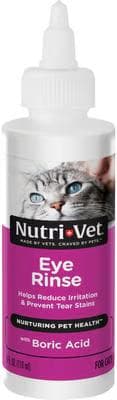
The cat formulation of Nutri-Vet's boric acid rinse, made for gently clearing everyday debris and limiting tear stains around a cat's eyes. Not a substitute for vet care if the eye looks painful.
Webvet may earn a commission when you click through to Chewy, at no extra cost to you.
The cat third eyelid and worms connection is real and worth taking seriously. A cat carrying a heavy roundworm or tapeworm burden can show raised third eyelids alongside digestive signs. That is why vets often run a fecal test and deworm as part of the workup, even when the eyes look otherwise normal. Haw's syndrome is usually self-limiting once the underlying gut issue is addressed.
Eye infections and conjunctivitis
Infection is one of the most common single-eye triggers. A bacterial or viral infection inflames the eye, and the third eyelid rises to guard and lubricate the irritated surface. You will often see discharge, redness, and squinting alongside it. For the full symptom and treatment picture, see our guides to cat eye infections and conjunctivitis (pink eye) in cats.
Feline herpesvirus (FHV-1) is a frequent behind-the-scenes driver of recurring eye inflammation. If your cat has flare-ups that come and go, our feline herpes eye guide covers the chronic-care side. Cats that also sneeze and have watery eyes may be fighting an upper respiratory infection, which our page on sneezing and watery eyes in cats explains in detail.
Use the pairing as a shortcut. A cat that is sneezing with watery eyes and a raised third eyelid is usually fighting an upper respiratory infection rather than a standalone eye problem, and the eye settles as the infection is treated. Our guide to cat sneezing and watery eyes covers that presentation in full.
Allergies
Can allergies raise the membrane? Cat third eyelid allergies are a recognized, if less common, cause. Airborne irritants such as pollen, dust, smoke, or a new cleaning product can inflame the eye enough to bring the third eyelid up, usually with watering and some rubbing. Allergic causes tend to affect both eyes and improve when the trigger is removed.
Cherry eye, Horner's syndrome, and sedation
Three more causes round out the common list:
- Cherry eye: the tear gland of the third eyelid pops out of place, showing as a pink, fleshy bulge in the eye's inner corner. This one is usually obvious and one-sided.
- Horner's syndrome: a nerve disruption that raises the third eyelid on one side, along with a droopy lid, a sunken-looking eye, and a constricted pupil. If your cat also has an uneven or dilated pupil, our guide to dilated pupils in cats explains the pupil side of the picture.
- Sedation and deep sleep: after anesthesia or during very deep rest, the muscles relax and the membrane drifts up temporarily. This resolves on its own as your cat fully wakes.
SponsoredVet care that's always there
Unlimited video calls and messaging with licensed vets for less than a typical vet visit. One membership covers up to five pets.
Use code Pets60
Plans start at $12/month · covers up to 5 pets
- Licensed vets in most states
- Rx for 150+ conditions
- 4.7 on Trustpilot
Third Eyelid Showing but No Other Symptoms?
A cat third eyelid showing no other symptoms alongside it is the version owners describe most often. The cat eats, plays, and uses the litter box normally, and only the eyes look wrong. In an otherwise well cat with both membranes up, Haw's syndrome is the likeliest explanation.

That picture earns a 24 to 48 hour home-watch window rather than a panic. Give your cat a couple of days while you track the specifics below, and book a routine exam if nothing has improved by the end of it.
Check these twice a day during the watch window:
- Appetite and thirst: any drop in eating, or a cat suddenly drinking far more than usual
- Energy: still playing, greeting you, and jumping to its normal spots
- Litter box: formed stool, no diarrhea, and no straining to urinate
- The eye itself: no squinting, no pawing or rubbing, no redness, no discharge of any color
- The membrane: whether it is up in one eye or both, and whether it retracts at all
There is a real difference between a cat third eyelid showing sometimes, mostly as your cat dozes off or surfaces from a nap, and a cat third eyelid always showing. The first is normal function. The second is not, even in a cat that seems perfectly happy otherwise.
One exception is worth naming. If your cat has just come home from a procedure, a membrane that drifts up for a few hours while anesthesia wears off is expected. Call the clinic if it is still up the next day, or if your cat is slow to eat and move normally.
Is It an Emergency? Home-Watch vs Vet-Now Signs
Not every raised third eyelid is a crisis, but some pairings are. Knowing when to take your cat to the vet for a third eyelid issue comes down to what else is happening alongside it. Use the grid below as a triage tool.
| Situation | What you see | What to do |
|---|---|---|
| Home-watch (24-48 hrs) | Both eyes, mild, cat eating and playing normally, no pain | Monitor, note any change, book a routine vet visit if it persists past 48 hours |
| Vet-now (today) | One painful eye, squinting, discharge, or the third eyelid plus low energy | Same-day appointment |
| ER-now | Sudden severe pain, cloudy or bulging eye, both membranes up with vomiting, collapse, or trouble breathing | Emergency clinic immediately |
A common and worrying combination is a cat third eyelid showing and lethargic behavior at the same time. When the membrane is up in both eyes and your cat is also quiet, hiding, or skipping meals, the eyes may be reflecting a body-wide illness rather than an eye problem. That deserves a same-day exam, because lethargy is your cat's way of saying it feels unwell.
Trust your read on your own cat. A cat that is bright, eating, and playing with a faint both-eyes change can usually wait a day or two. A cat that is off, painful, or clearly not itself should be seen promptly, even if the eye looks minor.
When the Third Eyelid Signals Systemic Illness
Sometimes the membrane is only the visible edge of a body-wide problem. A cat third eyelid showing and diarrhea at the same time is the classic Haw's syndrome pairing, and it is often traced back to intestinal parasites or a gut virus such as feline torovirus.
A cat third eyelid showing and vomiting is more urgent. Repeated vomiting drives dehydration quickly, and a dehydrated cat's eyes sit deeper in the socket, which lets both third eyelids slide across. That combination is a same-day call, not a home-watch case.
These whole-body signs move a case from watch to vet-now:
- Diarrhea or vomiting lasting more than a day, or any blood in either
- Kidney disease: cat third eyelid showing kidney disease signs in a senior cat (weight loss, increased thirst, poor appetite) usually reflects dehydration from chronic kidney disease rather than an eye problem
- A cat third eyelid showing and weight loss together over several weeks, or a coat that has turned dull and unkempt
- Skin that stays tented when you gently lift it at the shoulders, a dehydration sign
- Hiding, low energy, or a sick cat third eyelid showing in both eyes at once
- Fever, fast or labored breathing, or pale gums
None of these pairings are home-care situations. The eye change is a bystander, and the illness behind it is what needs diagnosing, usually with a physical exam, bloodwork, a urine test, and a fecal sample. Treating the eye alone leaves the real problem running.
What Happens at the Vet: Diagnosis and Cost
Because a visible third eyelid is a symptom rather than a diagnosis, the vet visit is about finding the cause. Knowing the likely steps and costs ahead of time takes some of the stress out of going in.

Your vet will typically work through some combination of these:
- A full physical exam to check overall health, hydration, and whether one or both eyes are involved.
- A fluorescein stain, where a harmless dye reveals scratches or ulcers on the cornea.
- A phenylephrine or adrenaline eye-drop test, which helps distinguish Haw's syndrome and Horner's syndrome by watching whether the membrane retracts.
- A fecal test to check for the intestinal worms tied to Haw's syndrome.
- Bloodwork when a body-wide illness is suspected, to look at organ function and signs of infection.
Costs vary widely by region and clinic, so treat these as general guides rather than quotes. A basic exam is often in the range of 50 to 100 dollars. Adding diagnostics such as staining, the phenylephrine test, a fecal, or bloodwork typically brings the total into the 100 to 350 dollar range. Advanced imaging or a referral to a veterinary ophthalmologist costs more. Ask for an estimate before tests begin so there are no surprises.
Third Eyelid Home Care: What You Can (and Can't) Do
Supportive care at home can keep your cat comfortable while you arrange a vet visit or follow a treatment plan, but home care never replaces a diagnosis. Good third eyelid cat home treatment is about gentle support, not trying to cure the cause yourself.
Here is what is safe to do:
- Keep the area clean by wiping away discharge with a fresh, damp cotton pad, moving from the inner corner outward, using a clean pad per eye.
- Use only a cat-safe, sterile eye rinse or lubricant made for pets. A saline-style rinse can flush minor debris and soothe a dry surface.
- Reduce environmental irritants such as smoke, dust, and aerosol sprays around your cat.
- Watch and note changes, so you can tell your vet whether things are improving or worsening.
If you want a cat-safe lubricant for gentle support, vets commonly point to products like Optixcare Eye Lube Plus, Pet Drops Ultra Lubricant Eye Drops, or a dedicated pet eye wash. When shopping for cat eye drops for a third eyelid that is showing, choose plain lubricating or rinsing products, not medicated ones, unless your vet has prescribed them. Our roundup of the best cat eye drops and eye washes walks through vet-reviewed picks.

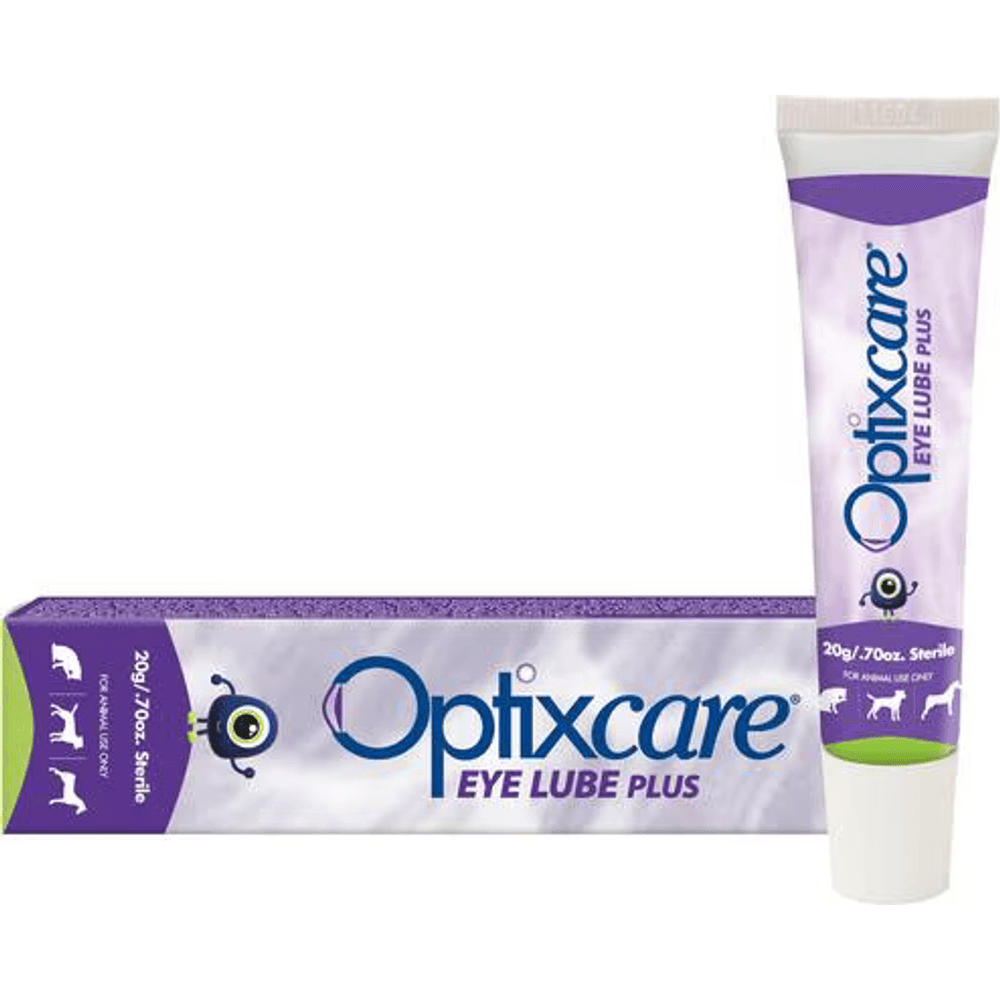
A sterile lubricating gel that soothes and moisturizes dry, irritated eyes and helps support the tear film in dogs and cats prone to dryness. A gentle, vet-shelf staple for everyday eye comfort.
Webvet may earn a commission when you click through to Chewy, at no extra cost to you.
Treatment by Cause
There is no single fix for a raised third eyelid, because the right treatment depends entirely on what is behind it. So how do you treat a cat's third eyelid protrusion? You treat the underlying cause, and the membrane settles as that resolves.
| Cause | Typical treatment |
|---|---|
| Haw's syndrome | Address the gut issue; short-term dilute phenylephrine drops can retract the membrane while the cause resolves |
| Intestinal worms | A vet-appropriate dewormer, with a fecal recheck |
| Bacterial infection | Prescription antibiotic eye ointment or drops |
| Viral (herpes) flare | Antivirals, lysine support, and managing triggers |
| Allergies | Removing the trigger, plus vet-directed anti-inflammatory care |
| Cherry eye | Surgical repositioning of the gland (not removal, to preserve tear production) |
| Corneal ulcer | Pain relief and antibiotic drops; some need advanced care |
| Horner's syndrome | Treating the underlying nerve cause; many idiopathic cases resolve on their own |
For infection-driven cases, vets frequently prescribe an antibiotic ointment such as Terramycin Ophthalmic Ointment, which is a prescription product your vet dispenses rather than something to buy and apply on your own. A pet eye gel such as Vetericyn Plus Pet Eye Gel is sometimes suggested for gentle supportive lubrication alongside the prescribed medication. Always follow the exact dosing and duration your vet gives you, and finish the full course even if the eye looks better early.
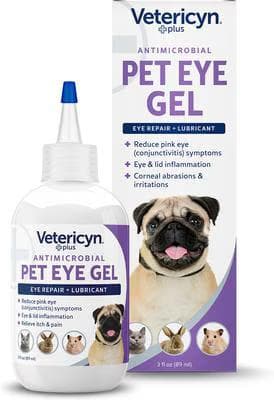
A lubricating antimicrobial gel that clings to the eye surface longer than a rinse, easing conjunctivitis symptoms, lid inflammation, and irritation from minor corneal abrasions. For dogs, cats, and small pets.
Webvet may earn a commission when you click through to Chewy, at no extra cost to you.
The key point is that guessing at treatment wastes time and can mask a problem that is getting worse underneath. A five-minute exam that identifies the cause is faster than weeks of trial and error at home.
Recovery Timeline: How Long Until It Goes Away
Owners understandably want a date on the calendar. The honest answer is that it depends on the cause, and the range is wide.
- 1Minor irritation or a foreign body: often resolves within a few days once the trigger is removed.
- 2Eye infections: typically improve over 1 to 2 weeks on the right medication.
- 3Haw's syndrome: often self-limiting, with reported averages around 47 days (roughly six to seven weeks) as the gut issue resolves.
- 4Idiopathic third eyelid prolapse: frequently clears over about 4 to 8 weeks.
- 5Cherry eye and structural problems: need surgical correction and heal on that surgery's schedule.
So can a cat's third eyelid heal on its own? Sometimes, yes. Cases driven by mild irritation, sedation, or self-limiting Haw's syndrome often settle without heroic measures once the trigger passes. The problem is that you cannot reliably tell a harmless case from a serious one by looking, which is why a vet check is still the safe move.
If a cat third eyelid won't go away after a couple of weeks, or it keeps coming back, that is your cue to return to the vet or ask for a referral. A persistent membrane means the underlying cause has not been fully resolved, and a recheck (sometimes with a repeat fecal or a closer eye exam) is warranted. Do not assume that fading and returning equals cured.

Preventing Future Flare-Ups
You cannot prevent every cause, but a few routines lower the odds of a repeat episode:
- Stay current on parasite prevention and deworming, since gut parasites are tied to Haw's syndrome and the third-eyelid-and-worms pattern.
- Keep vaccinations up to date to reduce viral eye disease, including feline herpesvirus flare-ups.
- Reduce eye injuries by supervising outdoor time and keeping sharp hazards and irritating sprays away from your cat.
- Manage known allergens by keeping the home dust- and smoke-free where you can.
- Book routine wellness exams so eye and overall health changes are caught early.
None of this replaces prompt care when a problem appears, but consistent prevention keeps small issues from becoming recurring ones. When something does change, act on it early rather than waiting to see.
Frequently Asked Questions
Should I be worried if my cat's third eyelid is showing?
A: A brief flash while your cat blinks, yawns, or wakes up is normal and nothing to worry about. Be concerned when the membrane stays up, covers part of the eye, appears suddenly in one eye, or comes with squinting, discharge, redness, or low energy. Those signs mean it is time for a vet visit to find the cause.
How do you treat a cat's third eyelid protrusion?
A: You treat the underlying cause, not the membrane itself. That may mean deworming for parasites, antibiotic drops for infection, antivirals for herpes flares, removing an allergen, or surgery for cherry eye. Haw's syndrome often resolves once the gut issue is handled. Your vet identifies the cause first, and the third eyelid settles as it is treated.
Can worms cause a cat's third eyelid to show?
A: Yes. Intestinal worms are a recognized trigger, especially as part of Haw's syndrome, where both third eyelids rise alongside digestive upset like diarrhea. This is why vets often run a fecal test and deworm as part of the workup, even when the eyes themselves look normal. Treating the parasites usually resolves the eye change.
What are the first signs of worms in cats?
A: Early signs can include a dull coat, a pot-bellied look, weight loss despite a good appetite, vomiting, diarrhea, and visible worm segments (which can look like rice grains) near the tail or in the litter box. Some cats show raised third eyelids too. Many cats show few signs early, so routine fecal checks matter.
Why is my cat's third eyelid showing and lethargic at the same time?
A: When both membranes are up and your cat is also quiet, hiding, or off food, the eyes are often reflecting a body-wide illness rather than a local eye problem. This combination warrants a same-day vet visit, because lethargy signals your cat feels genuinely unwell and the cause needs to be found and treated.
Can allergies cause a cat's third eyelid to show?
A: Yes, though it is less common than infection or Haw's syndrome. Airborne irritants such as pollen, dust, smoke, or a new cleaning product can inflame the eyes enough to raise the third eyelid, usually in both eyes and with watering or mild rubbing. Removing the trigger and following vet-directed care typically settles it.
Can a cat's third eyelid heal by itself?
A: Sometimes. Cases from mild irritation, sedation, or self-limiting Haw's syndrome often resolve on their own once the trigger passes. But you cannot reliably tell a harmless case from a serious one by looking, and some causes (like a corneal ulcer or cherry eye) will worsen without treatment. A vet check remains the safe choice.
My cat's third eyelid is showing but there are no other symptoms. Is that okay?
In a cat that is eating, playing, and using the litter box normally, a cat third eyelid showing no other symptoms alongside it most often points to Haw's syndrome, which is usually self-limiting. Watch for 24 to 48 hours and track appetite, energy, stool, and the eye itself. Book an exam if the membrane is still up after two to three weeks, is in one eye only, or keeps returning.
Can kidney disease or another illness make a cat's third eyelid show?
Yes, though the link is indirect. Chronic kidney disease, and other systemic illness in senior cats, causes dehydration and weight loss, and a dehydrated eye sits deeper in the socket so both third eyelids become visible. If a raised membrane comes with increased thirst, weight loss, vomiting, or diarrhea, the eye is a clue to a body-wide problem and your cat needs bloodwork and a vet exam, not eye drops.
Sources

Editor
The Webvet Editorial Team is the in-house group of pet-care editors and writers behind Webvet, operated by Smart Pet Collective. The team researches, writes, and maintains Webvet's pet health, behavior, and medication content. Every article follows a defined editorial process: research from reputable veterinary and scientific sources, careful drafting, mandatory review of medical content by a credentialed veterinarian, and dated publication. Health and medication articles are medically reviewed by a licensed veterinary professional before they go live and are kept current over time.
Veterinarian · BVMS MRCVS
Dr. Pippa Elliott, BVMS, MRCVS, is a veterinarian with nearly 30 years of experience in companion animal practice. Dr. Elliott earned her Bachelor of Veterinary Medicine and Surgery from the University of Glasgow. She was also designated a Member of the Royal College of Veterinary Surgeons. Married with 2 grown-up kids, Dr. Elliott has a naughty Puggle named Poggle, 3 cats and a bearded dragon.
Related reading

World's Best Cat Litter Review: Clumping, Tracking, Flushing, and Which Cats It Suits

Litter Genie Review: Does It Really Work, What Refills Cost, and the Best Alternatives

Best Litter Box Enclosures and Litter Furniture: What Vets Say About Enclosed Boxes
