Best Cat Eye Drops & Eye Wash: Vet-Reviewed Picks
A vet-reviewed guide to the best cat eye drops and eye washes, sorted by use case, with clear OTC vs. prescription guidance, application steps, cost ranges, and vet-now red flags.

BVMS MRCVS
Medically reviewed by Dr. Pippa Elliott, BVMS MRCVS · Last reviewed

This article contains affiliate links. Webvet may earn a commission when you buy through them, at no extra cost to you.
WebVet may earn a commission from qualifying purchases made through links on this page, at no additional cost to you.
If your cat has a weepy, squinting, or goopy eye, the right cat eye drops or eye wash can bring real relief, but only when you match the product to the problem. Some issues need nothing more than a gentle saline rinse. Others need a prescription antibiotic your vet has to write.
This vet-reviewed guide sorts the shelf for you. We cover the best cat eye drops and washes by category, spell out what you can buy over the counter versus what needs a prescription, and show you how to apply drops without a wrestling match.
- 1Match the product to the problem: use a wash to rinse debris, a lubricant for dryness, and a vet-prescribed antibiotic for a true infection.
- 2Antibiotic eye drops for cats are not sold over the counter in the US. They require a veterinary prescription.
- 3Our top OTC picks are Vetericyn Plus Antimicrobial Eye Wash, Optixcare Eye Lube Plus, Nutri-Vet Cat Eye Rinse, and Ocu-GLO vision chews.
- 4Terramycin Ophthalmic Ointment is the classic vet-prescribed choice for bacterial infections and conjunctivitis.
- 5Never use a steroid-containing drop if a corneal ulcer is possible. It can make the ulcer worse.
- 6See a vet within 24 hours for a painful, swollen, cloudy, or non-improving eye.

 Sponsored
Have a health question about your cat?
Talk to a licensed vet at Dutch over video or message, including nights and weekends.
Use code Pets60
Plans start at $12/month · covers up to 5 pets
- Licensed vets in most states
- Rx for 150+ conditions
- 4.7 on Trustpilot
Quick Answer: Best Cat Eye Drops at a Glance
Shopping in a hurry? Here are the best cat eye drops and washes we recommend, grouped by what each one actually does. Pick the category that matches your cat's symptom, not the flashiest label.
- Best antimicrobial wash: Vetericyn Plus Antimicrobial Eye Wash, for rinsing away debris, pollen, or mild gunk.
- Best daily lubricant: Optixcare Eye Lube Plus, for chronic dryness and everyday comfort.
- Best cat-specific rinse: Nutri-Vet Cat Eye Rinse, a gentle daily cleaner labeled for cats.
- Best long-term vision support: Ocu-GLO Optimal Vision Support Soft Chew, an oral antioxidant for aging eyes.
- Best for a diagnosed infection: Terramycin Ophthalmic Ointment, a vet-prescribed antibiotic.
None of these OTC products treat a bacterial infection on their own. If your cat's eye is painful or getting worse, the best eye drops for cats are the ones your veterinarian prescribes after an exam.
Types of Cat Eye Drops (and Which One You Actually Need)
"Eye drops" is a catch-all. Reaching for the wrong type wastes money and can delay real treatment. Cat eye products fall into four broad buckets, and knowing them makes the whole shelf easier to read.
- Cat eye wash or rinse: A sterile flush that clears dust, pollen, discharge, and loose debris. A good cat eye wash is the safest first step for a mildly irritated eye.
- Lubricating drops and gels: Artificial-tears style products for dryness and minor surface irritation. These soothe, they do not disinfect.
- Antibiotic eye drops and ointments: Prescription-only medications that kill bacteria in a confirmed infection.
- Anti-inflammatory (steroid) drops: Prescription products that calm swelling, used only when a vet has ruled out a corneal ulcer.

Most owners searching for eye drops for cats are really looking at one of two mild situations: a little clear watery discharge, or a cat rubbing at a dusty eye. Cat eye drops for watery eyes usually means a lubricant or a gentle rinse, not a medicated product. If the discharge is thick, yellow, or green, that points toward infection and a vet visit instead.
Tears, Discharge, or Real Redness?
Clear, watery tearing is often mechanical: a stray lash, a draft, or a whiff of dust. A saline-style rinse or lubricant is a reasonable first response. Thick colored discharge, obvious redness, or a swollen third eyelid is a different story and belongs to your vet. For persistent watery eyes paired with sneezing, see our guide to cat sneezing and watery eyes.
OTC vs. Prescription: What You Can Buy Without a Vet Visit
This is the part competitors skip, and it matters most. Yes, you can buy cat eye drops over the counter, but only certain kinds. Over the counter eye drops for cats are limited to washes, rinses, and lubricants. These clean and soothe. They do not cure infections.
So is there anything over the counter for cat eye infection? Not a true treatment. What you can buy without a vet visit is symptomatic support: a wash to keep the eye clean and a lubricant for comfort while you arrange care. Cat eye drops for infection that actually kill bacteria are always prescription products. Reaching for a human antibiotic ointment like Neosporin is a mistake, since some human formulas have caused dangerous reactions in cats.
- Buy OTC for: rinsing debris, mild watery eyes, daily cleaning, chronic dryness, tear-stain maintenance.
- Need a prescription for: any confirmed or suspected infection, colored discharge, ulcers, glaucoma, or uveitis.
- Never self-treat: a painful, cloudy, bulging, or rapidly worsening eye. That is an emergency.
If the eye looks red and goopy, it may be conjunctivitis rather than a simple irritation. Compare the look against our page on cat conjunctivitis (pink eye) before you decide it is minor. Effective cat eye infection treatment starts with a diagnosis, not a product.
Our Vet-Reviewed Picks: Best Cat Eye Drops & Eye Wash
So what eye drops can I give my cat safely? These five picks are the products we would keep on the shelf, chosen on three criteria: species safety, veterinary recognition, and a clear, honest use case. Each card tells you exactly what the product does and, just as importantly, what it does not do.
Vetericyn Plus Antimicrobial Eye Wash (Best Wash/Flush)
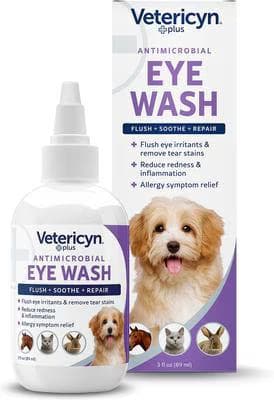
A sterile antimicrobial rinse that flushes irritants, pollen, and discharge out of the eye and helps lift tear stains. A sensible at-home first step for mild irritation, though it does not replace a vet exam for a painful eye.
Webvet may earn a commission when you click through to Chewy, at no extra cost to you.
Vetericyn eye wash for cats is our go-to antimicrobial rinse. It uses a hypochlorous-acid formula to flush debris and reduce surface microbes without stinging, and it is safe around the eye when used as directed.
- Pros: gentle, non-stinging, no rinsing required, works across species.
- Cons: it cleans and soothes, it does not cure a bacterial infection.
- Who it is for: cats with a dusty, mildly irritated eye that needs a safe flush.

Optixcare Eye Lube Plus (Best Daily Lubricant)
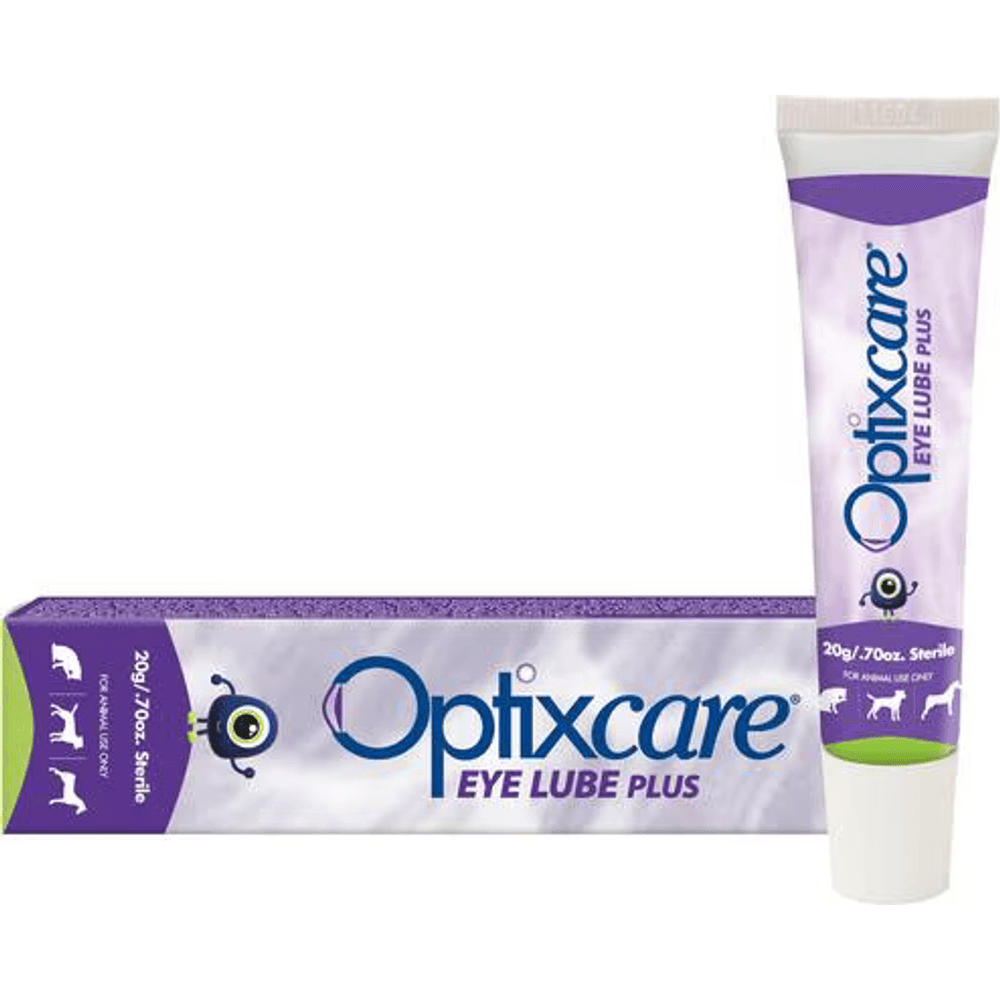
A sterile lubricating gel that soothes and moisturizes dry, irritated eyes and helps support the tear film in dogs and cats prone to dryness. A gentle, vet-shelf staple for everyday eye comfort.
Webvet may earn a commission when you click through to Chewy, at no extra cost to you.
Optixcare Eye Lube Plus is a veterinary-recognized lubricating gel for cats with chronic dryness or mild ongoing irritation. It coats the surface longer than a thin drop, which makes it handy for older cats or breeds prone to dryness.
- Pros: long-lasting gel, soothing, useful for daily comfort.
- Cons: not a treatment for infection or injury.
- Who it is for: cats needing ongoing comfort, not a cure.

Nutri-Vet Cat Eye Rinse (Best Cat-Specific Rinse)
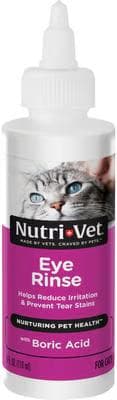
The cat formulation of Nutri-Vet's boric acid rinse, made for gently clearing everyday debris and limiting tear stains around a cat's eyes. Not a substitute for vet care if the eye looks painful.
Webvet may earn a commission when you click through to Chewy, at no extra cost to you.
Nutri-Vet Cat Eye Rinse is labeled specifically for cats rather than being a relabeled dog product, which we value in a cat-only roundup. It gently removes debris and helps manage light tear staining during daily cleaning.
- Pros: cat-specific formula, gentle enough for daily use.
- Cons: maintenance product only, not medicated.
- Who it is for: routine cleaning and mild tear-stain upkeep.

Ocu-GLO Optimal Vision Support Soft Chew (Best Long-Term Vision Support)
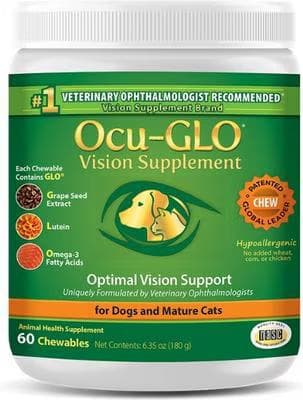
A chewable version of Ocu-GLO for dogs and mature cats, useful when a pet refuses gelcaps. Hypoallergenic with no added wheat, corn, or chicken, and formulated by veterinary ophthalmologists.
Webvet may earn a commission when you click through to Chewy, at no extra cost to you.
Ocu-GLO is an oral antioxidant chew (for dogs and mature cats) formulated to support long-term eye health rather than treat an acute problem. It is the maintenance play for aging cats, and a natural fit if your senior is developing cloudy lenses. Read more on cat cataracts.
- Pros: supports long-term ocular health, easy oral chew.
- Cons: a supplement, not a fix for any active eye issue.
- Who it is for: senior cats and long-term vision maintenance.

Terramycin Ophthalmic Ointment (Best Rx for Infection)
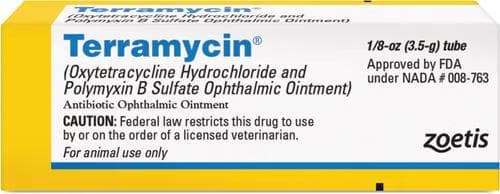
A prescription antibiotic eye ointment combining oxytetracycline and polymyxin B, commonly prescribed for bacterial conjunctivitis and infected corneal ulcers. Requires a valid prescription from your vet.
Webvet may earn a commission when you click through to Chewy, at no extra cost to you.
Terramycin eye ointment for cats is the classic vet-prescribed antibiotic for bacterial eye infections and conjunctivitis. It is a genuine treatment, which is exactly why it is prescription-only. You will need a vet exam and an Rx, though pharmacies like Chewy support prescription-upload purchase.
- Pros: proven antibiotic ointment, broad coverage for common eye bacteria.
- Cons: prescription required, needs a diagnosis first.
- Who it is for: cats with a vet-confirmed bacterial infection.
| Product | Type | Best For | OTC or Rx | Typical Price |
|---|---|---|---|---|
| Vetericyn Plus Eye Wash | Antimicrobial flush | Rinsing debris, mild irritation | OTC | $15 to $20 |
| Optixcare Eye Lube Plus | Lubricating gel | Chronic dryness, daily comfort | OTC | $12 to $18 |
| Nutri-Vet Cat Eye Rinse | Cat-specific rinse | Daily cleaning, tear stains | OTC | $8 to $12 |
| Ocu-GLO Soft Chew | Oral supplement | Long-term vision support | OTC | $30 to $45 |
| Terramycin Ointment | Antibiotic ointment | Bacterial infection | Rx | $10 to $25 |
SponsoredVet care that's always there
Unlimited video calls and messaging with licensed vets for less than a typical vet visit. One membership covers up to five pets.
Use code Pets60
Plans start at $12/month · covers up to 5 pets
- Licensed vets in most states
- Rx for 150+ conditions
- 4.7 on Trustpilot
How to Apply Eye Drops to a Cat (Step-by-Step)
Knowing how to apply eye drops to a cat calmly is half the battle. Work in a quiet room, warm the bottle in your hand for a moment, and have everything ready before you start so the whole thing takes seconds.
- Wash your hands and gently wipe away crusty discharge with a warm, damp cotton pad.
- Cradle your cat against your body or gently wrap it in a towel with just the head exposed.
- Rest the heel of your hand on top of the head and tilt the chin slightly upward.
- Use your other hand to hold the bottle above the eye, never touching the tip to the surface.
- Pull the lower lid down slightly and squeeze one drop (or a ribbon of ointment) into the pocket.
- Let your cat blink to spread it, then reward immediately with a treat or praise.
If your cat needs multiple medications, wait about five minutes between different drops so the first is not washed out by the second. Never share one bottle between an infected eye and a healthy eye.
How to Give a Cat Eye Drops by Yourself
Most owners do this solo. Learning how to give a cat eye drops by yourself is mostly about position: put your cat on a non-slip surface at elbow height, or sit on the floor with your cat between your knees facing away from you.
- Set the bottle, treats, and a cotton pad within reach before you pick your cat up.
- Back your cat into your body so it cannot reverse away from you mid-application.
- Steady the head from above with your non-dominant hand and open the lower lid pocket with that same thumb.
- Bring the bottle in from behind and above, out of your cat's line of sight, so it does not flinch at the approach.
- Deliver one drop, release immediately, and pay with a treat before your cat decides the whole thing was a trap.
How to Give Eye Drops to a Difficult Cat
If you already know how to put eye drops in a cat and yours still fights, the fix is usually shorter sessions, not tighter restraint. Two clean seconds beat a two-minute struggle, and a cat that wins one round tends to fight harder the next day.
- Use the towel wrap restraint every single time, not only after a session has already gone wrong.
- Split the job if a second person is available: one steadies the cat, one places the drop in the lower lid pocket.
- Ask your vet whether an ointment ribbon is an option, since a ribbon is more forgiving to place than a free-falling drop.
- Rehearse the hold with no bottle and a treat afterward for a day or two, so the position stops predicting something unpleasant.
- Tell your vet honestly if you cannot medicate at home. Longer-acting or injectable alternatives often exist, and a skipped course is worse than an awkward conversation.
What to Flush a Cat's Eye With (Saline vs. Specialty Wash)
Owners often ask what can I flush my cat's eye out with at home. The safest household option is plain sterile saline, the same kind sold for contact lenses or wound rinsing, with no added medications, preservatives, or "redness reliever" ingredients.
- Sterile saline: A saline eye wash for cats is ideal for flushing dust, pollen, litter, or loose debris. Gentle and non-irritating.
- Antimicrobial wash: A product like Vetericyn adds mild surface-microbe control while it rinses, a small step up from plain saline.
- Never use: tap water (not sterile), human "get the red out" drops, hydrogen peroxide, or any homemade solution.
To flush, tilt the head slightly, hold the eye open, and squeeze a gentle stream across the surface from the inner corner outward. Blot the runoff with a clean cotton pad. A rinse clears debris, but it does not treat an infection, so pair it with a vet visit if symptoms persist beyond a day.
Cat Eye Drops for Allergies and Watery Eyes
Pollen, dust, and household irritants can leave a cat with clear, constant tearing. Owners searching for cat eye drops for allergies want something that calms the eye fast. The honest answer: no over-the-counter allergy drop is formulated for feline eyes, and allergy tearing looks a lot like early infection.

That overlap is the whole problem. A veterinarian can separate allergic irritation from conjunctivitis, a scratch, or a herpesvirus flare in minutes with a light exam and a stain. Guessing at home and treating the wrong cause is how a minor eye becomes a serious one.
What Actually Helps Mild Allergy Tearing
- Flush with plain sterile saline once or twice a day to dilute pollen and dust sitting on the eye surface.
- Follow with a cat-safe lubricant such as Optixcare Eye Lube Plus. That is what cat eye drops for watery eyes realistically deliver: comfort, not a cure.
- Wipe the face and paws after outdoor time, or after your cat naps on a pollen-dusted windowsill.
- Switch to a low-dust, unscented litter, since litter dust is one of the most common indoor eye irritants.
- Remove plug-in fresheners, scented candles, and aerosol sprays from the rooms your cat sleeps in.
- Run a HEPA air purifier where your cat spends the most time during high-pollen weeks.
Allergy tearing in cats rarely shows up alone. It usually travels with sneezing, a runny nose, or itchy skin. If your cat is doing both, start with cat sneezing and watery eyes to sort upper-respiratory causes from purely ocular ones.
Can You Use Human Eye Drops on a Cat?
This is the 10 p.m. medicine-cabinet question, and the short answer is no. Human eye drops for cats are not interchangeable with feline products. A cat's eye is smaller and more sensitive, and human active ingredients can irritate or genuinely harm it at feline scale.

The risk is not the water in the bottle. It is everything added to it: vasoconstrictors, steroids, antibiotics selected for human bacteria, and preservatives that sting a surface which may already be scratched.
Human Drops to Never Put in a Cat's Eye
- Redness relievers and vasoconstrictors (the "get the red out" type), which mask inflammation and hide the exact sign your vet needs to see.
- Any drop containing a steroid, which can worsen an undiagnosed corneal ulcer and threaten the eye.
- Human antibiotic drops and ointments, including Neosporin-style products, which have been linked to severe reactions in cats.
- Contact-lens cleaning or disinfecting solutions, which are made to clean a lens, not to sit on an eye.
- Anything medicated, tinted, or labeled for allergy relief, prescription dry-eye therapy, or glaucoma.
The Narrow Exceptions
Two categories are sometimes acceptable, and only after a vet has examined the eye and ruled out an ulcer with a fluorescein stain. Both are inert products with nothing active in them.
- Plain sterile saline (contact-lens rinse or wound wash) with no medications, preservatives, or redness-relief ingredients.
- A preservative-free artificial tear. Owners often ask, can I use Refresh eye drops on my cat: the plain preservative-free version is the only one worth raising with your vet, never the redness-relief or allergy variants sold under the same brand family.
If you are asking can I use human eye drops on my cat because the clinic is closed, the safe move is a saline flush tonight and a call in the morning. A cat-labeled wash costs about the same and removes the guesswork entirely.
When to See a Vet Instead of Treating at Home
OTC products are for mild, short-lived irritation only. The eye is unforgiving, and a day of delay can cost vision. Skip the shelf and call your vet right away if you see any of these red flags.
- Squinting, holding the eye shut, or obvious pain when touched near the face.
- Thick yellow or green discharge, or discharge that keeps coming back.
- A cloudy, blue, or hazy cornea, or a visibly bulging eye.
- Swelling, bleeding, or a cat's third eyelid showing across the eye.
- No improvement after 24 to 48 hours of gentle home rinsing.

Can a cat survive an eye infection without antibiotics? Sometimes a very mild viral flare settles on its own, but bacterial infections generally need prescription treatment to clear fully and to prevent scarring or spread. That is a prognosis question, not a shopping question, and our cat eye infection guide covers it in depth along with the full at-home care protocol. Cats with repeat flare-ups may be dealing with feline herpesvirus, explained on our feline herpes eye page. When in doubt, let a veterinarian examine the eye.
Cost of Cat Eye Drops: What to Expect
Price is the other thing every competitor leaves out. The good news is that basic care is affordable, and paying for an exam early is almost always cheaper than treating a complication later. Here is what cat eye infection treatment typically runs.
| Option | What It Covers | Typical Cost |
|---|---|---|
| OTC wash or lubricant | Cleaning, soothing, comfort | $8 to $45 |
| Vet exam | Diagnosis plus fluorescein stain | $50 to $100 |
| Prescription eye meds | Antibiotic or antiviral drops/ointment | $15 to $60 |
Weighing a home approach against booking a vet visit? Keep the trade-offs honest.
- OTC home care upside: low cost, no appointment, fine for mild dust or dryness.
- OTC home care downside: treats symptoms only, and can mask a serious problem while it worsens.
- Vet visit upside: an actual diagnosis, the correct medication, and peace of mind.
- Vet visit downside: the exam fee and the trip, which many owners still find worth it.
A typical mild case handled at home costs under $30. A vet-diagnosed bacterial infection, exam plus a prescription ointment, usually lands between $65 and $160. Pet insurance or a wellness plan can offset the exam.
FAQ: Cat Eye Drops
Frequently Asked Questions
What eye drops can I give my cat?
A: For mild irritation you can safely use an OTC cat eye wash or lubricant such as Vetericyn Plus Eye Wash, Optixcare Eye Lube Plus, or Nutri-Vet Cat Eye Rinse. For any infection you need a vet-prescribed medication like Terramycin. Never use human medicated eye drops on a cat.
Can you buy cat eye drops over the counter?
A: Yes, but only washes, rinses, and lubricants. These over the counter eye drops for cats clean and soothe the eye. They do not treat infections, which always require a prescription.
Can you buy antibiotic eye drops for cats over the counter?
A: No. Antibiotic eye drops for cats over the counter are not a legitimate category in the US. Any true antibiotic, including Terramycin ophthalmic ointment for cats, requires a veterinary prescription after an exam.
Is there anything over the counter for a cat eye infection?
A: There is no OTC product that cures an infection. You can use an OTC wash to keep the eye clean and a lubricant for comfort, but real cat eye infection treatment needs a vet-prescribed antibiotic or antiviral.
What can you flush a cat's eye out with?
A: Plain sterile saline (the contact-lens or wound-rinse kind) is the safest choice, or a dedicated saline eye wash for cats. An antimicrobial wash like Vetericyn also works. Avoid tap water, hydrogen peroxide, and human redness-relief drops.
What are the best cat eye drops for watery eyes?
A: Clear, watery eyes usually respond to a gentle rinse or a lubricating drop rather than a medicated product. If the tearing is paired with sneezing, colored discharge, or squinting, see a vet, since that points to an infection rather than simple irritation.
Can you use human eye drops on a cat?
As a general rule, no. Human eye drops for cats are unsafe when they contain redness relievers, steroids, antibiotics, or allergy actives. Only plain sterile saline or a preservative-free artificial tear may be acceptable, and only after your veterinarian has examined the eye and ruled out a corneal ulcer.
What can I give my cat for allergy eyes?
Start with a sterile saline flush and a cat-safe lubricant, then remove the trigger: dusty litter, scented sprays, or pollen tracked in on fur. Antihistamine eye drops for cat allergies are human products with no feline dosing, so do not use one unless your veterinarian prescribes it.
Sources

Editor
The Webvet Editorial Team is the in-house group of pet-care editors and writers behind Webvet, operated by Smart Pet Collective. The team researches, writes, and maintains Webvet's pet health, behavior, and medication content. Every article follows a defined editorial process: research from reputable veterinary and scientific sources, careful drafting, mandatory review of medical content by a credentialed veterinarian, and dated publication. Health and medication articles are medically reviewed by a licensed veterinary professional before they go live and are kept current over time.
Veterinarian · BVMS MRCVS
Dr. Pippa Elliott, BVMS, MRCVS, is a veterinarian with nearly 30 years of experience in companion animal practice. Dr. Elliott earned her Bachelor of Veterinary Medicine and Surgery from the University of Glasgow. She was also designated a Member of the Royal College of Veterinary Surgeons. Married with 2 grown-up kids, Dr. Elliott has a naughty Puggle named Poggle, 3 cats and a bearded dragon.
Related reading

World's Best Cat Litter Review: Clumping, Tracking, Flushing, and Which Cats It Suits

Litter Genie Review: Does It Really Work, What Refills Cost, and the Best Alternatives

Best Litter Box Enclosures and Litter Furniture: What Vets Say About Enclosed Boxes
