Cat Stung by Bee or Wasp: First Aid, Swelling, and When to See a Vet
A cat stung by a bee usually has a sore, puffy paw or face for a day. Here is how to remove the stinger, ease the swelling, why cat Benadryl dosing needs a vet, and the signs that mean an emergency.

BVMS MRCVS
Medically reviewed by Dr. Pippa Elliott, BVMS MRCVS · Last reviewed

This article contains affiliate links. Webvet may earn a commission when you buy through them, at no extra cost to you.
If your cat stung by bee or wasp is suddenly limping, pawing at her face, or shaking her head, the first hour matters most. Most stings cause a sore, puffy spot that settles, but a few trigger a reaction that can affect breathing.
This guide covers what to do for a cat stung by bee or wasp right now, which human medicines a cat must never get, and the swelling and breathing signs that mean you should go to the vet now instead of watching at home.
 Sponsored
Have a health question about your cat?
Talk to a licensed vet at Dutch over video or message, including nights and weekends.
Use code Pets60
Plans start at $12/month · covers up to 5 pets
- Licensed vets in most states
- Rx for 150+ conditions
- 4.7 on Trustpilot
What happens when a cat is stung by a bee or wasp
Here is the short version. Scrape the stinger out sideways, put a cold compress on the sting, and watch your cat closely for several hours. The one-sentence emergency rule: any swelling of the face or throat, trouble breathing, hives, collapse, or vomiting means go to the vet now.
- 1Remove the stinger by scraping it out with a card edge, never by squeezing it with tweezers.
- 2Put a cold compress on the sting for about 10 minutes to reduce swelling.
- 3Watch at home for several hours, because allergic reactions can be delayed.
- 4Facial or throat swelling, breathing trouble, hives, weakness, or vomiting means go to the vet now.
- 5Never give a cat acetaminophen or any human pain reliever, and ask a vet before any antihistamine.
Can a cat get stung by a bee? Easily. Cats stalk and swat at anything that buzzes, so an orange tabby chasing bees in clover or an indoor cat batting a wasp at the window is a classic setup. If you are asking "did my cat get stung by a bee?", look for sudden limping, a swollen chin or lip, or frantic pawing.
VCA Animal Hospitals describes insect venom effects in cats as ranging from mild irritation to life-threatening shock. The Merck Veterinary Manual explains that venom causes local pain and swelling within minutes, which can progress to redness and, in some animals, anaphylaxis.
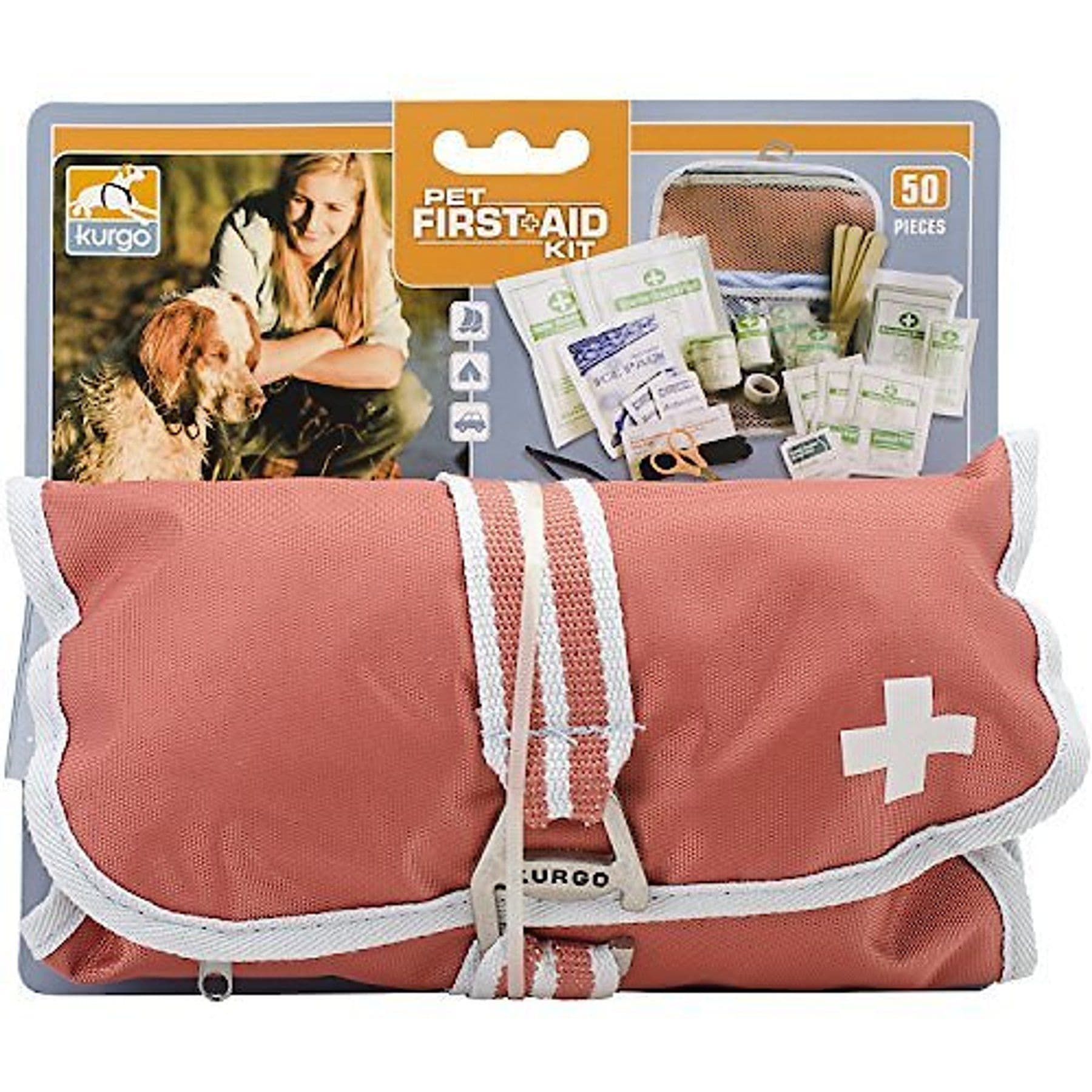
A ready pet first aid kit keeps a cold pack, gauze, and basics in one place for sting season.
Webvet may earn a commission when you click through to Chewy, at no extra cost to you.
Bee sting vs wasp sting in cats
Bees and wasps behave differently. According to VCA, honeybees are the only insects that leave a stinger behind. Merck notes that wasps, yellow jackets, and hornets have unbarbed stingers and can sting multiple times, while the honeybee dies after stinging. A cat stung on the chin by a wasp may have taken more than one hit.
Having supplies ready before summer makes the first few minutes calmer. A cold pack, a clean towel, a stiff card for scraping, and your vet's phone number cover most of what a simple sting needs at home.
Cat bee sting symptoms and what a normal reaction looks like
What happens if a cat gets stung by a bee? Usually the venom causes a quick, local reaction. A cat after being stung by a bee often shows signs within minutes, and most of them stay at the sting site.

A sturdy, ventilated carrier keeps a sore cat secure and calmer on the way to the vet.
Webvet may earn a commission when you click through to Chewy, at no extra cost to you.
Common local cat stung by bee symptoms include:
- Sudden yelp, jump, or limp right after contact with an insect
- Swelling and redness at the sting site
- Licking, chewing, or pawing at one spot
- Holding up a paw or shaking the head
- Mild soreness when you touch the area
Insect bites and stings are the most common cause of hives in animals, according to the Merck Veterinary Manual. Hives are raised bumps linked to histamine release, and they can appear away from the sting itself. Hives on a cat after getting stung by a bee are a sign the reaction is spreading beyond one spot.
Should I be concerned if my cat got stung by a bee?
Be watchful, not panicked. Pet Poison Helpline says a single sting or a few stings without a severe reaction generally need no treatment. Concern rises with stings to the face, mouth, or neck, with multiple stings, or with any hives, breathing change, weakness, or vomiting.
When a cat gets stung by a bee, VCA notes that allergic reactions usually start within 20 minutes but can be delayed for hours. That is why Pet Poison Helpline advises monitoring your cat closely for several hours after a sting, even if the first look seems reassuring.
A normal local reaction looks like this:
- The swelling stays at the sting site and does not spread
- Soreness slowly improves rather than worsening
- Your cat keeps eating and breathes quietly
- She acts like herself apart from guarding the sore spot
Reading up before a sting happens means you will recognize a normal local reaction quickly and spend less time second-guessing.
Cat stung on the paw, face, or mouth
According to VCA, a cat's nose, eyes, ears, and feet are easy targets because cats investigate insects with their paws and faces. Merck adds that in small animals, stings are most common on the face and in the mouth. Where the sting lands changes how closely you should watch.

Cat stung by bee on paw
A cat stung by bee on paw usually limps, licks the toe, or holds the foot up. You may see a swollen paw with one puffy toe or pad. Check between the toes for a stinger at the sting site. Cat stung by bee on paw treatment is the same first aid below: scrape, cool, and watch.
If your cat got stung by a bee on his paw and keeps chewing at it, that licking can irritate the skin further. Gently distracting him and keeping the area clean helps the swelling settle.
Cat stung by bee on face, nose, lip, or near eye
A cat bee sting face can look dramatic: a lopsided muzzle, a puffy lip, or a swollen nose. A cat stung by bee near eye may squint or paw at the eyelid. Facial stings deserve closer watching than a paw sting, because swelling sits closer to the airway.
Pet Poison Helpline warns that stings to the mouth, face, head, or neck can make breathing difficult or even impossible. Watch the breathing of any cat stung by bee on face, lip, or nose for several hours.
Cat stung by bee in mouth
A cat usually gets stung by a bee in the mouth after catching or biting an insect. VCA notes that cats stung in the mouth may find it hard to eat, and suggests offering moist food. Throat swelling can cause drooling because the cat cannot swallow saliva. Drooling, gagging, or noisy breathing after a mouth sting means call your vet right away.
SponsoredVet care that's always there
Unlimited video calls and messaging with licensed vets for less than a typical vet visit. One membership covers up to five pets.
Use code Pets60
Plans start at $12/month · covers up to 5 pets
- Licensed vets in most states
- Rx for 150+ conditions
- 4.7 on Trustpilot
First aid for a cat stung by a bee
Stay calm and move your cat away from the insects first, especially if there is a nest nearby. Then look closely at the sting site in good light.

How do I treat a bee sting on my cat?
Treat a simple sting with three steps: scrape the stinger out, cool the area, and monitor. VCA advises scraping a credit card across the coat to flick the stinger off, and warns against tweezers, which can squeeze more venom from the sac. Then hold a cold compress on the sting for about 10 minutes. A printed first aid guide kept with your cat supplies means the steps are at hand without searching a phone mid-sting.

A spiral-bound pet first aid guide gives clear step-by-step help when you need it fast.
Webvet may earn a commission when you click through to Chewy, at no extra cost to you.
What to do if a cat got stung?
What to do if cat gets stung by bee, step by step:
- Move your cat indoors, away from the bees or wasps.
- Look for a stinger at the sting site, which will be present only after a honeybee sting.
- Scrape the stinger out sideways with a card edge.
- Apply an ice pack or a cooled towel for about 10 minutes.
- Watch breathing, gums, and behavior closely for several hours.
- Call your vet for any facial swelling, hives, vomiting, or weakness.
According to VCA Animal Hospitals, a cooled towel works better than a small ice pack for larger areas. Wrap ice in cloth rather than pressing it straight onto skin, and stop if your cat struggles hard.
Cat stung by bee, can't find the stinger
If you can't find the stinger, that is common. Wasps, yellow jackets, and hornets do not leave one, and Merck notes they can sting more than once. A missing stinger does not change the plan: keep using the cold compress and keep watching for spreading signs.
Keeping a stocked kit such as the Kurgo Pet First Aid Kit for Dogs & Cats near the door means the cold pack and gauze are ready when cat bee sting treatment is needed. Merck confirms that removing the stinger when possible is the recommended first step for bee stings.
Cats tend to lick and paw at a sore spot, which can keep it irritated. If your cat will not leave the sting alone, a recovery collar stops pawing and licking while the swelling settles.

A lightweight recovery e-collar helps stop a cat licking or pawing at a sore sting while it settles.
Webvet may earn a commission when you click through to Chewy, at no extra cost to you.
Can you give a cat Benadryl for a bee sting?
This is where cat advice differs most from dog advice. Many owners reach for the medicine cabinet, but cats process several common human drugs very differently, and some are lethal to them.
Can I give my cat Benadryl for a bee sting?
Not on your own. VCA lists diphenhydramine (Benadryl, Vetadryl) as an antihistamine option but says to consult your vet first for dosing. The Merck Veterinary Manual goes further and advises avoiding diphenhydramine in cats because it may cause paradoxical excitation. Any antihistamine for a cat is a vet decision.
The dose figures in veterinary references are ranges for vets to apply, not owner doses, so there is no home dose here. VCA also lists excitement, especially in cats, as a side effect, and notes the drug takes about 1 to 2 hours to work. That is too slow to fix a breathing emergency.
Here is the what not to give list for cats after a sting. Do not give a cat any of these without a vet's say-so:
- Acetaminophen (Tylenol), which is lethal to cats
- Ibuprofen and other human NSAIDs
- Combination cold, allergy, or multi-symptom products, which Merck notes often mix antihistamines with acetaminophen or NSAIDs
- Diphenhydramine or any other antihistamine, unless your vet names the product and dose
- Any other over-the-counter medicine, as Pet Poison Helpline advises
If your vet does approve an antihistamine, read the label and use only the plain diphenhydramine product they name. When you are unsure, phoning the clinic is the safest next step, and the how much does a vet visit cost guide helps you plan a routine recheck.
If the vet wants to see your cat, travel calmly. A secure, well-ventilated carrier lined with a towel keeps a sore cat still and reduces stress on the drive.
When a cat bee sting is an emergency
Most stings are a watch at home situation, but a few signs mean go to the vet now. VCA warns that anaphylaxis can be fatal, so quick action is vital, and lists severe swelling around the head and neck that could compromise breathing as an emergency sign.
Go to the vet now if you see:
- Swelling of the face, throat, or neck
- Difficulty breathing, wheezing, or open-mouth breathing
- Hives spreading over the body
- Excessive drooling or trouble swallowing
- Weakness, collapse, or persistent vomiting
- Multiple stings, which Merck says can cause severe local and whole-body reactions
This sting triage table pairs each sign with what to do and how fast to act.
| Sign | What to do | Time window |
|---|---|---|
| Small swelling on a paw or body, cat acting normal | Watch at home: scrape stinger, cold compress | Monitor for several hours |
| Swollen lip, nose, or face, breathing normal | Call your vet promptly | Same hour |
| Throat or neck swelling, drooling, trouble swallowing | Go to the vet now | Immediately |
| Wheezing, labored or open-mouth breathing | Go to the vet now | Immediately |
| Hives, vomiting, weakness, or collapse | Go to the vet now | Immediately |
| Multiple stings | Go to the vet now | Immediately |
| New swelling or hives hours after the sting | Call your vet | As soon as noticed |
Breathing changes are the clearest warning. If you are unsure what labored breathing looks like, the guide to cat labored breathing shows the signs. Merck lists collapse, seizures, depression, and bloody vomiting or diarrhea among the systemic effects of multiple stings.

At the clinic, VCA says your vet may give corticosteroids or epinephrine, and Merck lists IV fluids as part of treatment for severe anaphylaxis. VCA notes a severe reaction may mean one to two days in hospital. The emergency vet cost guide explains what to expect on the bill.
What is a delayed toxic reaction to a bee sting?
A delayed reaction is one that appears after a calm first period. VCA notes that allergic reactions usually start within 20 minutes but can be delayed for hours, which is why Pet Poison Helpline advises watching for several hours. Veterinary sources do not describe a set timeline for later reactions in cats, so call your vet about any new swelling, hives, or vomiting.
How long a cat bee sting takes to heal
How long does it take for a cat to recover from a bee sting?
There is no published recovery window specific to cats. Merck says localized reactions in animals generally resolve quickly unless a severe reaction occurs. Expect soreness to fade steadily, and call your vet if swelling grows, spreads, or is still obvious the next day.
How long soreness lasts depends on where the sting landed and how much your cat bothers it. A paw sting that is licked constantly may stay tender longer than one left alone. Keep offering moist food after a mouth sting, as VCA suggests, until your cat eats comfortably.
Signs that healing is on track:
- Swelling shrinks rather than spreads
- Your cat puts weight on the paw again
- Appetite and grooming return to normal
- No new bumps, hives, or redness appear elsewhere
Cats with a history of allergies may need closer watching. The overview of allergies in cats explains other common allergy triggers. Dog owners can find the canine version in the guide to a dog stung by bee.
Cat bee sting questions
Frequently Asked Questions
What should a bee sting look like 3 days later?
Veterinary sources do not describe a set day-3 appearance in cats. The hope is a sting that has gone flat, with no heat or pain. A spot that is still swollen, oozing, or weeping after several days may be infected or irritated and is a reason to call your vet.
Can a cat die from a bee sting?
It can happen, but most stings cause only local swelling. Anaphylaxis is the uncommon severe reaction vets worry about, and Pet Poison Helpline notes that just one sting can trigger it in an allergic pet. No source gives a figure for how rare deaths are in cats, so treat breathing trouble as an emergency.
What if my cat ate a bee or wasp?
Pet Poison Helpline notes that even dead bees or wasps can sting when eaten. A cat stung inside the mouth or throat may struggle to eat, and swelling can cause drooling. Watch closely for several hours, and go to the vet now for drooling, gagging, or any breathing change.
Veterinarian · BVMS MRCVS
Dr. Pippa Elliott, BVMS, MRCVS, is a veterinarian with nearly 30 years of experience in companion animal practice. Dr. Elliott earned her Bachelor of Veterinary Medicine and Surgery from the University of Glasgow. She was also designated a Member of the Royal College of Veterinary Surgeons. Married with 2 grown-up kids, Dr. Elliott has a naughty Puggle named Poggle, 3 cats and a bearded dragon.
Related reading

Seizures in Cats: Signs, Causes, What to Do, and Treatment

Dog Eye Swollen: Causes, First Aid, and When It Is an Emergency

How to Make a Dog Throw Up Safely: Hydrogen Peroxide Dose by Weight and When Not To
