Dog Stung by Bee or Wasp: What to Do, Benadryl Dosing, and When It Is an Emergency
Most dogs stung by a bee need only a scraped-out stinger, a cold compress, and watching. Here is how to tell a normal reaction from an emergency, the Benadryl dose by weight, and what to do for paw, face, and mouth stings.

BVMS MRCVS
Medically reviewed by Dr. Pippa Elliott, BVMS MRCVS · Last reviewed

This article contains affiliate links. Webvet may earn a commission when you buy through them, at no extra cost to you.
If your dog stung by bee or wasp is yelping, pawing at the face, or limping, start here. In the first minutes, scrape the stinger out, hold a cold compress on the swelling, and watch your dog closely for at least 30 minutes, because most allergic reactions show up fast.
Most dog stung by bee cases stay mild: a sore, puffy spot that settles on its own. A small number turn into anaphylaxis, a whole-body allergic reaction that needs a vet within minutes. This guide sorts each situation into watch at home, call the vet, or go to the vet now.

 Sponsored
Have a health question about your dog?
Talk to a licensed vet at Dutch over video or message, including nights and weekends.
Use code Pets60
Plans start at $12/month · covers up to 5 pets
- Licensed vets in most states
- Rx for 150+ conditions
- 4.7 on Trustpilot
What happens when a dog is stung by a bee
Can dogs get stung by bees? Yes, and often. Dogs investigate with their noses, so a dog bit by a bee it was chasing, or a dog that stepped on a bee in the grass, is a classic summer story. When the dog bites, the bee stings back, usually on the face, mouth, or paws.
Venom is what hurts. The Merck Veterinary Manual explains that enzymes in bee and wasp venom drive allergic reactions and cause localized pain and swelling. A review of a fatal case in the Journal of Venomous Animals and Toxins (PMC) notes that melittin, about half of dried honeybee venom, triggers histamine release and local pain.
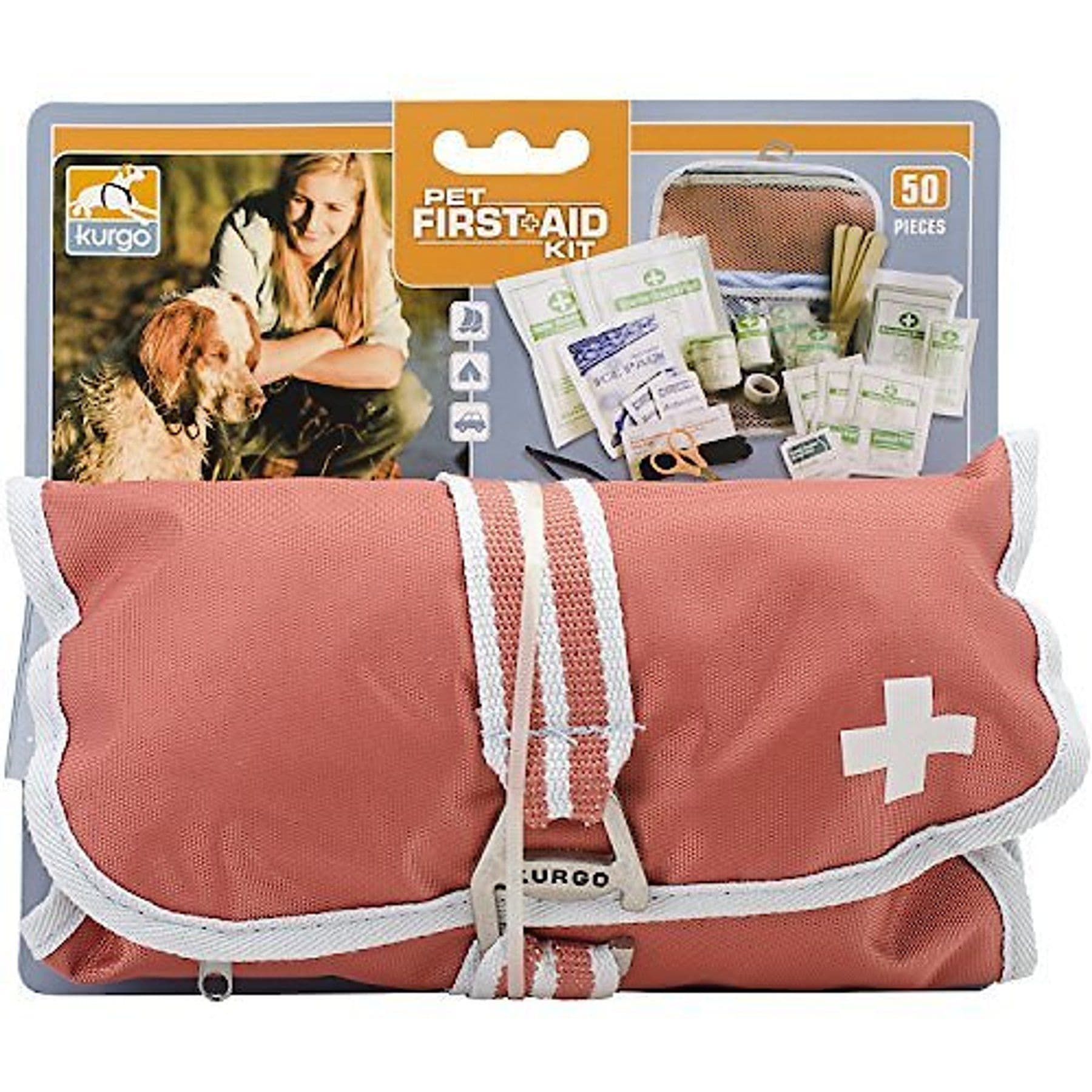
A compact pet first aid kit that keeps gauze and tools together for stings and scrapes.
Webvet may earn a commission when you click through to Chewy, at no extra cost to you.
- 1Scrape the stinger out with a card edge or fingernail; do not squeeze it with tweezers.
- 2Use a cold compress for swelling: about 10 minutes at a time, wrapped in a thin cloth.
- 3Watch your dog for at least 30 minutes; most allergic reactions start within 20 minutes.
- 4Go to the vet now for breathing trouble, a swelling throat, collapse, pale or bluish gums, or vomiting.
So what happens if a dog gets stung by a bee? For most dogs, one sting means a few hours of a sore, swollen spot. The risks rise with an allergic dog, a sting in the mouth or throat, or many stings at once. A small or little dog stung by many bees is at more risk than a large dog, because Pet Poison Helpline measures toxic stings per kilogram of body weight.
How to know if your dog got stung by a bee when you did not see it happen:
- Sudden yelping, then pawing at the face or licking one paw
- Limping that started outdoors near flowers, clover, or a nest
- A fresh, warm, puffy spot on the muzzle, lip, ear, or paw
- A tiny dark stinger visible in the skin (honeybees only)
Many owners keep a printed reference with the leash and treats so they are not searching a phone while the dog is upset.
Dog bee sting symptoms: what a normal reaction looks like
The usual symptoms of a dog stung by a bee are local. Pet Poison Helpline describes mild reactions as localized pain, swelling, redness, and itching, and says a single sting or a few stings without severe signs often need no treatment.
Signs your dog got stung by a bee and is having a normal local reaction:
- Swelling at the sting site, sometimes making one side of the lip or one toe look puffy
- Redness and warmth over the spot
- Licking, chewing, or rubbing the area
- Yelping at the moment of the sting, then mild limping or head shaking
- Some itching as the swelling peaks
Dog stung by bee swelling that stays at the sting site and does not spread is the pattern you want to see. Swelling that spreads across the whole face, hives on the body, vomiting, or weakness are not normal local signs; they point to an allergic reaction.
How long after a bee sting will a dog react?
Pain and local swelling start right away. Allergic reactions usually begin within 20 minutes, according to VCA Animal Hospitals, but they can be delayed for hours. Today's Veterinary Practice says canine anaphylaxis usually occurs within the first 30 minutes and worsens progressively, so keep watching for the rest of the day.
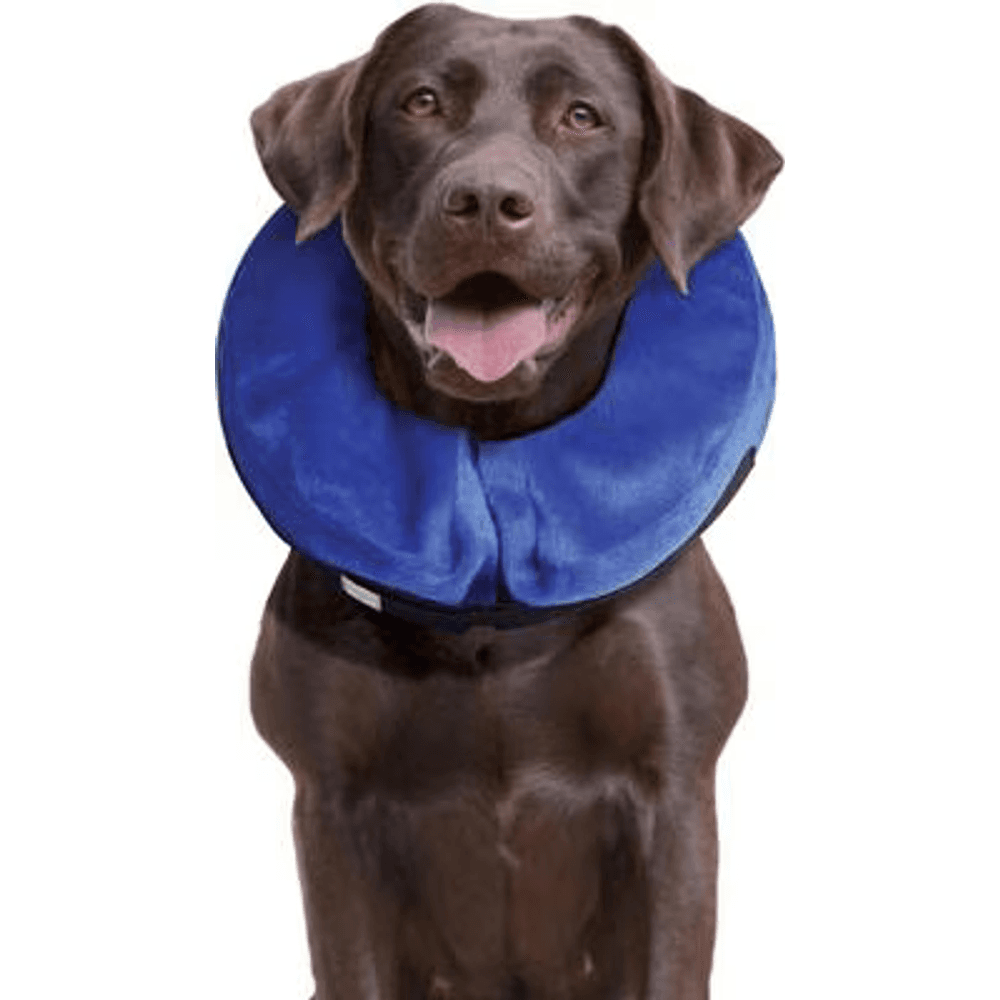
A soft inflatable collar that keeps your dog from licking a sore paw while still letting it eat, drink, and sleep.
Webvet may earn a commission when you click through to Chewy, at no extra cost to you.
Dog stung by a bee on the paw, face, or in the mouth
The Merck Veterinary Manual says that in small animals, stings are most common on the face and in the mouth. Paws are another common spot, because dogs step on bees in grass and clover. Where the sting lands changes how worried you should be.

Dog stung by a bee on the paw or leg
A dog stung by a bee on the paw, foot, paw pad, or leg usually limps, licks the spot, and has a swollen paw for a while. Spread the toes and check the sting site for a stinger. If you can't find a stinger, it may have been a wasp, or your dog licked it away. For swelling that lingers, see our guide to a swollen dog paw.
Once a paw or leg sting is cleaned and cooled, the main job is stopping your dog from licking or chewing it for the next day. A soft inflatable collar helps without blocking vision the way a hard cone does.
Home remedy for a bee sting on a dog paw, once the stinger is out:
- A cool compress for about 10 minutes
- A thick baking soda and water paste on the spot, as VCA suggests
- Keeping the paw clean and rechecking the toes later that day
Dog stung by a bee on the face, nose, eye, or lip
A dog stung by a bee on the face often gets a lopsided, swollen face or a puffy lip. Pet Poison Helpline warns that face stings can cause enough swelling to impede breathing, eating, drinking, or swallowing. A sting on the eye, near the eye, or on the eyelid deserves a same-day vet call.
Dog stung by a bee in the mouth or on the tongue
A dog stung by a bee in the mouth or on the tongue may drool, paw at the mouth, and refuse food. Texas A&M notes that a sting inside the mouth could cause throat swelling, though it calls this unlikely. VCA advises feeding moist food to a dog stung in the mouth, because eating can be difficult.
Dog stung by bee in mouth treatment at home is limited:
- Watch the breathing closely
- Offer water and soft, moist food
- Skip home remedies inside the mouth
- Treat swelling that spreads toward the throat as an emergency
 Sponsored
Vet care that's always there
Unlimited video calls and messaging with licensed vets for less than a typical vet visit. One membership covers up to five pets.
Use code Pets60
Plans start at $12/month · covers up to 5 pets
- Licensed vets in most states
- Rx for 150+ conditions
- 4.7 on Trustpilot
What to do right away: first aid for a dog bee sting
What to do if your dog gets stung by a bee comes down to five steps. VCA, Pet Poison Helpline, Merck, and Texas A&M agree on the core of how to treat a bee sting on a dog:
- Move away from the insects. Get your dog indoors or away from the nest so there are no more stings.
- Scrape the stinger out. Merck recommends removing the stinger. VCA says to scrape a credit card over the coat to flick it off; Texas A&M says a fingernail works. VCA advises against tweezers, which may squeeze more venom from the sac.
- Apply a cold compress. VCA advises an ice pack for 10 minutes. Pet Poison Helpline says ice can be used every 4 to 6 hours for about 10 minutes, with a thin cloth between ice and skin.
- Watch for 30 minutes or more. Check breathing, gum color, and whether swelling spreads.
- Call your vet before giving any medicine. Both VCA and Pet Poison Helpline say to get veterinary input before giving over-the-counter drugs.

Scraping is the method VCA, Pet Poison Helpline, and Texas A&M all recommend, so that is the one to use.
If your dog was stung by a bee and you can't find the stinger, do not dig for it. Wasps and hornets do not leave stingers, and a honeybee stinger may already have fallen out. Go straight to the cold compress and the watch period.
Home remedies for a dog stung by a bee that the sources support are simple:
- A cool compress or wrapped ice pack (Merck, VCA, Pet Poison Helpline)
- A thick baking soda and water paste on the sting site (VCA)
- A soothing oatmeal bath when there are multiple stings (VCA)
- Moist food for a dog stung in the mouth (VCA)
Having supplies ready makes this treatment faster. A stocked kit such as the Kurgo Pet First Aid Kit for Dogs & Cats keeps gauze and tools in one place, so you are not hunting through drawers while helping your dog.
Keep the kit by the back door or in the car during bee season, and add an old gift card for scraping stingers plus your vet's phone number.
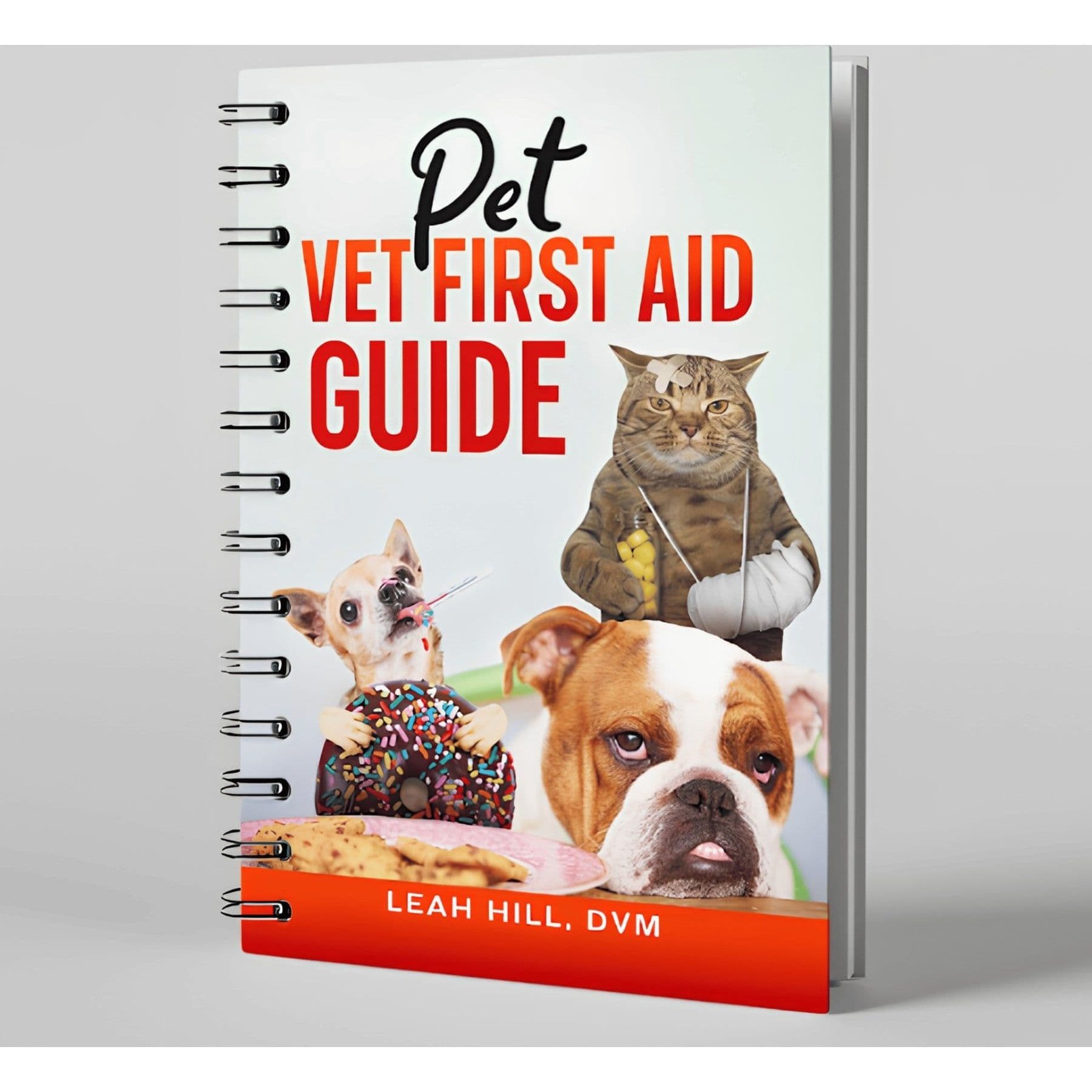
A spiral-bound pet first aid guide that lies flat, so you can follow the steps with both hands free.
Webvet may earn a commission when you click through to Chewy, at no extra cost to you.
Benadryl for a dog bee sting: dose by weight and when not to use it
Benadryl is a brand name for diphenhydramine, a first-generation antihistamine. Merck lists antihistamines among the treatments for stings, and VCA's first aid page mentions an oral antihistamine such as diphenhydramine. VCA is clear on one point: consult your veterinarian first for proper dosing.
Should I give my dog Benadryl after a bee sting?
For a mild local reaction, Benadryl is often an option, but only after a quick call to your vet, who knows your dog's weight, heart health, and other medicines. Benadryl is never a substitute for emergency care. Today's Veterinary Practice states that antihistamines should never be substituted for epinephrine during anaphylaxis.
What dose do vets use? The sources give a range rather than a single number:
- Merck Veterinary Manual (cold and allergy medication toxicity): 2 to 4 mg/kg by mouth every 8 hours for dogs, roughly 0.9 to 1.8 mg per pound.
- Merck Veterinary Manual (antihistamine table): 2 to 4 mg/kg every 8 to 12 hours as needed.
- VCA Animal Hospitals: no number given; the dose is set by your veterinarian.
The commonly quoted Benadryl dose of 1 mg per pound sits inside Merck's 2 to 4 mg/kg range, but no primary veterinary source we used states it as a sting dose. Confirm the dose for your dog with your vet. For more, read our guide to Benadryl for dogs.

Daily peanut butter soft chews some owners use for seasonal skin support, alongside a plan from their vet.
Webvet may earn a commission when you click through to Chewy, at no extra cost to you.
When not to use Benadryl without your vet's go-ahead:
- Dogs with heart disease or glaucoma (VCA and Merck list these as cautions or contraindications)
- Dogs with high blood pressure, prostate enlargement, or chronic lung disease, older dogs, and pregnant or nursing dogs (VCA)
- Combination, decongestant, or sweetened liquid products (Merck, ASPCA)
- Any dose above what your vet sets; Merck warns overdoses may cause nervous-system overexcitement and may be fatal
VCA lists lethargy, dry mouth, vomiting, and diarrhea as possible side effects. The ASPCA warns that xylitol, a sweetener in some human products, can cause low blood sugar and liver damage in dogs, so read the inactive ingredients on any liquid.
What can I give my dog if stung by a bee?
What to give a dog stung by a bee, in order: a cold compress first, then a baking soda paste on the skin if you like, then plain diphenhydramine only if your vet agrees. Pet Poison Helpline advises against any over-the-counter medicine without veterinary input. Your vet may suggest another antihistamine; see our Zyrtec for dogs guide.
For dogs with ongoing itchy skin rather than a one-off sting, some owners add a daily supplement as part of a plan they discuss with their vet. The Zesty Paws Allergy & Immune Bites are one popular option; they are not a treatment for a sting.
When a dog bee sting is an emergency
A dog stung by bee allergic reaction is the true emergency. Merck notes anaphylaxis can occur within minutes after the sting, and Pet Poison Helpline says that in a dog allergic to venom, just one sting can cause it. VCA adds that a dog stung before can later develop a sting allergy, so a calm first sting does not guarantee a calm second one.

Anaphylaxis signs within minutes to watch for, from VCA Animal Hospitals and Merck:
- Hives (raised red welts) on the body, or a swollen face or muzzle
- Trouble breathing or bluish gums
- Sudden vomiting, diarrhea, or heavy drooling
- Weakness, collapse, shock, or seizures
If you are not sure whether bumps are hives, compare with our hives on dogs pictures. In dogs, Merck says the gut is the main target of anaphylaxis, so a dog stung by a bee and throwing up deserves a call even before the face swells. The sting triage table by location and reaction timing below tells you which column your dog is in.
| Sign | What to do | Time window |
|---|---|---|
| One sting, small swelling at the sting site, dog acting normal | Watch at home: scrape the stinger, cold compress | Watch closely for 30 minutes, check again through the day |
| Sting on the eye, eyelid, or near the eye | Call the vet | Same day |
| Local swelling worse after 24 hours, or still there after a week | Call the vet | After 24 hours or one week |
| Sting in the mouth with drooling but normal breathing | Call the vet and watch the throat | Right away, keep watching for hours |
| Facial swelling spreading toward the throat, trouble swallowing saliva | Go to the vet now | Immediately |
| Hives, vomiting, diarrhea, weakness, bluish gums | Go to the vet now | Immediately, often within 20 to 30 minutes of the sting |
| Many stings, especially in a small dog | Go to the vet now | Immediately |
Do I need to go to the vet if my dog got stung by a bee?
Not always. A single sting with mild local swelling in a dog that is otherwise acting normally can be watched at home. Texas A&M advises seeing a veterinarian if swelling seems unusually painful or breathing becomes difficult. Any sign of anaphylaxis, a mouth or throat sting with spreading swelling, or multiple stings means go to the vet now.
Can a dog die from getting stung by a bee? Rarely, which is why the emergency signs matter. At the clinic, Merck and VCA describe treatment that can include epinephrine, corticosteroids, antihistamines, and IV fluids; Today's Veterinary Practice adds oxygen. If cost is on your mind, our emergency vet cost guide explains what to expect.
How long bee sting swelling and pain last in dogs
Dog bee sting recovery time depends on the reaction. Merck describes localized reactions as resolving quickly, and VCA calls the outlook for insect bite reactions excellent except in rare cases of anaphylactic shock. Pet Poison Helpline gives two check-in points for how long swelling should last.
When swelling should resolve, by those check-in points:
- Swelling should not be getting worse after the first 24 hours
- Minor local signs should not still be present after a week
- If either happens, call your vet
Can you leave a dog bee sting untreated?
Often, yes. Pet Poison Helpline says a single or few stings without severe signs often need no treatment. Still, scrape the stinger out so it stops releasing venom, cool the spot, and watch your dog for allergic signs for at least 30 minutes. Untreated is fine; unwatched is not.
How long does a bee sting hurt for dogs?
None of the veterinary sources we used gives a set number of hours for sting pain. Pain is sharpest at the moment of the sting and eases as the swelling settles. A cold compress for about 10 minutes, repeated every 4 to 6 hours, helps. If your dog still limps or guards the spot after 24 hours, call your vet.
Bee, wasp, and hornet stings, and dogs that eat bees
A dog stung by a bee or wasp gets similar first aid, but the insects behave differently. Merck explains that honeybee stingers are barbed, so the bee dies after stinging, while wasps, yellow jackets, and hornets can sting multiple times. VCA notes bees are the only insects that leave their stingers behind.
What sting is worse, bee or wasp?
Neither is clearly worse for a single sting; both venoms cause pain and swelling, and either can trigger anaphylaxis in an allergic dog. The practical difference is numbers. Pet Poison Helpline notes wasps can sting several times in one episode, so a dog that disturbs a wasp nest can take many stings fast.
For a dog stung by a bumble bee, use the same steps: check for a stinger, cool the spot, and watch. If your cat has been stung too, see our guide to a cat stung by bee.
Some dogs snap at and eat bees. If your dog ate a bee or swallowed one, the main risk is a sting in the mouth or throat; Pet Poison Helpline notes that swallowing recently killed wasps can cause these stings. A dog after eating a bee needs the same watch as a mouth sting. If your dog eats bees often, keep it away from flowering beds in summer.
Dog bee sting questions
Frequently Asked Questions
How long until bee sting swelling goes down in a dog?
Pet Poison Helpline's threshold is 24 hours: mild swelling that is not improving by then, or any swelling still present at one week, is a reason to call. In practice many owners find a cold compress settles mild swelling within 24 to 48 hours, but that is an observation, not a rule. Use a cold compress for about 10 minutes every 4 to 6 hours. Call your vet if swelling worsens after 24 hours or is still there after a week, per Pet Poison Helpline.
What neutralizes bee venom?
None of our primary veterinary sources says a home remedy neutralizes venom already in the tissue. What helps is to scrape the stinger out quickly so it stops releasing venom, then apply a cold compress. VCA also suggests a thick baking soda paste, made with water, on the sting site.
Can a dog die from a bee sting?
It is rare, but yes. Merck describes anaphylaxis from an insect sting as rare and life threatening. Death can also follow a massive attack: Pet Poison Helpline reports about 20 stings per kilogram as lethal for mammals, and a published case describes a German shepherd that died after about 150 stingers were removed.
What if my dog ate a bee?
Your dog may have been stung inside the mouth or throat. Watch for drooling, pawing at the mouth, or trouble swallowing. VCA warns that a dog with throat swelling has difficulty swallowing its own saliva. Heavy drooling with labored breathing or spreading swelling means go to the vet now.
Veterinarian · BVMS MRCVS
Dr. Pippa Elliott, BVMS, MRCVS, is a veterinarian with nearly 30 years of experience in companion animal practice. Dr. Elliott earned her Bachelor of Veterinary Medicine and Surgery from the University of Glasgow. She was also designated a Member of the Royal College of Veterinary Surgeons. Married with 2 grown-up kids, Dr. Elliott has a naughty Puggle named Poggle, 3 cats and a bearded dragon.
Related reading

Seizures in Cats: Signs, Causes, What to Do, and Treatment

Dog Eye Swollen: Causes, First Aid, and When It Is an Emergency

How to Make a Dog Throw Up Safely: Hydrogen Peroxide Dose by Weight and When Not To
