Swollen Dog Paw: Causes, First Steps and Vet Care
A swollen dog paw can involve a toe, nail or pad. Learn the clues to record, safe first steps, urgent signs and what a veterinarian may investigate.

BVMS MRCVS
Medically reviewed by Dr. Pippa Elliott, BVMS MRCVS · Last reviewed

This article contains affiliate links. Webvet may earn a commission when you buy through them, at no extra cost to you.
A swollen dog paw can follow a sting, a pad or nail injury, an embedded object, infection or inflammation from ongoing licking. The location of swelling, how quickly it appeared and whether your dog can bear weight help the veterinarian decide what to investigate. They do not reliably identify the cause on their own.
Stop the walk or play session and contact your veterinarian for advice. Seek urgent care for inability to bear weight, severe pain, an obviously deformed foot, rapidly increasing swelling or a dog that seems unwell. Facial swelling, breathing difficulty or collapse after a possible sting is an emergency; do not wait to see whether the paw improves.
 Sponsored
Want a vet's take on your dog's skin or coat?
Talk to a licensed vet at Dutch over video, often the same day. They can recommend treatment and prescribe it when it's appropriate.
Use code Pets30
Plans start at $11/month · covers up to 5 pets
- Licensed vets in most states
- Rx for 150+ conditions
- 4.7 on Trustpilot
Assessing a swollen dog paw
If your dog allows it without distress, look at the foot in good light. Compare it with the opposite paw and check the top, pads, spaces between toes and nails. A photograph can document the location of swelling. Do not force the toes apart or repeatedly press the sore spot; pain can make even a gentle dog defensive.
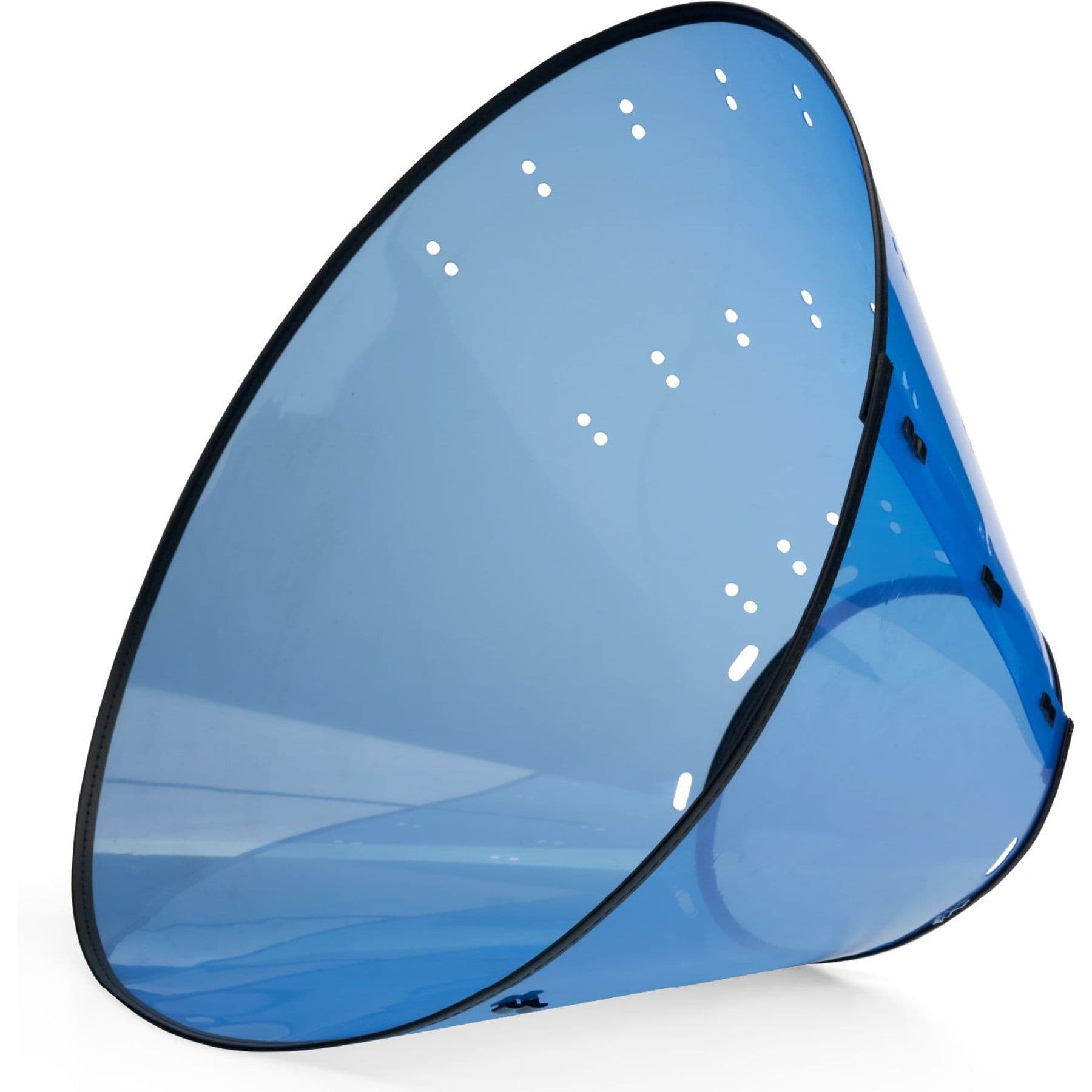
A rigid recovery collar can help prevent paw licking. Check fit and confirm that your dog cannot reach the affected foot.
Webvet may earn a commission when you click through to Chewy, at no extra cost to you.
Prevent licking or chewing while you arrange advice. A correctly fitted recovery cone can help keep your dog's mouth away from the paw, reducing additional self-trauma. Make sure the collar actually prevents access and allows comfortable drinking and resting. It does not relieve the underlying pain or replace an examination.

Early-stage paw infection pictures cannot distinguish yeast from bacteria, injury or allergy. Red, itchy skin between the toes needs its own assessment; home remedies should not substitute for diagnosis. Notice whether the foot is swollen but not apparently painful, or swollen with limping and licking. Both patterns are worth reporting. Normal walking does not prove the foot is uninjured, and a limp does not establish a sprain. A nail problem, foreign body or fracture can produce similar outward behavior.
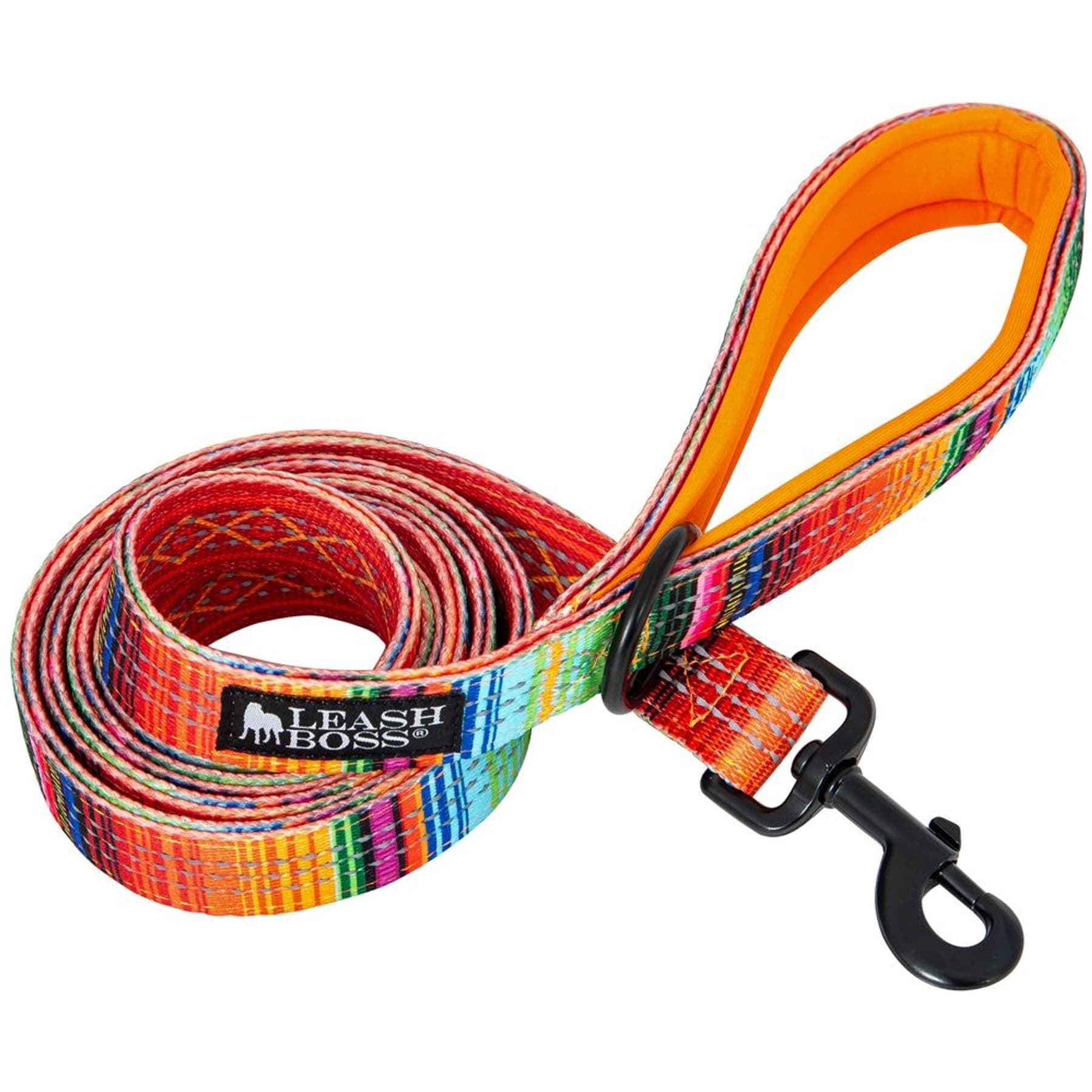
A standard six-foot leash for short, controlled toilet trips while limiting running and digging.
Webvet may earn a commission when you click through to Chewy, at no extra cost to you.
| Location or pattern | What to report | Important distinction |
|---|---|---|
| One toe or nail fold | Broken nail, redness, discharge or a localized bump | Nail disease differs from a sprained joint |
| Between the toes | A nodule, puncture or persistent licking | An embedded object may not be visible |
| Pad surface | Blistering, peeling or recent hot/rough ground | Pad damage may involve more than one foot |
| Whole foot or swelling up the leg | Speed of onset, trauma and ability to bear weight | The source may be higher in the limb |
One swollen toe, pad or entire foot
A swollen toe beside a damaged nail needs a different assessment from a sore pad. Note whether the nail looks split or loose, but do not pull it to test the attachment. Our dog nail infection guide explains why redness around a nail needs diagnosis rather than a guess about fungus or bacteria.
A bump in the webbing may be an interdigital lesion. Recurrent interdigital cysts in dogs can be associated with several underlying triggers. A single sudden swelling after a walk through grass also raises the possibility of a foreign body. Neither pattern is conclusive without examination.
Keep your dog from running and jumping while waiting for advice. A leash helps limit an outdoor toilet trip to a short, controlled outing. Choose a familiar, smooth surface and do not use the walk as a test of whether your dog can “work the stiffness out.” If walking is painful, ask the clinic how best to move or transport your dog.
Whole-foot swelling and tight bandages
A tight bandage or constricting thread can impair circulation and make a dog’s paw swell. Contact the clinic promptly about a swollen bandaged foot; do not cover the problem with another tight layer. When the whole foot is puffy, look for an obvious tight band, thread or problem with an existing bandage without digging into the skin. Swelling around a bandaged limb needs prompt veterinary advice. If the leg is swollen as well, report that clearly; the cause may not be confined to the paw.
 Sponsored
Vet care that's always there
Unlimited video calls and messaging with licensed vets for less than a typical vet visit. One membership covers up to five pets.
Use code Pets30
Plans start at $11/month · covers up to 5 pets
- Licensed vets in most states
- Rx for 150+ conditions
- 4.7 on Trustpilot
Common causes of paw swelling
Sharp material, grass awns, stings and punctures can trigger sudden local inflammation. An object can be small or hidden despite significant discomfort. Do not probe a puncture or attempt to remove something deeply embedded. A veterinarian may need to examine the area with appropriate pain control and investigate beyond the visible surface.
Trauma can injure a toe, nail, pad or structures higher in the leg. A foot caught in a door, a fall or a hard landing warrants a clear account of what happened. A dog may still walk on some injuries, so weight-bearing is useful information rather than an all-clear. Only an examination, and sometimes imaging, can distinguish a sprain from other damage.

Skin inflammation and secondary infection can make paws red, itchy and swollen. Repeated licking can worsen the problem. Tell the clinic about ear trouble, itch elsewhere or several affected feet. The broader paw-licking guide explains why allergy is one possible cause rather than the explanation for every swollen foot.
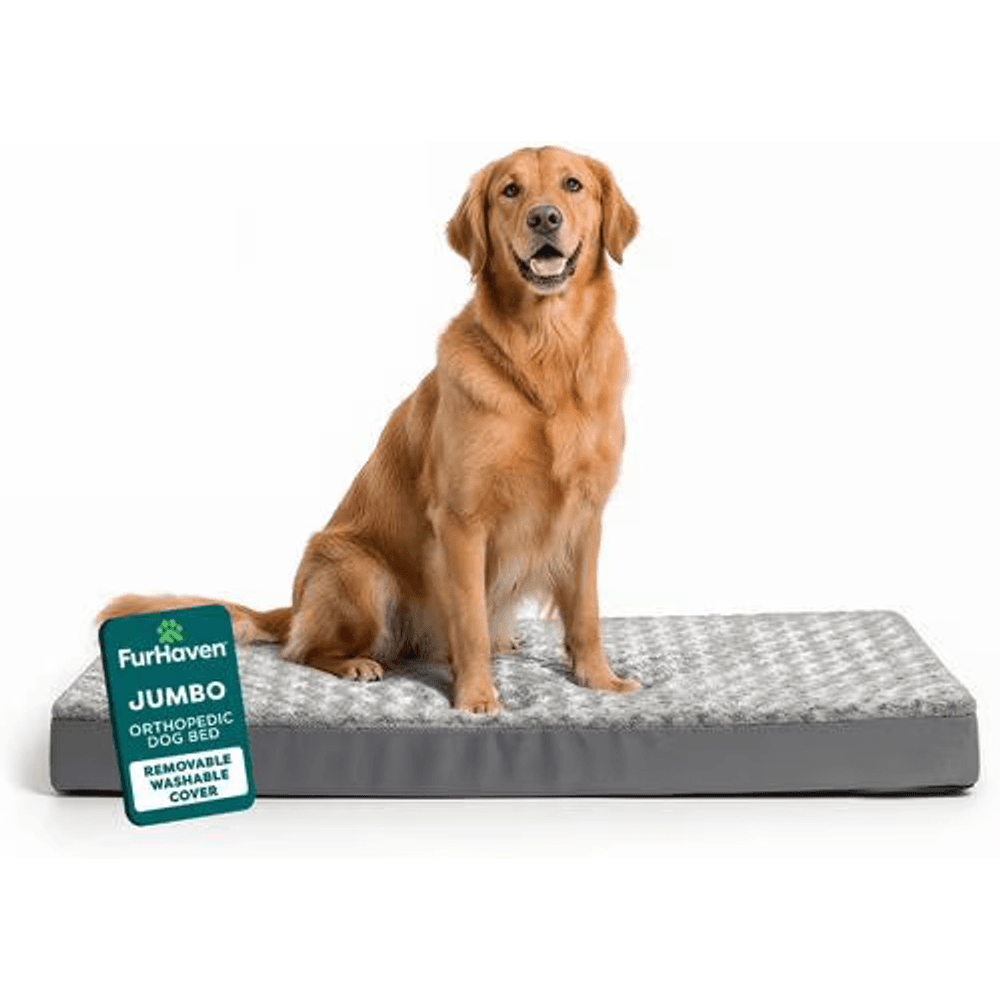
A supportive bed with a removable cover for comfortable rest away from hard or abrasive surfaces.
Webvet may earn a commission when you click through to Chewy, at no extra cost to you.
Pad damage and comfortable rest
Hot pavement and rough surfaces can damage pads. If the skin is peeling or a flap is visible, follow the separate advice for a peeling dog paw pad while seeking veterinary guidance. Do not trim a flap or assume that a boot makes continued exercise safe.
For rest at home, a washable supportive bed provides a comfortable surface and helps keep the foot away from rough flooring. Position food and water so your dog does not need to make unnecessary trips. Bedding is a practical comfort measure; it does not treat a fracture, infection or embedded awn.
What to do before the appointment
Details to record for the paw examination
To help paw swelling go down safely, limit activity and prevent licking while the vet identifies and treats its cause. Before the appointment, call your vet with the onset, exact location, any known incident and whether your dog can bear weight. Mention bleeding, discharge, rapid worsening or illness elsewhere. If the paw is dirty, ask whether gentle rinsing is appropriate. Avoid scrubbing, hot soaks or household antiseptics on an unexplained lesion.
- Location and onset: which foot, toe, pad or nail changed; when you noticed it; whether one foot or several are affected.
- Comfort and progression: limping or normal weight-bearing, licking, swelling, discharge, bleeding and any change in appetite or energy.
- Possible triggers and treatment: recent surfaces or injuries, previous episodes, every product applied and any medication already given.
What can you give a dog for a swollen paw?
A veterinarian may prescribe a dog-appropriate anti-inflammatory or other pain relief after assessing the injury and your dog’s health. Medication does not remove an embedded object or stabilize a fracture. Do not give ibuprofen, naproxen or another human anti-inflammatory. Do not restart leftover pet medication without advice, either. The right pain relief depends on your dog's health and the cause of swelling. Tell the veterinarian about any medicines already given, including the product, amount and time.
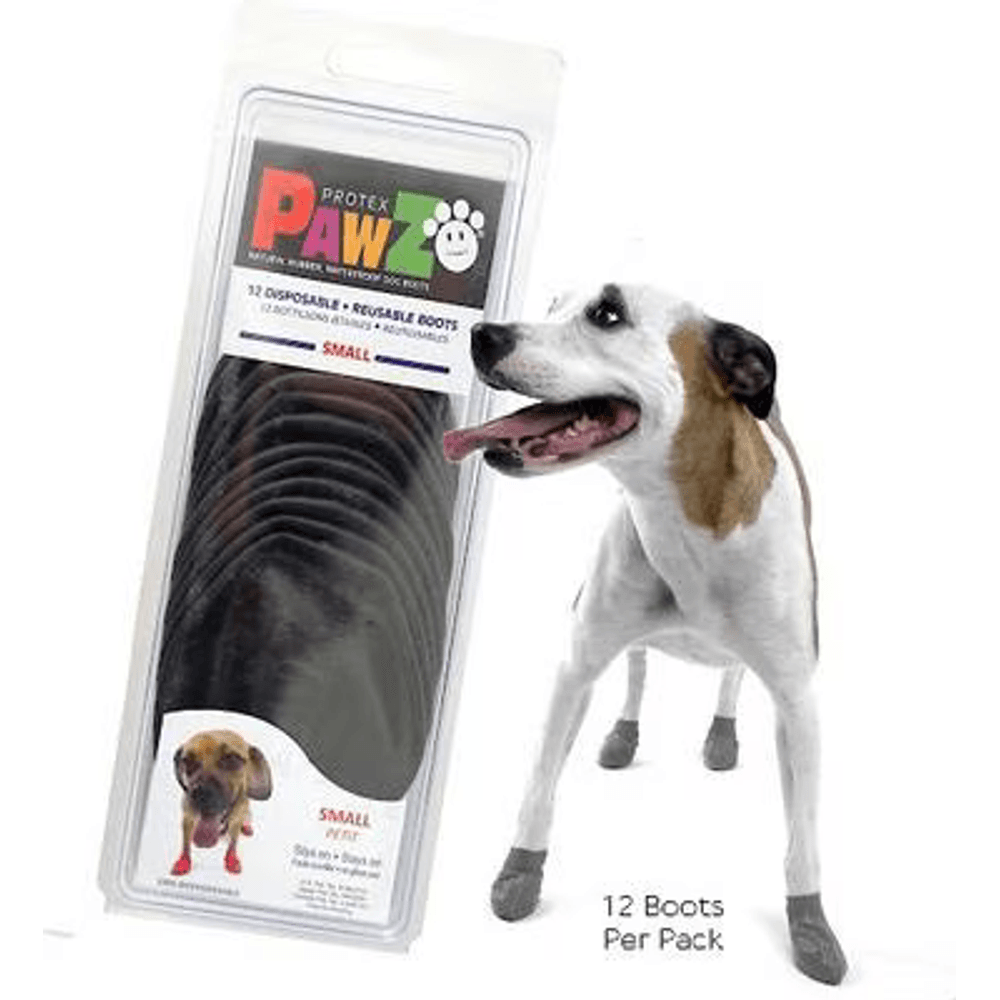
Temporary paw protection for a veterinarian-approved outdoor trip. Choose the correct size, remove afterward and check for moisture or rubbing.
Webvet may earn a commission when you click through to Chewy, at no extra cost to you.
Benadryl is not a general treatment for a swollen paw. It will not remove an embedded object or repair an injury, and products sold under familiar allergy brands can have different ingredients. If a sting is suspected, ask the veterinarian whether any antihistamine is appropriate. Breathing difficulty, collapse or rapidly spreading swelling requires emergency care rather than waiting for an oral medicine to work.
A correctly sized protective boot may be useful for a brief outdoor trip if the veterinarian recommends one for the identified injury. Check that it does not press on the swollen area, remove it afterward and inspect for dampness or rubbing. Never force a swollen foot into a tight boot or wrap it tightly to reduce its size.
Limit activity, prevent licking and get advice based on the location and severity. A home remedy that temporarily changes swelling can still leave the cause untreated.
Veterinary tests, treatment and follow-up
The veterinarian may examine the skin and nails, assess the joints and gait, and check for a foreign body. Depending on the findings, tests might include skin samples, a culture or radiographs. Persistent or unusual lesions can require further investigation. Treatment may involve wound care, pain control, removal of foreign material or condition-specific medication.
An infected swollen paw should not be left to heal on its own without veterinary advice. The swelling may go down only after the infection or other cause is treated. For a diagnosed sprain, treatment commonly centers on prescribed rest, controlled activity and appropriate pain relief, with a recheck if recovery does not follow the expected course. A splint or bandage is not something to add at home: whether support is needed depends on the injury. There is no single number of days for swelling to go down or for a dog to stop limping on a sprained paw. A vet first needs to confirm a sprain; a limp can also reflect a nail injury, foreign body or fracture. Minor irritation, a deep infection and a fracture have different courses. Ask what improvement to expect, how much activity is permitted and when to return. A dog that keeps limping should not simply be given more time without an agreed follow-up plan.

Contact the clinic sooner if swelling increases, your dog stops bearing weight, a bandage slips or becomes wet, or new bleeding or discharge appears. Keep a short record of walking comfort and treatment, with photographs taken from the same angle. That makes it easier to judge improvement without repeatedly squeezing or manipulating the foot.
Sources
Sources: VCA: pododermatitis in dogs and VCA: why a puppy may limp.
Frequently asked questions
Will Benadryl help my dog's swollen paw?
Benadryl is not a general treatment for paw swelling. It will not remove an embedded object or repair an injury, and allergy products sold under familiar brands can contain different ingredients. If a sting is suspected, ask your veterinarian whether an antihistamine is appropriate. Breathing difficulty, collapse or fast-spreading swelling is an emergency, so go straight to emergency care.
Can a swollen, infected dog paw heal on its own?
It should not be left to heal without veterinary advice. Swelling may only settle after the infection or other cause is treated, and an embedded object or injury will not resolve itself. Call the clinic if swelling increases, your dog stops bearing weight, or new bleeding or discharge appears. Meanwhile limit activity and prevent licking.
Why is my dog's paw swollen and limping?
Several problems can do this, including a sting, a nail or pad injury, a grass awn or other embedded object, an infection, or a sprain. A limp does not establish a sprain, and normal walking does not prove the foot is uninjured. Where the swelling sits and how fast it appeared help your veterinarian decide what to check. Call the clinic with those details.
Veterinarian · BVMS MRCVS
Dr. Pippa Elliott, BVMS, MRCVS, is a veterinarian with nearly 30 years of experience in companion animal practice. Dr. Elliott earned her Bachelor of Veterinary Medicine and Surgery from the University of Glasgow. She was also designated a Member of the Royal College of Veterinary Surgeons. Married with 2 grown-up kids, Dr. Elliott has a naughty Puggle named Poggle, 3 cats and a bearded dragon.


