Dog Paw Pad Peeling: Causes, Care and Healing
Dog paw pad peeling can follow friction, burns or skin disease. Learn what to do with a loose flap, when to see a vet and how to protect healing pads.

BVMS MRCVS
Medically reviewed by Dr. Pippa Elliott, BVMS MRCVS · Last reviewed

This article contains affiliate links. Webvet may earn a commission when you buy through them, at no extra cost to you.
Dog paw pad peeling may be a surface abrasion, a burn or another skin problem. A loose flap after a long run is different from several pads becoming crusted and cracked over time. How much tissue is involved, whether the foot hurts and what happened before the change all matter more than the word “peeling.”
Stop strenuous activity and contact your veterinarian for guidance. Do not pull off a flap, trim it with scissors or scrub the exposed surface. Seek prompt care for a deep wound, ongoing bleeding, marked pain, inability to bear weight, suspected chemical exposure or several badly affected pads. A small-looking injury can still make every step painful.
 Sponsored
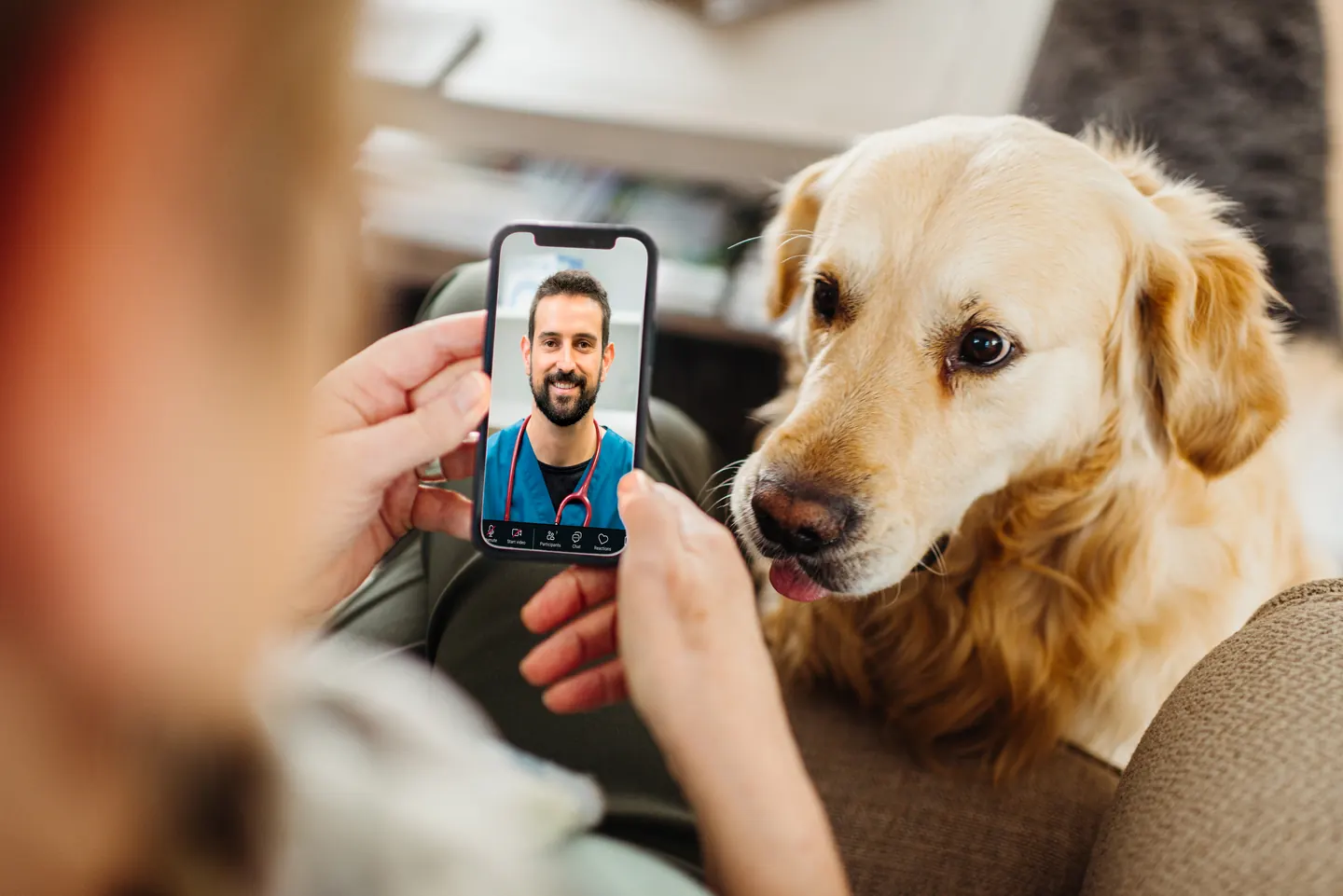
Want a vet's take on your dog's skin or coat?
Talk to a licensed vet at Dutch over video, often the same day. They can recommend treatment and prescribe it when it's appropriate.
Use code Pets30
Plans start at $11/month · covers up to 5 pets
- Licensed vets in most states
- Rx for 150+ conditions
- 4.7 on Trustpilot
Understanding dog paw pad peeling
The pad has a tough outer surface over living tissue. Normal wear does not mean that a dog should routinely shed large sheets of pad. Peeling may look like a thin lifted edge, a dangling flap or a broader area where the normal dark surface has come away. The tissue underneath may be tender even when bleeding is minimal.
Look only as closely as your dog comfortably allows. Compare all four feet, including the smaller toe pads and the larger central pads. A sore dog may resist or bite during handling, so stop rather than asking someone to force the leg still. Your veterinarian can provide appropriate pain control and examine the injury more safely.
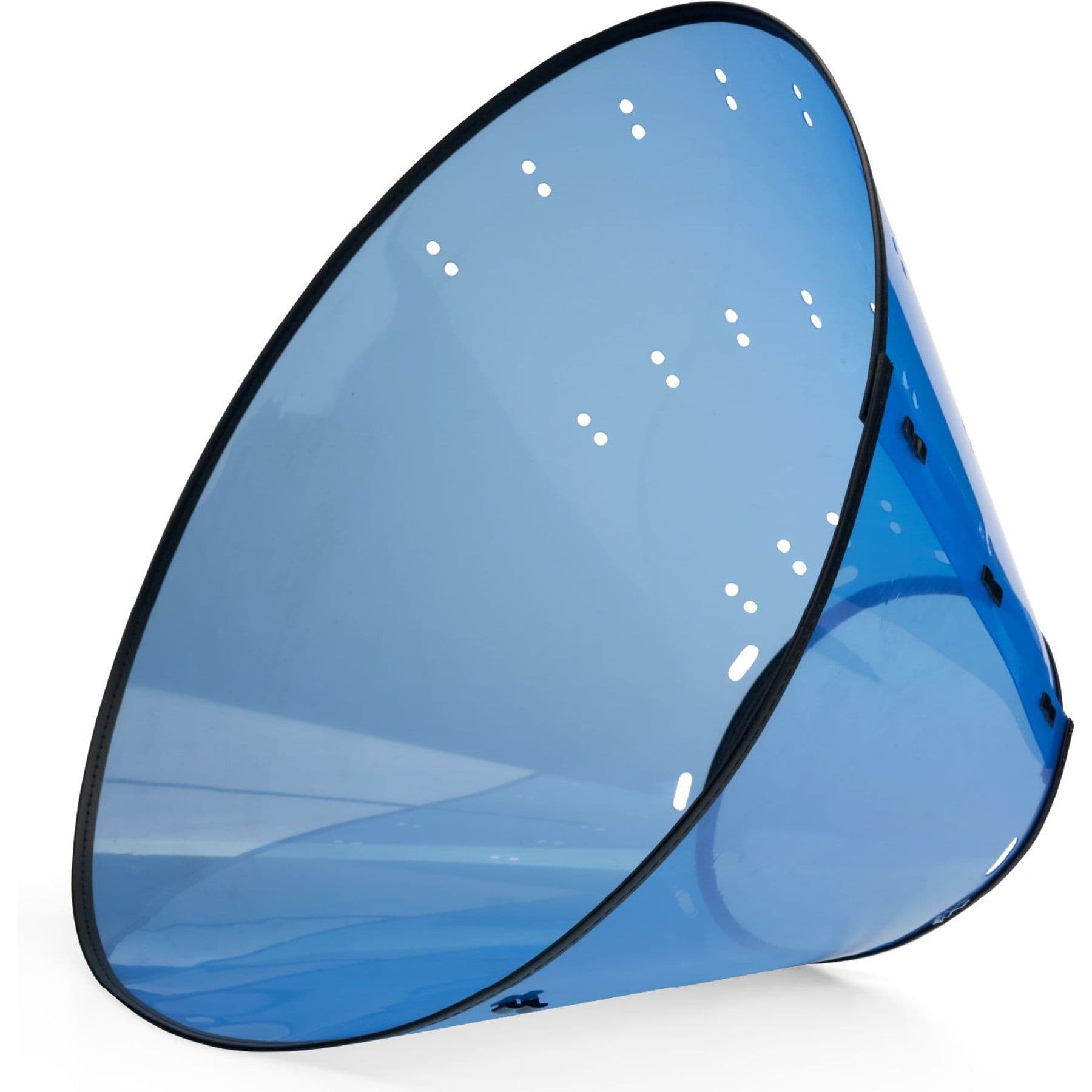
A rigid recovery collar can help prevent paw licking. Check fit and confirm that your dog cannot reach the affected foot.
Webvet may earn a commission when you click through to Chewy, at no extra cost to you.

Prevent licking while you obtain advice. A properly fitted recovery cone can reduce further chewing and moisture on the area. Make sure your dog cannot bend around it to reach the foot and can still eat, drink and rest. A fabric sleeve or sock that stays damp against the paw is not an equivalent solution.
| Pad finding | Useful context | What to avoid |
|---|---|---|
| A shallow lifted surface edge | Rough ground, abrupt increase in exercise or repeated skidding | Pulling the loose flap to see how far it extends |
| A painful raw area or blister | Hot pavement, chemical contact or direct trauma | Applying ice directly or using a household disinfectant |
| A deep cut or puncture | Sharp debris, glass or an embedded object | Probing the wound or removing deeply embedded material |
| Several thick, rough pads | Gradual keratin buildup or broader skin changes | Assuming every rough surface is an exercise injury |
| A swollen toe or nail fold | A damaged nail or inflammation beside the claw | Treating the pad when the painful structure is elsewhere |
A carpal pad injury can leave a flap without obvious bleeding, but absence of blood does not establish that the tissue beneath is unharmed. The carpal pad sits higher on the back of the front leg. It is not the same as the main pad that bears weight during ordinary standing, but it can still be scraped or injured. Tell the clinic which pad is involved rather than describing all peeling as a “heel” injury. A picture that includes the whole paw can help show the location.
If a pad is peeling but your dog is not limping, the change still deserves attention. Some dogs continue playing despite a sore foot, and activity can turn a minor abrasion into a larger injury. Stop the activity that may have caused it and ask the clinic whether an examination is needed. Lack of a limp is useful information, not proof that the tissue is healthy.
Pictures can help you track the edge and size of a lesion, but they cannot measure its depth or determine whether infection is present. Take one clear photograph in consistent light rather than repeatedly manipulating the foot for a perfect close-up. Record when you first noticed it and whether it has enlarged since then.
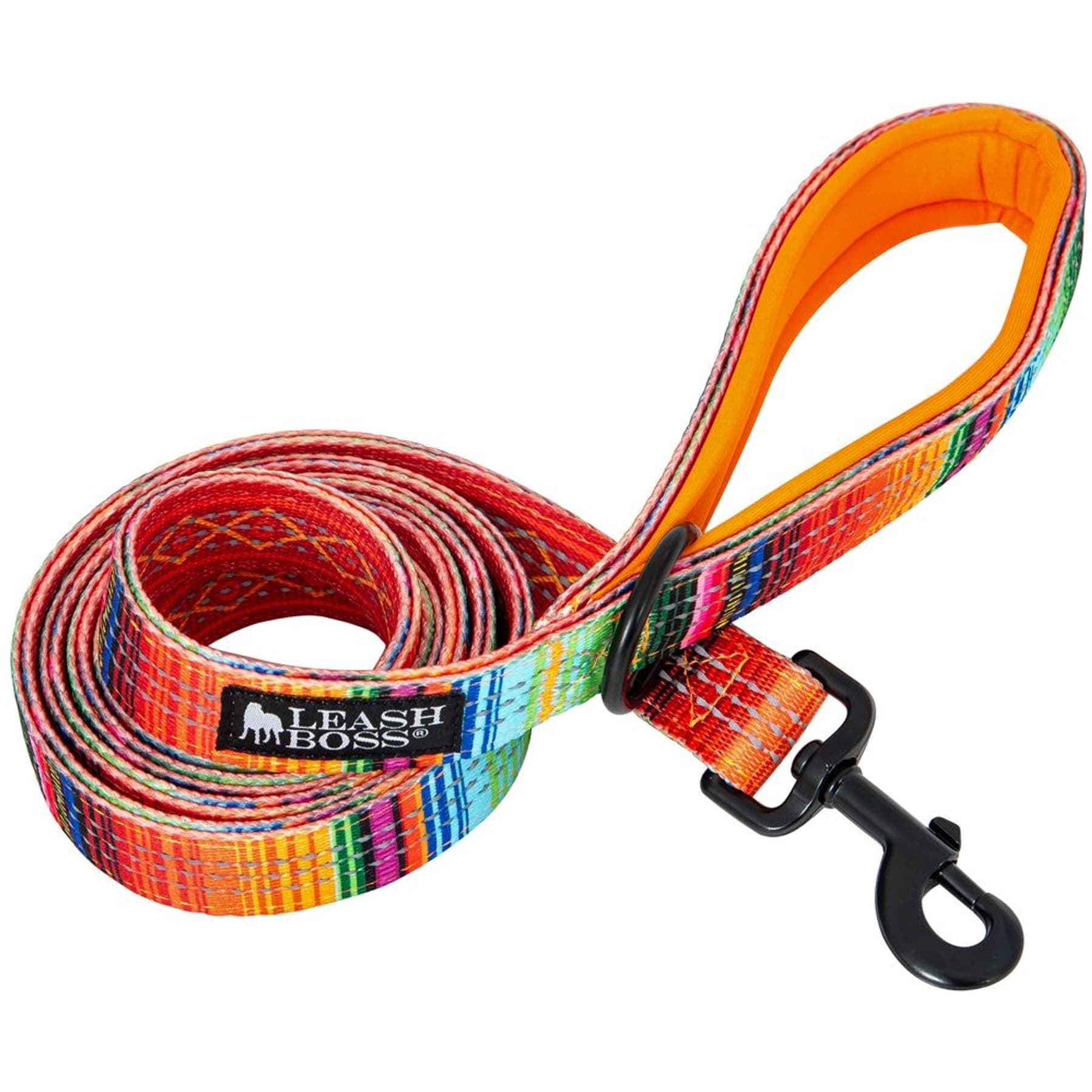
A standard six-foot leash for short, controlled toilet trips while limiting running and digging.
Webvet may earn a commission when you click through to Chewy, at no extra cost to you.
Friction, heat and other causes
Running on abrasive ground can wear the pad surface, particularly when a dog suddenly does much more exercise than usual. Repeated braking, turning or chasing a ball on rough concrete can also create friction. The important history is the type of surface, duration and change from the dog's usual routine, not simply whether the outing seemed fun.
For controlled toilet trips while the foot is assessed, use a regular leash and keep the outing short. Avoid a long training line that allows sudden sprints or turns. Choose a smooth, clean route and return indoors if your dog becomes uncomfortable. Restricting activity is useful even when your dog is enthusiastic about continuing.
Hot pavement can burn pads. Several feet may be involved because all contacted the same surface. A dog may initially keep moving and only show obvious discomfort later. Move away from the hot ground, contact your veterinarian and follow first-aid instructions; do not return to the surface to test how long your dog can tolerate it.
Cold, chemicals and punctures
Cold-weather surfaces can present different hazards. Ice, sharp crusted snow and road treatments may irritate or injure feet. If a substance has contacted the paws, prevent licking and identify the product if you can do so safely. Ask the veterinarian how to rinse it off. Chemical exposures deserve product-specific advice rather than a guess about which household ingredient will neutralize them.
A cut or puncture can also leave what looks like a flap. Glass or a thorn may be involved even if you cannot immediately see it. Do not dig beneath the pad or pull at something that is deeply embedded. Tell the clinic what surface your dog walked over and whether the problem began suddenly.
Gradual thickening with dry projections is a different pattern. Dog paw hyperkeratosis involves excess keratin and may lead to cracking. Its care plan is not the same as the plan for a fresh abrasion. Likewise, a sore lump between the toes may be an interdigital lesion rather than peeling pad tissue.
When peeling suggests skin disease
Inflammatory skin disease and infection can affect the feet, sometimes with redness, discharge, odor or repeated licking. Appearance alone cannot distinguish a fungal problem from other causes. Our dog yeast skin guide explains the role of examination and testing. Do not choose an antifungal soap because a photograph seems similar or assume that an unexplained fungal infection will clear without diagnosis.
New changes on several paws, changes elsewhere on the skin or a dog that seems ill warrant a broader assessment. A veterinarian may consider causes beyond wear and tear. Repeatedly treating the pads with different creams can obscure the pattern and delay identifying the actual problem.
 Sponsored
Vet care that's always there
Unlimited video calls and messaging with licensed vets for less than a typical vet visit. One membership covers up to five pets.
Use code Pets30
Plans start at $11/month · covers up to 5 pets
- Licensed vets in most states
- Rx for 150+ conditions
- 4.7 on Trustpilot
First steps for a loose or injured pad
Start by assessing your dog as a whole. If there has been an accident, other injuries may matter more urgently than the visible pad. A very painful, weak or distressed dog needs veterinary help rather than a prolonged home examination. Call ahead so the clinic can advise on transport and whether emergency care is appropriate.
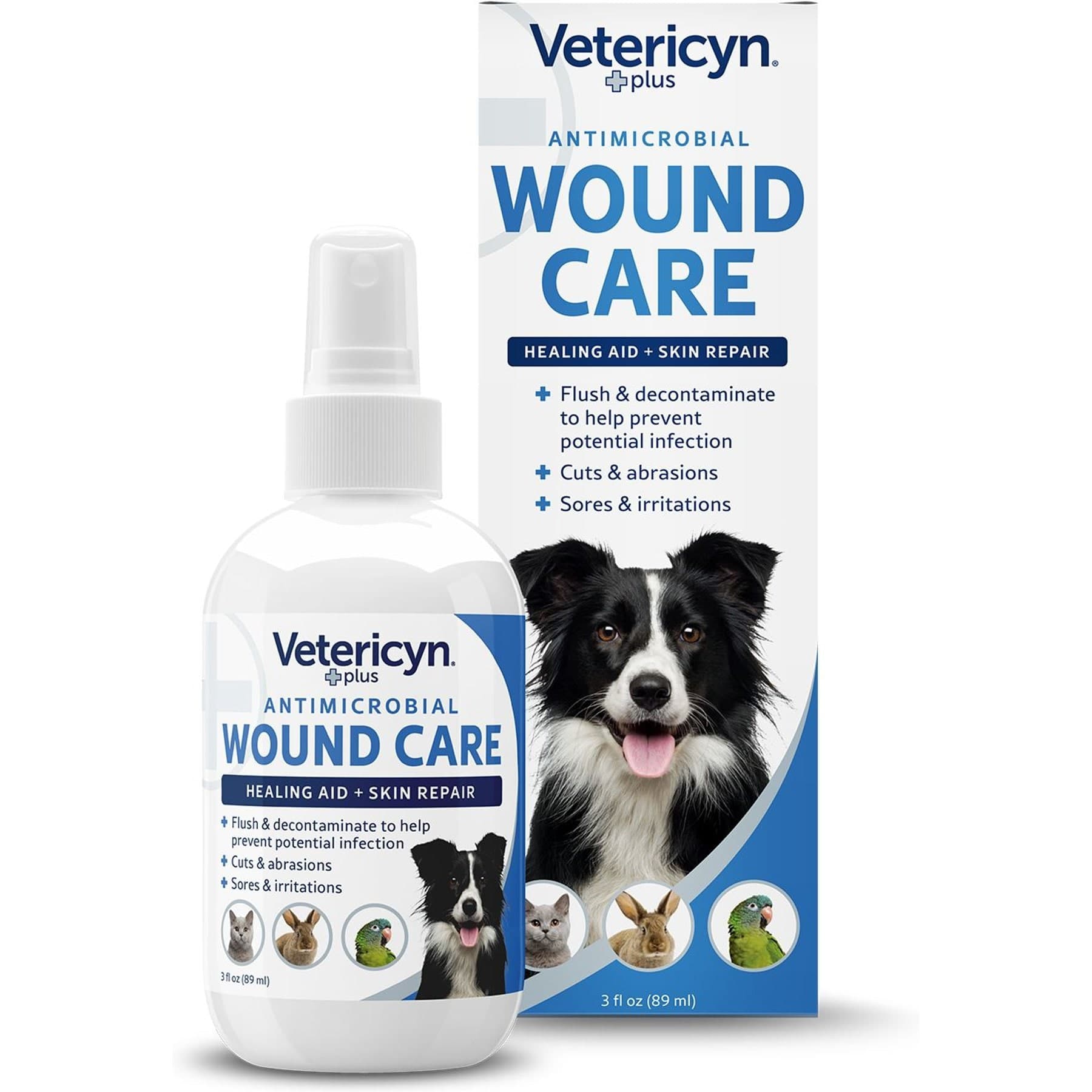
A pet wound-care rinse for a veterinarian-approved cleaning plan. It does not replace diagnosis or prescribed infection treatment.
Webvet may earn a commission when you click through to Chewy, at no extra cost to you.
If the pad is bleeding, apply gentle, steady pressure with clean material while contacting the clinic. Avoid lifting it repeatedly to see whether the bleeding has stopped. Heavy or continuing bleeding needs prompt care. Do not rely on styptic powder or nail-trimming products to manage a substantial pad wound.

For a dirty, superficial injury, the clinic may advise gentle rinsing with clean water. Remove loose surface debris without scrubbing or digging. Keep hydrogen peroxide, alcohol and harsh disinfectants away from the wound. Pain during rinsing, deeper damage or a suspected embedded object are reasons to stop and seek professional care.
Cleaning products, flaps and bandages
A pet wound-care rinse can be an option when your veterinarian approves it for the particular lesion. Follow that product's instructions and the clinic's plan, rather than combining several antiseptics. A spray marketed for wounds does not establish whether the pad needs debridement, a bandage or another treatment. It also does not make continued exercise safe.
Leave an attached flap alone. A veterinarian needs to judge whether it is viable tissue, whether it protects the area underneath and whether any portion should be removed. Pulling a flap can expose more tissue, increase pain and create a larger wound. The same rule applies even if one corner looks dry or is catching on the floor.
Do not automatically wrap the foot tightly. An incorrectly applied bandage can compromise circulation, create pressure sores or trap moisture. Ask the clinic whether temporary protection is needed for travel and how to apply it. If a bandage is already present and the toes swell, change color or become painful, contact the veterinarian promptly.
Vaseline, coconut oil, Aquaphor or Neosporin?
Do not put a household ointment on a peeled pad before the injury has been assessed. Vaseline, Aquaphor, coconut oil and human antibiotic ointments are common online suggestions, but there is no single best ointment for every peeling dog paw pad. An intact dry pad and an open injury are different situations. The veterinarian should select any topical treatment with the location, depth, infection risk and likelihood of licking in mind.
Do not assume that “safe to lick” makes a balm appropriate for a wound. Licking itself can traumatize the area and interfere with care, even when the product is not highly toxic. Ask before using Neosporin or a human pain-relief preparation, and tell the clinic about anything already applied. Product names and formulations matter.
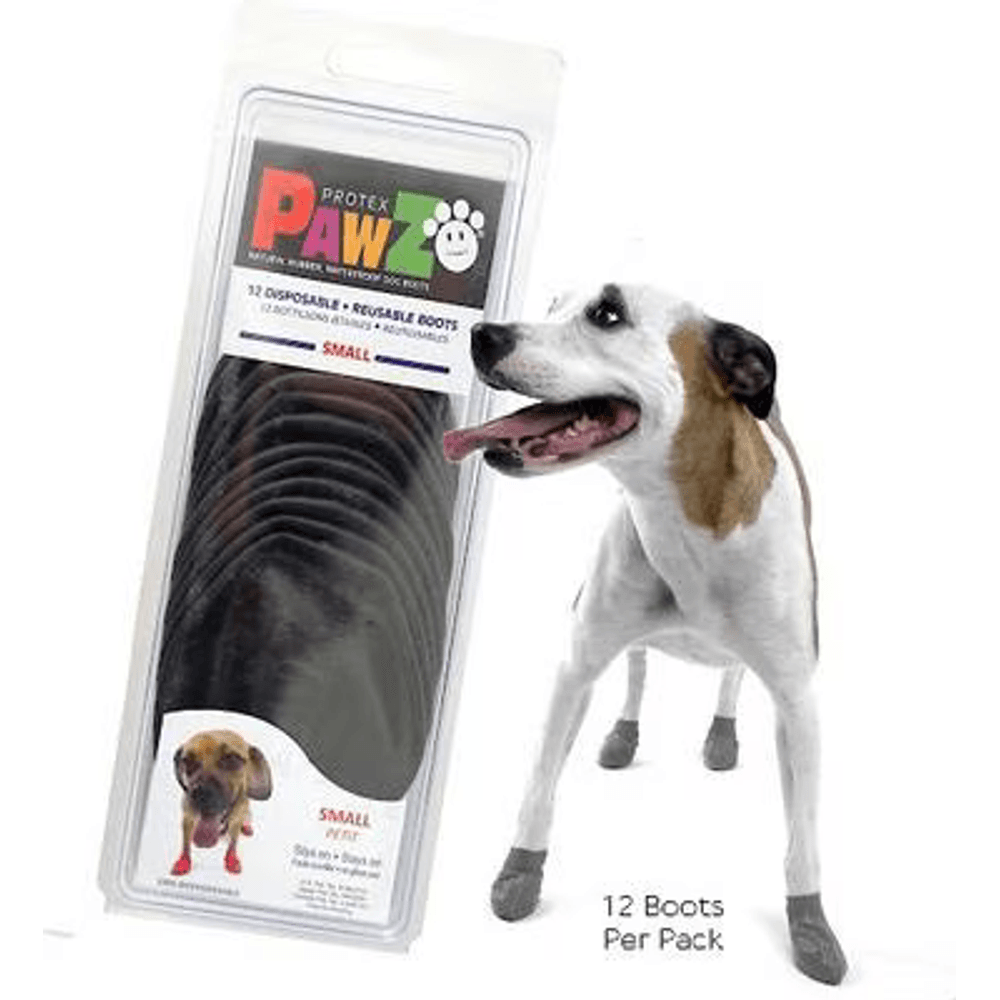
Temporary paw protection for a veterinarian-approved outdoor trip. Choose the correct size, remove afterward and check for moisture or rubbing.
Webvet may earn a commission when you click through to Chewy, at no extra cost to you.
If your dog's pads are simply dry without a wound, a veterinarian may recommend a dog-specific moisturizing product. That advice should not be transferred automatically to a peeled, bleeding or infected pad. Choosing between Vaseline and coconut oil misses the more useful first question: is this normal dryness, an injury or a skin disease?
Veterinary care and healing progress
The veterinary team will assess depth, contamination, pain and the surrounding foot. They may look for a foreign body and check the nails, joints and other pads. Some injuries need pain control and careful cleaning; others require additional tests or treatment. Not every wound needs antibiotics, and not every flap needs the same procedure.
A pad is exposed to movement and pressure with every step. That makes healing different from a small scrape on a protected part of the body. The veterinarian may recommend activity restriction and a bandage, with specific instructions for keeping it dry and returning for changes. Follow the plan rather than assuming a dressing can remain untouched until the foot looks normal.
Protective boots can help during a brief outdoor trip when the veterinarian says they are suitable for the injury or bandage. Choose the correct size, avoid pressure over the damaged area and remove the boot afterward. Do not leave a rubber boot on continuously or use it to conceal a wet bandage. Protection should reduce a specific hazard without creating a new one.
Healing milestones and setbacks
There is no exact healing time that applies to every peeling pad. A superficial abrasion and a deeper burn or laceration differ substantially. Repeated exercise, licking, moisture or contamination can delay progress. Ask your veterinarian what improvement should occur over the next few days and when a lack of change warrants re-examination.
Details to record for the paw examination
Track comfortable weight-bearing, licking, swelling and the wound's size. Less redness alone is not the only sign of healing. A dog that still refuses to use the foot, develops increasing pain or repeatedly reopens the area needs reassessment. Keep the activity plan in place even if your dog wants to run before the tissue is ready.
- Location and onset: which foot, toe, pad or nail changed; when you noticed it; whether one foot or several are affected.
- Comfort and progression: limping or normal weight-bearing, licking, swelling, discharge, bleeding and any change in appetite or energy.
- Possible triggers and treatment: recent surfaces or injuries, previous episodes, every product applied and any medication already given.
If a bandage is prescribed, learn the warning signs before leaving the clinic. Report wetness, slipping, chewing, an unpleasant new odor, visible toe swelling or a change in comfort. Ask whether a bandage problem requires immediate return rather than trying to repair layers at home. A damaged dressing can do more than fail to protect the wound.
Pain control and uncomplicated injuries
Pain relief must be selected for your dog. Do not give human ibuprofen or naproxen, and do not restart an old veterinary prescription without advice. Medication choice can depend on other health problems and treatments. Tell the veterinarian promptly if your dog vomits, refuses food or has another concerning change during treatment.
An uncomplicated shallow injury may heal with an appropriate conservative plan, but “it will heal on its own” is not a safe assumption for every flap. Burns can be more extensive than they first appear, and punctures can conceal material beneath the surface. The examination establishes which problems can be monitored and which need more intervention.
Protect the loose flap, limit activity and follow the bandage or cleaning plan. Do not judge recovery solely by whether your dog is willing to chase a ball again.
Protecting pads during recovery
Plan short leash trips for toileting and use the cleanest, smoothest route available. Avoid games involving sudden turns, rough trails and long pavement walks until your veterinarian clears a gradual return. If your home requires stairs or a long walk to the yard, discuss a practical alternative with the clinic rather than repeatedly stressing the foot.
Provide a comfortable resting area where your dog can settle without repeatedly getting up to follow activity. Keep water accessible and use calm interaction appropriate to the recovery plan. A cone may need time and adjustment to become tolerable. Contact the clinic if your dog cannot rest or repeatedly damages the dressing despite your efforts.

Check any protective equipment after each use. A boot should not stay wet, rub the toes or create pressure at its opening. Remove temporary outdoor covers when you return indoors, unless the veterinarian specifically instructs otherwise. A dry-looking cover can still hold moisture against the bandage underneath.
Returning to walks
When activity resumes, build up gradually. A dog returning after rest may be enthusiastic before the pad has adapted to longer or rougher outings. Check the feet after a short walk and stop if limping or licking returns. Repeated peeling after apparently modest exercise is worth investigating rather than accepting as normal for an active dog.
Preventing future injuries includes avoiding hot ground, checking routes for sharp debris and introducing new exercise demands gradually. Boots can be useful in selected conditions, but fit, acclimation and monitoring matter. They do not make extreme temperatures or hazardous ground harmless.
Regular nail care can reduce some mechanical problems, but leave a painful foot alone until the veterinarian advises that grooming is safe. Inspect between the toes after walks in areas with grass awns. Do not aggressively shave the webbing or trim pad tissue as part of routine grooming.
Recurring peeling needs an explanation
If peeling recurs along with itching, crusting or changes to several pads, return to the underlying cause. Persistent paw licking and pad damage can reinforce each other. Replacing one cream with another may not solve that cycle. A record of surfaces, activities and flare-ups helps your veterinarian build a more specific prevention plan.
Sources
Sources: VCA: first aid for torn or injured foot pads and Dr. Julie Buzby: dog paw pad injuries.
Frequently asked questions
Will a dog's paw pad heal on its own?
A superficial abrasion may heal with a conservative plan, but a peeling pad should not be assumed safe to leave alone. Burns can be deeper than they look, and a punctured pad can hide material beneath the surface. Healing time also lengthens with licking, moisture and early exercise. Let your veterinarian judge the depth and tell you what progress to expect.
Can I put Vaseline or coconut oil on my dog's peeling paw pads?
Wait until the injury has been examined. An intact dry pad and an open, peeled pad are different situations, and no single balm suits both. A product also has to be weighed against the likelihood that your dog will lick it. Ask your veterinarian to choose any topical treatment, and mention anything you have already applied.
What does a fungal infection look like on a dog's paw?
Foot skin infections can bring redness, discharge, odor or repeated licking, but those signs are not specific to fungus. Appearance alone cannot separate a fungal problem from other causes, and a photograph cannot settle it either. Your veterinarian can examine the skin and run tests. Avoid choosing an antifungal soap from a picture or hoping an unexplained infection clears without diagnosis.
Veterinarian · BVMS MRCVS
Dr. Pippa Elliott, BVMS, MRCVS, is a veterinarian with nearly 30 years of experience in companion animal practice. Dr. Elliott earned her Bachelor of Veterinary Medicine and Surgery from the University of Glasgow. She was also designated a Member of the Royal College of Veterinary Surgeons. Married with 2 grown-up kids, Dr. Elliott has a naughty Puggle named Poggle, 3 cats and a bearded dragon.


