Dog Paw Hyperkeratosis: Thickened Pads and Practical Care
Dog paw hyperkeratosis causes thickened, sometimes hairy-looking pads. Learn what the changes mean, when cracks need care and how to protect comfort.

BVMS MRCVS
Medically reviewed by Dr. Pippa Elliott, BVMS MRCVS · Last reviewed

This article contains affiliate links. Webvet may earn a commission when you buy through them, at no extra cost to you.
Dog paw hyperkeratosis is a buildup of keratin, the protein that helps form the outer skin, hair and nails. On a paw pad, that extra material can look thick, crusty or almost hairy. Mild changes may cause little trouble, but stiff overgrowth and cracks can make walking painful and allow secondary infection.
The first step is to have a veterinarian identify the change, especially if it is new, spreading or uncomfortable. Once the cause and condition of the skin are clear, many dogs can be kept comfortable with a consistent care plan. Do not cut the growths off with nail clippers or assume that every rough pad needs a medicated product.
 Sponsored
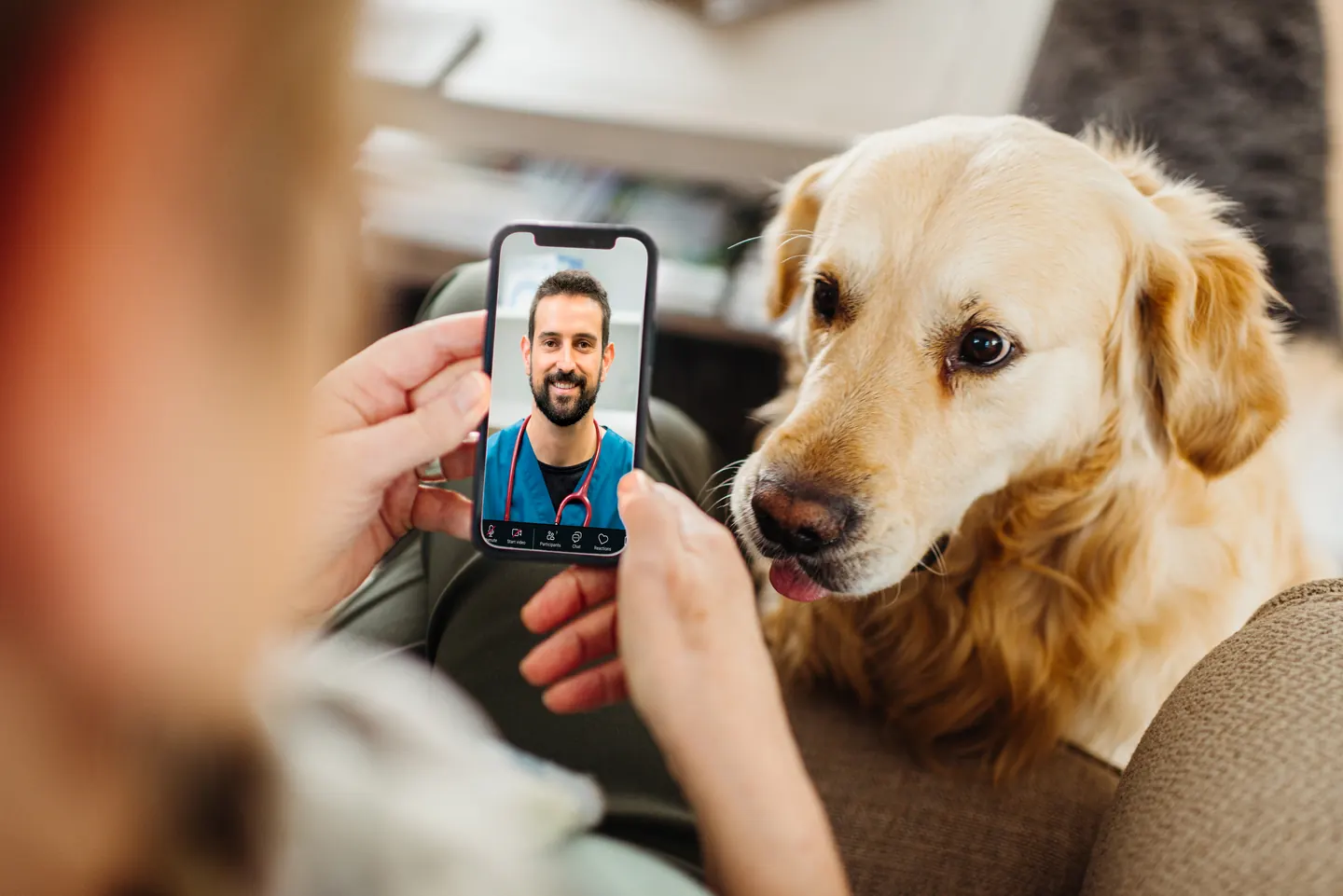
Want a vet's take on your dog's skin or coat?
Talk to a licensed vet at Dutch over video, often the same day. They can recommend treatment and prescribe it when it's appropriate.
Use code Pets30
Plans start at $11/month · covers up to 5 pets
- Licensed vets in most states
- Rx for 150+ conditions
- 4.7 on Trustpilot
Recognizing hyperkeratosis dog paw changes
Healthy dog pads have a naturally textured surface. They do not need to feel as smooth as human skin. Hyperkeratosis goes beyond ordinary roughness: additional dry material builds up on the pad, sometimes forming firm projections or keratin fronds. Owners often describe these as “hairy paws,” although the projections are keratin rather than normal fur growing out of the pad.
Look at the actual pad surface and edges, not just the hair between the toes. On a comfortable dog, compare the affected pad with another foot in good light. Note whether the change affects several pads, a single spot or the nose as well. Photograph the same area without repeatedly bending or pressing a painful foot.
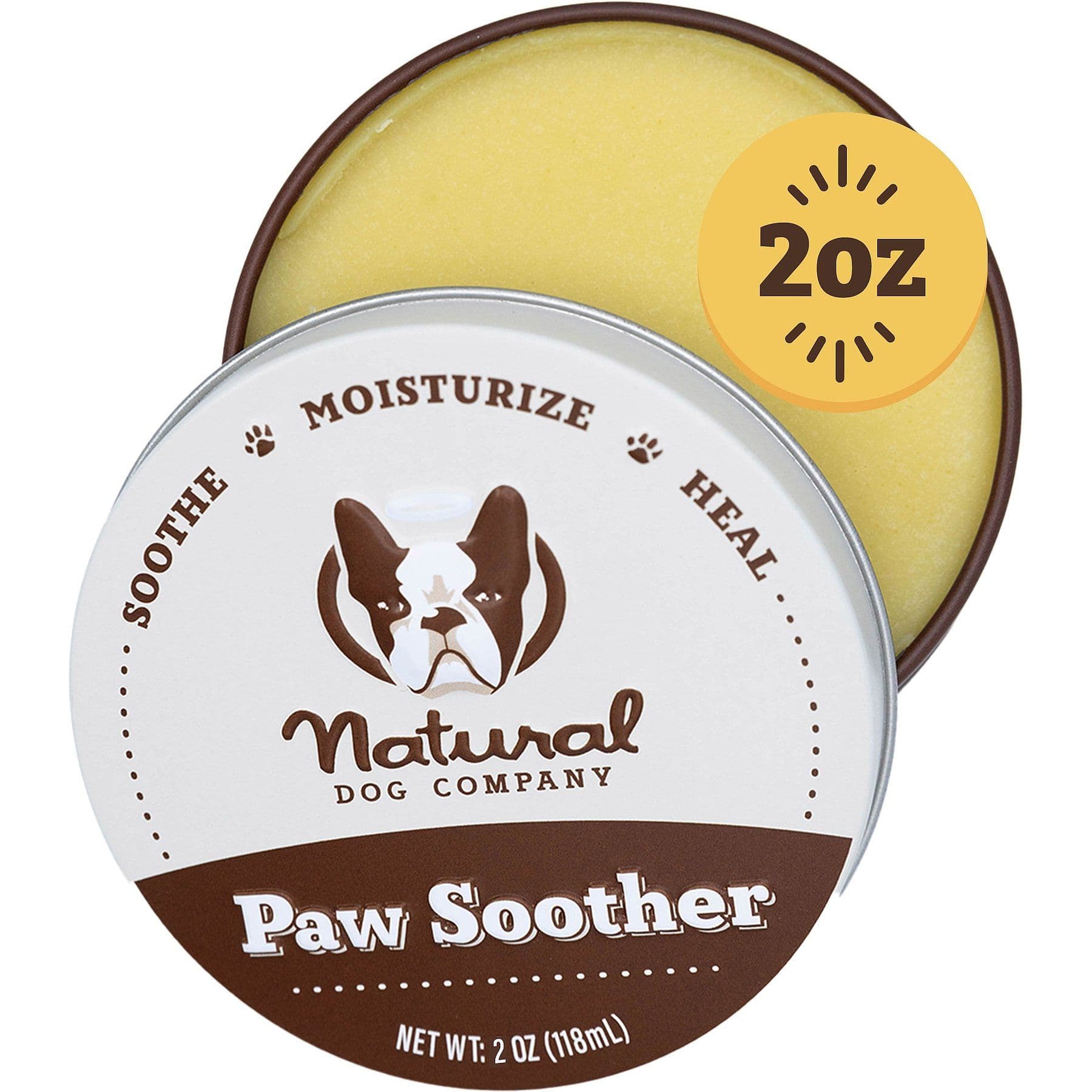
A balm option for intact dry pads when your veterinarian recommends softening care. Ask before applying it to cracks or broken skin.
Webvet may earn a commission when you click through to Chewy, at no extra cost to you.

A dog-specific paw balm may help soften an intact dry pad when your veterinarian recommends it. It is a care aid, not a way to confirm the diagnosis. Check whether the skin is cracked, bleeding or wet before applying anything, and ask the clinic about those changes rather than sealing them under a thick layer of product.
| What you notice | How it differs | Next useful step |
|---|---|---|
| Ordinary rough pad texture | Fairly even surface without painful cracks or marked overgrowth | Watch for change; do not trim a normal pad |
| Dry keratin fronds | Firm projections or a thickened pad edge that can look hairy | Arrange an examination and a softening plan if needed |
| Deep cracks or bleeding | Fissures interrupt the pad surface and may hurt under pressure | Seek veterinary advice promptly |
| A loose pad flap | A surface layer has lifted, often after wear or injury | Assess as a possible pad injury, not automatically hyperkeratosis |
| A lump between toes | The change is in the webbing rather than on the pad | Have the lump assessed separately |
Keratin fronds differ from ordinary rough pad texture; painful fissures are cracks in that surface. A picture can show texture; it cannot identify the underlying cause. Hyperkeratosis itself can be painless, but that does not mean every affected foot is comfortable. A dog may shorten a walk, hesitate on hard floors or lick the pads before developing an obvious limp. Watch how your dog moves as well as how the skin looks. Reluctance to bear weight, marked tenderness or discharge deserves an earlier appointment.
The term nasodigital hyperkeratosis refers to the nose and digits. A dog may have changes on the nose, paw pads or both. Nose crusting and thickened elbow calluses are related subjects, but their appearance and pressure patterns differ. Do not assume that a treatment selected for an intact paw pad is suitable around the nostrils or on another skin lesion.
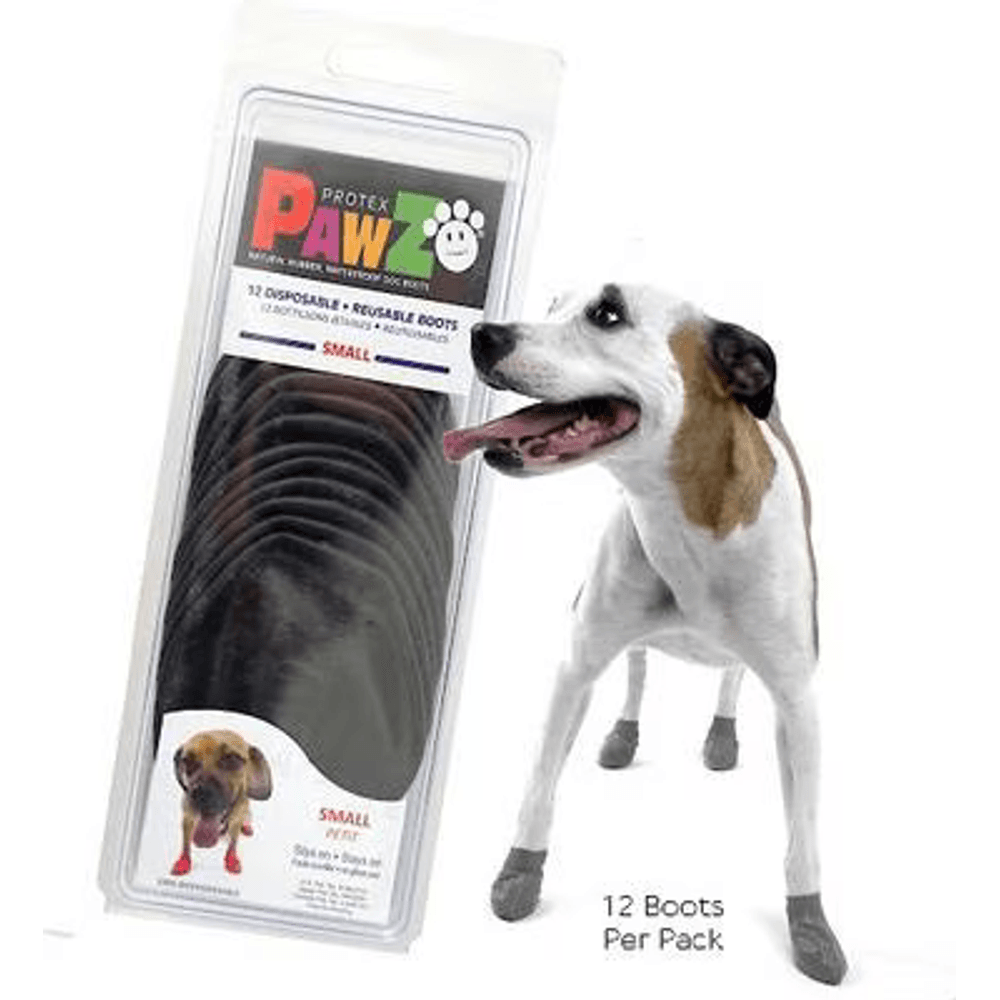
Temporary paw protection for a veterinarian-approved outdoor trip. Choose the correct size, remove afterward and check for moisture or rubbing.
Webvet may earn a commission when you click through to Chewy, at no extra cost to you.
Why paw pads produce excess keratin
Hyperkeratosis has several possible triggers: inherited keratinization disorders, age-related changes and other skin diseases can produce excess keratin. Hyperkeratosis describes a skin change, not a single cause in every dog. Some cases are associated with inherited tendencies or age-related changes. In others, thickened pads appear as part of a broader skin or systemic disease. The age when it began, distribution and other symptoms help the veterinarian distinguish these possibilities.
Certain breeds are predisposed to inherited or idiopathic forms. Irish terriers and Dogues de Bordeaux are among the breeds associated with hereditary footpad disorders, while other breeds may develop nose and pad changes. Breed can guide the investigation, but it should not be used to dismiss an unusually sore, inflamed or rapidly changing paw.
Pressure and wear influence which parts of a pad accumulate material. Keratin may be more obvious at an edge that receives less normal contact with the ground. Conversely, repeatedly rubbing a sensitive foot against rough pavement can worsen discomfort. Trying to “wear it off” with longer walks is not a safe treatment plan.
Friction and paw protection
Well-fitting protective dog boots can sometimes help on a particular abrasive or irritating surface. Ask whether they are appropriate for your dog's pads, especially if there are fissures. Introduce them gradually, check for rubbing and remove them after the activity so moisture does not remain trapped against the skin. Boots do not replace an assessment of painful cracks.
Is hyperkeratosis a vitamin deficiency?
Zinc-responsive dermatosis is one possible cause of pad changes, but that does not mean most hairy paws are caused by a vitamin deficiency. Zinc is a mineral, and supplementing without a diagnosis can be harmful. Tell your veterinarian exactly what your dog eats, including treats, homemade food and supplements. Do not add zinc, high-dose vitamins or several “skin support” products while trying to guess the cause.
Immune-mediated disease and some infections can also affect the pads. Canine distemper is associated with a form of hard-pad change, but a rough pad alone does not diagnose distemper. Illness elsewhere, such as changes in appetite, energy, breathing, eyes or other skin, changes the clinical picture and should be reported. Avoid using an online photo to choose between these diagnoses.
A question about whether hyperkeratosis can become cancerous needs a careful distinction. Excess keratin is not itself a cancer diagnosis. However, a new, uneven or persistently ulcerated growth can have other explanations, and some skin diseases cannot be reliably separated by appearance. A veterinarian may recommend sampling a suspicious area rather than treating every thickened spot as routine hyperkeratosis.
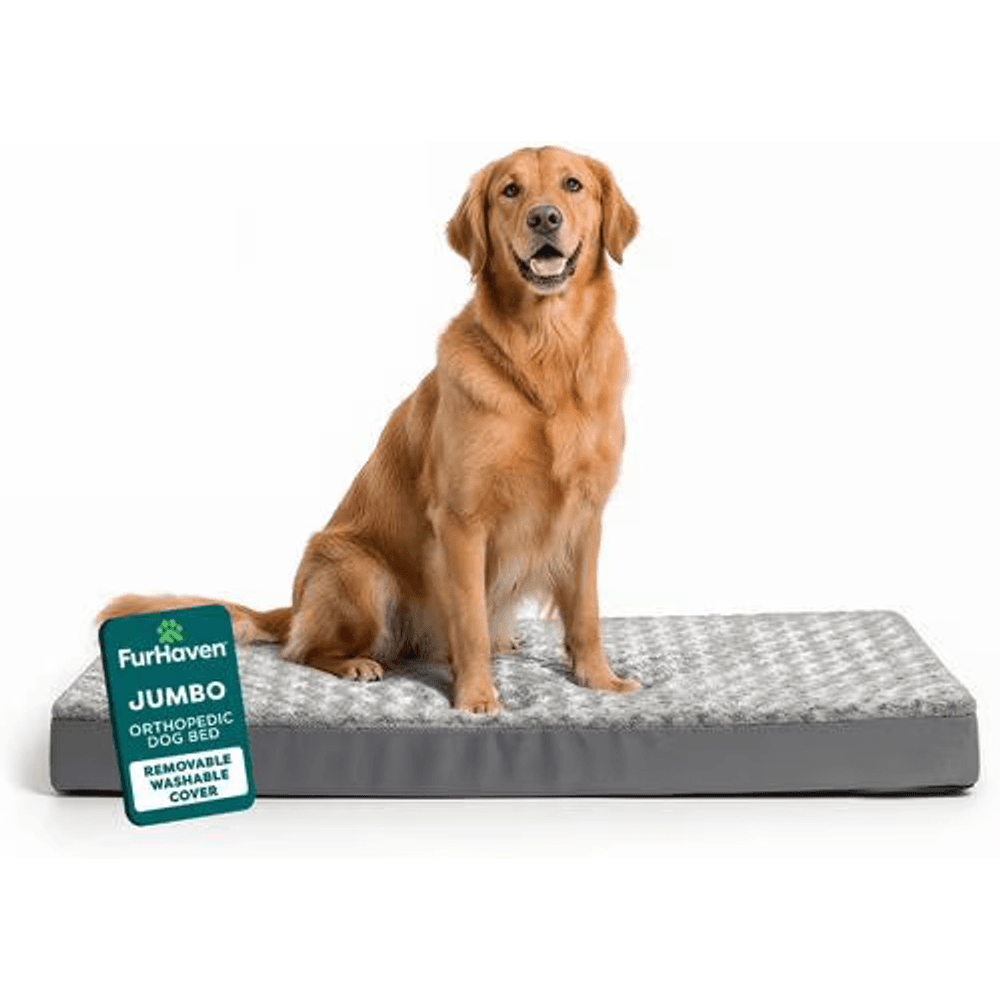
A supportive bed with a removable cover for comfortable rest away from hard or abrasive surfaces.
Webvet may earn a commission when you click through to Chewy, at no extra cost to you.
When rough pads need a veterinary examination
Book an examination for a new or unexplained buildup, even if your dog is still walking normally. If the pads are bleeding, painful, swollen or draining, contact the clinic sooner. A dog that cannot bear weight or seems generally ill should not wait for a routine cosmetic-care appointment. Hyperkeratosis may be the visible change while another problem is causing the pain.
Details to record for the paw examination

Bring photographs showing the progression and a list of products used. Include whether the nose or elbows have changed, how many feet are involved, and whether your dog has been licking more. Our guide to why dogs lick their paws covers other causes of that behavior. Licking should not be assumed to be a harmless habit when the pad surface is changing.
- Location and onset: which foot, toe, pad or nail changed; when you noticed it; whether one foot or several are affected.
- Comfort and progression: limping or normal weight-bearing, licking, swelling, discharge, bleeding and any change in appetite or energy.
- Possible triggers and treatment: recent surfaces or injuries, previous episodes, every product applied and any medication already given.
The examination may be enough to recognize a familiar pattern, but some dogs need further testing. Cytology can help evaluate infection. Blood or urine tests may be appropriate when other health signs are present, and a biopsy can help distinguish certain skin diseases. The tests are selected from the whole clinical picture rather than ordered automatically for every rough pad.
Comfort while awaiting a diagnosis
While the cause is being assessed, make resting and walking surfaces comfortable. A supportive, washable dog bed gives a dog a place to settle away from hard or abrasive ground. It does not treat the keratin buildup. Position it where your dog normally rests, and watch whether getting up or walking to water appears uncomfortable.
Avoid trimming before the appointment. It can be difficult to tell where excess material ends and living tissue begins, especially around cracks. Home trimming may cause bleeding or pain and alter the appearance the veterinarian needs to assess. If removal of some material is appropriate, ask the veterinary team to perform it or demonstrate the specific ongoing care they want you to provide.
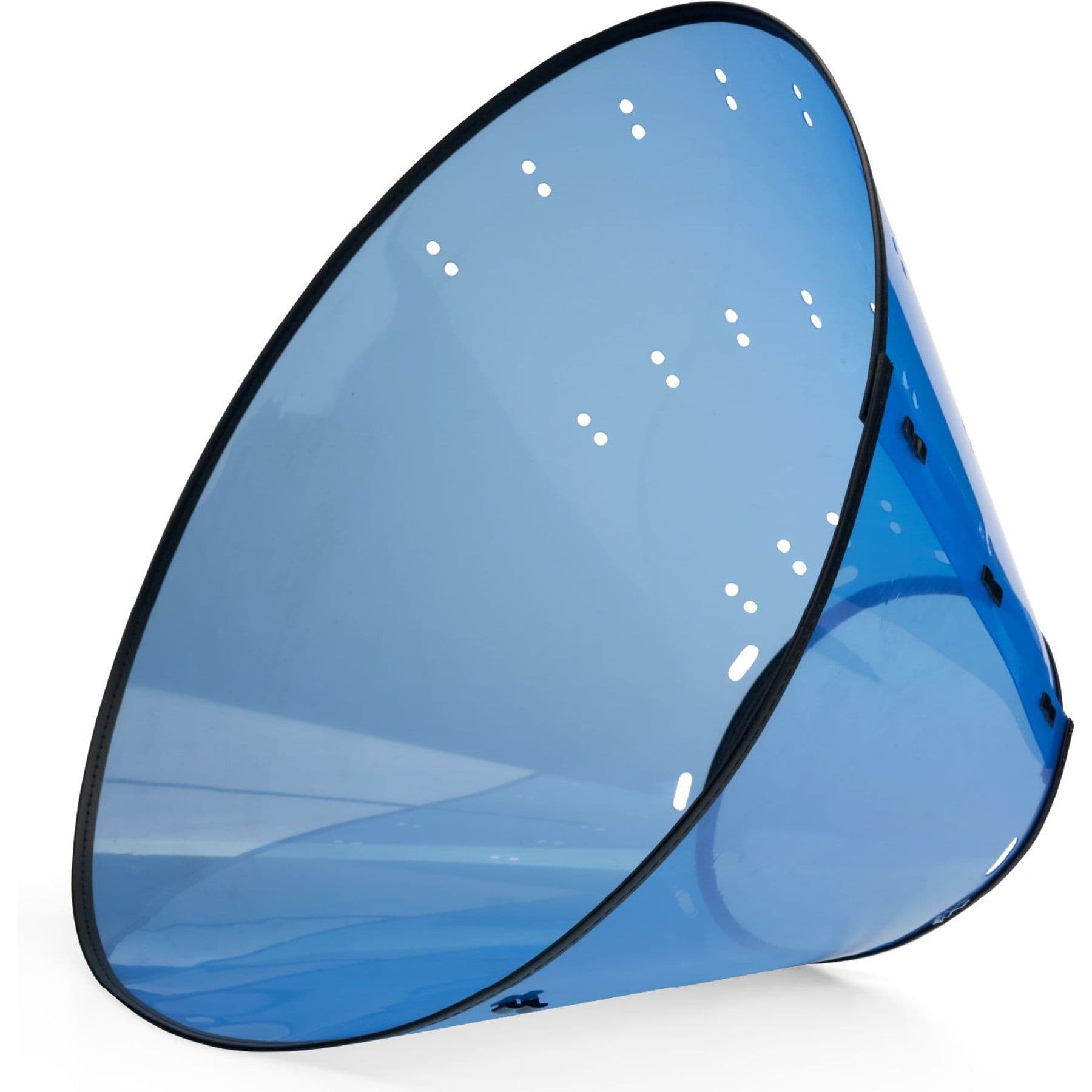
A rigid recovery collar can help prevent paw licking. Check fit and confirm that your dog cannot reach the affected foot.
Webvet may earn a commission when you click through to Chewy, at no extra cost to you.
If a dog has several nail abnormalities as well as pad changes, make sure both are examined. Nail-bed disease, a pad injury and hyperkeratosis are different problems, even when they occur on the same foot. Similarly, a sore bump between the toes is not simply an overgrown pad. Recording the exact location makes the consultation more useful.
 Sponsored
Vet care that's always there
Unlimited video calls and messaging with licensed vets for less than a typical vet visit. One membership covers up to five pets.
Use code Pets30
Plans start at $11/month · covers up to 5 pets
- Licensed vets in most states
- Rx for 150+ conditions
- 4.7 on Trustpilot
Softening and protecting thickened pads
Treating hyperkeratosis on a dog’s paw means softening excess keratin safely, protecting comfort and treating any underlying disease. The care plan depends on comfort, the condition of the skin and any underlying disease. Some dogs with mild, comfortable changes need observation and limited supportive care. Others need regular softening treatment, management of fissures or medication for a secondary problem. There is no single strongest cream that is right for every dog.
Use a thin application of the product selected by your veterinarian, at the frequency advised. Applying more may make floors slippery or encourage licking without improving the result. Check the label for the intended use and avoid combining a balm, oil, medicated shampoo and human cream simply because all are marketed for dry skin.
If licking interferes with the care plan, a correctly fitted recovery collar can help protect the foot while you follow the clinic's instructions. Check that your dog cannot reach the paw and can still drink, eat and rest. A collar is particularly useful when the alternative is repeated licking of a treated area, but persistent attention to the foot can also signal pain that needs reassessment.
Keratolytic products and safe handling
Some veterinary plans use a product designed to soften excess keratin, sometimes described as a keratolytic or antiseborrheic treatment. That is different from an everyday barrier wax. Ask which problem a recommended product is intended to address and whether it should be used on cracked skin. A product suitable for intact dry pads may not be appropriate for an open fissure.
Do not use scissors, a razor, a pumice stone or household callus remover on the pads. Human corn-removal products and harsh acids are not suitable substitutes for veterinary care. Even if a projection appears dead and dry, pulling or cutting it can damage the tissue underneath. Your dog's movement during handling adds another risk.
If the veterinarian recommends washing or soaking, follow the specific temperature, duration and drying instructions. Long, frequent soaks are not automatically beneficial, and leaving the spaces between toes damp can irritate the skin. Dry gently, without rubbing cracks. Stop and contact the clinic if the procedure hurts or the pad becomes more inflamed.
Household products and open cracks
Plain petroleum jelly or coconut oil is sometimes suggested online, but neither provides a diagnosis or treats every cause of hyperkeratosis. Ask before using a household product, particularly if your dog licks it or the skin is open. A simple plan that your dog tolerates and your veterinarian has selected is more useful than an escalating collection of remedies.
The goal is flexible, comfortable pads and normal movement. Do not pursue a perfectly smooth appearance by cutting away tissue or increasing treatment beyond the veterinary instructions.
Long-term comfort and rechecks
Hyperkeratosis often does not go away on its own. For many dogs, it is managed rather than permanently cured. Extra keratin may build up again, so a maintenance routine can be more realistic than expecting one application to remove it forever. Treating an underlying disease may change the course, which is another reason to establish the cause before assuming lifelong cosmetic care is all that is needed.
Judge the routine by function. Your dog should be able to rest, rise and walk comfortably, and the pads should not be developing new painful cracks. Some visible texture may remain despite good control. Take periodic photographs and note changes in licking, walking distance and the amount of product required, rather than testing the surface repeatedly with your fingernail.

Review the plan if a previously comfortable pad becomes sore, if one area grows differently from the rest or if treatment seems to irritate the skin. New redness, odor, discharge or bleeding can indicate a secondary problem. Do not simply increase the frequency of balm or add an antibiotic ointment without contacting the veterinarian.
A practical maintenance routine
Keep walks appropriate to your dog's comfort and the surface conditions. Avoid hot pavement, sharp gravel or prolonged exposure to irritating road treatments. Protective equipment must fit and stay dry; a boot that rubs a thickened edge may be counterproductive. Check the paws after the activity rather than assuming the equipment prevented every problem.
If your veterinarian has shown you a maintenance routine, keep the instructions with the product and review them when the skin changes. Ask when the next examination is needed and which signs should trigger an earlier visit. A new puppy with rapid pad changes and a senior dog with gradual longstanding roughness may require very different follow-up.
Many dogs with well-managed hyperkeratosis remain active and comfortable. The practical priorities are identifying the cause, avoiding unnecessary trauma and noticing painful cracks early. A pad does not need to look cosmetically perfect to be functioning well, but a dog should not have to limp through a supposedly harmless skin condition.
Sources
Sources: University of Minnesota: nasal and digital hyperkeratosis and PetMD veterinary overview of hyperkeratosis.
Frequently asked questions
Is hyperkeratosis painful for dogs?
The thickened keratin itself can be painless, yet the foot may still be uncomfortable. Stiff overgrowth can crack, and painful fissures can let secondary infection in. Signs include shortened walks, hesitating on hard floors and more licking before any obvious limp. Book an earlier appointment if your dog is reluctant to bear weight or the pads bleed, swell or drain.
Can I cut my dog's hyperkeratosis off?
Please do not trim it at home. It is hard to see where excess keratin ends and living tissue begins, especially around cracks, so clippers, scissors or callus removers can cause bleeding and pain. Trimming also changes the look your veterinarian needs to assess. If some material should be removed, the veterinary team can do it or show you the safe routine.
Can hyperkeratosis become cancerous?
Excess keratin is not itself a cancer diagnosis. Still, a new, uneven or persistently ulcerated growth can have other explanations, and some skin diseases look alike on the surface. Your veterinarian may suggest sampling a suspicious area instead of treating every thickened spot as routine. Have any changing or non-healing lesion examined rather than watching it.
Veterinarian · BVMS MRCVS
Dr. Pippa Elliott, BVMS, MRCVS, is a veterinarian with nearly 30 years of experience in companion animal practice. Dr. Elliott earned her Bachelor of Veterinary Medicine and Surgery from the University of Glasgow. She was also designated a Member of the Royal College of Veterinary Surgeons. Married with 2 grown-up kids, Dr. Elliott has a naughty Puggle named Poggle, 3 cats and a bearded dragon.


