Interdigital Cysts in Dogs: Causes, Treatment and Care
Interdigital cysts in dogs cause sore bumps between toes. Learn about common triggers, veterinary tests, treatment, safe paw care and recurrence.

BVMS MRCVS
Medically reviewed by Dr. Pippa Elliott, BVMS MRCVS · Last reviewed

This article contains affiliate links. Webvet may earn a commission when you buy through them, at no extra cost to you.
Interdigital cysts in dogs are sore, inflamed lumps between the toes. Many are actually areas of deep inflammation called interdigital furunculosis, rather than true fluid-filled cysts. A dog may lick the foot, limp or leave small spots of discharge where a lump has opened. The lasting solution depends on why the inflammation developed, not simply on making the bump disappear.
Take your dog to the vet for a new interdigital cyst or unexplained between-toe lump. An examination can distinguish deep inflammation from a foreign body or another growth. Seek prompt care if your dog cannot bear weight, the swelling is spreading, there is substantial pain or your dog seems unwell. Until the appointment, prevent licking and avoid squeezing, puncturing or cutting the lump. A photograph can record its appearance; it cannot establish the cause.
 Sponsored
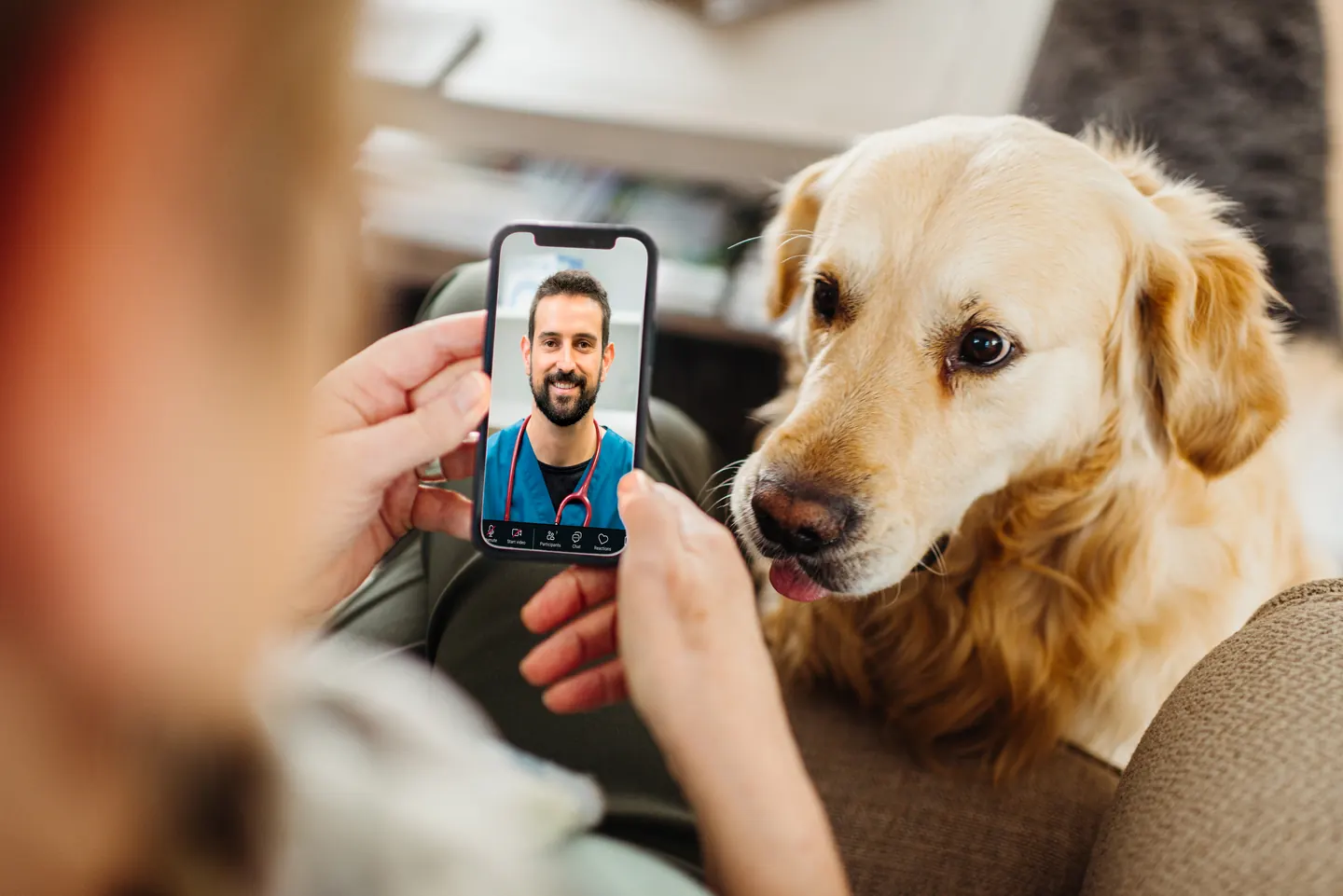
Want a vet's take on your dog's skin or coat?
Talk to a licensed vet at Dutch over video, often the same day. They can recommend treatment and prescribe it when it's appropriate.
Use code Pets30
Plans start at $11/month · covers up to 5 pets
- Licensed vets in most states
- Rx for 150+ conditions
- 4.7 on Trustpilot
What interdigital cysts in dogs look like
A typical lesion is a red or reddish-purple bump in the webbing between the toes. It may be small and firm initially, then become swollen, shiny or draining. The skin can look wet from licking even before a lump opens. Some dogs develop several nodules, while others repeatedly develop one sore spot in the same place.
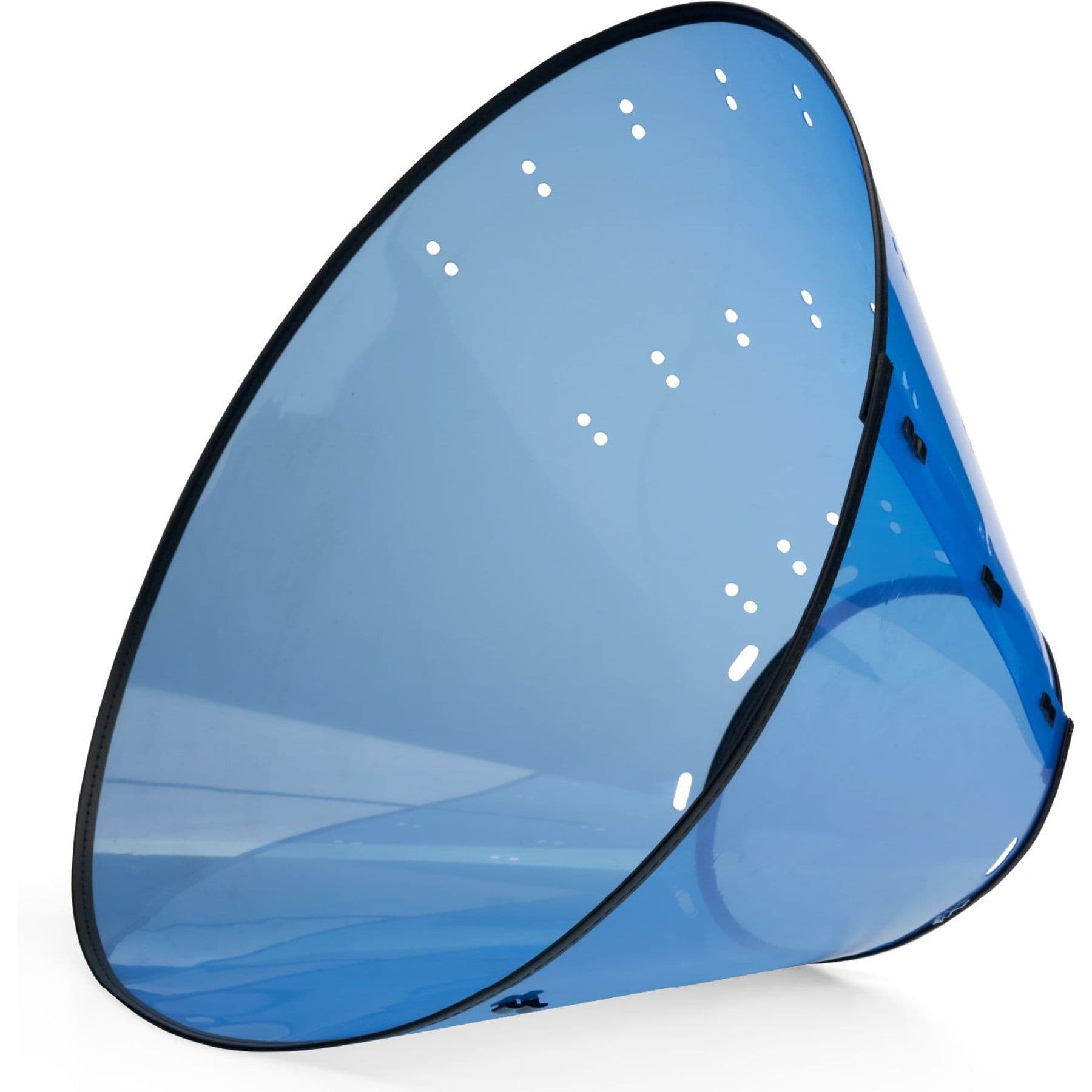
A rigid recovery collar can help prevent paw licking. Check fit and confirm that your dog cannot reach the affected foot.
Webvet may earn a commission when you click through to Chewy, at no extra cost to you.
Look from above and, only if your dog is comfortable, underneath the foot. Record exactly where the lump sits: between the toes, on the weight-bearing pad or beside a nail. Those locations point to different problems. Stop if your dog pulls away, growls or seems painful; a sore dog may bite even when normally gentle.

Preventing further chewing is useful while you arrange care. A properly fitted recovery cone can keep the mouth away from the affected foot. Check that the collar actually prevents access to the paw, since a short or soft collar may not. Your clinic can help with sizing and alternatives if your dog cannot eat, drink or settle comfortably while wearing it.
| Observation | Useful detail to record | What it does not prove |
|---|---|---|
| A nodule between the toes | Which space, when it appeared and whether it drains | That it is a simple cyst you can pop |
| A painful spot beside a nail | Whether the nail is split, loose or discolored | Whether infection is bacterial or fungal |
| A lifted flap on the pad | Recent hot pavement, rough ground or vigorous exercise | That all loose tissue is safe to trim |
| One paw or several affected paws | The number of feet and whether other skin is itchy | That one paw excludes allergy or several prove it |
An interdigital cyst picture is most useful for comparing location and tracking change over time. Lighting, licking and fur color can alter how redness looks. A bump that resembles a reference image still needs examination, especially if it keeps returning or is not healing.
An older dog can develop several kinds of skin lumps. Age does not make a new paw lump automatically harmless. Our guide to dog cysts explains the broader topic, but a painful interdigital lesion deserves its own assessment rather than the assumption that every lump is the same condition.
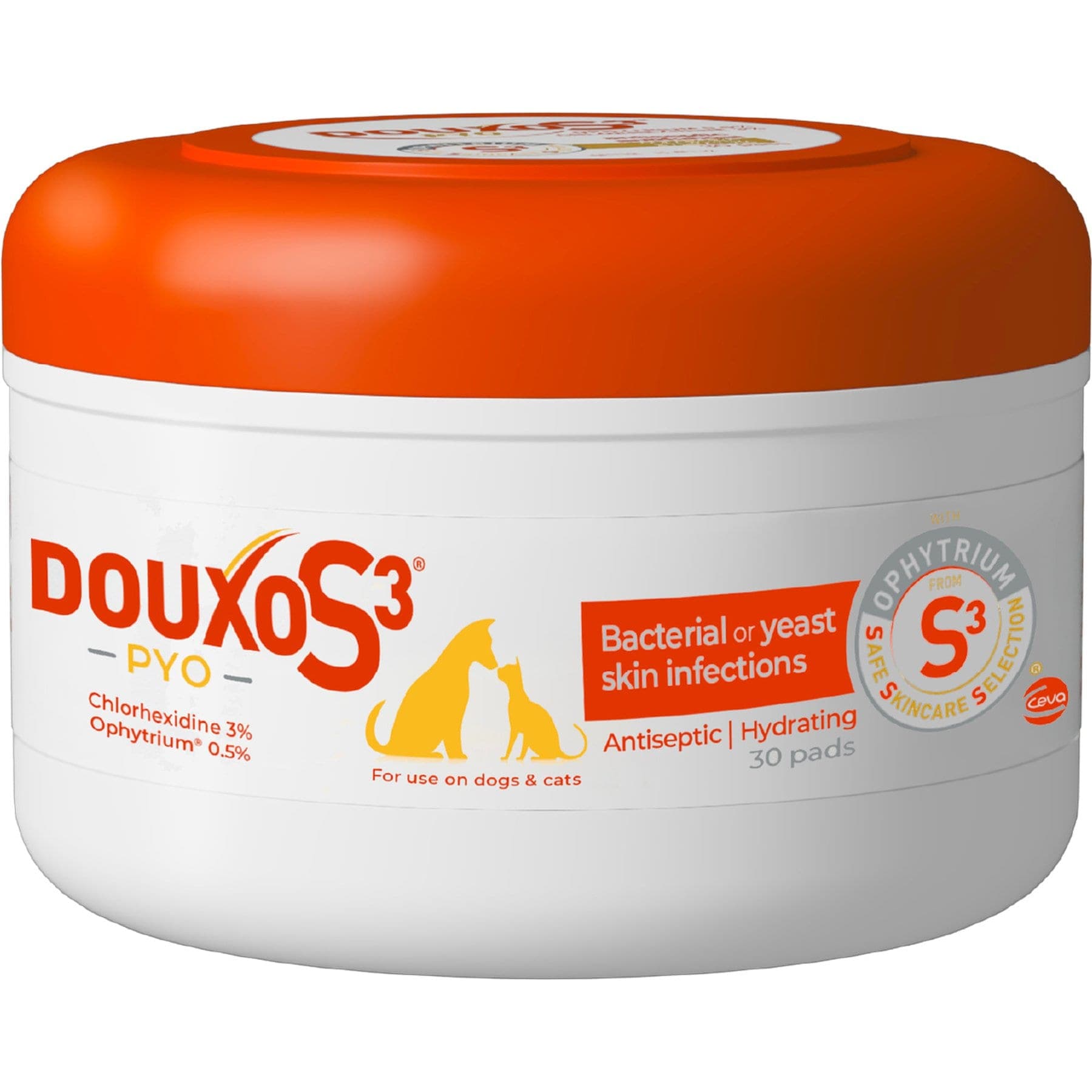
Chlorhexidine wipes for a veterinarian-selected skin-care plan. Ask whether wipes suit the lesion and follow the cleaning instructions.
Webvet may earn a commission when you click through to Chewy, at no extra cost to you.
Why the bumps develop between toes
Hair follicles sit within the skin between the toes. When follicles become inflamed or damaged, their contents can enter surrounding tissue and trigger more inflammation. Short, stiff hairs can also become embedded where pressure and friction repeatedly affect the webbing. Bacteria may then complicate the problem. This helps explain why treating only the visible surface sometimes gives temporary improvement.
Allergic skin disease is an important underlying trigger. A dog that repeatedly licks itchy feet can damage the skin barrier and perpetuate the cycle. Ear trouble, itch elsewhere on the body or seasonal flare-ups are useful details to mention. A food allergy is one possibility, not a diagnosis that can be made from the location of a paw lump or by switching randomly between foods.
Some dogs put more pressure on the skin between their pads because of paw shape, body weight or a change in how they walk. Rough surfaces can add friction. Bulldogs, Labrador retrievers and other dogs with broad paws or short coarse hair may be predisposed, but any breed can develop an interdigital problem.
Topical hygiene and other triggers
Cleaning is part of many veterinary treatment plans, but the product matters. Antimicrobial wipes may be useful when your veterinarian has selected that approach for the skin involved. Ask whether a wipe is appropriate for an open or draining area and how it should be used. More scrubbing is not better: repeated rubbing can irritate already damaged skin.
A grass awn or another foreign body can cause a localized, painful swelling. Sudden attention to one foot after walking through long grass is worth reporting, although it does not confirm an embedded awn. Do not probe a hole with tweezers or assume that a surface fragment is the whole object. Material can travel beneath the skin, where searching at home causes additional injury.
Other possibilities include mites, different infections and less common growths. The point of testing is to distinguish these causes, not to label every sore foot an allergy. Persistent paw licking is a clue to discomfort with several possible explanations; it is not a reliable diagnosis by itself.
 Sponsored
Vet care that's always there
Unlimited video calls and messaging with licensed vets for less than a typical vet visit. One membership covers up to five pets.
Use code Pets30
Plans start at $11/month · covers up to 5 pets
- Licensed vets in most states
- Rx for 150+ conditions
- 4.7 on Trustpilot
How a veterinarian identifies the cause
Details to record for the paw examination
Your veterinarian will examine the whole foot and usually the other paws and skin as well. Bring a short history: when the lump first appeared, whether it ever fully disappeared, whether the same spot returns, and what has already been applied. Include shampoos, household ointments and leftover prescriptions. Recent treatment can affect how the skin looks and how some test results are interpreted.

- Location and onset: which foot, toe, pad or nail changed; when you noticed it; whether one foot or several are affected.
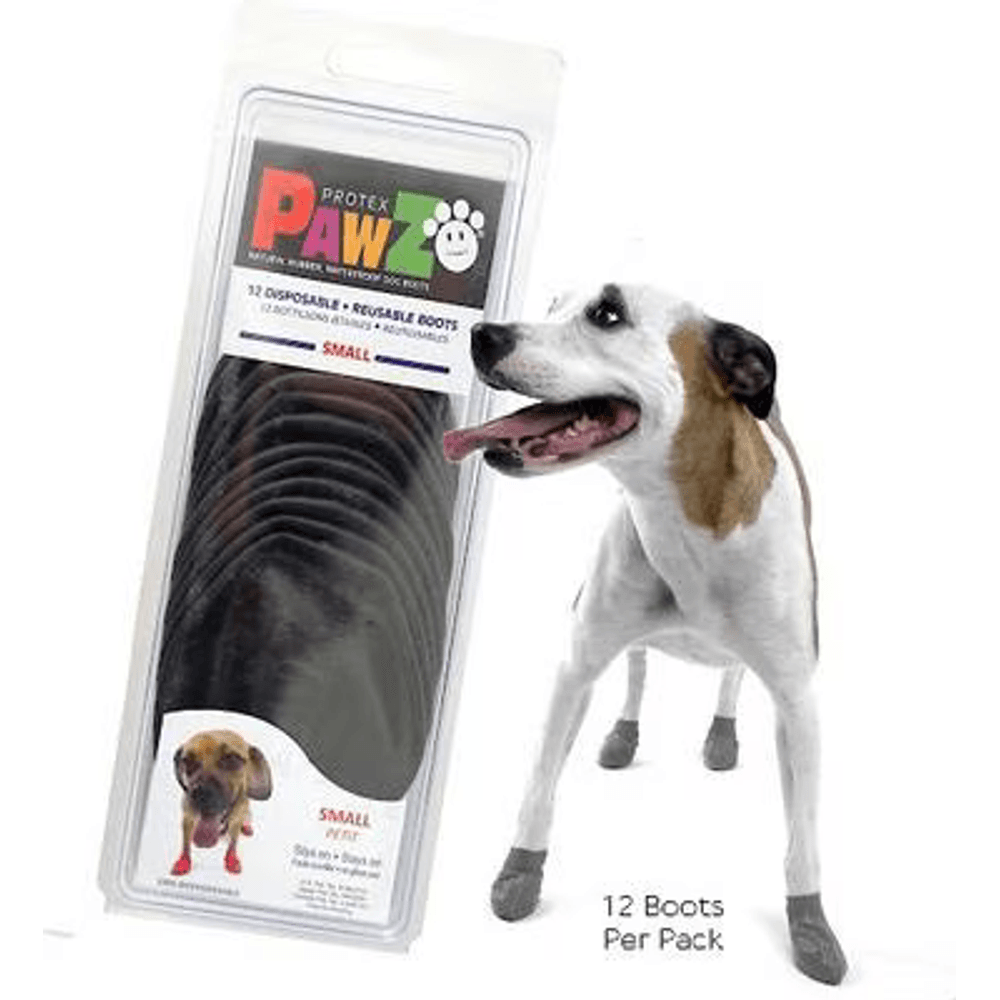
Temporary paw protection for a veterinarian-approved outdoor trip. Choose the correct size, remove afterward and check for moisture or rubbing.
Webvet may earn a commission when you click through to Chewy, at no extra cost to you.
- Comfort and progression: limping or normal weight-bearing, licking, swelling, discharge, bleeding and any change in appetite or energy.
- Possible triggers and treatment: recent surfaces or injuries, previous episodes, every product applied and any medication already given.
Cytology examines material from the lesion under a microscope. It can help identify inflammatory cells, bacteria or yeast. Skin scrapings or hair examinations may be useful when mites are a concern. These tests answer different questions, so receiving more than one recommendation does not necessarily mean the first test failed.
A bacterial culture and susceptibility test may be recommended, particularly for recurrent, deep or poorly responding infection. It helps the veterinarian choose an antimicrobial rather than repeatedly guessing. An unusual, persistent or solitary lesion may need a biopsy or investigation for a foreign body. A biopsy can distinguish conditions that look similar on the surface.
Protecting the foot during the workup
Protection from rough ground can reduce further trauma during this process. If your veterinarian recommends a boot, choose the correct size and use it for the specific activity advised, such as a short outdoor toilet trip. Remove it afterward and check the skin. A wet, tight or continuously worn boot can create problems of its own and is not a substitute for stopping licking indoors.
For recurring disease, the workup may extend beyond the lump. The veterinarian may discuss allergy management, a properly controlled diet trial, mobility or weight, depending on the examination. Record whether one paw or several are affected at each episode. That pattern, combined with the examination and tests, is more informative than a photo alone.
Costs vary with the tests needed, severity, region and whether repeat visits are necessary. Ask for an estimate separating the initial examination and tests from treatment and rechecks. There is no reliable universal price for “removing a cyst,” because some dogs need medical management of an underlying disease rather than a simple removal procedure.
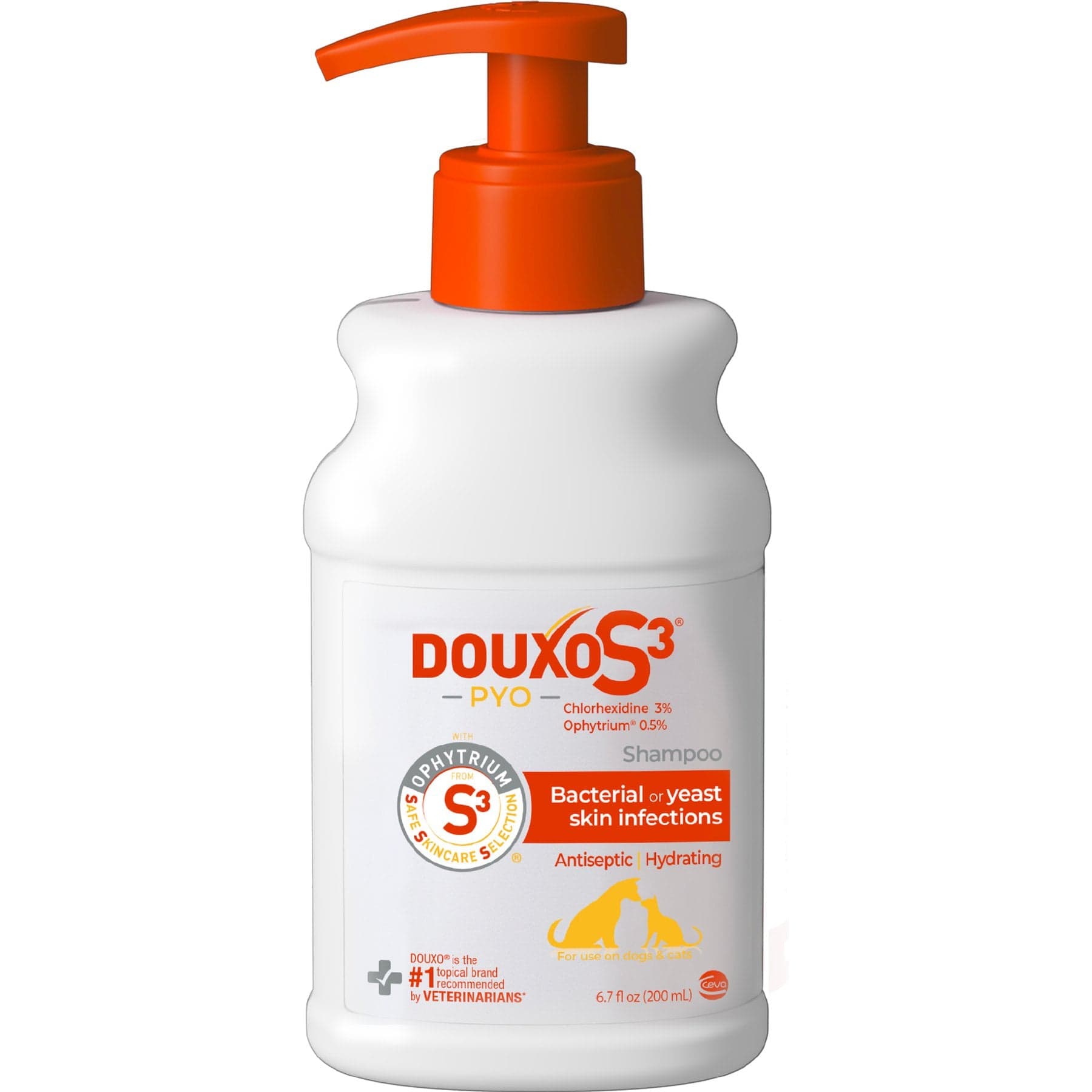
A chlorhexidine shampoo option for a veterinarian-directed paw-care plan. Use the advised contact time and frequency.
Webvet may earn a commission when you click through to Chewy, at no extra cost to you.
Treatment and safe paw care
Treatment usually has two jobs: settle the active inflammation or infection and address the underlying disease or other factor allowing it to recur. Your veterinarian may prescribe topical treatment, systemic medication or both. Some dogs also need an allergy plan, removal of foreign material or changes to the surfaces and activities stressing their paws.
An antimicrobial shampoo may be part of the prescribed topical plan. Use the formulation, contact time and frequency your veterinarian recommends, and rinse or dry as directed. A shampoo and a wipe are different ways to deliver care; buying several skin products does not mean all should be layered together. Tell the clinic if handling the paw is too painful for you to carry out the instructions safely.
Deep infection is not usually a few-days problem. Merck describes treatment lasting 3–6 weeks, with systemic treatment for multifocal lesions often lasting at least 4–6 weeks. Those ranges describe veterinary treatment, not a period to wait before seeking care. Do not stop medication simply because the bump has flattened, and do not extend an old prescription on your own when it returns. Improvement in appearance does not always mean the deeper process has resolved. A recheck allows the veterinarian to decide whether treatment should change or finish.
Which ointment helps an interdigital cyst?
There is no single best over-the-counter ointment for every interdigital cyst. A product suitable for one dog's superficial skin problem may be inappropriate for another dog's open lesion, infection or licking habits. Ask the veterinarian about the exact product before using a human antibiotic cream, steroid preparation, essential oil or “drawing” remedy. Avoid applying pain-relief creams intended for people.
Never squeeze or lance the lump. Pressure can traumatize tissue without removing the cause, and a draining tract is not an invitation to explore it. Similarly, do not shave closely between inflamed toes at home. Clipping may be useful during veterinary care, but nicking the skin or creating short abrasive hairs can add irritation.
If the area becomes dirty before your appointment, ask the clinic whether a gentle water rinse is appropriate, then pat dry rather than scrubbing. Avoid repeated soaking without instructions, especially if it leaves the webbing damp. Do not use hydrogen peroxide, alcohol or harsh household disinfectants on the lesion. Keep the foot protected from further trauma and prevent licking while waiting for the specific plan.
When a specialist procedure may help
For selected difficult cases, a veterinary dermatologist may discuss procedures such as laser treatment. Surgery is not the automatic next step for every bump and does not eliminate an untreated allergic or mechanical trigger. The decision depends on the diagnosis, previous response and the effect on the dog's comfort and ability to walk.
The useful home-care goal is to prevent further injury and follow the diagnosis-specific plan. Popping the lump, changing products repeatedly or stopping treatment as soon as the surface looks better can interfere with recovery.
Healing, recurrence and prevention
A bump can temporarily flatten or drain without the underlying problem resolving. Do not assume an interdigital cyst has cured itself when its surface looks better. There is no dependable number of days after which every interdigital cyst should disappear. A superficial problem and a recurrent deep lesion have different courses. Many treatment plans run for weeks, and longstanding inflammation may leave scarring. Ask your veterinarian what improvement should look like for your dog and when a lack of progress warrants an earlier review.
Track comfort as well as appearance. Is your dog bearing weight more easily? Licking less? Developing new lumps while an older one shrinks? Taking a photograph from the same angle every few days can help, but repeatedly touching the lesion to “check it” can hurt. Record discharge, swelling and any difficulty giving the prescribed treatment.

Contact the clinic sooner if pain or swelling increases, a new area opens, your dog becomes unwell or medication seems to cause a problem. A lump that goes away and returns is not necessarily a new unrelated cyst. It may mean that an underlying trigger remains, foreign material is still present or the original diagnosis needs reconsideration.
Reducing the chance of another flare
Prevention is tailored to that trigger. It may involve better control of itching, a weight-management plan, treating a mobility problem or avoiding a particular rough walking surface. After wet walks, gently dry between the toes if your dog tolerates handling. Check boots for moisture and rubbing, and do not leave them on continuously unless the veterinarian has given a specific reason and monitoring plan.
Keeping a concise recurrence record makes follow-up more productive. Note the foot and toe space, season, recent walks, other itchy areas and products used. Bring it to the next appointment rather than starting another unplanned round of home remedies. The aim is a comfortable foot that stays comfortable, with treatment guided by the underlying cause.
Sources
Sources: Merck Veterinary Manual: interdigital furunculosis and VCA: interdigital cysts in dogs.
Frequently asked questions
Is it okay to squeeze a cyst between my dog's toes?
No. Squeezing or lancing can injure the tissue without removing the cause, and a draining tract should not be explored at home. Many of these lumps are deep inflammation rather than true cysts, so there may be nothing simple to pop. Prevent licking, protect the foot and let your veterinarian examine the lump and plan treatment.
How long does an interdigital cyst take to go away?
There is no dependable number of days. A superficial problem and a recurrent deep lesion run different courses. For deep infection, Merck describes treatment lasting 3 to 6 weeks, longer when several areas are involved. A lump can flatten while the deeper process remains, so finish the prescribed course and keep the recheck.
Is it normal for older dogs to get cysts on their paws?
Older dogs can develop several kinds of skin lumps, but age does not make a new paw lump harmless. A sore lump between the toes may be inflammation, a foreign body or another growth, and only an examination can distinguish them. Mention how long it has been there, whether it drains and whether it returns when you call the clinic.
Veterinarian · BVMS MRCVS
Dr. Pippa Elliott, BVMS, MRCVS, is a veterinarian with nearly 30 years of experience in companion animal practice. Dr. Elliott earned her Bachelor of Veterinary Medicine and Surgery from the University of Glasgow. She was also designated a Member of the Royal College of Veterinary Surgeons. Married with 2 grown-up kids, Dr. Elliott has a naughty Puggle named Poggle, 3 cats and a bearded dragon.


