Dog Nail Infection: Signs, Causes and Treatment
A dog nail infection can cause redness, swelling and licking. Learn how vets distinguish injury and nail disease, select treatment and monitor healing.

BVMS MRCVS
Medically reviewed by Dr. Pippa Elliott, BVMS MRCVS · Last reviewed

This article contains affiliate links. Webvet may earn a commission when you buy through them, at no extra cost to you.
A dog nail infection may cause redness, swelling, discharge or pain around the base of a claw. Your dog might repeatedly lick one toe, limp or resist having the foot touched. The nail itself may look fairly normal, or it may become discolored, brittle, loose or misshapen. These changes need veterinary assessment because injury and other nail diseases can look similar.
Arrange prompt care for a painful or draining nail fold. Seek urgent advice if your dog cannot bear weight, the toe is rapidly swelling, bleeding continues or your dog seems unwell. Do not pull off a loose nail or start a human nail-fungus treatment. The useful first step is identifying what is happening in the nail and surrounding tissue.
 Sponsored
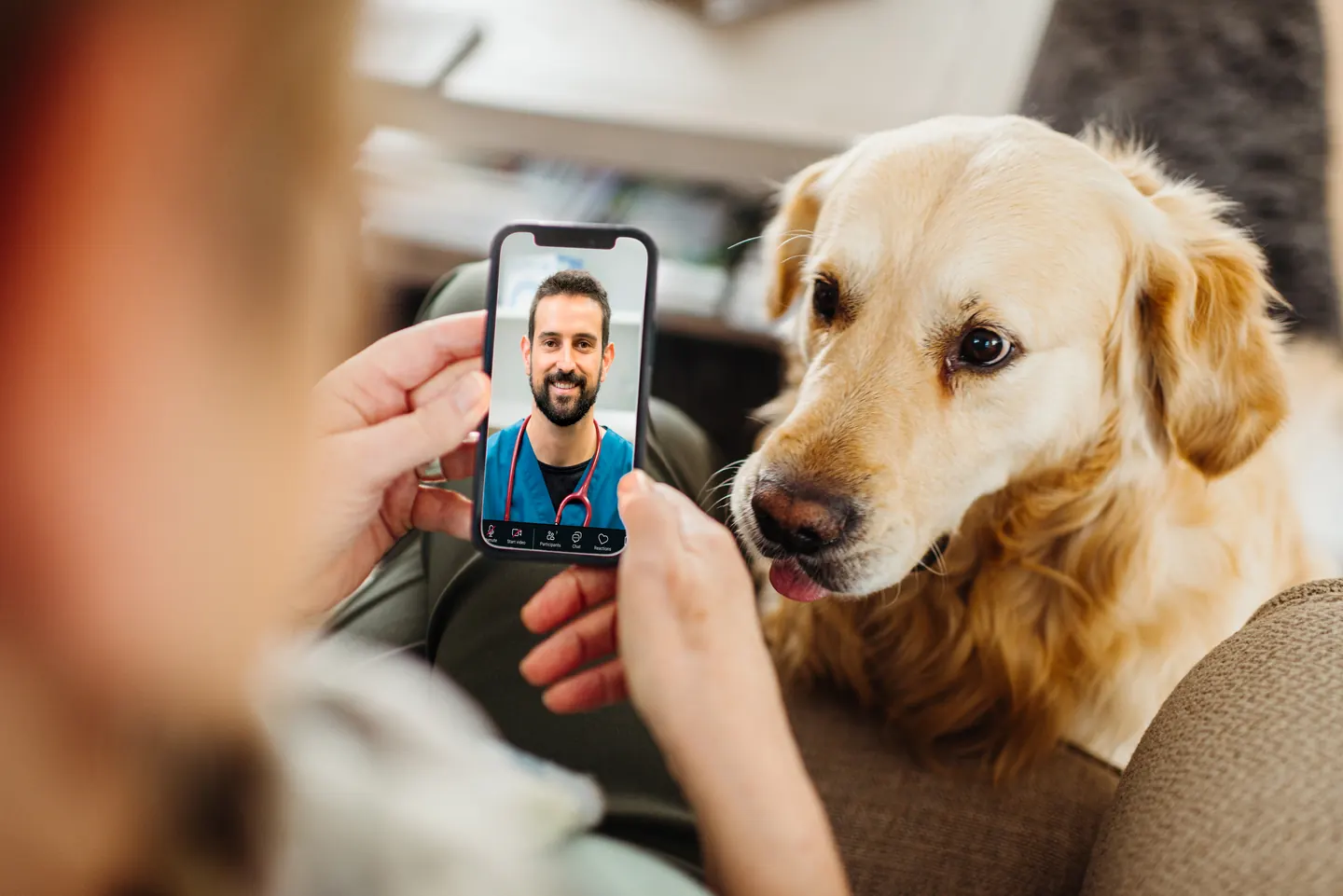
Want a vet's take on your dog's skin or coat?
Talk to a licensed vet at Dutch over video, often the same day. They can recommend treatment and prescribe it when it's appropriate.
Use code Pets30
Plans start at $11/month · covers up to 5 pets
- Licensed vets in most states
- Rx for 150+ conditions
- 4.7 on Trustpilot
Recognizing a dog nail infection
The nail fold is the skin around the base of the claw. The medical term for nail-fold inflammation is paronychia, and infection may be part of the problem. The quick contains sensitive living tissue with blood vessels and nerves. A broken claw that exposes it can be very painful even before an infection develops.
Look for a change at the base rather than relying on nail color alone. Signs can include a red or swollen nail fold, discharge, unusual odor, repeated licking and discomfort while walking. Some dogs show several of these; others mainly lick one foot. Naturally dark nails should not be mistaken for infection simply because they are dark.
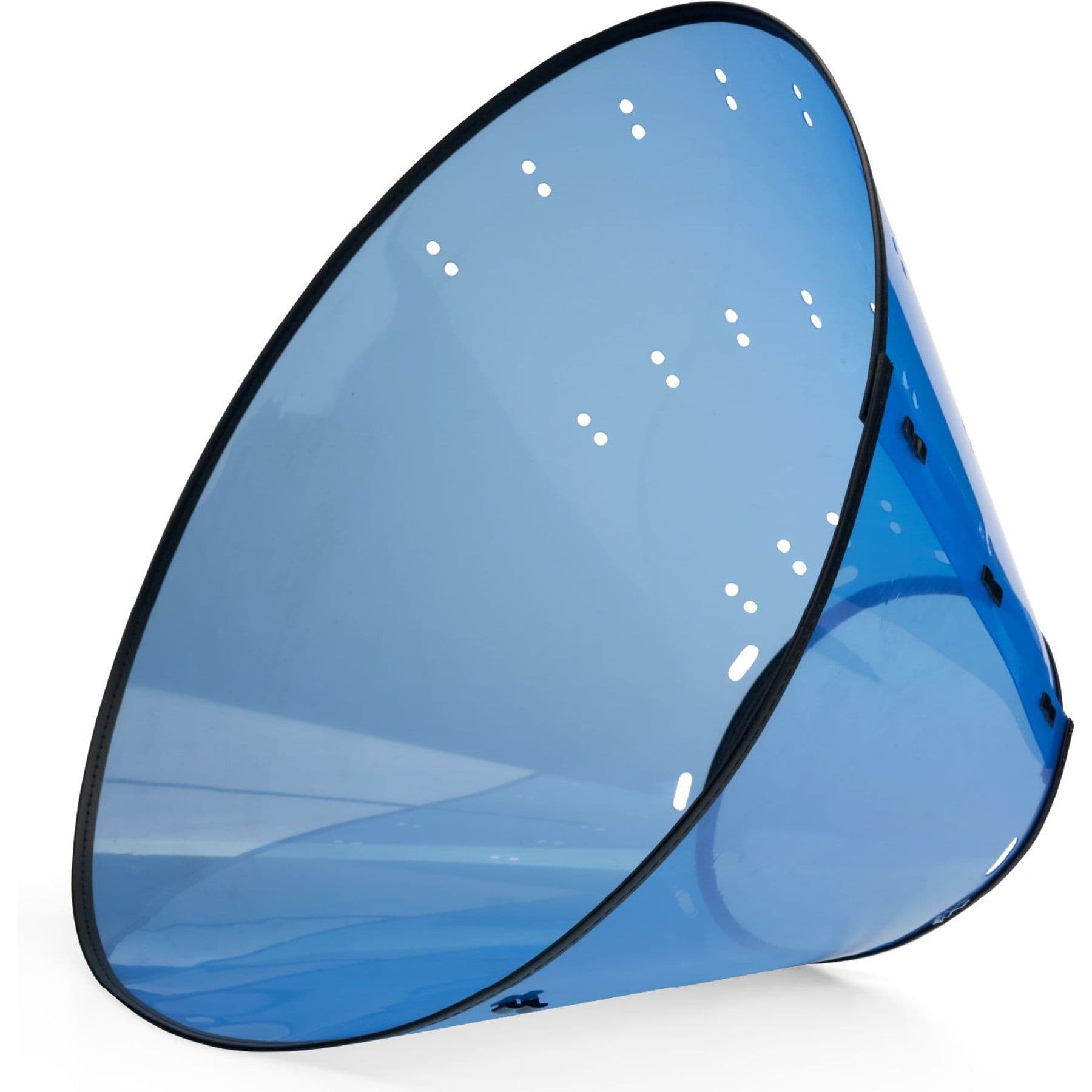
A rigid recovery collar can help prevent paw licking. Check fit and confirm that your dog cannot reach the affected foot.
Webvet may earn a commission when you click through to Chewy, at no extra cost to you.

Preventing further licking is a practical early step. A rigid recovery collar can help when it is correctly fitted and actually prevents access to the toe. Check that your dog can eat, drink and rest comfortably. A collar protects against additional chewing; it does not treat infection or replace pain relief selected by the veterinarian.
| Finding | What it may help the vet investigate | What you cannot conclude at home |
|---|---|---|
| A red, wet nail fold | Local inflammation, injury or infection | Which organism is involved |
| A split or hanging claw | Trauma and exposure of sensitive tissue | That pulling the loose part is safe |
| Thickened or brittle nails | Fungal disease or other nail disorders | That every abnormal nail is fungal |
| Several nails shedding or changing shape | A broader nail disease, including immune-mediated causes | That one topical cream will address the cause |
| Persistent swelling of one toe | Deep infection, injury or another lesion | That repeated antibiotics are the only option |
An infected quick is not something you can reliably identify from a photograph. Redness after an injury, exposed tissue and infection overlap visually. Likewise, odor or brown material around a claw can be useful observations but do not identify a particular fungus. A nail infection picture is a reference for location and change, not a substitute for sampling or examination.
Check the other nails only if handling is comfortable. Record whether one nail or several nails are affected and whether the problem appeared suddenly. A photograph of the whole foot and a closer image of the affected nail can help the clinic see the pattern without requiring you to repeatedly manipulate it.
A standard six-foot leash for short, controlled toilet trips while limiting running and digging.
Webvet may earn a commission when you click through to Chewy, at no extra cost to you.
One nail or several nails: why it matters
Trauma and immune-mediated disease can be mistaken for bacterial paronychia because each can cause a sore, inflamed nail fold. A single injured claw may become inflamed after catching on a surface, breaking during play or being damaged near the base. Overgrown nails can also cause mechanical problems. Tell the veterinarian about any incident, even if the nail did not bleed much at the time. Infection can complicate trauma, but not every broken nail is already infected.
Several affected nails raise a different set of possibilities. Fungal disease, other skin conditions and immune-mediated nail disease can affect more than one claw. Symmetric lupoid onychodystrophy is one condition the veterinarian may consider when multiple claws split, loosen or regrow abnormally. The pattern suggests what to investigate; it does not diagnose the disorder.
Keep activity controlled while the sore foot is being assessed. A regular leash allows a short, quiet toilet trip and helps prevent digging, sprinting or snagging the nail again. Avoid turning an apparently improved morning into a test run at the park. Pain can fluctuate before the underlying problem has resolved.
Persistent inflammation and deeper disease
Repeated paw licking can damage the skin and add moisture. Allergies are one possible reason for that licking, but pain from the nail itself can also start the behavior. Our guide to why dogs lick their paws covers the broader question. Treating every nail problem as an allergy risks missing a local injury or another disease.
A toe that stays swollen or repeatedly drains deserves reassessment. Deep infection can involve structures beyond the visible nail fold, and some growths can resemble an infected toe. This is why a veterinarian may recommend imaging or a biopsy when a presumed infection does not behave as expected. A persistent lesion should not receive endless unexamined rounds of home treatment.
A swollen dog paw may also have a cause away from the nail. Note whether the swelling is confined to one toe, lies between toes or involves the whole foot. Being precise about location helps the clinic determine which structures need attention.
 Sponsored
Vet care that's always there
Unlimited video calls and messaging with licensed vets for less than a typical vet visit. One membership covers up to five pets.
Use code Pets30
Plans start at $11/month · covers up to 5 pets
- Licensed vets in most states
- Rx for 150+ conditions
- 4.7 on Trustpilot
How nail infections are diagnosed
Details to record for the paw examination
The veterinarian will examine the affected claw, surrounding skin and other feet. The history includes onset, injuries, previous treatment, itching elsewhere and any changes in walking. Bring the names of products already used and the details of any medications. A quick visual inspection alone may not explain a recurring or severe problem.

- Location and onset: which foot, toe, pad or nail changed; when you noticed it; whether one foot or several are affected.
- Comfort and progression: limping or normal weight-bearing, licking, swelling, discharge, bleeding and any change in appetite or energy.
- Possible triggers and treatment: recent surfaces or injuries, previous episodes, every product applied and any medication already given.
Cytology examines material from the nail fold under a microscope and can help identify inflammatory cells, bacteria or yeast. A bacterial culture and susceptibility test can guide antibiotic selection. A fungal culture or other testing may be needed when fungal disease is suspected. Different tests answer different questions, and one normal result does not rule out every nail disorder.
Appearance does not reliably distinguish bacterial from fungal nail infection. A discolored, thickened claw may raise suspicion for certain conditions, but the same broad signs can occur with other diseases. Do not buy a human antifungal on the basis of color or odor. The treatment must match the diagnosis and be safe for a dog likely to lick the area.
Cleaning, imaging and treatment costs
If the clinic recommends a cleaning product while the investigation proceeds, a pet wound-care rinse may have a practical role. Ask whether it is suitable for the exposed tissue and how often to use it. Avoid combining it with peroxide, alcohol or several other antiseptics. The goal is the specific cleaning plan, not the strongest possible chemical treatment.
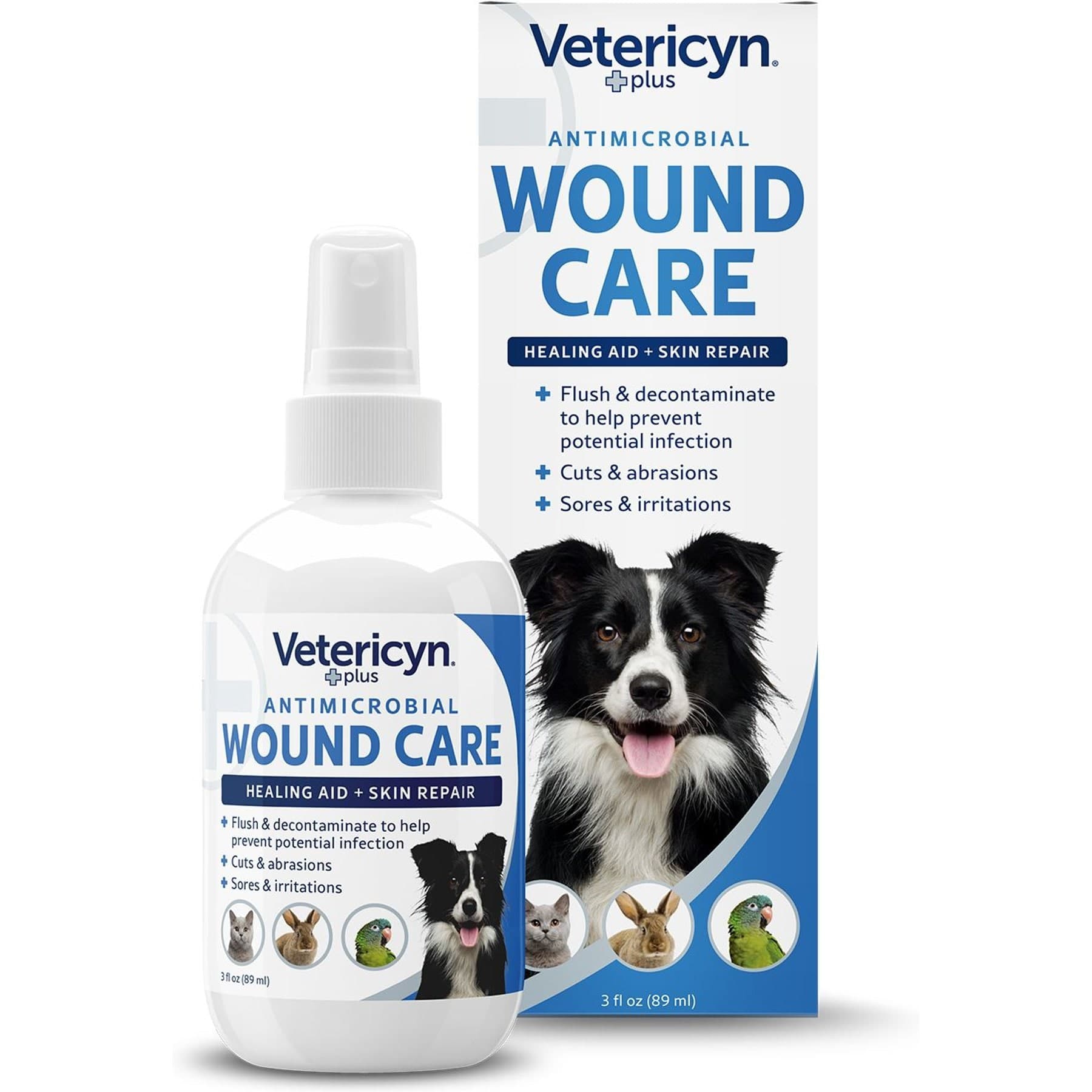
A pet wound-care rinse for a veterinarian-approved cleaning plan. It does not replace diagnosis or prescribed infection treatment.
Webvet may earn a commission when you click through to Chewy, at no extra cost to you.
Radiographs may be needed when the veterinarian is concerned about deeper injury or bone involvement. A biopsy may be recommended for an unusual lesion or one that fails to respond. These steps can help distinguish a stubborn infection from a different disease requiring different treatment. Ask what question each proposed test will answer.
Costs depend on the examination, tests, pain control and follow-up required. An estimate should separate the immediate workup from potential additional investigation. A superficial lesion after a minor nail injury and a chronically swollen toe do not have the same diagnostic needs or expected course.
Treatment and protecting the sore foot
Treatment for canine paronychia may include prescribed topical or oral medication, pain relief, management of a damaged claw and protection of the foot. An antibiotic is used for a bacterial problem when indicated; an antifungal is selected for an appropriate fungal diagnosis. Immune-mediated disease requires a different plan. No single home remedy covers all of those possibilities.
Veterinarians may use antibiotics such as cephalexin or other agents for selected bacterial infections, but the appropriate choice and duration depend on the case and sometimes culture results. Do not use leftover antibiotics or seek an over-the-counter substitute. Giving the wrong drug can leave the cause untreated and interfere with later testing.
A protective dog boot may be useful for short outdoor trips if the veterinarian approves it for the injury or bandage. Fit it without pressure on the painful toe, remove it afterward and check for dampness or rubbing. A boot left on continuously can trap moisture, and it should never be used to hide a wet or slipping bandage.
Home care and drainage precautions
Home care works best as a clear set of instructions: prevent licking, limit activity, keep the foot as clean and dry as directed, give prescribed medication and attend the recheck. Ask what to do if your dog will not tolerate cleaning. Forcing painful handling can injure both of you and make subsequent care harder.
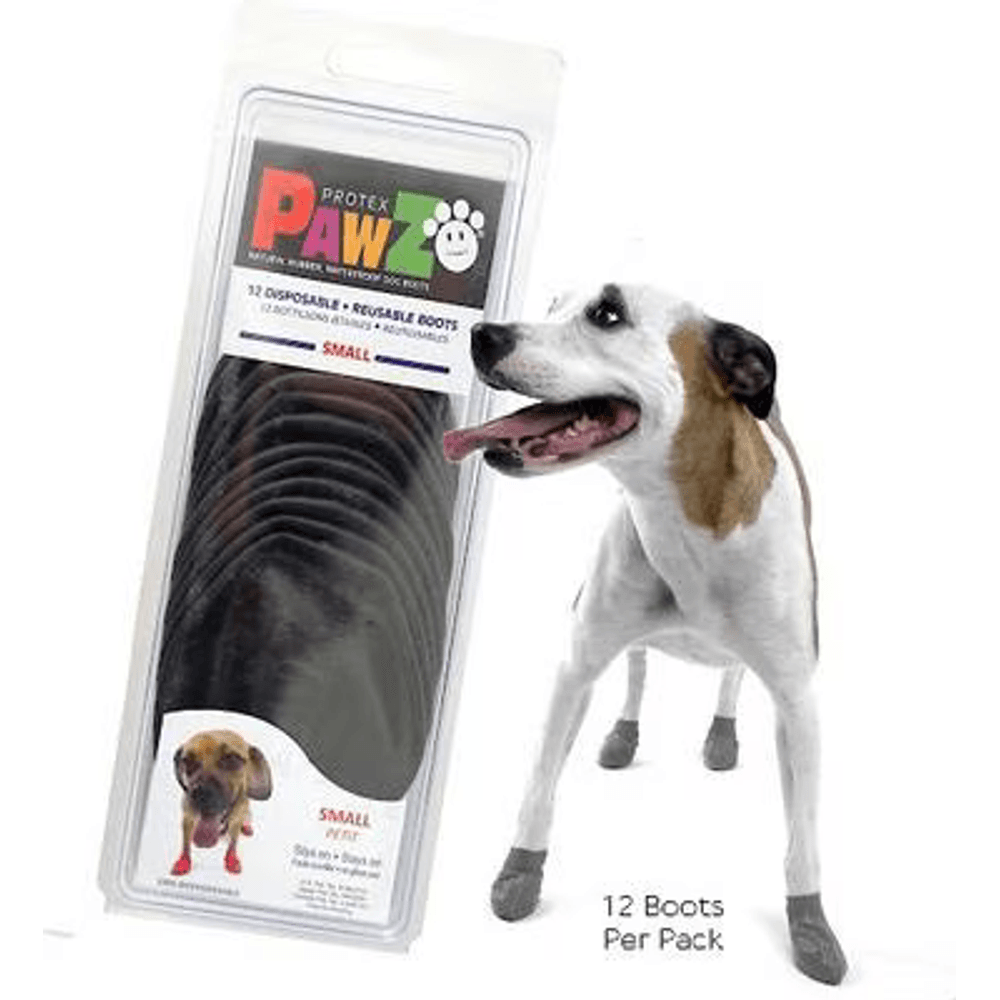
Temporary paw protection for a veterinarian-approved outdoor trip. Choose the correct size, remove afterward and check for moisture or rubbing.
Webvet may earn a commission when you click through to Chewy, at no extra cost to you.
Do not squeeze paronychia around a swollen nail fold, puncture it or pull the nail to encourage drainage. Painful tissue may need cleaning or removal of a damaged nail portion with veterinary pain control. Paronychia, a nail-fold infection or inflammation, does not automatically turn into sepsis. Sepsis is a serious body-wide response to infection and cannot be diagnosed from a nail photo. Spreading swelling or a dog that becomes weak, feverish or markedly lethargic needs prompt reassessment.
Do not put hydrogen peroxide on an injured nail or exposed quick. It can irritate damaged tissue. Ask before using Neosporin, a human steroid cream or a topical pain-relief product. These preparations are not interchangeable with a veterinary treatment plan, and licking creates an additional concern.
Fungal disease and damaged claws
There is no single best ointment for paronychia: bacteria, fungi, trauma and immune-mediated nail disease need different treatment. Reddish-brown staining alone does not establish yeast or tell you which medicine will help. A veterinarian may recommend a specific soak, sometimes including Epsom salt, but the solution, duration and suitability for an open lesion need explicit instructions.
There is no product that “absolutely kills nail fungus” in every dog without knowing which disease is present. Some fungal problems need systemic treatment, while other abnormal nails are not fungal at all. Treatment length can vary substantially. A cleaner or shampoo should not be presented as a cure for unexplained nail changes.
Broken nails and procedures
If a claw is loose or broken, leave removal to the veterinary team. They can judge the attachment and provide appropriate pain control. Pulling or clipping a painful claw at home can cause bleeding and further damage. If bleeding occurs before the appointment, apply gentle pressure with clean material while contacting the clinic, and seek prompt help if it continues.
Some persistent severe cases require a procedure or referral. That possibility does not mean every infected nail will need surgery. It means that continued pain or a lack of response should prompt a fresh assessment, including whether the original diagnosis is still the best explanation.
Treat the cause, protect the toe and follow the recheck plan. Less licking or a drier surface is encouraging, but neither proves that a deep infection or another nail disorder has resolved.
Healing and preventing another nail injury
How long does a nail infection take to heal?
Paronychia may need antibiotics when a bacterial infection is present; other causes need different treatment. Do not assume it will go away without treatment or that every swollen nail fold requires an antibiotic. Recovery time depends on the depth and cause. A superficial infection may improve relatively quickly with appropriate treatment, while deeper bacterial nail-bed disease can require 4–6 weeks of treatment, according to Clinician’s Brief. The prescribed course and recheck findings determine when treatment ends. Nail regrowth takes longer than the initial reduction in redness or swelling and may take weeks to months after substantial damage. Ask your veterinarian which milestone you should expect first.

A nail infection cannot be safely cleared quickly with an unselected cream or left to heal itself. A damaged nail may regrow after the cause is treated, while deep infection or recurring disease needs follow-up. Do not stop prescribed medication solely because the toe looks better. Conversely, do not extend treatment or restart a previous course without advice. A returning problem may involve an untreated trigger, a resistant organism or a different diagnosis. Bring a record of what improved, what persisted and when each change occurred.
Contact the clinic sooner if swelling or pain worsens, a new nail becomes affected, discharge increases or your dog stops bearing weight. A wet, slipped or chewed bandage also needs advice. Report any new illness during treatment rather than assuming it is unrelated to the nail problem or medication.
Preventing snags after recovery
Preventing another nail injury starts after the sore nail is healing and the veterinarian confirms grooming is safe. Then maintain an appropriate nail length. Use well-maintained dog nail clippers or another method your dog tolerates, and ask for a demonstration if you are unsure where to cut. Routine trimming is prevention after recovery; it is not a way to treat an active nail-bed infection or remove a diseased claw.
Check nails after an obvious snag or accident, including dewclaws that may receive less natural wear. Address ongoing paw licking rather than allowing recurrent self-trauma. Keep protective boots clean, dry and correctly fitted when they are part of your dog's routine. No grooming practice prevents every infection, but these habits make changes easier to notice early.
If several nails keep splitting or shedding, return to the broader diagnosis. Repeated trimming and topical products cannot correct every immune-mediated or systemic nail disease. Long-term management should be based on the pattern, test results and your dog's comfort, with rechecks that evaluate both the claws and the surrounding skin.
Sources
Sources: Clinician's Brief: claw and claw-bed diseases, PetMD: nail infections in dogs and VCA: first aid for broken nails.
Frequently asked questions
Can a dog nail infection go away on its own?
It is not safe to count on that. A sore, swollen nail fold has several possible causes, including injury, bacteria, fungus and immune-mediated nail disease, and only some respond to the same treatment. Redness may fade while the underlying problem remains. Have your veterinarian examine the claw before waiting, and contact the clinic sooner if swelling, pain or discharge increases.
Can I put hydrogen peroxide or Neosporin on my dog's infected nail?
Skip both until the clinic says otherwise. Peroxide can irritate damaged tissue and exposed quick, and a human antibiotic or steroid cream may not suit the cause. Licking adds a further concern because your dog can swallow whatever is applied. Ask your veterinarian which cleaning product and medication fit your dog's diagnosis.
How can I tell whether a dog's nail infection is bacterial or fungal?
You cannot tell from appearance, color or odor alone. Bacteria, fungi, trauma and immune-mediated disease can all leave a red, painful or misshapen nail. Your veterinarian may take cytology from the nail fold, or recommend a bacterial or fungal culture, to find out. Avoid buying a human antifungal on a guess, because the treatment has to match the diagnosis.
Veterinarian · BVMS MRCVS
Dr. Pippa Elliott, BVMS, MRCVS, is a veterinarian with nearly 30 years of experience in companion animal practice. Dr. Elliott earned her Bachelor of Veterinary Medicine and Surgery from the University of Glasgow. She was also designated a Member of the Royal College of Veterinary Surgeons. Married with 2 grown-up kids, Dr. Elliott has a naughty Puggle named Poggle, 3 cats and a bearded dragon.


