Osurnia for Dogs: How the Two-Dose Ear Gel Works and Side Effects
Osurnia is a prescription two-dose ear gel that vets use for ear infections in dogs. This guide explains what it treats, who applies it and when, what to expect between doses, side effects, and the signs that mean you should call the vet.

BVMS MRCVS
Medically reviewed by Dr. Pippa Elliott, BVMS MRCVS · Last reviewed

Drug facts
Osurnia (florfenicol, terbinafine, betamethasone acetate) Otic Gel· Osurnia
Osurnia is an FDA-approved prescription ear gel for dogs that combines florfenicol, terbinafine and betamethasone acetate to treat otitis externa linked to Staphylococcus pseudintermedius and Malassezia pachydermatis. A veterinary professional applies one tube per affected ear, repeated after 7 days.
Treats
 Sponsored
Is Osurnia (florfenicol, terbinafine, betamethasone acetate) Otic Gel right for your dog?
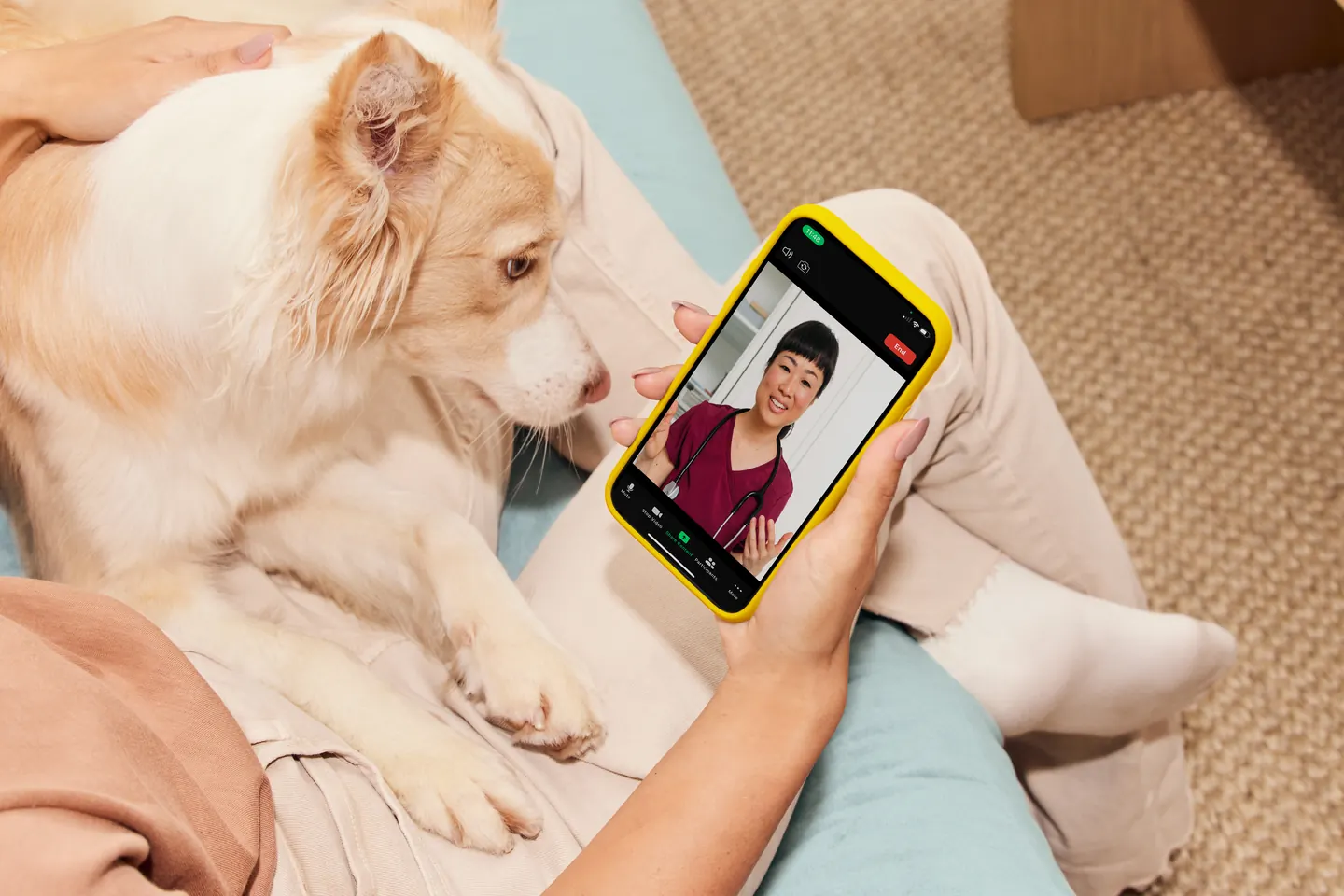
A licensed vet at Dutch can assess your dog over video and prescribe treatment when it's appropriate, delivered to your door.
Use code Pets60
Plans start at $12/month · covers up to 5 pets
- Licensed vets in most states
- Rx for 150+ conditions
- 4.7 on Trustpilot
Osurnia for dogs: what it treats, prescription status, and whether today is a vet day
Osurnia for dogs is a prescription ear gel that combines three drugs named on its FDA label: florfenicol (an antibiotic), terbinafine (an antifungal) and betamethasone acetate (a steroid anti-inflammatory). The Osurnia label on DailyMed says a veterinary professional gives it as two doses, one tube per affected ear, seven days apart.
What Osurnia treats is otitis externa, an infection of the outer ear canal, linked on the label to Staphylococcus pseudintermedius bacteria and Malassezia pachydermatis yeast. Federal law restricts it to use by or on the order of a licensed veterinarian, so the vet examines the ear and decides whether this gel fits before any dose.
- 1Osurnia is a prescription otic gel for dogs combining florfenicol, terbinafine and betamethasone acetate.
- 2In short, what Osurnia treats is outer ear canal infection (otitis externa) caused by susceptible bacteria and Malassezia yeast.
- 3Under the two-dose schedule, clinic staff apply one tube per affected ear, then a second dose 7 days later.
- 4The label says not to clean the ear canal for 45 days after the first dose.
- 5Call the vet about deafness, ear pain, head tilt, stumbling, vomiting, or eye pain or discharge.
People often search for Osurnia ear drops, but the product is an otic gel rather than a liquid drop. The label describes an off-white to slightly yellow translucent gel in a single-use tube with a flexible soft tip, sold in cartons of 2 or 20 tubes, with 1 mL in each tube.

Because Osurnia otic gel for dogs is a prescription animal drug, a pharmacy such as Chewy Pharmacy fills it only with a veterinarian's prescription. The label also directs that a veterinary professional applies the gel to the dog's ears, so ask the clinic how it supplies the tubes before ordering anything.
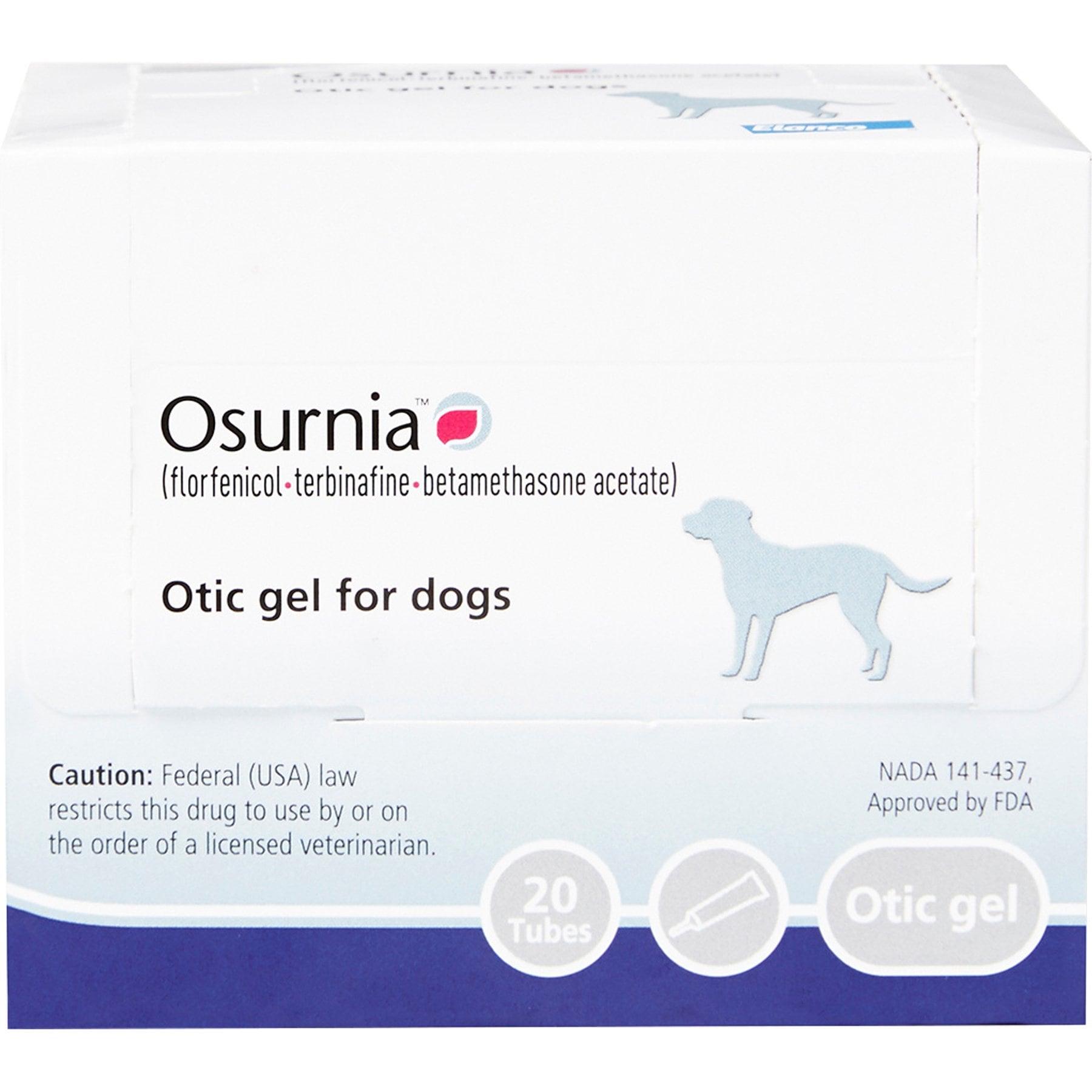
The single 1-mL Osurnia tube a veterinary professional applies, filled only with a veterinarian's prescription.
Webvet may earn a commission when you click through to Chewy, at no extra cost to you.
Whether today is a vet day comes down to the ear itself. The Merck Veterinary Manual lists these signs of otitis externa:
- Head shaking
- Itching
- Pain
- A bad smell from the ear
- Redness
- Erosions or ulcers in the canal
- Swelling
Any of these signs means booking an exam rather than reaching for leftover medicine. WebVet's guide to dog ear infection symptoms covers what each one looks like at home.
How to get rid of dog ear infection quickly?
The quickest route is a vet exam that identifies what is growing in the ear, followed by the right drug. The Merck Veterinary Manual notes that cytology of ear discharge may provide immediate diagnostic information, so the vet can often choose a treatment such as Osurnia at the same visit.
There is no safe shortcut at home. Merck stresses checking that the eardrum is intact before any topical treatment, and only an exam can do that.
Osurnia dosage for dogs: the two-dose schedule
Osurnia dosage is not based on weight, and the label gives no weight chart. It directs one full 1 mL tube per affected ear, repeated in 7 days, given by a veterinary professional. The vet decides which ears are treated and whether the second dose goes ahead.
| Step | Timing | Dose the label directs | Who applies it | What the owner does |
|---|---|---|---|---|
| Exam and first dose | Day 0 | 1 tube per affected ear, after the canal is cleaned and dried and the eardrum is checked | Veterinary professional | Help hold the dog if asked and keep faces away from a shaking head |
| Between doses | Days 1 to 6 | None | Nobody | Do not clean the ear canal; watch for side effects |
| Second dose | Day 7 | 1 tube per affected ear, eardrum checked first, no cleaning beforehand | Veterinary professional | Bring the dog back on schedule |
| After the second dose | Until Day 45 | None | Nobody | Keep cleaners out of the canal for 45 days from the first dose |
| Recheck | When the vet schedules it | None unless the vet prescribes more | Veterinarian | Report anything seen at home at the recheck; the vet decides whether the infection has cleared |
The label says not to clean the ear canal for 45 days after the first dose, because cleaning may affect how well the gel works. Once the vet confirms that cleaning can resume, a cleaner such as Virbac Epi-Otic Neutral-pH Advanced Dogs & Cats Ear Cleaner, 8-fl oz bottle is one to ask about. It does not replace the prescribed treatment or the vet exam.
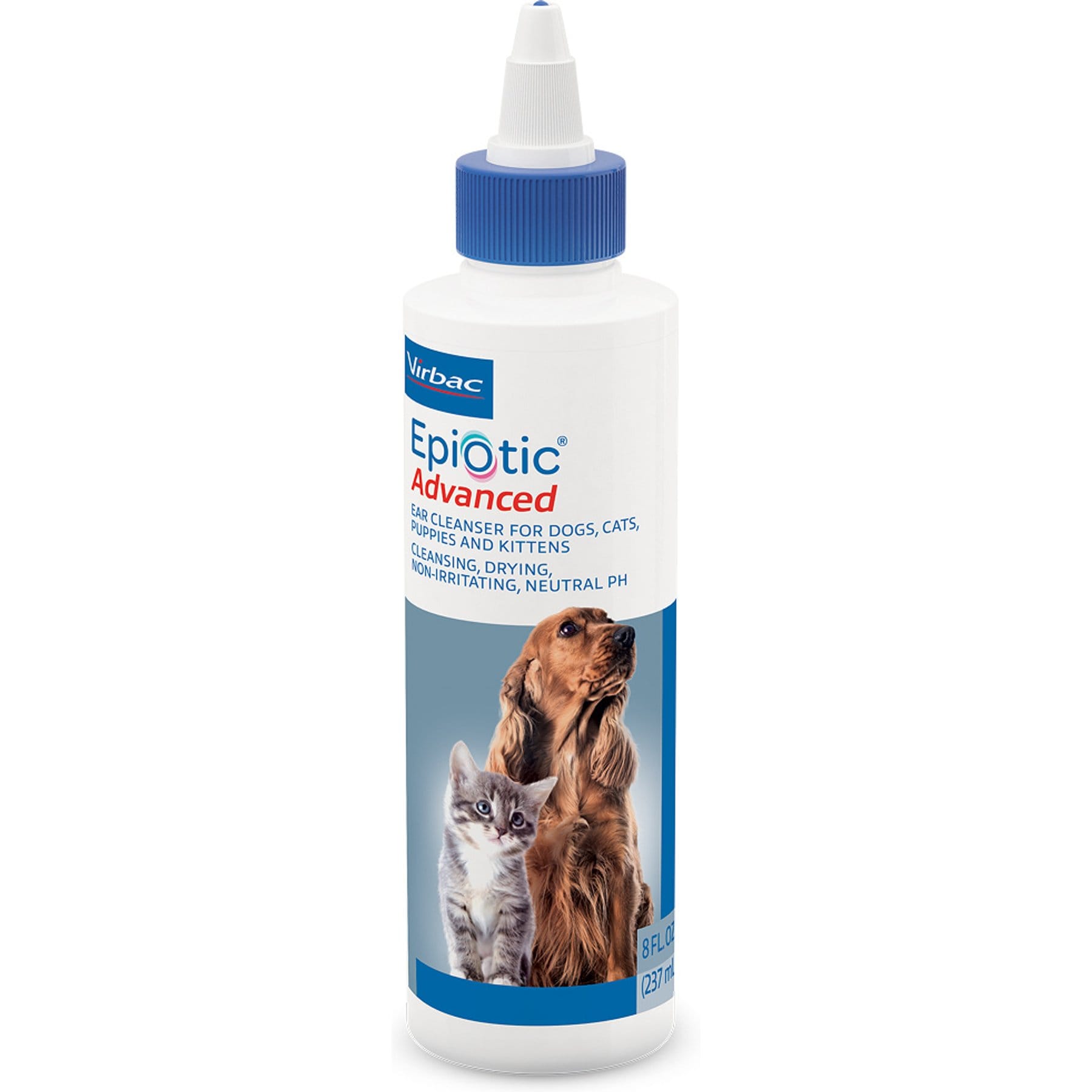
A routine ear cleaner to ask the vet about once the 45-day no-cleaning window after Osurnia has ended.
Webvet may earn a commission when you click through to Chewy, at no extra cost to you.
The clinic cleans and dries the canal before the first dose only. In the label's field study, ears were cleaned with saline before the first dose but not before the Day 7 dose.
At each visit, the label asks the person applying the gel to confirm the eardrum is intact, then follow this technique:
- Wear eye protection, and have anyone nearby protect their eyes as well.
- Twist the soft tip to open the tube.
- Insert the flexible tip into the ear canal and squeeze the entire tube in.
- Gently massage the base of the ear so the gel reaches the lower canal.
- Restrain the dog to limit head shaking, which can splatter gel into eyes.

Who applies each dose matters for safety. Splatter may occur if the dog shakes its head, and the label reports eye injuries in people and dogs, including corneal ulcers. This is part of why the two-dose schedule runs through the clinic rather than a tube sent home with the owner.
Between the two doses, the gel stays in the canal, and the ear may look damp. The label's safety study recorded ear wetness after dosing, and head shaking appears among reported adverse events. Neither is a reason to wipe out the canal.
What Osurnia is used for and how the ear gel works
Osurnia is an ear medication for dogs with otitis externa, which the Merck Veterinary Manual defines as inflammation of the external ear canal and calls a common problem in dogs. Merck lists bacterial infection and yeast infection (Malassezia) as secondary causes that take hold in an ear something else has already disturbed.
The label lists the Osurnia ingredients per mL as 10 mg florfenicol, 10 mg terbinafine and 1 mg betamethasone acetate. Each has its own job in this ear treatment for dogs:
- Florfenicol: a bacteriostatic antibiotic that inhibits bacterial protein synthesis, active against Gram-positive and Gram-negative bacteria.
- Terbinafine: an antifungal that selectively inhibits the early synthesis of ergosterol, aimed at yeast such as Malassezia pachydermatis.
- Betamethasone acetate: a glucocorticosteroid with anti-inflammatory activity.
- The gel base: propylene carbonate, glycerol formal, hypromellose, phospholipid, oleic acid and BHT.
What sets this gel apart from daily drops is how long it stays. The label says Osurnia dissolves in ear wax and is slowly eliminated from the ear mechanically. That slow exit is the reason behind the 45-day no-cleaning rule and the two clinic doses a week apart.
The three ingredients work side by side. In lab testing described on the label, florfenicol and terbinafine showed no consistent synergy or interference with each other, and adding betamethasone did not impair their antimicrobial activity to any clinically significant extent.
The label's US field study judged success at Day 45. Of the 235 dogs in its effectiveness analysis, 64.78% given Osurnia were successfully treated, compared with 43.42% given a placebo gel without the active ingredients.

It is not the right fit for every infection. In the field study, three dogs whose only cultured organism was Pseudomonas aeruginosa were all treatment failures, so the label says Osurnia may not be effective when that bacterium is the only pathogen. Ear cytology before treatment helps the vet judge which drug suits the ear.
A published report of the trial in BMC Veterinary Research describes 284 dogs given two doses one week apart, with success rates matching the label and similar adverse events between groups. The 284 figure matches the dogs in the label's safety table; its effectiveness count is 235.
Because the gel needs to stay in the canal, some owners of dogs that paw at treated ears ask the vet about a soft collar such as the ZenPet ZenCollar Inflatable Recovery Dog & Cat Collar, Medium. A collar does not replace the prescribed treatment or the vet exam.
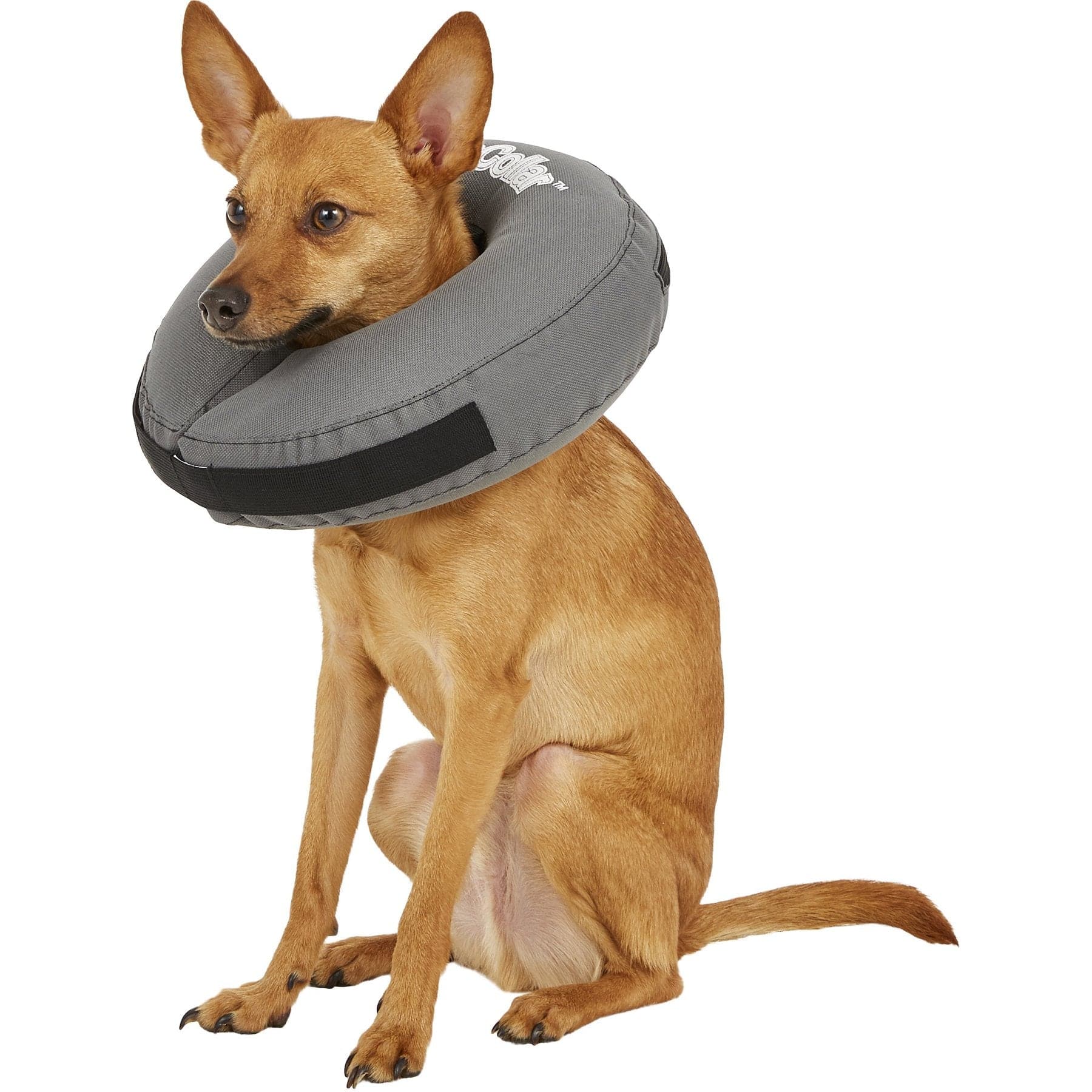
A soft inflatable collar to ask the vet about when a dog keeps pawing at treated ears between doses.
Webvet may earn a commission when you click through to Chewy, at no extra cost to you.
Will a dog's ear infection heal itself?
Not reliably. The Merck Veterinary Manual says primary causes in particular must be managed to lessen continuation or recurrence of otitis externa, and chronic cases can take months to resolve. In the Osurnia study, 43.42% of dogs given a cleaned ear and an inactive gel were judged successes, well below the 64.78% on Osurnia.
Long-standing infection can change the ear canal itself. Merck notes that dogs with severe chronic changes are more likely to need advanced imaging, and surgery such as total ear canal ablation is sometimes considered. The guide to dog ear infection explains end-stage ear disease.
Merck lists allergy among the primary causes, in three forms:
- Adverse food reaction
- Atopic dermatitis
- Allergic contact dermatitis
Yeast on its own is not proof of infection. Merck notes that Malassezia may be present in low numbers in healthy ears of dogs but frequently multiplies with otitis externa, so the vet weighs how much shows up on ear cytology alongside the signs.
For repeat ear trouble, the vet may look at diet (see allergens in dog food) or allergy medicines such as the one in the guide to Apoquel for dogs. Owners sometimes ask about omega supplements such as Chew + Heal Omega Skin + Coat Dog Supplement, 120 count; it does not replace the prescribed treatment.
For dogs that rub treated ears on carpet or furniture and slip a soft collar, the Barpor Protective Recovery Cone Dog Collar, Medium is a firmer cone to ask the vet about. A cone does not replace the prescribed treatment or the vet exam.
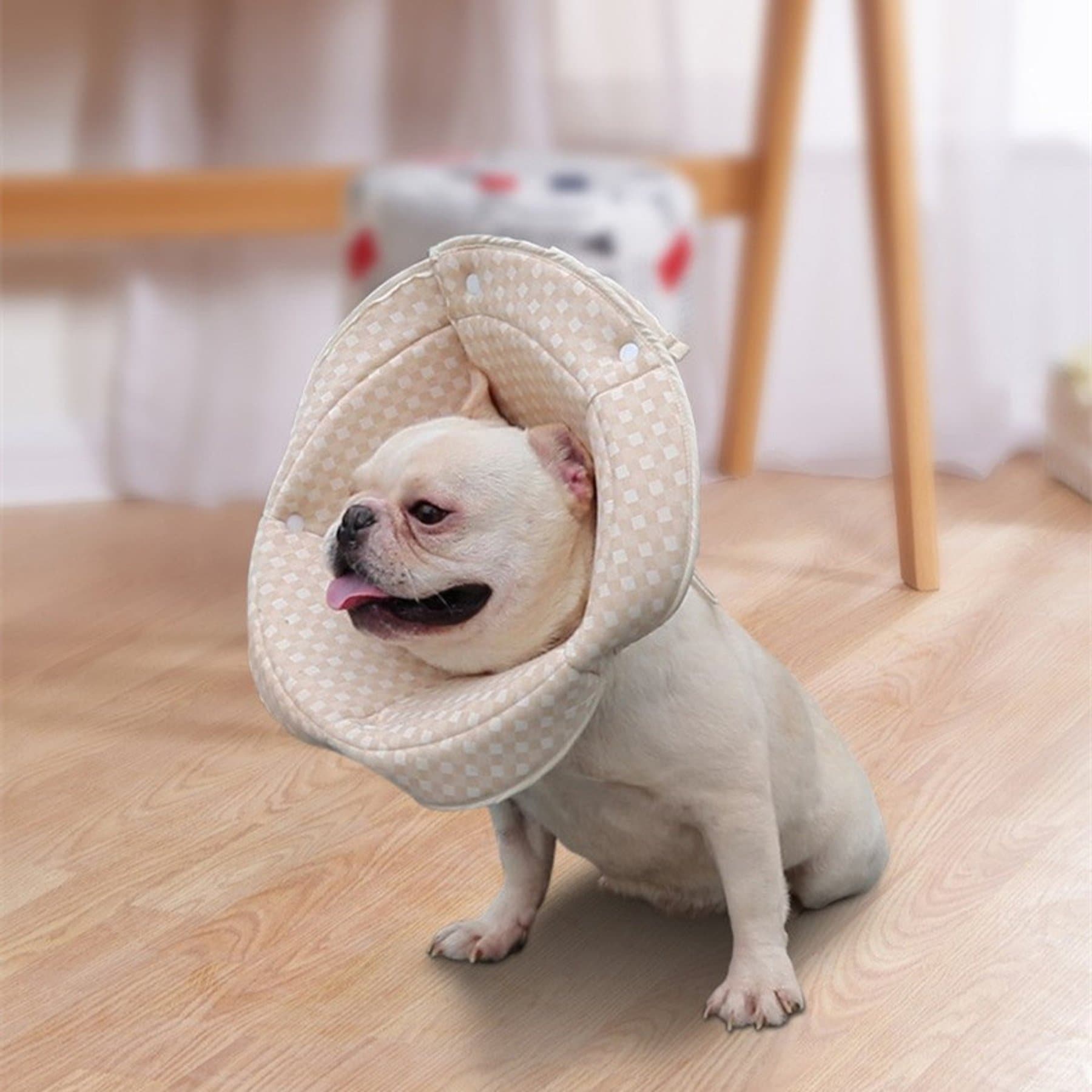
A firmer recovery cone to ask the vet about for dogs that rub treated ears on carpet or furniture.
Webvet may earn a commission when you click through to Chewy, at no extra cost to you.
Osurnia side effects in dogs
The label's US field study recorded these Osurnia side effects in 190 treated dogs, compared with 94 dogs given placebo. They are the side effects to watch alongside the ear itself:
- Elevated alkaline phosphatase, a liver enzyme: 15 dogs (7.9%) on Osurnia vs 3 (3.2%) on placebo
- Vomiting: 7 (3.7%) vs 1 (1.1%)
- Elevated AST, ALT and ALP liver enzymes: 2 (1.1%) vs 0 (0.0%)
- Weight loss of more than 10% of body weight: 1 (0.53%) vs 0 (0.0%)
- Hearing decrease or loss: 1 (0.53%) vs 1 (1.1%)
Reports to the FDA after approval added a wider list of Osurnia ear gel for dogs side effects, shown here in decreasing order of reporting frequency:
- Deafness
- Ear discharge
- Ear flap irritation and ear pain
- Vomiting
- Head shaking
- Head tilt and balance problems
- Incoordination
- Vocalization
- Corneal ulcer
- Dry eye
- Flickering eyes
- Eardrum rupture
- Facial paralysis
The label notes these reports cannot reliably show how often each problem happens or prove the gel caused it. Several involve the inner ear and the eyes, which is why the label tells owners to contact the vet if any appear.
Some of the drug reaches the bloodstream for the first 2 to 4 days after a dose. The label warns that steroid ear medicines have been associated with adrenocortical suppression and iatrogenic hyperadrenocorticism in dogs, and calls the cortisol changes in its safety study likely reversible.
 Sponsored
Vet care that's always there
Unlimited video calls and messaging with licensed vets for less than a typical vet visit. One membership covers up to five pets.
Use code Pets60
Plans start at $12/month · covers up to 5 pets
- Licensed vets in most states
- Rx for 150+ conditions
- 4.7 on Trustpilot
When to call the vet now after Osurnia
The label's section for dog owners spells out the signs to call the vet about. Contact the clinic the same day if any of these appear after either dose:
- Deafness or a sudden drop in hearing
- Ear pain or irritation
- Vomiting
- Head shaking
- Head tilt
- Incoordination or stumbling
- Eye pain or discharge from the eye

If the clinic is closed, follow its out-of-hours instructions or go to an emergency veterinary hospital. Bring the date of each dose and which ears were treated, because the vet will want to examine the eardrum.
Who should not get Osurnia: ruptured eardrums and other ear drugs
The label lists two situations where Osurnia must not be used:
- A dog with a known tympanic perforation, meaning a ruptured eardrum
- A dog with a hypersensitivity to florfenicol, terbinafine or corticosteroids
A ruptured eardrum changes what is safe because medicine can reach the middle ear. Merck says to verify the eardrum is intact before topical treatment, as some ear drugs carry a higher risk to hearing when it is not. The label adds that middle ear ulceration has been associated with Osurnia.
The label also asks for care in these dogs and situations:
- Dogs with impaired liver function
- Dogs used for breeding, and pregnant or nursing females, where safety has not been evaluated
- Cats: the label says do not use in cats, and reports after extra-label use in cats include Horner's syndrome, head tilt and deafness
- Any route other than the ear: the label says do not administer orally
The label gives no list of drug interactions, so the vet still needs every medicine and supplement the dog takes. If the vet switches to a different ear product, such as those in WebVet's guides to Easotic for dogs or Mometamax for dogs, the Osurnia label recommends cleaning the ears first.
How Osurnia is applied, the recheck visit, and what it costs
How to use Osurnia for dogs is simple from the owner's side: the clinic applies it, following label directions written for a veterinary professional. The owner's job is the time between doses:
- Do keep both appointments, on Day 0 and Day 7.
- Do keep children and faces away from the dog's head right after each dose.
- Do ask the vet before using any cleaner, wipe or other ear product.
- Do not clean the ear canal for 45 days after the first dose.
- Do not add drops or home remedies; the guide on how to clean dog ears explains why hydrogen peroxide is a separate decision.
Over-the-counter products and human antibiotic ear drops come up often. The guide to dog ear infection treatment explains what owners can do before the exam, and the guide to dog ear drops covers human drops. Osurnia itself is labeled for otic use in dogs only and is not for use in humans.

If the outer ear flap gets messy, ask the vet whether wiping only the flap is fine. A product such as Pet MD Advanced Dog & Cat Ear Cleaner Wipes, 100 count stays out of the canal and does not replace the prescribed treatment.
For dogs that resist ear handling at visits, ask the vet beforehand whether a calming chew such as TranQuil Chews Calming Dog Supplement, 60 count suits the dog; it does not replace the prescribed treatment.
One 1-mL Osurnia otic gel tube is listed at $18.40 on Chewy when checked in November 2026, and it is filled only with a veterinarian's prescription. One tube is one dose for one ear, so both ears at both doses use four tubes, plus the exam and recheck.
How long does it take for ear drops to help dogs with an ear infection?
For Osurnia, the label judged final success at Day 45, not after a day or two. The field study scored ear signs such as pain, redness and discharge at visits from Day 0 through Day 45, so improvement is expected over weeks while the gel stays in the canal.
What the recheck decides is whether the infection has cleared. Merck advises cytology weekly to every other week until there is no evidence of infection, so the vet may repeat ear cytology, check the eardrum, and decide whether cleaning can resume. How long Osurnia will last in a given ear is a question for that visit.
Osurnia vs Claro and Osurnia vs Neptra mostly comes down to the schedule:
- Osurnia: two clinic doses 7 days apart, with betamethasone acetate as the steroid.
- Claro: a single dose per affected ear given by veterinary personnel, with mometasone furoate as the steroid; see WebVet's guide to Claro for dogs.
- Neptra: listed in the European Union as prescription ear drops in a single-dose container, also with mometasone furoate.
Owner reviews online cannot show whether a particular dog's ear suited the gel. The recheck findings are what tell you whether Osurnia worked.
Osurnia questions
Frequently Asked Questions
What is the difference between Osurnia and Claro?
The main difference is the number of doses. Osurnia is given as two doses, 7 days apart, while the Claro label directs one dose per affected ear. Both pair florfenicol with terbinafine and are applied by clinic staff, but Claro uses mometasone furoate instead of betamethasone acetate.
How long does Osurnia last in the ear?
The gel dissolves in ear wax and leaves the canal slowly, which is why the label asks owners not to clean the canal for 45 days after the first dose. The label gives no exact clearance time in the ear, so the recheck, not the calendar, confirms whether the infection is gone.
What is in Osurnia?
Each mL holds 10 mg florfenicol, 10 mg terbinafine and 1 mg betamethasone acetate. Dogs with a known hypersensitivity to florfenicol, terbinafine or corticosteroids should not receive it. The label says to store the tubes at or below 77 degrees F (25 degrees C).
How does Osurnia compare with Neptra?
Neptra is listed in the European Union as a prescription ear solution for dogs in a single-dose container, combining florfenicol, terbinafine hydrochloride and mometasone furoate. Osurnia is a gel given twice. Which suits a dog is a veterinarian's call, based on the exam, the eardrum and whether the dog can return for a second dose.
Is Osurnia worth it for a dog with an ear infection?
For many owners, the appeal is that clinic staff give both doses, so there are no daily drops to fight over. The published trial concluded it is effective and safe for microbial otitis externa in dogs. The cost includes the tubes, the exam and the recheck, and the recheck shows whether it worked for that dog.
Veterinarian · BVMS MRCVS
Dr. Pippa Elliott, BVMS, MRCVS, is a veterinarian with nearly 30 years of experience in companion animal practice. Dr. Elliott earned her Bachelor of Veterinary Medicine and Surgery from the University of Glasgow. She was also designated a Member of the Royal College of Veterinary Surgeons. Married with 2 grown-up kids, Dr. Elliott has a naughty Puggle named Poggle, 3 cats and a bearded dragon.


