
Can dogs eat Nutella?
Not recommendedCan dogs eat Nutella? No. Nutella contains cocoa, which carries theobromine and caffeine, the chemicals that make chocolate poisonous to dogs, and it adds plenty of sugar and fat on top. USDA FoodData Central puts generic chocolate hazelnut spread at about 43.8 milligrams of theobromine and caffeine per tablespoon, and the Merck Veterinary Manual places mild poisoning signs at about 20 milligrams per kilogram of body weight, so a lick, a spoonful and a jar are very different exposures. If your dog ate any Nutella, call your vet or a pet poison line now.


Medically reviewed by Dr. Athena Gaffud, DVM · Last reviewed
Pet ate something toxic? Call now.
US poison services, open 24/7. Consultation fees may apply. Do not make your pet vomit or use home remedies unless a vet or poison specialist tells you to.
Your pet
What they ate, done
About 18.5 g per tablespoon
How much
Check the wrapper for the weight. A standard milk chocolate bar is about 1.5 oz (43 g).
–Estimated dosemilligrams per kilogram of body weight
Enter your pet's weight to see the estimate
US poison services, open 24/7. Consultation fees may apply.
Enter weight and amounts first.
Add timing for more specific advice
Why? See the details
This estimate helps you describe the exposure to your vet. It is not a diagnosis and cannot tell you your pet is safe. Puppies, older pets, and pets with heart conditions or on medication can react at lower doses.
How many tablespoons reach each dose line, by dog weight
Chocolate hazelnut spread (1 Tbsp), from USDA FoodData Central values. Any amount is a reason to call your vet or a poison line.
| Dog weight | Signs possible (20 milligrams per kilogram) | Heart effects (40) | Seizures possible (60) |
|---|---|---|---|
| 5 lb | 1.0 | 2.1 | 3.1 |
| 10 lb | 2.1 | 4.1 | 6.2 |
| 20 lb | 4.1 | 8.3 | 12 |
| 30 lb | 6.2 | 12 | 19 |
| 50 lb | 10 | 21 | 31 |
| 70 lb | 14 | 29 | 43 |
| 90 lb | 19 | 37 | 56 |
- 1Nutella is not a dog treat. Its cocoa adds theobromine and caffeine, and its sugar, palm oil and hazelnuts add fat and calories your dog does not need.
- 2One tablespoon of chocolate hazelnut spread carries about 43.8 milligrams of theobromine and caffeine combined, according to USDA FoodData Central.
- 3A lick, a spoonful and a jar are different calls. A 10-pound dog reaches the 20 milligrams per kilogram mark at about 2.1 tablespoons; a 50-pound dog at about 10.
- 4Call your vet or a poison line after any amount. The amount tells the vet how urgent it is; it is never a reason to skip the call.
- 5Read the label. A "sugar-free" or "keto" chocolate spread may contain xylitol, a separate and fast-acting poison for dogs.
Is Nutella safe for dogs?
No. Nutella is a chocolate product, and the cocoa in every jar brings theobromine and caffeine, which dogs clear slowly. The Merck Veterinary Manual gives theobromine's half-life in dogs as about 17.5 hours, so the chemicals linger long after the spoon is licked clean. Many people think of a spread as "weak" chocolate. Gram for gram, it is not: USDA FoodData Central lists 230 milligrams of theobromine and 7 of caffeine per 100 grams of chocolate hazelnut spread, against 205 and 20 for milk chocolate.

A note on that number: USDA's entry is for generic chocolate-flavored hazelnut spread, not for Nutella by brand, so treat it as a close estimate rather than a measurement of your jar, and store-brand spreads follow their own recipes. So is Nutella toxic to dogs, or just bad for them? It contains the same toxins as chocolate, so it can hurt your dog, and whether it will depends on how much it ate for its size. The danger is methylxanthine poisoning from the cocoa, which can affect any dog. A food allergy is a separate problem: a dog can also react to an ingredient such as the milk or soy in Nutella, which VCA Animal Hospitals lists among possible food allergens. Do not give your dog Nutella or let it eat from the jar.
What to do if your dog ate Nutella
If your dog ate Nutella, whether a small amount off toast, half a sandwich or the jar, follow these steps in order.

- Put the jar out of reach and keep it. Note the net weight on the label and how much is left. Check for missing pieces of the lid, foil seal or jar.
- Call for advice now. Call your vet, or after hours an emergency vet or a poison line: Pet Poison Helpline at 855-764-7661 or ASPCA Animal Poison Control at 888-426-4435. Both are open 24/7, and consultation fees may apply.
- Describe the amount. The calculator at the top of this page is set to chocolate hazelnut spread by the tablespoon. Enter your dog's weight and the number of tablespoons that could be missing, then read the result out on the call.
- Do not treat your dog yourself. Do not induce vomiting at home or give any home remedy; leave that decision to your veterinarian.
- Follow the instructions you get. You may be told to come in now or to watch for specific signs at home. If you go in, call ahead and bring the jar.
Not sure how much is gone? Use the worst case: count the largest amount that could be missing, and say so on the call.
What to tell your vet about the Nutella
The person on the phone has to turn "my dog ate Nutella" into a dose, and they will ask for details a jar can answer. Gather these while you dial:
- How much is missing. In tablespoons if you can. For a jar, read the net weight: grams divided by 18.5, the USDA weight of one tablespoon, gives approximate tablespoons. You can also multiply the label's servings per container by its serving size.
- The exact product. Nutella, a store brand, a "sugar-free," "keto" or "protein" spread, or a snack pack with breadsticks. Read the ingredients for xylitol (a sweetener found in some sugar-free gum), sometimes listed as birch sugar.
- What it was on. Toast, a crepe, cookies, brownies or a snack mix each add their own ingredients, and some add more chocolate.
- Whether the lid, seal or jar was chewed. Missing plastic or glass changes what the vet looks for.
- Your dog's weight, age and health. Past pancreatitis, heart disease, seizures and current medicines all change the advice.
- The time and any signs so far. When it happened, and any vomiting, diarrhea, restlessness or panting.
Lick, spoonful or jar: what each one means
How much Nutella is toxic, or bad enough to be dangerous, depends on your dog's weight. The amount decides how urgent the call is, which is why the vet will ask for it. The table below turns a lick, a spoonful or a jar of chocolate hazelnut spread into the calculator's dose bands for 10-, 30- and 50-pound dogs, using USDA's 43.8 milligrams per tablespoon. Whatever the row, the action column starts the same way.

| What your dog got | Theobromine + caffeine (approx.) | 10 lb dog | 30 lb dog | 50 lb dog | What to do |
|---|---|---|---|---|---|
| A lick or smear off a knife, plate or finger | Well under 43.8 mg | Lower dose, but still call your vet | Lower dose, but still call your vet | Lower dose, but still call your vet | Call; say it was a lick and read the label for xylitol |
| 1 tablespoon (a spoonful) | 43.8 mg | Lower dose, but still call your vet | Lower dose, but still call your vet | Lower dose, but still call your vet | Call with your dog's weight |
| 2 tablespoons (the USDA serving, 37 g) | 87.6 mg | Just under the 20 mark (reached at 2.1 tbsp) | Lower dose, but still call your vet | Lower dose, but still call your vet | Call now |
| 4 tablespoons | 175.2 mg | Mild to moderate signs possible | Lower dose, but still call your vet | Lower dose, but still call your vet | Call now |
| 8 tablespoons | 350.4 mg | Emergency: seizures possible | Mild to moderate signs possible | Lower dose, but still call your vet | Call now; a 10 lb dog goes to the emergency vet |
| A whole jar | 43.8 mg x the tablespoons in the jar | Emergency from about 6.2 tbsp | Emergency from about 19 tbsp | Serious from about 21 tbsp, emergency from about 31 | Go to the emergency vet and bring the jar |
A lick
A lick off a knife, a plate or a finger is a small fraction of a tablespoon. For most dogs that lands in the calculator's lowest band, "Lower dose, but still call your vet," where vomiting, diarrhea and thirst are still possible and the fat and sugar can upset the stomach. Make the call anyway. The person on the line can check the label with you, and a lick of a sugar-free spread sweetened with xylitol is a different and more urgent problem. Cats are different: if your cat licked even a little bit of Nutella, call now, because any chocolate eaten by a cat is a reason to call. Our guide on whether cats can eat chocolate explains why.
A spoonful
One tablespoon carries about 43.8 milligrams. In the weight table above, a 10-pound dog reaches the 20 milligrams per kilogram mark, where mild signs can appear, at about 2.1 tablespoons, so two generous spoonfuls put a small dog right at that line. A 30-pound dog reaches it at about 6.2 tablespoons and a 50-pound dog at about 10. A 5-pound dog reaches it at about one tablespoon, so a single spoonful is already a meaningful dose for a toy breed.
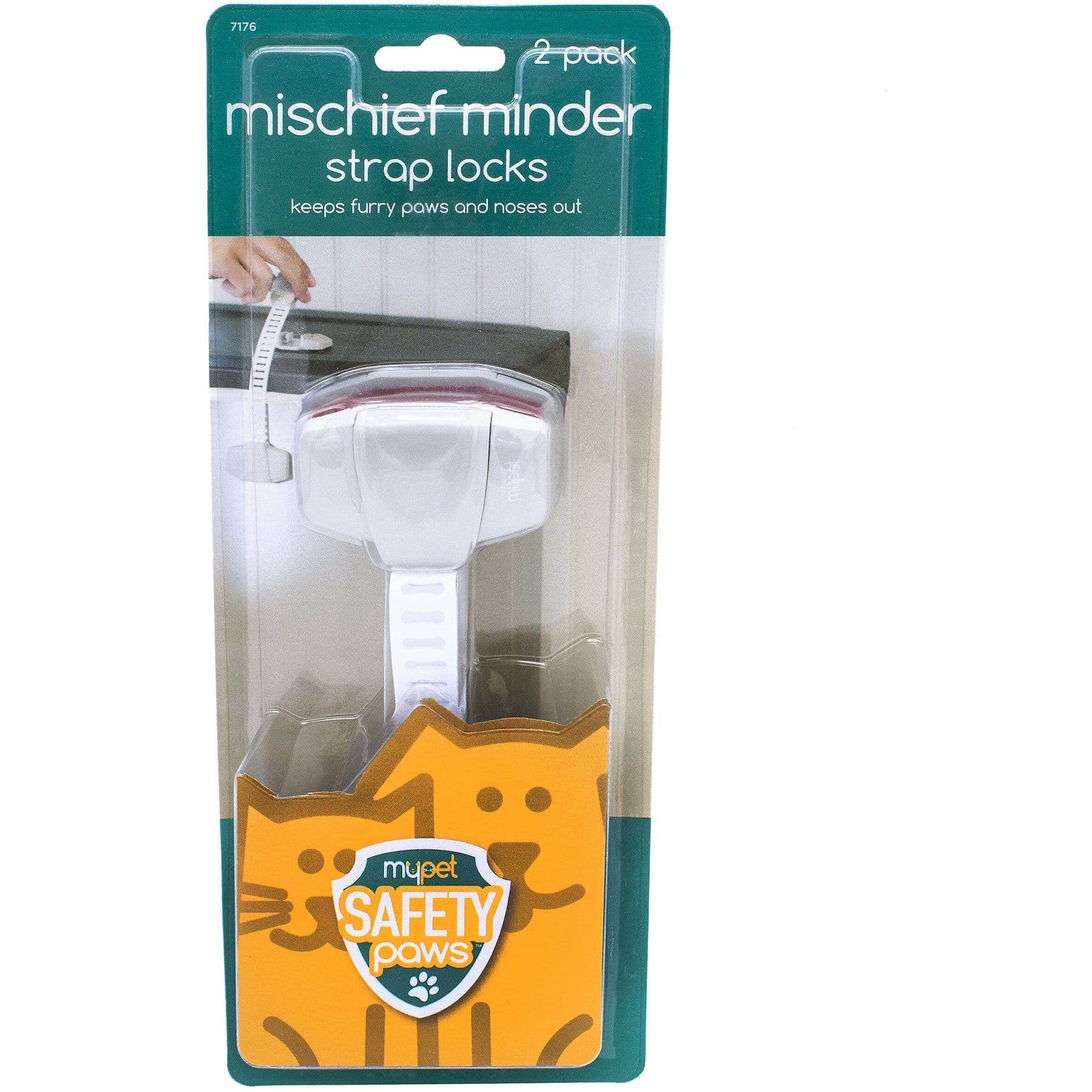
Adjustable strap locks for cabinet doors, fridge doors and trash-can lids, so jars and wrappers stay out of reach.
Webvet may earn a commission when you click through to Chewy, at no extra cost to you.
Several spoonfuls or a jar
Here your dog's size decides the urgency. A 10-pound dog reaches the 40 milligrams per kilogram mark, where heart effects become possible, at about 4.1 tablespoons, and the 60 mark, where seizures become possible, at about 6.2. A 30-pound dog reaches those marks at about 12 and 19 tablespoons, and a 50-pound dog at about 21 and 31. A puppy or toy breed that eats a jar can reach doses at which dogs can die, so call while someone else checks the label: divide the net weight in grams on the label by 18.5 and compare the total with your dog's row in the weight table above.
Jar raids tend to start where Nutella lives: a low pantry shelf, a breakfast counter or a lunchbox left on the floor. A latch that a nose cannot open, such as MyPet Safety Paws Mischief Minder strap locks, keeps the jar out of reach between breakfasts, and the same strap holds the trash-can lid down so an empty jar stays in the bin.
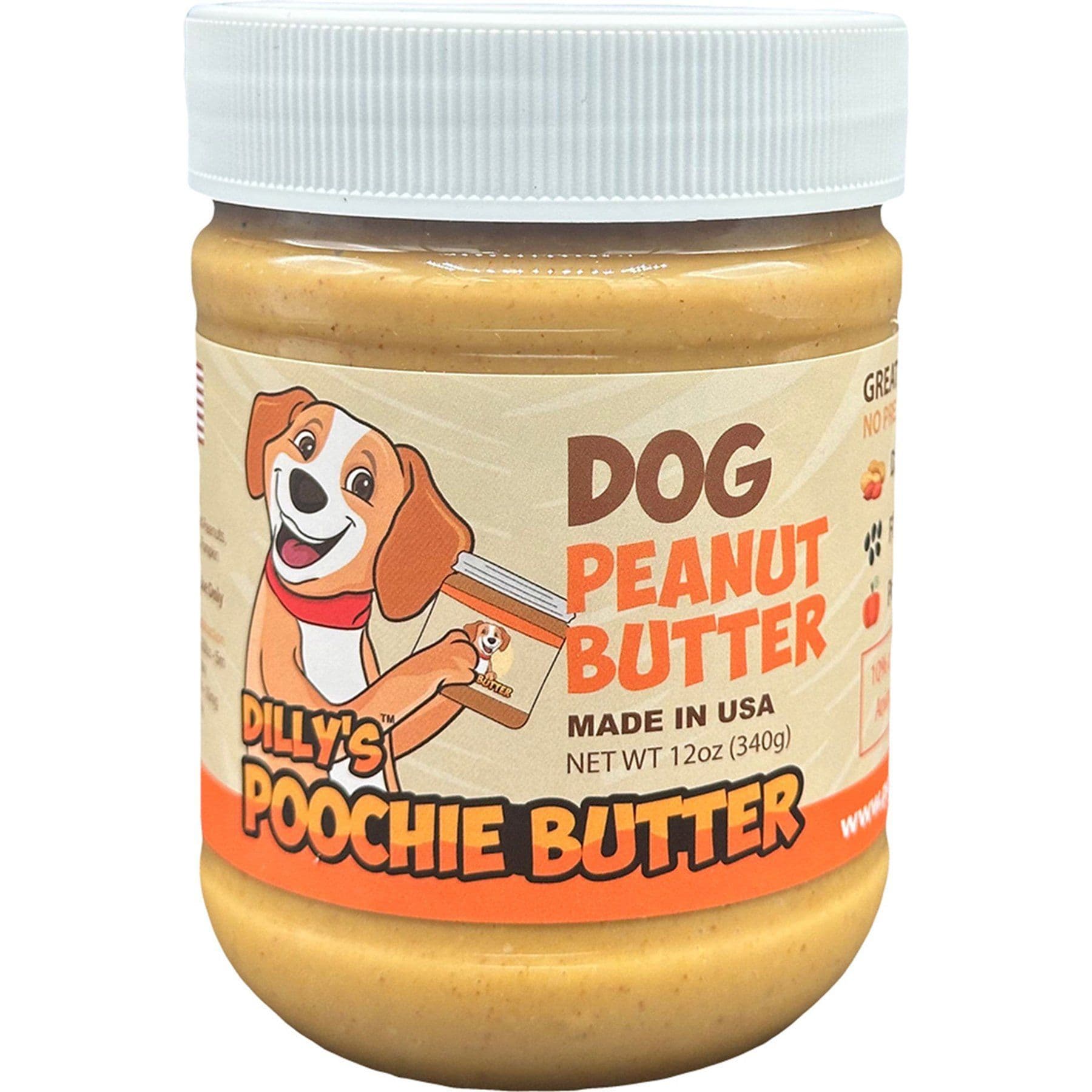
Xylitol-free peanut butter and pumpkin made for dogs. After a suspected ingestion, give no food until your vet says so.
Webvet may earn a commission when you click through to Chewy, at no extra cost to you.
Nutella vs peanut butter, and the sugar-free spread warning
Nutella and peanut butter sit side by side in many pantries, and both get spread on toast, so it is easy to treat them as interchangeable. They are not. Plain peanut butter without xylitol is a common dog treat in small amounts, as our peanut butter guide explains. Nutella is a chocolate spread, and the cocoa is what makes the difference.
If your dog begs at breakfast and you like to share a lick of something, skip the Nutella and choose a spread made for dogs. Poochie Butter Peanut Butter Pumpkin Lickable Dog Treat is a xylitol-free peanut butter treat blended with pumpkin. Count it as part of your dog's treats for the day, and keep the human jar out of reach.
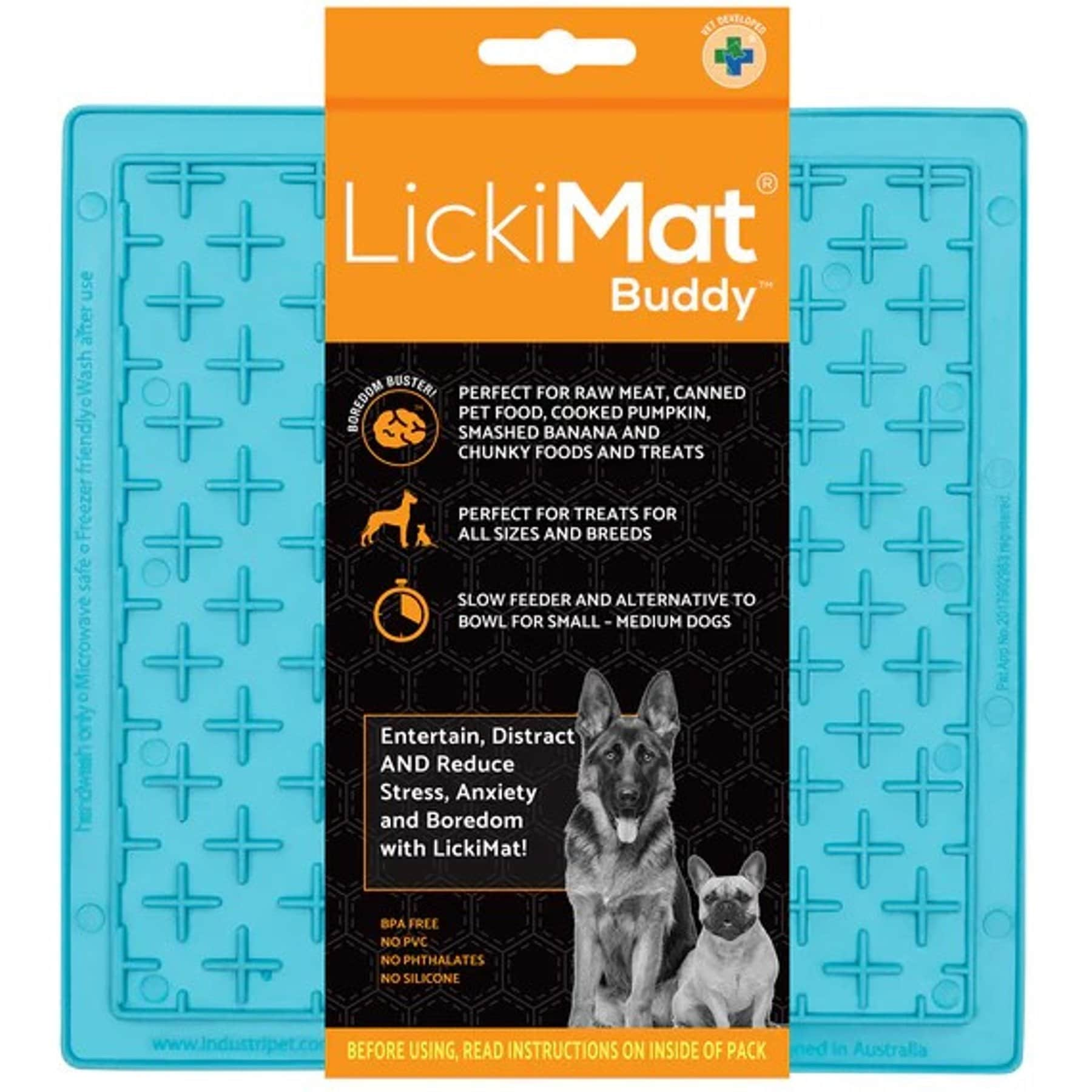
A textured lick mat for a smear of plain pumpkin, so your dog has its own slow treat while the family eats dessert.
Webvet may earn a commission when you click through to Chewy, at no extra cost to you.
The bigger label risk runs the other way. Some peanut butters and some "sugar-free," "keto" or "no added sugar" chocolate spreads are sweetened with xylitol, also sold as birch sugar. In dogs, xylitol can cause a dangerous drop in blood sugar and, at higher doses, liver failure. Our guide to xylitol and dogs covers the signs and the products it hides in.
To make a dog-safe spread last, a LickiMat Buddy lick mat with a thin layer gives a dog that hovers at breakfast a slow treat of its own on its bed.
Compare coverage choices for your pet, then request a quote directly on Lemonade.
- Check a price for your pet
- Review available coverage choices
- See the terms before you decide
Eligibility, waiting periods, limits and exclusions apply.
Webvet may earn a commission when you click through to Lemonade, at no extra cost to you.
Sugar, palm oil, hazelnuts and the jar itself
The cocoa is the main poisoning risk, but it is not the only reason Nutella and dogs do not mix. The other ingredients and the container bring problems of their own:

- Fat from palm oil and hazelnuts. The Merck Veterinary Manual notes that the high fat content of chocolate products may trigger pancreatitis in susceptible animals. Signs can include repeated vomiting, belly pain and refusing food. Tell the vet if your dog has had pancreatitis before, because it changes the advice.
- Sugar. Lots of quick calories that can cause vomiting or diarrhea on their own, and add to weight gain if sharing becomes a habit.
- Milk. Many dogs digest dairy poorly; our guide to milk and dogs explains why.
- Hazelnuts. In Nutella they are ground smooth. Hazelnuts are not one of the nuts known as a classic dog toxin, the way macadamia nuts are, but they are fatty, and whole hazelnuts in chocolates, pralines or desserts can choke a small dog or cause a blockage.
- The jar, lid and seal. Dogs that steal a jar often chew it. Plastic or glass pieces can cut the mouth or lodge in the throat, stomach or intestines.
A missing piece of a plastic or glass jar, lid or seal is a reason to call your vet now, even if your dog seems fine, because a swallowed piece can cut the mouth or cause a blockage. Gagging, retching, drooling, repeated vomiting, a tender belly, straining to pass stool or not eating make it more urgent. Our bloated belly or retching guide helps you describe what you see.
Hazelnut chocolate bars and pralines
Is hazelnut chocolate bad for dogs? Yes, and for a hazelnut chocolate bar the chocolate type matters more than the nuts. Milk chocolate carries about 64 milligrams of theobromine and caffeine per ounce, and dark chocolate far more, so count it as chocolate first. Our guide to a dog that ate chocolate walks through the steps for any bar.
Nutella in crepes, cookies, brownies and puppy chow
Nutella rarely arrives on its own. It is spread on toast, folded into crepes, baked into cookies and brownies, and stirred into snack mixes, and each of those changes the call:

- Toast or a sandwich. Count the spread, not the bread. If your dog ate half a Nutella sandwich, estimate how many tablespoons went into the whole sandwich and halve it. Plain bread is a separate question covered in our bread guide.
- Crepes. Estimate the filling in tablespoons, and mention any fruit, cream or other toppings.
- Cookies and brownies. Nutella baked goods often also contain cocoa powder or chocolate chips, which add more theobromine than the spread alone. See our guides to a dog that ate brownies or chocolate chip cookies.
- Breadstick snack packs. Read the pack's net weight for the spread portion and convert it to tablespoons the same way as a jar.
- "Puppy chow." Despite the name, Nutella puppy chow, also called muddy buddies, is a people snack, not dog food: cereal coated in melted chocolate or spread, peanut butter and powdered sugar. Versions made with semisweet chips carry about 155 milligrams of theobromine and caffeine per ounce of chips, more than double milk chocolate.
Not sure what was in it? A dessert from a café, a party tray or a friend's kitchen often comes without a label. Say so on the call and give the vet your best estimate of the spread and any other chocolate. Our list of foods that are toxic to dogs covers other ingredients common in sweet baking.
Can Nutella kill a dog?
It can, if the dose is high enough, and a small dog that empties a jar is the situation to worry about most. The Merck Veterinary Manual places seizures at 60 milligrams per kilogram or more, and a 10-pound dog reaches that mark at about 6.2 tablespoons of chocolate hazelnut spread. There is no fixed lethal amount: published LD50 figures were measured for theobromine and caffeine as individual agents, not for a mixed food like Nutella or for any one dog, and individual dogs vary. Our guide to how much chocolate can kill a dog explains those figures, and the chocolate toxicity calculator guide explains the method.
If the vet asks you to come in, treatment can include decontamination, IV fluids and heart monitoring, depending on the dose. VCA Animal Hospitals notes that the sooner treatment begins, the better the outlook and the less costly the treatment. A policy bought today will not cover the Nutella your dog already ate, but it can cover future accidents and illness. The pet insurance planner builds a coverage checklist and links to Lemonade for a personalized quote, and our guide to emergency vet costs shows what a visit can involve.
Signs to watch for after a dog eats Nutella
Chocolate poisoning builds in steps as the dose rises: vomiting, diarrhea, thirst and restlessness first, then panting, a racing heart and tremors, and at the highest doses seizures and collapse. Signs usually start 2 to 12 hours after eating, according to Cornell University's College of Veterinary Medicine. Our guide to what happens when a dog eats chocolate walks through each stage, and the suspected poisoning symptom guide helps you describe what you see. Tremors, a seizure or collapse mean go now.
Frequently asked questions
What happens if my dog licks a little bit of chocolate?
If your dog licks a little bit of chocolate, what happens depends on the type, but call your vet or a poison line so they can confirm. A lick of Nutella is a small fraction of a tablespoon, which carries about 43.8 milligrams of theobromine and caffeine, so for most dogs it falls in the calculator's lowest band. Vomiting, diarrhea and thirst are still possible at that level. Darker chocolate and cocoa carry far more per lick, very small dogs reach the thresholds sooner, and a sugar-free spread may contain xylitol. Have the label ready when you call.
Is there xylitol in Nutella?
No, there is no xylitol listed in Nutella. Nutella's own ingredient list names sugar, not xylitol, but always read the label of the jar your dog got into. Some store brands and "sugar-free," "keto" or "no added sugar" chocolate spreads use sugar substitutes, including xylitol, also called birch sugar. Xylitol can cause a dangerous drop in blood sugar in dogs and is treated differently from chocolate poisoning. If the ingredients list it, tell your vet or poison line right away.
What happens if my dog eats a hazelnut?
If your dog eats a hazelnut, what happens depends on the form: a hazelnut is not one of the classic dog toxins, but it can still cause trouble, so call your vet if your dog ate whole nuts. Hazelnuts are high in fat, which can upset the stomach and may contribute to pancreatitis in susceptible dogs. Whole hazelnuts and their hard shells can also cause choking or a blockage, especially in small dogs. If the hazelnuts were coated in chocolate or came in a praline or chocolate bar, treat it as a chocolate exposure and call your vet or a poison line now.
Can my dog eat cookie butter?
Cookie butter is not a good choice for dogs, even though it has no cocoa. It is made mostly from ground cookies, sugar and oil, so it brings the same sugar and fat problems as Nutella without any benefit to your dog. A large amount can cause vomiting or diarrhea, and fatty foods may trigger pancreatitis in susceptible dogs. Read the label for xylitol or chocolate in flavored versions. If your dog wants a lickable spread, choose one made for dogs, and call your vet if a jar goes missing.
Can dogs eat cookies?
Dogs should not eat cookies as treats, and some are dangerous. Chocolate chip, double chocolate and Nutella-filled cookies carry theobromine and caffeine, raisin cookies can harm the kidneys, macadamia cookies can cause weakness and tremors, and sugar-free cookies may contain xylitol. Even plain cookies are mostly sugar and fat. If your dog ate cookies with chocolate or Nutella, call your vet or a poison line and count them while you wait for an answer. A small packaged chocolate chip cookie carries about 11.5 milligrams of theobromine and caffeine, according to USDA data.
How much Nutella can a dog eat?
None: no amount is safe for a dog to eat, however much it begs. Nutella has no place in a dog's diet, and any amount is a reason to call your vet. As a reference, the weight table above shows when chocolate hazelnut spread reaches each dose band: a 10-pound dog reaches 20 milligrams per kilogram at about 2.1 tablespoons, a 30-pound dog at about 6.2 and a 50-pound dog at about 10. These are thresholds where signs can appear, not safe limits. Some dogs get sick below them, and the fat and sugar can cause stomach upset on their own.
Chocolate safety guides
Safe alternatives
More sweets & treats for dogs
Sources
- USDA FoodData Central
USDA FoodData Central puts generic chocolate hazelnut spread at about 43.8 milligrams of theobromine and caffeine per tablespoon, and the Merck Veterinary Manual places mild poisoning signs at about 20 milligrams per kilogram of body weight, so a lick, a spoonful and a jar are very different exposures.
- Merck Veterinary Manual
USDA FoodData Central puts generic chocolate hazelnut spread at about 43.8 milligrams of theobromine and caffeine per tablespoon, and the Merck Veterinary Manual places mild poisoning signs at about 20 milligrams per kilogram of body weight, so a lick, a spoonful and a jar are very different exposures.
- VCA Animal Hospitals
VCA Animal Hospitals notes that the sooner treatment begins, the better the outlook and the less costly the treatment.
- Cornell University College of Veterinary Medicine
Signs usually start 2 to 12 hours after eating, according to Cornell University's College of Veterinary Medicine, and the Merck Veterinary Manual describes onset within 6 to 12 hours, with effects lasting up to 72 hours in severe cases.
- Ferrero (Nutella)
Nutella's own ingredient list names sugar, not xylitol, but always read the label of the jar your dog got into.
- VCA Animal Hospitals: Food Allergies in Dogs
A food allergy is a separate problem from chocolate poisoning: a dog can react to an ingredient such as milk or soy, which VCA Animal Hospitals lists among possible food allergens in dogs.
Reviewed by Dr. Athena Gaffud, DVM
General guidance based on credible veterinary sources; not a diagnosis or a substitute for your veterinarian. If your pet ate something toxic or is unwell, contact your vet or a pet poison line right away.