
Can cats eat Oreos?
Toxic: do not feedCan cats eat Oreos? No. The dark wafers in an Oreo are made with cocoa, and according to USDA FoodData Central one regular 12-gram chocolate sandwich cookie carries about 22.7 milligrams of theobromine and caffeine, the two stimulants that make chocolate dangerous for pets. VCA Animal Hospitals notes that cats process these stimulants differently than people do, which makes them more sensitive to their effects. There is no safe amount to wait out, so call your vet or a pet poison line after any amount, whether your cat licked the creme, ate one cookie or got into the whole sleeve.


Medically reviewed by Dr. Athena Gaffud, DVM · Last reviewed
Pet ate something toxic? Call now.
US poison services, open 24/7. Consultation fees may apply. Do not make your pet vomit or use home remedies unless a vet or poison specialist tells you to.
Your pet
What they ate, done
About 12 g per cookie
How much
Check the wrapper for the weight. A standard milk chocolate bar is about 1.5 oz (43 g).
–Estimated dosemilligrams per kilogram of body weight
Dog reference levels. This calculator has no validated cat thresholds.
Enter your pet's weight to see the estimate
US poison services, open 24/7. Consultation fees may apply.
Enter weight and amounts first.
Add timing for more specific advice
Why? See the details
This estimate helps you describe the exposure to your vet. It is not a diagnosis and cannot tell you your pet is safe. Puppies, older pets, and pets with heart conditions or on medication can react at lower doses.
- 1Oreos are chocolate cookies. The dark wafers carry cocoa, so any Oreo a cat eats is a chocolate exposure and a reason to call your vet or a poison line now.
- 2Cats cannot taste sweetness. They go for the fatty creme and the milk a cookie was dunked in, and both usually come with cocoa crumbs.
- 3USDA's figure for one regular 12-gram chocolate sandwich cookie is about 22.7 milligrams of theobromine and caffeine. The calculator at the top of this page has no validated cat thresholds, so every cat result is a call-now instruction.
- 4Double Stuf, mint, peanut butter and fudge-covered Oreos all keep the cocoa wafer. Golden Oreos skip it but still carry sugar and fat, so call anyway.
Why cats go for the creme and the milk
Most people assume a cat that raids the Oreos has a sweet tooth. It does not: cats cannot taste sweetness, so the sugar that makes an Oreo appealing to people means nothing to a cat. Why does my cat want to eat Oreos? Usually it is after the fatty creme filling or the milk the cookie was dunked in, and the cocoa comes along for the ride.
The Oreo exposures cats actually have tend to look like this:
- Licking the creme out of a twisted-open cookie left on a plate
- Lapping the milk left in a glass or bowl after cookies were dunked, along with the soggy crumbs at the bottom
- Getting into cookies-and-cream ice cream, an Oreo milkshake or the crust of an Oreo cheesecake
- Knocking an open sleeve off the counter and chewing through the plastic tray
Can cats eat Oreo cream? Not safely. The white creme is mostly sugar and fat, but it sits between two cocoa wafers, and a cat licking it out can easily pick up dark crumbs. A "creme only" lick is still a chocolate exposure, so tell the vet exactly what your cat licked and whether it was a regular, mint or peanut butter creme.
The milk brings a separate problem. Many adult cats do not digest lactose well, and cow's milk often leads to an upset stomach; our guide to milk for cats explains why. If your cat begs at the glass, a lactose-free milk made for pets, such as Choolip Berry Good Milk, gives it something of its own to lap, with no cookie crumbs in it.

This is an optional cat milk treat. Review its current label, calories, serving directions, and the individual pet's tolerance before use.
Webvet may earn a commission when you click through to Chewy, at no extra cost to you.
What is in an Oreo for a cat
Are cats allowed to have Oreos? No, and the reason starts with the wafer. Oreos are chocolate sandwich cookies, and the dark wafers are where the cocoa is. USDA FoodData Central (entry 172718, chocolate sandwich cookies with creme filling) lists about 22.1 milligrams of theobromine and 0.6 milligrams of caffeine in one 12-gram cookie. The Merck Veterinary Manual notes that chocolate carries 3 to 10 times as much theobromine as caffeine, and both come from the cocoa. Are Oreos bad for cats? Yes. Are Oreos toxic to cats? The cocoa in the wafer is what makes them risky.

The rest of the cookie is made for people. Flour and sugar are the first two ingredients on the US Oreo ingredient list, which names palm oil and soybean and/or canola oil next. For a cat, that adds up to four separate problems:
- Cocoa: theobromine and caffeine, which cats are more sensitive to than people, according to VCA Animal Hospitals.
- Sugar: calories a cat cannot even taste, which can still upset the stomach.
- Fat: the oils in the wafer and the creme. The Merck Veterinary Manual notes that the high fat content of chocolate products may trigger pancreatitis in susceptible animals; our guide to pancreatitis in cats explains how it shows up.
- Packaging: the plastic tray and wrapper, which a cat that chews through a sleeve can swallow.
Theobromine also stays in the body a long time. The Merck Veterinary Manual gives it a half-life of about 17.5 hours in dogs, so crumbs licked across an afternoon can add up rather than wearing off one at a time.
A cookie raid can mean a clinic visit even when the amount turns out to be small, and pancreatitis needs its own treatment. VCA Animal Hospitals notes that the sooner treatment begins, the better the outlook and the less costly the treatment. Insurance cannot cover a cookie your cat has already eaten, but it can cover future accidents and illness, subject to the policy's terms. Our guide to whether pet insurance is worth it for cats walks through the trade-offs, and Lemonade shows what a policy would cost for your cat.
Compare coverage choices for your pet, then request a quote directly on Lemonade.
- Check a price for your pet
- Review available coverage choices
- See the terms before you decide
Eligibility, waiting periods, limits and exclusions apply.
Webvet may earn a commission when you click through to Lemonade, at no extra cost to you.
What to do if your cat ate an Oreo
What do I do if my cat ate an Oreo? Start the call early and work through these steps in order:
- Move your cat away from the cookies. Close your cat in another room, pick up crumbs, licked plates and glasses of milk, and keep the package.
- Count what is missing. Count the cookies that are left and work out how many are gone. If you are not sure, use the largest number that could be missing.
- Note the details. Write down the flavor, roughly when your cat got into the cookies and your cat's weight. Enter the count and weight in the calculator at the top of this page so you can read the numbers out on the call. For a cat, every result says to call now.
- Call for advice now. Call your regular vet if they are open. After hours, call an emergency vet or a poison line: Pet Poison Helpline at 855-764-7661 or ASPCA Animal Poison Control at 888-426-4435. Both are open 24/7, and consultation fees may apply.
- Do not treat your cat yourself. Do not induce vomiting at home or give any home remedy; leave that decision to your veterinarian.
- Follow the instructions you get. That may mean going to a clinic now or watching at home for specific signs. If you go in, call ahead and bring the package.
Tell the vet whether your cat is a kitten or a senior, and mention any heart disease, seizure history or past pancreatitis. If a dog in the house may have shared the cookies, put both pets on the same call; our guide to whether dogs can eat Oreos shows how the count works for a dog.
My cat only licked the creme
A lick of creme is a small exposure, but it is still a reason to call. Look at the cookie your cat licked: if the wafer is wet, chewed or missing pieces, your cat took cocoa along with the creme. Tell the vet the flavor, whether there was chocolate creme or a chocolate coating, and whether your cat also drank milk the cookie was dunked in.
My cat ate a whole cookie or got into the sleeve
For a whole cookie or more, the count is the most useful number you can give. If the sleeve is empty, count from the label: the Nutrition Facts panel lists the serving size as a number of cookies and the servings per container. Multiply the two to get the cookies in a full package, then subtract what is left. Minis and Thins are smaller than a regular cookie, so give the vet the exact product and the grams missing if you can; a regular cookie weighs about 12 grams. Also say whether any of the wrapper or plastic tray is gone.
How much cocoa one Oreo carries for a cat-sized body
Can Oreos kill cats? Chocolate poisoning can be serious for a cat, and VCA Animal Hospitals lists abnormal heart rhythms, muscle tremors and seizures in severe cases. This page will not give you a lethal number or a safe one. The calculator at the top of this page has no validated cat thresholds, and there is no amount you can safely wait out.
What the numbers can show is scale. The dose is measured per kilogram of body weight, so a cookie that barely registers for a large dog is a much bigger dose for a cat. The table compares regular Oreos with the dog reference levels the calculator applies from the Merck Veterinary Manual: about 20 milligrams per kilogram for mild signs in dogs, 40 for heart effects and 60 for seizures. These are dog reference levels, not cat thresholds.
| Regular Oreos eaten | 5-pound kitten or small cat, against dog reference levels | 10-pound cat, against dog reference levels |
|---|---|---|
| 1 cookie | about halfway to the dog mild-signs level (20) | about a quarter of the way to the dog mild-signs level (20) |
| 2 cookies | reaches the dog mild-signs level (20) | about halfway to the dog mild-signs level (20) |
| 4 cookies | reaches the dog heart-effect level (40) | reaches the dog mild-signs level (20) |
| 6 cookies | reaches the dog seizure level (60) | between the dog mild-signs and heart-effect levels |
| 8 cookies | past the dog seizure level (60) | reaches the dog heart-effect level (40) |
| 12 cookies | past the dog seizure level (60) | reaches the dog seizure level (60) |
Read it this way: a 10-pound cat reaches the level the Merck Veterinary Manual links to mild signs in dogs at about 4 regular cookies, and a 5-pound kitten gets there at about 2. That dog figure is a reference point only. It is not a safe line for a cat, and a single cookie or a lick of creme still means a call now. On the phone, the count helps the vet tell a trace from a real amount.

A cookie raid starts with a package left where a cat can reach it: an open sleeve on the counter, a snack box on a low shelf or a grocery bag on the floor. Cats can paw open a loose cupboard door, so a strap lock such as the MyPet Safety Paws Mischief Minder can help keep the snack cupboard shut between snacks.
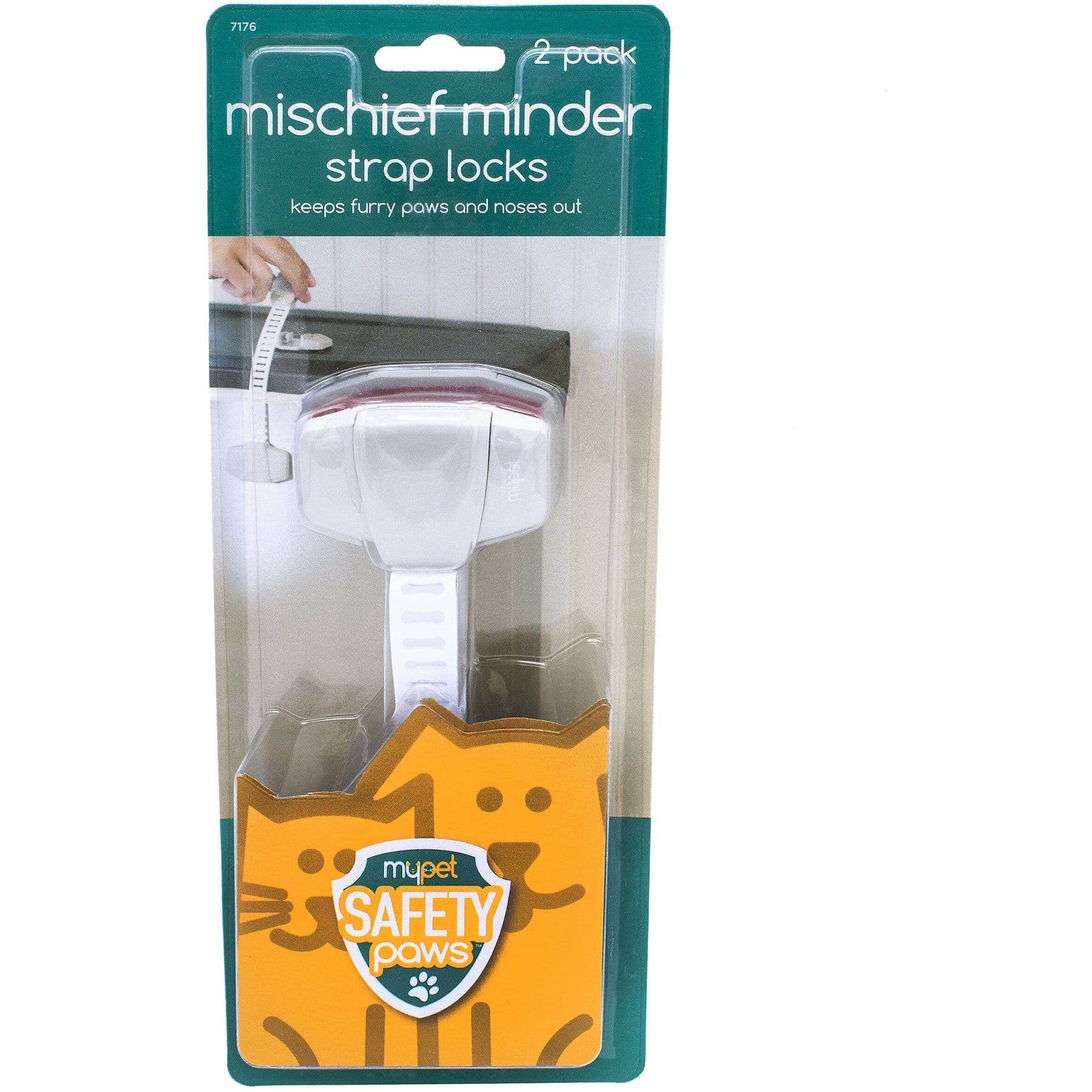
Adjustable strap locks for cabinet doors, fridge doors and trash-can lids, so jars and wrappers stay out of reach.
Webvet may earn a commission when you click through to Chewy, at no extra cost to you.
Double Stuf, mint, Golden and other Oreo flavors
Flavor changes what the vet needs to know, not whether to call:
- Original and Double Stuf: the same chocolate wafers. Double Stuf adds extra creme, so more sugar and fat per cookie.
- Mint, peanut butter and other flavored cremes: these keep the chocolate wafer and change only the creme. Count each as one cookie and tell the vet the flavor. Our guide to peanut butter for cats covers the extra fat.
- Fudge-covered and chocolate-dipped: the whole cookie sits inside a chocolate coating. Count each one as at least one regular cookie and tell the vet it was coated.
- White fudge-dipped: white chocolate has no cocoa solids, but the wafer inside is still chocolate. Our guide to white chocolate for cats covers the coating.
- Golden, lemon and other vanilla Oreos: can cats eat Golden Oreos? Not as a treat. The wafer is vanilla, not cocoa, but fat, sugar and other ingredients can still make a cat sick, so call anyway. Check the package for chocolate creme or a chocolate coating, even on a vanilla wafer.
- Sugar-free and keto-style sandwich cookies: regular Oreos are sweetened with sugar and high fructose corn syrup, but sugar-free cookies from other brands may contain xylitol. Read the label, and see our guide to xylitol for cats.
The same thinking covers the rest of the snack cupboard. A cat that licked a knife coated in chocolate hazelnut spread has had a chocolate exposure too; see our guide to Nutella for cats.

Oreo ice cream, cheesecake and milkshakes
Oreos also turn up in creamy desserts a cat may try to lick. Can cats eat Oreo ice cream? No. Cookies-and-cream ice cream carries cocoa from the cookie pieces, and the dairy and sugar add problems of their own. Our guide to ice cream for cats explains why even plain flavors disagree with many cats.
If your cat hovers whenever someone eats dessert, give it a lickable treat of its own in another room. A lickable puree such as Inaba Churu satisfies the urge to lap something creamy without any cookie in it.
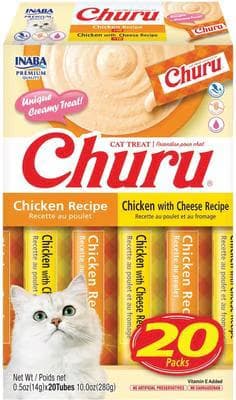
Lickable chicken puree treats for cats. After a suspected ingestion, give no food until your vet says so.
Webvet may earn a commission when you click through to Chewy, at no extra cost to you.
What each Oreo dessert brings to the bowl:
- Cookies-and-cream ice cream and blended ice cream desserts: cocoa crumbs mixed through dairy. A few laps from a bowl still warrant a call.
- Oreo milkshakes: milk, ice cream and crushed cookies, often topped with whipped cream.
- Oreo cheesecake and no-bake desserts: a crushed-cookie crust under a cream cheese filling. Cats tend to lick the filling and pick up crust crumbs with it.
- Milk after dunking: the glass holds soggy cookie crumbs as well as the milk.
Signs to watch for after a cat eats an Oreo
What happens if my cat eats an Oreo? According to VCA Animal Hospitals, chocolate poisoning in cats can cause:
- Vomiting
- Diarrhea
- Increased thirst
- Panting or restlessness
- Excessive urination
- A racing heart rate
In severe cases, VCA lists abnormal heart rhythms, muscle tremors and seizures. Signs do not tell you how much your cat ate, and a cat with no signs yet still needs a call. If you see trembling, a seizure, trouble breathing or collapse, go to the nearest emergency vet now. Our suspected poisoning guide for cats can help you describe what you see, but it does not replace the call.
How long after eating chocolate will a cat show symptoms? VCA notes that signs can take several hours to develop and can last for several days. The detailed timing figures come from dogs, so treat them as a rough guide for a cat: signs usually start 2 to 12 hours after eating, according to Cornell University's College of Veterinary Medicine, and the Merck Veterinary Manual describes onset within 6 to 12 hours, with effects that may persist up to 72 hours in severe cases.
How long after eating chocolate will a cat be sick? There is no set clock, so judge a cat that seems normal against the time since it got into the cookies:
- Less than 2 hours: signs often have not started yet. Calling now gives your vet the most options.
- 2 to 12 hours: signs often appear in this window. Watch for restlessness, vomiting, panting or a racing heart while you call.
- More than 12 hours: acting fine is not proof your cat is safe. Effects can last up to 72 hours, so call and let a vet decide.
- Your cat already threw up: vomiting is a sign of poisoning, not proof the cookie is gone. Call.
How to keep Oreos out of a cat's reach
A high shelf keeps cookies away from a dog, but not from a cat that jumps onto counters, tables and the top of the fridge. Cat-proofing snacks means closing, covering and clearing:
- Keep sleeves and snack packs in a closed cupboard or a sealed tin, not on the counter or the top of the fridge.
- Clip an open sleeve shut and slide the tray back into the box.
- Rinse milk glasses and dessert bowls right after use instead of leaving them on the table.
- Clear plates, high chair trays and coffee tables as soon as people finish eating.
- Cover an Oreo cheesecake or other dessert, or put it in the fridge, while it sets.
- Put wrappers and empty trays in a bin with a lid.

Children and guests are the usual gap. A child who shares a cookie with the cat, or leaves the milk glass on the floor, does not know the cocoa is the problem. Ask everyone in the house not to share cookies, creme or dunking milk with the cat. For a full room-by-room checklist, see our guide to poison-proofing your cat's home.
Safer treats to share with your cat
No part of an Oreo is a cat treat, and that includes the creme. If your cat begs at snack time, reach for something made for cats instead:
- Crunchy dental treats such as Greenies Feline dental treats, made to help reduce tartar; our guide to cat dental treats compares options.
- A lickable puree or bisque from your hand, in place of the creme.
- A small piece of plain cooked chicken with no seasoning, skin or bones.
- A lactose-free milk made for pets, in place of the glass of milk the cookies were dunked in.
Keep treats to a small share of your cat's daily food, and ask your vet before adding anything new if your cat has a health condition. For chocolate in general, see our guide to whether cats can eat chocolate, and the chocolate toxicity calculator guide shows how the dose is worked out. If your cat has already got into chocolate of any kind, our page on what to do when a cat ate chocolate walks through the first hour.
Frequently Asked Questions
Is 4 Oreos too much?
Yes. 4 Oreos is too much for any cat, and a reason to call your vet or a poison line now. Four regular Oreos carry four times the 22.7 milligrams of theobromine and caffeine in one cookie. That brings a 10-pound cat to about 20 milligrams per kilogram, the level the Merck Veterinary Manual links to mild signs in dogs, and a 5-pound kitten to about 40, the dog reference level for heart effects. Those are dog reference levels, not cat thresholds. Any number of Oreos is too many for a cat, so have the package and your cat's weight ready when you call.
Do Oreos contain xylitol?
No. Regular US Oreos do not contain xylitol: the ingredient list names sugar and high fructose corn syrup as the sweeteners. That does not cover every sandwich cookie in the pantry: sugar-free, keto-style and store-brand cookies may use xylitol, sometimes listed as birch sugar. The dangerous low blood sugar xylitol causes in dogs has not been shown in cats, but the feline evidence is limited. Either way, a regular Oreo is already a chocolate exposure for a cat, so call your vet or a poison line and read out the full ingredient list.
Are cookies ok for cats?
No cookie is a good treat for a cat. Cats cannot taste sweetness, so the sugar does nothing for them, and the fat, flour and dairy in most cookies can upset a cat's stomach. Chocolate cookies such as Oreos and chocolate chip cookies add theobromine and caffeine, and some cookies add raisins, macadamia nuts or xylitol. A crumb of a plain sugar cookie is less of a concern than a chocolate one, but it still has no place in a cat's diet. Choose treats made for cats instead.
What happens if my cat ate a cookie?
What happens next depends on the cookie your cat ate. If it contained chocolate, cocoa, raisins, nuts or a sugar substitute, call your vet or a poison line now and keep the package. An Oreo and a chocolate chip cookie both carry theobromine and caffeine, and the calculator at the top of this page has no validated cat thresholds, so any amount means a call. A plain cookie with none of those ingredients can still bring on vomiting or diarrhea from the fat and sugar. Tell the vet the brand, the flavor and how much is missing.
Can a cat recover from chocolate poisoning?
Yes, a cat can recover from chocolate poisoning, and the outlook is best when treatment starts early. Recovery depends on what your cat ate, how much, its weight and health, and how quickly care begins. VCA Animal Hospitals notes that the sooner treatment begins, the better the prognosis and the less costly the treatment, while complications such as aspiration pneumonia or long-lasting signs worsen it. Treatment can include decontamination, IV fluids and heart monitoring. Call your vet or a poison line now with the Oreo package and your cat's weight.
Chocolate safety guides
Safe alternatives
More sweets & treats for cats
Sources
- USDA FoodData Central
The dark wafers in an Oreo are made with cocoa, and according to USDA FoodData Central one regular 12-gram chocolate sandwich cookie carries about 22.7 milligrams of theobromine and caffeine, the two stimulants that make chocolate dangerous for pets.
- VCA Animal Hospitals
VCA Animal Hospitals notes that cats process these stimulants differently than people do, which makes them more sensitive to their effects.
- Merck Veterinary Manual
The Merck Veterinary Manual notes that chocolate carries 3 to 10 times as much theobromine as caffeine, and both come from the cocoa.
- Oreo (Mondelez) ingredient list
Flour and sugar are the first two ingredients on the US Oreo ingredient list, which names palm oil and soybean and/or canola oil next.
Reviewed by Dr. Athena Gaffud, DVM
General guidance based on credible veterinary sources; not a diagnosis or a substitute for your veterinarian. If your pet ate something toxic or is unwell, contact your vet or a pet poison line right away.