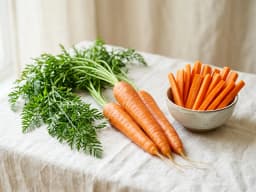
Can cats eat carrots?
Safe in moderationPlain carrot is not a recognized cat poison, but cats need preformed vitamin A and any taste should follow their calorie plan.


Medically reviewed by Dr. Athena Gaffud, DVM · Last reviewed
Can Cats Eat Carrots?
Plain carrot is not recognized as a feline poison, but it is optional and should not displace a complete feline diet. Cats require preformed vitamin A because their beta-carotene conversion is very inefficient and cannot meet their vitamin A requirement. That specific limitation does not mean every carrot component is indigestible.
- 1Assess carrots by its exact form, amount, added ingredients, and the individual cat.
- 2A treat portion of carrots must fit the complete diet and the cat's remaining calorie allowance.
- 3Prepare carrots plainly and choose a size and texture suited to how this cat eats.
- 4Carrots risks depend on product form, amount, texture, and the individual cat.
- 5Call for persistent illness, swallowing trouble, a possible foreign body, or a hazardous co-ingredient.

Treats should stay under 10% of your cat's daily calories. Smalls makes the rest, built around the meat an obligate carnivore actually needs.
- Human-grade ingredients, protein first
- Built for obligate carnivores
- Fresh meals delivered to your door
Webvet may earn a commission when you click through to Smalls, at no extra cost to you.
Are Carrots Safe for Cats?
A small amount of plain carrot may cause no signs, while an unfamiliar or larger amount may cause nonspecific gastrointestinal upset in an individual cat. There is no evidence-based one- or two-teaspoon schedule, cooked-always-safer rule, or universal exclusion by age, diabetes, or body condition. For mixed products containing carrots, keep the package and report every ingredient, amount, time, cat's weight, history, and signs. Related guidance: chocolate.

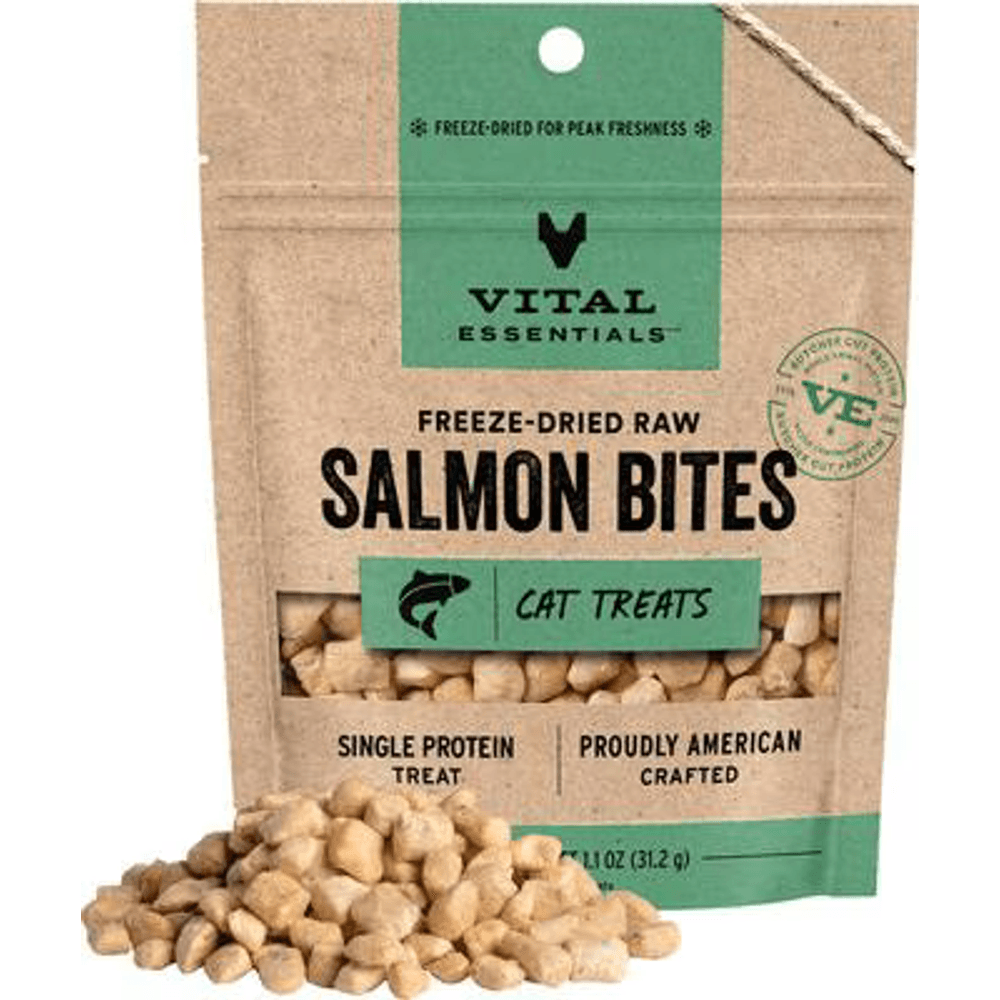
This is an optional cat treat. Review its current label, ingredients, calories, and feeding directions, and count it within the total daily extras.
Webvet may earn a commission when you click through to Chewy, at no extra cost to you.
Cats must receive preformed vitamin A and other indispensable nutrients through an appropriate complete diet. Carrot is not a substitute for preformed vitamin A in a complete feline diet. Cats can convert a small fraction of beta-carotene to retinol, but that inefficient conversion cannot meet their vitamin A requirement. That distinction also means a carrot taste should not be promoted for vision, immunity, or skin health. Diet formulation, not a vegetable garnish, supplies required vitamin A. They can digest and absorb other plant-derived nutrients and energy even though beta-carotene does not meet their vitamin A requirement. Carrot composition does not prove a clinical benefit from an optional taste.
Nutritional Context for Carrots
This food adds optional calories and nutrients, but the complete cat food remains responsible for meeting dietary requirements.
There is no universal teaspoon or frequency allowance. If a veterinarian considers carrot compatible with the cat's diet, count the actual calories within the total treat allowance and protect the complete food. Kittens and cats on therapeutic diets need individualized rather than blanket rules.

This is an optional cat treat. Review its current label, ingredients, calories, and feeding directions, and count it within the total daily extras.
Webvet may earn a commission when you click through to Chewy, at no extra cost to you.
How to Prepare Carrots
Use the calories in carrots and the individual cat's remaining treat allowance; body weight alone is not a serving chart.
Wash and trim the carrot and serve it plain. Raw coins, long sticks, grated carrot, soft cooked pieces, frozen chunks, puree, and carrot tops require different chewing and ingredient checks. A firm piece that suits one cat may not suit another. Baby food and soups can contain onion or garlic, while glazed carrots add sugar and fat. Use the exact preparation rather than a generic carrot serving rule. Cooking can soften a firm texture, but raw carrot is not inherently unsafe to every cat. Cut any offered piece for the individual cat's chewing behavior, supervise, and remove leftovers. Firm raw pieces can be hard for some cats to chew and may create a patient-specific choking concern. That does not make every raw piece unsafe. Size, shape, firmness, dental health, chewing pattern, amount, and symptoms should guide the decision.
How to Portion Carrots

The routine concerns are gastrointestinal intolerance, unwanted calories, and unsuitable texture. Carrot tops are not established as toxic in the available veterinary evidence. Remove tops when preparing the root and avoid unidentified plant material without assigning an unsupported toxicity claim.
| Decision point | Evidence-based guidance |
|---|---|
| Plain food | Assess plain carrots by form, amount, tolerance, and the individual cat. |
| Portion | Use the individual calorie allowance, not a fixed piece or spoon table |
| Preparation | Serve it plain and choose a manageable size and texture. |
| Mixed product | Read every ingredient and keep the package or recipe for advice. |
| Medical diet | Do not use carrot fiber as a home remedy for slow or absent stools. Constipation, reduced stool, vomiting, pain, or appetite loss may require diagnosis, and a foreign body or other illness should not be delayed by a home food remedy. Therapeutic diets should be changed only with the treating team. |
Forms and Ingredients of Carrots
Soups, baby foods, glazed carrots, juices, and prepared meals need full ingredient review. Onion and garlic are genuine toxicology concerns. Salt, sugar, butter, or oil affects calories, sodium, or tolerance and should not be treated as equivalent toxins.
Risks and When to Call
Do not use carrot fiber as a home remedy for slow or absent stools. Constipation, reduced stool, vomiting, pain, or appetite loss may require diagnosis, and a foreign body or other illness should not be delayed by a home food remedy. Therapeutic diets should be changed only with the treating team. Related guidance: diarrhea.
Contact a veterinarian for breathing or swallowing trouble, significant or persistent gastrointestinal signs, suspected obstruction or constipation, a large exposure, or a mixed product with a concerning ingredient. Provide the exact food, amount, timing, and cat history.

Choosing Other Treats
Feline grape and raisin risk remains uncertain. The renal syndrome is established in dogs, but feline reports are anecdotal and published case evidence is lacking. Avoid exposure and seek advice without calling grapes or raisins proven feline kidney toxins. Related guidance: plain cooked chicken; plain cooked egg; plain cooked salmon.
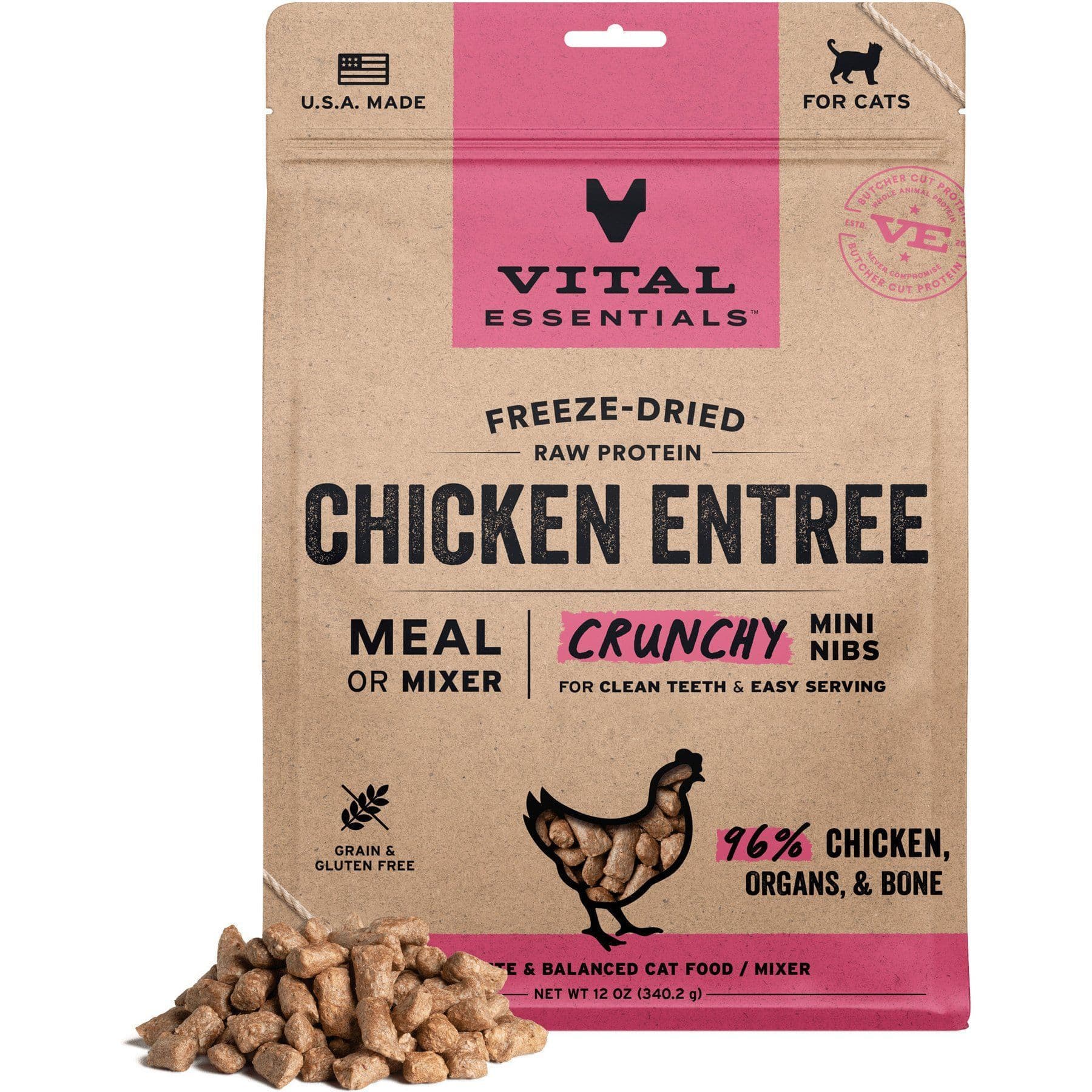
This is an optional cat treat. Review its current label, ingredients, calories, and feeding directions, and count it within the total daily extras.
Webvet may earn a commission when you click through to Chewy, at no extra cost to you.
If this food does not fit the plan, choose another veterinarian-approved treat and count it within the same calorie allowance. Related guidance: green beans; pumpkin.
The Bottom Line
Carrot is an optional food, not a feline vitamin A source or digestive treatment. Use a manageable plain texture, count calories, and explain the beta-carotene limitation precisely without turning it into a general plant-digestion myth. The practical decision is individualized: confirm the exact food, use a manageable texture, keep extras within the calorie plan, and watch the actual cat rather than a fixed schedule. Contact a veterinarian for persistent vomiting or diarrhea, marked lethargy, pain, breathing or swallowing trouble, inability to pass stool or urine, neurologic signs, or any ingredient-specific toxicology concern.
Frequently Asked Questions
Are plain carrots poisonous to cats?
Plain carrot is not recognized as a feline poison, though an unfamiliar or large amount may cause gastrointestinal upset in an individual cat.
Can cats make vitamin A from carrot beta-carotene?
Not in an adequate amount. Cats can convert a small fraction of beta-carotene to retinol, but the conversion is too inefficient to meet their vitamin A requirement.
Can cats digest other carrot nutrients?
Yes. The beta-carotene limitation does not mean cats cannot digest and absorb other plant-derived nutrients or energy.
Is cooked carrot always safer than raw carrot?
No. Cooking softens the texture, but a properly sized raw piece is not automatically unsafe for every cat. Prepare it for the individual chewing pattern.
Can carrot treat feline constipation?
Carrot is not an established constipation treatment for cats. Reduced stool, pain, vomiting, or appetite loss needs veterinary assessment rather than a home fiber remedy.

More safe treats
More vegetables for cats
Sources
- Merck Veterinary Manual: Nutritional Requirements of Small Animals
Supports species-specific nutrient requirements, including the feline need for preformed vitamin A and the distinction between digestibility and essential nutrient source.
- Merck Veterinary Manual: Overview of Nutrition in Small Animals
Supports complete and balanced feeding and patient-specific nutrition; it does not establish clinical benefit from a treat portion.
- PubMed: Domestic Cats Convert Beta-Carotene to Retinol Following an Oral Dose
A small isotope study detected beta-carotene conversion in adult cats but concluded that efficiency was likely inadequate to meet vitamin A needs without preformed vitamin A.
- WSAVA: Feeding Treats to Your Cat
Supports keeping cat treats within about 10% of daily calories without imposing universal piece, spoon, or frequency tables.
- Merck Veterinary Manual: Gastrointestinal Obstruction in Small Animals
Supports patient-specific foreign-body assessment and urgent evaluation when obstruction signs develop.
- VCA Animal Hospitals: Household Hazards, Toxic Hazards for Cats
States that whether grapes and raisins produce the canine renal syndrome in cats is unknown and recommends precautionary professional advice after exposure.
- Merck Veterinary Manual: Grape, Raisin, and Tamarind Toxicosis in Dogs
Establishes canine grape and raisin renal toxicosis without establishing the same detailed syndrome in cats.
Reviewed by Dr. Athena Gaffud, DVM
General guidance based on credible veterinary sources; not a diagnosis or a substitute for your veterinarian. If your pet ate something toxic or is unwell, contact your vet or a pet poison line right away.