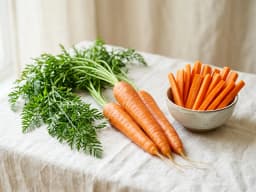
Can dogs eat carrots?
SafePlain carrot is generally non-toxic to dogs, but it still adds calories and must be cut for the individual dog's chewing style.


Medically reviewed by Dr. Athena Gaffud, DVM · Last reviewed
Can Dogs Eat Carrots?
Plain carrot is generally non-toxic to dogs, but that does not mean it can be handed out freely or used as a calorie-free reward. A whole carrot can consume a meaningful share of a small dog's treat allowance. Preparation should reflect the dog's size, dental comfort, chewing behavior, diet, and medical needs.
- 1Assess carrots by its exact form, amount, added ingredients, and the individual dog.
- 2A treat portion of carrots must fit the complete diet and the dog's remaining calorie allowance.
- 3Prepare carrots plainly and choose a size and texture suited to how this dog eats.
- 4Carrots risks depend on product form, amount, texture, and the individual dog.
- 5Call for persistent illness, swallowing trouble, a possible foreign body, or a hazardous co-ingredient.

Treats should stay under 10% of your dog's daily calories. JustFoodForDogs makes the rest of it.
- Recipes developed by veterinary nutritionists
- Whole-food ingredients you can recognise
- Fresh meals delivered to your door
Webvet may earn a commission when you click through to JustFoodForDogs, at no extra cost to you.
Are Carrots Safe for Dogs?
A small amount of plain carrot may cause no signs. A larger or unfamiliar amount can contribute to vomiting, loose stool, gas, or appetite change in an individual dog. No food is completely risk-free, and a daily carrot routine must fit the individual dog's complete diet and calorie plan. For mixed products containing carrots, keep the package and report every ingredient, amount, time, dog's weight, history, and signs.

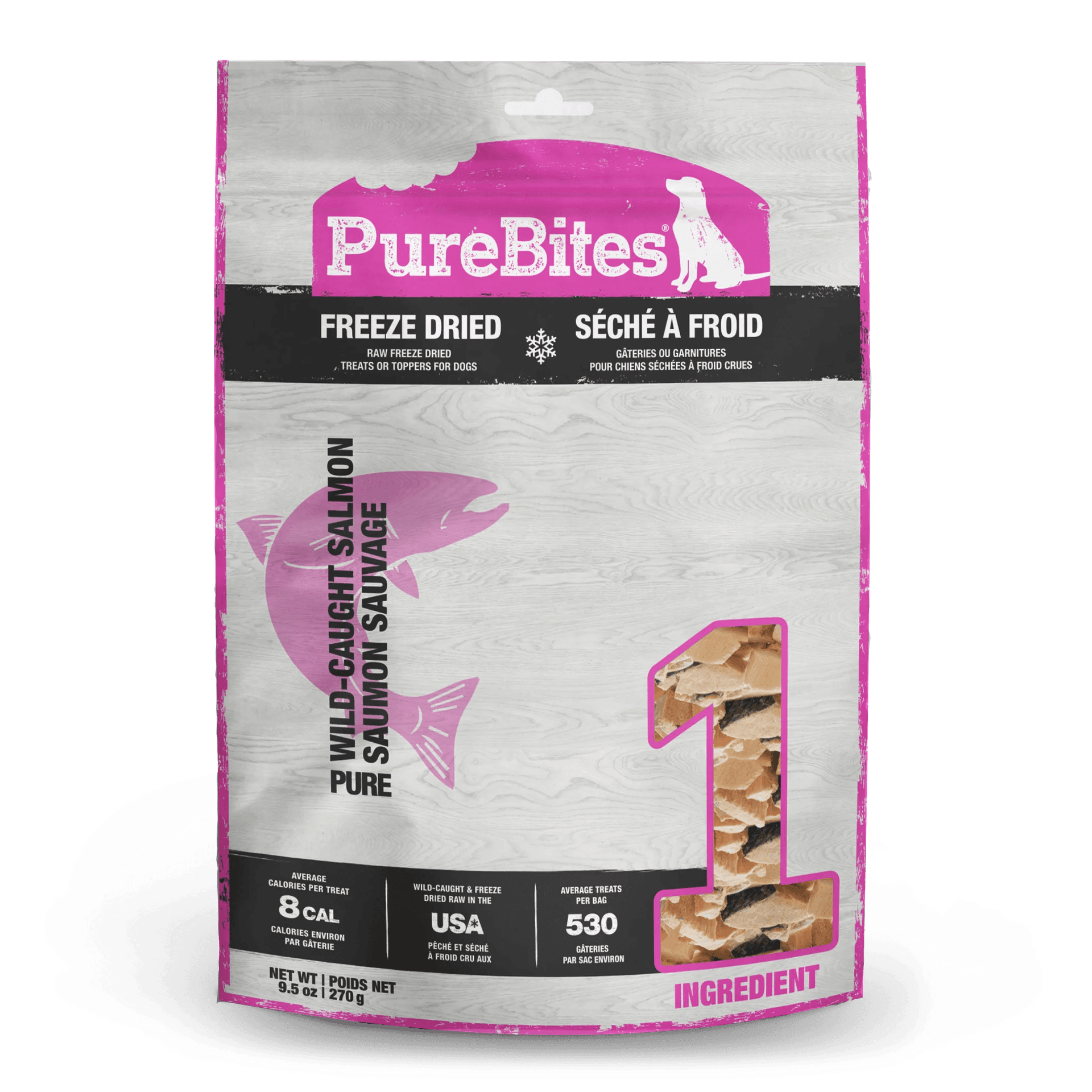
This is an optional dog treat. Review its current label, ingredients, calories, and feeding directions, and count it within the total daily extras.
Webvet may earn a commission when you click through to Chewy, at no extra cost to you.
Carrots contain beta-carotene, carbohydrate, fiber, potassium, vitamin K, and other nutrients. That is not proof of better vision, immunity, skin, clotting, nerve or muscle function, or stool quality from a treat portion. Complete dog food should meet nutritional requirements without relying on carrots.
Nutritional Context for Carrots
This food adds optional calories and nutrients, but the complete dog food remains responsible for meeting dietary requirements.
There is no universal daily carrot allowance or size-based piece table. Use the calories in the actual carrot and the individual dog's complete treat budget. Training rewards, chews, dental products, toppers, and foods used for medication all count toward that same allowance.
| Decision point | Evidence-based guidance |
|---|---|
| Plain food | Assess plain carrots by form, amount, tolerance, and the individual dog. |
| Portion | Use the individual calorie allowance, not a fixed piece or spoon table |
| Preparation | Serve it plain and choose a manageable size and texture. |
| Mixed product | Read every ingredient and keep the package or recipe for advice. |
| Medical diet | Ask the treating team before adding it to a therapeutic diet. |

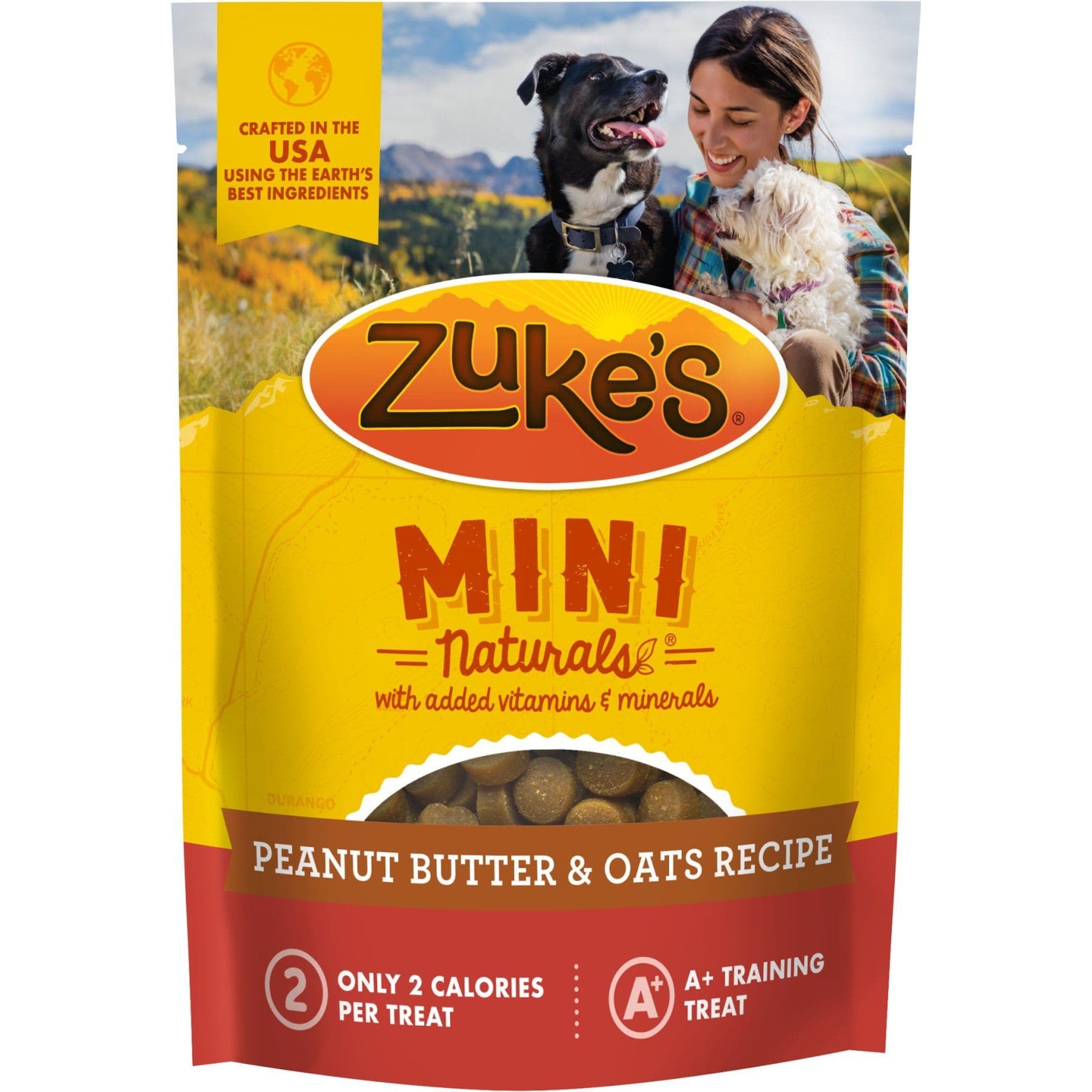
This is an optional dog treat. Review its current label, ingredients, calories, and feeding directions, and count it within the total daily extras.
Webvet may earn a commission when you click through to Chewy, at no extra cost to you.
How to Portion Carrots
Use the calories in carrots and the individual dog's remaining treat allowance; body weight alone is not a serving chart.
Wash and trim the carrot, then offer it plain. Carrot coins, long raw sticks, grated shreds, frozen chunks, soft cooked pieces, puree, and tops differ in texture. A dog that gulps may need a different presentation from a deliberate chewer. Soups, baby foods, glazed sides, and pot roast vegetables can contain onion, garlic, salt, sugar, or fat, so keep the recipe for any prepared food. Raw, lightly cooked, or frozen texture can be considered according to the individual dog's chewing ability and dental health. Cut firm pieces for a dog that gulps and supervise rather than recommending an everyday whole carrot for every patient.
| Decision point | Evidence-based guidance |
|---|---|
| Plain food | Assess plain carrots by form, amount, tolerance, and the individual dog. |
| Portion | Use the individual calorie allowance, not a fixed piece or spoon table |
| Preparation | Serve it plain and choose a manageable size and texture. |
| Mixed product | Read every ingredient and keep the package or recipe for advice. |
A baby carrot or coin can be manageable for one dog and difficult for another. Available incidence evidence does not establish that dogs routinely choke on every baby carrot. Use the actual diameter, firmness, dog anatomy, chewing pattern, amount, and symptoms.

How to Prepare Carrots
Choking and obstruction are patient-specific mechanical concerns, not inevitable properties of carrot. Seek immediate care for breathing difficulty or persistent choking signs and veterinary assessment for repeated vomiting, abdominal pain, appetite loss, or inability to pass stool after a concerning exposure.
Glazed carrots, soups, stews, baby foods, juices, and prepared sides can include onion, garlic, xylitol, butter, oil, sugar, salt, or other ingredients. Evaluate the full recipe. Added calories or sodium are not interchangeable with true toxic ingredients. Related guidance: garlic.
Dogs on weight-loss, diabetes, gastrointestinal, dental, kidney, or other therapeutic plans should follow the treating team's advice. Carrots are not free rewards or an evidence-based weight treatment. A measured amount may or may not fit depending on the whole diet.
Risks and When to Call
Contact a veterinarian for choking or breathing trouble, significant or persistent gastrointestinal signs, suspected obstruction, or a prepared product with a concerning ingredient. If a firm frozen chunk or long stick was swallowed, note its dimensions and the dog's chewing pattern. Persistent gagging, repeated vomiting, abdominal pain, appetite loss, or difficulty passing stool needs assessment rather than another food intended to push it through. For a comfortable dog that ate plain carrot, the amount, texture, dog, and diet guide whether any action is needed.
Carrots do not clean teeth or replace brushing, appropriate dental diets, professional examinations, or other evidence-based dental care. Chewing a firm vegetable may create abrasion or fracture concerns in some patients and should not be marketed as a dental treatment.

Choosing Other Treats
If this food does not fit the plan, choose another veterinarian-approved treat and count it within the same calorie allowance. Related guidance: Green beans; Blueberries.
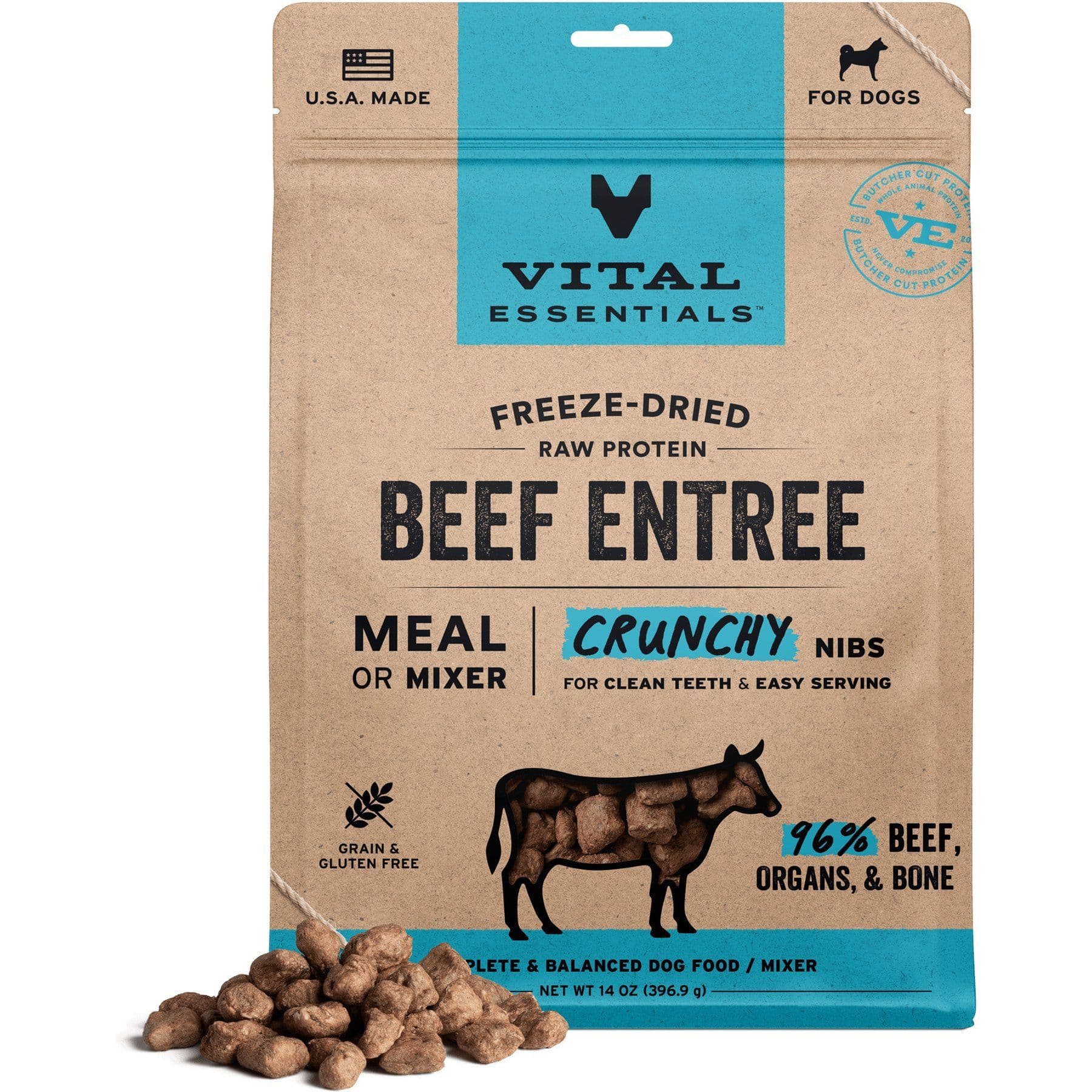
This is an optional dog treat. Review its current label, ingredients, calories, and feeding directions, and count it within the total daily extras.
Webvet may earn a commission when you click through to Chewy, at no extra cost to you.
Carrot can be an optional plain treat when its calories and texture fit the dog. Chewing carrot may provide texture or enrichment, but it is not a validated dental treatment and does not replace brushing or veterinary dental care. Its beta-carotene and fiber also do not prove benefits for vision, immunity, stool quality, or weight loss from a treat portion. Use carrots only as optional calories within the complete feeding plan. Carrots are not free foods, and their nutrient content or firmness does not establish clinical or dental benefit; use an individualized calorie plan and supervise firm pieces. The practical decision is individualized: confirm the exact food, use a manageable texture, keep extras within the calorie plan, and watch the actual dog rather than a fixed schedule. Contact a veterinarian for persistent vomiting or diarrhea, marked lethargy, pain, breathing or swallowing trouble, inability to pass stool or urine, neurologic signs, or any ingredient-specific toxicology concern.
Frequently Asked Questions
Are plain carrots toxic to dogs?
Plain carrot is generally non-toxic, but any unfamiliar or excessive food can cause gastrointestinal upset and its calories still count.
How much carrot can a dog have?
There is no universal daily carrot allowance. Use the actual carrot calories, complete diet, medical needs, and the dog's total treat budget.
Do carrots improve a dog's eyesight?
Carrots contain beta-carotene, but composition does not prove a vision benefit from a treat portion in a dog eating a complete diet.
Do carrots clean a dog's teeth?
No. Carrots do not clean teeth or replace evidence-based dental care. Choose dental prevention with the veterinary team.
Can a baby carrot be difficult for some dogs to swallow?
Not for every dog. Firm pieces may be a patient-specific choking concern, but available incidence evidence does not establish every baby carrot as a common hazard.

More safe treats
More vegetables for dogs
Sources
- Merck Veterinary Manual: Overview of Nutrition in Small Animals
Supports complete and balanced feeding and patient-specific nutrition; it does not establish clinical benefit from a treat portion.
- WSAVA: Feeding Treats to Your Dog
Supports keeping dog treats within about 10% of daily calories and calculating portions from individual energy needs.
- Merck Veterinary Manual: Gastrointestinal Obstruction in Small Animals
Supports patient-specific foreign-body assessment and urgent evaluation when obstruction signs develop.
Reviewed by Dr. Athena Gaffud, DVM
General guidance based on credible veterinary sources; not a diagnosis or a substitute for your veterinarian. If your pet ate something toxic or is unwell, contact your vet or a pet poison line right away.