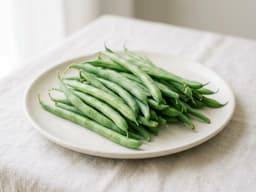
Can dogs eat green beans?
SafePlain green beans can be an optional dog treat, but weight loss needs a complete calorie plan; check preparation, labels, and chewing style.


Medically reviewed by Dr. Athena Gaffud, DVM · Last reviewed
Can Dogs Eat Green Beans?
Plain green beans may be an optional low-calorie extra for some dogs, but they do not produce weight loss on their own. Replacing a meaningful share of complete food with beans can unbalance the diet unless a veterinarian has calculated the full calorie and nutrient plan. Distinguish fresh or frozen plain beans from canned beans in brine, buttered vegetables, casseroles, seasoned restaurant sides, and discarded cans or bags. The label may reveal sodium, onion, garlic, sauces, sweeteners, or other ingredients that need separate review. Whole beans can be cut or softened for a dog that gulps food, yet no cut size guarantees that choking cannot occur. Count training pieces, chews, table food, and medication foods with the same daily extras allowance rather than treating vegetables as free calories. After a stolen portion, record the product, amount, time, dog's weight, vomiting, stool, appetite, activity, breathing, and any missing packaging. A dog on a therapeutic diet or being treated for diabetes, kidney disease, gastrointestinal disease, or obesity needs the existing veterinary plan protected before green beans are added routinely. Secure opened bags, can lids, casserole dishes, and compost where the dog cannot reach them. If beans are being considered to add meal volume, confirm the complete weight-management plan first so calorie reduction, protein intake, treats, and monitoring stay coordinated.
- 1Plain green beans can fit some dogs as an optional treat.
- 2Weight loss requires a veterinarian-guided calorie and body-condition plan.
- 3Fresh, frozen, cooked, and canned products differ in texture and sodium.
- 4Butter and oil are not poisons; onion and garlic are separate dose-dependent hazards.
- 5Cut food for the individual dog's chewing behavior and supervise eating.

Treats should stay under 10% of your dog's daily calories. JustFoodForDogs makes the rest of it.
- Recipes developed by veterinary nutritionists
- Whole-food ingredients you can recognise
- Fresh meals delivered to your door
Webvet may earn a commission when you click through to JustFoodForDogs, at no extra cost to you.
Are green beans safe for dogs?
Plain green beans are not a recognized canine toxin. Preparation still matters: inspect added ingredients, sodium, texture, and the amount eaten rather than declaring every form equivalent or risk-free.

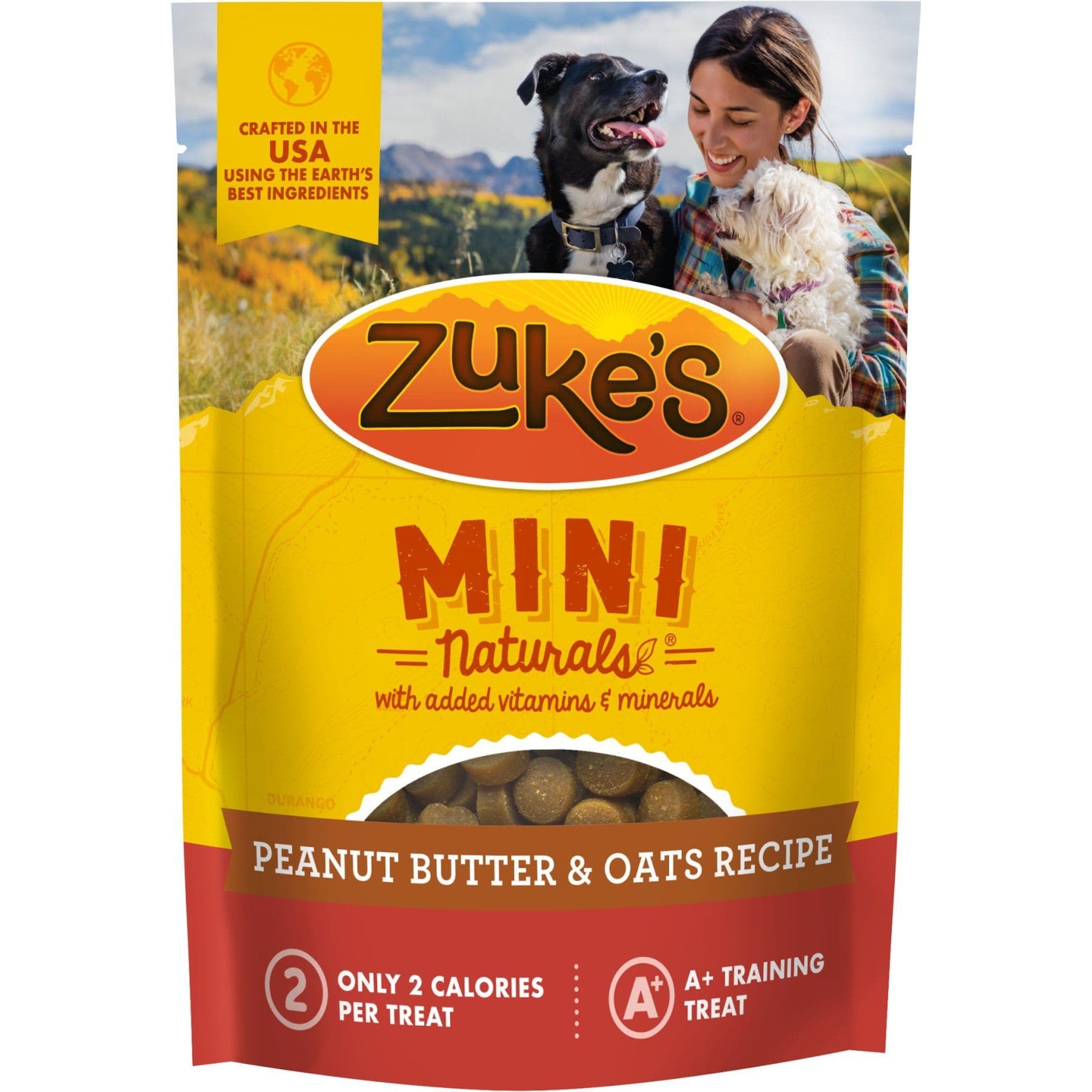
This is an optional dog treat. Review its current label, ingredients, calories, and feeding directions, and count it within the total daily extras.
Webvet may earn a commission when you click through to Chewy, at no extra cost to you.
Butter, oil, and salt add calories or sodium but are not one toxin category. Onion and garlic require separate ingredient- and dose-based assessment. Read the actual recipe or label.
What green beans contribute, and what they do not prove
Green beans contain calories, fiber, vitamins, and minerals. Listing those nutrients does not establish vision, coat, immune, digestion, clotting, bone, or clinical weight-loss benefits from a treat portion.
Dogs receiving a complete diet already obtain required nutrients in appropriate amounts. Green beans may add bulk, but appetite and weight response are individual and depend on the complete calorie plan.

Why the green bean diet needs veterinary guidance
A dog must not replace a meaningful share of complete food with green beans unless the veterinary team has calculated the full diet. Volume substitution can dilute protein, essential fats, vitamins, and minerals. A useful weight conversation starts with the dog's current body weight, body-condition score, muscle condition, measured daily food, every treat, and activity level. The veterinary team can then choose a calorie target and a complete diet that preserves essential nutrients while weight comes off. Simply replacing a scoop of food with an equal-looking volume of beans does not perform that calculation. The change may reduce calories, leave them unchanged, or dilute required nutrients depending on the foods and volumes involved. Owners should also plan a reassessment rather than judging progress from appetite or the food bowl alone. Regular weigh-ins and body-condition checks show whether the plan is working and whether calories need adjustment.
Safe weight loss uses a calorie target, complete nutrition, body-condition monitoring, and planned reassessment. Green beans can be one optional treat only if they fit that program.
How much green beans can a dog have?
There is no universal green-bean serving by body size. Count all treats within the individual calorie allowance and adjust preparation to the dog's health, diet, and chewing behavior.

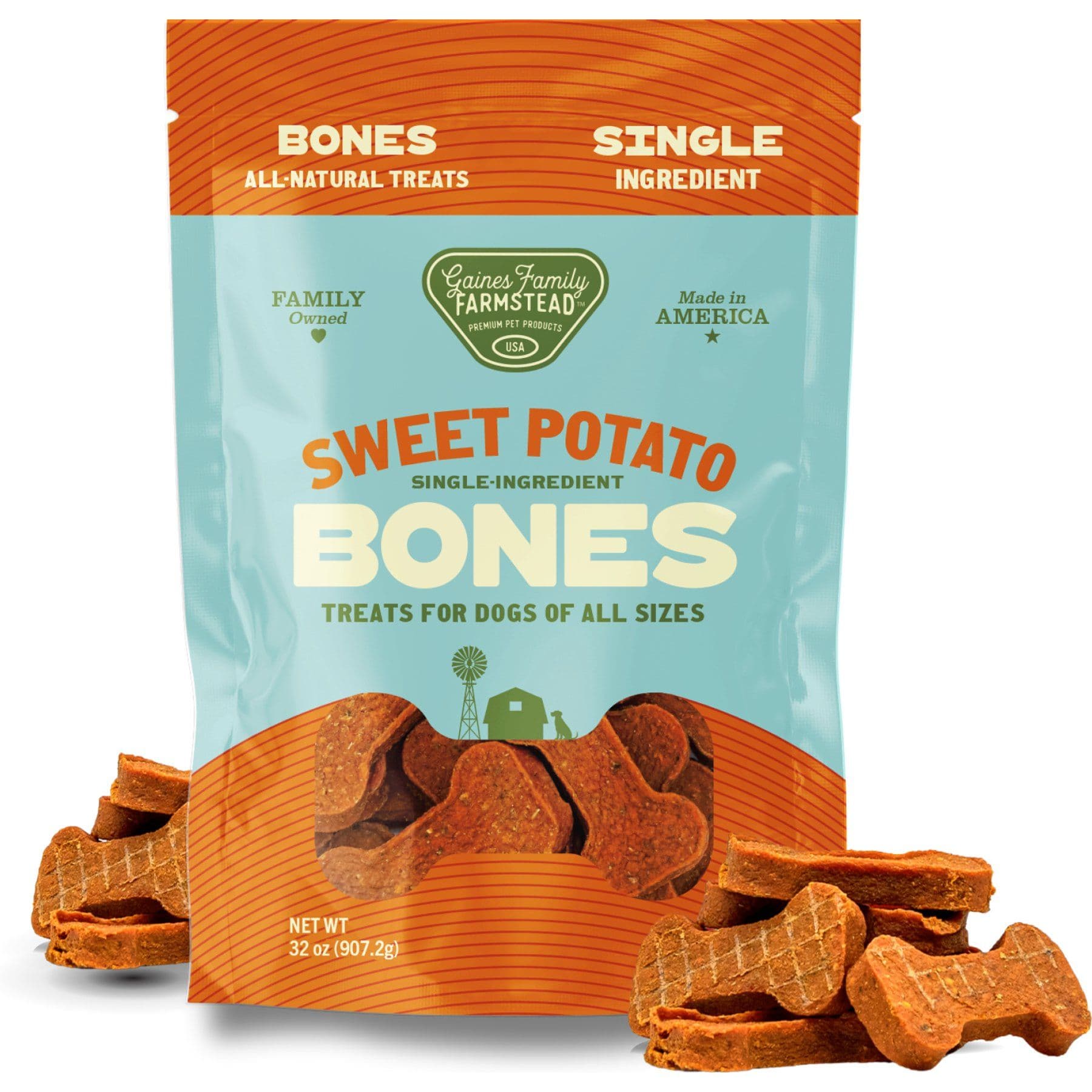
This is an optional dog treat. Review its current label, ingredients, calories, and feeding directions, and count it within the total daily extras.
Webvet may earn a commission when you click through to Chewy, at no extra cost to you.
Puppies, seniors, and dogs with medical or prescription-diet needs require individual advice. Age or diagnosis does not create a universal green-bean dose.
How to prepare and serve green beans
Fresh, frozen, cooked, and canned green beans are not interchangeable. Cooking changes texture; canned products vary in sodium and added ingredients. Choose the preparation that fits the dog and label. Fresh, frozen, cooked, and canned beans deserve separate checks. Plain frozen beans may be very firm, while cooked beans may be soft enough for a dog with dental limitations. Canned beans can contain very different sodium levels, sauces, sweeteners, or seasonings, and restaurant beans may arrive with butter, bacon, onion, or garlic. Rinsing can lower some surface sodium but cannot turn an unknown recipe into a verified plain food. For an accidental exposure, keep the package or ingredient list and note how much was eaten. For planned use, choose the simplest preparation the dog can chew comfortably, then count it with every other extra in the day's calorie total.
Wash produce and cut it for the individual dog's chewing behavior. Read canned labels for sodium and other ingredients; rinsing does not make every canned recipe equivalent.
Risks and what to watch for
A whole bean could be a choking concern for a dog that gulps food, but choking is not guaranteed and no cut makes risk zero. Size pieces appropriately and supervise.

An unsuitable amount may cause gas or loose stool in an individual dog. Start with a small optional amount only if it fits the diet, and stop if gastrointestinal signs occur.
A plain-bean exposure is usually assessed from amount and signs. If another ingredient such as onion or garlic is involved, save the label and obtain dose-based veterinary or poison-service advice.
Safe alternatives to green beans
If you want to rotate in other healthy, crunchy vegetables, a couple of great options sit right alongside green beans. Carrots bring natural sweetness and a satisfying crunch, and they are rich in beta-carotene. Cucumbers are mostly water, making them a refreshing, hydrating, and extremely low-calorie choice for warm days. Like green beans, both should be served plain and cut into pieces sized for your dog. Rotating these vegetables keeps snack time interesting while keeping the calorie count low.
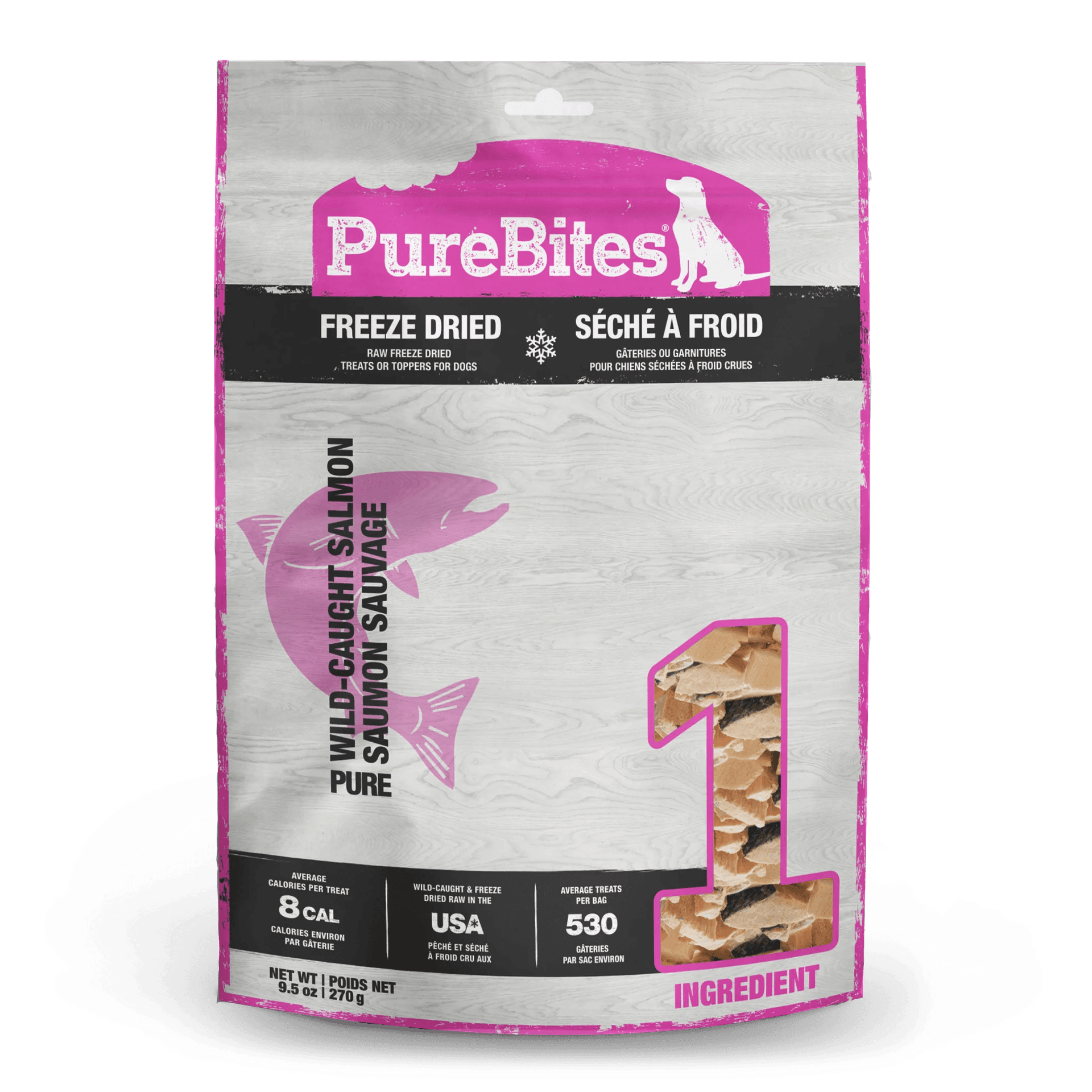
This is an optional dog treat. Review its current label, ingredients, calories, and feeding directions, and count it within the total daily extras.
Webvet may earn a commission when you click through to Chewy, at no extra cost to you.
Frequently asked questions
Can dogs eat green beans every day?
Daily use is not automatically appropriate. Count all treats within the individual calorie plan and do not let beans displace complete food.
Can dogs eat raw green beans?
Plain raw beans are not a recognized toxin, but texture and chewing behavior matter. Cut and supervise; cooking is an optional texture change.
Are canned green beans safe for dogs?
Canned products vary. Check sodium and added ingredients rather than assuming every can is suitable; rinsing does not remove every concern.
Do green beans help dogs lose weight?
Green beans do not cause weight loss on their own. A veterinary team should calculate calories and preserve complete nutrition.
Can green beans give my dog gas or diarrhea?
An unsuitable amount may cause gas or loose stool in an individual dog. Persistent or severe signs warrant veterinary advice.

Use the dog's measured calorie plan, complete diet, medical history, and the exact bean preparation to make a feeding decision. Contact the veterinary team for a concerning ingredient, amount, or symptom.
More safe treats
More vegetables for dogs
Sources
- ASPCA: Sharing Is Caring, Foods You Can Safely Share With Your Pet
Lists green beans and kiwi among optional pet-safe foods while advising small portions.
- VCA: Creating a Weight Reduction Plan for Dogs
Canine weight loss requires a veterinary plan that preserves nutrient intake while calories are reduced.
- WSAVA: Feeding Treats to Your Dog
All treats share an individual calorie allowance and should not displace complete nutrition.
- Merck Veterinary Manual: Garlic and Onion Toxicosis in Animals
Allium risk depends on the ingredient, concentration, dose, and susceptible patient.
- Merck Veterinary Manual: Salt Toxicosis in Animals
Salt toxicosis requires a sufficient dose and depends on exposure and water access.
Reviewed by Dr. Athena Gaffud, DVM
General guidance based on credible veterinary sources; not a diagnosis or a substitute for your veterinarian. If your pet ate something toxic or is unwell, contact your vet or a pet poison line right away.