
Can dogs eat cucumbers?
SafePlain cucumber is non-toxic and optional. Size pieces for the dog, and assess pickles by sodium, alliums, amount, and signs.


Medically reviewed by Dr. Athena Gaffud, DVM · Last reviewed
Can Dogs Eat Cucumbers?
Plain cucumber is non-toxic to dogs and low in calories. It can be an optional treat, but it is not a hydration or weight-loss treatment; total diet, water access, activity, and calorie intake determine those outcomes. Served in the right size and in sensible amounts, a few slices make a refreshing, crunchy reward that most dogs happily crunch through, especially on a warm day.
- 1Cucumbers are safe and non-toxic for dogs, raw and plain.
- 2Cucumber is mostly water and low in calories, but it is not a weight-loss or hydration treatment.
- 3Cut pieces to suit the individual dog's size, chewing behavior, and ability to swallow.
- 4Keep treats to about 10 percent of daily calories to avoid stomach upset.
- 5Check pickles and seasoned cucumber for sodium and alliums; vinegar and dill are not equivalent to onion or garlic.

Treats should stay under 10% of your dog's daily calories. JustFoodForDogs makes the rest of it.
- Recipes developed by veterinary nutritionists
- Whole-food ingredients you can recognise
- Fresh meals delivered to your door
Webvet may earn a commission when you click through to JustFoodForDogs, at no extra cost to you.
Are cucumbers safe for dogs?
Cucumbers are firmly on the safe list for dogs. They contain nothing toxic, no compound that damages a dog's organs, and no ingredient that requires special handling the way onions or grapes do. Both the American Kennel Club and the ASPCA classify cucumber as a dog-friendly vegetable, and most vets are comfortable recommending it as a light snack. The only real cautions are physical rather than chemical: a whole cucumber or a thick chunk is a choking risk, and eating a large volume can upset a sensitive stomach. Neither of those problems comes from the cucumber being harmful, only from how it is served.


This is an optional dog treat. Review its current label, ingredients, calories, and feeding directions, and count it within the total daily extras.
Webvet may earn a commission when you click through to Chewy, at no extra cost to you.
That safety applies to plain, fresh cucumber only. The moment cucumber becomes a pickle or gets tossed in a dressing, the picture changes. Pickles vary by recipe. Check the label for sodium and onion or garlic, then assess the actual amount eaten. Vinegar and dill are not allium toxins, and an occasional small salty exposure is not evidence of kidney or heart damage. Plain cucumber remains the simplest option.
Why cucumbers are a smart treat
The standout feature of cucumber is what it does not contain. At roughly 15 calories per 100 grams and about 95 percent water, it delivers a big, satisfying crunch for almost no energy. That combination is unusual among treats and it is exactly why so many vets suggest cucumber for overweight dogs. You can hand over a generous-looking snack, keep your dog feeling rewarded, and barely move the calorie needle for the day. Replacing a higher-calorie treat with cucumber may reduce treat calories, but weight change depends on the complete feeding and activity plan.
Cucumber contains water, fiber, vitamin K, potassium, vitamin C, and few calories. Those composition facts do not show that a treat portion improves clotting, nutrient status, digestion, hydration, or heat recovery. Fresh water and a complete diet remain the appropriate sources of hydration and required nutrients.
How much cucumber can a dog have?
The simplest rule is the one that applies to every treat: snacks should make up no more than about 10 percent of your dog's daily calories, and the other 90 percent should come from a complete, balanced diet. Because cucumber is so light, that 10 percent buys you a lot of slices, but the guideline still matters because too much of any new food can loosen the stool. A sensible starting point is a few slices or short sticks scaled to your dog's size, then watching how they handle it before making cucumber a regular thing.

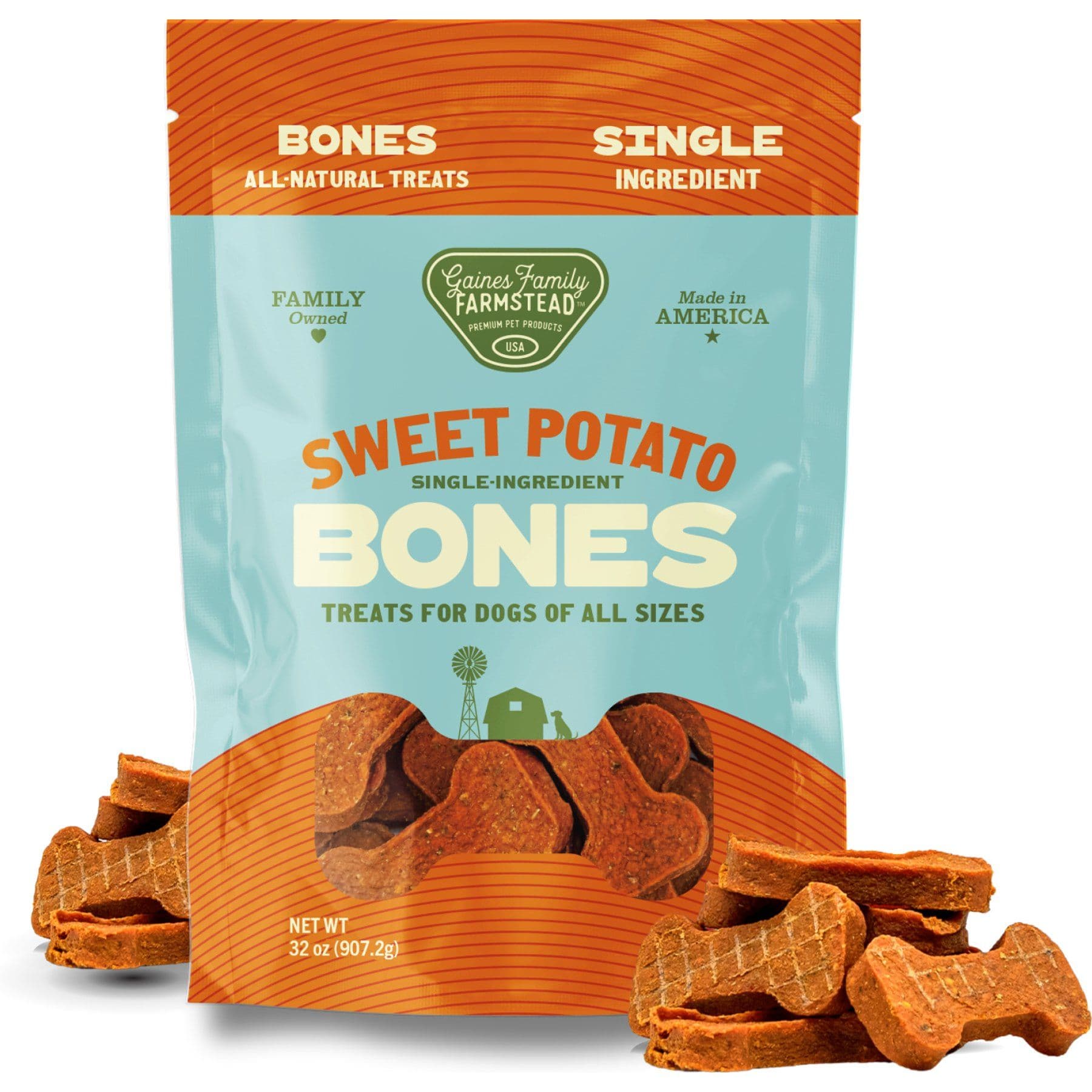
This is an optional dog treat. Review its current label, ingredients, calories, and feeding directions, and count it within the total daily extras.
Webvet may earn a commission when you click through to Chewy, at no extra cost to you.
Size is the biggest variable. A toy breed can be satisfied by two or three thin coins, while a large dog can handle a small handful of sticks. Use the table below as a rough guide, and remember these are ceilings for an occasional treat, not daily targets. If offering cucumber, start with a small piece appropriate to the dog's chewing and swallowing behavior and stop if gastrointestinal signs follow.
How to prepare and serve cucumber
Preparation is quick. Start by washing the cucumber under running water to rinse off dirt, pesticide residue, and any wax coating supermarkets sometimes use on the skin. Then slice it into bite-sized rounds or short sticks. Choose pieces that match the individual dog's size, chewing style, and swallowing ability; no single cucumber thickness predicts choking for every dog. For small dogs, or for any dog that inhales food without chewing, cut the pieces down further so each one is easy to swallow.
You can leave the skin on, since it is safe and adds a little fiber, but if your dog has a delicate stomach or has struggled with new foods before, peeling makes cucumber gentler to digest. The seeds inside a standard cucumber are soft and harmless, so there is no need to scoop them out. Serve cucumber raw and plain. Skip the salt, skip any dip or dressing, and never offer pickled cucumber. If you want variety, a few frozen slices give the same snack a longer-lasting, teeth-cooling twist in summer.
Risks and what to watch for
Cucumber has only two real risks, and both are easy to manage. The first is choking. A piece that is poorly matched to a particular dog's size or eating behavior can be a choking concern. Cutting it appropriately may reduce risk, but cannot eliminate every choking event. The second is mild digestive upset. Cucumber is high in water and fiber, so a dog that eats a big pile in one sitting may end up with a gassy stomach or loose, watery stools for a day. This is uncomfortable rather than dangerous, and it usually settles on its own once the treat stops.

Keep an eye out the first few times you offer cucumber, watching for vomiting, ongoing diarrhea, or signs of stomach pain. If any of those appear and do not clear within a day, or if your dog seems genuinely unwell, call your vet. Dogs with existing health conditions, or those on a prescription diet, are worth a quick check with your vet before adding any new treat. For the vast majority of healthy dogs, though, a few slices of plain cucumber cause no trouble at all.
Safe alternatives to cucumber
If your dog enjoys the crunch of cucumber, a couple of other low-calorie vegetables make excellent rotation snacks. Carrots are a firm, naturally sweet favorite that many dogs love to gnaw, and they add beta-carotene along with the satisfying chew. Celery is another watery, low-calorie stalk that is often suggested for weight loss and can even help freshen a dog's breath. As with cucumber, wash these first, cut them into bite-sized pieces to avoid choking, and serve them plain. Rotating a few safe vegetables keeps treat time interesting while keeping the calorie count low.
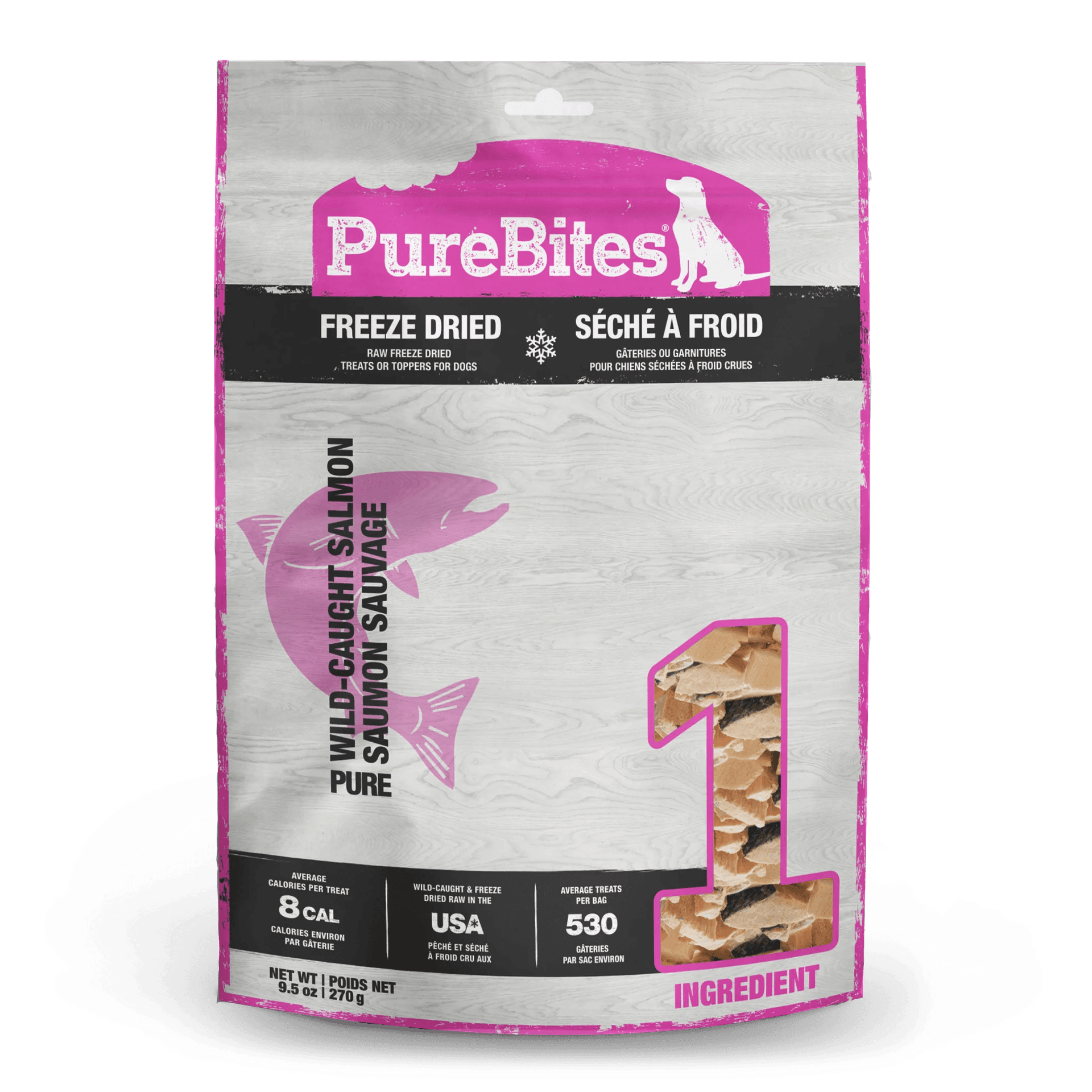
This is an optional dog treat. Review its current label, ingredients, calories, and feeding directions, and count it within the total daily extras.
Webvet may earn a commission when you click through to Chewy, at no extra cost to you.
Frequently asked questions
Can dogs eat cucumber skin and seeds?
ASPCA lists cucumber as non-toxic to dogs. Skin and soft seeds normally remain with the flesh, but that classification does not guarantee tolerance or remove patient-specific chewing concerns. The one exception is a dog with a sensitive stomach, where peeling can make cucumber a bit easier to digest. Always wash the skin first to remove dirt and any wax.
Can dogs eat cucumbers every day?
Cucumber can be an optional treat for many healthy dogs, but there is no universal daily slice allowance. Count it within the individual treat-calorie budget and stop if it displaces the complete diet or causes gastrointestinal signs.
Can puppies eat cucumber?
Puppies can have small amounts of plain cucumber once they are eating solid food, but cut it into very small, thin pieces because a puppy's airway is tiny and choking is a real concern. Introduce it slowly in case their developing digestion reacts, and keep treats to a small fraction of their day so it does not crowd out the balanced puppy food they need to grow.
Can dogs eat pickles?
Pickles are not a useful routine treat, but risk depends on the recipe and amount. Check sodium and onion or garlic on the label. Vinegar is not an allium toxin, and a small exposure without concerning ingredients is usually monitored rather than treated as poisoning.
My dog ate a lot of cucumber. What should I do?
A dog that overeats plain cucumber will most likely just have a gassy stomach or loose stools for a day, which usually settles on its own. Offer fresh water and hold off on more treats while things return to normal. If you see repeated vomiting, ongoing diarrhea, signs of choking, or belly pain, or if your dog seems unwell, contact your vet for advice.

More safe treats
More vegetables for dogs
Sources
- ASPCA: Cucumber
Cucumber is listed as non-toxic to dogs and cats.
- WSAVA: Feeding Treats to Your Dog
Treat choice and amount should fit the individual dog's calorie allowance.
- Merck Veterinary Manual: Salt Toxicosis in Animals
Salt toxicosis requires a sufficient exposure and is not inferred from salty taste alone.
- Merck Veterinary Manual: Garlic and Onion Toxicosis
Onion and garlic risk is dose-dependent and distinct from vinegar or dill.
- Merck Veterinary Manual: Gastrointestinal Obstruction in Small Animals
Foreign-body risk depends on the object, location, patient, and clinical signs, so cucumber preparation should match the individual dog's chewing and swallowing behavior.
Reviewed by Dr. Athena Gaffud, DVM
General guidance based on credible veterinary sources; not a diagnosis or a substitute for your veterinarian. If your pet ate something toxic or is unwell, contact your vet or a pet poison line right away.