Dog symptom
Weight loss in dogs
Reviewed by the Webvet Veterinarian Team · Last reviewed June 22, 2026
Losing weight without trying — even while eating normally — is an important sign worth investigating. Many causes are treatable, especially when caught early.
Common causes of weight loss in dogs
- Dental pain or trouble eating
- Parasites or poor nutrient absorption
- Overactive thyroid (cats), diabetes, kidney, liver, or heart disease
- Cancer
Who's most at risk
- Senior pets
- Cats (hyperthyroidism, kidney disease)
- Pets overdue for parasite prevention
- Pets with dental disease
What you can do at home
- Weigh your pet regularly and track the trend
- Note appetite, energy, drinking, and stool changes
- Don't just add more food — find out why first
When to see a vet
- Steady or rapid weight loss, with or without a normal appetite
- Weight loss plus increased thirst, vomiting, or diarrhea
- Low energy, a poor coat, or muscle loss
- An older cat eating well but losing weight (think thyroid or kidney)
When it's more serious
- Weight loss with these signs points to a treatable disease — get bloodwork soon.
- Significant or rapid weight loss needs a vet workup promptly.
What your vet may do
- Full exam, weigh-in, and dental check
- Bloodwork, urine test, and thyroid testing (cats)
- Imaging or further tests based on results
- Treat the underlying disease and support nutrition
Questions to ask your vet
- What's the most likely cause given the bloodwork?
- Should we test the thyroid and kidneys?
- Is this manageable, and what's the plan?
- What and how much should I be feeding?

Frequently asked questions
What causes weight loss in dogs?
Losing weight without trying — even while eating normally — is an important sign worth investigating. Many causes are treatable, especially when caught early. Common causes include: Dental pain or trouble eating; Parasites or poor nutrient absorption; Overactive thyroid (cats), diabetes, kidney, liver, or heart disease; Cancer.
Is weight loss in dogs an emergency?
See a vet today. See a vet right away if: Steady or rapid weight loss, with or without a normal appetite; Weight loss plus increased thirst, vomiting, or diarrhea; Low energy, a poor coat, or muscle loss; An older cat eating well but losing weight (think thyroid or kidney).
What can I do at home for a dog with weight loss?
Weigh your pet regularly and track the trend. Note appetite, energy, drinking, and stool changes. Don't just add more food — find out why first.
A closer look at weight loss in dogs
Unintentional weight loss in a dog is a red flag that deserves a prompt vet visit, not a wait-and-see approach. When a dog drops weight without a deliberate diet change, it usually means the body is either not taking in enough calories or is burning through them faster than normal because something underneath is wrong. That underlying cause can be as manageable as intestinal worms or a sore tooth, or as serious as diabetes, kidney disease, or cancer. The single most important thing to know is that many of these conditions are far more treatable when they are caught early, so the sooner your vet can run an exam and basic testing, the better your dog's odds.
- 1Weight loss you did not plan for is always worth a vet visit, even if your dog seems to feel fine.
- 2Losing weight while eating normally or eating more is a bigger warning sign, not a smaller one.
- 3A basic workup usually means an exam, a dental check, bloodwork, a urine test, and a fecal exam for parasites.
- 4Caught early, most causes from worms and dental pain to diabetes and thyroid disease respond well to treatment.
- 5Do not simply pile on extra food and hope it fixes itself. Find out why the weight is coming off first.
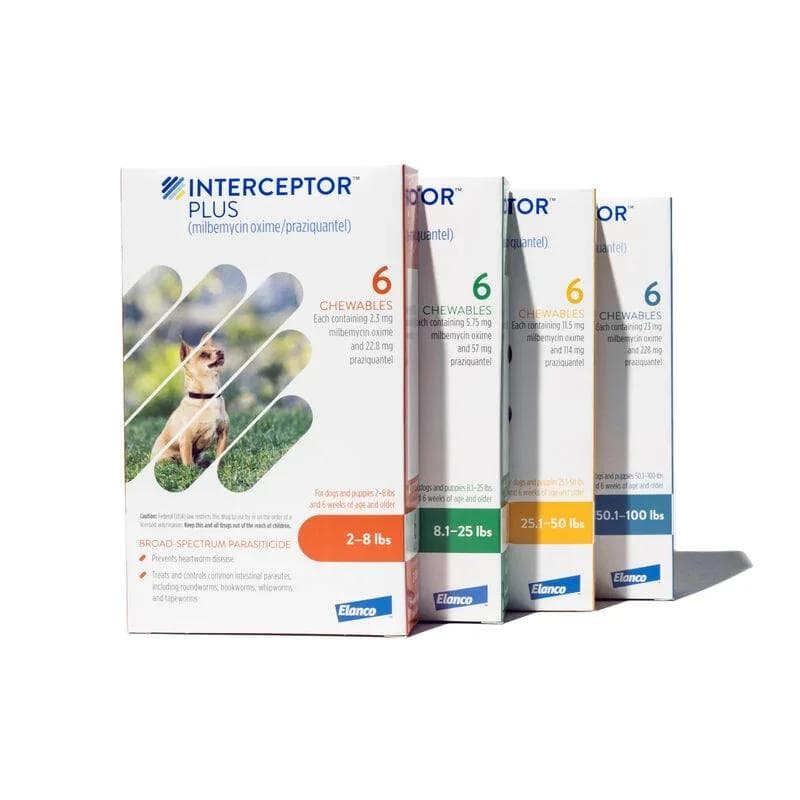
Monthly broad parasite prevention closes off the simplest cause of unexplained weight loss.
Webvet may earn a commission when you click through to Chewy, at no extra cost to you.
What weight loss actually signals in a dog
A dog's weight sits at the balance point between the calories going in and the energy being used. When that balance tips toward loss, one of two things is happening. Either your dog is not absorbing enough nutrition, whether because it hurts to eat, the appetite has faded, or the gut is not pulling nutrients out of food properly, or the body is spending energy abnormally fast, which happens with an overactive metabolism, chronic inflammation, uncontrolled diabetes, or the demands of a growing tumor. Because so many different systems can push a dog into that deficit, weight loss is best thought of as a symptom pointing at a hidden problem rather than a diagnosis on its own.
The tricky part for owners is that gradual loss is genuinely hard to see day to day, especially on a fluffy or medium-to-large dog. Muscle and fat can quietly slip away over weeks before it registers. A good habit is to run your hands over the ribs, spine, and hips every so often. If the bones feel sharper or more prominent than they did a month or two ago, or you can suddenly feel each rib easily, that is a real change worth acting on even if the number on a scale has not caught up yet.

Losing weight while eating normally, or eating more
This is the pattern that worries veterinarians the most, and it is one of the most common questions owners ask. When a dog is eating its usual amount, or even begging for more, yet still shrinking, it tells you the calories are going in but not staying in the body. Uncontrolled diabetes does exactly this, spilling sugar and energy out through the urine while the dog eats ravenously. Malabsorption from chronic intestinal disease, exocrine pancreatic insufficiency, or a heavy parasite burden means food passes through without being fully digested. Some cancers steadily consume the body's reserves in the background. None of these resolve on their own, and none are fixed by feeding more, which is why a hungry dog that keeps losing weight needs testing rather than a bigger bowl.
Watch for the clusters of signs that travel alongside the weight loss, because they point your vet toward the cause quickly. Weight loss paired with increased thirst and urination raises the flag for diabetes or kidney disease. Loss with vomiting or loose, greasy, or voluminous stools suggests a digestive or pancreatic problem. Loss with low energy, a dull coat, and visible muscle wasting hints at a deeper metabolic or organ disease. Making a note of these companions before your appointment gives your vet a real head start.
The most common reasons dogs lose weight
The list of possible causes is long, but a handful account for most cases. Intestinal parasites are near the top, particularly in dogs overdue for prevention, and are one of the easiest causes to rule in or out with a simple fecal test. Dental disease is another common and often overlooked culprit, because a painful tooth or inflamed gums can make a dog eat less without ever crying out. If your dog also has notably bad breath or has started dropping kibble or chewing on one side, the mouth is worth a close look. Beyond those, chronic gastrointestinal disease, diabetes, kidney and liver disease, heart disease, and cancer round out the causes a vet works through methodically.

| Possible cause | Other signs you might notice | How urgent |
|---|---|---|
| Intestinal parasites | Normal or big appetite, dull coat, occasional diarrhea, visible worms | See your vet soon; easily tested and treated |
| Dental disease or mouth pain | Bad breath, drooling, dropping food, chewing on one side | Book a dental check; treatable pain |
| Diabetes | Increased thirst and urination, big appetite, low energy | Urgent workup; needs prompt management |
| Kidney or liver disease | More drinking, vomiting, poor coat, low energy | Urgent bloodwork; earlier is better |
| Chronic GI or malabsorption | Loose, greasy, or large-volume stools, eats well but thin | See your vet; needs diet and testing |
| Cancer | Muscle wasting, lumps, low energy, other organ signs | Prompt vet exam; early detection matters |
How your vet pinpoints the cause
Vets approach unexplained weight loss like detectives, starting broad and narrowing down. The visit almost always opens with a thorough physical exam and a body condition score, a standardized way of grading how much muscle and fat your dog is carrying, along with an actual weigh-in to establish a baseline they can track over time. Your vet will feel the abdomen for anything abnormal, listen to the heart and lungs, and check the mouth carefully, since dental pain is such a frequent hidden cause.
From there, the workup is guided by what the exam and your history reveal. Bloodwork is the workhorse, screening for diabetes, kidney and liver disease, protein loss, and clues to other illness. A urine test adds a picture of kidney function and can confirm diabetes. A fecal exam checks for parasites that a blood panel will not catch. Depending on the results, your vet may recommend imaging such as X-rays or an ultrasound to look at organs, or more specialized tests to narrow things further. Sharing everything you have observed at home, appetite, energy, thirst, stool, and the timeline of the loss, makes this process faster and more accurate.
What to expect at the vet visit and beyond
Once your vet identifies the cause, treatment is aimed at the underlying disease rather than the weight loss itself, because the pounds come back when the root problem is controlled. Parasites are cleared with a course of deworming. Dental disease is treated with a professional cleaning and any needed extractions, often with a striking improvement in appetite afterward. Diabetes is managed with insulin and diet, kidney and liver conditions with tailored diets and supportive care, and gastrointestinal disease with prescription food and medication. When a cause is more serious, your vet will walk you through the options and what recovery realistically looks like.

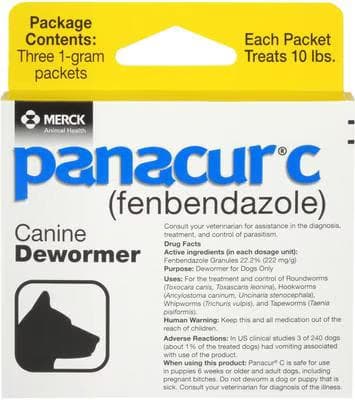
Parasites are one of the simpler causes of unexplained weight loss, and one of the easiest to rule out with a fecal test.
Webvet may earn a commission when you click through to Chewy, at no extra cost to you.
Alongside treating the disease, your vet will often build a nutrition plan to help your dog rebuild condition safely. That may mean a specific therapeutic diet, a calculated increase in calories, or more frequent smaller meals, all matched to the diagnosis. Recovery timelines vary widely. A dog treated for worms or a bad tooth may bounce back within weeks, while a chronic condition like diabetes or kidney disease is managed for life with regular rechecks to keep the weight stable. Follow-up weigh-ins become an important scoreboard, telling you and your vet whether the plan is working.
Senior dogs, muscle loss, and getting bony
Owners of older dogs often ask why their dog is getting bony over the back end or spine. Some age-related muscle loss, called sarcopenia, is a normal part of getting older, but it is a mistake to write off every change as just age. Senior dogs are precisely the group most likely to develop the diseases that drive weight loss, from kidney and heart disease to cancer, so a thinning older dog earns a vet visit rather than a shrug. Losing muscle specifically over the hips and topline can reflect reduced activity, arthritis pain that makes moving hurt, or a systemic illness pulling from muscle stores. If you also notice new lumps or masses, mention them at the same visit. The reassuring news is that even in senior dogs, many of these conditions are manageable, and treatment often improves comfort and quality of life alongside the weight.
How to help at home safely
The most useful thing you can do at home is gather information. Weigh your dog regularly, using the same scale, and write the numbers down so you can show your vet a real trend instead of a guess. If your dog is small, weighing yourself and then yourself holding the dog gives a workable figure. Track appetite, energy, water intake, and any changes in stool, and note whether your dog is eating less than usual or eating normally while still slimming down, because that distinction genuinely changes what your vet looks for first. Keep up with routine parasite prevention, since a lapse is a common and preventable contributor.

When it becomes more urgent
Weight loss itself is rarely a same-day emergency, but the illnesses behind it can escalate. Move more quickly if the loss is rapid, if your dog becomes weak or collapses, if there is persistent vomiting or diarrhea that risks dehydration, if your dog stops eating entirely, or if the thirst and urination change dramatically. A dog that is losing weight and refusing all food for more than a day, or that seems suddenly lethargic and unwell, should be seen without delay. When in doubt, a phone call to your veterinary clinic or a local emergency hospital is the safest way to decide how fast to act. Trusting your instinct that something has changed is often exactly the right call.
Unplanned weight loss is your dog's way of telling you something has shifted, and the responsible response is curiosity followed by a vet visit, not extra food or a wait-and-see delay. Track the trend, note the accompanying signs, and get a basic workup underway. Whether the answer turns out to be a simple case of worms or a chronic condition that needs ongoing care, catching it early gives your dog the best possible chance to feel better and get back to a healthy weight. This article is general education and is not a substitute for an in-person diagnosis from your veterinarian.
Sources
Reviewed by the Webvet Veterinarian Team
This guide is general information, not a diagnosis, and does not replace an exam by your veterinarian. If your pet is in distress, contact your vet or an emergency clinic right away.
Related symptoms
- Ate something toxic in dogs
- Bloated belly or trying to vomit in dogs
- Collapse or fainting in dogs
- Dehydration in dogs
- Drinking & urinating more in dogs
- Lethargy or low energy in dogs
- Not eating or loss of appetite in dogs
- Overheating or heatstroke in dogs
- Restlessness or pacing in dogs
- Seizure or tremors in dogs
- Sudden behavior change in dogs