Dog symptom
Bad breath in dogs
Reviewed by the Webvet Veterinarian Team · Last reviewed June 22, 2026
Persistent bad breath is most often a sign of dental disease. Dental disease is common, painful, and can affect a pet's overall health if left untreated.
Common causes of bad breath in dogs
- Plaque, tartar, and gum disease (the most common cause)
- A broken or infected tooth
- Oral growths or ulcers
- Occasionally a sign of internal disease (fruity/sweet breath can occur with diabetes; ammonia or urine-like breath can occur with kidney disease)
Who's most at risk
- Small breeds and brachycephalics (dental crowding)
- Senior pets
- Pets whose teeth are never brushed
- Cats (resorptive lesions and gum disease)
What you can do at home
- Brush your pet's teeth with pet-safe toothpaste (never human toothpaste)
- Offer vet-approved dental chews or diets
- Lift the lip and look for red gums, tartar, or broken teeth
When to see a vet
- Drooling, pawing at the mouth, or difficulty eating
- Very red or bleeding gums, or loose/broken teeth
- A sudden change in breath odor with other signs (drinking more, weight loss)
When it's more serious
- That breath change with other signs can indicate diabetes or kidney disease — see a vet.
- Mouth pain or trouble eating needs a vet visit — likely painful dental disease.
- Advanced gum disease or broken teeth should be treated soon.
What your vet may do
- Oral exam for tartar, gum disease, and broken teeth
- Recommend a dental cleaning under anesthesia
- Dental X-rays to assess below the gumline
- Check for kidney or metabolic disease if breath is unusual
Questions to ask your vet
- How advanced is the dental disease?
- Is a professional cleaning needed?
- Are any teeth painful or in need of removal?
- What home care keeps the teeth healthy?

Frequently asked questions
What causes bad breath in dogs?
Persistent bad breath is most often a sign of dental disease. Dental disease is common, painful, and can affect a pet's overall health if left untreated. Common causes include: Plaque, tartar, and gum disease (the most common cause); A broken or infected tooth; Oral growths or ulcers; Occasionally a sign of internal disease (fruity/sweet breath can occur with diabetes; ammonia or urine-like breath can occur with kidney disease).
Is bad breath in dogs an emergency?
Usually OK to monitor at home. See a vet right away if: Drooling, pawing at the mouth, or difficulty eating; Very red or bleeding gums, or loose/broken teeth; A sudden change in breath odor with other signs (drinking more, weight loss).
What can I do at home for a dog with bad breath?
Brush your pet's teeth with pet-safe toothpaste (never human toothpaste). Offer vet-approved dental chews or diets. Lift the lip and look for red gums, tartar, or broken teeth.
A closer look at bad breath in dogs
If your dog's breath has turned genuinely foul, the most likely reason is dental disease, and it is a real medical problem rather than a cosmetic one. Healthy dogs do not have breath that clears a room. Persistent bad breath, called halitosis, is usually the smell of bacteria, plaque, and tartar building up along the gum line, and left alone that process quietly damages the teeth and gums and can affect the whole body. The good news is that in most dogs it is both preventable and treatable once a veterinarian looks in the mouth.
- 1Persistent bad breath in dogs is most often periodontal (gum) disease, not just "dog breath."
- 2The odor comes from bacteria and plaque under the gum line, which can be painful even when your dog still eats normally.
- 3Unusual smells matter: sweet or fruity breath can point to diabetes, and a urine or ammonia odor can point to kidney disease.
- 4At-home brushing with pet-safe toothpaste and vet-approved dental chews slows it down, but tartar under the gums needs a professional cleaning.
- 5Never use human toothpaste, which contains ingredients that are toxic to dogs.
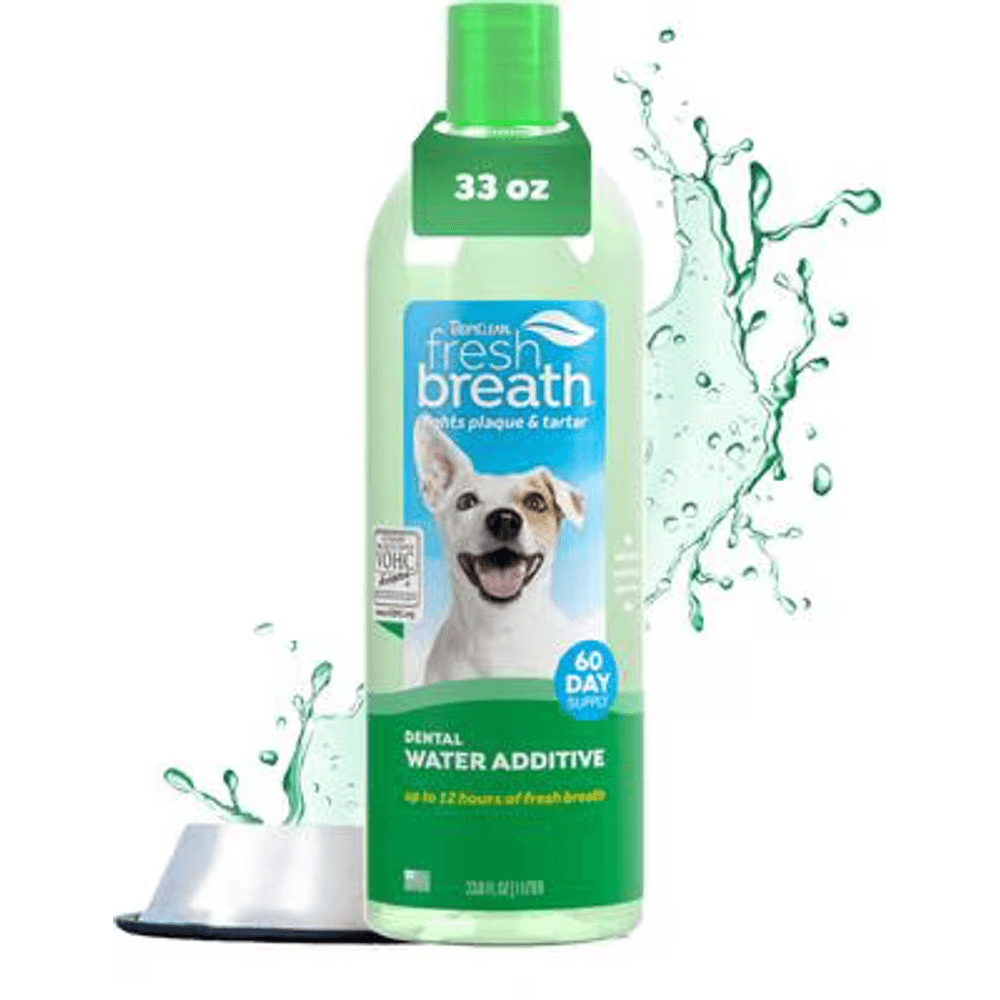
A water additive rounds out the routine on days the brush loses the fight.
Webvet may earn a commission when you click through to Chewy, at no extra cost to you.
What is actually happening in your dog's mouth
Every dog's mouth is full of bacteria, and after a meal those bacteria form a soft, sticky film called plaque over the teeth and along the gum line. If plaque is not brushed or scraped away within a day or two, minerals in the saliva harden it into tartar, the yellow-brown crust you can see cemented to the teeth. Tartar is rough and porous, so it shelters even more bacteria, and the cycle accelerates. The smell you notice is the waste those bacteria give off, especially the sulfur compounds produced by bugs living in the pockets between tooth and gum.

Over time this bacterial load inflames the gums, a stage called gingivitis, and then works its way below the gum line to attack the ligaments and bone that hold each tooth in place. That deeper stage is periodontal disease, and it is genuinely painful. Because dogs are stoic and instinctively hide oral pain, most keep eating and wagging as if nothing is wrong, which is exactly why so many owners are surprised when a veterinarian finds advanced disease behind that bad smell. Bad breath is often the very first and easiest signal you get that something needs attention.
Why "it's just dog breath" is a myth
There is a widespread belief that smelly breath is a normal part of being a dog. It is not. Fresh doggy breath should be fairly neutral, and a strong, offensive odor is a sign, not a personality trait. While dental disease is far and away the most common cause, the mouth is also a window onto the rest of the body, and the particular kind of smell can offer clues. That is why veterinarians pay attention not just to whether the breath is bad, but to what it smells like.
The table below shows how the character of the odor can point toward different underlying problems. It is a guide for what to tell your vet, not a diagnosis you can make at home, because these smells overlap and only an exam and testing can confirm the cause.
| What the breath smells like | Possible cause | How concerned to be |
|---|---|---|
| Rotten, foul, or like decay | Plaque, tartar, gum disease, or an infected tooth | Common; schedule a dental exam |
| Sweet or fruity | Possible diabetes, especially with more drinking and urinating | See your vet promptly |
| Urine-like or ammonia | Possible kidney disease | See your vet promptly |
| Like feces | Eating stool, or a gastrointestinal issue | Mention it at your next visit |
| Sudden foul smell from one side | A broken tooth, foreign object, or oral growth | Have it checked soon |
How your vet pinpoints the cause
A veterinary visit for bad breath usually starts with a conscious oral exam. Your vet will lift the lips to look for red or bleeding gums, tartar, receding gum line, loose or fractured teeth, growths, and ulcers, and will note whether the smell is coming from one specific area. They will also ask about your dog's age, diet, chewing habits, and any recent changes, since a sudden one-sided odor suggests a different problem than a slow, all-over decline.

Much of dental disease hides below the gum line where the eye cannot see, so the real assessment happens under anesthesia, when the vet can probe each tooth and take dental X-rays to check the roots and surrounding bone. If the smell or other signs hint at a problem beyond the mouth, your vet may also recommend blood and urine tests to look for diabetes, kidney disease, or other metabolic conditions. This step-by-step approach is how a general complaint like bad breath gets narrowed down to a specific, treatable cause.
What to expect from a dental visit
When tartar and gum disease are the culprits, the standard treatment is a professional dental cleaning performed under general anesthesia. This is not the same as a cosmetic scrape of the visible tartar. Under anesthesia the team can clean below the gum line, polish the teeth, take X-rays, and safely treat or remove any teeth that are broken, badly infected, or beyond saving. Anesthesia understandably makes owners nervous, but it is what allows a thorough, pain-free cleaning and an honest look at each tooth, and your vet will run pre-anesthetic checks to keep the risk low.
Recovery from a routine cleaning is usually quick, and many owners are struck by how much brighter and more comfortable their dog seems afterward, a reminder of how much low-grade pain the mouth had been hiding. If teeth were extracted, your vet will send home pain relief and may suggest soft food for a few days. Cost varies with the amount of disease, the number of X-rays, and any extractions, so it is worth asking for an estimate up front and asking how to keep things from getting to that point again. If your dog is reluctant to eat or is refusing food because of mouth pain, mention it, because that changes how soon they should be seen.
How to help at home safely
The single most effective thing you can do at home is brush your dog's teeth, ideally every day, using a soft dog toothbrush or finger brush and toothpaste made for dogs. Daily brushing removes plaque before it has a chance to harden into tartar, which is the whole battle. Start slowly, let your dog lick a little of the flavored paste first, and build up over a week or two so it becomes a calm routine rather than a wrestling match. Between brushings, veterinarian-approved dental chews and dental diets can reduce buildup, and looking for products accepted by the Veterinary Oral Health Council is a reliable way to separate the ones that work from the ones that only promise fresh breath.

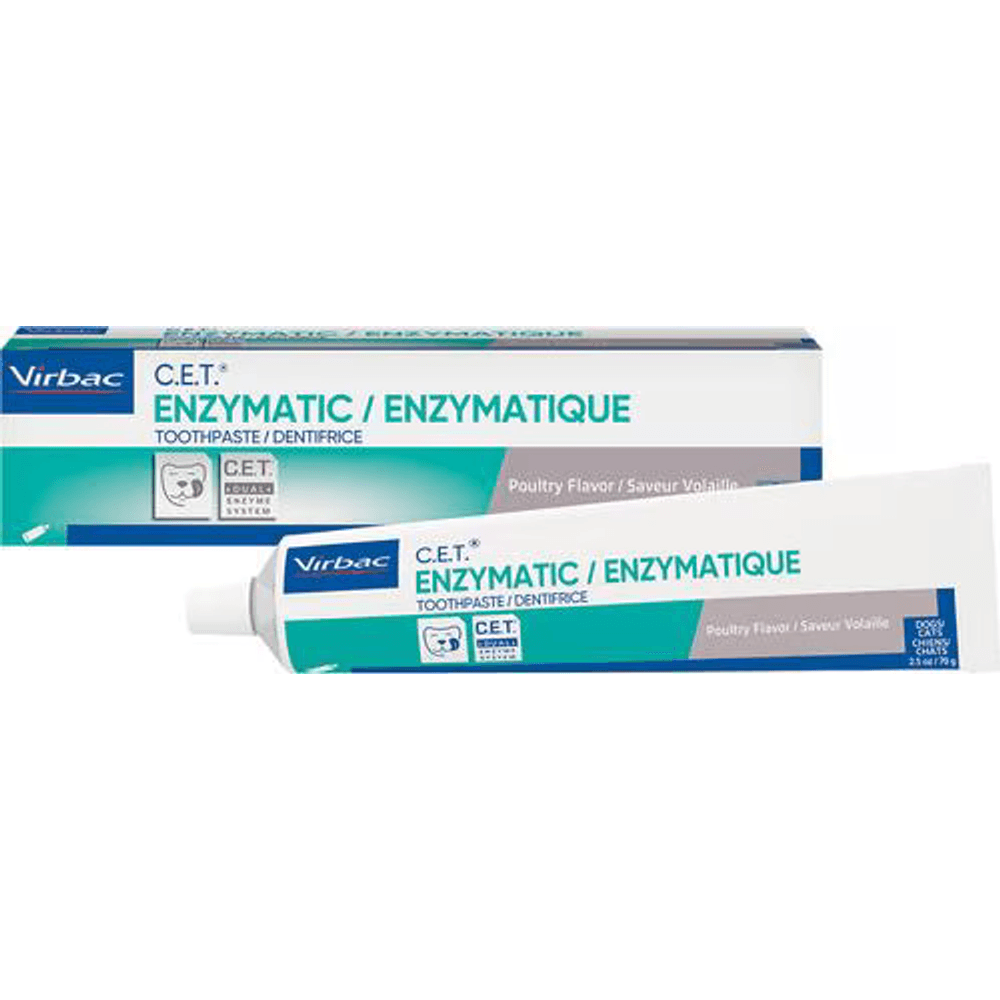
Enzymatic toothpaste made for dogs. Never use human toothpaste, which can contain xylitol.
Webvet may earn a commission when you click through to Chewy, at no extra cost to you.
How to keep bad breath from coming back
Prevention is far easier and cheaper than treating advanced disease. A simple routine of daily brushing, vet-approved dental chews, and a yearly oral exam keeps most dogs out of trouble, and your vet can tell you how often a professional cleaning is worthwhile for your particular dog. Some dogs need cleanings more often than others: small breeds and flat-faced dogs have crowded teeth that trap plaque, and senior dogs have had years of buildup, so both groups tend to benefit from closer attention. Getting a puppy comfortable with having its mouth handled early pays off for a lifetime.
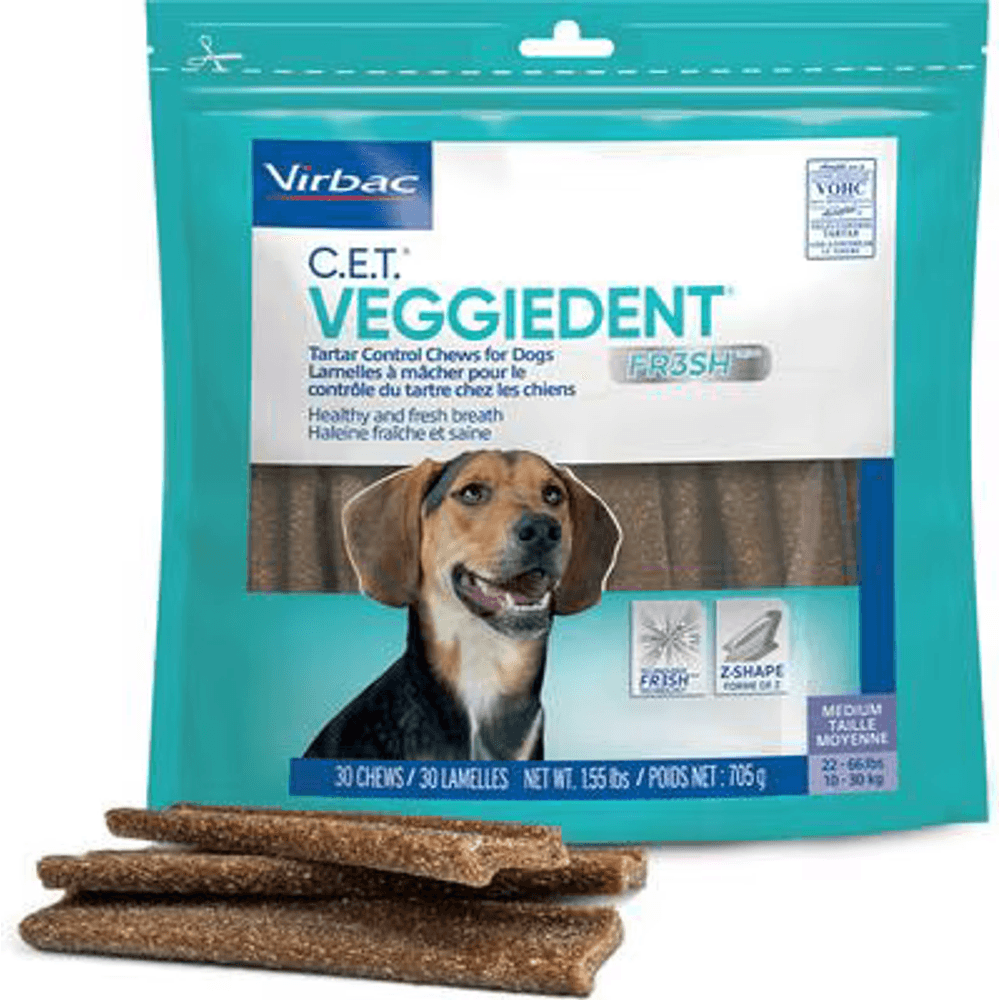
A VOHC-style daily dental chew for dogs who will not tolerate a brush. A supplement to brushing, not a replacement.
Webvet may earn a commission when you click through to Chewy, at no extra cost to you.
It also helps to check the mouth regularly yourself. Once a week, lift the lip and look at the gums and teeth. Healthy gums are pink and firm, and the teeth should be reasonably clean. Redness at the gum line, heavy tartar, a tooth that looks broken or discolored, or a lump you have not seen before are all worth a call to your vet, even if your dog is eating fine. Catching problems at the gingivitis stage, before the smell becomes severe, means simpler treatment and a more comfortable dog.
When bad breath is more than a dental problem

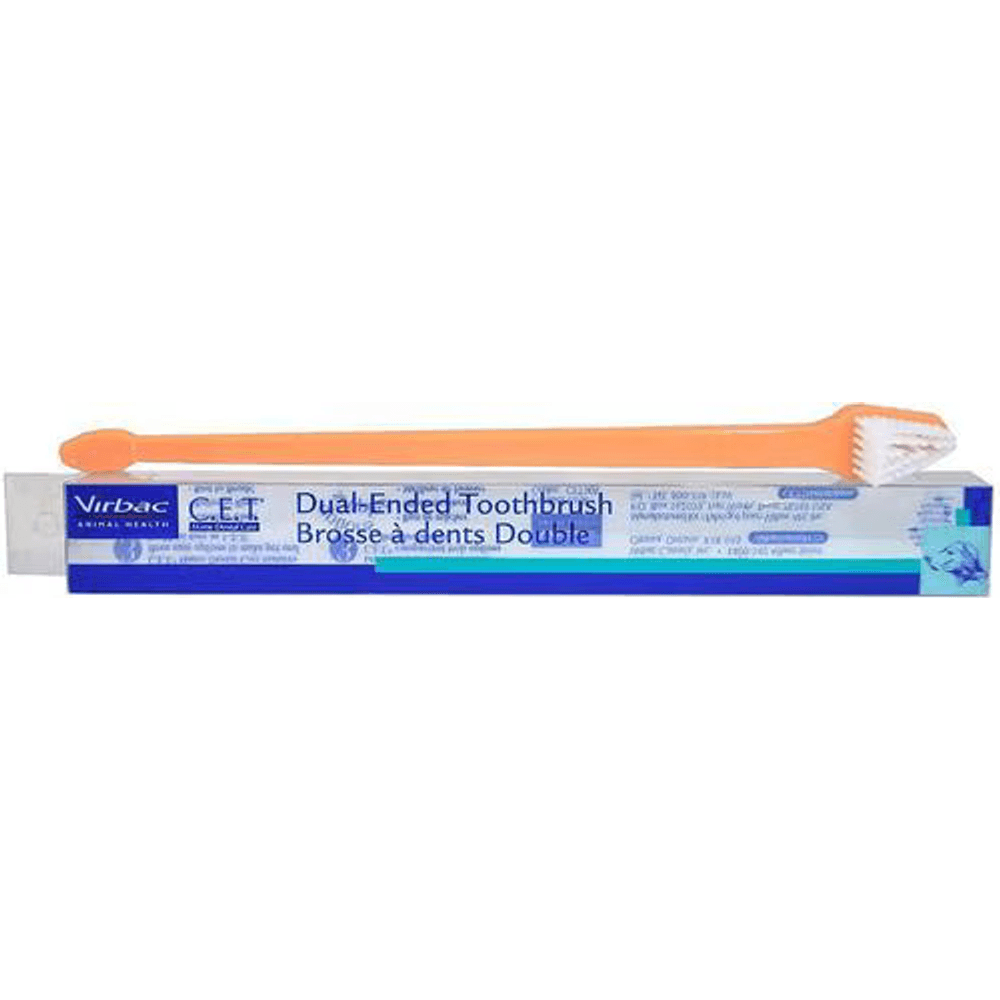
A dual-ended brush sized for different muzzles. Daily brushing is the only home step proven to slow plaque.
Webvet may earn a commission when you click through to Chewy, at no extra cost to you.
Most of the time, bad breath is a dental story with a straightforward fix. But there are moments to move a little faster. Book a prompt visit if your dog is drooling, pawing at the mouth, or struggling to eat, if the gums are very red or bleeding or a tooth is loose or broken, or if you notice a sudden change in the smell along with unexplained weight loss or increased thirst. Those combinations can signal diabetes, kidney disease, or another condition that is easier to manage when caught early.
The overall message is reassuring. Bad breath is one of the most common and most fixable problems your veterinarian sees, and paying attention to it early is one of the kindest things you can do for your dog's comfort and long-term health. When in doubt about what the smell means or how urgent it is, your veterinary team is the right place to turn, and they would far rather see your dog for a minor cleaning than for advanced disease later on.
Sources
Related reading from Webvet
Reviewed by the Webvet Veterinarian Team
This guide is general information, not a diagnosis, and does not replace an exam by your veterinarian. If your pet is in distress, contact your vet or an emergency clinic right away.