Dog symptom
Excessive drooling in dogs
Reviewed by the Webvet Veterinarian Team · Last reviewed June 22, 2026
More saliva than normal. Some breeds drool a lot normally, but a sudden increase can mean mouth pain, nausea, something stuck, or exposure to a toxin.
Common causes of excessive drooling in dogs
- Dental disease, a broken tooth, or mouth ulcers
- Something stuck in the mouth or throat
- Nausea (often just before vomiting)
- Tasting something bitter or toxic; heatstroke
Who's most at risk
- Pets with dental disease
- Curious chewers and puppies/kittens
- Homes with toxic plants or chemicals
- Flat-faced and giant breeds (heat, dental crowding)
What you can do at home
- Gently look in the mouth (only if safe) for anything stuck or red, sore gums
- Remove access to anything they may have chewed; save it for the vet
- Don't put your hand in the mouth of a distressed or painful pet
When to see a vet
- You suspect a toxin, plant, or chemical exposure
- Pawing at the mouth, unable to close it, or something is visibly stuck
- Drooling with collapse, tremors, or trouble breathing
- A painful mouth, not eating, or a bad smell
When it's more serious
- Sudden drooling after a possible toxin needs immediate care — call a vet or poison line.
- Possible foreign body or airway problem — seek emergency care now.
- Likely dental disease or a sore mouth — book a vet visit.
What your vet may do
- Oral exam (sometimes sedated) to find pain or a foreign body
- Remove an object or treat dental disease
- Anti-nausea care if it's a gut cause
- Toxin treatment if exposure is suspected
Questions to ask your vet
- Is there something stuck, or a painful tooth?
- Could this be nausea or a toxin?
- Does the mouth need a sedated exam?
- What pain relief is safe?

Frequently asked questions
What causes excessive drooling in dogs?
More saliva than normal. Some breeds drool a lot normally, but a sudden increase can mean mouth pain, nausea, something stuck, or exposure to a toxin. Common causes include: Dental disease, a broken tooth, or mouth ulcers; Something stuck in the mouth or throat; Nausea (often just before vomiting); Tasting something bitter or toxic; heatstroke.
Is excessive drooling in dogs an emergency?
Book a veterinary visit soon. See a vet right away if: You suspect a toxin, plant, or chemical exposure; Pawing at the mouth, unable to close it, or something is visibly stuck; Drooling with collapse, tremors, or trouble breathing; A painful mouth, not eating, or a bad smell.
What can I do at home for a dog with excessive drooling?
Gently look in the mouth (only if safe) for anything stuck or red, sore gums. Remove access to anything they may have chewed; save it for the vet. Don't put your hand in the mouth of a distressed or painful pet.
A closer look at excessive drooling in dogs
A dog who suddenly drools more than usual is telling you something has changed in or around the mouth, the stomach, or the nervous system, and the single most useful thing you can do is figure out whether it came on gradually or all at once. Slow, lifelong drooling in a jowly breed is almost always normal anatomy. A sudden flood of saliva in a dog who was dry an hour ago is different: it points to mouth pain, something stuck, nausea, heat, or contact with something bitter or toxic, and that version is worth taking seriously even when your dog is otherwise acting fine.
- 1Some breeds drool heavily as a normal trait; a sudden increase in a dog who is usually dry is the version that needs attention.
- 2The most common causes are dental or mouth pain, a foreign object stuck in the mouth, nausea, heat, and exposure to something bitter or toxic.
- 3Drooling plus pawing at the mouth, an inability to swallow, collapse, tremors, or trouble breathing is an emergency, not a wait-and-see.
- 4If your dog may have licked or chewed a plant, chemical, or human food, call a vet or a poison line right away rather than watching at home.
- 5Because you cannot see the back of the mouth or the stomach, a vet exam is how the true cause gets pinned down.
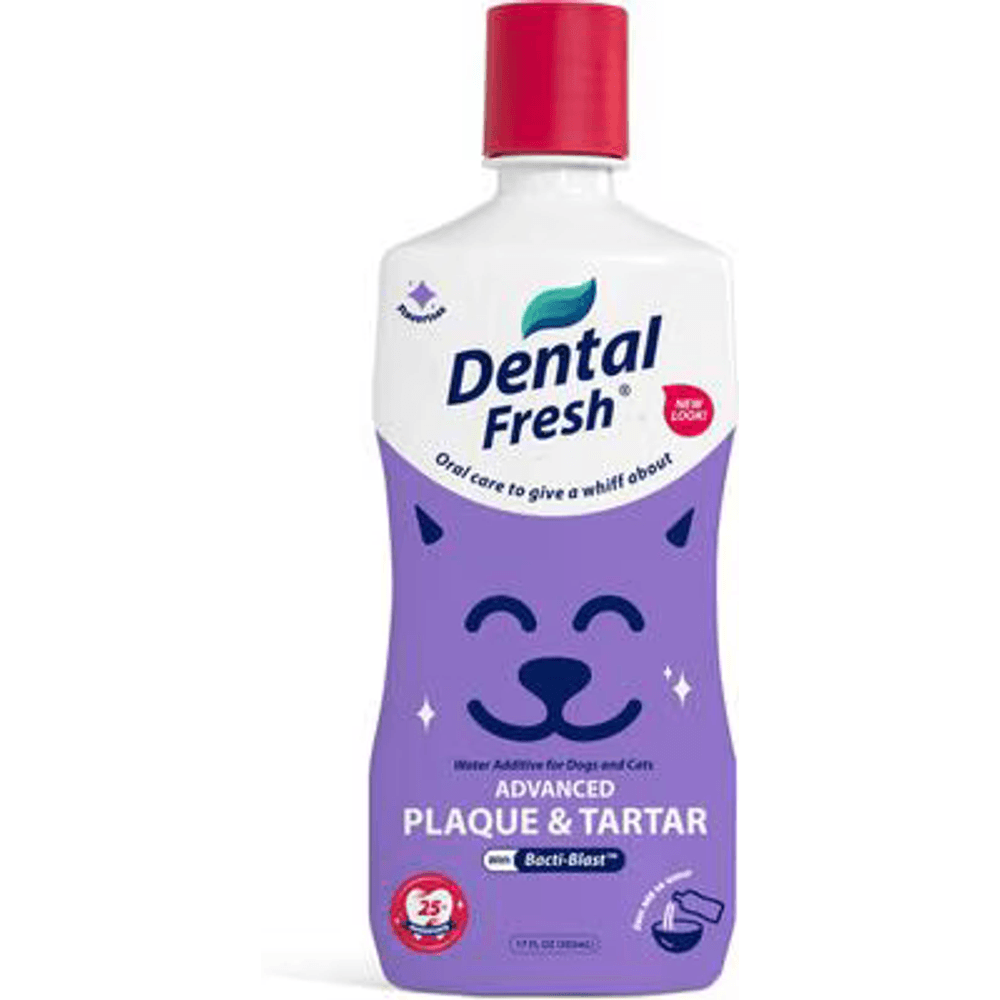
A water additive that works on the bacteria behind plaque with zero effort from the dog.
Webvet may earn a commission when you click through to Chewy, at no extra cost to you.
Normal slobber versus a real change
Drooling, called ptyalism when it is genuinely excessive, is not a disease on its own. Saliva lubricates food, starts digestion, and helps a dog cool down, so every healthy dog makes it constantly and simply swallows most of it. Breeds built with loose lips and heavy jowls, such as St. Bernards, Mastiffs, Bloodhounds, Newfoundlands, Great Danes, and Boxers, cannot hold all that saliva in, so ropes of drool around food, water, or excitement are their baseline rather than a warning sign. Learning what is normal for your individual dog is the reference point that makes a real change obvious.

The pattern that should get your attention is drool that is new, one-sided, foul-smelling, or paired with a change in behavior. Vets often separate true drooling, where the body actually makes more saliva, from what looks like drooling because a dog cannot swallow or hold saliva in normally. Both look wet from the outside, but the causes and the urgency can be very different, which is exactly why a hands-on exam beats guessing from a photo.
What excessive drooling is actually signaling
Most sudden drooling traces back to one of a handful of triggers. Dental and mouth problems lead the list: periodontal disease, a fractured or abscessed tooth, mouth ulcers, or a sore under the tongue all make a dog produce and drop more saliva, often with a noticeably bad smell from the mouth. Foreign objects are the next big one; sticks, bone shards, chew-toy pieces, and grass awns wedge across the roof of the mouth or between the teeth, and a dog will drool, paw at the face, and gulp while trying to dislodge them.
Nausea is another classic reason and often the quiet one, because a wave of drool and lip-licking is frequently the first sign a dog gives just before vomiting or during car sickness. Heat plays a role too: a dog who is overheating pants hard and drools as part of trying to cool down, and heavy panting with thick drool on a hot day can be an early flag for heatstroke. Stress, fear, and anxiety trigger drooling through the same nervous-system pathways, which is why some dogs slobber in the car, at the vet, or during a thunderstorm. And then there is taste: a dog who licks or chews something bitter, caustic, or toxic will often produce a sudden gush of saliva as an immediate reflex to the irritation.
| Likely cause | Other signs you might notice | How urgent |
|---|---|---|
| Dental disease or sore mouth | Bad breath, reluctance to eat, chewing on one side, blood-tinged drool | Book a vet visit |
| Object stuck in mouth or throat | Pawing at the face, gagging, trouble swallowing, distress | Emergency |
| Nausea or motion sickness | Lip-licking, restlessness, drool just before vomiting | Monitor, vet if it repeats |
| Heat or overexertion | Heavy panting, bright red gums, wobbliness on a hot day | Emergency if overheating |
| Toxin, plant, or chemical | Sudden drool after chewing something, foaming, vomiting, tremors | Call a vet or poison line now |
| Breed anatomy | Lifelong, symmetrical drooling around food and water | Normal, no action needed |
How vets pinpoint the cause in dogs
The first thing a veterinarian wants is the story: when the drooling started, whether it came on suddenly, what your dog had access to, and which other signs showed up alongside it. That history quickly narrows a long list of possibilities, so it helps to arrive knowing when you last saw your dog behaving normally and whether any plants, cleaners, medications, or unusual foods were within reach. If you saved whatever your dog was chewing, bring it, because it can shortcut the whole investigation.
Next comes the physical exam, focused on the mouth. A calm dog may let the vet look under the lips and tongue while awake, but the back of the mouth and throat are hard to see, and a painful dog understandably resists. Because of that, vets frequently recommend a brief sedated oral exam so they can check every tooth, the roof of the mouth, and the throat without hurting or stressing the dog. From there they may add dental X-rays to find disease hidden below the gumline, or point toward blood work and imaging if the signs suggest a stomach or whole-body cause rather than a purely local one.

What to expect at the vet visit
Treatment follows the diagnosis, so what happens next depends entirely on what the exam finds. If the culprit is an object wedged in the mouth or throat, removing it often brings dramatic, near-instant relief. Dental disease is managed with a professional cleaning and, where needed, extraction of teeth that are broken or badly infected, usually under anesthesia and paired with pain control. When nausea is driving the drool, your vet may give anti-nausea medication and look for the reason the stomach is upset in the first place. If a toxin is suspected, care shifts to decontamination and supportive treatment, and timing matters a great deal there.
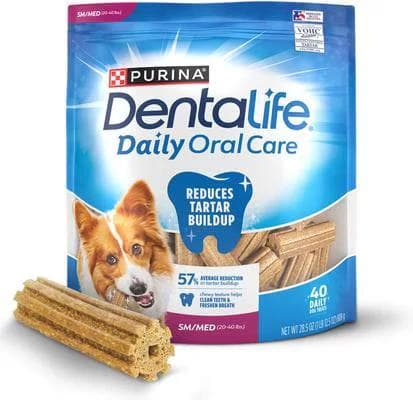
Daily dental chews with a ridged texture that helps clean teeth for dogs who fight the toothbrush.
Webvet may earn a commission when you click through to Chewy, at no extra cost to you.
Recovery tends to match the cause. A dog who had a stick freed from the roof of the mouth may be back to normal the same day. A dog recovering from dental surgery usually eats soft food for a few days and heals within a week or two. Cases tied to nausea or a stomach upset settle as the underlying problem resolves. Your vet will tell you which signs mean things are improving and which mean you should check back in, and following that plan is the best way to keep a simple problem from turning into a repeat visit.
How to help at home safely
If your dog is calm, comfortable, and showing no emergency signs, you can gently lift the lips to look for a stuck object, a broken tooth, or red, sore gums, but only if it is genuinely safe to do so. A dog who is in pain or distressed can bite without meaning to, so never put your hand into the mouth of a frightened or hurting dog, and never try to pull out an object lodged deep in the throat yourself. Remove access to anything your dog might have been chewing and set it aside for your vet to see.

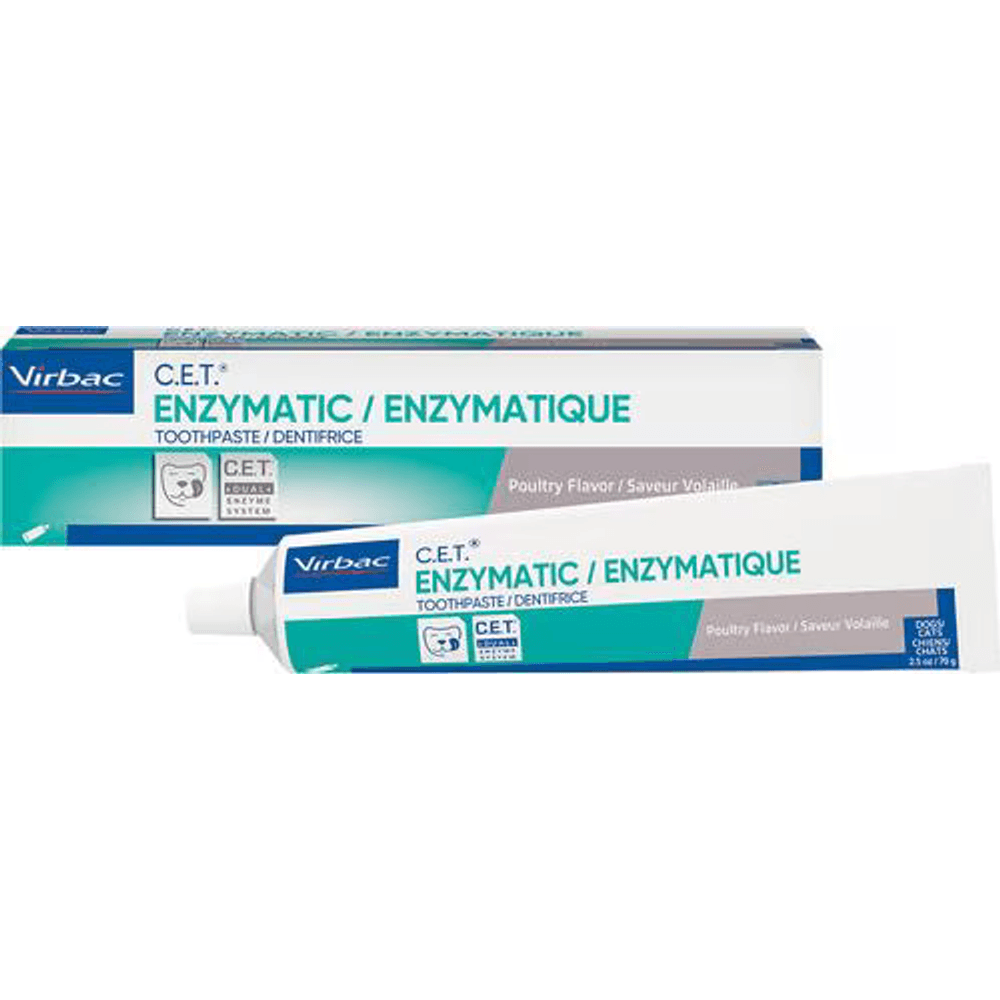
Painful teeth are a common reason for sudden drooling. Daily brushing with pet toothpaste, never the human kind, is the best prevention there is.
Webvet may earn a commission when you click through to Chewy, at no extra cost to you.
Offer fresh water, keep your dog cool and quiet, and skip any home remedies, human painkillers, or over-the-counter mouth products, because several common human medications are toxic to dogs and can turn a minor issue into a serious one. Your job at home is to observe carefully and keep your dog safe, not to treat the mouth yourself. Note when the drooling started, whether it is getting better or worse, and what else you are seeing, because that record is genuinely useful to whoever examines your dog next.
Lowering the risk over time
Since dental disease is the most common driver of ongoing drooling, the single most effective prevention is routine dental care: regular tooth brushing with pet-safe toothpaste, vet-recommended dental chews, and professional cleanings on the schedule your vet suggests. Catching a cracked tooth or early gum disease before it becomes painful spares your dog a lot of discomfort, and persistent bad breath is often the earliest clue worth acting on.
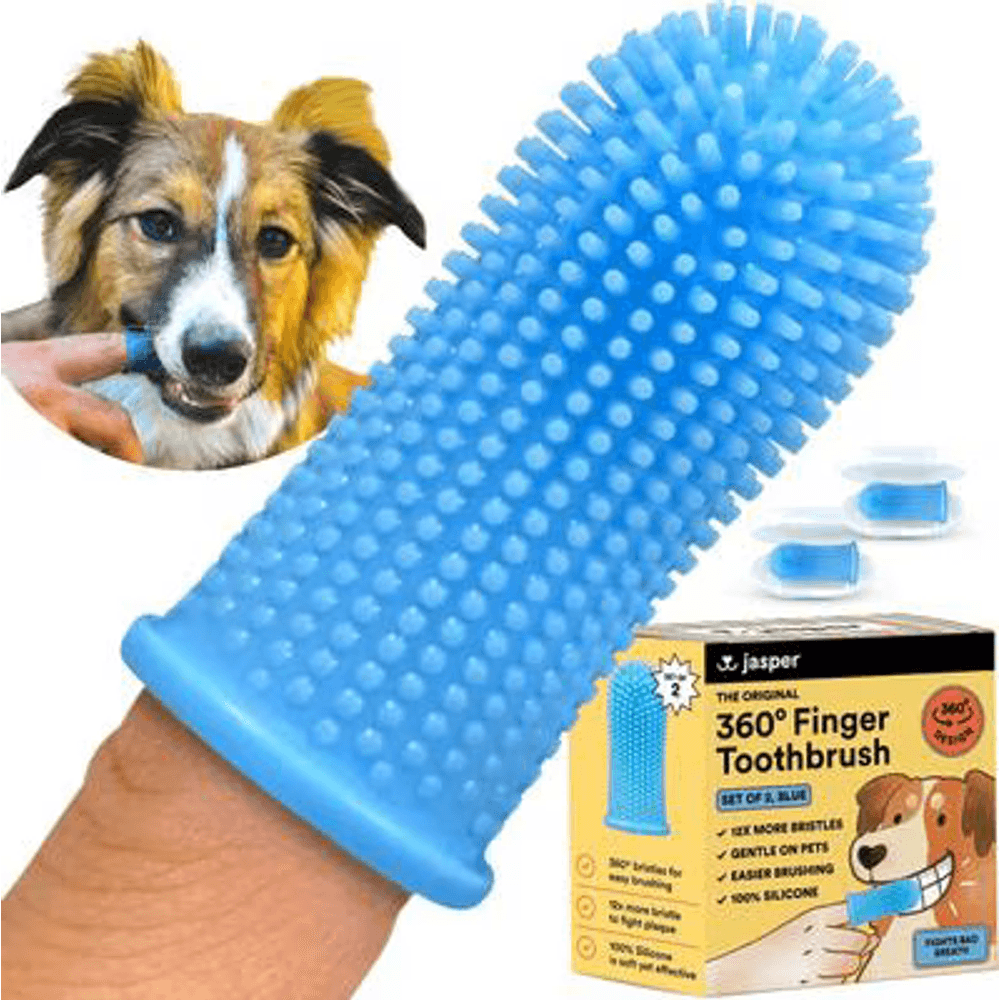
A finger brush cleans every side of the tooth at once and is easier to start with than a handled brush.
Webvet may earn a commission when you click through to Chewy, at no extra cost to you.
The other big wins are about the environment. Keep toxic plants, cleaning products, medications, and human foods that are unsafe for dogs well out of reach, and supervise curious chewers and puppies who explore the world with their mouths. On warm days, provide shade and water and avoid hard exercise in the heat, which lowers the odds of heat-related drooling. And for anxious dogs, working on car-ride and vet-visit calm, sometimes with your vet's help, can quietly reduce stress drooling over time.

When drooling becomes an emergency
Some combinations turn drooling from a nuisance into a same-hour problem. Treat it as an emergency if your dog is pawing frantically at the mouth, cannot swallow or close the mouth, or is choking, and get help right away if drooling comes with collapse, tremors, or trouble breathing. Heavy drooling alongside a hard, swollen belly and unproductive retching can signal bloat, a life-threatening condition that needs immediate care. Pale or very red gums, foaming after chewing something, or drooling on a hot day with heavy panting all belong in the same urgent category.
For most dogs, an increase in drooling turns out to be a treatable mouth problem or a passing bout of nausea, and it resolves once the cause is addressed. The reason it still deserves a look is that the mouth and throat hide so much from view, and a few serious causes wear the same wet, slobbery disguise as the harmless ones. When in doubt, a phone call to your veterinarian is the fastest way to tell a quirk from a warning, and it is never the wrong move.
Sources
Reviewed by the Webvet Veterinarian Team
This guide is general information, not a diagnosis, and does not replace an exam by your veterinarian. If your pet is in distress, contact your vet or an emergency clinic right away.