Dog symptom
Not eating or loss of appetite in dogs
Reviewed by the Webvet Veterinarian Team · Last reviewed June 22, 2026
Refusing food or eating far less than usual. Appetite loss is a non-specific sign of many problems; in cats, sustained not eating can lead to hepatic lipidosis (fatty liver), so do not wait several days.
Common causes of not eating or loss of appetite in dogs
- Nausea, dental pain, or an upset stomach
- Pain or illness anywhere in the body
- Stress, a new environment, or a recent food change
- Side effect of a medication
Who's most at risk
- Cats — even 1–2 days without eating risks fatty liver disease
- Puppies and kittens
- Pets on medications that cause nausea
- Pets with dental pain or chronic illness
What you can do at home
- Try warming the food slightly or offering a strongly-scented favorite
- Make sure fresh water is available and the feeding area is calm
- Do not force-feed unless your veterinarian tells you to
- Note any other changes (energy, vomiting, hiding) to tell your vet
When to see a vet
- Your pet has gone 24 hours without eating — sooner for a kitten, puppy, senior, or small-breed dog, or a cat hiding or acting unwell
- Also lethargic, losing weight, vomiting, or in pain
When it's more serious
- Cats that stop eating can develop life-threatening fatty liver disease quickly — see a vet.
- Appetite loss plus other signs points to a real illness — get them examined today.
- More than two days without food warrants a vet visit to find the cause.
What your vet may do
- Exam to find pain, nausea, or dental disease
- Bloodwork and possibly imaging to find a cause
- Anti-nausea meds, appetite stimulants, or fluids
- Treat the underlying problem and support nutrition
Questions to ask your vet
- Could pain or nausea be behind this?
- Does my cat need treatment to prevent liver problems?
- Should we run bloodwork or imaging?
- How do I safely get calories in right now?

Frequently asked questions
What causes not eating or loss of appetite in dogs?
Refusing food or eating far less than usual. Appetite loss is a non-specific sign of many problems; in cats, sustained not eating can lead to hepatic lipidosis (fatty liver), so do not wait several days. Common causes include: Nausea, dental pain, or an upset stomach; Pain or illness anywhere in the body; Stress, a new environment, or a recent food change; Side effect of a medication.
Is not eating or loss of appetite in dogs an emergency?
See a vet today. See a vet right away if: Your pet has gone 24 hours without eating — sooner for a kitten, puppy, senior, or small-breed dog, or a cat hiding or acting unwell; Also lethargic, losing weight, vomiting, or in pain.
What can I do at home for a dog with not eating or loss of appetite?
Try warming the food slightly or offering a strongly-scented favorite. Make sure fresh water is available and the feeding area is calm. Do not force-feed unless your veterinarian tells you to. Note any other changes (energy, vomiting, hiding) to tell your vet.
A closer look at loss of appetite in dogs
When a dog stops eating, it is usually the body's way of saying something is wrong, and the single most useful thing you can do is watch the clock and the company that the appetite loss keeps. A healthy dog that skips one meal after a big day or a food change is rarely a crisis. A dog that refuses food for more than a day, or that stops eating alongside vomiting, low energy, or signs of pain, is telling you it needs a veterinary exam. Loss of appetite, called anorexia in medical terms, is not a disease on its own. It is a signal that points toward dozens of possible causes, from a sore tooth to a serious internal illness.
- 1One skipped meal in an otherwise bright, playful dog is usually not an emergency, but keep watching.
- 2Call your veterinarian if your dog eats nothing for more than 24 to 48 hours, and sooner for a puppy, senior, or small breed.
- 3Appetite loss paired with vomiting, lethargy, pain, or a swollen belly means see a vet the same day.
- 4Never force food or human medicines into a dog that will not eat, and never withhold veterinary care to wait it out.
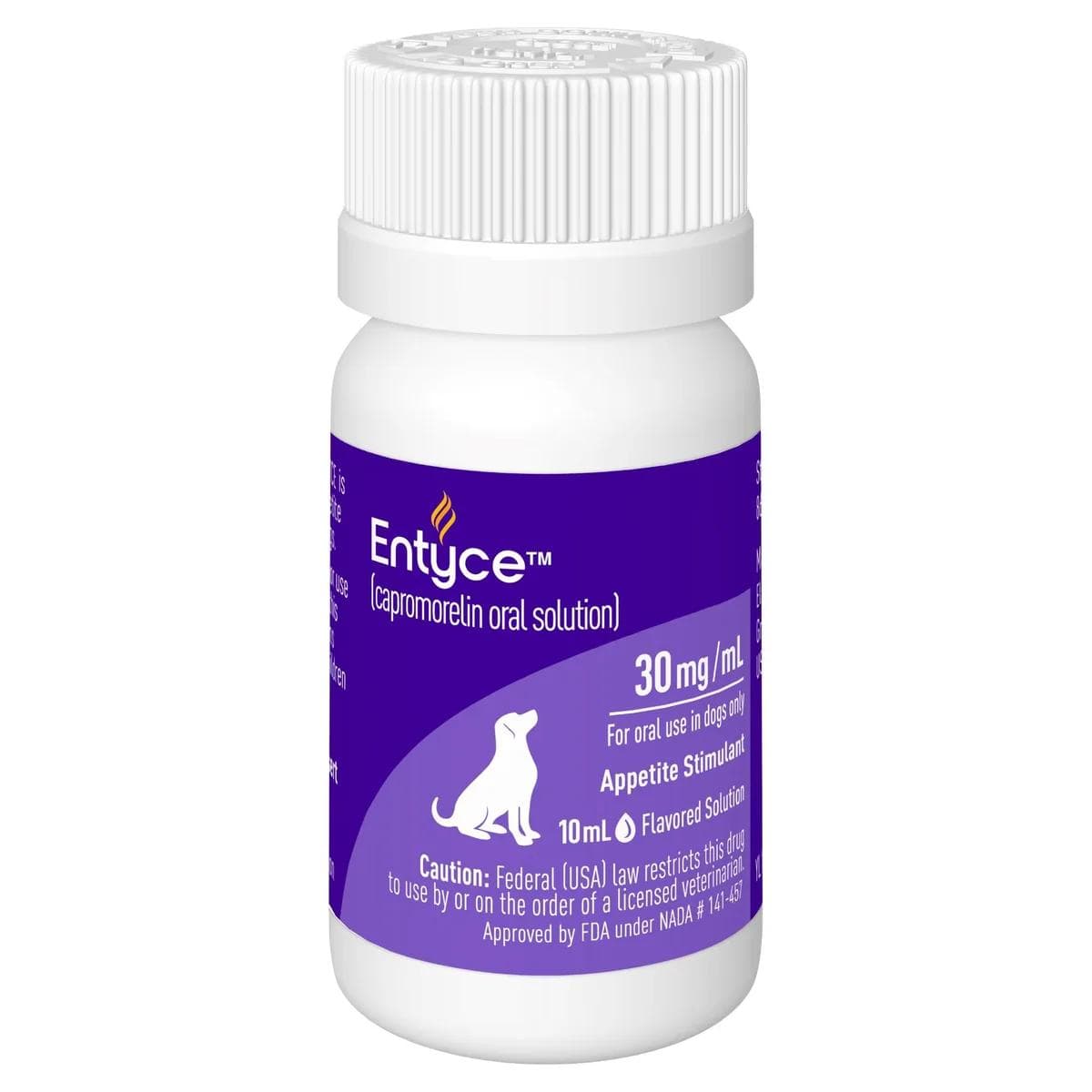
Once your vet finds the cause, Entyce is the prescription appetite stimulant they may add. It restarts appetite, not the underlying problem, so it comes after the diagnosis.
Webvet may earn a commission when you click through to Chewy, at no extra cost to you.
What a skipped meal is really telling you
Appetite is one of the most sensitive gauges of how a dog feels. Eating is driven by a delicate loop between the gut, the brain, and the sense of smell, and almost anything that makes a dog feel unwell can switch that loop off. Nausea is the most common culprit. When the stomach or intestines are irritated, inflamed, or blocked, the brain suppresses hunger to protect the body, much the way you lose interest in food when you have a stomach bug. Pain does the same thing. A dog with a cracked tooth, a sore joint, an ear infection, or discomfort anywhere in the body may simply not feel up to eating. Illness in an organ far from the gut, such as the kidneys, liver, or pancreas, releases substances into the bloodstream that dull appetite too. This is why a change in eating is so often the first clue an owner notices that something deeper is going on.
The most common reasons a dog goes off food
Veterinarians tend to sort the causes of appetite loss into a few broad groups. Digestive problems are near the top of the list, including an upset stomach, pancreatitis, constipation, and the swallowing of a toy, bone, or other object that blocks the gut. Dental disease is easy to overlook, yet a painful, infected mouth makes chewing miserable and often shows up first as reluctance to eat hard kibble. Infections such as parvovirus, kennel cough, and leptospirosis can leave a dog feverish, weak, and uninterested in food. Longer running illnesses of the kidneys, liver, or hormonal system, including conditions like Addison's disease, frequently begin with a quiet fading appetite. Pain from arthritis or injury, the nausea that some medications cause, and plain stress from a move, a new pet, or a boarding stay all belong on the list. Sometimes the answer really is a picky eater reacting to a new bag of food.

| Possible cause | Other signs to watch for | How soon to act |
|---|---|---|
| Stress or a recent food change | Bright, playful, normal energy otherwise | Watch for 24 hours |
| Dental or mouth pain | Drooling, bad breath, dropping food, pawing at the mouth | Book a vet visit soon |
| Nausea or stomach upset | Vomiting, lip licking, drooling, diarrhea | Same day if it continues |
| Swallowed object or blockage | Repeated vomiting, hard or painful belly, no stool | Emergency, go now |
| Organ or hormonal disease | Weight loss, drinking more, lethargy | Vet visit within a day or two |
Won't eat food but still begs for treats or drinks water
One of the most common patterns owners describe is a dog that turns up its nose at dinner but still happily takes a treat or a bite of human food. This selective appetite usually points toward a milder cause, such as pickiness, boredom with a food, or mild nausea, because a truly sick dog tends to refuse everything. It is reassuring, but it is not a green light to ignore. A dog that only wants rich table scraps can still be masking early illness or dental pain. A dog that is not eating but is still drinking water is generally less worrying in the very short term than one refusing both, yet ongoing refusal of food still needs attention. If your dog also seems tired or flat, our guidance on canine lethargy and low energy can help you judge how concerned to be.
How your vet pinpoints the cause
Because appetite loss has so many possible sources, your veterinarian works like a detective, narrowing the field step by step. The visit usually starts with a thorough physical exam, including checking the mouth and teeth, feeling the belly for pain or masses, listening to the heart and lungs, taking a temperature, and assessing hydration. What the vet finds there guides what comes next. Bloodwork is often the first test, screening the kidneys, liver, blood sugar, and signs of infection or inflammation in a single panel. Depending on the results, your vet may recommend imaging such as X-rays or ultrasound to look for a blockage, an enlarged organ, or a tumor. If vomiting is part of the picture, the workup overlaps closely with the evaluation for a dog that is vomiting or throwing up. The goal is always to treat the underlying cause, not just to coax the dog to eat.

What to expect at the vet visit and recovery
Treatment depends entirely on what the exam and tests reveal, so no two visits look the same. A dog with simple nausea may go home with anti nausea medication, a bland diet, and instructions to monitor closely. A dog with dental disease may need a cleaning and extractions under anesthesia before its appetite returns. A blockage usually means surgery or endoscopy to remove the object. For dogs whose appetite is slow to bounce back, veterinarians can prescribe appetite stimulants, and when a dog is dehydrated they can give fluids under the skin or through a vein. Recovery time ranges from a day or two for a mild stomach upset to several weeks for a major illness or surgery. Throughout, your vet will tell you exactly how and what to feed, which matters more than pushing calories on your own.
How to safely tempt your dog to eat at home
While you are waiting for a mild case to pass or following your vet's plan, a few gentle tactics can help without doing harm. Warming food slightly releases its aroma and can wake up a sluggish appetite, and offering a strongly scented favorite often tempts a hesitant eater. A simple, easily digested meal such as plain boiled chicken with white rice is a classic bland option many vets suggest for a settled stomach, and a spoonful of plain pumpkin can help firm up loose stool. Keep fresh water available and the feeding area calm and quiet, away from other pets. What you should not do matters just as much. Never force feed a dog that will not eat unless your veterinarian specifically instructs you to, because it can cause choking or aspiration, and never reach for human anti nausea or pain drugs, since many are toxic to dogs.
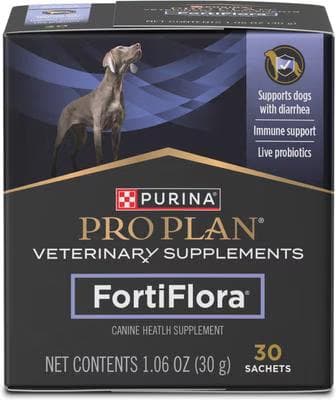
Sprinkled on food, the liver-flavored powder doubles as a palatant, and many vets use it to coax a reluctant eater.
Webvet may earn a commission when you click through to Chewy, at no extra cost to you.
Puppies, seniors, and other higher-risk dogs
The 24 to 48 hour guideline is a starting point, not a rule for every dog. Puppies have almost no energy reserves and can drop into dangerously low blood sugar within hours of not eating, so a puppy that refuses food needs prompt attention. Senior dogs and those with known heart, kidney, or hormonal disease decline faster and deserve an earlier call. Small and toy breeds share the puppy risk of low blood sugar. Dogs on medications that cause nausea, and those with chronic dental pain, may need their treatment adjusted rather than simply waited out. When your dog belongs to one of these groups, err on the side of calling your veterinarian sooner rather than later.

Lowering the odds it happens again
You cannot prevent every cause of appetite loss, but you can remove some of the common triggers. Keeping up with dental care, including brushing and professional cleanings, prevents the mouth pain that quietly stops many dogs from eating. Making any food change gradually over about a week helps a sensitive stomach adjust and avoids the digestive upset that a sudden switch can cause. Storing food properly and checking expiration dates keeps spoiled or stale kibble off the menu. Keeping small objects, bones, and toxic foods out of reach lowers the risk of a blockage or poisoning. Finally, regular wellness exams catch the kidney, liver, and hormonal problems that begin with a fading appetite long before they become emergencies.
A dog that will not eat is worrying, but most owners handle it well by staying calm, watching for the warning signs, and leaning on their veterinary team rather than guessing. Trust your instincts about your own dog. If something feels off, or the appetite loss drags on, a same day exam is always the safest choice. This page is general education and does not replace advice from the veterinarian who can examine your dog in person.
Sources
Related reading from Webvet
Reviewed by the Webvet Veterinarian Team
This guide is general information, not a diagnosis, and does not replace an exam by your veterinarian. If your pet is in distress, contact your vet or an emergency clinic right away.
Related symptoms
- Ate something toxic in dogs
- Bloated belly or trying to vomit in dogs
- Blood in stool in dogs
- Constipation in dogs
- Diarrhea in dogs
- Scooting (dragging the rear) in dogs
- Vomiting in dogs
- Collapse or fainting in dogs
- Dehydration in dogs
- Drinking & urinating more in dogs
- Lethargy or low energy in dogs
- Overheating or heatstroke in dogs
- Restlessness or pacing in dogs
- Seizure or tremors in dogs
- Sudden behavior change in dogs
- Weight loss in dogs