Dog symptom
Constipation in dogs
Reviewed by the Webvet Veterinarian Team · Last reviewed June 22, 2026
Straining to poop, hard dry stools, or going less often than usual. Often diet- or hydration-related, but ongoing constipation (especially in cats) can signal a blockage or megacolon.
Common causes of constipation in dogs
- Low fiber, dehydration, or too little exercise
- Swallowed hair, bones, or foreign material
- Pain that makes posturing hard (arthritis, anal gland problems)
- In cats, megacolon; in male dogs, an enlarged prostate
Who's most at risk
- Senior and arthritic pets
- Cats with a history of megacolon
- Low-water, low-fiber diets
- Long-haired pets (ingested hair)
What you can do at home
- Make sure fresh water is always available
- Ask your vet about adding fiber (e.g., a little plain pumpkin) or more exercise
- Never give human laxatives or enemas — some are toxic to pets
When to see a vet
- No stool for more than 48–72 hours, or repeated unproductive straining
- You can't tell it apart from straining to urinate (that is an emergency)
- Also vomiting, a painful belly, or low energy
- Only small hard pellets, or blood, after a lot of effort
When it's more serious
- Straining to urinate — especially in a male cat — is a life-threatening emergency. Go now.
- Constipation with vomiting or pain can mean an obstruction — see a vet today.
- Several days without a bowel movement warrants a vet visit.
What your vet may do
- Exam and feel the abdomen; check the rectum and anal glands
- X-rays to assess the stool load or a blockage
- Fluids, an enema, or stool softeners as appropriate
- Diet and long-term management for recurring cases
Questions to ask your vet
- Is this constipation or a urinary blockage?
- Could there be an obstruction?
- What diet or fiber plan helps long-term?
- How do I prevent it recurring?

Frequently asked questions
What causes constipation in dogs?
Straining to poop, hard dry stools, or going less often than usual. Often diet- or hydration-related, but ongoing constipation (especially in cats) can signal a blockage or megacolon. Common causes include: Low fiber, dehydration, or too little exercise; Swallowed hair, bones, or foreign material; Pain that makes posturing hard (arthritis, anal gland problems); In cats, megacolon; in male dogs, an enlarged prostate.
Is constipation in dogs an emergency?
Book a veterinary visit soon. See a vet right away if: No stool for more than 48–72 hours, or repeated unproductive straining; You can't tell it apart from straining to urinate (that is an emergency); Also vomiting, a painful belly, or low energy; Only small hard pellets, or blood, after a lot of effort.
What can I do at home for a dog with constipation?
Make sure fresh water is always available. Ask your vet about adding fiber (e.g., a little plain pumpkin) or more exercise. Never give human laxatives or enemas — some are toxic to pets.
A closer look at constipation in dogs
Constipation in dogs means your dog is straining to pass hard, dry stools, going less often than usual, or producing only a few small pellets after a lot of effort. For most dogs it is uncomfortable but short-lived, tied to diet, hydration, or too little exercise, and it eases within a day or two once the underlying cause is addressed. The single most important thing to understand up front is that straining to poop can look almost identical to straining to urinate, and a dog who genuinely cannot pass urine is facing a life-threatening emergency, not simple constipation.
- 1Most canine constipation is mild and traces back to low fiber, dehydration, or reduced activity.
- 2Straining to poop and straining to pee look alike, but the second is an emergency, so watch what actually comes out.
- 3Never give human laxatives, enemas, or mineral oil at home, because several are dangerous or toxic for dogs.
- 4See a vet if your dog passes no stool for 48 to 72 hours, keeps straining unproductively, or is also vomiting or painful.
- 5Repeated or ongoing constipation can signal an enlarged prostate, arthritis, or an obstruction that needs a proper work-up.
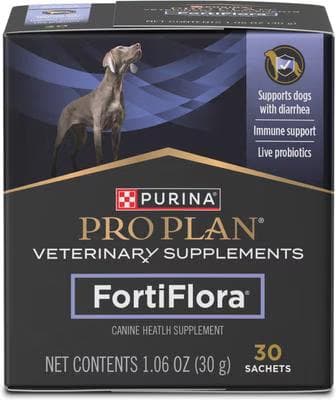
The vet-favourite probiotic supports overall gut motility and regularity alongside fibre and water.
Webvet may earn a commission when you click through to Chewy, at no extra cost to you.
What counts as constipation, and what does not
Most healthy adult dogs pass stool once or twice a day, so a single missed day is not automatically a crisis. True constipation is a pattern: your dog squats, arches, and strains but produces little or nothing, or what comes out is small, hard, and dry, sometimes coated in mucus or a smear of fresh blood from the effort. Some owners notice their dog circling repeatedly, whimpering in the yard, or scooting afterward. The word veterinarians use for that fruitless, repeated pushing is tenesmus, and it is the same posture whether the problem sits in the colon or the bladder. That overlap is exactly why paying attention to what actually lands on the grass matters so much.

What is actually happening inside
The colon has one main job as stool passes through: it reclaims water. When food waste moves along at a normal pace, the colon pulls back just enough moisture to form a soft, formed stool. When that waste sits too long, whether because the dog is dehydrated, not moving much, or holding it in because passing it hurts, the colon keeps drawing out water and the stool turns dry and hard. A hard mass is harder to move, so it lingers even longer, drying out further. That self-reinforcing loop is why a mild slowdown can snowball into a firm, painful plug over a couple of days if nothing changes.
Anything that physically narrows the exit route makes this worse. Swallowed hair, bone fragments, gravel, or bits of a chewed toy can compact into a gritty concrete-like mass. In intact male dogs, an enlarged prostate can press on the rectum from the outside and squeeze the passage. Pain elsewhere plays a role too: an arthritic senior who cannot comfortably hunch into the posture, or a dog with sore anal glands, may simply avoid going until the backlog builds.
The most common reasons a dog gets constipated
In everyday practice the usual suspects are simple: not enough water, not enough fiber, and not enough movement. A dog that recently switched foods, is recovering from surgery and lying still, or has been traveling and drinking less will often back up briefly. Beyond those, vets keep a mental list of causes that need more attention, because the fix depends on the reason. The table below groups the frequent triggers with the extra clues that tend to travel with them and roughly how quickly you should act.
| Likely cause | Other signs you might notice | How quickly to act |
|---|---|---|
| Low fiber, low water, or too little exercise | Otherwise bright and eating, mild straining, harder stools | Home care first; vet if no stool in 2 to 3 days |
| Swallowed hair, bone, or foreign material | History of chewing, gritty or bone-flecked stool, on-and-off straining | Vet soon, especially if also vomiting |
| Pain (arthritis, sore anal glands) | Stiffness, scooting, licking the rear, reluctance to posture | Book a routine vet visit |
| Enlarged prostate (intact males) | Ribbon-thin stool, straining, sometimes bloody urine | See the vet within a few days |
| Possible obstruction or blockage | Repeated vomiting, painful belly, low energy, no stool at all | Same-day or emergency care |
| Straining with little or no urine | Frequent squatting, crying, hard bladder, minimal output | Emergency now, do not wait |

How your vet pinpoints the cause
A vet visit for constipation usually starts with the story: what your dog eats, how much they drink, when they last passed a normal stool, and whether anything unusual got chewed or swallowed. The physical exam is hands-on. Your vet will feel the belly, often detecting a firm sausage of packed stool in the colon, and will usually perform a gentle rectal check to assess the anal glands, the prostate in males, and whether a mass or narrowing is present. That single exam frequently explains the whole picture.
When the cause is not obvious, or the dog is unwell, imaging is the next step. An X-ray shows how much stool is backed up and can reveal a swallowed object, an enlarged prostate, or the widened, stool-stuffed colon of megacolon. Bloodwork may be added for older dogs to check hydration and rule out kidney or metabolic problems that pull water away from the gut. The point is to separate a one-off backup from a pattern that needs long-term management.
What to expect at the visit and afterward
For a straightforward case, treatment is gentle and aimed at getting things moving without harm. Your vet may give fluids under the skin or into a vein to rehydrate a dry stool from the inside, and may use a stool softener or a veterinary enema chosen specifically for dogs. Firmly impacted stool sometimes needs to be removed under sedation so it can be done safely and without pain. Most dogs go home the same day and are back to normal bathroom habits within a day or two.
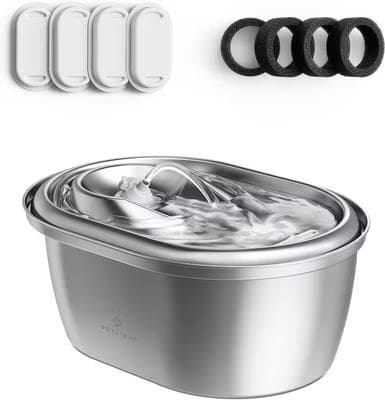
More water in means softer stools. A fountain quietly raises daily intake without you doing anything.
Webvet may earn a commission when you click through to Chewy, at no extra cost to you.
If an obstruction, prostate problem, or megacolon is found, the plan gets more involved and may include a longer stay, a prescription diet, or in some cases surgery. Recovery is usually smooth once the underlying issue is treated, though dogs prone to recurrence often need an ongoing fiber or hydration plan. As for cost, a simple visit with an exam and a softener is modest, while imaging, sedation, hospitalization, or surgery understandably runs higher, so it is fair to ask your vet for an estimate once they know what they are treating.

How to help at home safely
For a dog who is otherwise bright, eating, and only mildly backed up, a few gentle measures often do the trick. Make sure fresh water is always available, and adding a little water or plain low-sodium broth to meals nudges hydration up. A spoonful of plain canned pumpkin (not pie filling) adds soluble fiber that many dogs tolerate well, and a good walk gets the intestines moving, since exercise stimulates normal gut motion. Give these a day, keep an eye on results, and loop in your vet if nothing changes.
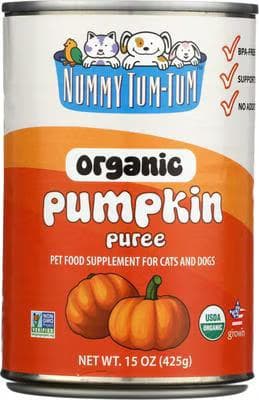
Plain canned pumpkin, no filler or spice. Added fibre plus water is the standard gentle first step before anything stronger.
Webvet may earn a commission when you click through to Chewy, at no extra cost to you.
Lowering the risk of a repeat
Prevention leans on the same three levers that cause most cases. Keep water intake up, especially for dogs on dry food, by refreshing bowls often or mixing in some wet food. Feed a consistent, appropriately fibered diet and make any food changes gradually over a week rather than overnight. Keep your dog active, since regular movement keeps the colon on schedule. Long-haired dogs benefit from routine grooming so they swallow less hair, and dogs that love to chew rocks, bones, or toys need supervision to keep indigestible material out of the gut. For seniors, staying on top of arthritis pain keeps them willing to squat comfortably.

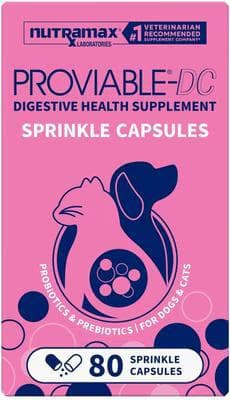
A probiotic and prebiotic blend that supports a steadier gut. Useful alongside the fibre and water your vet recommends.
Webvet may earn a commission when you click through to Chewy, at no extra cost to you.
When constipation becomes urgent
Most constipation is not an emergency, but some warning signs mean you should stop the home remedies and get your dog seen. Call your vet if your dog has passed no stool for more than 48 to 72 hours, keeps straining without producing anything, or is also vomiting, refusing food, or acting painful and low in energy. Repeated unproductive straining combined with a tense, painful belly can signal an obstruction, which is a same-day concern. Seeing more than a streak of blood in the stool, or dark tarry stool, is another reason to call promptly rather than wait.
Above all, keep returning to the one distinction that changes everything: if the straining is about urine and little or nothing comes out, that is an emergency and every minute counts. When you are not certain whether your dog is constipated or blocked, err on the side of caution and let a veterinarian make the call. Constipation is common, usually mild, and very manageable, and knowing when it is simple versus serious is the most useful thing an owner can carry into that decision.
Sources
Reviewed by the Webvet Veterinarian Team
This guide is general information, not a diagnosis, and does not replace an exam by your veterinarian. If your pet is in distress, contact your vet or an emergency clinic right away.