Dog symptom
Diarrhea in dogs
Reviewed by the Webvet Veterinarian Team · Last reviewed June 22, 2026
Loose or watery stool. Mild diarrhea in an otherwise bright adult pet is often short-lived, but persistent, bloody, black, or diarrhea with vomiting or weakness can cause dehydration and needs veterinary care.
Common causes of diarrhea in dogs
- Diet change, scavenging, or food intolerance
- Intestinal parasites (worms, giardia)
- Stress or anxiety
- Viral or bacterial infection
- Chronic conditions (inflammatory bowel disease, pancreatitis)
Who's most at risk
- Diet changes, scavenging, or rich treats
- Puppies and kittens
- High-stress events — travel, boarding, a new home
- Pets overdue for parasite prevention
What you can do at home
- Offer plenty of fresh water to prevent dehydration
- For a bright adult pet with mild diarrhea, feed small portions of a bland, easily digestible diet for a day or two
- Collect a fresh stool sample to bring to your vet if it continues
When to see a vet
- Blood or black, tarry stool
- Diarrhea lasting more than 48 hours, or in a puppy/kitten
- Also vomiting, weak, not eating, painful, or showing signs of dehydration
When it's more serious
- Young or weak pets can crash fast (including parvovirus) — seek care now.
- Blood or black, tarry stool can mean GI bleeding or infection — get them seen today.
- Diarrhea plus vomiting dehydrates pets quickly — see a vet today.
- Diarrhea beyond two days warrants a vet visit and likely a stool test.
What your vet may do
- Exam and a dehydration check
- Fecal test for parasites and infection
- Bland or prescription diet, probiotics, and a dewormer if indicated
- Bloodwork or imaging if it's persistent or severe
Questions to ask your vet
- Should we test a stool sample?
- Is my pet dehydrated?
- What should I feed to settle the gut?
- When should ongoing diarrhea worry me?

Frequently asked questions
What causes diarrhea in dogs?
Loose or watery stool. Mild diarrhea in an otherwise bright adult pet is often short-lived, but persistent, bloody, black, or diarrhea with vomiting or weakness can cause dehydration and needs veterinary care. Common causes include: Diet change, scavenging, or food intolerance; Intestinal parasites (worms, giardia); Stress or anxiety; Viral or bacterial infection; Chronic conditions (inflammatory bowel disease, pancreatitis).
Is diarrhea in dogs an emergency?
Book a veterinary visit soon. See a vet right away if: Blood or black, tarry stool; Diarrhea lasting more than 48 hours, or in a puppy/kitten; Also vomiting, weak, not eating, painful, or showing signs of dehydration.
What can I do at home for a dog with diarrhea?
Offer plenty of fresh water to prevent dehydration. For a bright adult pet with mild diarrhea, feed small portions of a bland, easily digestible diet for a day or two. Collect a fresh stool sample to bring to your vet if it continues.
A closer look at diarrhea in dogs
Most diarrhea in dogs is the gut's fast way of flushing out something it did not like, and in a bright, playful adult dog a single day of loose stool often clears on its own. What matters is watching the whole dog, not just the poop: how they are eating, drinking, and behaving tells you far more than the stool alone about whether this is a passing upset or the start of something that needs a veterinarian.
- 1A bright, energetic adult dog with mild, short-lived diarrhea can usually be watched at home for 24 to 48 hours.
- 2Blood, black tarry stool, repeated vomiting, weakness, or any diarrhea in a puppy are reasons to call your vet the same day.
- 3Dehydration, not the diarrhea itself, is the biggest short-term danger, so fresh water always stays available.
- 4A bland, easily digestible diet rests the gut; sudden food changes and human anti-diarrhea drugs can make things worse.
- 5A fresh stool sample is one of the most useful things you can bring to your veterinarian.
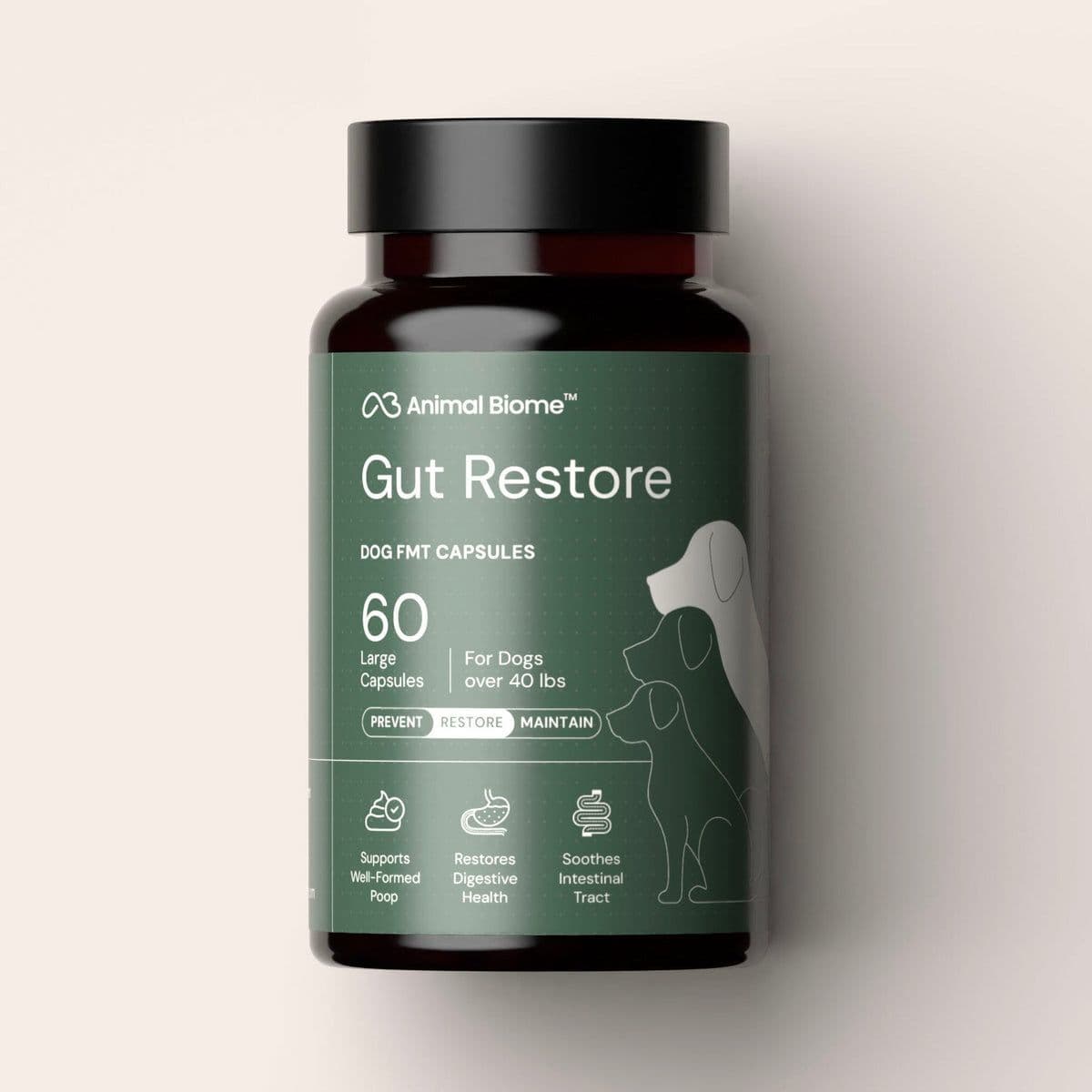
For dogs whose gut trouble keeps returning, a microbiome-restoration supplement is a longer-term play worth discussing with your vet.
Webvet may earn a commission when you click through to Animal Biome, at no extra cost to you.
What is actually happening in your dog's gut
Diarrhea is a symptom, not a disease. It happens when the intestines either move their contents through too quickly to absorb water, or when the gut lining becomes irritated and starts pushing extra fluid into the stool. Both routes end the same way: soft, loose, or watery poop, sometimes with more urgency, more frequency, or more straining than normal. Because the intestines are also where your dog absorbs most of their water, a gut that is flushing everything through can slide a dog toward dehydration faster than many owners expect, which is why fluid balance sits at the center of how vets think about diarrhea.

Vets often sort diarrhea into two rough buckets. Small-intestinal diarrhea tends to produce large volumes a few times a day and can come with weight loss or a rumbling belly. Large-intestinal diarrhea usually means smaller amounts passed frequently, often with straining, mucus, or fresh red streaks. You do not need to diagnose which is which, but noticing the pattern, and whether there is mucus or blood, gives your veterinarian a genuine head start.
The most common reasons dogs get diarrhea
Dogs are opportunistic eaters, and the single most common trigger is simply something new or something they should not have eaten: a switched food, a rich table scrap, a raided trash can, or a treat their stomach was not ready for. Abrupt diet changes are a frequent culprit, because the gut's bacterial community needs several days to adjust to a new formula. Stress is another big one; a boarding stay, travel, a house move, or even a thunderstorm can loosen a dog's stool through the tight link between the brain and the gut.
Beyond diet and stress, intestinal parasites such as roundworms, hookworms, giardia, and coccidia are common, especially in puppies, social dogs, and any dog overdue for prevention. Viral and bacterial infections, including parvovirus in unvaccinated puppies, can cause severe diarrhea and are genuine emergencies. Longer-running or recurring diarrhea can point to chronic conditions like inflammatory bowel disease, food intolerance, or pancreatitis, which is why diarrhea that keeps coming back deserves a fuller work-up rather than another round of home care.
| Possible cause | Other signs you might notice | How urgent |
|---|---|---|
| Dietary indiscretion or food change | Otherwise bright, normal appetite, resolves in a day or two | Watch at home 24 to 48 hours |
| Intestinal parasites | Recurring soft stool, visible worms, dull coat, common in puppies | Vet visit and stool test |
| Stress or anxiety | Recent travel, boarding, or big change; dog otherwise well | Usually settles; call if it lingers |
| Viral or bacterial infection (e.g. parvo) | Vomiting, lethargy, blood, unvaccinated puppy | Emergency, seek care now |
| Chronic disease (IBD, pancreatitis) | Repeated episodes, weight loss, appetite changes | Vet work-up needed |
Diarrhea but acting normal: is it safe to wait?
This is the question owners ask most, and the honest answer is that it depends on the dog. If an adult dog with a good vaccination and parasite-prevention history has one bout of loose stool but is still bright, hungry, drinking, and playful, it is usually reasonable to watch at home for 24 to 48 hours while feeding gently. Many of these cases are mild and self-limiting, meaning the gut settles on its own. The catch is that diarrhea is sometimes the first visible sign of a problem that has not fully shown itself yet, so watching normally does not mean ignoring.

How to help your dog at home safely
For a bright adult dog with mild diarrhea, the goal at home is to rest the gut without starving the dog. Keep fresh water available at all times, since replacing lost fluid is the most important thing you can do. Rather than fasting for long stretches, many vets now favor offering small, frequent portions of a bland, easily digestible meal such as plain boiled chicken and white rice, or a veterinary gastrointestinal diet. A spoonful of plain canned pumpkin can add gentle fiber. Feed small amounts and build back to the normal diet over a few days once the stool firms up.
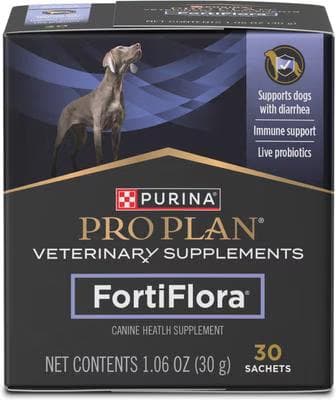
The probiotic most vets reach for when a dog's gut is unsettled. A daily sachet on food supports firmer stools while the gut recovers.
Webvet may earn a commission when you click through to Chewy, at no extra cost to you.
Skip rich treats, table food, and rawhide chews while the gut recovers, and hold off on a sudden diet switch until your dog is back to normal. If you have a multi-dog household, watch whether the others develop signs too, since infections and parasites can spread between pets. Pick up stool promptly and wash your hands, because a few causes of dog diarrhea can also affect people.
What to expect at the vet visit

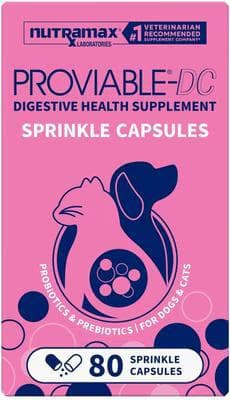
A probiotic and prebiotic blend that supports a steadier gut while things settle.
Webvet may earn a commission when you click through to Chewy, at no extra cost to you.
When home care is not enough, or a warning sign appears, your veterinarian starts with a physical exam and a careful check for dehydration, abdominal pain, and fever. A fresh stool sample is often the highest-value test, screening for the parasites and infections behind so much canine diarrhea, which is why bringing one saves time. Depending on what they find, your vet may recommend bloodwork to check organ function and hydration, or imaging such as X-rays or ultrasound if they are concerned about an obstruction, a swallowed object, or a deeper problem.
Treatment is aimed at the cause and at keeping your dog comfortable and hydrated. That can mean a prescription or bland diet, probiotics to help rebalance gut bacteria, a dewormer when parasites are found, and fluids given under the skin or through a drip for a dehydrated patient. Most simple cases improve within a few days, and your vet will tell you what recovery should look like and when to check back. Costs vary widely by region and by how much testing is needed, so it is fair to ask for an estimate and to talk through the most useful next steps for your budget.
When diarrhea becomes an emergency
Some situations should not wait. Diarrhea in a young puppy is always worth a same-day call, because puppies dehydrate quickly and parvovirus can be fatal without prompt treatment. Blood in the stool, or black, tarry stool that signals bleeding higher in the gut, needs a vet the same day. So does diarrhea paired with repeated vomiting or a refusal to drink, which drains fluid from both ends and dehydrates a dog fast. Weakness, collapse, a painful or swollen belly, pale gums, or diarrhea that simply will not stop past 48 hours all mean it is time to be seen.
How to lower the risk of the next bout
You cannot prevent every upset stomach, but a few habits make diarrhea far less likely. Change foods gradually over five to seven days, mixing increasing amounts of the new diet into the old so the gut bacteria can keep pace. Keep up year-round parasite and heartworm prevention, and follow your vet's deworming and vaccination schedule, especially for puppies. Limit scavenging by securing the trash, skipping rich table scraps, and watching your dog on walks so they are not sampling roadside snacks. Introduce new treats one at a time, and store food properly so it does not spoil.

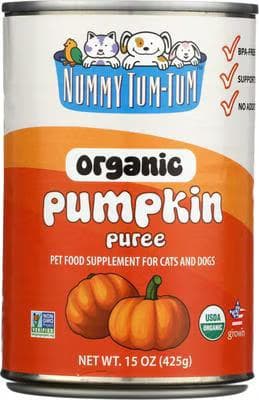
Plain canned pumpkin, nothing added. The classic gentle fibre vets suggest for loose stools, and far easier than cooking it yourself.
Webvet may earn a commission when you click through to Chewy, at no extra cost to you.
Diarrhea is one of the most common reasons dogs end up at the vet, and most bouts are short and harmless. Your job as an owner is not to diagnose it but to read the whole dog, offer gentle support at home when the picture is mild, and know the specific red flags that mean it is time to pick up the phone. When in doubt, your veterinary team would always rather hear from you early than late.
Sources
Related reading from Webvet
Reviewed by the Webvet Veterinarian Team
This guide is general information, not a diagnosis, and does not replace an exam by your veterinarian. If your pet is in distress, contact your vet or an emergency clinic right away.