Hookworms in Dogs: Symptoms, Dangers, and How to Protect Your Pup
Hookworms are among the most common intestinal parasites affecting dogs, and hookworms in puppies pose the greatest concern. These tiny worms attach to the lining of the small intestine and feed on blood, leading to significant health problems.
Medically reviewed by Dr. Athena Gaffud, DVM · Last reviewed

This article contains affiliate links. Webvet may earn a commission when you buy through them, at no extra cost to you.
Hookworms are among the most common intestinal parasites affecting dogs, and hookworms in puppies pose the greatest concern. These tiny worms attach to the lining of the small intestine and feed on blood, leading to significant health problems. Because they cause ongoing blood loss, hookworm disease in dogs often results in anemia, weakness, poor growth, and, in severe cases, life-threatening complications. Puppies, small-breed dogs, and dogs with existing health challenges experience the highest risk, making early recognition especially important.
Despite the seriousness of hookworms in dogs, most infected pets recover well with prompt veterinary diagnosis, effective treatment, and consistent parasite prevention. This article provides dog parents with trustworthy, essential information on how dogs contract hookworms, the early and advanced symptoms of hookworms in dogs, how veterinarians diagnose infections, the safest treatment options, and the steps to keep dogs and families protected long-term.
What Are Hookworms in Dogs?
Hookworms are tiny, thread-like intestinal parasites that attach to the lining of a dog’s small intestine and feed directly on blood, making hookworm disease in dogs a serious health concern. The most common species, such as Ancylostoma caninum, use sharp mouthparts to latch onto intestinal tissue, creating small wounds that continue to bleed and trigger inflammation. Larvae enter the body in several ways.
Hookworms in puppies pose the highest risk because the young dogs’ small bodies lose blood quickly, and their immune systems are still developing. Some newborns acquire larvae from their mother, which intensifies anemia and weakness. Hookworms are one type of intestinal parasite in dogs, alongside roundworms, whipworms, and tapeworms. This article focuses specifically on hookworms in dogs and their symptoms.
How Do Dogs Get Hookworms?
Dogs contract hookworms through several everyday exposures. The most common routes are discussed below.
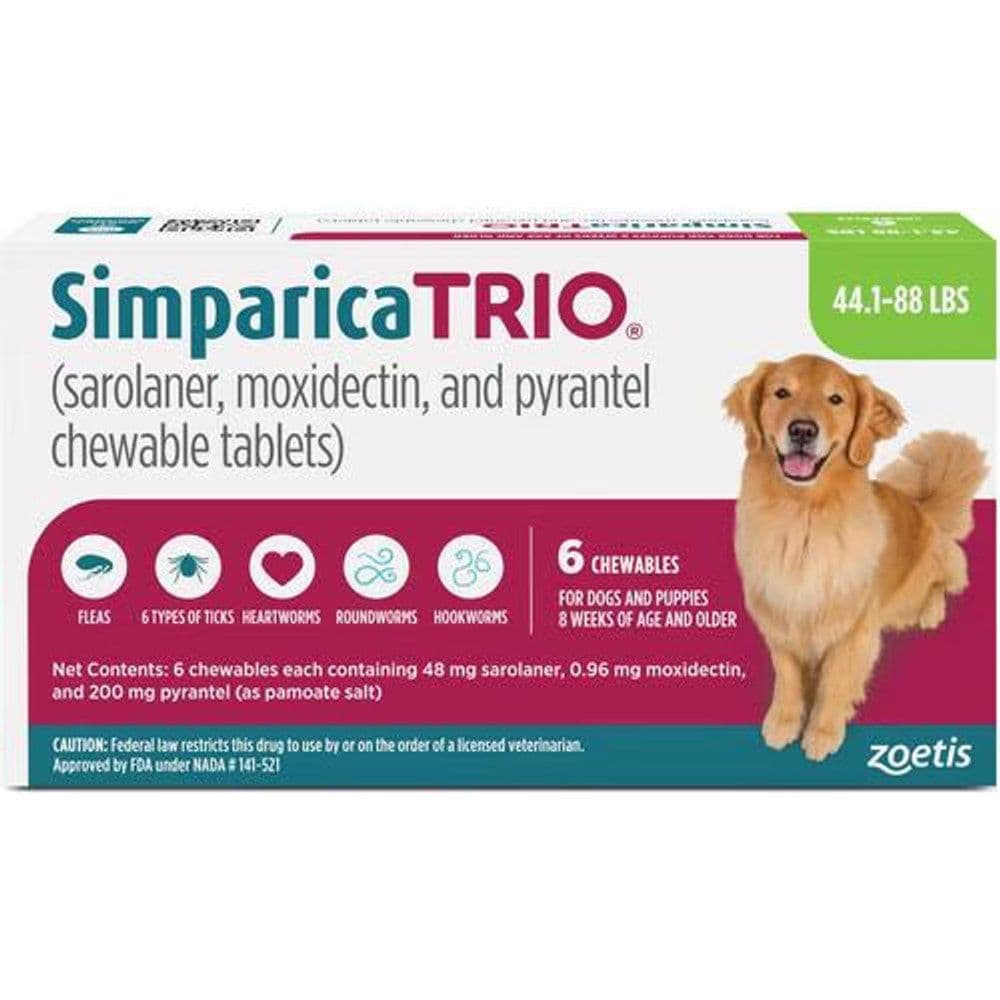
Monthly chew that protects dogs from fleas, six species of ticks, heartworm disease, roundworms, and hookworms.
Webvet may earn a commission when you click through to Chewy, at no extra cost to you.
- Contaminated soil, sand, or grass: Larvae thrive in areas where infected dog stool is present, making outdoor play and walks a common source of infection.
- Ingestion of larvae: Sniffing, licking, or eating soil or feces that contain hookworm larvae introduces parasites into the digestive system.
- Skin penetration: Larvae in the environment can enter through the paws or belly when dogs walk on or lie down in contaminated ground.
- Transmammary or transplacental exposure: Hookworms in puppies are acquired through the mother’s milk or, in some cases, before birth.
Risk factors increasing infection include crowded environments such as shelters, dog parks with poor cleanup, and inconsistent deworming or lack of monthly parasite prevention. Maintaining good hygiene, promptly cleaning up stool, and using vet-recommended preventive treatments significantly reduce the likelihood of hookworm disease in dogs and its symptoms.
Hookworm Symptoms in Dogs
Dogs infected with hookworms display a range of symptoms, from subtle early signs to severe illness in heavy infestations. Early indicators often include digestive issues, mild weakness, and changes in body condition. Puppies usually show more pronounced effects due to their smaller blood volume and developing immune systems.
Common symptoms of hookworms in dogs include:
- Diarrhea: stools appear loose, dark, tarry, or bloody
- Weight loss or poor weight gain: particularly evident in hookworms in puppies
- Dull coat: lackluster fur and declining body condition
- Decreased energy: fatigue, weakness, or reduced playfulness
Signs of anemia caused by hookworms:
- Pale gums: gums lose their healthy pink color
- Rapid breathing and racing heart: physiologic response to blood loss
- Lethargy or collapse: severe cases, especially in young or heavily infected dogs
Additional signs in puppies or heavy infections:
- Pot-bellied appearance: distended abdomen from parasite burden
- Stunted growth: failure to thrive or reach normal developmental milestones
- Coughing: observed if larvae migrate to the lungs
- Skin irritation: observed if larvae penetrate the skin, especially on the paws
Not all dogs show obvious signs initially, highlighting the importance of routine fecal testing and parasite checks, even when pets appear healthy. Early recognition of hookworm disease in dogs supports timely treatment and improved outcomes.
 $65 · no membership
Need flea, tick, or heartworm prevention for your dog?
A licensed vet can recommend and prescribe the right preventive for your dog online when it's appropriate.
 Talk to a vet
- Licensed vets
- All 50 states
- same-day Rx

Webvet may earn a commission if you book.
Diagnosis: How Vets Check for Hookworms in Dogs
Veterinarians diagnose hookworms in dogs through a straightforward process that begins with a fecal examination, commonly performed using fecal flotation or similar laboratory methods designed to detect hookworm eggs.
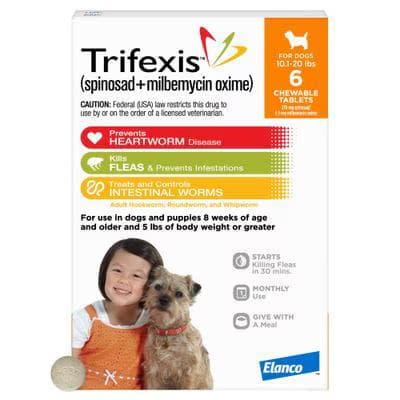
A monthly chew (spinosad and milbemycin oxime) that kills fleas, prevents heartworm, and treats intestinal worms. A non-isoxazoline oral option that starts killing fleas within 30 minutes.
Webvet may earn a commission when you click through to Chewy, at no extra cost to you.
A fresh stool sample is essential because parasite eggs deteriorate quickly; owners are encouraged to collect a small, clean sample in a sealed container on the same day as the appointment to support accurate detection of hookworms in dogs. Light or early infections, particularly common in hookworms in puppies and recently rescued dogs, sometimes escape initial testing, so repeat fecal exams are often part of the diagnostic plan for thorough screening of hookworm disease in dogs.
In advanced cases, veterinarians also assess blood work to identify anemia, track body weight and growth in young dogs, and monitor overall response to treatment. Routine wellness exams paired with regular fecal testing remain key tools for safeguarding dogs from recurring intestinal parasites and ensuring long-term protection against hookworms.
Hookworm Treatment for Dogs
Treatment for hookworms in dogs focuses on safe, effective deworming under veterinary supervision. Your vet may prescribe oral medications. Common types of dewormers include pyrantel, fenbendazole, and moxidectin, which target adult hookworms. Multiple doses over a few weeks are often needed because young larvae grow into adults after the first treatment.
Supportive care plays a key role in dogs with severe infections, particularly hookworms in puppies. Interventions include fluids, nutritional support, and, in critical anemia cases, therapies such as iron supplementation or blood transfusions to stabilize the dog.
Key aspects of successful treatment include:
- Completing all prescribed doses: ensures the elimination of adult worms and reduces the risk of recurrence
- Follow-up stool testing: confirms the infection is fully cleared and monitors recovery
Treatment of hookworm disease in dogs should always be under veterinary guidance to ensure safety and effectiveness, especially when addressing the more serious symptoms of hookworms in dogs.
Preventing Hookworms in Dogs
Preventing hookworms in dogs requires consistent parasite control and good hygiene practices. Monthly heartworm and intestinal parasite preventives often protect against hookworms and form the foundation of year-round prevention under veterinary guidance.
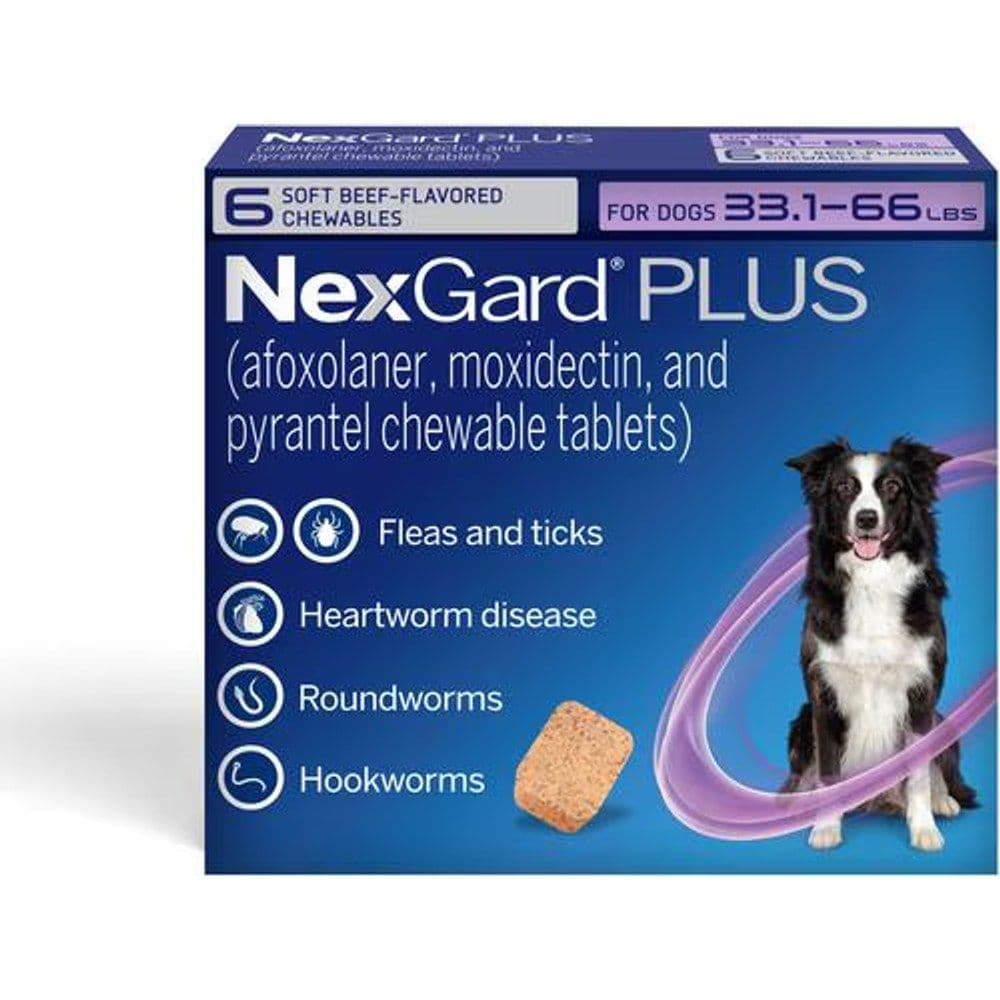
Beef-flavored monthly chew that protects dogs from fleas, ticks, heartworm disease, roundworms, and hookworms.
Webvet may earn a commission when you click through to Chewy, at no extra cost to you.
For puppies, standard deworming schedules begin every few weeks when young and transition to monthly preventives as they grow. Completing the whole series of treatments, even when hookworms in puppies do not produce noticeable signs, is essential for long-term health.
Follow the guidelines for environmental measures listed below.
- Promptly remove stool. Pick up dog feces in the yard and during walks to reduce environmental contamination.
- Avoid getting near feces. Prevents ingestion or sniffing of potentially infected stool.
- Limit exposure: Restrict access to heavily contaminated areas such as unmaintained dog runs or overcrowded parks.
In multi-dog households or shelter environments, consider the additional preventive measures below.
- All dogs on prevention: Ensures broad protection across the group.
- Routine testing: Regular fecal exams under veterinary guidance detect infections early.
Consistent preventive measures not only reduce the risk of hookworm disease in dogs and its symptoms but also protect human family members from exposure to these intestinal parasites.
Can Humans Get Hookworms from Dogs?
Some species of hookworms that infect dogs can infect humans, usually through direct skin contact with contaminated soil or sand, such as walking barefoot in yards, parks, or beaches where infected dog stool is present. In humans, the infection typically manifests as itchy, winding skin lesions, known as cutaneous larva migrans, rather than the full intestinal hookworm disease in dogs. Although these infections are uncomfortable, medical attention can effectively resolve symptoms.
Practical hygiene steps. As listed below, reduce the risk of zoonotic (animal-to-human) exposure.
- Handwashing: After handling dog stool, gardening, or outdoor play.
- Footwear: Wearing shoes outdoors to limit skin contact with contaminated soil.
- Supervising children: Preventing play in areas where dog stool is not promptly removed.
Consistent parasite prevention, regular stool cleanup, and proper hygiene dramatically reduce the risk of transmission, helping protect both dogs and human household members from hookworms and associated health concerns.
FAQs
What are the first signs of hookworms in dogs?
Early indicators include diarrhea, poor weight gain, dull coat, and decreased energy. Young dogs often show more obvious signs due to a smaller blood volume and a developing immune system.
How dangerous are hookworms in puppies?
Young dogs face a higher risk from hookworms in puppies, which can cause anemia, weakness, stunted growth, and, in severe cases, life-threatening illness. Prompt diagnosis and treatment prevent the long-term effects of hookworm disease in dogs.
How do dogs get hookworms?
Dogs acquire hookworms through skin contact with contaminated soil, ingestion of infected feces, or transmission from the mother during nursing or before birth. Environmental hygiene and regular preventive care reduce exposure.
Can hookworms in dogs be treated entirely?
Veterinary-guided deworming eliminates adult parasites and, with follow-up fecal testing, confirms the infection is cleared. Supportive care addresses anemia or weakness caused by hookworms in dogs.
Is year-round parasite prevention necessary for dogs?
Monthly heartworm and intestinal parasite preventives, paired with routine fecal checks, help prevent hookworms in dogs and other intestinal parasites, keeping both adult dogs and puppies healthy.
Do humans risk infection from hookworms in dogs?
Some species can cause skin irritation in people after contact with contaminated soil. Hygiene practices such as handwashing, wearing footwear outdoors, and proper stool cleanup significantly reduce the risk of exposure.
Keeping Your Dog Hookworm-Free and Healthy
Although hookworms in dogs pose serious health risks, they are highly treatable and largely preventable through consistent veterinary care and responsible pet management. Regular checkups and fecal testing detect hookworm disease in dogs early, while monthly parasite preventives protect both adult dogs and puppies from hookworm infection.
Good hygiene, including prompt stool cleanup, further reduces environmental exposure. Pet owners who notice symptoms of hookworms in dogs, such as diarrhea, pale gums, weight loss, or low energy, must contact their veterinarian promptly for guidance. With awareness, prevention, and a strong partnership with a veterinary team, pups remain active, comfortable, and well-protected from hookworms and other intestinal parasites.
Compare coverage choices for your pet, then request a quote directly on Lemonade.
- Check a price for your pet
- Review available coverage choices
- See the terms before you decide
Eligibility, waiting periods, limits and exclusions apply.
Webvet may earn a commission when you click through to Lemonade, at no extra cost to you.
Feature Image: Istock
$65 · no membershipNeed flea, tick, or heartworm prevention for your dog?
A licensed vet can recommend and prescribe the right preventive for your dog online when it's appropriate.
Talk to a vet- Licensed vets
- All 50 states
- same-day Rx
Webvet may earn a commission if you book.

Veterinarian · DVM
Athena Gaffud, DVM, is a licensed veterinarian and writer based in the Cagayan Valley of the northern Philippines. She runs the website countryvetmom.com. Dr. Gaffud earned her Doctor of Veterinary Medicine degree from the University of the Philippines Los Baños in 2011, ranking in the top 10 and receiving the Best Undergraduate Thesis Award in Large Animals. With over a decade of experience, she has worked as a researcher, a practitioner for small and large animals, and in veterinary technical sales, marketing, and pet insurance. A published author, Dr. Gaffud promotes responsible pet ownership and combats misinformation on animal care through her platforms, including the DocAthena Facebook Page and DocAthena YouTube channel. She is a writer and editor for various pet-related websites such as Total Vet, Honest Paws, PangoVet, Dogster, Catster, My Best PH, Paw Origins, Bully Max, Not a Bully, Paws and Claws CBD, many others. She was also cited in different pet-related media articles such as The Dog People, USA Today, Newsweek, New York Post, Reader’s Digest, Smithsonian Magazine, Woman’s World, Dog Time, Patch, Kinship, Martha Stewart, and many others. Moreover, she is also a published fiction author on Kindle.


