
Can dogs eat pumpkin?
SafePlain pumpkin is not a universal diarrhea or constipation remedy. Use fiber only for a diagnosed, adequately hydrated dog with veterinary guidance.


Medically reviewed by Dr. Athena Gaffud, DVM · Last reviewed
Can Dogs Eat Pumpkin?
Plain pumpkin is not a universal home remedy for diarrhea or constipation. Merck includes it as one possible fiber source for selected constipated patients after the cause, hydration, and severity have been assessed.
- 1Pumpkin is one possible fiber source, not a diagnosis or cure.
- 2Fiber may help some constipated dogs only when the patient is diagnosed and adequately hydrated.
- 3Fiber can worsen impaction in a dehydrated patient or be inappropriate for another cause of signs.
- 4No evidence-based teaspoon, tablespoon, or body-size pumpkin dose applies to all dogs.
- 5Pumpkin pie and flavored products require their actual ingredients and amount, not an automatic nutmeg emergency label.

Treats should stay under 10% of your dog's daily calories. JustFoodForDogs makes the rest of it.
- Recipes developed by veterinary nutritionists
- Whole-food ingredients you can recognise
- Fresh meals delivered to your door
Webvet may earn a commission when you click through to JustFoodForDogs, at no extra cost to you.
Is plain pumpkin safe for dogs?
Plain cooked pumpkin or 100 percent pumpkin puree is not a recognized canine toxin. It supplies calories, fiber, and nutrients, but a food-composition list does not prove a clinical benefit from a spoonful.

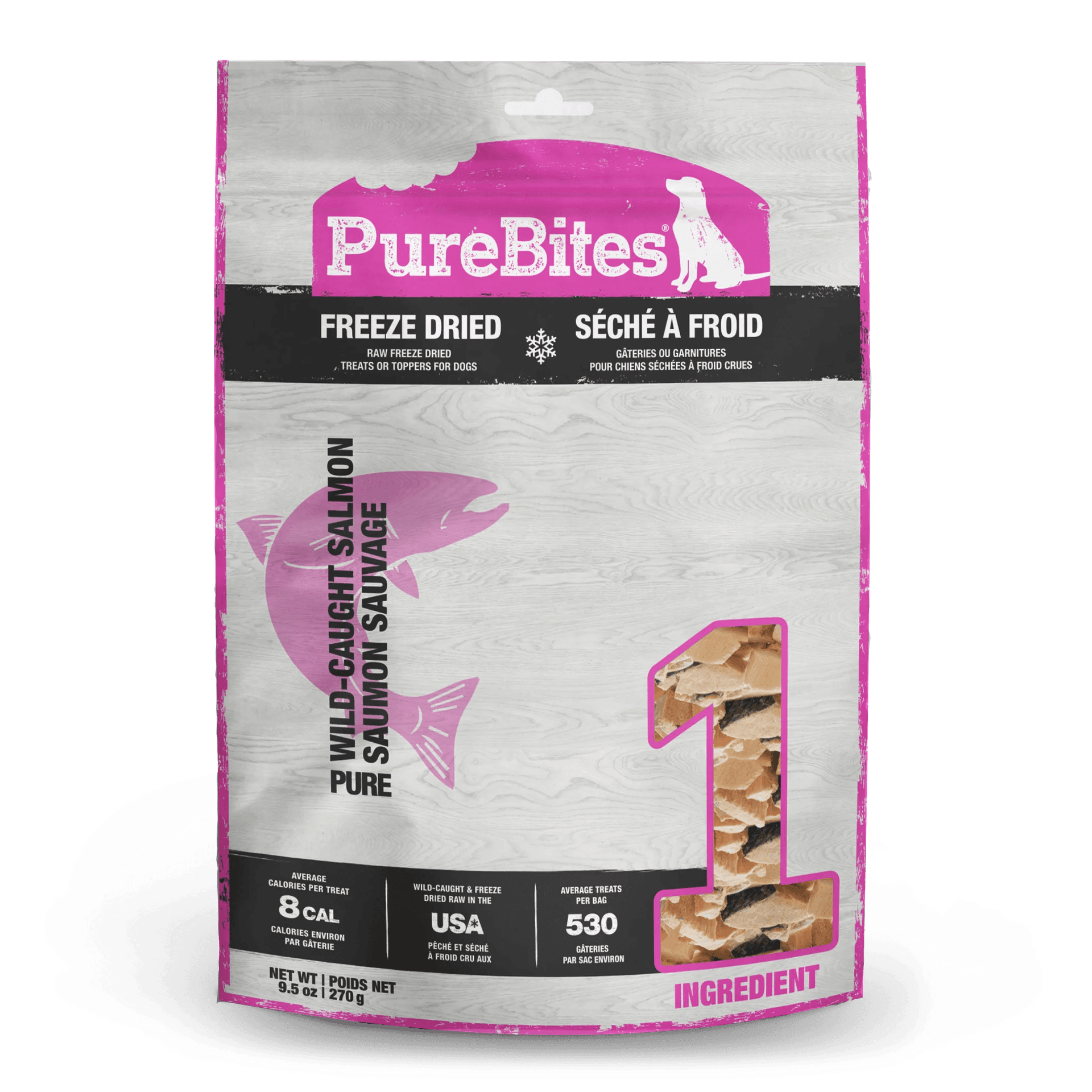
This is an optional dog treat. Review its current label, ingredients, calories, and feeding directions, and count it within the total daily extras.
Webvet may earn a commission when you click through to Chewy, at no extra cost to you.
An optional taste is different from using pumpkin therapeutically. Dogs with ongoing gastrointestinal signs, dehydration, pain, vomiting, poor appetite, or a prescription diet need an individualized plan rather than routine supplementation.
When fiber may help, and when it may not
Merck lists pumpkin among fiber options for mild constipation in a diagnosed and adequately hydrated patient. The broader treatment plan may include hydration, diet changes, laxatives, motility drugs, enemas, or removal of impacted stool depending on the case.
A constipated dehydrated dog may develop worse impaction when fiber is added. Diarrhea is also not one disease, and evidence does not support using the same kitchen dose for every loose-stool episode.

Plain pumpkin versus pie filling and flavored products
Plain canned pumpkin usually has a short ingredient list, while pie filling, desserts, drinks, and spice blends vary in sugar, fat, dairy, sodium, sweeteners, and seasonings. Keep the label or recipe. Choose the product by reading the front and back of the container. Plain cooked pumpkin or single-ingredient puree differs from pie filling, pumpkin-spice syrup, sweetened baby food, soup, baked goods, latte mix, and decorative raw squash. Check sugar, sweeteners, nutmeg, chocolate, raisins, dairy, onion, garlic, salt, fat, and package size. A can labeled pumpkin may include culinary squash species, which is a labeling issue rather than evidence of danger. Moldy porch pumpkins and compost exposures also bring spoilage, foreign material, candles, paint, pesticide, or packaging into the history.
Nutmeg concerns depend on the actual amount, and ASPCA discusses problems after large exposures rather than treating every taste of pie as poisoning. Added xylitol is a distinct canine emergency only when it is confirmed or plausibly present.
What pumpkin contributes nutritionally
Pumpkin contains fiber, water, carotenoids, vitamins, minerals, and calories. Those facts do not establish a treatment effect, immune benefit, eye benefit, or digestive cure from the amount used as a treat or topper.
A complete and balanced dog food should provide required nutrients. Added pumpkin must fit the dog's calorie allowance and medical diet, and it can change stool only as part of the individual dietary response.

How much pumpkin can a dog have?
There is no evidence-based pumpkin dose by dog size for treating stool changes. A veterinarian must decide whether fiber is indicated, choose a form and amount, and reassess the response in the context of the complete diet. Do not increase fiber repeatedly when the first amount has not helped; reassessment is safer than escalating a household dose.
| Clinical question | Why it changes the plan |
|---|---|
| Is the dog hydrated? | Fiber can worsen impaction when dehydration is present |
| Is this diarrhea or constipation? | Different problems require different diagnoses and treatments |
| Are signs persistent or recurrent? | Obstruction, infection, endocrine, dietary, and other causes may need testing |
| What is the full diet? | Fiber, calories, treats, and therapeutic-diet restrictions must be considered together |
Preparing pumpkin if the veterinary plan includes it
Use the form the veterinary team recommends, often plain cooked pumpkin or plain puree. Confirm the ingredient list and avoid turning a therapeutic instruction into an open-ended daily supplement. Stool changes need a clinical history, not an automatic pumpkin routine. Note whether the dog has diarrhea, straining, small dry stools, repeated unproductive attempts, vomiting, blood, abdominal pain, reduced appetite, lethargy, or poor water intake. Fiber can affect patients differently, and adding it to a dehydrated or obstructed dog may delay needed care. Puppies, older dogs, and dogs with recurrent signs or known gastrointestinal disease deserve earlier veterinary input. If a clinician recommends pumpkin, confirm the exact product, amount, duration, hydration plan, and what response should trigger re-evaluation rather than repeating an online recipe indefinitely.
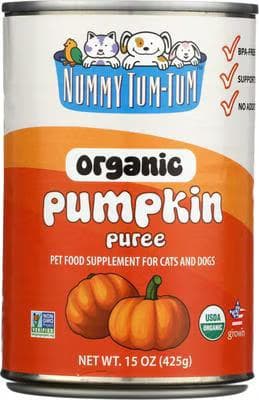
Pumpkin is not a universal treatment for digestive signs. Ask your veterinarian whether added fiber fits this dog, then follow the exact product and amount advised.
Webvet may earn a commission when you click through to Chewy, at no extra cost to you.
Fresh cooked pumpkin and canned puree differ in water, fiber, and calorie density. Freezing portions may be convenient, but a frozen cube does not become a standardized medical dose.

Risks and signs that need assessment
Too much or unsuitable fiber may produce gas, discomfort, loose stool, constipation, or dietary displacement. Those outcomes are not predictable from body size alone, and a change in stool does not prove the cause.
Repeated vomiting, abdominal pain, loss of appetite, bloating, weakness, inability to pass stool, blood, or persistent diarrhea warrants veterinary evaluation. A large rind, stem, packaging, or other object is a separate obstruction concern.
Alternatives depend on the diagnosis
Do not swap pumpkin for sweet potato, carrot, another fiber, or a probiotic as if all gastrointestinal problems respond the same way. The best alternative depends on diagnosis, hydration, diet, medicines, and patient response.
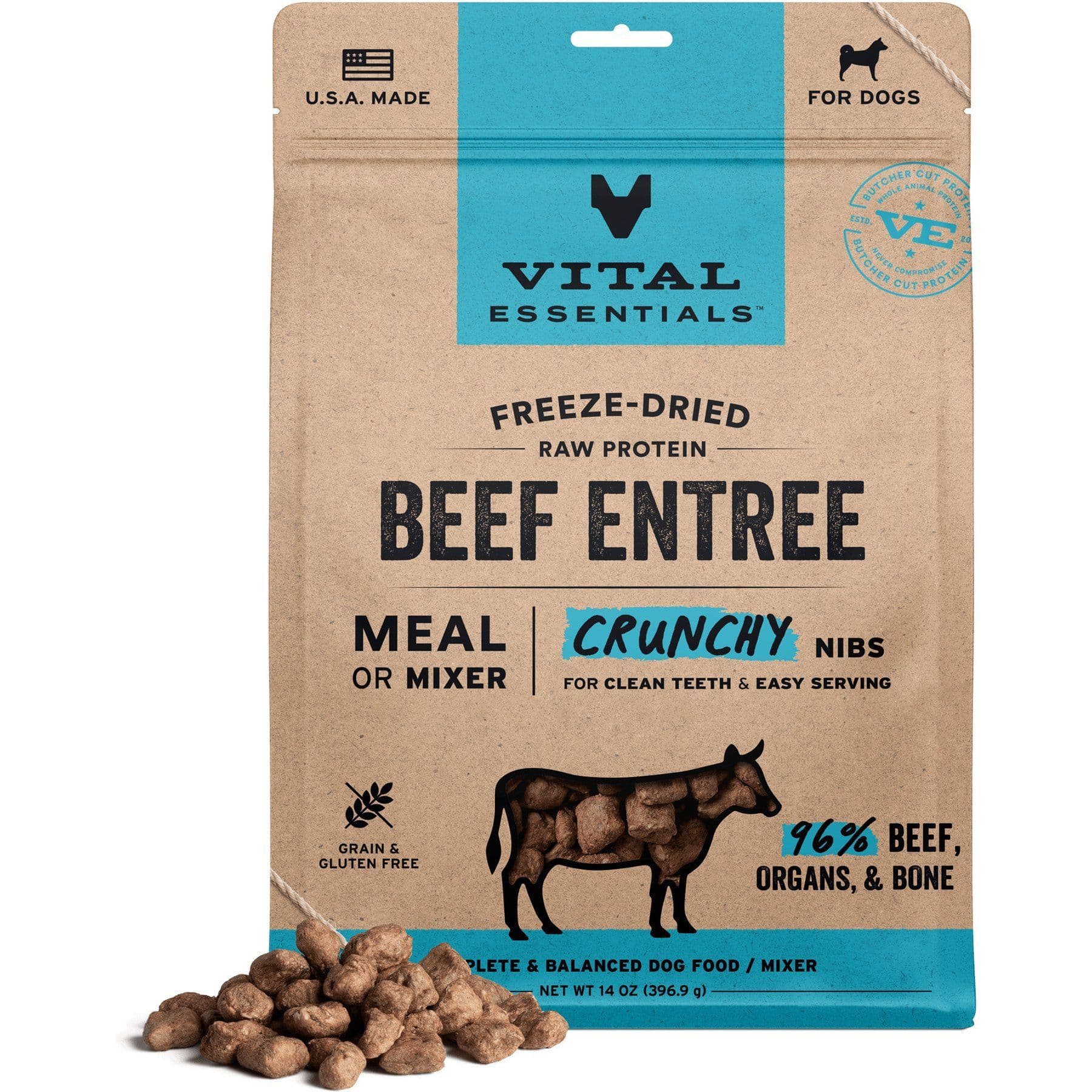
This is an optional dog treat. Review its current label, ingredients, calories, and feeding directions, and count it within the total daily extras.
Webvet may earn a commission when you click through to Chewy, at no extra cost to you.
Frequently Asked Questions
Can dogs eat raw pumpkin or does it need to be cooked?
Raw pumpkin flesh is not automatically toxic, but rind, stem, large pieces, and individual digestibility matter. Use the preparation advised for the dog.
Do vets actually recommend pumpkin for dogs?
Pumpkin is not a universal diarrhea treatment. Persistent, recurrent, bloody, painful, or vomiting-associated diarrhea needs assessment.
Can dogs eat pumpkin pie or pumpkin pie filling?
Pumpkin may be one fiber option for some diagnosed, adequately hydrated constipated dogs. It can worsen impaction when dehydration is present.
Can dogs eat pumpkin every day?
No evidence-based daily teaspoon or tablespoon dose applies to all dogs. Therapeutic use requires an individualized plan and follow-up.
How quickly does pumpkin help a dog's upset stomach?
A taste of pie is not automatically nutmeg poisoning. Check the recipe and amount, especially for xylitol or another hazardous ingredient.

The practical takeaway is to separate an optional plain-pumpkin taste from medical use. If the goal is to change diarrhea, constipation, anal-gland signs, or another recurring problem, let the veterinary team diagnose the cause before choosing fiber. Bring a stool photograph or sample when requested, and note frequency, straining, water intake, appetite, vomiting, medications, diet changes, and access to objects or trash. Those details help distinguish a minor dietary change from a problem in which extra fiber could delay appropriate care. Track response with the same care used for medication: stool frequency and form, straining, vomiting, appetite, water intake, and any new pain. Stop changing fiber sources repeatedly if signs persist, because several different toppers can obscure the pattern a veterinarian needs to evaluate.
More safe treats
More vegetables for dogs
Sources
- Merck Veterinary Manual: Constipation, Obstipation, and Megacolon
Pumpkin is one fiber option for some diagnosed, adequately hydrated patients; fiber may be inappropriate when dehydration or impaction is present.
- ASPCA: When Pumpkin Spice Is Not So Nice
Nutmeg problems are associated with large exposures, while pumpkin foods must be assessed from their actual ingredients and amount.
- AAHA: Nutritional Risk Factors
Noncomplete foods above 10 percent of daily calories can dilute essential nutrients; individual medical and life-stage factors require assessment.
- Merck Veterinary Manual: Gastrointestinal Obstruction in Small Animals
Foreign-body and choking concerns depend on object and patient characteristics; a food texture does not guarantee obstruction.
- Merck Veterinary Manual: Xylitol Toxicosis in Dogs
Canine xylitol risk depends on the ingredient, product concentration, amount, and dog weight; hypoglycemia has been associated with exposures above 100 milligrams per kilogram.
Reviewed by Dr. Athena Gaffud, DVM
General guidance based on credible veterinary sources; not a diagnosis or a substitute for your veterinarian. If your pet ate something toxic or is unwell, contact your vet or a pet poison line right away.