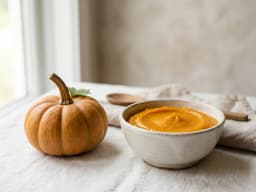
Can cats eat pumpkin?
SafePlain pumpkin is not a universal hairball, diarrhea, or constipation remedy. Use fiber only for a diagnosed, hydrated cat with veterinary guidance.


Medically reviewed by Dr. Athena Gaffud, DVM · Last reviewed
Can Cats Eat Pumpkin?
Plain pumpkin is not a universal treatment for feline hairballs, diarrhea, or constipation. It is one possible fiber source for selected patients after the problem, hydration, diet, and medical history are assessed.
- 1Plain pumpkin is not a diagnosis or universal gastrointestinal remedy.
- 2Fiber may help some constipated cats only when the patient is diagnosed and adequately hydrated.
- 3Fiber can worsen impaction when dehydration is present and may be inappropriate for other causes.
- 4No evidence-based feline half-teaspoon, teaspoon, or body-size pumpkin dose applies to all cats.
- 5Pie, dessert, and pumpkin-spice exposures require the actual ingredients and amount.

Treats should stay under 10% of your cat's daily calories. Smalls makes the rest, built around the meat an obligate carnivore actually needs.
- Human-grade ingredients, protein first
- Built for obligate carnivores
- Fresh meals delivered to your door
Webvet may earn a commission when you click through to Smalls, at no extra cost to you.
When might pumpkin fiber be considered?
Merck includes pumpkin among possible fiber sources for mild constipation in some diagnosed, adequately hydrated patients. That is narrower than recommending it for every cat with hard stool, diarrhea, vomiting, or hairballs. Constipation can reflect dehydration, pain, orthopedic or neurologic difficulty, pelvic narrowing, a mass, medication effects, chronic kidney disease, megacolon, or another disorder. Stool that is merely infrequent may also be misclassified without knowing consistency and straining. Because those causes need different treatment, a routine half-teaspoon recommendation can sound safer and more precise than it is.

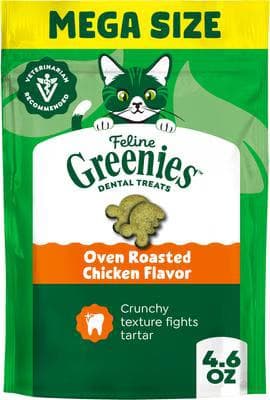
This is a dental cat treat. Follow the current label and ask your veterinarian how it fits alongside tooth brushing and professional dental care.
Webvet may earn a commission when you click through to Chewy, at no extra cost to you.
Constipation treatment varies with cause and severity and may involve hydration, diet, laxatives, motility drugs, enemas, or removal of impacted stool. Hairball-like retching and vomiting also require accurate identification. A cat that repeatedly retches without producing a hairball may be coughing, vomiting, or having another problem. Record a video if safe, note whether food or fluid appears, and report appetite, weight, breathing, litter-box changes, and episode frequency. Pumpkin cannot distinguish among these signs and should not be used to postpone evaluation.
How much pumpkin can a cat have?
There is no evidence-based feline pumpkin dose by body size for hairballs, diarrhea, or constipation. A veterinarian should decide whether fiber is indicated, select the form and amount, and reassess response.

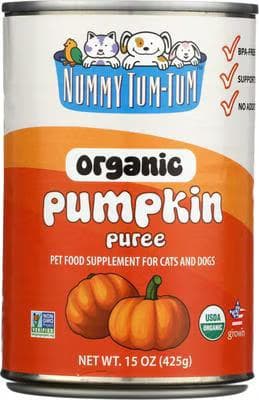
Pumpkin is not a universal treatment for digestive signs. Ask your veterinarian whether added fiber fits this cat, then follow the exact product and amount advised.
Webvet may earn a commission when you click through to Chewy, at no extra cost to you.
| Clinical question | Why it changes the plan | Owner information to provide |
|---|---|---|
| Hydration and stool pattern | Fiber can worsen impaction in dehydration | Water intake, urine, stool frequency, and stool form |
| Vomiting, pain, or appetite loss | May indicate a problem that fiber will not address | Timing, frequency, behavior, and food intake |
| Diet and diagnosis | Therapeutic diets and fiber targets differ | All foods, treats, medicines, and medical history |
Plain pumpkin, pie filling, and flavored products
Plain cooked pumpkin or 100 percent puree is not a recognized feline toxin. It contains calories, fiber, and nutrients, but those facts do not establish a clinical benefit from a spoonful. Refrigerate opened puree according to its label and discard spoiled or moldy product. Freezing can make small portions convenient, but it does not standardize fiber content or turn the food into a treatment dose. Read the exact pumpkin label. Single-ingredient puree differs from pie filling, pumpkin-spice syrup, sweetened baby food, soup, bread, desserts, latte products, and savory mixtures. Added nutmeg, chocolate, raisins, dairy, onion, garlic, salt, fat, or sweeteners can change the assessment. Decorative pumpkins may be spoiled, painted, treated, or contaminated with candle wax and outdoor debris. Report those features and any swallowed lid, foil, plastic, string, or packaging rather than describing the exposure only as pumpkin.
Pie filling, desserts, drinks, and spice blends vary in sugar, fat, dairy, sodium, sweeteners, and seasonings. A taste is not automatically nutmeg poisoning; keep the recipe and estimate the amount. If the cat tastes pie or dessert, do not rely on a generic pumpkin-spice warning. Ask who made it, obtain the recipe, and check chocolate, alcohol, raisins, alliums, sweeteners, concentrated spice, dairy, and packaging. Culinary nutmeg in a taste is not the same exposure as eating a large quantity of spice, and ingredient-specific triage prevents unnecessary alarm.
Fiber response is individual
Fiber can alter stool water and bulk, but response depends on fiber type, dose, hydration, disease, and the complete diet. The same ingredient can be unhelpful or harmful in another patient. A cat with stool or appetite changes needs more context before fiber is added. Record diarrhea versus constipation, straining, stool volume, vomiting, blood, abdominal discomfort, hydration, urination, appetite, weight change, and duration. Repeated unproductive litter-box visits can reflect urinary disease as well as constipation and deserve prompt assessment, particularly in a male cat. Fiber may help selected adequately hydrated patients, while dehydration, impaction, obstruction, or another illness requires different care. Any veterinarian-directed pumpkin plan should specify the product, amount, duration, and signs that require recheck.
Daily use without reassessment may add calories, displace complete nutrition, or delay diagnosis. Cats with recurrent constipation, chronic diarrhea, vomiting, weight loss, or therapeutic diets need a veterinary plan. Track any veterinarian-directed fiber trial with stool form, frequency, straining, appetite, vomiting, water intake, and body weight. Stop and call if the cat becomes uncomfortable, stops eating, repeatedly vomits, produces no stool while straining, or becomes lethargic. A response to fiber does not by itself establish the original diagnosis, so follow-up still matters.

Alternatives depend on the diagnosis
Another vegetable, meat treat, hairball product, lubricant, or probiotic is not automatically the right replacement. Choose any intervention for the diagnosed problem, hydration status, complete diet, medicines, and individual cat.
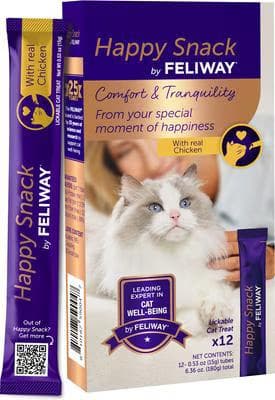
This is an optional cat treat. Review its current label, ingredients, calories, and feeding directions, and count it within the total daily extras.
Webvet may earn a commission when you click through to Chewy, at no extra cost to you.
Frequently asked questions
Can cats eat pumpkin every day?
Daily pumpkin is not automatically appropriate. Long-term fiber use should match the diagnosis, full diet, hydration, and response.
Can cats eat raw pumpkin?
Pumpkin is not a universal hairball remedy. Repeated retching, coughing, vomiting, appetite change, or weight loss needs assessment.
How much pumpkin should I give a cat with diarrhea?
Pumpkin is not a universal diarrhea treatment. Persistent, recurrent, bloody, painful, or vomiting-associated diarrhea requires veterinary care.
Can cats eat pumpkin seeds?
Pumpkin may be one fiber option for some diagnosed, adequately hydrated constipated cats. Fiber can worsen impaction with dehydration.
Can cats eat pumpkin pie or pumpkin spice foods?
A taste of pie is not automatically nutmeg poisoning. Check the ingredients, amount, packaging, cat, and signs.

Treat plain pumpkin as an optional food unless a veterinary plan gives it a specific role. When the goal is to change stool, vomiting, or suspected hairballs, accurate diagnosis matters more than a household teaspoon rule. Bring photographs or video and a stool sample when the clinic requests them. A concise timeline of litter-box attempts, stool output, food and water intake, vomiting, medicines, and recent diet changes is more clinically useful than reporting that pumpkin did or did not work. Do not increase a home fiber amount after a missed stool without checking hydration, comfort, appetite, and the veterinary plan. Keep the cat's normal complete food available unless a veterinarian advises otherwise. Pumpkin should never be used to coax an ill cat through prolonged food refusal, and it is not a substitute for examining urinary straining, recurrent vomiting, dehydration, or a painful abdomen. Record exactly what was tried so the clinician can interpret any stool or appetite change.
More safe treats
More vegetables for cats
Sources
- Merck Veterinary Manual: Constipation, Obstipation, and Megacolon
Pumpkin is one fiber option for some diagnosed, adequately hydrated patients; fiber may be inappropriate when dehydration or impaction is present.
- ASPCA: When Pumpkin Spice Is Not So Nice
Nutmeg problems are associated with large exposures, while pumpkin foods must be assessed from their actual ingredients and amount.
- Cornell Feline Health Center: Feeding Your Cat
Cats need complete feline nutrition; treats should remain limited, and dairy tolerance varies because many adult cats are lactose intolerant.
- AAHA: Nutritional Risk Factors
Noncomplete foods above 10 percent of daily calories can dilute essential nutrients; individual medical and life-stage factors require assessment.
- Merck Veterinary Manual: Gastrointestinal Obstruction in Small Animals
Foreign-body and choking concerns depend on object and patient characteristics; a food texture does not guarantee obstruction.
Reviewed by Dr. Athena Gaffud, DVM
General guidance based on credible veterinary sources; not a diagnosis or a substitute for your veterinarian. If your pet ate something toxic or is unwell, contact your vet or a pet poison line right away.