Cat symptom
Constipation in cats
Reviewed by the Webvet Veterinarian Team · Last reviewed June 22, 2026
Straining to poop, hard dry stools, or going less often than usual. Often diet- or hydration-related, but ongoing constipation (especially in cats) can signal a blockage or megacolon.
Common causes of constipation in cats
- Low fiber, dehydration, or too little exercise
- Swallowed hair, bones, or foreign material
- Pain that makes posturing hard (arthritis, anal gland problems)
- In cats, megacolon; in male dogs, an enlarged prostate
Who's most at risk
- Senior and arthritic pets
- Cats with a history of megacolon
- Low-water, low-fiber diets
- Long-haired pets (ingested hair)
What you can do at home
- Make sure fresh water is always available
- Ask your vet about adding fiber (e.g., a little plain pumpkin) or more exercise
- Never give human laxatives or enemas — some are toxic to pets
When to see a vet
- No stool for more than 48–72 hours, or repeated unproductive straining
- You can't tell it apart from straining to urinate (that is an emergency)
- Also vomiting, a painful belly, or low energy
- Only small hard pellets, or blood, after a lot of effort
When it's more serious
- Straining to urinate — especially in a male cat — is a life-threatening emergency. Go now.
- Constipation with vomiting or pain can mean an obstruction — see a vet today.
- Several days without a bowel movement warrants a vet visit.
What your vet may do
- Exam and feel the abdomen; check the rectum and anal glands
- X-rays to assess the stool load or a blockage
- Fluids, an enema, or stool softeners as appropriate
- Diet and long-term management for recurring cases
Questions to ask your vet
- Is this constipation or a urinary blockage?
- Could there be an obstruction?
- What diet or fiber plan helps long-term?
- How do I prevent it recurring?

Frequently asked questions
What causes constipation in cats?
Straining to poop, hard dry stools, or going less often than usual. Often diet- or hydration-related, but ongoing constipation (especially in cats) can signal a blockage or megacolon. Common causes include: Low fiber, dehydration, or too little exercise; Swallowed hair, bones, or foreign material; Pain that makes posturing hard (arthritis, anal gland problems); In cats, megacolon; in male dogs, an enlarged prostate.
Is constipation in cats an emergency?
Book a veterinary visit soon. See a vet right away if: No stool for more than 48–72 hours, or repeated unproductive straining; You can't tell it apart from straining to urinate (that is an emergency); Also vomiting, a painful belly, or low energy; Only small hard pellets, or blood, after a lot of effort.
What can I do at home for a cat with constipation?
Make sure fresh water is always available. Ask your vet about adding fiber (e.g., a little plain pumpkin) or more exercise. Never give human laxatives or enemas — some are toxic to pets.
A closer look at constipation in cats
A constipated cat passes stool less often than usual, strains in the litter box, or leaves behind only small, hard, dry pellets. Most mild cases trace back to something simple like dehydration or a low-fiber diet, and they resolve within a day or two. But because cats are prone to a colon disorder called megacolon, and because straining can also signal a life-threatening urinary blockage, ongoing or painful constipation is never something to wait out at home. When in doubt, call your veterinarian.
- 1Healthy adult cats usually poop once or twice a day; going more than 48 to 72 hours without stool warrants a vet call.
- 2Dehydration and dry-only diets are the single most common driver of feline constipation.
- 3Straining in the litter box can look identical to a urinary blockage, which is a true emergency, especially in male cats.
- 4Never give a cat human laxatives, mineral oil, or over-the-counter enemas; several are toxic or dangerous to cats.
- 5Chronic, recurring constipation can progress to megacolon, so early management matters.
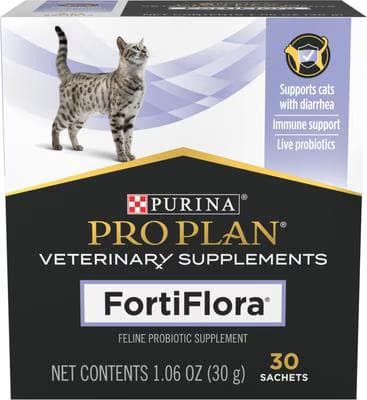
A daily probiotic sachet supports the gut movement that keeps things regular.
Webvet may earn a commission when you click through to Chewy, at no extra cost to you.
What is actually happening inside a constipated cat
The colon has one main job: to reabsorb water from digested food and move the leftover waste along to be passed as stool. When waste sits in the colon too long, the colon keeps pulling water out of it, so the stool becomes harder, drier, and larger. That harder mass is more difficult and uncomfortable to push out, which slows things down even more, and a frustrating cycle sets in. This is why a cat who is even mildly dehydrated tips so easily into constipation: there simply is not enough moisture in the system to keep stool soft and moving.
Veterinarians use a few terms you may hear. Constipation is difficult or infrequent stool that can still be resolved. Obstipation is severe, stubborn constipation where the cat can no longer empty the colon on its own. Megacolon describes a colon that has stretched and lost its muscle tone from being chronically overloaded, so it can no longer contract effectively. These sit on a spectrum, and catching the problem early is what keeps a simple case from sliding toward the harder end of it.
Why cats get constipated more than you might expect
Cats evolved as desert hunters that got most of their water from prey, so they have a naturally low thirst drive. A cat eating only dry kibble often lives in a state of mild, chronic dehydration, which is why diet and water intake are the first things a vet looks at. Hairballs are another feline-specific culprit: fastidious groomers, especially long-haired breeds, swallow a lot of fur that can bind up with stool and slow the colon. On top of that, several conditions common in middle-aged and senior cats quietly raise the risk.

Chronic kidney disease, which is widespread in older cats, causes the body to lose extra water and leaves less available to keep stool soft. Arthritis is easy to overlook but important: if squatting in the box hurts an achy hip, knee, or spine, a cat will hold it, and held stool only gets drier and harder. Stress and environment matter too. A dirty box, a box in a busy or exposed spot, a new pet, or a change in routine can all make a cat avoid the litter box long enough to become constipated. Less commonly, an old pelvic fracture that narrowed the pelvic canal, nerve problems, or a swallowed foreign object can be at the root.
| Possible cause | Other signs you might notice | How urgent |
|---|---|---|
| Dehydration or dry-only diet | Small hard pellets, otherwise bright and eating | Routine; adjust water and diet, call vet if no stool in 2 to 3 days |
| Hairballs | Occasional vomiting of fur, heavy shedding, long coat | Routine; mention pattern to your vet |
| Arthritis pain when posturing | Stiffness, reluctance to jump, senior cat | Routine but treatable; a vet visit helps a lot |
| Kidney disease | Increased drinking and urinating, weight loss | See your vet soon for testing |
| Possible obstruction or megacolon | Vomiting, painful belly, low energy, repeated unproductive straining | Same-day veterinary care |
| Straining with little or no urine (urinary blockage) | Crying in the box, licking rear, restlessness, especially a male cat | Emergency; go now |
How your vet pinpoints the cause
Vets do not treat constipation as a single problem; they treat it as a symptom and work to find the reason behind it. The visit usually starts with a hands-on exam, feeling the abdomen to gauge how much stool has backed up and how firm it is, and checking the rectum and anal glands for pain, masses, or impacted glands. Because dehydration, kidney disease, and other internal issues are so often involved, your vet may recommend bloodwork and a urinalysis. X-rays are common and genuinely useful: they show how heavily loaded the colon is, whether the colon looks stretched (a clue toward megacolon), and whether a foreign object or narrowed pelvis is contributing. Sharing details helps, so note when your cat last passed normal stool and whether appetite has dropped. A cat who has also stopped eating needs prompt attention, and you can read more about a cat that is not eating to understand why that combination raises the stakes.
What to expect at the vet visit
Treatment is matched to how severe the backup is. For a mild case, your vet may focus on rehydration, sometimes giving fluids under the skin, along with a stool softener and advice on diet and water intake. For a more stubborn case, the colon may need to be physically emptied. This is often done with an enema and, when needed, gentle manual removal of the impacted stool, usually under sedation so it is safe and comfortable for the cat. The important point for owners is that these are veterinary procedures using products chosen for cats. This is not something to attempt at home with a drugstore enema.

Recovery from a single episode is usually quick once the colon is cleared and hydration is restored, and many cats are back to normal within a day. If an underlying condition like kidney disease or arthritis is found, treating that condition is what prevents the constipation from coming back. For cats that relapse, your vet will build a longer-term plan around diet, fiber, hydration, and sometimes a daily medication that draws water into the stool to keep it soft. Following that plan consistently is the difference between an occasional nuisance and a chronic problem.
How to help at home safely
For a bright, comfortable cat with a mild, first-time bout, there are safe things you can do while you decide whether a vet visit is needed. The biggest lever is moisture. Adding water or a little low-sodium broth to meals, switching some or all of the diet to wet food, and offering a pet water fountain all nudge a reluctant drinker to take in more fluid. Keeping the litter box spotless, adding an extra box, and placing at least one in a quiet, easy-to-reach spot removes the litter-box-avoidance piece of the puzzle. Gentle daily play and movement also help keep the gut active. Your vet may suggest a small amount of a fiber source such as plain canned pumpkin, but check the amount with them first, since more fiber without enough water can sometimes make things worse.
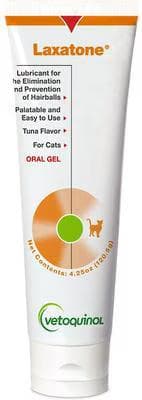
A palatable gel that lubricates the gut to ease hairballs and mild constipation. A common first step for cats, but not a fix for a cat straining with no result.
Webvet may earn a commission when you click through to Chewy, at no extra cost to you.
Megacolon and chronic constipation
Megacolon is a well-known reason cats develop repeated, hard-to-treat constipation. When the colon is chronically stretched by retained stool, its muscular wall weakens and eventually cannot contract with enough force to empty, so the problem feeds on itself. Cats with megacolon strain repeatedly, may pass small amounts of liquid stool around a firm mass, and can lose their appetite, condition, and interest in things when they feel unwell; ongoing unexplained weight loss alongside constipation is worth flagging to your vet. The good news is that most cats are managed successfully for years with the right diet, a daily stool softener or motility medication, and consistent hydration. When medical management is no longer enough, a surgical option exists, but that is a decision your vet reaches only after other approaches have been tried.

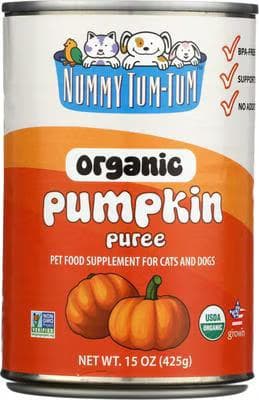
Plain canned pumpkin, nothing added. A spoonful of gentle fibre is the classic first step for a backed-up cat.
Webvet may earn a commission when you click through to Chewy, at no extra cost to you.
How to lower the risk going forward
Prevention for cats comes down to a few durable habits. Keep water intake high by feeding wet food or moistened meals and offering fresh water in more than one spot, ideally including a fountain. Keep the litter box environment inviting: scoop daily, provide one box per cat plus one extra, and place boxes where an older or arthritic cat can reach them without stairs or a tall lip to climb. Manage hair with regular brushing, especially for long-haired cats, so less fur is swallowed. Keep your cat at a healthy weight and moving, and treat arthritis pain early so squatting stays comfortable. Finally, keep up with routine wellness visits, because catching kidney disease or arthritis early is one of the most effective ways to keep constipation from ever becoming a pattern.
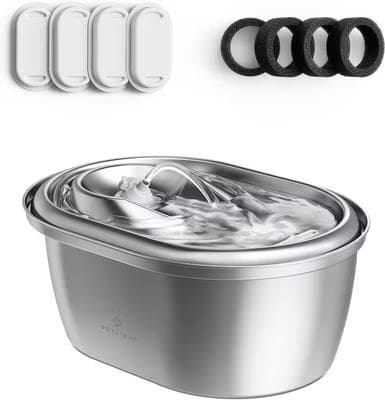
Dehydration is a leading driver of feline constipation, and many cats drink far more from moving water than a still bowl.
Webvet may earn a commission when you click through to Chewy, at no extra cost to you.
Most feline constipation is manageable and often preventable once you understand the role of water, diet, and the litter box. The cases to take seriously are the ones that keep coming back, come with vomiting, pain, or low energy, or involve any doubt about whether your cat is straining to poop or to urinate. If constipation shows up together with vomiting in cats, do not wait it out. When you are unsure, your veterinarian is the right call, and an exam that rules out something serious is always worth it.
Sources
Reviewed by the Webvet Veterinarian Team
This guide is general information, not a diagnosis, and does not replace an exam by your veterinarian. If your pet is in distress, contact your vet or an emergency clinic right away.