Cat symptom
Scooting (dragging the rear) in cats
Reviewed by the Webvet Veterinarian Team · Last reviewed June 22, 2026
Dragging the bottom along the floor usually means irritation around the rear end — most often full or infected anal glands, but sometimes worms or itchy skin.
Common causes of scooting (dragging the rear) in cats
- Full, impacted, or infected anal glands
- Tapeworms or other parasites
- Itchy, inflamed skin around the rear (allergies)
- Residue or matted fur after diarrhea
Who's most at risk
- Small breeds (anal gland issues)
- Overweight pets
- Pets with allergies or recurrent soft stool
- Pets overdue for deworming
What you can do at home
- Check for visible worms or matted/dirty fur and keep the area clean
- Keep up parasite prevention
- Don't try to express the anal glands yourself unless shown how — you can cause injury
When to see a vet
- Swelling, a foul smell, or a draining sore beside the anus (abscess)
- Licking, pain, or bleeding at the rear
- Scooting that continues despite a clean, parasite-free rear
- Visible worms or rice-like segments
When it's more serious
- That suggests an anal gland abscess — painful and needs treatment soon.
- Pain or bleeding at the rear should be checked by your vet.
What your vet may do
- Check and express the anal glands
- Treat an anal gland infection or abscess
- Deworm if parasites are found
- Address underlying allergies or stool consistency
Questions to ask your vet
- Are the anal glands the problem?
- Do they need deworming?
- How often will the glands need attention?
- Could an allergy be driving this?

Frequently asked questions
What causes scooting (dragging the rear) in cats?
Dragging the bottom along the floor usually means irritation around the rear end — most often full or infected anal glands, but sometimes worms or itchy skin. Common causes include: Full, impacted, or infected anal glands; Tapeworms or other parasites; Itchy, inflamed skin around the rear (allergies); Residue or matted fur after diarrhea.
Is scooting (dragging the rear) in cats an emergency?
Book a veterinary visit soon. See a vet right away if: Swelling, a foul smell, or a draining sore beside the anus (abscess); Licking, pain, or bleeding at the rear; Scooting that continues despite a clean, parasite-free rear; Visible worms or rice-like segments.
What can I do at home for a cat with scooting (dragging the rear)?
Check for visible worms or matted/dirty fur and keep the area clean. Keep up parasite prevention. Don't try to express the anal glands yourself unless shown how — you can cause injury.
A closer look at scooting in cats
When a cat drags its rear end across the floor, it is trying to relieve an itch, an ache, or an irritation somewhere around the tail base and anus. Scooting is far less common in cats than in dogs, so a cat that suddenly starts doing it is worth paying attention to rather than laughing off. The single most useful thing you can do is check the rear for stuck stool or a tapeworm segment, keep the area clean, stay current on parasite prevention, and book a vet visit if the behavior keeps up, because a cat rarely scoots without a real reason behind it.
- 1Scooting is a symptom of rear-end discomfort, not a diagnosis in itself.
- 2Because cats scoot less than dogs, repeated scooting more often points to a genuine problem such as anal gland trouble, tapeworms, or itchy skin.
- 3Rice-grain segments near the tail or in bedding usually mean tapeworms and call for the correct deworming medication from your vet.
- 4Do not try to squeeze or express the anal glands yourself; done wrong it causes pain and injury.
- 5See your vet promptly for swelling, a foul smell, a draining sore beside the anus, bleeding, or scooting that continues after the area is clean and parasite-free.
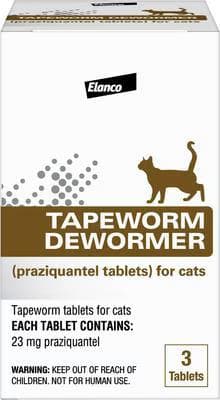
Rice-grain segments near the tail mean tapeworm. A praziquantel dewormer is what clears it, and it is the same active vets use.
Webvet may earn a commission when you click through to Chewy, at no extra cost to you.
What scooting actually is in cats
Scooting is a behavior, not a disease. A cat sits down, tucks the back legs forward, and pulls itself along the carpet or a rough surface using the front legs. The motion is an instinctive attempt to scratch or relieve pressure in the perianal area, the ring of skin and tissue around the anus. Cats are fastidious groomers, so a cat that resorts to the floor is usually telling you the discomfort is beyond what a normal tongue-bath can fix. You will often see it paired with excessive licking or biting under the tail, a hunched posture when passing stool, or a cat that suddenly turns to inspect its own rear.

The tissue back there is dense with nerve endings, which is exactly why a small problem can feel very big to a cat. Two small scent sacs called anal glands sit just inside the anus at roughly the four and eight o'clock positions. Normally they empty a few drops of oily, strong-smelling fluid each time your cat passes a firm stool. When that drainage is interrupted, or when parasites, allergies, or leftover residue inflame the skin, the area itches or aches and the cat looks for relief the only way it can.
Why scooting deserves a closer look in cats than in dogs
Dog owners see scooting so often that it has become a bit of a joke, but the picture is different for cats. Healthy cats rarely have anal gland problems, and their grooming habits keep the rear clean most of the time. So when a cat scoots, the behavior stands out against that baseline and is more likely to reflect something that genuinely needs addressing. Cats are also masters at hiding discomfort, an evolutionary holdover from being both predator and prey. A cat will often carry on eating, sleeping, and purring while quietly dealing with an inflamed gland or an itchy tapeworm infestation, which means the scooting you notice may be one of the few outward clues you get.
That is the reassuring and the cautionary side of the same coin. Reassuring, because most causes of scooting are treatable and not emergencies. Cautionary, because a cat that scoots more than once or twice, or that keeps returning to the behavior over several days, has earned a proper look rather than a wait-and-see. Trust the contrast with your cat's normal self; if the rear suddenly becomes a focus of attention, something changed.
The usual suspects behind a scooting cat
A handful of problems account for the large majority of feline scooting. Full or infected anal glands top the list; when the fluid thickens or the sacs cannot drain, they swell and ache. Tapeworms are a classic cause and often the most visible, since the shed segments crawl around the anus and provoke intense itching. Itchy, inflamed skin from allergies, whether to fleas, food, or something in the environment, makes the whole rear region miserable. And plain residue counts too, especially after a bout of diarrhea or in a long-haired cat whose fur mats and traps stool near the tail.
| Likely cause | Other signs you might see | How urgent |
|---|---|---|
| Full or impacted anal glands | Licking under the tail, a fishy odor, sitting and scooting repeatedly | Routine vet visit |
| Anal gland infection or abscess | Swelling beside the anus, a foul smell, a draining sore, pain, low energy | See a vet soon |
| Tapeworms | Rice-grain segments near the tail or in bedding, occasional weight loss | Routine vet visit for deworming |
| Allergies or skin irritation | Itchy skin elsewhere, overgrooming, redness, hair loss | Routine vet visit |
| Stool residue or matted fur | Recent loose stool, dirty or clumped fur around the rear | Clean at home; vet if it persists |
Tapeworms deserve a special mention because owners can often spot the evidence themselves. The tell-tale sign is small, flat, white or cream segments that look like grains of rice or cucumber seeds, either stuck to the fur around the anus or dried in your cat's bedding. Cats usually pick up the common tapeworm by swallowing an infected flea while grooming, which is why flea control and deworming go hand in hand. You cannot deworm a cat effectively with a general store product aimed at other worms, so if you see those segments, that finding points your vet straight to the right medication.

How your vet pinpoints the cause
Vets approach a scooting cat by working from the outside in. The visit usually starts with a hands-on look at the rear, checking the skin for redness, matted fur, fleas, or the tapeworm segments described above. Next comes a gentle feel of the anal glands to judge whether they are full, impacted, or infected, which also tells your vet whether expressing them will bring immediate relief. A stool sample is common, since it can reveal tapeworm eggs or other intestinal parasites that are not visible to the naked eye. If the skin looks broadly itchy rather than just irritated at the anus, the conversation shifts toward allergies, and your vet may ask about diet, flea prevention, and whether your cat is grooming or losing hair elsewhere.
This is where being able to describe the whole picture helps. If you have also noticed patches of thinning fur or hair loss from overgrooming, or a run of soft stool, mention it, because those details often turn a puzzling case of scooting into a straightforward one. The more your vet knows about the pattern, the faster the right cause rises to the top.
What to expect at the visit and afterward
For simple anal gland fullness, treatment is often as quick as the exam. Your vet expresses the glands by hand, the pressure is relieved, and many cats stop scooting within a day or two. If the glands are infected or an abscess has formed, expect a bit more: your vet may clean and drain the area, prescribe antibiotics, and sometimes send home pain relief and a plan to keep the area clean while it heals. Never give your cat human pain medicines such as ibuprofen or acetaminophen; both are dangerous to cats and acetaminophen in particular can be fatal even in small amounts.
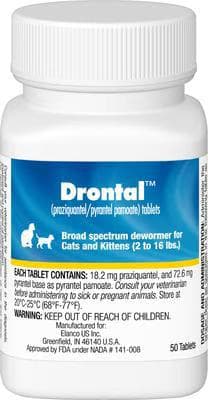
The prescription broad-spectrum dewormer that clears tapeworms, roundworms, and hookworms in one course.
Webvet may earn a commission when you click through to Chewy, at no extra cost to you.
If tapeworms are found, the fix is a specific deworming medication that dissolves the worm, usually paired with tightening up flea control so it does not simply happen again. When allergies are the driver, treatment is more of a process than a single appointment, and your vet may work through diet trials, flea prevention, and skin-soothing measures over a few weeks. Recovery for the everyday causes is generally excellent, and most cats return to their normal, dignified selves quickly once the underlying irritation is handled.

Lowering the odds it comes back
Prevention comes down to a few habits. Year-round flea control removes the main route to tapeworm infection and cuts down on flea-allergy itch at the same time. Keeping your cat at a healthy weight matters more than many owners realize, because overweight cats have a harder time draining their anal glands naturally and are more prone to recurring trouble. Firm, regular stools help the glands empty on their own, so a steady, appropriate diet and good hydration do quiet preventive work; if your cat swings between loose stool and constipation, that is worth raising with your vet, since stool consistency sits underneath a lot of rear-end problems. For long-haired cats, routine grooming around the tail keeps residue from building up in the first place.
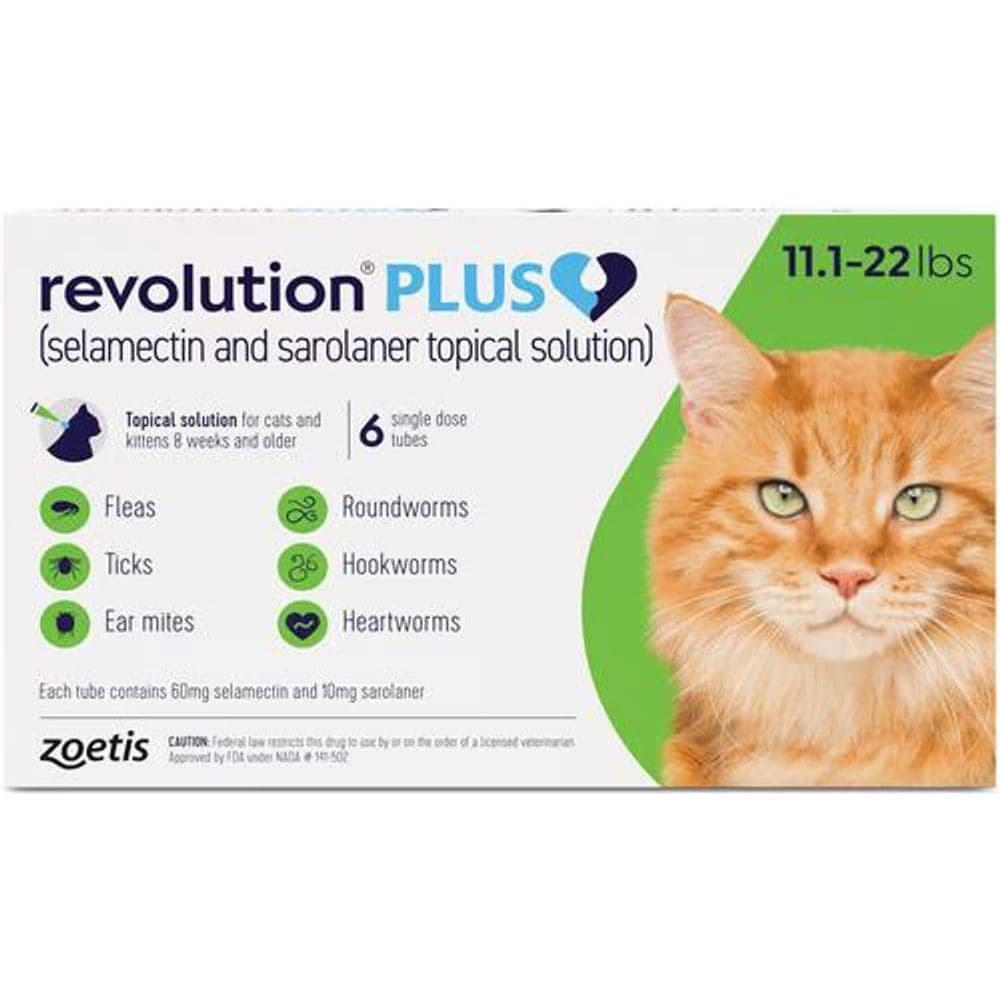
Monthly parasite prevention that covers fleas, and no fleas means no new tapeworm.
Webvet may earn a commission when you click through to Chewy, at no extra cost to you.
Make sure it is scooting, not straining
One important thing to rule out at home: be sure your cat is dragging its bottom on the floor rather than straining in or near the litter box. A cat that squats, strains, cries, and produces little or no urine is not scooting; it may be facing a urinary blockage, which is a life-threatening emergency in cats, especially in males. If you are seeing repeated trips to the litter box, straining with nothing coming out, or vocalizing while trying to go, treat it as urgent and read more about straining to urinate and call a vet immediately rather than waiting.

Cats catch tapeworm by swallowing fleas while grooming, so flea control is what breaks the cycle.
Webvet may earn a commission when you click through to Chewy, at no extra cost to you.
The bottom line for a scooting cat is calm attention rather than alarm. It is rarely an emergency, but because cats scoot so much less than dogs, it is also rarely nothing. Check and clean the rear, look for those rice-grain segments, keep parasite prevention current, and let your veterinarian sort out whether it is the glands, worms, allergies, or simple residue. This page offers general guidance to help you understand what you are seeing; it is not a diagnosis, and your vet's hands-on exam remains the fastest, safest route to a comfortable cat.
Sources
Reviewed by the Webvet Veterinarian Team
This guide is general information, not a diagnosis, and does not replace an exam by your veterinarian. If your pet is in distress, contact your vet or an emergency clinic right away.