Cat symptom
Hair loss or bald patches in cats
Reviewed by the Webvet Veterinarian Team · Last reviewed June 22, 2026
Thinning fur or bald spots. Often linked to itching and over-grooming, but some causes are hormonal and aren't itchy at all.
Common causes of hair loss or bald patches in cats
- Parasites (fleas, mange mites) and the scratching they cause
- Allergies and the resulting over-grooming (common in cats)
- Ringworm (a fungal infection — can spread to people)
- Hormonal or endocrine disease (hypothyroidism in dogs, Cushing's disease, or hyperthyroidism-related coat changes in cats)
Who's most at risk
- Pets with fleas or allergies
- Young, old, or immunocompromised pets (ringworm)
- Breeds prone to hormonal disease
- Multi-pet homes (contagious causes)
What you can do at home
- Maintain flea prevention and avoid known allergens where possible
- Don't share bedding/brushes between pets until ringworm is ruled out
- Photograph the patches over time to show your vet the progression
When to see a vet
- Spreading bald patches, redness, or sores
- Hair loss with weight, energy, or thirst changes (possible hormonal disease)
- Anyone in the household develops a circular, itchy rash (possible ringworm)
When it's more serious
- Spreading or inflamed patches need a vet workup soon.
- Hair loss with these signs can signal hormonal disease — ask about bloodwork.
- That can indicate ringworm spreading to people — see your vet and your doctor.
What your vet may do
- Skin exam, a fungal (ringworm) test, and cytology
- Check for parasites and skin infection
- Bloodwork if a hormonal cause is suspected
- Treat the specific cause; isolate if ringworm
Questions to ask your vet
- Could this be ringworm — and is it contagious to us?
- Is a hormonal disease possible?
- What testing makes sense first?
- How long until the coat recovers?

Frequently asked questions
What causes hair loss or bald patches in cats?
Thinning fur or bald spots. Often linked to itching and over-grooming, but some causes are hormonal and aren't itchy at all. Common causes include: Parasites (fleas, mange mites) and the scratching they cause; Allergies and the resulting over-grooming (common in cats); Ringworm (a fungal infection — can spread to people); Hormonal or endocrine disease (hypothyroidism in dogs, Cushing's disease, or hyperthyroidism-related coat changes in cats).
Is hair loss or bald patches in cats an emergency?
Book a veterinary visit soon. See a vet right away if: Spreading bald patches, redness, or sores; Hair loss with weight, energy, or thirst changes (possible hormonal disease); Anyone in the household develops a circular, itchy rash (possible ringworm).
What can I do at home for a cat with hair loss or bald patches?
Maintain flea prevention and avoid known allergens where possible. Don't share bedding/brushes between pets until ringworm is ruled out. Photograph the patches over time to show your vet the progression.
A closer look at hair loss and bald patches in cats
When a cat starts losing hair, the single most useful thing you can do is figure out whether the fur is falling out on its own or whether your cat is pulling it out. Most feline hair loss traces back to itching and over-grooming, usually driven by fleas, allergies, or a skin infection, and the fur itself is rarely the real problem. It is a signal. The bald patch is your cat telling you that something on or under the skin is uncomfortable, and occasionally that something inside the body has shifted. The good news is that hair loss is almost never an emergency, and with the right diagnosis the coat usually grows back.
- 1Cats rarely go bald without a reason; itching, over-grooming, parasites, and skin infection lead the list.
- 2Symmetrical thinning on the belly, inner thighs, or in a strip along the back near the tail usually points to over-grooming, and flea allergy is the classic trigger.
- 3Ringworm is a fungal infection that can spread to people and other pets, so any suspicious patch should be tested before you share bedding or brushes.
- 4Hair loss paired with weight, appetite, thirst, or energy changes can signal a hormonal disease and deserves bloodwork.
- 5Hair loss is a routine concern, not an emergency, but a spreading, red, or sore patch should be seen by your vet soon.

Gentle glove wipes help you keep skin and coat clean while the underlying cause gets treated.
Webvet may earn a commission when you click through to Chewy, at no extra cost to you.
Shedding or true hair loss? How to tell the difference
Every healthy cat sheds, and seasonal shedding can look alarming when tufts of undercoat come away on your hands or collect on the sofa. Normal shedding is diffuse and even, it leaves the coat thinner but never bare, and the skin underneath looks clean and healthy. True hair loss, which vets call alopecia, is different. You can see skin. Part the fur and look for a patch where hair is genuinely missing rather than just thin, and check whether the edges are broken and stubbly or smooth and clean. Stubbly, broken hairs are a clue that your cat has been licking or chewing the fur off, while a clean bald patch with no broken shafts more often means the hair fell out at the root, which points toward a hormonal or follicular cause.
Location matters just as much as texture. Cats groom with their tongues, so the patches they create tend to sit exactly where the tongue can reach: the belly, the inner and back of the thighs, the flanks, and the forelegs. Owners often describe a neat strip of missing fur running down the lower back toward the base of the tail, or a bald belly that looks almost shaved. Because cats are private, meticulous groomers, you may never catch them in the act, which is why so many owners are convinced the hair is simply falling out when in fact their cat has been quietly barbering it off.

The most common reasons cats lose hair
Fleas and flea allergy top the list, and they do so even in cats you never see scratching. A single flea bite can set off an allergic reaction in a sensitized cat, and the itch drives the over-grooming that strips the fur, classically along the back and around the tail base. Other allergies, to food or to something in the environment such as pollen or dust, produce the same over-grooming pattern and often come with persistent itching. Mites, including the ones that cause mange and ear mites, irritate the skin directly. Ringworm, despite the name, is a fungal infection rather than a worm, and it attacks the hair shaft to leave crusty, circular bald patches, most often on the face, ears, and paws. Skin infections with bacteria or yeast frequently ride along on top of any of these, adding redness, odor, and more itch.
Beyond the skin, hormonal and internal diseases can cause a cat's coat to thin or fall out, and these are the causes you do not want to miss. An overactive thyroid, common in older cats, can leave the coat unkempt, greasy, or thin, and it usually travels with a big appetite, restlessness, and unexplained weight loss. Cushing's disease and, occasionally, diabetes can also affect the coat and skin. Stress and anxiety deserve their own mention, because some cats respond to boredom, conflict with another pet, a move, or a change in routine by grooming themselves raw, a pattern vets call psychogenic alopecia. Pain from arthritis or a bladder problem can trigger the same focused licking over the sore spot, so a bald belly is sometimes the first hint of a problem that has nothing to do with the skin at all.
| Likely cause | Other signs you might notice | How urgent |
|---|---|---|
| Flea allergy or fleas | Itching, scabs, a strip of hair loss along the back and tail base | Routine, but treat and prevent fleas promptly |
| Food or environmental allergy | Over-grooming, bald belly and thighs, recurring skin or ear infections | Routine; needs a vet workup to pin down the trigger |
| Ringworm (fungal) | Circular crusty patches on face, ears, or paws; broken hairs | Routine but contagious to people and pets; test and isolate |
| Overactive thyroid or hormonal disease | Weight loss, big appetite, thirst or energy changes, unkempt coat | Routine but see your vet soon for bloodwork |
| Stress-related over-grooming | Symmetrical hair loss, no rash, a recent change at home | Routine; rule out medical causes first |
Over-grooming: the cause cats are famous for hiding
Cats normally spend a large share of their waking hours grooming, so it is easy to miss the moment when tidy grooming tips over into compulsive licking. Over-grooming produces a very recognizable pattern: fur missing in places the tongue can reach, edges of broken and stubbly hair, and skin that often looks surprisingly normal underneath because the cat has removed the hair without breaking the surface. The trap owners fall into is assuming that a calm, otherwise happy cat with a bald belly must have a purely behavioral problem. In reality, an itch from fleas or allergies is the most common driver, and true stress-only over-grooming is diagnosed only after medical causes have been ruled out. That order matters, because treating anxiety in a cat that actually has a flea allergy will never fix the coat.

When stress genuinely is the culprit, the triggers are usually understandable from a cat's point of view: a new pet or baby, a house move, building work, a change in the litter box or feeding routine, or tension with another cat in the home. These cats groom to soothe themselves, much as a person might bite their nails. Enriching the environment with vertical space, hiding spots, predictable routines, and play can help enormously, but it works best alongside a vet who has first confirmed there is no parasite, infection, or pain fueling the habit.
When hair loss points to something internal
Some of the most important causes of hair loss are not itchy at all, and they are the reason your vet will ask about far more than the skin. When an older cat's coat becomes thin, dull, or greasy alongside a ravenous appetite yet a shrinking waistline, an overactive thyroid moves near the top of the list. When hair loss comes with drinking and urinating more, diseases such as diabetes or Cushing's come into view. These conditions do not cause the frantic scratching of a flea allergy; instead the coat quietly deteriorates while the real trouble sits in the bloodstream. This is exactly why hair loss combined with any change in weight, thirst, energy, or appetite should prompt a vet visit and bloodwork rather than a wait-and-see approach at home.
How vets pinpoint the cause
A good workup for hair loss is methodical, and understanding the sequence takes the mystery out of the appointment. Your vet starts with a detailed history and a hands-on skin exam, noting the pattern, the texture of the hair edges, and any redness, scabs, or odor. From there they reach for a handful of quick, low-stress tests. A flea comb and a check for flea dirt look for parasites, a fungal test screens for ringworm, and skin cytology, where cells are collected on a slide and examined under the microscope, reveals bacteria, yeast, and inflammatory cells. If the pattern or the accompanying signs suggest a hormonal cause, bloodwork checks the thyroid and screens for diabetes and other internal disease. Each test rules a bucket in or out, which is how a vet turns a vague bald patch into a specific, treatable diagnosis.
What to expect at the vet visit and afterward
Treatment follows the diagnosis, so the visit is less about the fur and more about the cause underneath it. If parasites are found, your vet will start effective, vet-approved flea or mite control and may recommend treating every animal in the home. Allergies are managed by identifying and reducing the trigger where possible and by controlling the itch so the skin can heal. Ringworm calls for antifungal treatment and sensible isolation to protect people and other pets. A hormonal disease such as an overactive thyroid is treated in its own right, and the coat improves as the underlying condition comes under control. Secondary skin infections are cleared with the appropriate medication your vet prescribes.


A prescription monthly topical for cats covering fleas, mites, and more, worth asking about when over-grooming has a parasite cause.
Webvet may earn a commission when you click through to Chewy, at no extra cost to you.
Recovery asks for patience. Once the cause is under control the itch and over-grooming usually settle within days to a couple of weeks, but visible regrowth follows the hair cycle and can take several weeks to a few months to fill in, and new fur sometimes grows back a slightly different shade before it normalizes. Ringworm in particular can need weeks of treatment and repeat testing before it is declared resolved. The reassuring part is that most feline hair loss is fully reversible once the right problem is being treated.
How to help at home safely
The safest home care supports the coat without masking the problem your vet needs to see. A balanced, complete diet appropriate for your cat's life stage supports healthy skin and fur, and if your vet suspects a food allergy they may guide you through a proper elimination trial rather than a random food swap. Gentle, regular brushing removes loose hair and lets you monitor the skin, and reducing stress with predictable routines, vertical perches, and play helps the cats who over-groom for comfort. What matters most is not scrubbing, medicating, or dieting on your own, but partnering with your vet so the coat recovers because the cause was fixed.
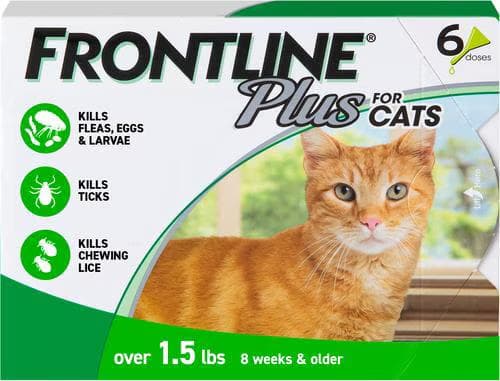
Over-grooming from flea allergy is the most common reason a cat strips its own fur. Rule fleas out first, even indoors.
Webvet may earn a commission when you click through to Chewy, at no extra cost to you.
How to lower the risk of future hair loss
You cannot prevent every cause, but you can tilt the odds heavily in your cat's favor. Year-round, vet-recommended flea prevention removes the most common trigger, and it matters even for strictly indoor cats, because fleas hitch rides on shoes, other pets, and clothing. Keeping bedding clean, addressing any allergies early with your vet, and feeding a complete, balanced diet all support a resilient coat. For anxious cats, a stable routine and an enriched environment reduce stress-driven grooming. Perhaps most valuable of all, routine wellness visits, especially for senior cats, catch hormonal diseases like an overactive thyroid before the coat is the only clue, which means faster treatment and a quicker return to a full, glossy coat.

When to stop watching and call the vet
Hair loss in cats is a routine rather than an emergency concern, but a few situations mean you should book a visit rather than keep waiting. Bald patches that are spreading, red, sore, or crusted, hair loss that comes with changes in weight, thirst, appetite, or energy, and any sign that a circular itchy rash has appeared on a person in the household all warrant a vet appointment soon. Sudden, patchy fur loss in an otherwise off-color cat is also worth checking promptly. When in doubt, your vet would far rather see a minor skin problem early than a stubborn one that has been left to spread. A bald patch is a message from your cat, and the sooner it is read correctly, the sooner the coat comes back.
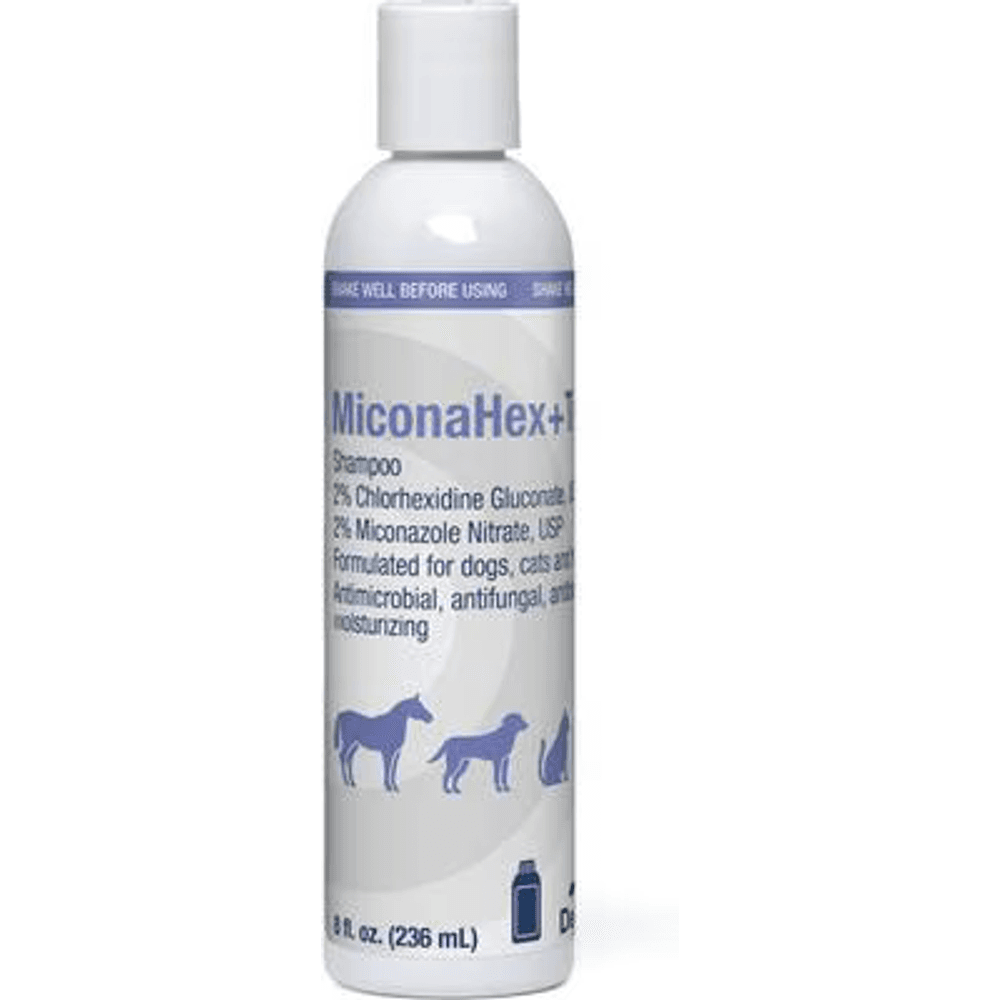
A medicated antifungal shampoo vets use alongside ringworm treatment. Only on your vet's direction, and never as a substitute for a fungal culture.
Webvet may earn a commission when you click through to Chewy, at no extra cost to you.
Sources
Related reading from Webvet
Reviewed by the Webvet Veterinarian Team
This guide is general information, not a diagnosis, and does not replace an exam by your veterinarian. If your pet is in distress, contact your vet or an emergency clinic right away.