Cat symptom
Itching or scratching in cats
Reviewed by the Webvet Veterinarian Team · Last reviewed June 22, 2026
Frequent scratching, licking, chewing, or rubbing. Itch is very common and usually treatable, but constant scratching can damage the skin and cause infection.
Common causes of itching or scratching in cats
- Fleas or other parasites (mites, lice)
- Allergies (fleas, food, or environmental/atopy)
- Skin infections (bacterial or yeast)
- Dry skin or contact irritants
Who's most at risk
- Pets without year-round flea control
- Breeds prone to allergies (atopy)
- Warm, humid seasons
- Pets with food sensitivities
What you can do at home
- Keep up year-round, vet-recommended flea control for all pets in the home
- Bathe with a gentle, pet-formulated shampoo if your vet advises
- Stop the licking/chewing from worsening (a recovery collar can help short-term)
When to see a vet
- Hair loss, sores, scabs, or a bad smell
- The itch is intense, sudden, or not improving
- Signs of skin infection (redness, swelling, discharge)
When it's more serious
- Sudden swelling or hives can be an allergic reaction — seek care urgently.
- Skin damage or odor suggests infection — book a vet visit soon.
- Relentless itch is miserable and damages skin — your vet can give fast relief.
What your vet may do
- Skin exam, flea check, and skin cytology
- Tests for mites, yeast, or bacterial infection
- Treat any infection and control the itch with medication
- Work up allergies — flea, food, or environmental
Questions to ask your vet
- Is there a skin infection that needs treating?
- Could this be a flea, food, or environmental allergy?
- What's the safest way to stop the itch now?
- What long-term plan prevents flare-ups?

Frequently asked questions
What causes itching or scratching in cats?
Frequent scratching, licking, chewing, or rubbing. Itch is very common and usually treatable, but constant scratching can damage the skin and cause infection. Common causes include: Fleas or other parasites (mites, lice); Allergies (fleas, food, or environmental/atopy); Skin infections (bacterial or yeast); Dry skin or contact irritants.
Is itching or scratching in cats an emergency?
Book a veterinary visit soon. See a vet right away if: Hair loss, sores, scabs, or a bad smell; The itch is intense, sudden, or not improving; Signs of skin infection (redness, swelling, discharge).
What can I do at home for a cat with itching or scratching?
Keep up year-round, vet-recommended flea control for all pets in the home. Bathe with a gentle, pet-formulated shampoo if your vet advises. Stop the licking/chewing from worsening (a recovery collar can help short-term).
A closer look at itching and scratching in cats
A cat who scratches, licks, chews, or rubs far more than usual is almost always telling you that something on the skin feels wrong, and in the great majority of cases it is caused by parasites, allergies, or a skin infection rather than anything sinister. The single most important thing to understand is that itch is a symptom, not a diagnosis: the scratching is real and treatable, but relief only lasts when your veterinarian finds and fixes the underlying reason. This overlay explains what is happening beneath the fur, how vets narrow down the cause in cats specifically, and how to keep your cat comfortable and safe while you get answers.
- 1Persistent itch in cats is usually parasites, allergies, or a skin infection, and it is worth a vet visit rather than home guesswork.
- 2Fleas are the number one cause even in strictly indoor cats, so year-round, vet-recommended flea control is the first step for every pet in the home.
- 3Cats often show itch as over-grooming and barbering rather than obvious scratching, so thinning fur or a pattern of licked-bare skin still counts.
- 4Never give a cat human anti-itch or pain medicines: many, including common human painkillers, are toxic to cats.
- 5Sudden facial swelling, hives, or distress is a different and urgent problem that needs same-day care.

Glove wipes freshen irritated skin and coat between baths, which most cats will not tolerate anyway.
Webvet may earn a commission when you click through to Chewy, at no extra cost to you.
What is actually happening when your cat won't stop scratching
The medical word for itch is pruritus, and it is produced when nerve endings in the skin are irritated and fire signals to the brain that say scratch here. Anything that inflames the skin can trip those nerves: a flea bite, an allergic reaction, a bacterial or yeast overgrowth, dry flaky skin, or contact with an irritant. Every cat also has an itch threshold, a point at which irritation finally spills over into scratching. That is why two mild problems together, say a slight allergy plus a few fleas, can suddenly push a cat into frantic, round-the-clock scratching, and why treating just one cause can bring surprising relief.
The catch with cats is that they are quiet, private groomers, so the itch is easy to miss. Instead of the obvious hind-leg scratching you would see in a dog, many itchy cats over-groom, licking and nibbling a patch of fur so persistently that the coat thins or the skin becomes a bald, sometimes stubbly stripe. Owners often call this barbering. Because cats groom in private and swallow the evidence, the first clue may simply be a symmetrical thin patch on the belly, the inner thighs, or along the back near the tail. Some cats also develop crusty little bumps scattered over the skin, a pattern vets call miliary dermatitis that feels like grains of sand when you stroke them and is very commonly linked to fleas or allergies.
The usual suspects behind a cat's itch
Fleas top the list. A cat does not need to be crawling with them to be miserable, because many cats develop flea allergy dermatitis, an allergic reaction to flea saliva so intense that a single bite can set off days of itching. That is why you can search the coat, find no live fleas, and still be looking at a flea problem. The three big allergy groups in cats are flea allergy, food allergy, and environmental allergy, also called atopy, which is a reaction to everyday things like pollen, dust mites, or mold. Our guide to allergies in cats breaks down how these differ. On top of allergies and parasites come skin infections, usually bacteria or yeast that move in once scratching has broken the skin barrier, plus mites, ringworm (a fungus, not a worm), and less often stress-driven overgrooming. Untangling which of these is at work is exactly the job the vet visit is built to do.

| Likely cause | Other signs you might notice | How urgent |
|---|---|---|
| Fleas or flea allergy | Black flea dirt near the tail base, scabby bumps, itch focused on the back half | Routine, but start vet-advised flea control now |
| Food allergy | Year-round itch, often around the face, neck, and ears, sometimes loose stool | Routine, needs a vet-guided food trial |
| Environmental allergy (atopy) | Seasonal or worsening itch, over-grooming, recurrent ear or skin flare-ups | Routine, plan a longer-term management strategy |
| Skin infection (bacteria or yeast) | Redness, odor, discharge, sores that will not heal | See a vet soon to treat before it spreads |
| Sudden facial swelling or hives | Puffy face, welts, drooling, trouble settling or breathing | Emergency, seek same-day care |
Why indoor cats itch too
It is one of the most common questions owners ask: my cat never goes outside, so how can this be fleas or allergies? Fleas travel indoors on shoes, on other pets, and on secondhand furniture, and they thrive in the warm, stable climate of a heated home, so a strictly indoor cat is far from immune. Environmental allergens live indoors as well. House dust mites, mold spores, and pollen drifting through open windows are classic triggers for feline atopy, and litter dust, cleaning sprays, and new fabrics can act as contact irritants. Indoor life lowers some risks but does not switch off the itch. If the skin looks red, greasy, or smells off, an infection may have taken hold on top of the original problem, and our guide on spotting a skin infection in cats explains when that is likely and why it needs treating in its own right.
How vets pinpoint the cause in cats
A good dermatology work-up is methodical, and it helps to know the sequence. Your vet will start with a full skin exam, noting where the itch and any hair loss fall on the body, since the pattern itself is a clue. They will comb for fleas and flea dirt, then usually take quick, low-stress samples in the room: skin cytology, where a smear is stained to reveal bacteria and yeast, and skin scrapings or plucked hairs examined under the microscope for mites. A special ultraviolet lamp or a fungal culture may be used to check for ringworm. These simple tests often explain the itch in a single visit.
Allergies take longer to confirm because they are diagnosed partly by ruling other things out. If a food allergy is on the table, your vet will typically guide you through a strict elimination diet trial, feeding a special limited-ingredient or hydrolyzed food and nothing else for roughly eight to twelve weeks to see if the itch settles. Environmental allergy is often diagnosed once fleas, food, and infection have been addressed and the seasonal or persistent pattern remains. Because the ears share the same allergic and mite-driven causes as the skin, an itchy cat who is also pawing at the ears may need those checked at the same time, something we cover in our piece on cats scratching their ears. Patience during this stage pays off, because a rushed guess usually means the itch comes straight back.

What to expect at the vet visit and beyond
Treatment usually runs on two tracks at once: calm the itch quickly so your cat stops damaging the skin, and treat the root cause so it does not come roaring back. For fast relief your vet may prescribe anti-itch medication and treat any bacterial or yeast infection they find. Alongside that comes the targeted plan, which might be a rigorous flea-control regimen for the whole household, a food trial, or a longer-term strategy for environmental allergy. Many cats feel dramatically more comfortable within days once the right treatment starts, though allergy management is often about good control over time rather than a one-and-done cure.
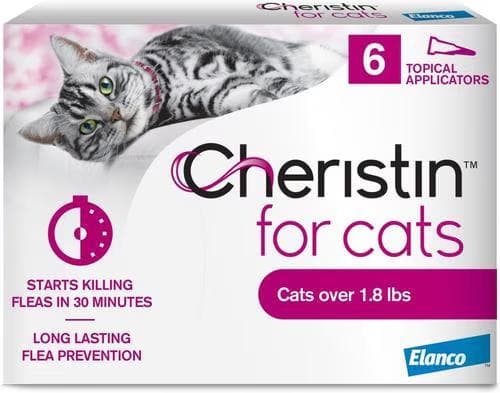
A monthly spot-on developed specifically for cats, another route to the year-round flea control that rules out the top cause of itch.
Webvet may earn a commission when you click through to Chewy, at no extra cost to you.
On recovery and cost, it helps to set realistic expectations. A straightforward flea or infection case is often resolved with an exam plus medication and a recheck. Allergy cases ask for more of an investment of time, because the diet trial and follow-up visits stretch over weeks, and there may be repeat visits to fine-tune the plan. The payoff is a cat who is no longer scratching themselves raw. If the itch has already cost your cat patches of fur, you may want to read about hair loss in cats, since the coat usually grows back once the underlying itch is controlled and the skin is given time to heal.
How to help at home safely
While you arrange a vet visit, your goal is to keep your cat comfortable and stop the scratching from doing more damage. Make sure every pet in the home is on year-round, vet-recommended flea control, since treating only the itchy cat leaves fleas cycling through the household. If your vet has advised it, a gentle, cat-formulated shampoo can soothe the skin, but never assume a product made for dogs or people is safe for a cat. To break the scratch-and-damage cycle on a raw spot, a soft recovery collar or a light body suit used short-term can protect the skin while it heals. Keep a simple log of when the itch flares, what your cat ate, and any new products in the home, because those notes can be genuinely useful to your vet.
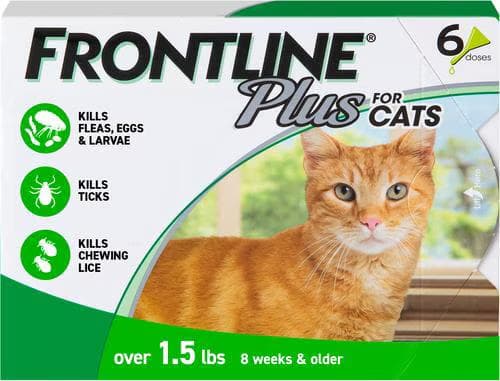
Flea allergy is the top cause of feline itch, and indoor-only cats still get fleas. Year-round control comes before any allergy workup.
Webvet may earn a commission when you click through to Chewy, at no extra cost to you.

How to lower the risk of the next flare-up
The most reliable way to prevent itch is to remove its most common trigger, so consistent year-round flea prevention for every pet in the home is the foundation, not a seasonal afterthought. For allergy-prone cats, prevention looks like sticking to the diet your vet settled on, reducing indoor allergens where you can with regular cleaning and dust control, and catching flare-ups early before the skin becomes infected. Regular gentle grooming lets you spot flea dirt, scabs, or thinning fur while a problem is still small. Because itch and coat changes travel together, it is worth keeping an eye on any developing bald patches as well, which you can read about on our cat hair loss symptom guide. Steady, boring consistency with prevention beats scrambling to treat a full-blown flare every few months.

Comb the rump and tail base and look for black flea dirt. It is the fastest way to confirm fleas before you see the vet.
Webvet may earn a commission when you click through to Chewy, at no extra cost to you.
Itching is one of the most common reasons cats see the vet, and it is also one of the most fixable once the cause is clear. If your cat is scratching, over-grooming, or losing fur, you are not overreacting by asking for help. Start flea control for the whole household today, skip the human remedies, and let your veterinarian do the detective work. With the right plan, the vast majority of itchy cats get comfortable again and stay that way.
Sources
Related reading from Webvet
Reviewed by the Webvet Veterinarian Team
This guide is general information, not a diagnosis, and does not replace an exam by your veterinarian. If your pet is in distress, contact your vet or an emergency clinic right away.