Cat symptom
Dandruff or flaky skin in cats
Reviewed by the Webvet Veterinarian Team · Last reviewed June 22, 2026
White flakes and dry, scaly skin. Often from dry air, poor grooming, or diet — but it can also point to parasites (including 'walking dandruff' mites), allergies, or skin disease.
Common causes of dandruff or flaky skin in cats
- Dry indoor air or low-humidity seasons
- Skin mites (cheyletiella, 'walking dandruff')
- Allergies or skin infection
- A diet low in essential fatty acids; over- or under-grooming
Who's most at risk
- Dry-air seasons and homes
- Overweight or arthritic pets that can't groom well
- Pets with allergies
- Young or group-housed pets (mites)
What you can do at home
- Brush regularly to distribute natural oils
- Ask your vet about omega-3 supplements or a skin-support diet
- Keep up parasite prevention
When to see a vet
- Flakes with itching, hair loss, redness, or sores
- Flakes that seem to 'move' (possible mites — can spread to people)
- No improvement with grooming and diet
- An older cat grooming less and looking unkempt (can signal illness)
When it's more serious
- That can be 'walking dandruff' mites, which spread to people — see your vet.
- Flaky skin with these signs needs a vet workup for the cause.
What your vet may do
- Skin exam and tests for mites, yeast, or infection
- Check for an underlying allergy or disease
- Recommend diet, supplements, or a medicated shampoo
- Treat parasites if found
Questions to ask your vet
- Could this be mites, and are they contagious?
- Would a diet or supplement change help?
- Is there an underlying skin condition?
- Which shampoo is right for my pet?

Frequently asked questions
What causes dandruff or flaky skin in cats?
White flakes and dry, scaly skin. Often from dry air, poor grooming, or diet — but it can also point to parasites (including 'walking dandruff' mites), allergies, or skin disease. Common causes include: Dry indoor air or low-humidity seasons; Skin mites (cheyletiella, 'walking dandruff'); Allergies or skin infection; A diet low in essential fatty acids; over- or under-grooming.
Is dandruff or flaky skin in cats an emergency?
Book a veterinary visit soon. See a vet right away if: Flakes with itching, hair loss, redness, or sores; Flakes that seem to 'move' (possible mites — can spread to people); No improvement with grooming and diet; An older cat grooming less and looking unkempt (can signal illness).
What can I do at home for a cat with dandruff or flaky skin?
Brush regularly to distribute natural oils. Ask your vet about omega-3 supplements or a skin-support diet. Keep up parasite prevention.
A closer look at dandruff and flaky skin in cats
A little dandruff on a cat is common and usually harmless, but a sudden increase in white flakes is your cat telling you that something has changed. In most cats the cause is simple: dry indoor air, a coat that is not getting enough natural oil, or a spot your cat can no longer reach to groom. The flakes themselves do not hurt, yet the reason behind them sometimes does, so persistent or worsening dandruff is worth a closer look rather than a quick brush and a shrug.
- 1Occasional flakes are normal; a sudden increase, especially with itching or hair loss, is the part worth watching.
- 2Flakes along the lower back and base of the tail often mean your cat cannot groom there, a clue to weight, joint, or dental pain.
- 3Cheyletiella mites, known as walking dandruff, are contagious to other pets and to people, so moving flakes deserve a vet visit.
- 4Dry air and a diet low in omega fatty acids are the most common everyday causes and the easiest to fix.
- 5Dandruff plus weight loss, increased thirst, or a greasy, unkempt coat can point to an internal illness and needs a workup.
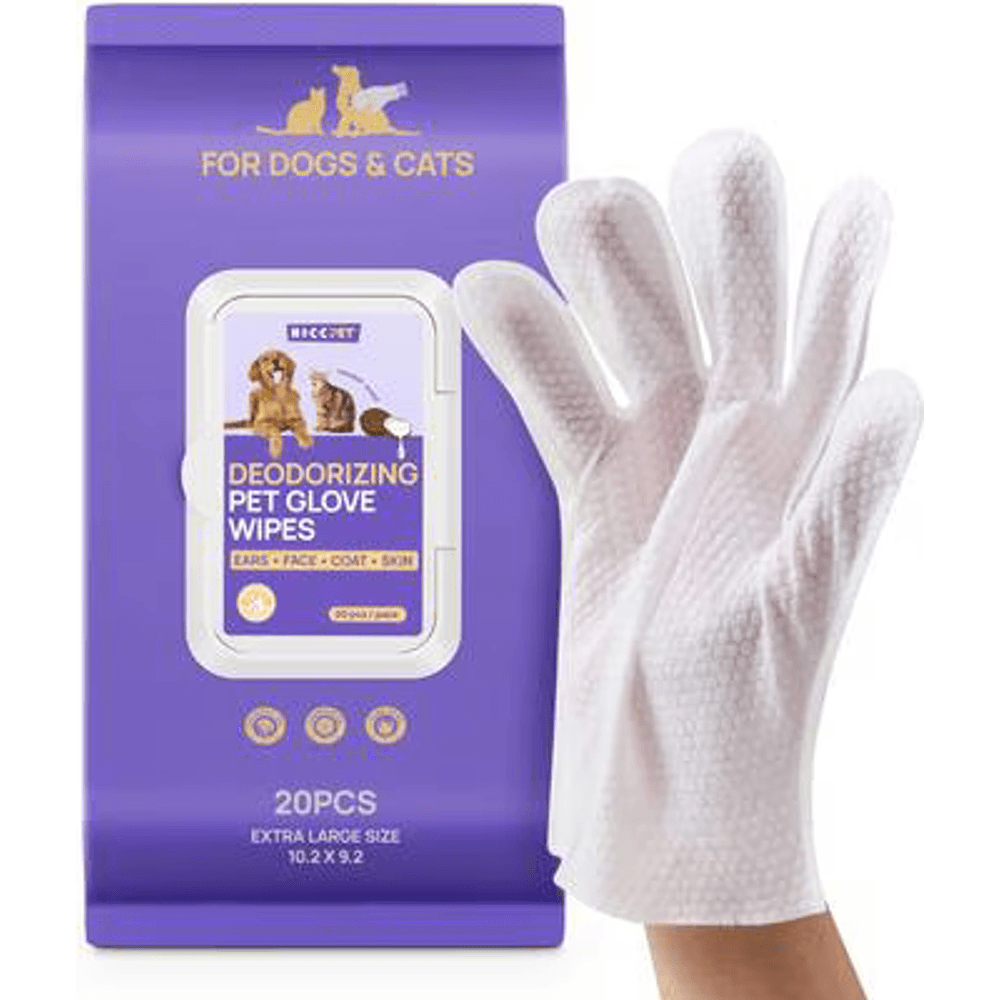
Flakes along the back often mean a cat cannot reach to groom there. Glove wipes let you help without a full bath, which most cats hate.
Webvet may earn a commission when you click through to Chewy, at no extra cost to you.
What dandruff actually is in cats
Cat skin renews itself constantly. Older skin cells rise to the surface, die, and flake away, and a healthy cat sheds these microscopically small pieces without you ever noticing. Dandruff becomes visible when that shedding speeds up, or when the flakes clump into white specks, usually because the skin has turned too dry, too oily, or irritated. Grooming is the other half of the equation. A cat's rough tongue works like a comb, lifting away dead skin and spreading protective oils from glands at the base of each hair. When grooming falls behind, or when the skin produces flakes faster than the tongue can clear them, the dandruff you see is simply the backlog.

Because the flakes are a symptom rather than a disease, the useful question is never just how to brush them away but why they appeared now. Season, age, weight, diet, parasites, and underlying health all feed into it, and cats are famous for hiding the deeper reasons behind a coat that looks merely untidy. That is why vets treat a change in the coat as information, not just a cosmetic nuisance.
The back-and-tail clue every cat owner should know
Where the flakes sit on your cat's body is one of the most telling things you can read at home. Dandruff scattered evenly across a young, slim cat usually points to dry air or diet. Dandruff concentrated along the lower spine and the base of the tail, the exact zone a cat has to twist around to reach, usually points to a grooming problem. If your cat cannot comfortably reach back there, dead skin piles up in precisely that strip.
Three hidden issues most often sit behind that pattern. Extra weight makes twisting to groom the hindquarters physically hard. Arthritis, common in cats older than about seven and easy to miss because cats rarely limp, makes the same motion painful. And dental pain can quietly discourage a cat from grooming at all, because a sore mouth makes the licking and nibbling of self-cleaning unpleasant. None of these announce themselves loudly, which is exactly why a tidy-looking cat with a flaky lower back is worth mentioning to your vet even when nothing else seems wrong.
Walking dandruff and other parasites
One cause earns special attention because it spreads. Cheyletiella mites, nicknamed walking dandruff, live on the skin surface and are large enough that the flakes themselves can appear to crawl as the mites move underneath. These mites pass easily between cats, dogs, and rabbits, and they can cause an itchy rash on people in the household. So if someone at home develops mysterious itchy bumps around the same time your cat turns flaky, or the flaky skin comes with obvious itching and scratching, mention both to your vet.

Fleas are the other parasite worth ruling out, even on a strictly indoor cat. Flea activity irritates the skin and drives scratching, which breaks up the coat and scatters flakes, and heavy scratching can lead on to patchy hair loss. Ringworm, despite its name a fungal infection rather than a worm, can also produce scaly, flaky patches and is likewise contagious to people. Because all three are treatable but none resolve on their own, they are a common reason a vet will want to actually look at the skin rather than guess.
When flaky skin signals something deeper
Most feline dandruff is cosmetic, but a minority of cases is the visible tip of an internal problem. An overactive thyroid, or hyperthyroidism, is common in older cats and often shows up first as a greasy, matted, or flaky coat alongside weight loss despite a healthy or even large appetite. Kidney disease and diabetes can both change the skin and coat as the body's overall condition slips. Rarely, a stubbornly scaly coat is a sign of a skin cancer such as cutaneous lymphoma. These are the reasons vets take persistent dandruff in a middle-aged or senior cat seriously rather than writing it off as dry skin.
| What you also notice | What it may point to | What to do |
|---|---|---|
| Dry, even flaking, no itch | Dry air or a diet low in fatty acids | Brush more; ask your vet about omega-3s |
| Flakes only on the lower back or tail base | Cannot groom there: weight, arthritis, dental pain | Vet check, even if your cat seems fine |
| Flakes that seem to move; itchy people at home | Cheyletiella (walking dandruff) mites | See your vet; it is contagious |
| Itching, hair loss, redness, or sores | Allergy, skin infection, or parasites | Vet workup for the underlying cause |
| Weight loss, big thirst, greasy coat | Possible internal illness | Vet exam and bloodwork soon |
What to expect at the vet visit
A dandruff workup is usually quick and non-invasive. Your vet will start with a full skin exam and often a simple test, either a skin scrape or a piece of clear tape pressed to the coat, both of which capture mites, flakes, and surface cells to examine under a microscope. This is how walking dandruff, yeast, and infection are confirmed. If the pattern or your cat's age raises the question of an internal cause, your vet may suggest bloodwork to check thyroid, kidney, and blood sugar levels.
Treatment follows the cause rather than the flakes. Parasites are handled with a course of the appropriate cat-safe anti-parasite medication, skin infections with a medicated shampoo or oral medication, and diet-related dryness with a food or supplement richer in essential fatty acids. Where weight or arthritis is the barrier, the real fix is a weight and pain plan, after which the coat often improves on its own. Recovery timelines vary: a simple mite treatment may clear the coat in a few weeks, while a coat tied to an internal condition improves gradually as that condition comes under control.

How to help at home safely
While you sort out the cause with your vet, gentle brushing is the single most useful thing you can do. Regular brushing lifts away dead skin, spreads the natural oils that keep a coat supple, and doubles as a weekly check for fleas, scabs, and thinning fur. For cats that cannot reach their lower back, you are simply doing the grooming they can no longer manage themselves. Keeping indoor humidity up during dry winter months also helps, and steady, year-round parasite prevention removes one of the most common triggers before it ever starts.
Diet matters too, but change it with guidance rather than guesswork. Omega-3 and omega-6 fatty acids support skin and coat health, and your vet can point you to a skin-support food or a correctly dosed supplement instead of you buying oils off a shelf. If your cat is overweight, a supervised, gradual weight-loss plan often does more for a flaky lower back than any shampoo.
How to lower the risk over time
Most dandruff is easier to prevent than to chase. Keep your cat at a lean, healthy weight so grooming stays easy into old age, and keep up with routine parasite prevention year-round. Brush long-haired and senior cats a few times a week, feed a complete, balanced diet, and run a humidifier in the driest months if your home tends to dry out. Just as importantly, keep regular checkups, because catching arthritis, dental disease, or a thyroid problem early often heads off the flaky coat that would otherwise follow.


An oily-fish treat adds natural omega-3s, which feed the skin barrier from the inside.
Webvet may earn a commission when you click through to Chewy, at no extra cost to you.
When flaky skin should send you to the vet
For a young, otherwise healthy cat, a bout of mild dandruff in dry weather is reasonable to watch for a couple of weeks while you brush more and address the air and diet. Book a visit sooner if the flakes come with itching, hair loss, redness, or sores, if they seem to move or a person at home turns itchy, if an older cat is grooming less and looking unkempt, or if dandruff shows up alongside weight loss, increased thirst, or low energy. When in doubt, a short skin check is inexpensive peace of mind, and it is the surest way to catch the small share of cases that are more than dry skin.
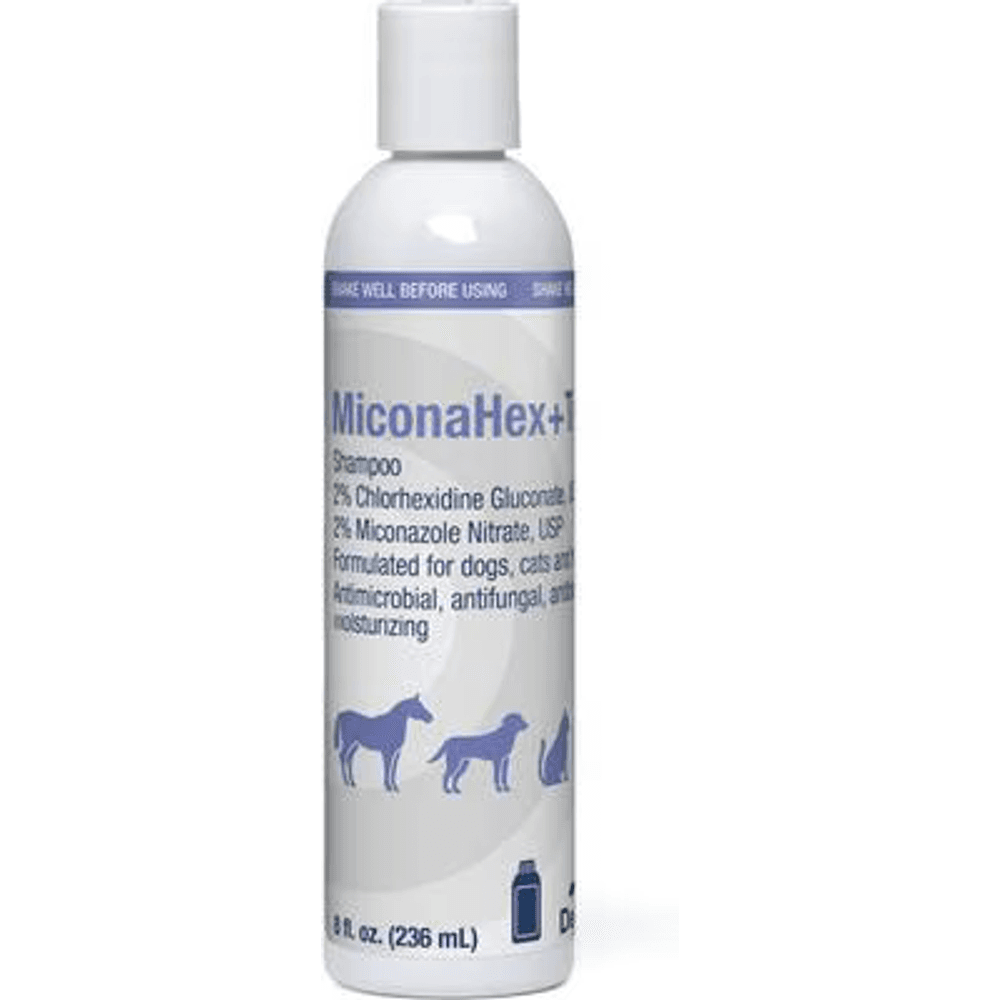
A medicated antifungal shampoo for flaky skin with a fungal or bacterial component, on your vet direction.
Webvet may earn a commission when you click through to Chewy, at no extra cost to you.
Sources
Reviewed by the Webvet Veterinarian Team
This guide is general information, not a diagnosis, and does not replace an exam by your veterinarian. If your pet is in distress, contact your vet or an emergency clinic right away.