
Can cats eat rice?
Safe in moderationPlain cooked rice is not toxic to cats, but it is optional and nutritionally incomplete; do not use chicken and rice to delay veterinary care.


Medically reviewed by Dr. Athena Gaffud, DVM · Last reviewed
Can Cats Eat Rice?
Plain fully cooked rice is not toxic to cats. It can be an optional unseasoned extra, but it is not a required feline food, a complete meal, or a generic treatment for vomiting, diarrhea, or poor appetite. A sick or non-eating cat needs cause- and duration-specific guidance rather than a household teaspoon rule.
- 1Plain fully cooked rice is not toxic to cats.
- 2Cats can digest properly processed starch, although rice is optional and not complete nutrition.
- 3Chicken and rice is not a generic feline treatment for vomiting, diarrhea, or poor appetite.
- 4No evidence-based teaspoon serving or bland-diet dose exists for cats.
- 5Persistent diarrhea, vomiting, lethargy, or poor appetite needs veterinary guidance.

Treats should stay under 10% of your cat's daily calories. Smalls makes the rest, built around the meat an obligate carnivore actually needs.
- Human-grade ingredients, protein first
- Built for obligate carnivores
- Fresh meals delivered to your door
Webvet may earn a commission when you click through to Smalls, at no extra cost to you.
Is Plain Cooked Rice Toxic to Cats?
A few grains of plain cooked rice are generally a low-risk food exposure. Properly processed starch can be digested and metabolized by cats. That does not make rice necessary or prove a health benefit from an occasional taste.

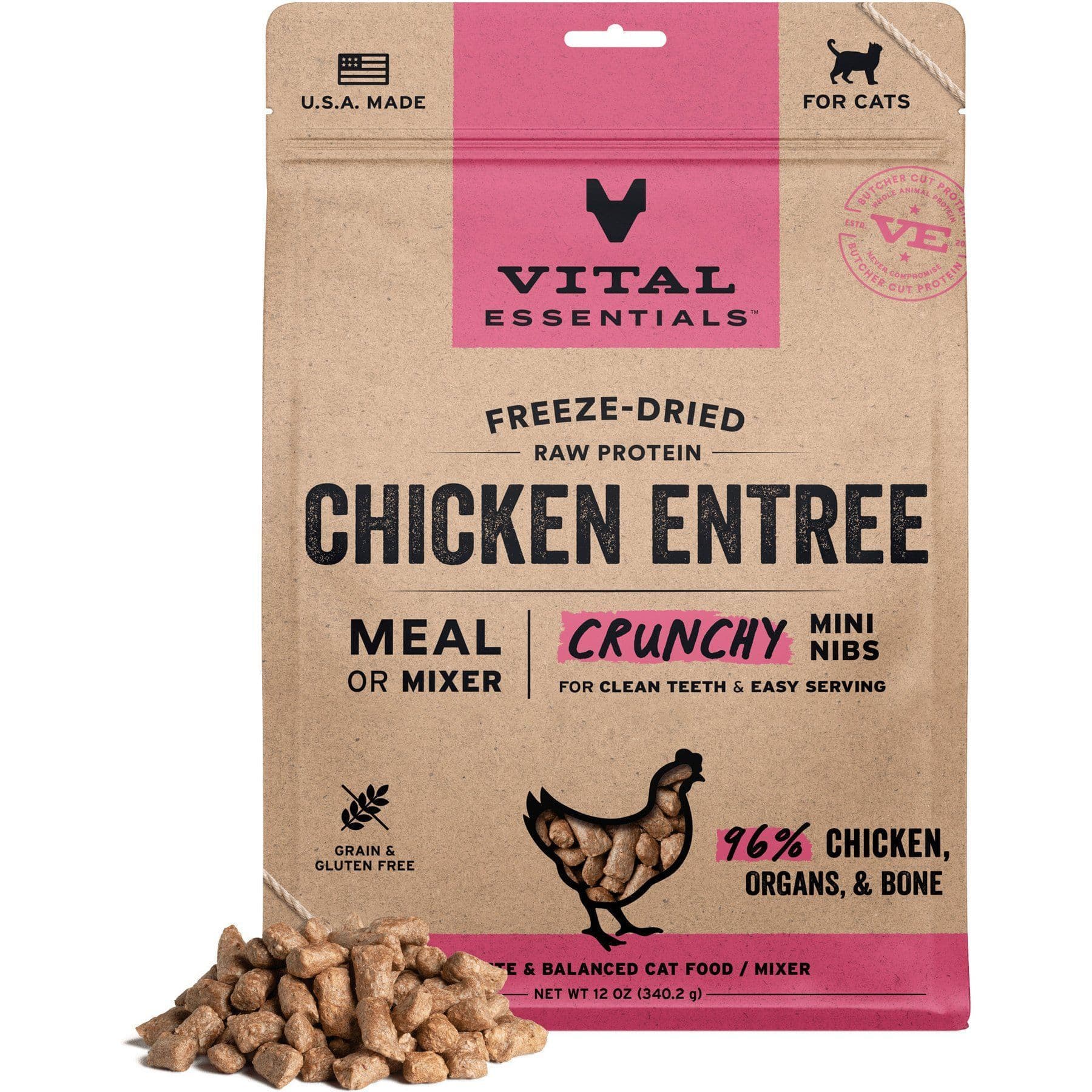
This is an optional cat treat. Review its current label, ingredients, calories, and feeding directions, and count it within the total daily extras.
Webvet may earn a commission when you click through to Chewy, at no extra cost to you.
Complete Feline Nutrition Matters More Than One Ingredient
Obligate carnivory describes a cat's species-specific nutrient requirements, including nutrients that must come from appropriate animal-derived sources in the complete diet. It does not mean cats cannot digest any starch or use any plant-derived nutrient. Complete feline food should provide the required balance; home-cooked rice does not.
Do Not Use Rice as a Generic Feline Treatment
Chicken and rice is nutritionally incomplete and is not a generic feline treatment. Vomiting, diarrhea, and loss of appetite can reflect many conditions, and an unfamiliar home mixture may reduce intake rather than help. Persistent diarrhea, poor appetite, lethargy, or vomiting warrants veterinary care. Cats, especially overweight cats, can develop serious complications after a period of inadequate intake. When a cat is ill, write down when the vomiting or diarrhea began, how often it occurs, whether blood or black stool is present, what the cat has eaten and drunk, and whether urination has changed. Note possible access to string, plants, medications, trash, spoiled food, or toxins. This history is more useful to the veterinarian than reporting that rice was offered. Do not repeatedly change foods in an attempt to find something bland, because rapid diet changes can complicate gastrointestinal signs and make intake harder to measure. If the veterinarian recommends a temporary diet, ask whether it is complete, how much to feed, how often to offer it, how long to use it, and how to transition back. Follow that plan rather than carrying over a dog recipe. Keep fresh water available, but do not force food or water into a nauseated or weak cat. Force-feeding can create aversion or aspiration risk. A cat that repeatedly approaches food and turns away, drools, hides, or lip-smacks may be nauseated even without vomiting. Reduced intake deserves timely attention, especially in an overweight cat, kitten, senior, or cat with diabetes, kidney disease, or another chronic condition. Rice should never become the reason to postpone that call. If the cat is well and rice is simply being considered as a treat, introduce only one new optional food at a time so tolerance is interpretable. Store cooked rice promptly and discard spoiled leftovers. Do not leave a bowl of rice out as a substitute when the cat refuses complete food. Measure the portion before mixing it into food, because once combined it is hard to know how much complete food the cat ate. Family members should share one treat plan so several tiny spoonfuls do not accumulate. The goal is not to find a maximum rice dose; it is to protect balanced intake and recognize illness early. A cat with vomiting, diarrhea, constipation, or poor appetite needs a symptom history before rice is added. Record water intake, urination, litter-box trips, stool appearance, blood, abdominal discomfort, weight change, medications, and possible string, plant, food, or toxin exposure. Repeated vomiting, inability to keep water down, marked lethargy, pain, blood, or repeated unproductive litter-box visits warrants prompt care. A cat that stops eating also needs timely attention because prolonged inadequate intake can have serious consequences, especially in an overweight cat.

How to Decide Whether an Optional Taste Fits
No evidence-based feline rice serving or treatment dose exists. If a healthy cat accepts plain rice and the veterinarian has not restricted extras, count its calories with all treats and toppers. Kittens need complete growth food; cats on prescription diets, food trials, or disease-management plans should not receive additions without approval.
| Situation | What the evidence supports | Action |
|---|---|---|
| Small plain cooked exposure | Generally low risk | Monitor the individual cat |
| Vomiting, diarrhea, or poor appetite | Rice is not a diagnosis or universal treatment | Get cause-specific veterinary advice |
| Prescription diet or food trial | Extras may disrupt the plan | Ask the treating veterinarian first |
Assess the Whole Rice Dish
Plain rice is different from risotto, fried rice, seasoned mixes, casseroles, and restaurant leftovers. Review the full recipe and amount for onion, garlic, chives, chocolate, alcohol, excessive sodium, rich sauce, packaging, or another concern. Butter, oil, and salt are not allium toxins, though they change calories and tolerance.


This is an optional cat treat. Review its current label, ingredients, calories, and feeding directions, and count it within the total daily extras.
Webvet may earn a commission when you click through to Chewy, at no extra cost to you.
Preparing an Optional Plain Taste
If plain rice fits the cat's plan, cook it thoroughly in water, cool it, and offer only a small optional taste without forcing interest. Do not hide a new food in the cat's complete meal when appetite is already poor. Raw dry rice is not a recognized feline poison or automatic obstruction emergency; assess the actual amount, packaging, and symptoms. Identify the rice dish precisely. Plain fully cooked rice differs from fried rice, seasoned packets, sushi, rice pudding, casseroles, and leftovers containing onion, garlic, dairy, raisins, sodium, rich sauce, seaweed, raw fish, skewers, or wrappers. Cats should not receive hydrogen peroxide or dog-oriented vomiting methods after a mixed-food exposure. If a clinician approves rice for a particular cat, clarify the complete diet, calorie allowance, duration, and recheck signs. Elimination trials and prescription diets can be disrupted by even a small unplanned grain or flavored topping.
Choosing Treats for an Individual Cat
No treat is automatically best because it is meat, grain, fruit, or vegetable. Choose by calorie allowance, complete diet, texture, ingredients, medical plan, and tolerance. A measured portion of the cat's regular complete food is often easiest to track, especially during a food trial or therapeutic diet. Keep uncooked rice bags, seasoning packets, sushi skewers, and takeout containers secured so future exposures remain simple to identify.
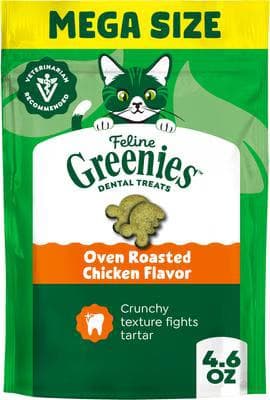
This is a dental cat treat. Follow the current label and ask your veterinarian how it fits alongside tooth brushing and professional dental care.
Webvet may earn a commission when you click through to Chewy, at no extra cost to you.
Frequently Asked Questions
Is cooked rice OK for cats?
Plain cooked rice is not toxic, but it is optional and should not displace complete feline food.
Can cats eat rice every day?
Cats can digest properly processed starch; obligate carnivory does not mean every plant-derived nutrient is unusable.
Can cats eat raw or uncooked rice?
Chicken and rice is incomplete and should not delay care for vomiting, diarrhea, or reduced appetite.
Can cats eat rice and milk together?
Raw dry rice is not a recognized feline poison. Assess the amount, packaging, and any clinical signs.
Can cats eat rice mixed with chicken?
No evidence-based rice teaspoon or body-size treatment table exists for cats.

More safe treats
More grains & bread for cats
Sources
- Journal of Animal Science: Carbohydrate Digestibility in Cats
Healthy cats showed high digestibility for several properly processed starch sources, contradicting claims that starch simply passes through cats.
- Cornell Feline Health Center: Diarrhea
Persistent diarrhea or diarrhea with poor appetite, lethargy, or vomiting warrants veterinary care and cause-specific treatment.
- Merck Veterinary Manual: Feline Hepatic Lipidosis
Anorexia or food deprivation can precede potentially lethal hepatic lipidosis, so an unpalatable home mixture should not delay assessment.
- Cornell Feline Health Center: Feeding Your Cat
Cats require complete feline nutrition, treats should remain limited, and dairy tolerance varies among adult cats.
- Merck Veterinary Manual: Gastrointestinal Obstruction in Small Animals
Foreign-body risk depends on the object, amount, and patient rather than being guaranteed by a shell, hull, skin, seed, or bone.
Reviewed by Dr. Athena Gaffud, DVM
General guidance based on credible veterinary sources; not a diagnosis or a substitute for your veterinarian. If your pet ate something toxic or is unwell, contact your vet or a pet poison line right away.