
Can dogs eat rice?
SafePlain cooked rice is not toxic to dogs, but it is an optional extra, not a universal remedy for vomiting or diarrhea or a complete meal.


Medically reviewed by Dr. Athena Gaffud, DVM · Last reviewed
Can Dogs Eat Rice?
Plain fully cooked rice is not toxic to dogs. It can be used as an occasional unseasoned extra when it fits the dog's calorie plan, but rice is not a universal treatment for vomiting or diarrhea. Gastrointestinal signs have many causes, and the appropriate food depends on the dog's hydration, appetite, medical history, diagnosis, and complete diet.
- 1Plain fully cooked rice is not toxic to dogs.
- 2Rice is an optional supplemental food, not a universal vomiting or diarrhea treatment.
- 3Chicken and rice is nutritionally incomplete and should not be prescribed from a body-weight table.
- 4Use labeled calories and the individual dog's diet plan for any approved extra.
- 5Blood, pain, lethargy, dehydration, persistent vomiting, or inability to keep water down needs prompt veterinary advice.

Treats should stay under 10% of your dog's daily calories. JustFoodForDogs makes the rest of it.
- Recipes developed by veterinary nutritionists
- Whole-food ingredients you can recognise
- Fresh meals delivered to your door
Webvet may earn a commission when you click through to JustFoodForDogs, at no extra cost to you.

Is Rice Safe for Dogs?
White and brown rice can both appear in complete dog foods, where the full recipe is formulated to meet nutrient needs. A spoonful of plain home-cooked rice is different: it is a supplemental food with calories but does not provide a balanced meal. Its presence in commercial food does not establish a home dose or show that it will settle an upset stomach.
If a healthy dog enjoys plain rice and tolerates it, count it with every other treat, topper, chew, and table-food extra. Dogs on a therapeutic diet, elimination trial, weight-loss plan, or tightly controlled nutrient plan may need no unplanned extras. Ask the treating veterinarian before changing those diets.
White Rice vs Brown Rice for Dogs
White rice has the bran and germ removed, while brown rice retains them. That processing changes texture and nutrient composition, but neither type has been proved to treat a dog's gastrointestinal illness. Choose only a fully cooked, plain product that the individual dog can tolerate if a veterinarian says rice is appropriate.
Rice color alone does not predict a stool effect. Brown rice is not a dependable fullness treatment, and low-fiber white rice does not predict how every dog's stool will respond. A clinician may select a digestible diet, fiber level, fat level, or other nutrition plan after considering the cause and severity of the signs.

Rice, vomiting, and diarrhea: when to call a veterinarian
Chicken and rice is widely described as a bland meal, but it is not complete and balanced and is not suitable for every cause of vomiting or diarrhea. Some dogs need a commercial gastrointestinal diet, fluid support, diagnostic testing, medication, or a different nutrient profile. Do not start a fixed home recipe for a puppy, medically fragile dog, or dog with repeated signs without veterinary advice.
Contact a veterinarian promptly for blood, marked pain, a swollen abdomen, repeated vomiting, weakness, lethargy, dehydration, black stool, persistent diarrhea, or inability to keep water down. The dog's age, vaccination status, possible foreign-body or toxin access, and duration of signs affect urgency. Do not wait several days solely because rice was offered. When vomiting or diarrhea is the reason for considering rice, record the dog's age, vaccination status, appetite, water intake, stool frequency, blood, abdominal pain, possible foreign material, medications, and how long signs have lasted. A dog that cannot keep water down, appears dehydrated or weak, has repeated unproductive retching, passes substantial blood, develops a distended painful abdomen, or may have eaten a toxin or object needs prompt assessment. A veterinarian can decide whether feeding should continue, which complete gastrointestinal diet fits, and whether fluids, testing, or medication are needed.
Deciding whether an optional rice portion fits
No evidence-based rice serving or chicken-and-rice meal exists by body weight. If rice is approved as an optional extra, use the product's calories and the dog's individual daily calorie allowance. A veterinarian should calculate any short-term therapeutic feeding plan from the dog's clinical condition rather than a tablespoon or cup chart.
| Question | What matters | Next step |
|---|---|---|
| Optional plain rice | Calories, complete diet, tolerance | Use only if it fits the dog's plan |
| Vomiting or diarrhea | Duration, hydration, appetite, systemic signs | Seek cause-specific veterinary guidance |
| Medical or prescription diet | Diagnosis and nutrient targets | Ask the treating veterinarian before adding rice |
| Mixed rice dish | All ingredients and amount eaten | Check for alliums and assess the actual exposure |


This is an optional dog treat. Review its current label, ingredients, calories, and feeding directions, and count it within the total daily extras.
Webvet may earn a commission when you click through to Chewy, at no extra cost to you.
Body weight alone does not account for age, activity, body condition, other treats, diabetes management, gastrointestinal disease, or a prescription diet. A small quantity may still be inappropriate during a food trial or therapeutic plan, while a clinician may deliberately use a formulated diet containing rice for a different patient.
How to Prepare Rice for Your Dog
Cook rice thoroughly in water and serve it cool and plain if it has been approved. Plain preparation makes the exposure easy to assess. Review broth, seasoning packets, and leftovers for onion, garlic, chives, excessive sodium, rich sauces, or other ingredients rather than treating every added ingredient as equally hazardous.
Discard spoiled rice and store cooked rice safely. Fried rice and mixed dishes should be assessed from the complete ingredient list and amount eaten. Onion and garlic are toxicologic concerns; butter, oil, and salt more often change calories, fat, sodium, and gastrointestinal tolerance unless the actual exposure is excessive. If rice is approved as an optional extra, identify the actual dish. Plain fully cooked rice differs from fried rice, seasoned packets, rice pudding, sushi, casseroles, and leftovers containing onion, garlic, raisins, dairy, sodium, rich sauce, or skewers. Keep the recipe or label and count rice with treats, chews, toppers, and medication foods. During an elimination trial, even plain rice may invalidate the protocol. A home chicken-and-rice mixture should have a veterinarian-defined purpose and duration because its nutrient profile differs from a complete diet.
Risks and What to Watch For
The practical risks of rice are dietary displacement, excess calories, an unsuitable mixed recipe, and delaying care for illness. Rice is not automatically forbidden for every dog with diabetes, obesity, pancreatitis, kidney disease, or food sensitivity, but those diagnoses can change the appropriate calorie and nutrient plan.


This is an optional dog treat. Review its current label, ingredients, calories, and feeding directions, and count it within the total daily extras.
Webvet may earn a commission when you click through to Chewy, at no extra cost to you.
Food reactions cannot be predicted by saying rice is unlikely to cause sensitivity. If signs recur reproducibly with a food, stop offering it and ask the veterinarian how to investigate the pattern. Ear disease, itching, vomiting, or loose stool has many causes and should not be diagnosed from one ingredient at home.
Choosing another optional food
There is no single gentle substitute for every gastrointestinal problem. A veterinarian may recommend a complete commercial gastrointestinal diet, a specific fiber plan, or another strategy after assessing the dog. For a healthy dog that only needs a reward, a measured portion of the regular complete food is often the simplest option.
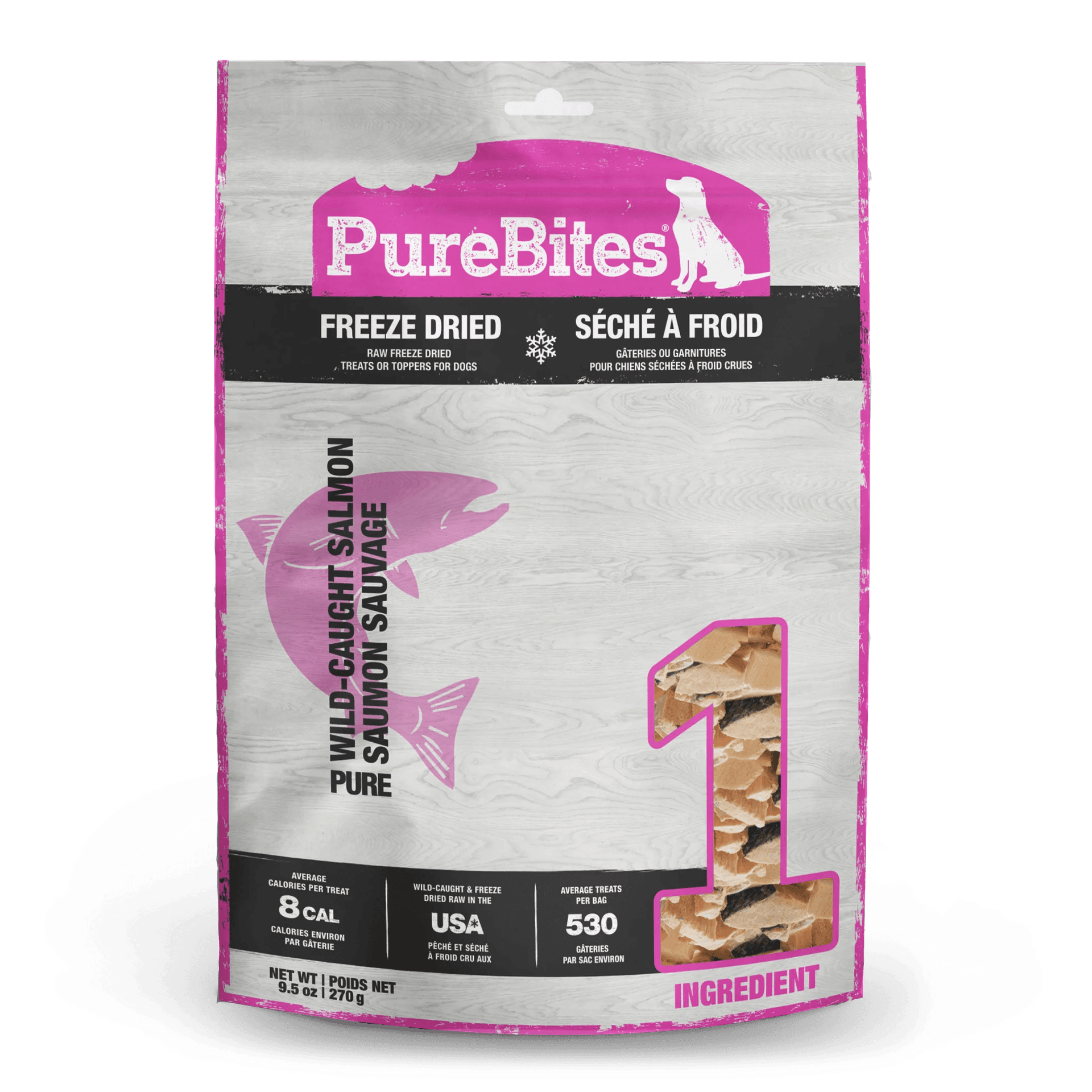
This is an optional dog treat. Review its current label, ingredients, calories, and feeding directions, and count it within the total daily extras.
Webvet may earn a commission when you click through to Chewy, at no extra cost to you.
Frequently Asked Questions
Can dogs eat rice every day?
Plain cooked rice can be an occasional extra, but rice alone is not complete and should not replace balanced dog food.
Is white or brown rice better for dogs?
No universal chicken-and-rice ratio or body-weight serving is evidence based. The clinical plan depends on the dog and cause of signs.
How much rice can I give my dog?
White and brown rice differ in processing and composition, but neither is proved to treat every digestive problem.
Can dogs eat rice and chicken for diarrhea?
Raw dry rice is not a recognized dog poison. Assess the amount, packaging, other ingredients, and any symptoms.
Can dogs eat fried rice or seasoned rice?
Contact a veterinarian for persistent or repeated signs, blood, pain, lethargy, dehydration, or inability to keep water down.

More safe treats
More grains & bread for dogs
Sources
- Merck Veterinary Manual: Nutritional Requirements of Small Animals
Complete diets control nutrient intake; limited-ingredient home mixtures can be inadequate, and processed plant ingredients can be digested and used.
- WSAVA: Five Steps of Canine Acute Diarrhea Treatment
Triage of canine acute diarrhea depends on mental status, hydration, systemic signs, and clinical severity rather than a universal rice recipe.
- AAHA: Nutritional Risk Factors
Noncomplete foods above 10 percent of daily calories can dilute essential nutrients, and medical and life-stage factors require individual assessment.
Reviewed by Dr. Athena Gaffud, DVM
General guidance based on credible veterinary sources; not a diagnosis or a substitute for your veterinarian. If your pet ate something toxic or is unwell, contact your vet or a pet poison line right away.