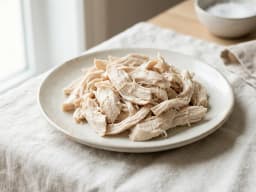
Can dogs eat chicken?
SafePlain cooked boneless chicken can be a dog treat or topper, but it is not a complete meal and raw poultry adds pathogen risk.


Medically reviewed by Dr. Athena Gaffud, DVM · Last reviewed
Can Dogs Eat Chicken?
Plain, thoroughly cooked, boneless chicken can fit as an occasional dog treat or topper when its calories are counted. Chicken can be an ingredient in a complete dog food or an optional extra, but plain meat alone is not a balanced long-term diet. It should not be used to diagnose a food allergy by trial and error. For suspected allergy, gastrointestinal disease, pancreatitis history, obesity, or a therapeutic diet, use the veterinarian's structured feeding plan and count chicken used for training or medication. Chicken muscle meat alone is not a complete and balanced diet and should not become a routine meal replacement. Remove bones and hazardous seasoning, and handle raw poultry as a food-safety risk.
- 1Assess chicken by its exact form, amount, added ingredients, and the individual dog.
- 2A treat portion of chicken must fit the complete diet and the dog's remaining calorie allowance.
- 3Prepare chicken plainly and choose a size and texture suited to how this dog eats.
- 4Do not intentionally feed bones; accidental bone exposures require case-specific triage.
- 5Call for persistent illness, swallowing trouble, a possible foreign body, or a hazardous co-ingredient.

Treats should stay under 10% of your dog's daily calories. JustFoodForDogs makes the rest of it.
- Recipes developed by veterinary nutritionists
- Whole-food ingredients you can recognise
- Fresh meals delivered to your door
Webvet may earn a commission when you click through to JustFoodForDogs, at no extra cost to you.

Is Chicken Safe for Dogs?
Cook chicken thoroughly and serve only identifiable meat without bones. Distinguish plain cooked boneless meat from skin, drippings, fried coating, raw poultry, dehydrated pieces, seasoned leftovers, and bones. Remove bones before intentional feeding and keep raw poultry separate from ready-to-eat foods. A rotisserie or restaurant chicken may contain onion, garlic, heavy salt, and fat even when only the meat is visible. FDA reports that raw pet foods were more likely than other tested foods to contain disease-causing bacteria, and its current H5N1 guidance advises thorough cooking of meat before feeding pets. This is especially important when cats share the home, dishes, or preparation surfaces. For mixed products containing chicken, keep the package and report every ingredient, amount, time, dog's weight, history, and signs.
Chicken provides protein, fat, vitamins, minerals, and energy, but plain meat does not contain every required nutrient in the right proportion for long-term feeding. Adding large amounts can dilute a complete food. It is best described as optional food, not as a balanced meal or a food that supplies every need by itself. Related guidance: Garlic.
Nutritional Context for Chicken
This food adds optional calories and nutrients, but the complete dog food remains responsible for meeting dietary requirements.
There is no supported quarter-cup or body-weight serving for chicken as a daily meal component. Use the calories in the cooked meat and the dog's individual energy plan. Count all toppers and rewards together, and keep enough of the complete food in the bowl to preserve nutrient balance.
| Decision point | Evidence-based guidance |
|---|---|
| Plain food | Assess plain chicken by form, amount, tolerance, and the individual dog. |
| Portion | Use the individual calorie allowance, not a fixed piece or spoon table |
| Preparation | Serve it plain and choose a manageable size and texture. |

How to Portion Chicken
Use the calories in chicken and the individual dog's remaining treat allowance; body weight alone is not a serving chart.
Use clean utensils and prevent raw juices from contacting cooked food, bowls, counters, or hands. Cook the center thoroughly, let the meat cool, remove every bone you can identify, and serve it plain. Skin and cooking fat increase calories and may conflict with a low-fat plan. Related guidance: vomiting.
Shred or cut the cooked meat for the dog's chewing behavior. A gulper may need smaller, soft pieces and close supervision, while a dog with swallowing disease needs clinician-specific guidance. Texture changes do not make a nutritionally incomplete chicken meal complete.
| Decision point | Evidence-based guidance |
|---|---|
| Plain food | Assess plain chicken by form, amount, tolerance, and the individual dog. |
| Portion | Use the individual calorie allowance, not a fixed piece or spoon table |
| Preparation | Serve it plain and choose a manageable size and texture. |
How to Prepare Chicken
FDA identifies bones as potential gastrointestinal foreign bodies. Intentional bone feeding is not recommended. After an accidental exposure, urgency depends on bone size and type, the dog's size, timing, and signs; the outcome cannot be predicted from the food name alone.

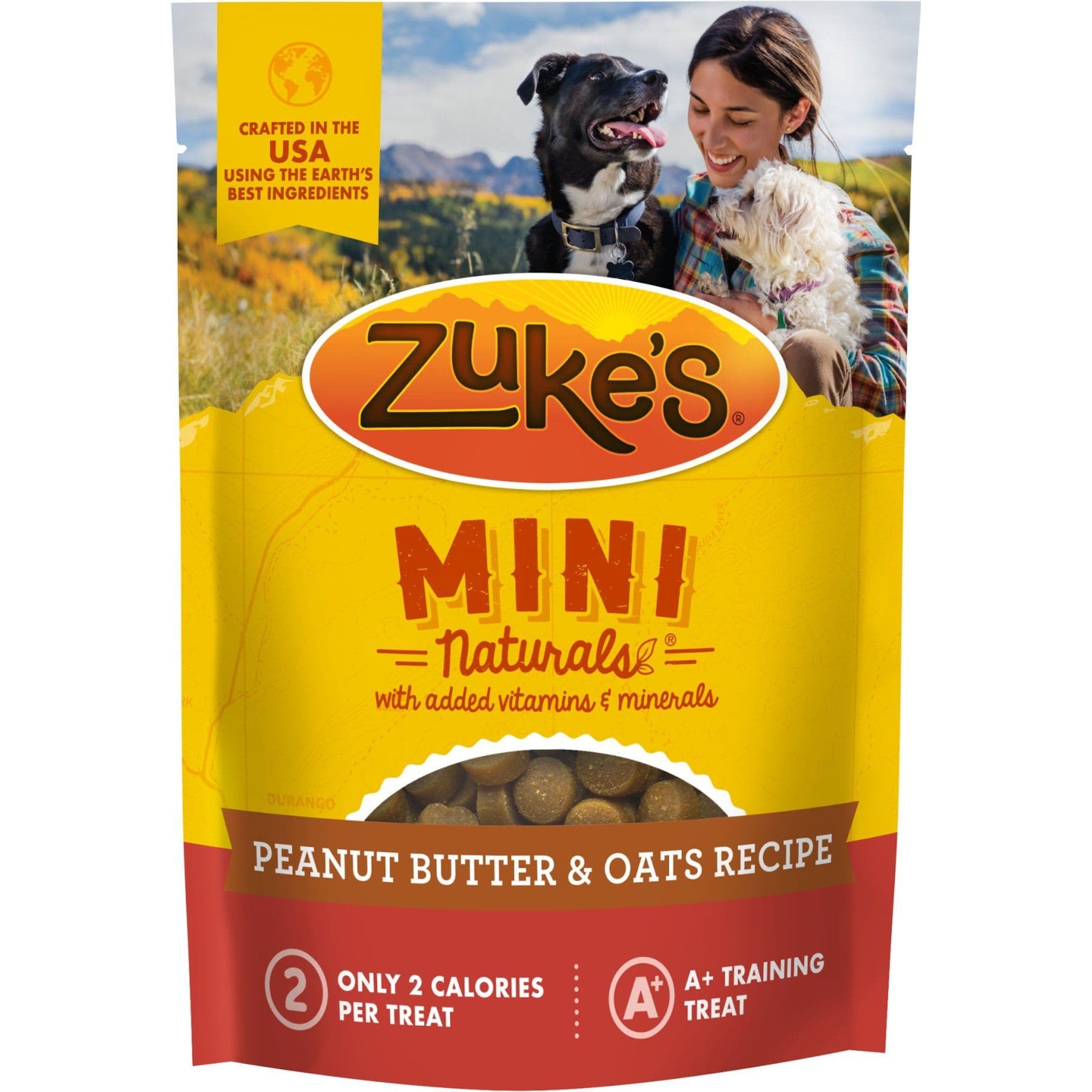
This is an optional dog treat. Review its current label, ingredients, calories, and feeding directions, and count it within the total daily extras.
Webvet may earn a commission when you click through to Chewy, at no extra cost to you.
Rotisserie chicken, deli chicken, nuggets, casseroles, broth, and seasoned leftovers can include onion, garlic, excess fat, breading, sauces, or other ingredients. Evaluate the full recipe. Butter, oil, and ordinary salt affect calories and tolerance but should not be described as equivalent to Allium toxicosis.
Risks and When to Call
Itching, recurrent ear disease, vomiting, or diarrhea does not by itself diagnose chicken allergy. A reliable food-allergy diagnosis uses a veterinarian-supervised elimination diet followed by a controlled challenge. Randomly switching proteins or feeding plain chicken can obscure that process and unbalance the diet.
What about raw chicken?
Seek veterinary advice promptly after a concerning bone exposure or when there is repeated vomiting, pain, gagging, trouble swallowing, inability to keep water down, marked lethargy, blood in vomit or stool, or inability to pass stool. After access to a carcass or takeaway container, check for missing bones, skewers, foil, string, and absorbent pads. Report those objects separately from the amount of meat eaten. Provide the chicken form, bone description, amount, and timing.

Chicken allergies in dogs
Chicken and rice is not a universal home treatment for undiagnosed vomiting or diarrhea and is not nutritionally complete for ongoing feeding. Gastrointestinal signs can reflect infection, obstruction, pancreatitis, dietary intolerance, or other disease. Ask the veterinarian whether food should be offered and which diet fits the diagnosis. Related guidance: diarrhea.
Chicken and rice as a bland diet
If this food does not fit the plan, choose another veterinarian-approved treat and count it within the same calorie allowance. Related guidance: rice.
Choosing Other Treats
Cooked boneless chicken may be a useful occasional extra, but it should remain a calorie-counted addition to a complete diet. Thorough cooking, no intentional bones, accurate ingredient review, and proper allergy diagnosis are more defensible than fixed cup amounts or a universal bland-diet recipe. Related guidance: plain cooked egg.
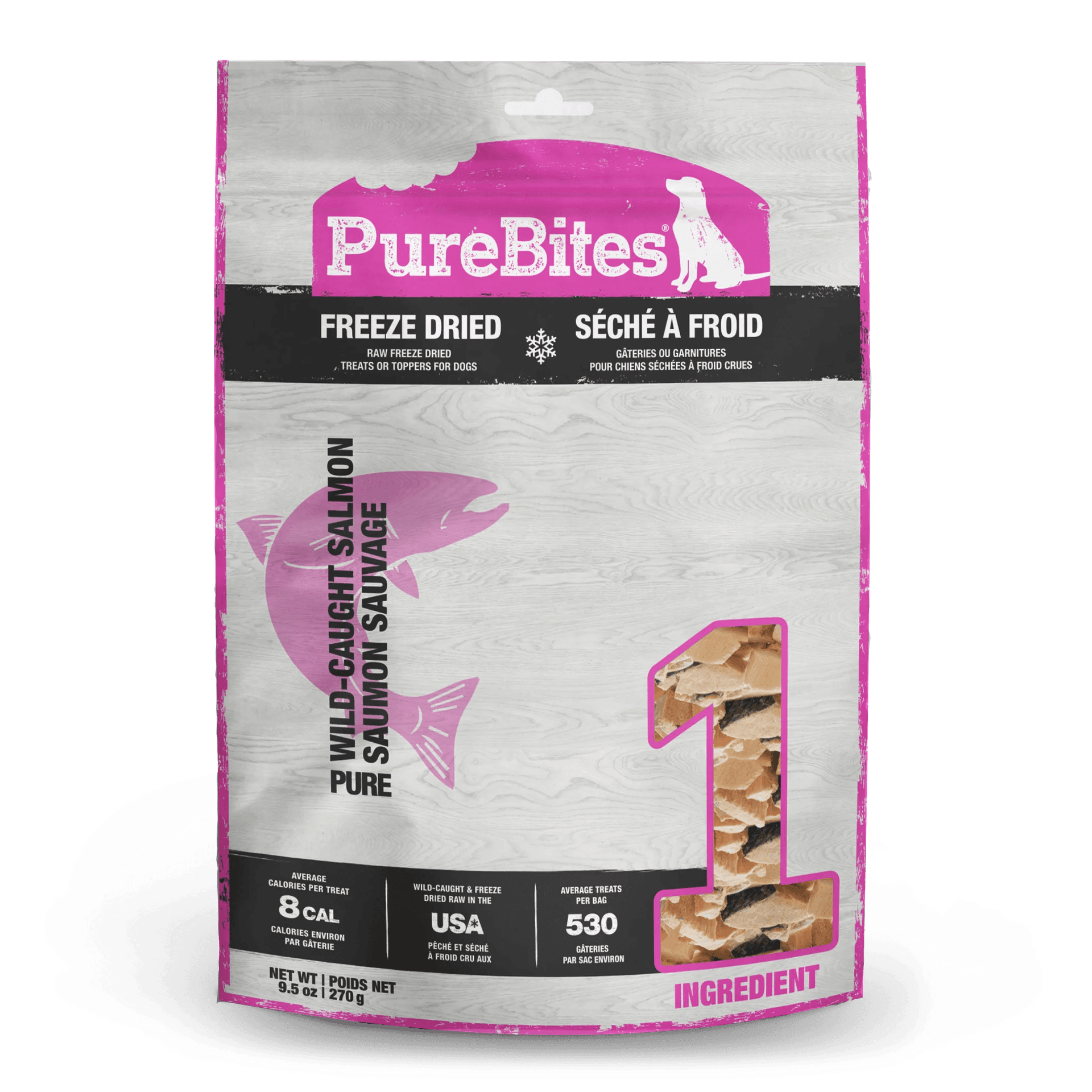
This is an optional dog treat. Review its current label, ingredients, calories, and feeding directions, and count it within the total daily extras.
Webvet may earn a commission when you click through to Chewy, at no extra cost to you.
The practical decision is individualized: confirm the exact food, use a manageable texture, keep extras within the calorie plan, and watch the actual dog rather than a fixed schedule. Contact a veterinarian for persistent vomiting or diarrhea, marked lethargy, pain, breathing or swallowing trouble, inability to pass stool or urine, neurologic signs, or any ingredient-specific toxicology concern. Related guidance: bacon; hot dogs.

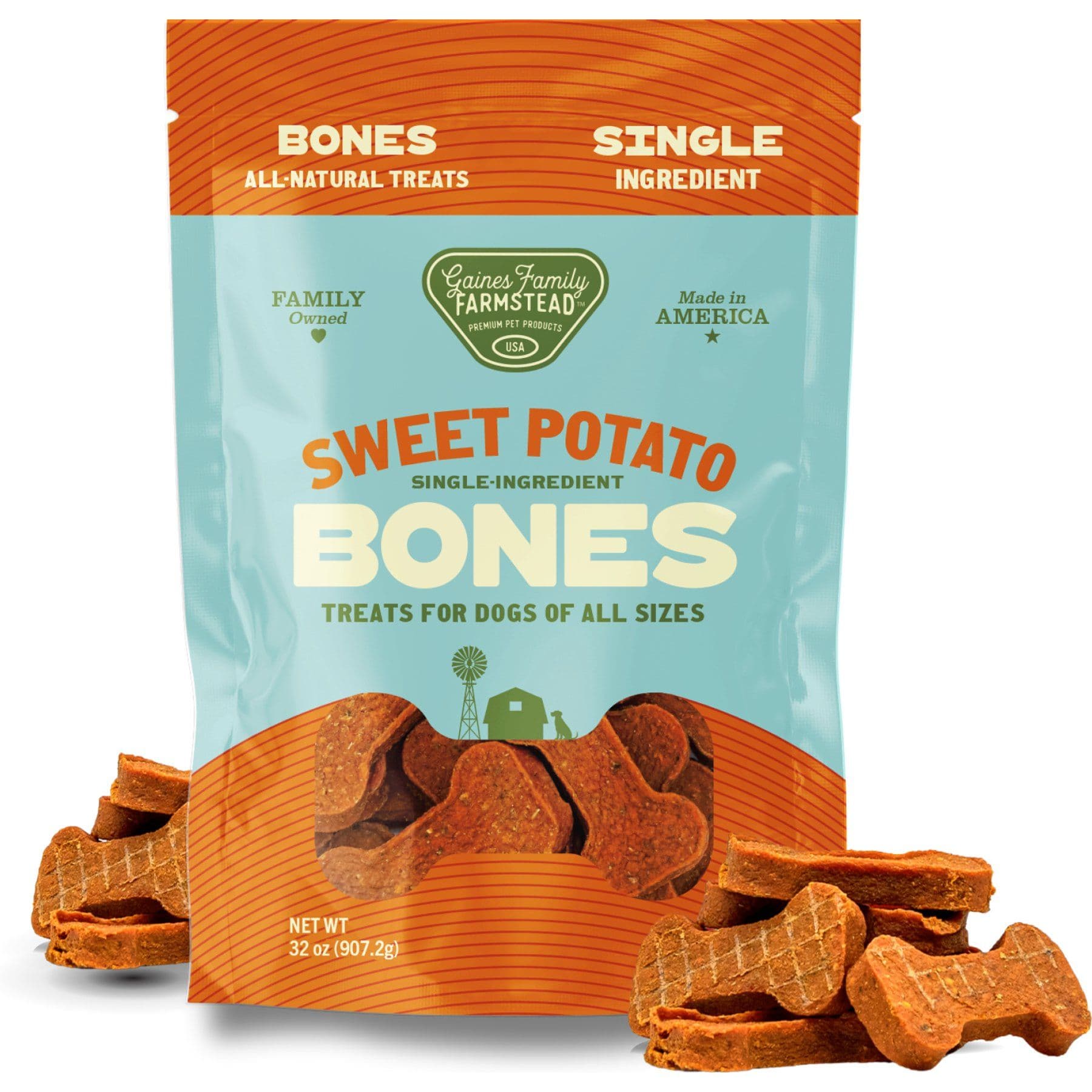
This is an optional dog treat. Review its current label, ingredients, calories, and feeding directions, and count it within the total daily extras.
Webvet may earn a commission when you click through to Chewy, at no extra cost to you.
Frequently Asked Questions
Can dogs eat plain cooked chicken?
Plain, thoroughly cooked, boneless chicken can be an occasional treat or topper, but chicken meat alone is not a complete and balanced diet.
How much chicken can replace a dog's meal?
No universal cup amount is supported. Use an individualized calorie plan and do not let plain meat displace the complete food needed for nutrient balance.
Is raw chicken safe for dogs?
Raw poultry adds pathogen risk. FDA advises thorough cooking, and current H5N1 guidance makes that especially important in households with cats.
What should I do if my dog ate a chicken bone?
Do not induce vomiting unless directed. Contact a veterinarian for case-specific advice and seek urgent care for gagging, pain, repeated vomiting, bleeding, or obstruction signs.
More safe treats
More meat & seafood for dogs
Sources
- FDA: Raw Pet Food Diets Can Be Dangerous to You and Your Pet
Reports that tested raw pet foods were more likely than other tested foods to contain disease-causing bacteria and recommends thorough cooking of raw ingredients.
- FDA: Ways to Reduce the Risk of HPAI in Cats
Advises against feeding uncooked meat or uncooked pet food and recommends thorough cooking because H5N1 can be deadly to cats and can also affect dogs.
- FDA: Potentially Dangerous Items for Your Pet
Identifies bones and corn cobs as foods that can lodge in the esophagus, stomach, or intestines and supports prompt case-specific veterinary assessment.
- Merck Veterinary Manual: Overview of Nutrition in Small Animals
Supports complete and balanced feeding and patient-specific nutrition; it does not establish clinical benefit from a treat portion.
- Merck Veterinary Manual: Cutaneous Food Allergy in Animals
States that dietary elimination followed by controlled challenge is the reliable method for confirming food allergy rather than diagnosing it from nonspecific signs alone.
- WSAVA: Feeding Treats to Your Dog
Supports keeping dog treats within about 10% of daily calories and calculating portions from individual energy needs.
Reviewed by Dr. Athena Gaffud, DVM
General guidance based on credible veterinary sources; not a diagnosis or a substitute for your veterinarian. If your pet ate something toxic or is unwell, contact your vet or a pet poison line right away.