
Can dogs eat hot dogs?
Not recommendedA small plain hot-dog bite is unlikely to poison most dogs. Check the label, amount, shape, storage, calories, and clinical signs.


Medically reviewed by Dr. Athena Gaffud, DVM · Last reviewed
Can Dogs Eat Hot Dogs?
A small bite of an identified plain hot dog is unlikely to poison most dogs, but recipes, sodium, fat, calories, seasonings, and storage directions vary widely. Keep the package and distinguish beef, pork, poultry, plant-based, cheese-filled, chili-covered, raw, cooked, spoiled, and restaurant products. Onion, garlic, alcohol, chili, cheese, sweeteners, and other ingredients require their own amount-based assessment rather than an assumption that every frank contains them. Shape and chewing affect choking risk; cutting a hot dog can reduce a plausible concern for some dogs but cannot eliminate it or create a serving dose. Report the dog's weight, largest missing amount, time, vomiting, appetite, abdominal comfort, coordination, breathing, and any swallowed wrapper, skewer, foil, or absorbent pad. High-fat dietary indiscretion is associated with canine pancreatitis, but no hot-dog bite diagnoses or guarantees the disease. For routine rewards, measured complete food or a labeled dog treat is easier to portion, store, and fit into a medical diet. Storage history matters too: an unrefrigerated or spoiled product presents a different question from a freshly cooked piece. Report unusual odor, package damage, and how long the food was accessible, while avoiding a fixed promise about whether gastrointestinal signs will occur. At cookouts, collect skewers, foil, condiment packets, string, and wrappers before the dog reaches the trash. For training, reserve part of the dog's measured complete food or choose a simple dog treat whose ingredients and calories can be tracked consistently.
- 1A small plain exposure is usually low risk, but hot dogs are unnecessary treats.
- 2Check the actual label for onion, garlic, xylitol, sodium, and calories.
- 3Salt and allium risk depend on dose and the individual dog.
- 4A round or whole piece can cause choking; no cut eliminates choking.
- 5Most hot dogs are ready-to-eat, but storage and reheating instructions still matter.

Treats should stay under 10% of your dog's daily calories. JustFoodForDogs makes the rest of it.
- Recipes developed by veterinary nutritionists
- Whole-food ingredients you can recognise
- Fresh meals delivered to your door
Webvet may earn a commission when you click through to JustFoodForDogs, at no extra cost to you.
Are hot dogs safe for dogs?
Hot dogs are not a uniform product. A small plain bite is usually low risk, while a large exposure, a concerning ingredient, swallowed packaging, or clinical signs requires case-specific assessment.

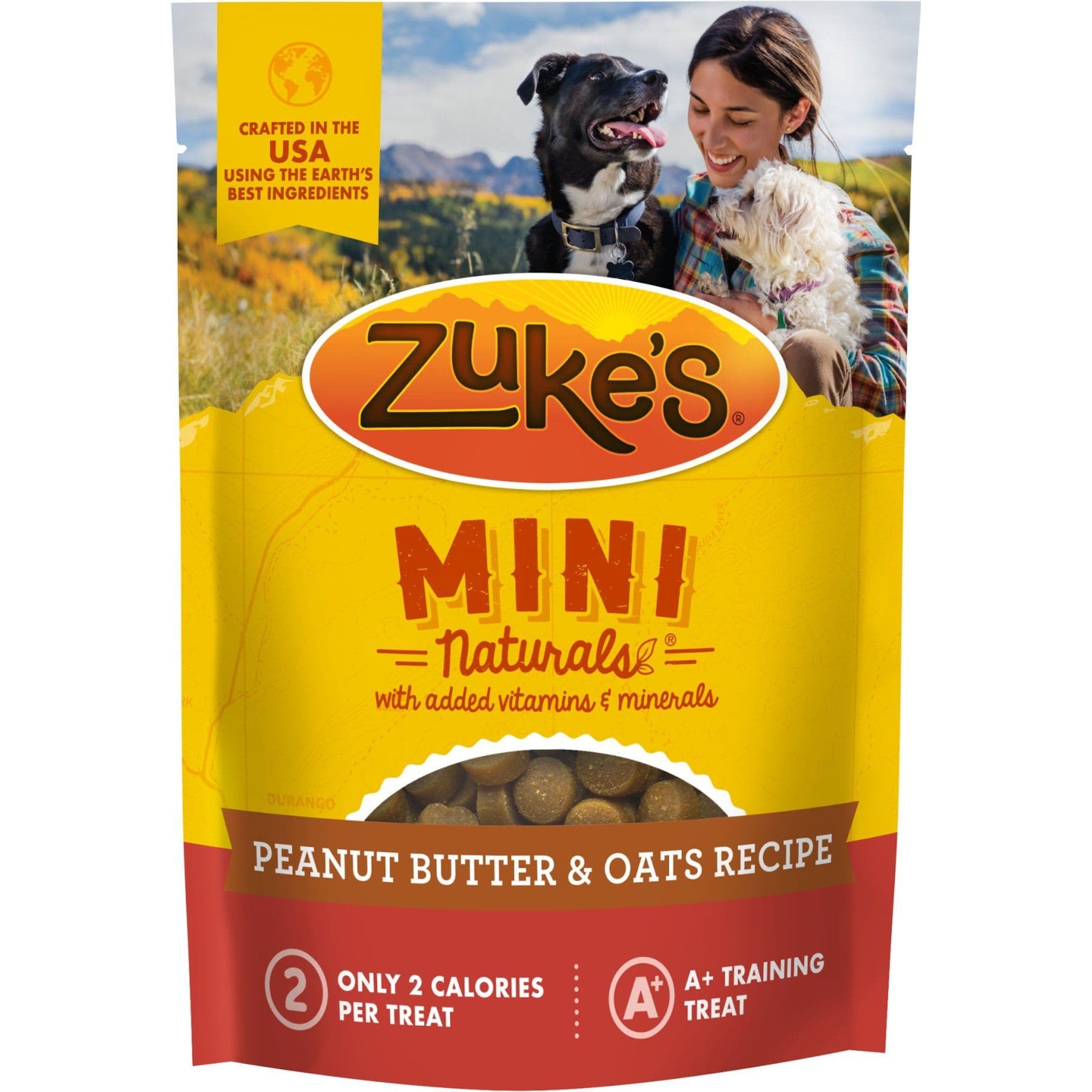
This is an optional dog treat. Review its current label, ingredients, calories, and feeding directions, and count it within the total daily extras.
Webvet may earn a commission when you click through to Chewy, at no extra cost to you.
Turkey, chicken, beef, and pork hot dogs can all differ in calories, sodium, fat, and seasoning. Compare actual labels rather than treating one meat name as automatically safer.
Why hot dogs are bad for dogs
Sodium content varies. Salt toxicosis requires a sufficient dose and is influenced by water access; one bite does not establish kidney injury or salt poisoning.
A fatty dietary exposure does not predict pancreatitis. Pancreatitis is multifactorial, and symptoms such as repeated vomiting, abdominal pain, poor appetite, or lethargy need veterinary assessment.

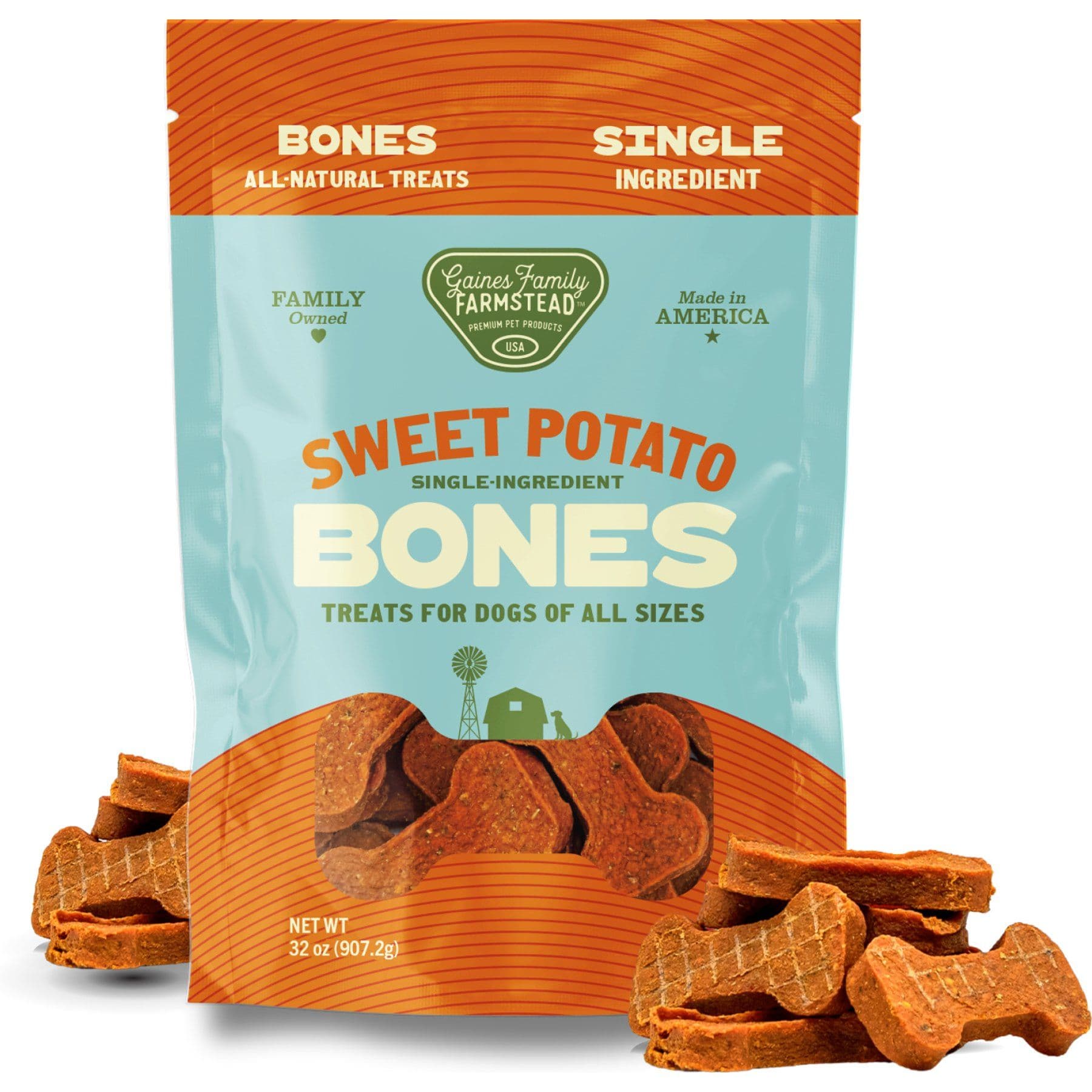
This is an optional dog treat. Review its current label, ingredients, calories, and feeding directions, and count it within the total daily extras.
Webvet may earn a commission when you click through to Chewy, at no extra cost to you.
Approved curing ingredients and preservatives are not established canine poisons at ordinary food-use levels. Evaluate the product, amount, calories, sodium, and any specifically hazardous ingredient instead of treating preservatives as one toxin category.
The choking hazard nobody thinks about
A whole or coin-shaped piece could cause choking, especially in a dog that gulps. Hot dogs do not have a validated leading-obstruction ranking in dogs, and a particular cut cannot make choking risk zero. Shape advice should be practical without pretending the risk can be engineered away. A whole link or a round slice can be swallowed before it is chewed, particularly by a dog that gulps. Cutting lengthwise and then into pieces may make chewing easier for that individual dog, but no cut reduces choking risk to zero. Supervise eating, choose a texture the dog can manage, and keep wrappers away. Active choking, difficulty breathing, blue or pale gums, collapse, or repeated unproductive retching is an emergency, not a situation for home observation.
How much hot dog can a dog have?
There is no evidence-based hot-dog serving table by dog size. One link can use much or all of an individual dog's treat-calorie allowance, depending on the product and dog.
If a nonessential taste fits the dog, count it within the individual calorie allowance and complete diet. Do not use a strips, half-link, or whole-link rule based only on body size.

How to serve a hot dog safely, if you must
Check the label, remove packaging, and size any food for the dog's chewing behavior. Supervise eating and remember that no cut eliminates choking.
Most commercially packaged hot dogs are ready-to-eat, not raw meat. Follow the package refrigeration, use-by, and reheating instructions because ready-to-eat products can still become contaminated after processing. The phrase raw hot dog can mislead owners because most packaged hot dogs are cooked and sold ready to eat. Ready-to-eat does not mean shelf stable or immune to contamination. Follow the package directions for refrigeration, use-by dates, and reheating, especially for people or pets at higher risk from foodborne disease. An uncooked fresh sausage is a different product and should be described that way. Spoiled meat is another distinct exposure. When a dog steals food, note whether the package was opened, how long it was unrefrigerated, whether the plastic or casing was swallowed, and whether any other ingredients were eaten with it.
Food-safety assessment starts with the product state and package directions. Uncooked sausage, spoiled food, and a refrigerated ready-to-eat hot dog are not interchangeable exposures.
Puppies, small breeds, and dogs with health conditions
Dogs with a therapeutic diet, prior pancreatitis, heart disease, kidney disease, obesity, or another condition need patient-specific guidance. A diagnosis does not justify predicting a flare from one bite.

Safe, high-value alternatives to hot dogs
A measured dog treat or plain food that fits the veterinary diet may be easier to evaluate. No alternative is automatically appropriate without checking calories, ingredients, and the individual dog.
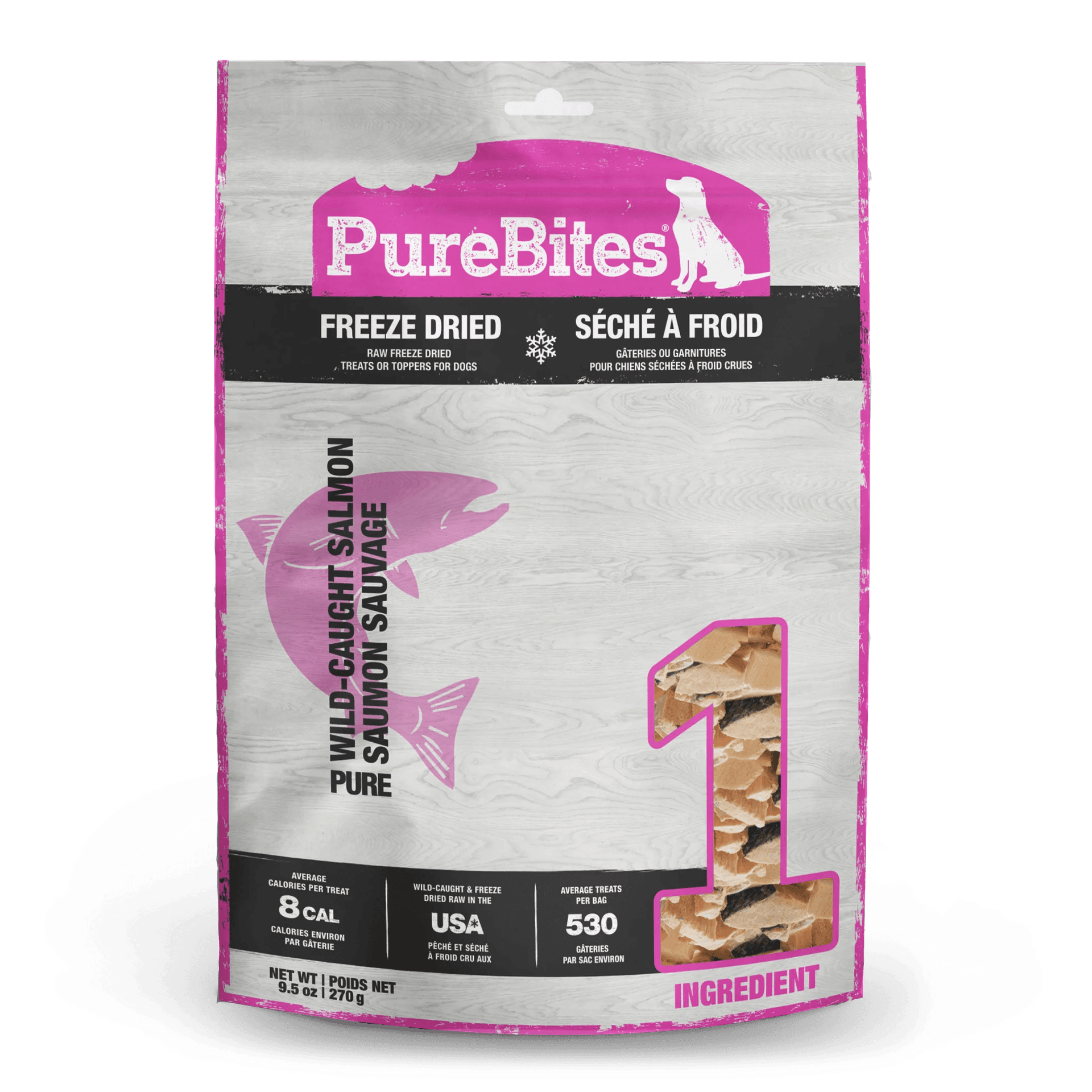
This is an optional dog treat. Review its current label, ingredients, calories, and feeding directions, and count it within the total daily extras.
Webvet may earn a commission when you click through to Chewy, at no extra cost to you.
What to do if your dog ate too much hot dog
After an exposure, save the label and note the amount, time, packaging, and signs. Seek prompt advice for a concerning ingredient, swallowed wrapper, choking, repeated vomiting, weakness, tremors, collapse, or other illness. A bun, ketchup, relish, cheese, chili, skewer, foil, and plastic wrapper each add separate questions. Check every component instead of assigning the outcome to the hot dog. This is especially important when the dog raided a takeout bag and the number of links or wrappers is uncertain. Bring the packaging or a photograph when seeking care.
Frequently asked questions
Can dogs eat hot dogs every day?
Daily hot dogs are unnecessary and can consume the treat-calorie allowance. Use an individual complete-diet plan.
Can hot dogs kill a dog?
A hot dog can cause harm through choking, a large salt dose, a hazardous ingredient, or packaging, but a small plain bite does not predict death.
Can dogs eat raw hot dogs?
Most packaged hot dogs are ready-to-eat. Follow the package storage and reheating instructions and distinguish them from uncooked sausage.
Are turkey or chicken hot dogs better for dogs?
Not automatically. Compare the exact poultry or meat product's sodium, calories, fat, and seasonings.
My dog ate a hot dog with the bun and ketchup, what now?
Check the hot dog, bun, ketchup, and wrapper separately. Save labels and seek advice for a concerning ingredient, object, amount, or symptom.

Safe alternatives
More meat & seafood for dogs
Sources
- USDA FSIS: Hot Dogs and Food Safety
Hot dogs are generally ready-to-eat products; refrigeration, storage, and reheating address potential Listeria contamination.
- Merck Veterinary Manual: Salt Toxicosis in Animals
Salt toxicosis requires a sufficient dose and depends on exposure and water access.
- Merck Veterinary Manual: Garlic and Onion Toxicosis in Animals
Allium risk depends on the ingredient, concentration, dose, and susceptible patient.
- Merck Veterinary Manual: Pancreatitis in Dogs and Cats
Pancreatitis is multifactorial and cannot be diagnosed or predicted from one food exposure alone.
- Merck Veterinary Manual: Gastrointestinal Obstruction in Small Animals
Foreign-body risk and outcome depend on the object, amount, patient, and clinical signs.
- WSAVA: Feeding Treats to Your Dog
All treats share an individual calorie allowance and should not displace complete nutrition.
Reviewed by Dr. Athena Gaffud, DVM
General guidance based on credible veterinary sources; not a diagnosis or a substitute for your veterinarian. If your pet ate something toxic or is unwell, contact your vet or a pet poison line right away.