
Can dogs eat eggs?
SafeFully cooked plain egg can be a treat. Raw egg may carry Salmonella; avoid DIY eggshell calcium and diagnose allergy by elimination and challenge.


Medically reviewed by Dr. Athena Gaffud, DVM · Last reviewed
Can Dogs Eat Eggs?
Yes, dogs can eat eggs, as long as they are fully cooked and served plain. A cooked egg is one of the most nutrient dense, protein rich foods you can share with your dog, and most dogs love the taste. Cook egg to reduce Salmonella risk. Oil, butter, and salt are not egg toxins, but they add calories or sodium; avoid toxic co-ingredients such as onion and garlic. Cook the egg plainly, let it cool, break it into pieces that suit your dog's size, and treat it as an occasional snack rather than a daily meal.
- 1Fully cooked, plain eggs are a safe, protein rich treat for most healthy dogs.
- 2Always cook eggs plainly with no oil, butter, salt, or seasoning, and never feed them raw.
- 3There is no universal egg fraction or weekly schedule; fit cooked egg to the individual dog's treat-calorie allowance.
- 4Limit or skip eggs, and ask your vet first, for dogs with pancreatitis, weight problems, or a known egg allergy.

Treats should stay under 10% of your dog's daily calories. JustFoodForDogs makes the rest of it.
- Recipes developed by veterinary nutritionists
- Whole-food ingredients you can recognise
- Fresh meals delivered to your door
Webvet may earn a commission when you click through to JustFoodForDogs, at no extra cost to you.
Are eggs safe for dogs?
Cooked eggs are safe for the vast majority of healthy dogs, and they have been a staple protein in home cooked and commercial dog diets for decades. The protein and amino acids in an egg are highly digestible, which means your dog's body can actually absorb and use most of what the egg delivers. Veterinarians generally treat plain cooked egg as a green light food, with the same common sense caveats that apply to any treat: keep it occasional, keep it plain, and keep the portion sensible for your dog's weight. The reason the answer is not a flat, unconditional yes has nothing to do with the egg itself being dangerous. It comes down to how the egg is prepared and how much of it your dog gets. A raw egg fried in butter and salted is a very different thing from a plain hard boiled egg, and that difference is what this guide is really about.

Why eggs are good for dogs
Egg contains protein, fat, vitamins, minerals, and calories, but it is not complete and balanced dog food. Listing those nutrients does not establish brain, liver, skin, coat, immune, recovery, or appetite-treatment effects from a treat portion. A dog that is ill or not eating needs veterinary guidance rather than a kitchen-food treatment claim.
How much egg can a dog eat?
Egg is calorie dense and should remain an optional treat rather than a meal replacement. There is no validated egg fraction or frequency by body size; fit it to the individual calorie plan. A one-day symptom watch cannot diagnose food allergy, which requires an elimination-and-challenge process.

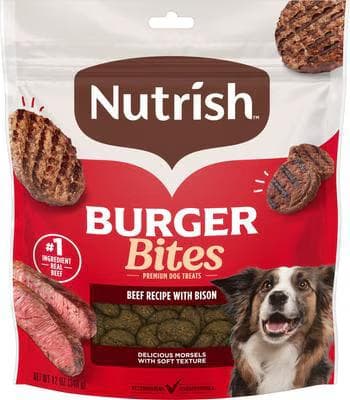
This is an optional dog treat. Review its current label, ingredients, calories, and feeding directions, and count it within the total daily extras.
Webvet may earn a commission when you click through to Chewy, at no extra cost to you.
How to prepare and serve eggs
Preparation is where most egg mistakes happen, so it is worth getting right. Always cook the egg fully. Hard boiled, plainly scrambled, and poached are all excellent choices, and they should be cooked with nothing added: no oil, no butter, no salt, no pepper, and no onion or garlic powder, which can cause dose-dependent allium toxicosis. Oil, butter, and salt are not inherently toxic egg additions, but they add calories or sodium and may not fit an individual diet. Let egg cool and size pieces for the dog's eating behavior. Pancreatitis is multifactorial and cannot be predicted from one cooking method.
Risks and what to watch for
Even fully cooked, eggs are not the right treat for every dog in every situation. Because the yolk is high in fat, dogs with a history of pancreatitis or those on a prescribed low fat diet should have eggs limited or avoided entirely, and you should clear it with your veterinarian first. Overfeeding is the most common everyday problem. Eggs add up in calories quickly, and too many can contribute to weight gain or loose stools. Egg can be an allergen for an individual dog, but its prevalence relative to other allergens is not established. Nonspecific signs such as vomiting, diarrhea, itchy skin, or inflamed ears require veterinary assessment. Food allergy is confirmed with an elimination diet followed by challenge, not by timing alone.

What about egg shells?
Do not add ground eggshell or another calcium source to a complete diet unless a veterinarian or board-certified veterinary nutritionist has formulated the recipe. Indiscriminate mineral supplementation can unbalance the diet, and raw shell should be handled as a raw-egg contamination risk.
Safe alternatives to eggs
If eggs are not a good fit for your dog, or you simply want to rotate their treats, there are other whole food proteins that are just as dog friendly. Plain cooked chicken is the standout choice. It is lean, highly digestible, and a staple of the bland diets veterinarians recommend for an upset stomach. Like eggs, it should be served fully cooked, boneless, and completely unseasoned, with no salt, oil, onion, or garlic. Offering a small variety of plain, vet approved proteins keeps treat time interesting without leaning too heavily on any single food, and it lets you fall back on something familiar if your dog ever reacts poorly to a new addition.

This is an optional dog treat. Review its current label, ingredients, calories, and feeding directions, and count it within the total daily extras.
Webvet may earn a commission when you click through to Chewy, at no extra cost to you.
Chicken is not the only option worth rotating in. A little plain cooked salmon adds protein and omega-3 fatty acids, but a kitchen-sized treat has no established skin or coat benefit, and a spoonful of plain cottage cheese is a soft, low-fat protein many dogs love. Whichever you choose, keep it plain, fully cooked, and inside the same ten percent treat limit, and introduce just one new food at a time so you can spot any reaction.

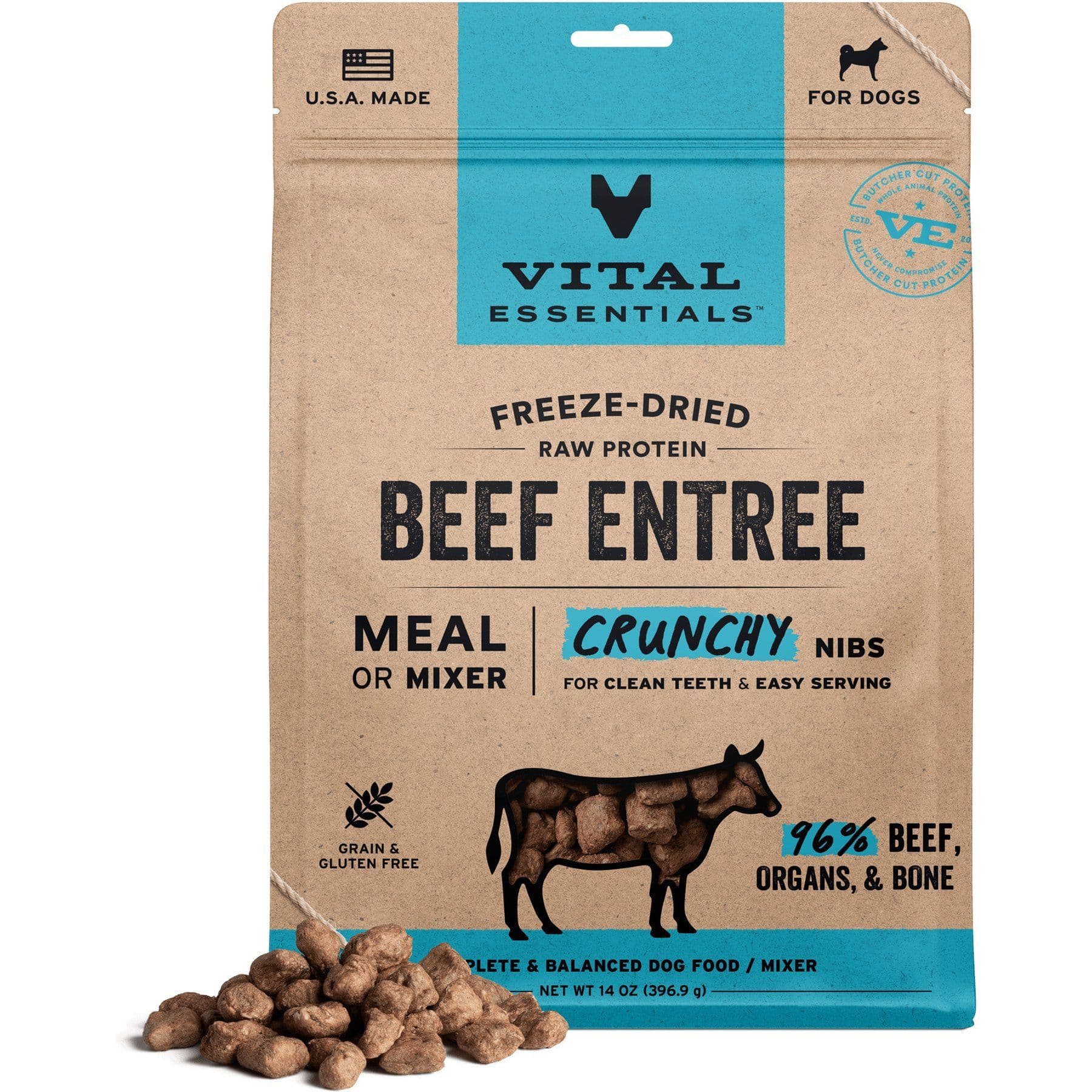
This is an optional dog treat. Review its current label, ingredients, calories, and feeding directions, and count it within the total daily extras.
Webvet may earn a commission when you click through to Chewy, at no extra cost to you.
Frequently Asked Questions
Can I give my dog scrambled eggs?
Yes. Plain scrambled eggs are one of the best ways to serve egg to a dog, as long as they are cooked with no butter, oil, salt, or seasoning. Let them cool, break them into pieces sized for your dog, and count them toward the daily treat allowance.
How many eggs can a dog eat?
There is no universal egg count by size or week. Count cooked egg within the individual dog's treat-calorie allowance and keep the complete and balanced diet primary.
Can dogs eat raw eggs?
It is not recommended. Raw eggs can carry Salmonella, and raw egg whites contain avidin, which interferes with biotin absorption over time. Cooking the egg removes both risks, so always serve it fully cooked.
Can dogs eat egg shells?
Do not use eggshell as a calcium supplement unless it is part of a veterinarian-formulated recipe. Extra calcium can unbalance a complete diet, and raw shell requires raw-egg hygiene.
Can dogs eat fried eggs or eggs with salt?
A fried or salted egg is not automatically toxic, but added fat, calories, and sodium may not fit the dog's plan. Check for onion, garlic, or other harmful ingredients and keep any egg fully cooked.
More safe treats
More dairy & eggs for dogs
Sources
- FDA: Think Food Safety and Be Salmonella Safe
Raw or undercooked eggs may carry Salmonella, and pets can become ill or shed the organism.
- Merck Veterinary Manual: Nutritional Requirements of Small Animals
Avidin is a chronic raw-egg-white dietary issue; indiscriminate mineral supplementation can unbalance a complete diet.
- Merck Veterinary Manual: Cutaneous Food Allergy in Animals
Food allergy requires elimination and challenge, not a one-day watch.
- WSAVA: Feeding Treats to Your Dog
Treat amount is based on the individual calorie allowance, not egg fractions by body size.
- Merck Veterinary Manual: Garlic and Onion Toxicosis in Animals
Onion and garlic can cause dose-dependent oxidative red-cell injury; seasoned egg dishes require ingredient- and amount-specific assessment.
- Merck Veterinary Manual: Overview of Nutrition in Small Animals
Egg provides nutrients and calories but is not complete canine nutrition, and a treat portion is not an established treatment for illness or appetite loss.
- Merck Veterinary Manual: Pancreatitis in Dogs and Cats
Pancreatitis has multiple associated factors and requires clinical diagnosis; a particular egg preparation or amount is not a universal trigger.
Reviewed by Dr. Athena Gaffud, DVM
General guidance based on credible veterinary sources; not a diagnosis or a substitute for your veterinarian. If your pet ate something toxic or is unwell, contact your vet or a pet poison line right away.