Can dogs eat salmon?
SafePlain thoroughly cooked boneless salmon can be an occasional dog treat; raw salmon adds pathogen risk and a region-specific fluke disease.


Medically reviewed by Dr. Athena Gaffud, DVM · Last reviewed
Can Dogs Eat Salmon?
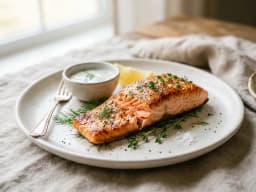
Plain thoroughly cooked salmon flesh can be an occasional dog treat when it fits the dog's calorie and medical plan. Remove obvious bones and serve it without sauce or seasoning. Salmon is not required, and a treat portion should not be promoted as therapy for skin, joints, heart, kidney, brain, or inflammatory disease.
- 1Plain thoroughly cooked boneless salmon can be an optional dog treat.
- 2Raw animal food can carry pathogens for dogs and people.
- 3Salmon poisoning disease requires a salmonid carrying an infected fluke and is regionally concentrated.
- 4An occasional bite does not deliver a therapeutic omega-3 dose or treat disease.
- 5Use exact product calories, ingredients, bones, source, and the individual dog's diet plan.

Treats should stay under 10% of your dog's daily calories. JustFoodForDogs makes the rest of it.
- Recipes developed by veterinary nutritionists
- Whole-food ingredients you can recognise
- Fresh meals delivered to your door
Webvet may earn a commission when you click through to JustFoodForDogs, at no extra cost to you.
Is salmon safe for dogs?
Cooking is recommended because raw animal food can carry pathogens that affect pets and people. Raw salmonids also require a distinct canine warning: salmon poisoning disease occurs when a dog consumes susceptible fish carrying a fluke infected with Neorickettsia organisms. The fish species, parasite, organism, and geography all matter.

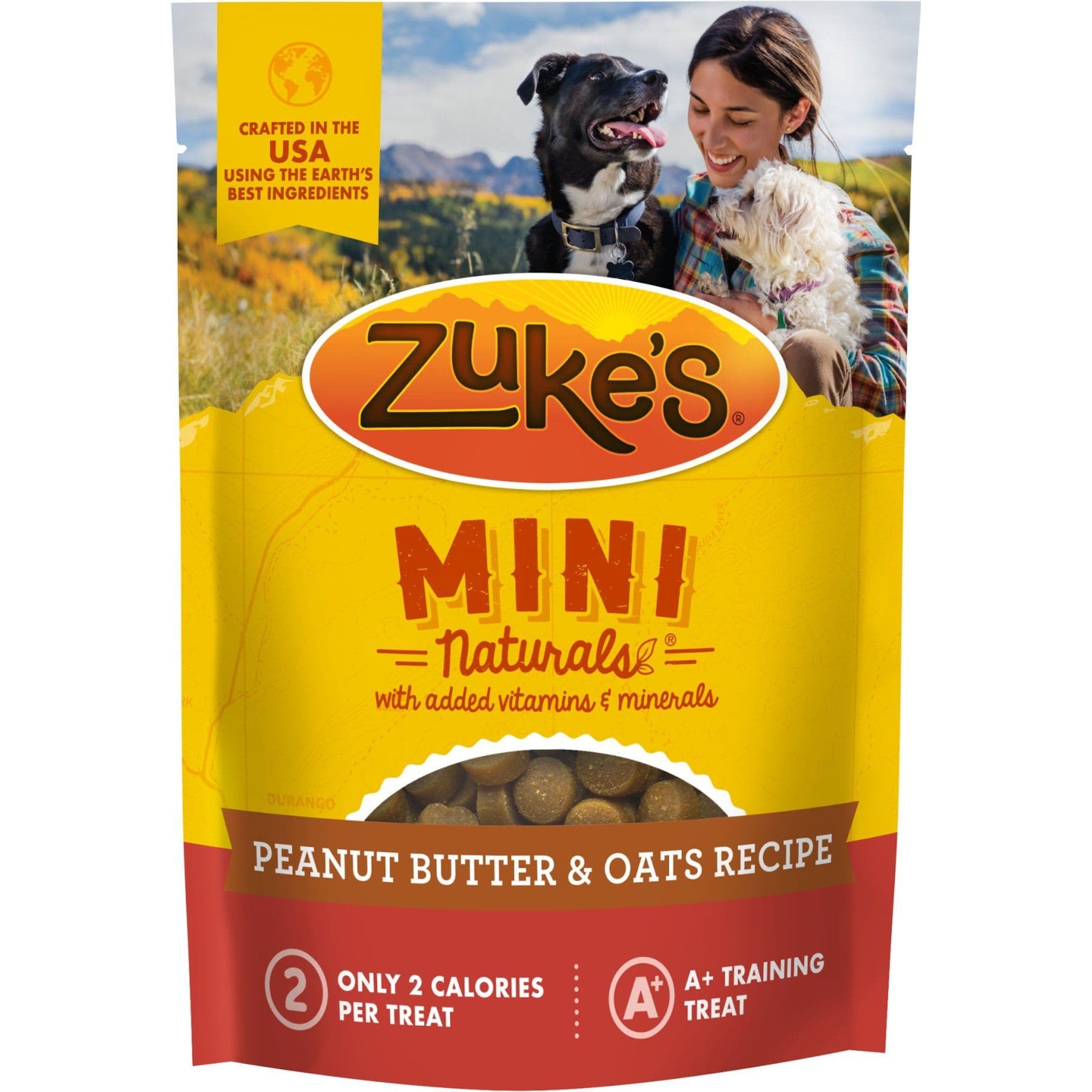
This is an optional dog treat. Review its current label, ingredients, calories, and feeding directions, and count it within the total daily extras.
Webvet may earn a commission when you click through to Chewy, at no extra cost to you.
The disease is primarily associated with the Pacific coast and northern Pacific Rim, with rare reports outside the classic Pacific Northwest range. It is not a universal property of every raw salmon fillet worldwide. A raw exposure still deserves product-, source-, location-, amount-, and symptom-specific veterinary advice because ordinary foodborne pathogens remain relevant.
What salmon contains and what that does not prove
Salmon contains protein, fat, calories, and long-chain omega-3 fatty acids. Nutrient presence does not prove that an occasional bite treats allergies, itching, arthritis, heart rhythm, kidney function, puppy development, or senior stiffness. Clinical fatty-acid use relies on formulated diets or supplements and patient-specific doses.
A complete dog food should provide the dog's essential nutrients. Adding salmon can change calories, fat, and nutrient balance without correcting a deficiency. A dog with a therapeutic diet, pancreatitis history, food trial, kidney disease, or another managed condition should receive only additions approved by the treating veterinarian.
| What salmon provides | What a treat does not prove |
|---|---|
| Protein | Treatment of muscle loss or disease |
| Fat and calories | Suitability for every dog |
| EPA and DHA | A clinical dose for skin, joints, heart, or kidney disease |
| Vitamins and minerals | Correction of a deficiency in a dog eating complete food |
| Palatability | Safety of raw, bony, smoked, or seasoned products |

Raw salmon: pathogens and fluke-borne disease in dogs
Avoid raw or undercooked salmon. Thorough cooking reduces microbial risk, but no preparation makes a mixed dish appropriate without checking the other ingredients. Keep raw juice, utensils, hands, and surfaces away from ready-to-eat food and follow safe food-handling practices.
If a dog ate raw salmon, record the species or product, wild or farmed source if known, geographic source or catch location, amount, time, and symptoms. Contact a veterinarian for advice, particularly after Pacific-origin wild salmonid exposure or when the source is unknown. Do not wait for a classic symptom list if the dog becomes ill. For raw or undercooked salmon, record where the fish was caught or sourced, the species if known, whether it was previously frozen, and whether the dog ate skin, viscera, bones, bait, hook, line, or packaging. Salmon poisoning disease is a specific infectious process involving an infected fluke in certain salmonids, with Merck describing US cases in coastal Pacific Northwest areas. That history deserves prompt veterinary discussion because signs can be delayed. Raw-food pathogen risk remains a separate issue for fish from any region and also affects people handling bowls and waste.
Salmon poisoning disease signs can include fever, reduced appetite, vomiting, diarrhea, weight loss, weakness, and enlarged lymph nodes. These signs overlap with many illnesses, so they cannot diagnose the infection at home. Early veterinary evaluation matters because untreated disease can be severe.
Deciding whether an optional salmon portion fits
No evidence-based ounce-by-weight salmon treat table exists. Use the calories from the exact cooked product within the dog's total treat allowance, accounting for every other extra. Fish portions vary in water, fat, preparation, and calorie density.

A body-weight table cannot account for the dog's complete diet, body condition, activity, life stage, food sensitivity plan, or medical restrictions. Puppies need complete growth nutrition; senior dogs do not receive a treatment dose of salmon merely because of age.
| Decision | Use this information |
|---|---|
| Optional treat amount | Exact cooked product calories and total daily extras |
| Raw exposure | Fish source, location, species, amount, time, and symptoms |
| Canned or smoked | Sodium, oil, seasonings, calories, and bones on the label |
| Medical diet | Treating veterinarian's nutrient and calorie plan |
How to prepare salmon for dogs
Cook salmon thoroughly, let it cool, and remove obvious bones. Use plain flesh without onion, garlic, butter sauce, glaze, alcohol, or other mixed-dish ingredients. Do not rely on visual inspection to make raw fish pathogen-free.
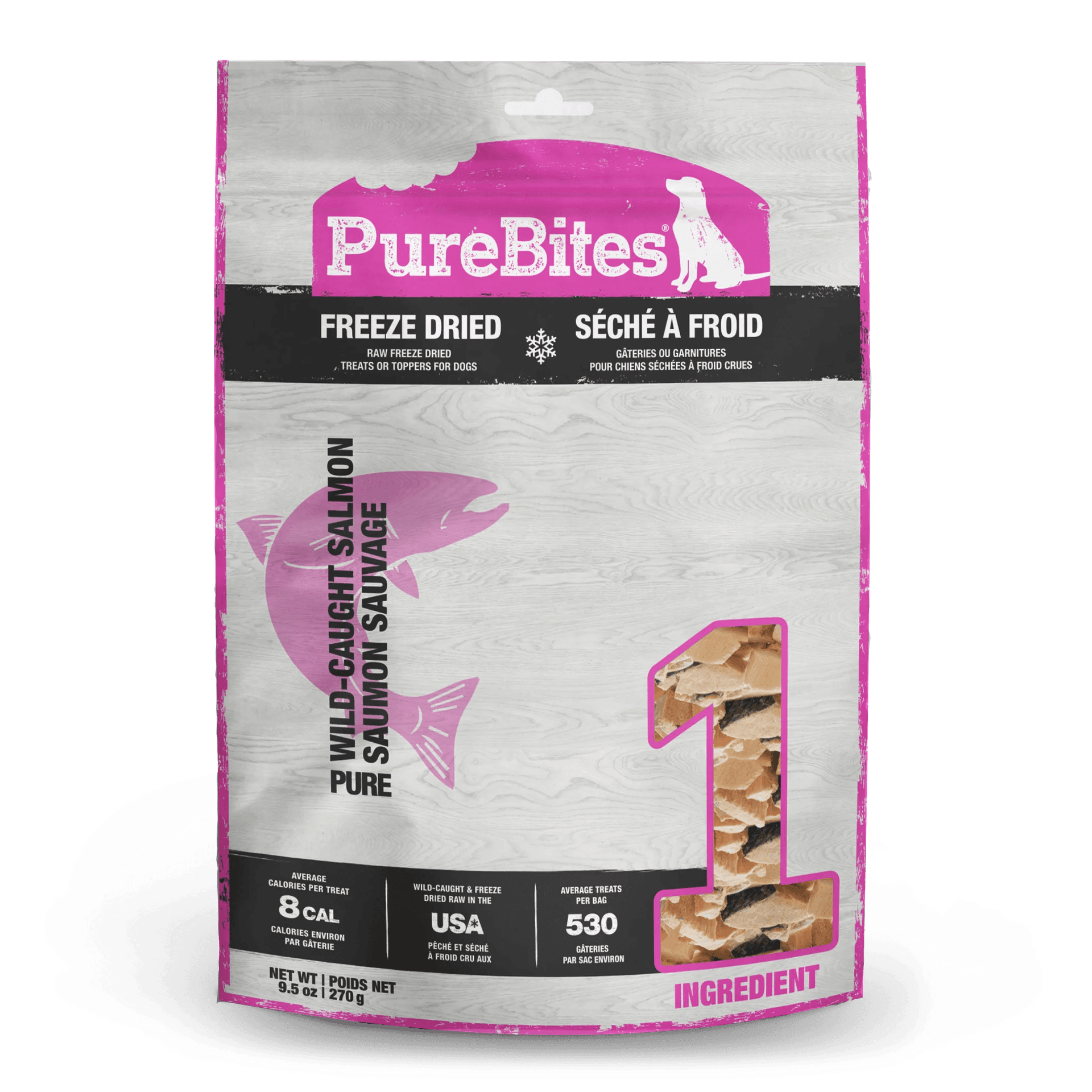
This is an optional dog treat. Review its current label, ingredients, calories, and feeding directions, and count it within the total daily extras.
Webvet may earn a commission when you click through to Chewy, at no extra cost to you.
Canned and smoked products vary. Some are water-packed and no-salt-added; others contain substantial sodium, oil, smoke flavoring, seasonings, or bones. Read the full label and calories instead of declaring every canned or smoked salmon product off-limits. Prepared salmon varies widely. Plain cooked boneless fish differs from smoked salmon, lox, jerky, canned products, sushi, fish cakes, spreads, teriyaki dishes, and seasoned leftovers. Check sodium, oil, onion, garlic, sauces, sweeteners, bones, skewers, and wrappers. Repeated vomiting, diarrhea, fever, swollen lymph nodes, profound weakness, loss of appetite, tremors, breathing difficulty, or collapse warrants prompt care. Keep the remaining fish and label available. For planned extras, count salmon with all other treats and preserve any therapeutic or elimination diet exactly as directed.

Risks and what to watch for
Fish bones are physical hazards whose risk depends on size, sharpness, preparation, amount, and how the dog chews. A bone does not inevitably splinter, but coughing, gagging, repeated swallowing, vomiting, pain, refusal to eat, or abdominal distress after a bone exposure warrants prompt care.
Skin is not a toxin, but it can add fat and calories and may carry seasoning. Packaging, skewers, foil, hooks, line, and spoiled fish create separate risks. Identify everything swallowed rather than focusing only on the salmon flesh.
Choosing another optional dog treat
Other fish are not automatically safer or more beneficial. Compare cooking, bones, sodium, oil, calories, source, contaminants, and the individual dog's plan. A familiar measured complete-food reward is the simplest option when fish adds no needed function.
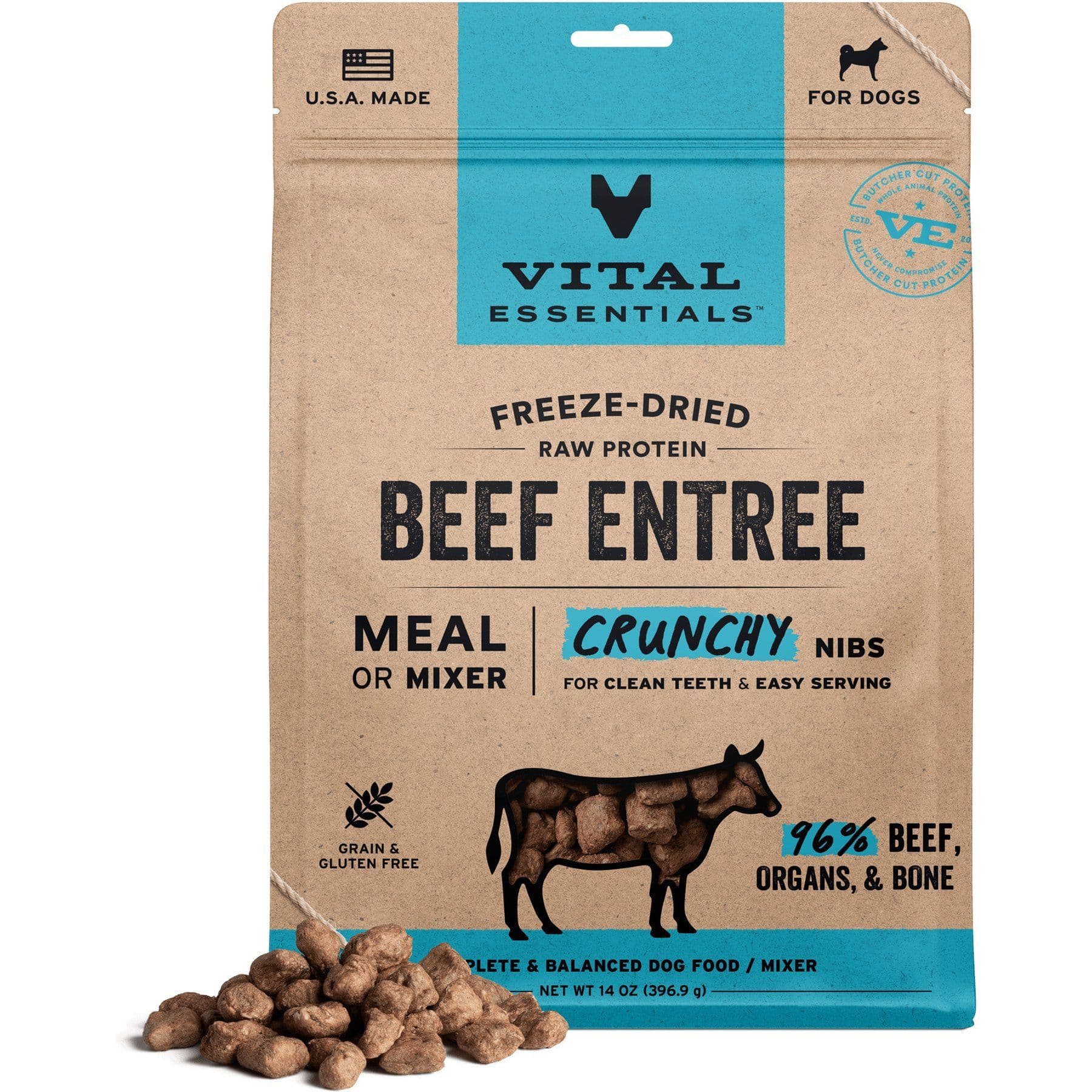
This is an optional dog treat. Review its current label, ingredients, calories, and feeding directions, and count it within the total daily extras.
Webvet may earn a commission when you click through to Chewy, at no extra cost to you.
Frequently Asked Questions
Can dogs eat raw salmon?
Plain thoroughly cooked boneless salmon can be an occasional treat if it fits the dog's plan.
Can dogs eat smoked salmon?
Salmon poisoning disease is not present in every raw fillet; it requires an infected fluke in a susceptible salmonid.
How often can dogs eat salmon?
Avoid raw salmon because of general pathogen risk even when regional fluke disease is unlikely.
Can dogs eat salmon skin?
Canned and smoked products vary, so read sodium, oil, seasoning, calorie, and bone information.
Is salmon good for dogs with itchy skin?
No ounce-by-weight serving or therapeutic benefit is established for a household salmon treat.

The practical rule is plain, thoroughly cooked, boneless, and measured if salmon is offered. Raw salmonid exposures need nuanced assessment, and no salmon treat should substitute for diagnosis or a formulated therapeutic nutrition plan.
More safe treats
More meat & seafood for dogs
Sources
- Merck Veterinary Manual: Salmon Poisoning Disease
Dogs acquire salmon poisoning disease by eating raw or undercooked salmonids carrying an infected fluke; Merck describes the US distribution as coastal areas of the Pacific Northwest.
- FDA: Get the Facts about Raw Pet Food Diets
Raw animal foods can expose pets and people to pathogens; the guidance supports avoiding raw fish and shellfish without predicting illness from every bite.
- Merck Veterinary Manual: Nutritional Requirements of Small Animals
Complete diets control nutrient intake; limited-ingredient home mixtures can be inadequate, and processed plant ingredients can be digested and used.
- FDA: Advice about Eating Fish
FDA lists salmon, sardines, and shrimp among lower-mercury choices for people; this is contaminant context, not a pet serving recommendation.
- Merck Veterinary Manual: Gastrointestinal Obstruction in Small Animals
Foreign-body risk depends on the object, amount, and patient rather than being guaranteed by a shell, hull, skin, seed, or bone.
Reviewed by Dr. Athena Gaffud, DVM
General guidance based on credible veterinary sources; not a diagnosis or a substitute for your veterinarian. If your pet ate something toxic or is unwell, contact your vet or a pet poison line right away.