Dog symptom
Itching or scratching in dogs
Reviewed by the Webvet Veterinarian Team · Last reviewed June 22, 2026
Frequent scratching, licking, chewing, or rubbing. Itch is very common and usually treatable, but constant scratching can damage the skin and cause infection.
Common causes of itching or scratching in dogs
- Fleas or other parasites (mites, lice)
- Allergies (fleas, food, or environmental/atopy)
- Skin infections (bacterial or yeast)
- Dry skin or contact irritants
Who's most at risk
- Pets without year-round flea control
- Breeds prone to allergies (atopy)
- Warm, humid seasons
- Pets with food sensitivities
What you can do at home
- Keep up year-round, vet-recommended flea control for all pets in the home
- Bathe with a gentle, pet-formulated shampoo if your vet advises
- Stop the licking/chewing from worsening (a recovery collar can help short-term)
When to see a vet
- Hair loss, sores, scabs, or a bad smell
- The itch is intense, sudden, or not improving
- Signs of skin infection (redness, swelling, discharge)
When it's more serious
- Sudden swelling or hives can be an allergic reaction — seek care urgently.
- Skin damage or odor suggests infection — book a vet visit soon.
- Relentless itch is miserable and damages skin — your vet can give fast relief.
What your vet may do
- Skin exam, flea check, and skin cytology
- Tests for mites, yeast, or bacterial infection
- Treat any infection and control the itch with medication
- Work up allergies — flea, food, or environmental
Questions to ask your vet
- Is there a skin infection that needs treating?
- Could this be a flea, food, or environmental allergy?
- What's the safest way to stop the itch now?
- What long-term plan prevents flare-ups?

Frequently asked questions
What causes itching or scratching in dogs?
Frequent scratching, licking, chewing, or rubbing. Itch is very common and usually treatable, but constant scratching can damage the skin and cause infection. Common causes include: Fleas or other parasites (mites, lice); Allergies (fleas, food, or environmental/atopy); Skin infections (bacterial or yeast); Dry skin or contact irritants.
Is itching or scratching in dogs an emergency?
Book a veterinary visit soon. See a vet right away if: Hair loss, sores, scabs, or a bad smell; The itch is intense, sudden, or not improving; Signs of skin infection (redness, swelling, discharge).
What can I do at home for a dog with itching or scratching?
Keep up year-round, vet-recommended flea control for all pets in the home. Bathe with a gentle, pet-formulated shampoo if your vet advises. Stop the licking/chewing from worsening (a recovery collar can help short-term).
A closer look at itching and scratching in dogs
Most itchy dogs are itchy for one of a handful of reasons: fleas, allergies, or a skin infection that has settled in on top of them. The single most useful thing to understand is that scratching is a symptom, not a diagnosis, and that constant scratching can quickly do more damage than whatever started it. Finding and treating the underlying cause is what brings lasting relief, and your veterinarian is the fastest route to it.
- 1The big three causes are fleas, allergies (flea, food, or environmental), and secondary skin infections.
- 2Year-round flea control for every pet in the home is the foundation of itch prevention.
- 3Never give human antihistamines, steroids, or creams without your vet's direction, as some are unsafe for dogs.
- 4Book a vet visit if you see hair loss, sores, a bad smell, or an itch that will not let your dog rest.
- 5Sudden facial swelling or hives is different, and can signal an allergic emergency.
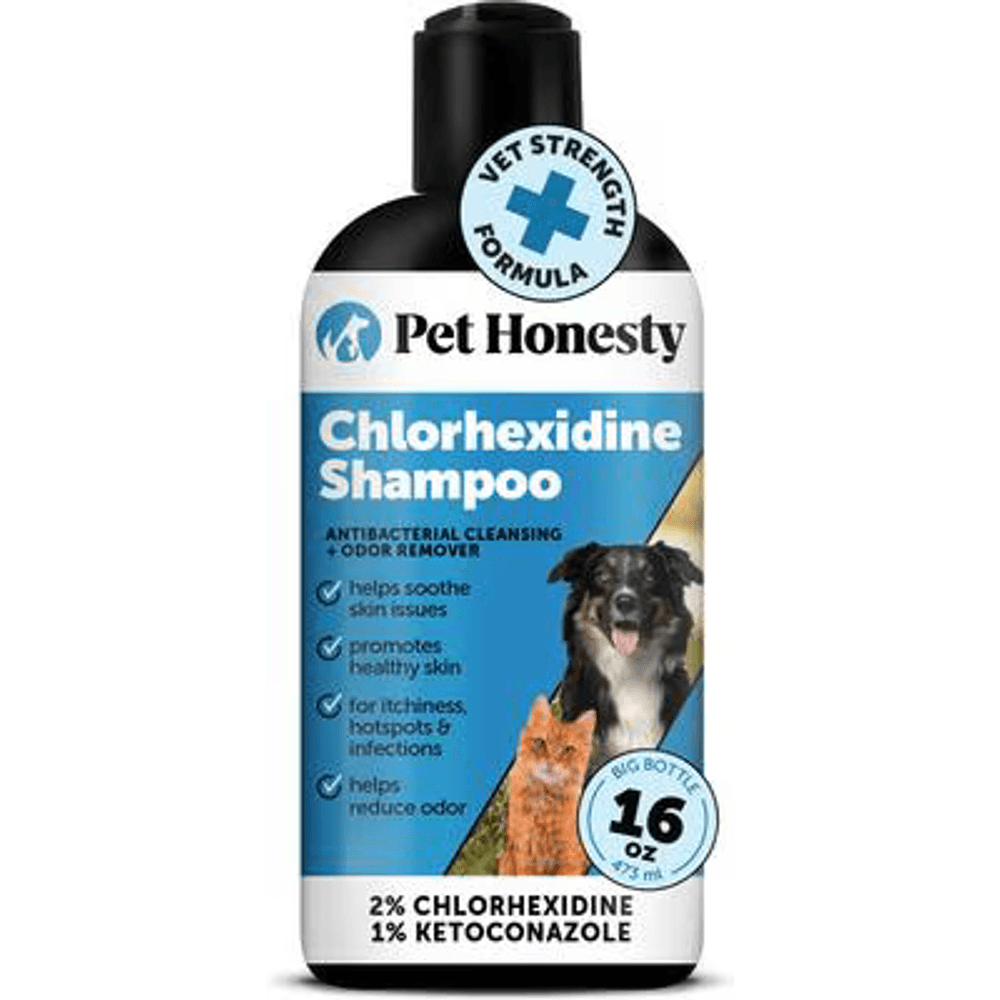
A chlorhexidine shampoo for itchy, irritated skin. Check with your vet first so you are treating the right problem.
Webvet may earn a commission when you click through to Chewy, at no extra cost to you.
What itching actually is, and why it spirals
Veterinarians call itching pruritus. It is the sensation that drives your dog to scratch, lick, chew, or rub, and in nature it exists to dislodge parasites and irritants. The trouble is the itch-scratch cycle. Inflamed skin releases chemical signals that make the area feel even itchier, so your dog scratches more, which inflames the skin further. Within a day or two a small irritation can become a raw, red hot spot. Broken skin also lets the bacteria and yeast that normally live harmlessly on the surface multiply, and those infections are intensely itchy in their own right. This is why an itch that looked minor on Monday can look alarming by the weekend, and why breaking the cycle early matters so much.
The usual suspects behind an itchy dog
When your veterinarian works through a scratching dog, they are essentially ranking probabilities. Fleas top the list, both because they are common and because flea-allergic dogs react to just one or two bites, often with intense itching around the tail base, rump, and back legs. Environmental allergies, known as atopy, come next and tend to flare seasonally, with dogs licking their paws, rubbing their face, and scratching their belly and armpits. Food allergies look similar but usually itch year-round and often involve the ears and rear end. Layered on top of any of these, bacterial and yeast infections turn a mildly itchy dog into a miserable one and give off a distinctive greasy or musty smell. Less common causes include mange mites, contact irritants, and simple dry skin during low-humidity months.

| Likely cause | Other signs you might notice | How urgent |
|---|---|---|
| Fleas or flea allergy | Itching at the tail base, flea dirt (tiny black specks), scabs on the lower back | Routine, treat promptly |
| Environmental allergy (atopy) | Paw licking, face rubbing, seasonal or year-round flare-ups | Routine, plan with your vet |
| Food allergy | Year-round itch, recurring ear or rear-end problems, sometimes tummy upset | Routine, needs a diet trial |
| Skin infection (yeast or bacteria) | Redness, odor, greasy coat, hair loss, sores | See a vet soon |
| Mites (mange) | Hair loss, crusting, relentless itch, sometimes contagious | See a vet soon |
| Sudden facial swelling or hives | Puffy face, welts, restlessness, possible vomiting | Emergency, go now |
Why is my dog itchy but has no fleas?
This is one of the most common questions owners ask, and the honest answer is that fleas are easy to miss. Adult fleas move fast and a well-groomed dog often swallows them while chewing, so the more reliable clue is flea dirt, tiny black specks that turn rusty red on a damp paper towel. Even so, plenty of itchy dogs genuinely have no fleas. In those cases the leading explanations are environmental and food allergies, followed by yeast or bacterial infections and, less often, mites. A dog can also be on excellent flea prevention and still itch from atopy, which is exactly why your vet will not stop at a flea check. If the itch is seasonal, allergies to pollen, grass, or dust mites are likely; if it is relentless year-round, food allergy and infection climb the list. Scratching that centers on the ears can point toward ear involvement, and itching that comes with bald patches or thinning fur deserves a closer look from your vet.
Which dogs are most likely to struggle with itch
Some dogs are simply wired to itch. Breeds prone to atopic dermatitis, including many terriers, retrievers, bulldogs, and shepherds, inherit a skin barrier that lets allergens in more easily, so their families often see itching begin in the first one to three years of life. Puppies and dogs in warm, humid climates face heavier flea and yeast pressure, and any dog without steady flea prevention is a candidate. Knowing your dog sits in a higher-risk group is genuinely useful, because it means starting prevention early and taking the first signs seriously rather than waiting for a full flare.
How your vet pinpoints the cause
Diagnosing an itchy dog is a process of elimination rather than a single test. Your veterinarian starts with a thorough skin exam and a flea comb, then usually takes skin cytology, a quick sample pressed onto a slide, to look for the bacteria and yeast that so often complicate itching. Skin scrapings check for mange mites. If those come back clear and the itch persists, the conversation shifts to allergies. Because there is no perfect blood test for food allergy, the gold standard is a strict elimination diet trial run for eight to twelve weeks under veterinary guidance, and environmental allergies may be confirmed with referral testing. The order matters: clearing the infection and locking down flea control first often reveals how much of the itch was allergy underneath all along.

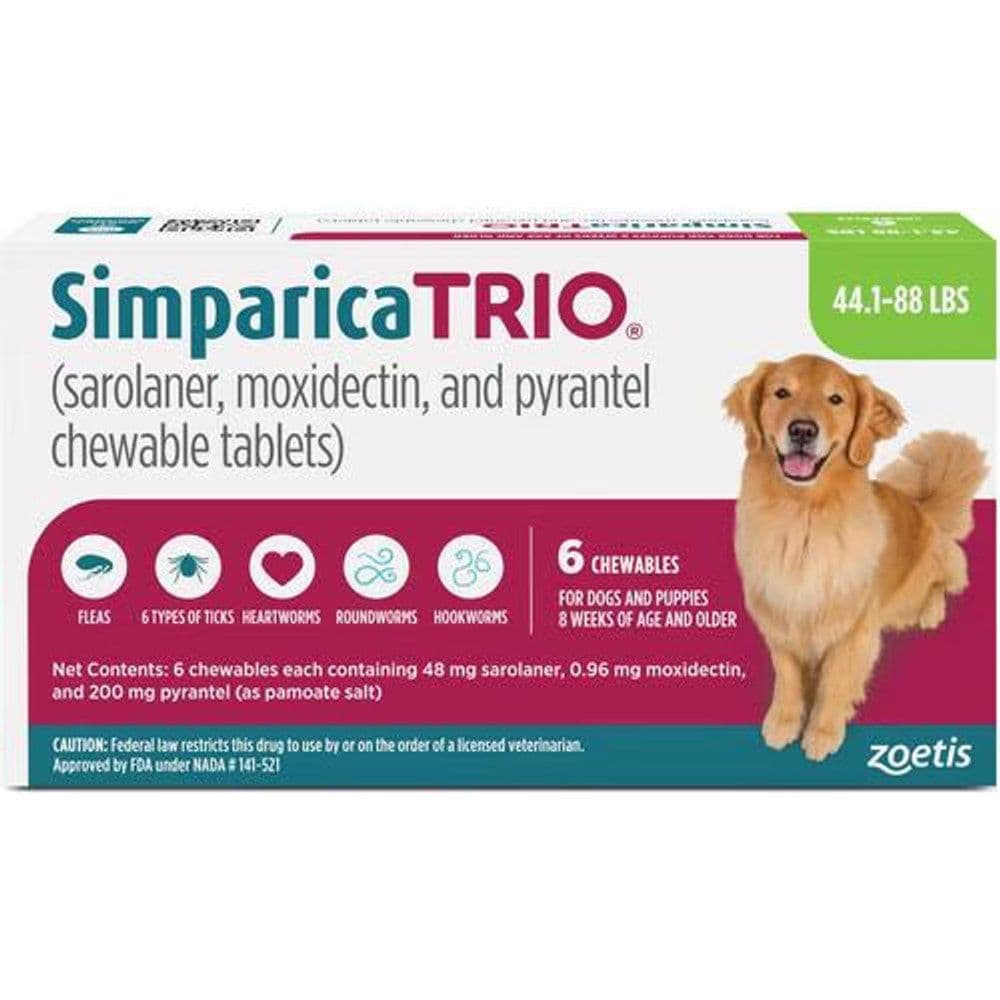
The prescription oral route to year-round flea control, for dogs who do better with a monthly chew than a collar.
Webvet may earn a commission when you click through to Chewy, at no extra cost to you.
What to expect: treatment and recovery
Treatment almost always happens in layers. First your vet calms the immediate itch and clears any infection, often with a course of medicated shampoo plus an oral or topical medication. Modern anti-itch options, including targeted tablets and injections, have made fast, safe relief far more achievable than it was a decade ago, and your vet will match the choice to your dog's age and overall health. Once your dog is comfortable, the focus shifts to the underlying cause, whether that is airtight flea control, a diet trial, or a long-term allergy plan. Set expectations realistically: an infection may clear in a couple of weeks, but allergies are managed rather than cured, so the goal is long stretches of comfortable, quiet skin with occasional flare-ups you learn to head off early. Costs vary with how much of a workup is needed, and asking your vet for a staged plan keeps it manageable. If you want the deeper picture, our guide to common causes of canine pruritus walks through each one in turn.
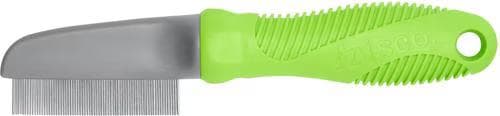
A fine flea comb over the rump and tail base is the cheapest way to find flea dirt yourself before the vet visit.
Webvet may earn a commission when you click through to Chewy, at no extra cost to you.
Lowering the risk of future flare-ups

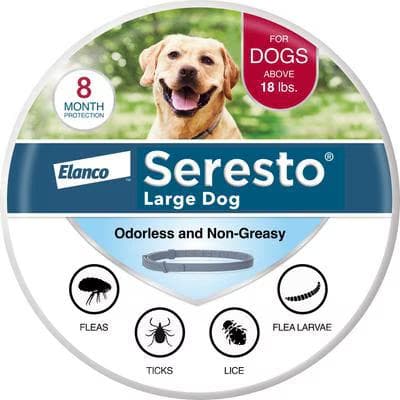
Fleas are the single most common cause of itch, and year-round control is step one before chasing an allergy diagnosis.
Webvet may earn a commission when you click through to Chewy, at no extra cost to you.
Prevention is where owners have the most power. Consistent, year-round flea and tick prevention for every pet in the household removes the single most common trigger and stops flea-allergic dogs from reacting to that first bite. Regular gentle grooming and bathing wash away pollen and allergens before they cause trouble, and wiping your dog's paws and belly after walks during pollen season helps atopic dogs in particular. A complete, high-quality diet supports the skin barrier, and for dogs with a confirmed food allergy, sticking rigidly to the prescribed food, treats included, is what keeps the itch away. Finally, learning your dog's early warning signs, the first bout of extra paw licking or head shaking, lets you call your vet before a small flare becomes a big one.
| Safe to do at home | Best to avoid |
|---|---|
| Vet-approved oatmeal or medicated shampoo | Human anti-itch creams or hydrocortisone unless your vet approves |
| Year-round flea prevention for all pets | Skipping months of flea control over winter |
| A temporary recovery collar to stop licking | Letting a hot spot go uncovered and untreated |
| Wiping paws and coat after walks | Bathing so often that the skin dries out |
| Calling your vet about a persistent itch | Giving human antihistamines or painkillers on your own |
An itchy dog is one of the most treatable problems your veterinarian sees, even if it takes a little detective work to land on the exact cause. Scratching is your dog's way of telling you something is off, so the kindest response is not to wait it out but to get ahead of the itch-scratch cycle before it damages the skin. With the right diagnosis and a steady prevention routine, the large majority of itchy dogs go back to comfortable, quiet, sleep-through-the-night skin.
Sources
Related reading from Webvet
Reviewed by the Webvet Veterinarian Team
This guide is general information, not a diagnosis, and does not replace an exam by your veterinarian. If your pet is in distress, contact your vet or an emergency clinic right away.