Dog symptom
Wounds & bleeding in dogs
Reviewed by the Webvet Veterinarian Team · Last reviewed June 22, 2026
A cut, bite, torn nail, or bleeding. Minor scrapes can be managed at home, but deep wounds, bites, heavy bleeding, or anything that won't stop needs veterinary care.
Common causes of wounds & bleeding in dogs
- Bites or fights (often deeper than they look)
- Cuts, scrapes, or torn nails
- Foreign objects (glass, thorns)
- Surgical sites that have opened
Who's most at risk
- Outdoor and free-roaming pets
- Multi-pet households (fights)
- Active dogs (nails, cuts)
- Pets on blood-thinning medication
What you can do at home
- Apply gentle, steady pressure with a clean cloth to stop bleeding
- Keep your pet calm and prevent licking (a recovery collar helps)
- Rinse a minor surface graze with clean water; skip strong antiseptics and human ointments
When to see a vet
- Bleeding that won't stop after several minutes of pressure
- Bite wounds (high infection risk, even if small)
- Deep, gaping, or contaminated wounds, or anything embedded
- Heavy blood loss, pale gums, or weakness
When it's more serious
- Uncontrolled bleeding or pale gums is an emergency — keep pressure on and go now.
- Bites and deep wounds need cleaning and antibiotics today — they get infected fast.
- Keep it clean and watch for swelling or discharge; check with your vet if unsure.
What your vet may do
- Stop the bleeding and assess depth and contamination
- Clean, clip, and close or manage the wound
- Antibiotics and pain relief, especially for bites
- Imaging if a foreign object or deeper injury is suspected
Questions to ask your vet
- Does this need stitches or a drain?
- Is infection likely (especially a bite)?
- What wound care do I do at home?
- What signs of infection should I watch for?

Frequently asked questions
What causes wounds & bleeding in dogs?
A cut, bite, torn nail, or bleeding. Minor scrapes can be managed at home, but deep wounds, bites, heavy bleeding, or anything that won't stop needs veterinary care. Common causes include: Bites or fights (often deeper than they look); Cuts, scrapes, or torn nails; Foreign objects (glass, thorns); Surgical sites that have opened.
Is wounds & bleeding in dogs an emergency?
See a vet today. See a vet right away if: Bleeding that won't stop after several minutes of pressure; Bite wounds (high infection risk, even if small); Deep, gaping, or contaminated wounds, or anything embedded; Heavy blood loss, pale gums, or weakness.
What can I do at home for a dog with wounds & bleeding?
Apply gentle, steady pressure with a clean cloth to stop bleeding. Keep your pet calm and prevent licking (a recovery collar helps). Rinse a minor surface graze with clean water; skip strong antiseptics and human ointments.
A closer look at wounds and bleeding in dogs
A bleeding dog can be frightening, but your first job is simple and it buys time: press a clean cloth firmly against the wound and hold steady, unbroken pressure for a full ten minutes without peeking. Most minor cuts and scrapes will clot and can be watched at home, but heavy or spurting blood that won't stop, a large or deep wound, or any bite or puncture means the safest move is to go to a vet or emergency clinic now rather than wait and see.
- 1Apply firm, continuous pressure with a clean cloth for a full 10 minutes; lifting to check restarts the bleeding.
- 2Heavy or spurting bleeding, pale gums, weakness, or a wound that won't stop after 10 to 15 minutes of pressure is an emergency.
- 3Bite wounds and punctures look small but seed infection deep under the skin and often turn into painful abscesses days later.
- 4Never use hydrogen peroxide, rubbing alcohol, or human ointments on an open wound, and keep a recovery collar on so your dog can't lick.
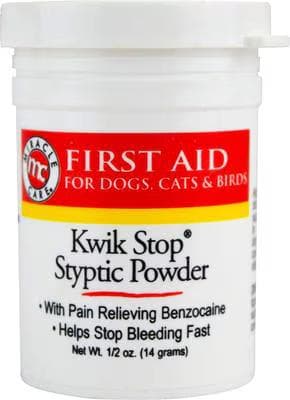
Styptic powder stops minor nail-quick and small surface bleeds. It is for minor bleeding only, heavy or spurting blood is an emergency.
Webvet may earn a commission when you click through to Chewy, at no extra cost to you.
What is actually happening when your dog bleeds
When skin is cut or torn, small blood vessels open and the body immediately starts to plug them. Platelets clump at the injury, a mesh of clotting proteins forms over the top, and within a few minutes a healthy dog's bleeding slows to a light ooze and then stops. This is why steady pressure works so well: you are physically holding the edges together long enough for that natural plug to set. Every time you lift the cloth to look, you tear the fragile new clot away and the countdown starts over, which is the single most common reason a wound seems to bleed far longer than it should.

Where the wound sits changes how it behaves. Paws, ear flaps, the tongue, and the nose are rich in blood vessels and can bleed dramatically even from a shallow nick, which often looks far worse than it is. A torn or broken nail bleeds from the quick, the living core of the nail, and can leave startling red smears around the house. Wounds over a joint or a moving limb keep reopening because the skin stretches with every step. None of this changes the plan: firm pressure first, then decide whether the injury needs a vet.
Why some wounds won't stop bleeding
If bleeding keeps going despite ten to fifteen minutes of firm, uninterrupted pressure, take it seriously. Sometimes the cause is mechanical: a deep laceration, a nicked artery, or an object still lodged in the wound holding it open. But blood that stays thin and watery and never seems to clot, or bruising and bleeding from more than one spot, can point to a clotting problem. One important and treatable cause in dogs is anticoagulant rodenticide poisoning from eating rat or mouse bait, which quietly disables the body's clotting for days. Other clotting disorders, some inherited and some tied to illness or medication, can do the same. This is why a wound that won't clot is never just a wound; it can be your first clue to something happening inside your dog.
Reading the wound: what you're seeing and how urgent it is
It helps to sort what you are looking at into rough buckets. The table below is a guide to thinking, not a substitute for a professional exam, and when you are unsure it is always safer to call your vet and describe what you see.
| What you're seeing | Other signs to look for | How urgent |
|---|---|---|
| Small surface graze that has stopped bleeding | Dog is bright, wound is shallow and clean | Home care, watch for swelling or discharge |
| Torn or broken nail, bleeding from the quick | Limping, licking the paw, bleeding restarts | Same-day vet if it won't stop or looks painful |
| Bite or puncture wound, even a tiny one | Swelling, heat, pain, foul smell over days | See the vet today; high infection risk |
| Deep, gaping, or contaminated cut | Muscle or fat visible, dirt or debris inside | Urgent; often needs cleaning and closure |
| Heavy or spurting blood that won't stop | Pale gums, weakness, cold or watery blood | Emergency; keep pressure on and go now |
How to help at home safely

For a small, shallow graze on an otherwise bright and comfortable dog, the goal is to keep the area clean and let it heal. Muzzle or have a helper gently restrain even the sweetest dog first, because pain makes normal pets snap. Press a clean cloth or gauze to stop any oozing, and if a paw or leg is involved you can raise it slightly, which lowers pressure at the wound. Once bleeding has stopped, rinse a minor surface graze with plain clean water or sterile saline to flush away grit. A torn nail that keeps weeping can be quieted with styptic powder or a styptic pencil pressed onto the tip; a pinch of cornstarch can work in a pinch if you have nothing else.
Then leave it alone and watch it. A healing wound should look a little better each day, not worse. Redness that is spreading, swelling, heat, a bad smell, cloudy discharge, renewed bleeding, or a dog who becomes dull, off his food, or feverish all mean it is time to stop watching and call the vet. When in doubt, a quick phone call to describe the wound is free and can save you a much bigger problem later.
Why bite wounds are more dangerous than they look
A bite from another dog, a cat, or wildlife is the wound owners most often underestimate. A tooth acts like a needle: it makes a small hole on the surface but crushes and tears tissue underneath and injects a load of bacteria deep into the wound, then the skin closes over the top and seals the germs inside. Days later that hidden pocket can turn into a hot, swollen, painful abscess, sometimes showing up first as a new lump or mass under the skin. This is why vets take even a tiny puncture seriously and often start antibiotics and pain relief the same day rather than waiting for infection to declare itself. If your dog has been in a fight or tangled with wildlife, have the wound checked promptly even if it looks like nothing, and mention it if your dog is not up to date on rabies vaccination.

What to expect at the vet visit
The first thing the team does is stop the bleeding and make sure your dog is stable. With heavy blood loss they will check the gum color and circulation, because pale gums can signal that a dog has lost more blood than the outside of the wound suggests. Once your dog is comfortable, often with sedation and pain relief, the vet clips the fur, flushes the wound thoroughly, and explores how deep it really goes. Clean, fresh cuts may be stitched closed; contaminated or older wounds are sometimes left partly open or fitted with a small drain so infection can escape rather than build up. Bites and dirty wounds usually earn a course of antibiotics. If a foreign object or deeper injury is suspected, your vet may recommend imaging such as an x-ray, and blood tests if a clotting problem is on the table.
Recovery for a simple wound is often quick, with stitches out in about ten to fourteen days, while deep bites or degloving injuries can take longer and need repeat visits. Cost varies widely with the depth of the wound, whether sedation and surgery are needed, and whether it becomes infected, so it is fair to ask for an estimate up front and to ask what the cheapest safe option is if money is tight. Good questions to bring include whether the wound needs stitches or a drain, how likely infection is, and exactly what home care to do.
Caring for the wound while it heals
Most wound complications at home come down to one thing: licking. A recovery collar, the cone, is not a punishment; it is the cheapest and most effective way to keep your dog from pulling out stitches and reopening the wound. Keep it on full time until your vet says otherwise, including overnight, because a determined dog can undo a repair in a single unsupervised hour. Follow the dosing on any prescribed medication exactly and finish the full course of antibiotics even if the wound looks healed, and keep bandages clean and dry, checking that a limb below a wrap stays warm and does not swell. If a bandage smells bad, slips, gets wet, or the toes below it puff up, have it changed rather than leaving it.
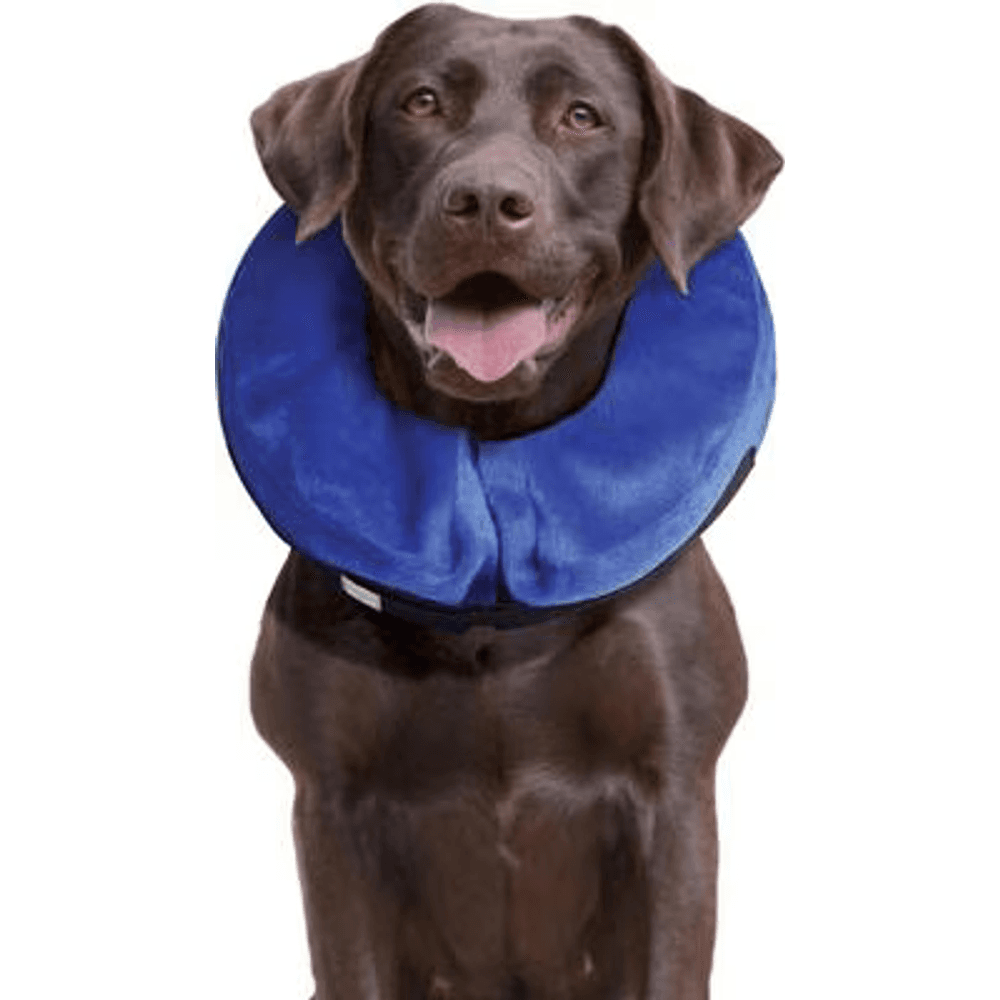
A soft inflatable collar stops licking at a healing wound without the misery of a rigid cone.
Webvet may earn a commission when you click through to Chewy, at no extra cost to you.
How to lower the risk of the next injury
You cannot prevent every scrape, but a few habits cut the odds. Supervise play with unfamiliar dogs and step in before rough play tips into a fight, since bites are the wounds most likely to turn serious. Keep nails trimmed so they are less likely to snag and tear, and sweep patios and play areas for broken glass, sharp metal, and other hazards. Free-roaming and outdoor dogs, active sporting breeds, dogs in multi-pet homes, and dogs on blood-thinning medication are all more prone to wounds or to bleeding that is harder to control. Store rat and mouse bait where no dog can ever reach it, and keep your dog current on core vaccines in case of a bite.

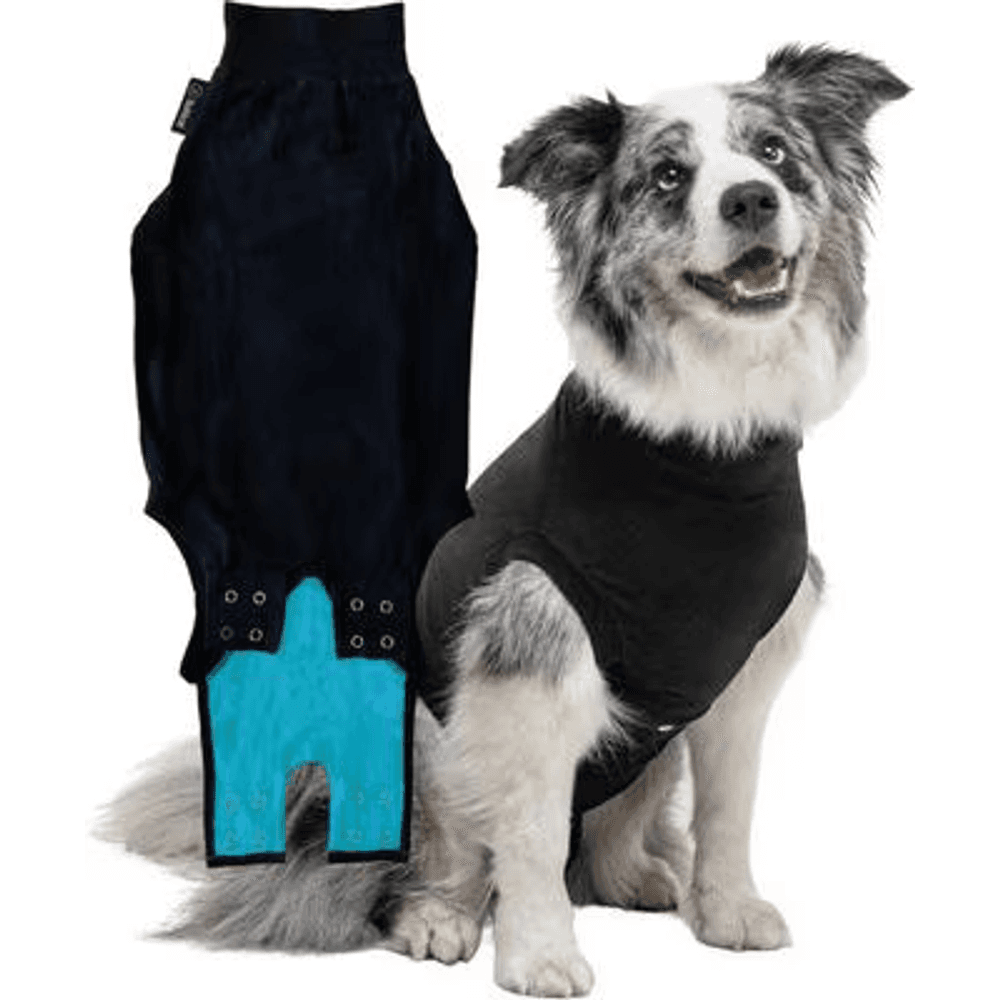
A snug recovery suit covers a torso wound completely, often better tolerated than any collar.
Webvet may earn a commission when you click through to Chewy, at no extra cost to you.
The reassuring reality is that most wounds dogs pick up in daily life heal well when they are cleaned promptly and protected from licking. Trust the simple rule: firm pressure first, then when bleeding is heavy or won't stop, when a wound is deep, or when teeth were involved, let a veterinarian take a look rather than hoping it sorts itself out. When you are unsure, a phone call to your clinic is always the right next step.
Sources
Reviewed by the Webvet Veterinarian Team
This guide is general information, not a diagnosis, and does not replace an exam by your veterinarian. If your pet is in distress, contact your vet or an emergency clinic right away.