Dog symptom
Hair loss or bald patches in dogs
Reviewed by the Webvet Veterinarian Team · Last reviewed June 22, 2026
Thinning fur or bald spots. Often linked to itching and over-grooming, but some causes are hormonal and aren't itchy at all.
Common causes of hair loss or bald patches in dogs
- Parasites (fleas, mange mites) and the scratching they cause
- Allergies and the resulting over-grooming (common in cats)
- Ringworm (a fungal infection — can spread to people)
- Hormonal or endocrine disease (hypothyroidism in dogs, Cushing's disease, or hyperthyroidism-related coat changes in cats)
Who's most at risk
- Pets with fleas or allergies
- Young, old, or immunocompromised pets (ringworm)
- Breeds prone to hormonal disease
- Multi-pet homes (contagious causes)
What you can do at home
- Maintain flea prevention and avoid known allergens where possible
- Don't share bedding/brushes between pets until ringworm is ruled out
- Photograph the patches over time to show your vet the progression
When to see a vet
- Spreading bald patches, redness, or sores
- Hair loss with weight, energy, or thirst changes (possible hormonal disease)
- Anyone in the household develops a circular, itchy rash (possible ringworm)
When it's more serious
- Spreading or inflamed patches need a vet workup soon.
- Hair loss with these signs can signal hormonal disease — ask about bloodwork.
- That can indicate ringworm spreading to people — see your vet and your doctor.
What your vet may do
- Skin exam, a fungal (ringworm) test, and cytology
- Check for parasites and skin infection
- Bloodwork if a hormonal cause is suspected
- Treat the specific cause; isolate if ringworm
Questions to ask your vet
- Could this be ringworm — and is it contagious to us?
- Is a hormonal disease possible?
- What testing makes sense first?
- How long until the coat recovers?

Frequently asked questions
What causes hair loss or bald patches in dogs?
Thinning fur or bald spots. Often linked to itching and over-grooming, but some causes are hormonal and aren't itchy at all. Common causes include: Parasites (fleas, mange mites) and the scratching they cause; Allergies and the resulting over-grooming (common in cats); Ringworm (a fungal infection — can spread to people); Hormonal or endocrine disease (hypothyroidism in dogs, Cushing's disease, or hyperthyroidism-related coat changes in cats).
Is hair loss or bald patches in dogs an emergency?
Book a veterinary visit soon. See a vet right away if: Spreading bald patches, redness, or sores; Hair loss with weight, energy, or thirst changes (possible hormonal disease); Anyone in the household develops a circular, itchy rash (possible ringworm).
What can I do at home for a dog with hair loss or bald patches?
Maintain flea prevention and avoid known allergens where possible. Don't share bedding/brushes between pets until ringworm is ruled out. Photograph the patches over time to show your vet the progression.
A closer look at hair loss and bald patches in dogs
When your dog starts losing hair, the single most useful question to answer first is whether the patches are itchy or not, because that one clue splits the likely causes into two very different groups. Itchy hair loss usually traces back to parasites, allergies, or a skin infection, where the fur comes out because your dog is scratching, licking, and chewing at irritated skin. Non-itchy hair loss, especially when it is symmetrical on both sides of the body, points more toward a hormonal or endocrine problem that changes the coat from the inside. Neither situation is usually an emergency, but almost all of them do need a veterinarian to pin down the cause, because the fur is a visible symptom of something happening in the skin or the body underneath.
- 1Itchy hair loss usually means parasites, allergies, or infection; non-itchy, symmetrical loss more often means a hormonal disease.
- 2Ringworm is a fungal infection, not a worm, and it can spread to people and other pets, so hygiene matters while it is being ruled out.
- 3Hair loss paired with weight, thirst, or energy changes is a red flag for hormonal disease and deserves bloodwork.
- 4Most causes are treatable, but the coat often takes weeks to months to fully grow back after the underlying problem is fixed.
- 5Never treat bald patches with human creams or supplements before your vet has identified the cause.
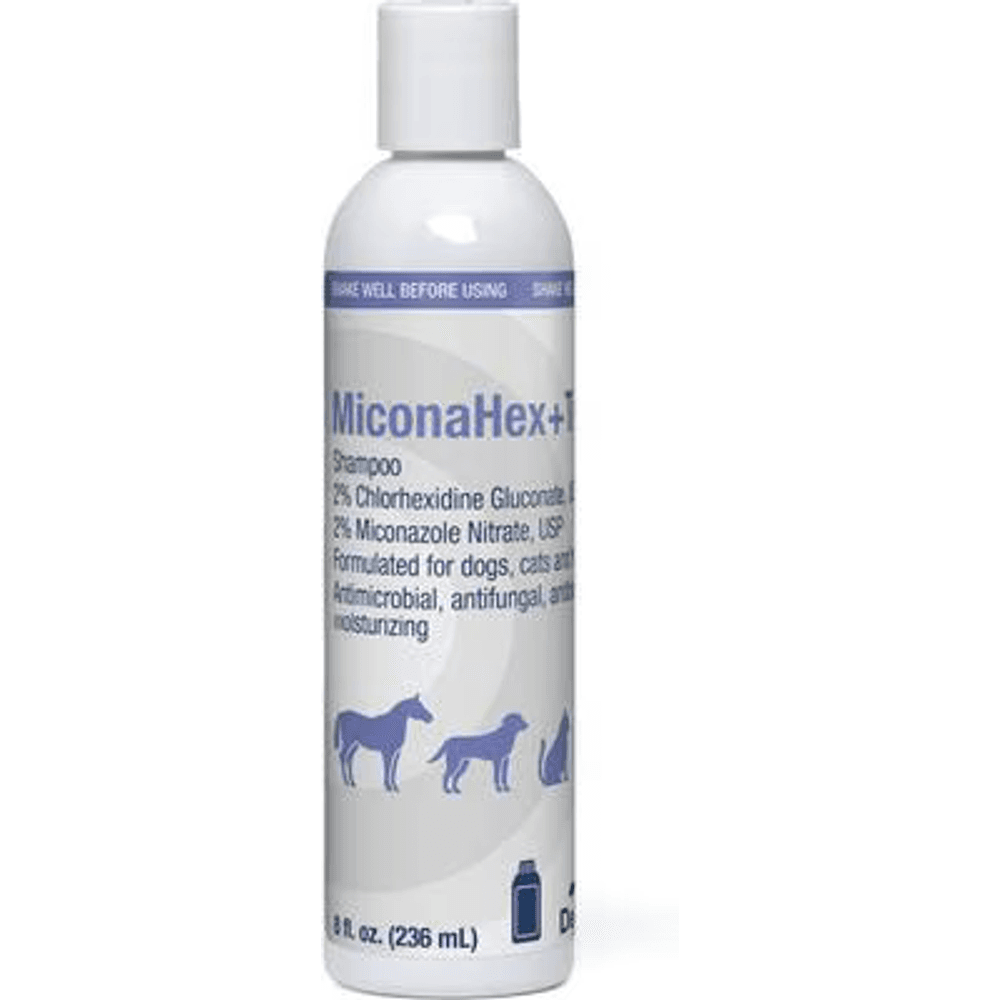
A medicated antifungal and antibacterial shampoo vets commonly pair with treatment for ringworm or a yeasty skin infection. Use it on your vet's direction.
Webvet may earn a commission when you click through to Chewy, at no extra cost to you.
What is actually happening in the skin
A dog's coat grows in cycles: each hair follicle pushes out a hair, rests, sheds it, and then grows a new one. Normal shedding is this cycle working as designed, which is why seasonal coat blows and steady background shedding are not the same thing as true hair loss. Alopecia, the medical word for hair loss, happens when that cycle is interrupted or when hairs are physically broken and removed faster than they can be replaced. Scratching and over-grooming snap and pull hairs out mechanically, so you often see broken stubble, redness, and irritated skin. Hormonal disease works differently and quietly: it slows or shuts down the growth phase of the follicle, so the hair thins and falls without any inflammation, and the skin underneath can look darker, thinner, or scaly rather than angry and red.
This is why the pattern of the loss tells a veterinarian so much before a single test is run. Loss around the eyes, muzzle, paws, and belly often follows allergic itch. Loss along the back and near the tail base is a classic spot for flea-driven irritation. A widening bald patch with a crusty ring hints at ringworm. And symmetrical thinning across the flanks, chest, or trunk, with a dog that is not scratching at all, moves a hormonal cause to the top of the list. The fur is a map, and the shape of what is missing is part of the diagnosis.
The most common reasons dogs lose their fur

Parasites are the first thing most vets rule out, because fleas and mange mites are common, treatable, and easy to miss. Flea allergy in particular can cause dramatic hair loss over the lower back and tail base from a small number of bites, since it is an allergic reaction rather than the fleas themselves eating the fur. Mange mites, whether the demodex kind or the intensely itchy sarcoptic kind, burrow into the skin and drive the scratching that pulls hair out. Allergies are the next big group: environmental allergens, food ingredients, and flea saliva all trigger itching and over-grooming that thins the coat in the spots your dog can reach and worry at. On top of parasites and allergies sit two causes that behave very differently: ringworm and hormonal disease, both worth their own sections below.
| Likely cause | Other signs you might notice | Typically itchy? |
|---|---|---|
| Fleas / flea allergy | Loss over lower back and tail base, flea dirt, scabs | Yes, often intense |
| Mange mites | Crusty or greasy skin, redness, sometimes ear or elbow involvement | Sarcoptic yes, demodex often no |
| Allergies | Licking paws, red belly, recurring ear infections | Yes |
| Ringworm (fungal) | Circular patches with crusty edges, may spread to people | Mild or none |
| Hormonal disease | Symmetrical thinning, weight or thirst changes, dull coat | No |
Ringworm: the one that can spread to your family
Despite the name, ringworm is not a worm at all. It is a fungal infection of the hair and skin, and it earns special attention because it is zoonotic, meaning it can pass from your dog to you, your children, and other pets in the home. On a dog it often shows up as a roughly circular patch of hair loss with a crusty or scaly edge, and it may be only mildly itchy or not itchy at all, which is why it is easy to mistake for something harmless. Puppies, senior dogs, and any pet with a weakened immune system are the most vulnerable, and multi-pet households let it circulate. Your veterinarian confirms it with a fungal test rather than by eye, because several unrelated problems can look like a ring on the skin.
Non-itchy, symmetrical loss: thinking about hormones
When a dog is losing hair evenly on both sides of the body and is not scratching, veterinarians start thinking about the endocrine system, the network of glands that make hormones. Hypothyroidism, an underactive thyroid gland, is one of the most common culprits in dogs and tends to produce a dull, thinning coat, weight gain, and low energy. Cushing's disease, where the body makes too much cortisol, often causes symmetrical hair loss along the trunk together with a pot-bellied look and, tellingly, a big increase in drinking and urinating. These conditions creep in slowly, so owners often cannot say exactly when the coat started to change. That is why any hair loss that arrives alongside shifts in weight, appetite, thirst, or energy is worth flagging clearly to your vet, because it points the workup toward bloodwork rather than a skin scraping.
How vets pinpoint the cause, and what to expect
A hair-loss workup usually starts with a hands-on skin exam and a short history: when it began, whether your dog is itchy, what the flea prevention looks like, and whether anything in the household has changed. From there your vet reaches for a small set of quick, low-stress tests. A skin scraping checks for mange mites under the microscope. Cytology, a sample dabbed onto a slide, looks for bacteria or yeast riding along with the hair loss. A fungal test screens for ringworm, and because ringworm can be slow to confirm, your vet may start a culture that takes some days to read. If the coat loss is symmetrical and non-itchy, or if there are weight, thirst, or energy changes, bloodwork moves up the list to check thyroid and cortisol levels.

Treatment then follows the diagnosis rather than the symptom. Parasites are cleared with prescription flea and mite control. Allergies are managed with a mix of parasite control, medicated baths, diet trials, and, when appropriate, medications your vet selects to calm the itch. Skin infections get targeted antibiotics or antifungals. Ringworm is treated with antifungal medication and environmental cleaning, often over several weeks, with the dog sometimes isolated to protect the rest of the household. Hormonal disease is managed with lifelong medication that, once the levels are balanced, usually lets the coat recover. The honest timeline for regrowth is weeks to months, because you are waiting for the follicle cycle to restart, not for the fur to reappear overnight.
How to help at home safely
The most valuable thing you can do before the appointment is keep up year-round flea prevention, since fleas are behind so many cases and are simple to remove from the equation. Take a few dated photos of the patches so your vet can see how fast they are changing, and note whether your dog seems itchy or indifferent to the spots. Avoid known allergens where you can, and keep bedding and grooming tools separate between pets until ringworm has been ruled out. If you also see heavy flaking, it is worth reading up on dandruff and flaky skin, which often travels with the same underlying skin problems. What you should not do is reach for human creams, hydrocortisone, or over-the-counter supplements marketed for hair growth, because the wrong product can mask signs, irritate raw skin, or in some cases be toxic if your dog licks it off.

Omega-3s support the skin barrier and coat quality. Fish oil is one of the first things vets add when a coat looks dull or thin.
Webvet may earn a commission when you click through to Chewy, at no extra cost to you.
Lowering the risk over the long run
You cannot prevent every cause of hair loss, since breed-linked hormonal disease is largely out of your hands, but you can shrink the most common triggers. Consistent, vet-recommended flea and tick prevention removes the single biggest driver of itchy coat loss. A complete, balanced diet supports healthy skin and fur from the inside, so there is no need for random supplements. Regular grooming keeps the coat clean and, just as importantly, gives you a routine chance to feel for new thin spots, scabs, or lumps early. For multi-pet homes, prompt attention to any suspected ringworm keeps a small problem from becoming a household one. And keeping up with wellness visits means hormonal diseases are often caught on routine bloodwork before the coat changes become severe.

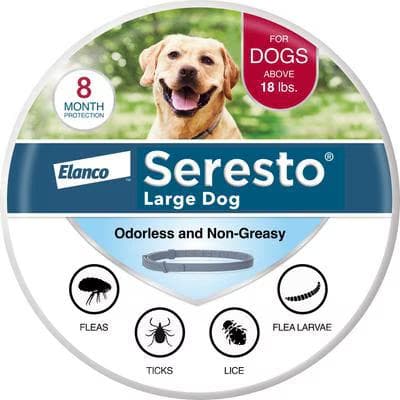
Flea-bite scratching is a top cause of thinning patches. Eight months of control from one collar takes it off the list.
Webvet may earn a commission when you click through to Chewy, at no extra cost to you.
When to stop watching and book the visit
Hair loss is rarely an emergency, but it is almost never something to simply wait out, because the fur is telling you about a problem in the skin or the body. Book a veterinary visit if the bald patches are spreading, red, or developing sores, if the hair loss comes with changes in weight, thirst, appetite, or energy, or if anyone in the household develops a circular, itchy rash that could be ringworm passing from your dog. Sudden, dramatic loss, open or bleeding skin, or a dog that seems generally unwell should be seen sooner rather than later. The earlier the cause is named, the sooner the itch stops, the infection clears, or the hormone levels are balanced, and the sooner that slow, satisfying regrowth can begin.
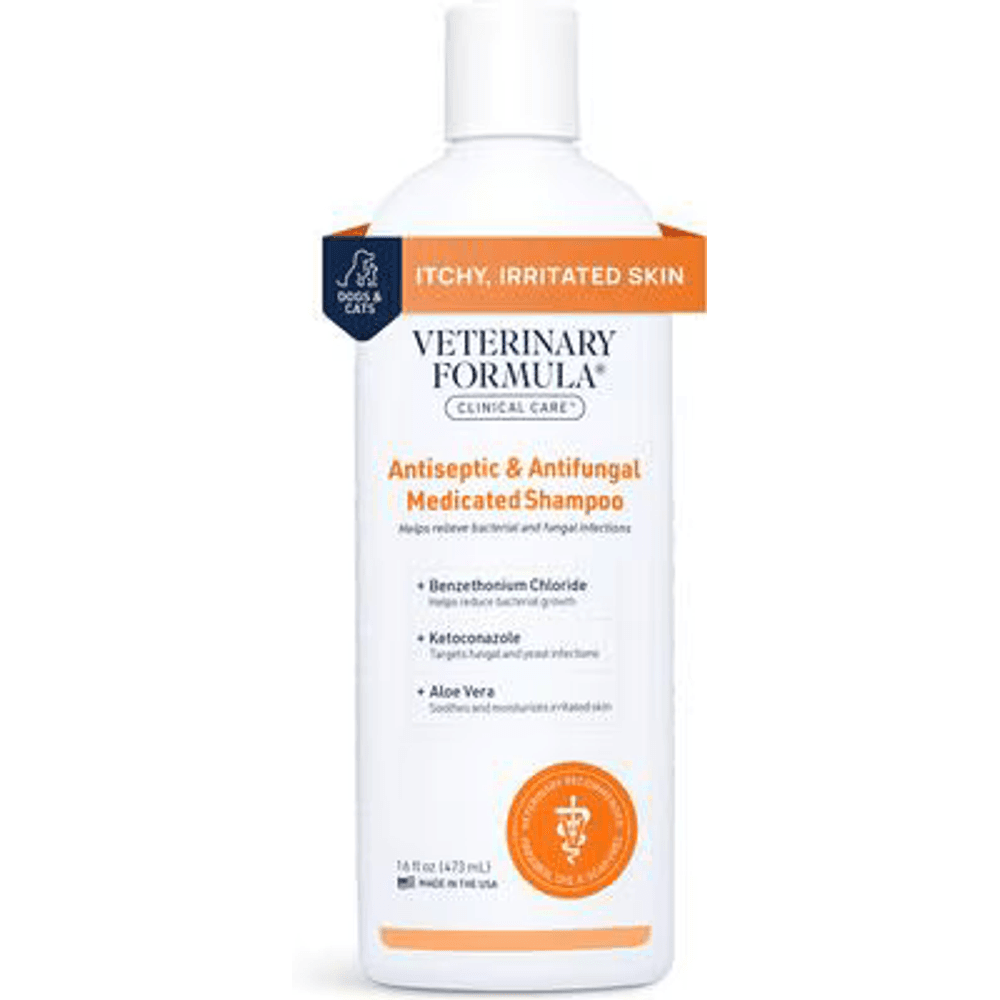
A medicated antiseptic and antifungal shampoo for skin losing coat to irritation or infection. Use on your vet direction.
Webvet may earn a commission when you click through to Chewy, at no extra cost to you.
Sources
Reviewed by the Webvet Veterinarian Team
This guide is general information, not a diagnosis, and does not replace an exam by your veterinarian. If your pet is in distress, contact your vet or an emergency clinic right away.