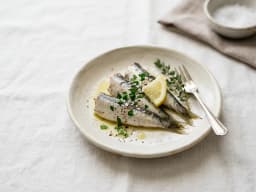
Can dogs eat sardines?
SafePlain cooked sardines can be an occasional dog treat; use the exact product's calories, packing medium, bones, sodium, and ingredients.


Medically reviewed by Dr. Athena Gaffud, DVM · Last reviewed
Can Dogs Eat Sardines?
Plain thoroughly cooked sardine flesh can be an occasional dog treat when it fits the dog's calorie and medical plan. Sardines are optional, not a required supplement, and a household portion should not be promoted as treatment for skin, joints, heart rhythm, kidney function, puppy development, or another condition.
- 1Plain cooked sardines can be optional dog treats.
- 2Use exact product calories instead of a fish-count or body-weight table.
- 3FDA lists sardines among lower-mercury choices for people, not as a pet feeding dose.
- 4Raw thiaminase claims require species-specific evidence and chronic-diet context.
- 5Assess oil, sodium, sauce, bones, alliums, and raw status separately.

Treats should stay under 10% of your dog's daily calories. JustFoodForDogs makes the rest of it.
- Recipes developed by veterinary nutritionists
- Whole-food ingredients you can recognise
- Fresh meals delivered to your door
Webvet may earn a commission when you click through to JustFoodForDogs, at no extra cost to you.
Are sardines safe for dogs?
Fresh, frozen, canned, and raw sardines are different exposures. Thorough cooking reduces pathogen risk. Canned products vary in water, oil, sauce, sodium, seasonings, calories, and bone texture, so the exact label matters more than the fish count.


This is an optional dog treat. Review its current label, ingredients, calories, and feeding directions, and count it within the total daily extras.
Webvet may earn a commission when you click through to Chewy, at no extra cost to you.
A complete dog food should supply essential nutrients. Sardines contain protein, fat, calories, vitamins, minerals, and long-chain omega-3 fatty acids, but nutrient presence does not establish a clinical effect from a treat portion or show that the dog's balanced diet needs supplementation.
What sardines contain and what that does not prove
Clinical uses of EPA and DHA depend on a formulated dose, diagnosis, complete diet, product quality, and veterinary monitoring. One fish cannot be promised to reduce itching, arthritis, stiffness, inflammation, heart disease, kidney disease, or developmental problems.
Soft bones in some canned sardines may be readily consumed, but they do not provide a mineral balance the body necessarily needs. Dogs eating complete food already receive formulated calcium and phosphorus. Larger, hard, or sharp bones need an individualized physical-hazard assessment.

Canned in water vs oil or brine
FDA lists sardines among lower-mercury choices for people. That provides contaminant context, not a dog serving frequency or proof that every source is identical. Product origin, advisories, spoilage, and other contaminants can still matter. The can or package supplies the most useful details. Sardines may be packed in water, oil, brine, tomato sauce, mustard, hot sauce, or seasoned mixtures, and serving mass and sodium vary. Record whether the fish were whole, filleted, smoked, dried, raw, or cooked and whether the dog reached a pull tab, lid, foil, skewer, hook, line, or plastic. Soft canning bones and sharp foreign bones are different physical histories. A complete dog food containing sardines also differs nutritionally from adding canned fish at home.
Raw-fish thiaminase claims require species-specific evidence and repeated-diet context. Do not assume every product sold as sardines contains the enzyme or that one bite causes deficiency. Avoid raw fish because of broader pathogen risk without inventing an enzyme threshold.
No fish-per-pound rule or evidence-based weekly frequency exists. Sardines vary in size and calories. Use the label or weighed product calories within all daily extras, accounting for body condition, complete diet, activity, and medical restrictions.
Deciding whether an optional sardine portion fits
Choose a plain, fully cooked product without onion or garlic. Check whether canned fish is packed in water, oil, brine, tomato sauce, mustard, or another preparation. Oil changes fat and calories; it does not create the same pancreatitis outcome for every dog. For a canned product, record the calories per can or per gram and the serving mass before deciding whether it fits. Draining oil or brine may remove some liquid but does not produce a reliable home estimate of the remaining fat or sodium. Do not rinse a seasoned fish and assume all onion, garlic, or salt has been removed. If a can contains several fish of different sizes, weighing the portion is more informative than counting fish. Refrigerate leftovers promptly in a covered food-safe container and discard spoiled fish. A strong normal fish odor is not proof of spoilage, while swelling, leaking, damaged packaging, mold, or an abnormal appearance deserves caution. Keep tins and pull tabs inaccessible. If a dog gains access to a can, determine whether metal, lid, or label material was also swallowed. These physical hazards can be more urgent than the fish itself and should be reported immediately. During a formal elimination diet, sardines introduce an unplanned protein and should be excluded unless the supervising veterinarian includes them. If a dog begins refusing complete food while waiting for fish, stop using sardines as an appetite workaround and investigate the appetite change. Optional fish should remain optional.


This is an optional dog treat. Review its current label, ingredients, calories, and feeding directions, and count it within the total daily extras.
Webvet may earn a commission when you click through to Chewy, at no extra cost to you.
| Decision | Use this information |
|---|---|
| Optional amount | Exact calories and all other extras |
| Canned product | Packing medium, sodium, sauce, bones, and ingredients |
| Raw exposure | Source, species if known, amount, time, and symptoms |
| Medical diet | Treating veterinarian's individual plan |
A dog with pancreatitis history, hyperlipidemia, kidney or heart disease, food sensitivity evaluation, or a therapeutic diet may have specific restrictions. Those patients need the treating veterinarian's plan rather than a generic sardine ban or serving table.
How to prepare and serve sardines
Inspect fish for hard or sharp bones, hooks, line, foil, tins, and spoilage. Bone risk depends on size, preparation, and chewing. Coughing, gagging, repeated swallowing, vomiting, pain, or refusal to eat after a concerning object exposure warrants prompt advice. For an unplanned exposure, provide the dog's weight, medical conditions, amount missing, product sodium, oil, other ingredients, and current signs. Repeated vomiting, abdominal pain, marked lethargy, tremors, weakness, breathing difficulty, collapse, or suspected package ingestion warrants prompt advice. Raw fish raises pathogen concerns for the household as well as the dog. Dogs on renal, cardiac, gastrointestinal, weight-management, elimination, or other therapeutic diets may need sardines excluded or specifically budgeted by the treating veterinarian.
Do not use sardines to correct a suspected nutrient deficiency without veterinary evaluation. Adding a variable food to a complete diet can change calories and minerals while obscuring the actual cause of skin, mobility, appetite, or weight changes.
Risks and what to watch for
Repeated vomiting, marked diarrhea, abdominal pain, lethargy, weakness, neurologic signs, or inability to keep water down warrants veterinary care. Preserve the package and report the exact product and amount rather than only saying the dog ate fish.
Salt, sauce, alliums, oil, bones, raw status, and packaging are separate questions. A salty label does not prove toxicosis, and an oily product does not guarantee pancreatitis. Exposure dose, patient factors, and signs determine urgency.

Choosing another optional dog treat
Other fish are not automatically better. Compare calories, preparation, bones, sodium, seasonings, raw status, source, and the dog's complete diet. A measured portion of regular complete food is often the easiest reward to track.
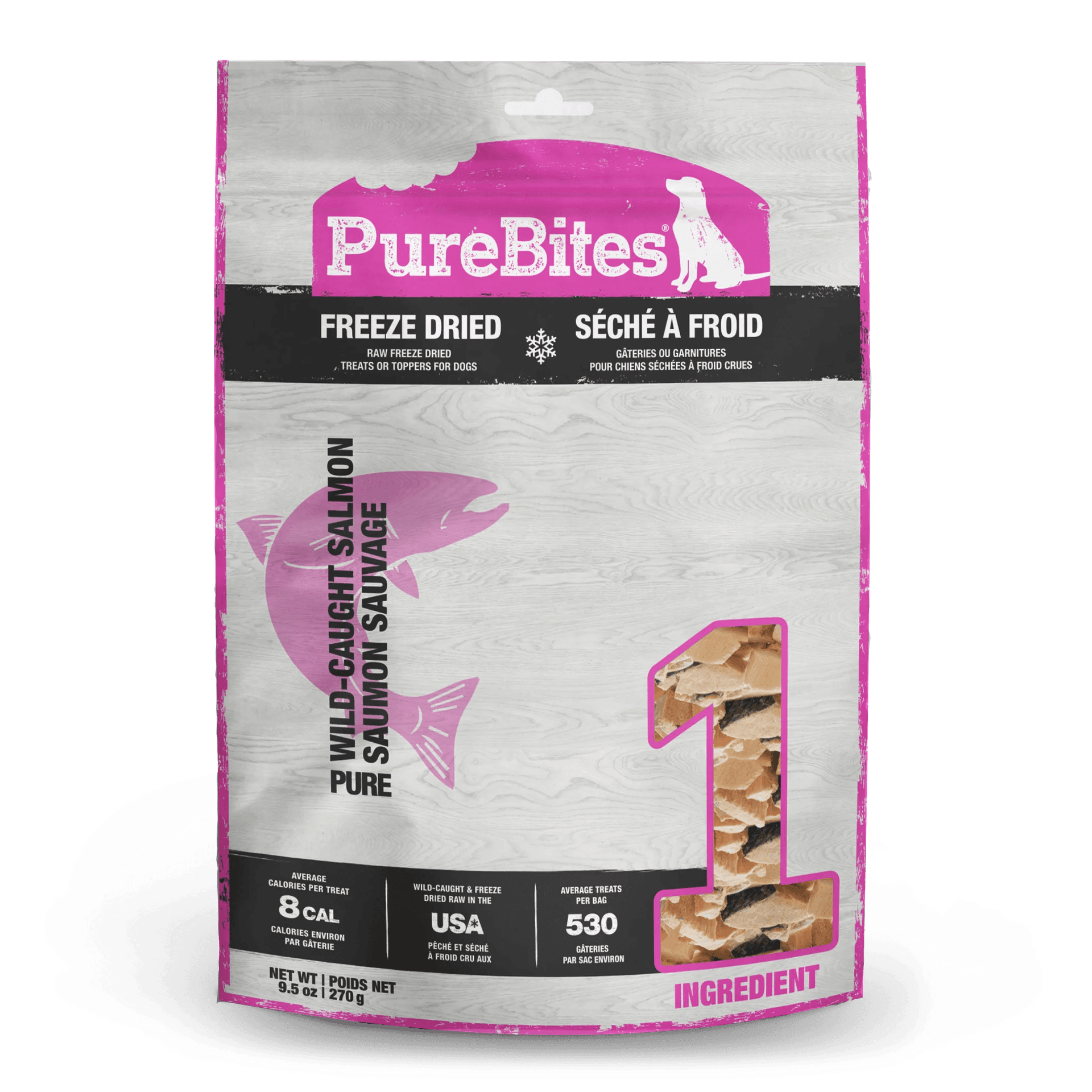
This is an optional dog treat. Review its current label, ingredients, calories, and feeding directions, and count it within the total daily extras.
Webvet may earn a commission when you click through to Chewy, at no extra cost to you.
Frequently Asked Questions
How many sardines can I give my dog in a day?
Plain cooked sardines can be optional if they fit the dog's calorie and medical plan.
Will sardines help my dog's itchy skin?
No one-fish-per-20-pounds rule or universal weekly frequency is evidence based.
Which is better for dogs, sardines or salmon?
Some canned bones are soft, but they do not supply a required mineral balance to a dog eating complete food.
Can dogs eat canned sardines every day?
Avoid raw sardines for pathogen risk; do not assume every sardine species contains thiaminase.
Can dogs eat sardine bones?
Read oil, brine, sauce, sodium, seasonings, calories, and bones on the exact product.

If sardines are offered, keep them plain, cooked, measured, and optional. Avoid household therapeutic promises and use exact product information whenever assessing an exposure.
More safe treats
More meat & seafood for dogs
Sources
- FDA: Advice about Eating Fish
FDA lists salmon, sardines, and shrimp among lower-mercury choices for people; this is contaminant context, not a pet serving recommendation.
- FDA: Get the Facts about Raw Pet Food Diets
Raw animal foods can expose pets and people to pathogens; the guidance supports avoiding raw fish and shellfish without predicting illness from every bite.
- Merck Veterinary Manual: Nutritional Requirements of Small Animals
Complete diets control nutrient intake; limited-ingredient home mixtures can be inadequate, and processed plant ingredients can be digested and used.
- AAHA: Nutritional Risk Factors
Noncomplete foods above 10 percent of daily calories can dilute essential nutrients, and medical and life-stage factors require individual assessment.
- Merck Veterinary Manual: Gastrointestinal Obstruction in Small Animals
Foreign-body risk depends on the object, amount, and patient rather than being guaranteed by a shell, hull, skin, seed, or bone.
- Merck Veterinary Manual: Pancreatitis in Dogs and Cats
Pancreatitis is multifactorial; diet recommendations and risk assessment differ by species, patient, diagnosis, and total nutrient intake.
Reviewed by Dr. Athena Gaffud, DVM
General guidance based on credible veterinary sources; not a diagnosis or a substitute for your veterinarian. If your pet ate something toxic or is unwell, contact your vet or a pet poison line right away.